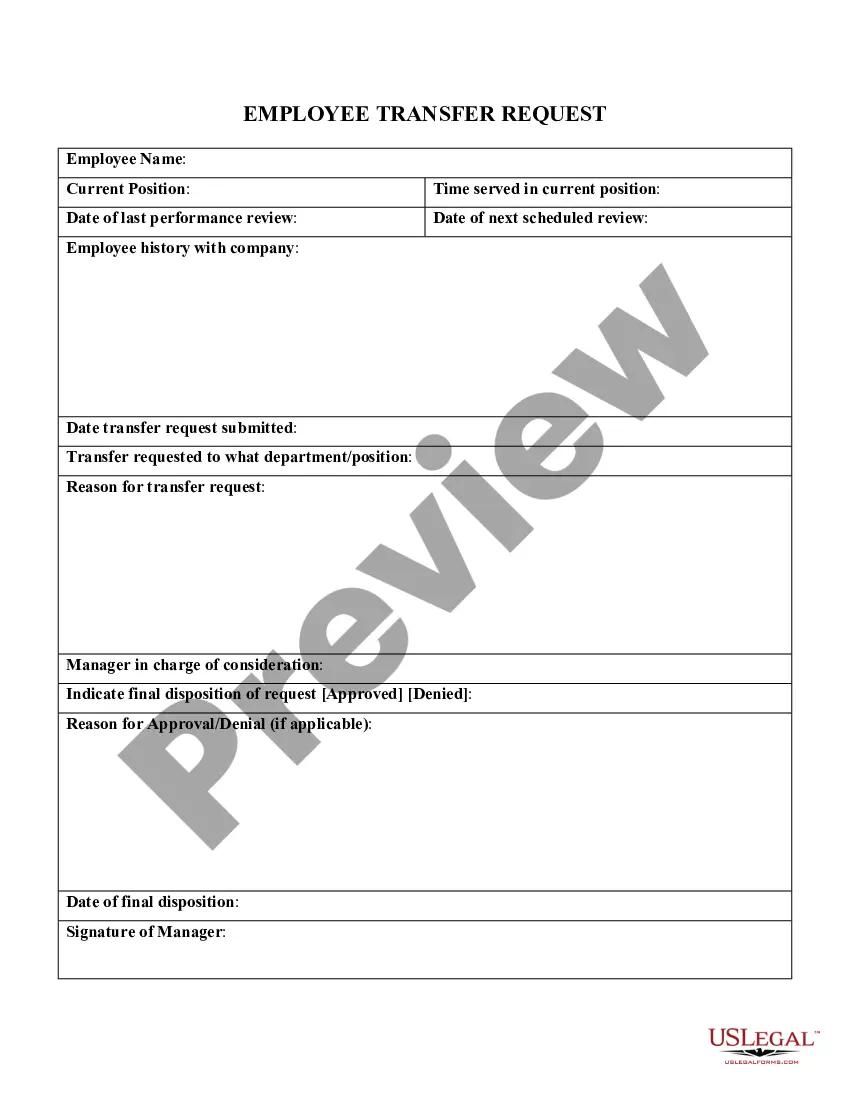
New Mexico Employee Transfer Request
Description
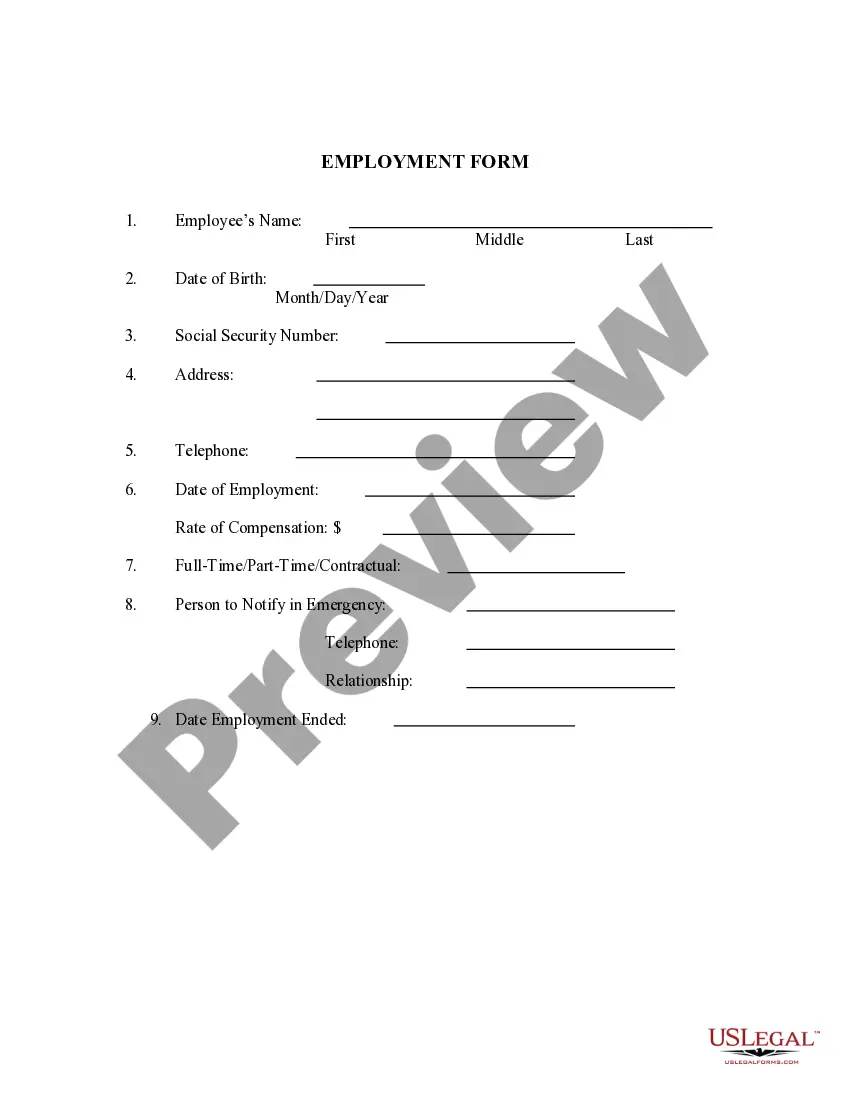
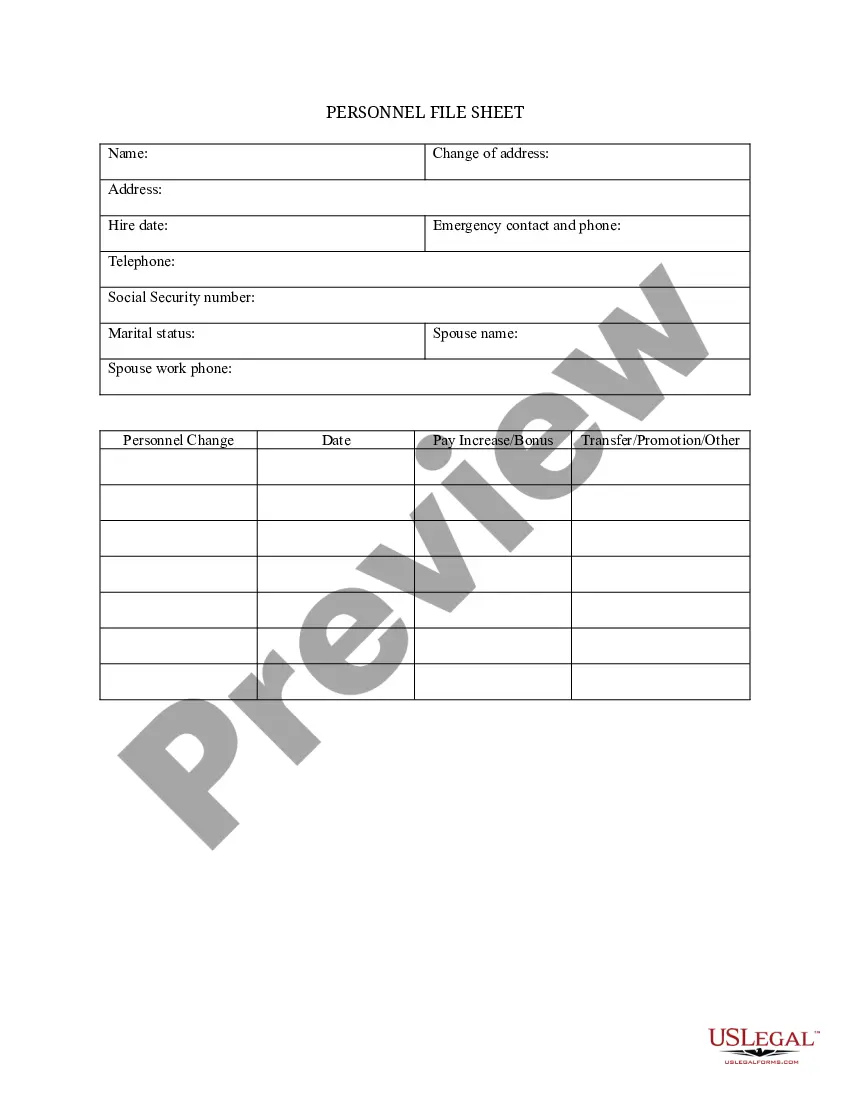
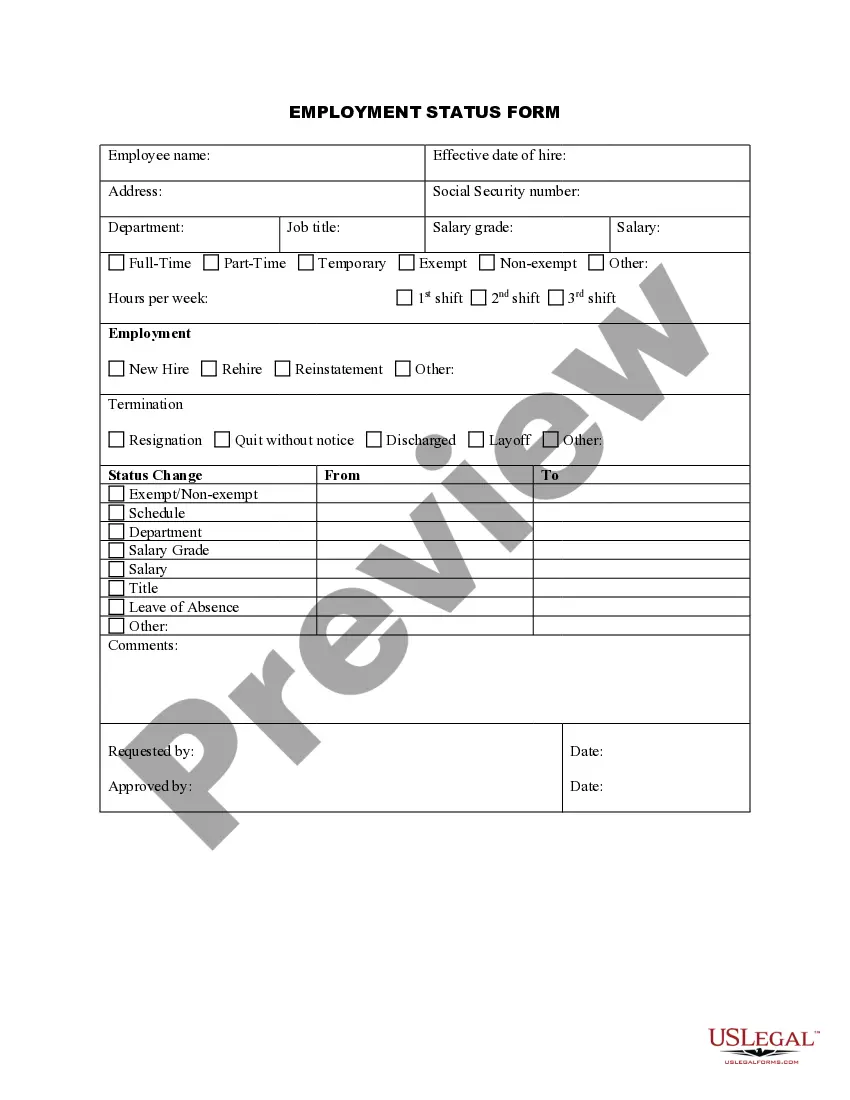
Get your form ready online
Our built-in tools help you complete, sign, share, and store your documents in one place.
Make edits, fill in missing information, and update formatting in US Legal Forms—just like you would in MS Word.
Download a copy, print it, send it by email, or mail it via USPS—whatever works best for your next step.
Sign and collect signatures with our SignNow integration. Send to multiple recipients, set reminders, and more. Go Premium to unlock E-Sign.
If this form requires notarization, complete it online through a secure video call—no need to meet a notary in person or wait for an appointment.
We protect your documents and personal data by following strict security and privacy standards.

Make edits, fill in missing information, and update formatting in US Legal Forms—just like you would in MS Word.

Download a copy, print it, send it by email, or mail it via USPS—whatever works best for your next step.

Sign and collect signatures with our SignNow integration. Send to multiple recipients, set reminders, and more. Go Premium to unlock E-Sign.

If this form requires notarization, complete it online through a secure video call—no need to meet a notary in person or wait for an appointment.

We protect your documents and personal data by following strict security and privacy standards.
Looking for another form?
How to fill out Employee Transfer Request?
US Legal Forms - one of the largest collections of legal documents in the United States - provides a diverse selection of legal form templates available for download or printing.
By utilizing the website, you will gain access to thousands of forms for both business and personal uses, organized by categories, states, or keywords. You can find the latest versions of forms such as the New Mexico Employee Transfer Request within moments.
If you have an account, Log In and download the New Mexico Employee Transfer Request from the US Legal Forms repository. The Get button will appear on every form you view. You can access all previously saved forms in the My documents section of your account.
- Ensure you have selected the correct form for your city/state.
- Click the Review button to check the content of the form.
- Examine the form details to confirm you have chosen the appropriate form.
- If the form does not meet your needs, utilize the Search box at the top of the screen to find one that does.
- Once satisfied with the form, affirm your choice by clicking the Get now button.
- Then, select the pricing plan you prefer and provide your details to create an account.
Form popularity
FAQ
New Mexico is an employment-at-will state. This means that an employer may generally terminate an employee at any time, for any reason, or for no reason, unless an agreement exists that provides otherwise. There are, however, limitations on the doctrine.
Amount and Duration of Unemployment Benefits in New Mexico Unemployment benefits in New Mexico are 53.5% of your average weekly wage during your highest paid quarter of the base period. Unemployment benefits are subject to a minimum weekly benefit of $86 and a maximum weekly benefit of $461 (in 2020).
Severance pay or Voluntary Buyout payments and legal settlements which result in payments to an employee are not considered wages and are not reportable to the Department.
Under New Mexico law, employees are entitled to certain leaves or time off, including military leave, voting leave, domestic violence leave, emergency responder leave and jury duty leave. See Time Off and Leaves of Absence. New Mexico prohibits smoking in the workplace and texting while driving. See Health and Safety.
Take action. You are allowed to get both severance pay and unemployment. In Illinois, severance pay is money you receive for work during employment. Since your severance pay isn't income, it shouldn't affect your unemployment benefits.
An employer potentially subject to benefit charges will receive a notice from the New Mexico Department of Workforce Solutions (NMDWS) advising that a claim has been filed and requesting information regarding the claimant's work and separation from employment. Employers have 10 days to respond to that notice.
All COVID-19 related federal unemployment programs (FPUC, PUA, PEUC, PEUC-A, MEUC) expired on September 4, 2021. If you are currently receiving regular state unemployment you may continue to receive benefits under that program, depending on eligibility requirements.
10 employee rights you should knowYou must receive a payslip.You must not be discriminated against.Health and safety laws apply to your working environment.Statutory sick pay.Statutory maternity and paternity rights.You are allowed to request flexible working.You are entitled to time off for annual leave.More items...
The State shall protect labor, promote full employment, provide equal work opportunity regardless of gender, race, or creed; and regulate employee-employer relations.
The Act creates and defines three rights for employees: a right to know information about the dangers involved in their job, a right to file OSHA complaints to control workplace hazards, and a right to not be punished for exercising rights protected by OSHA.