New Mexico Agent's Certification as to Validity of Power of Attorney and Agent's Authority
Overview of this form
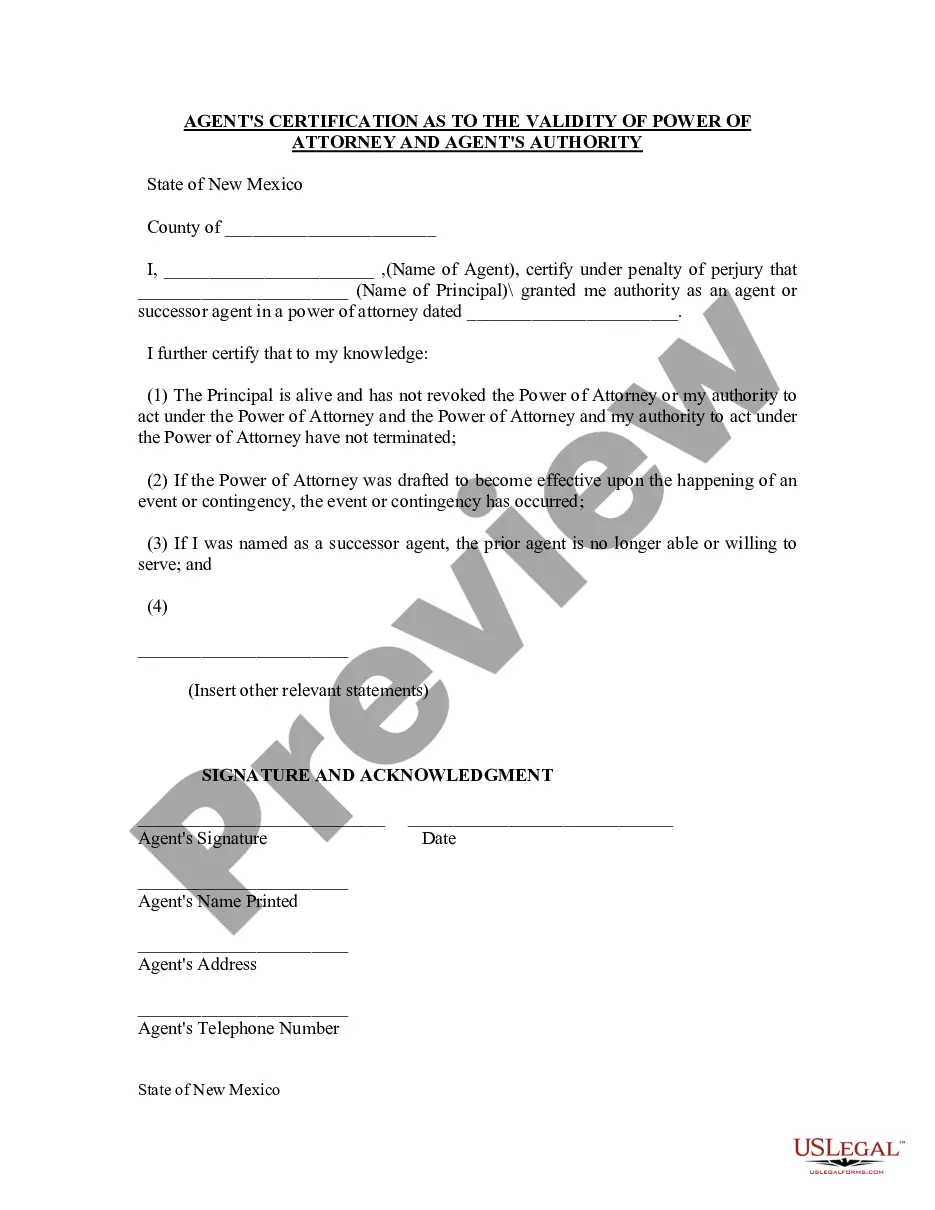
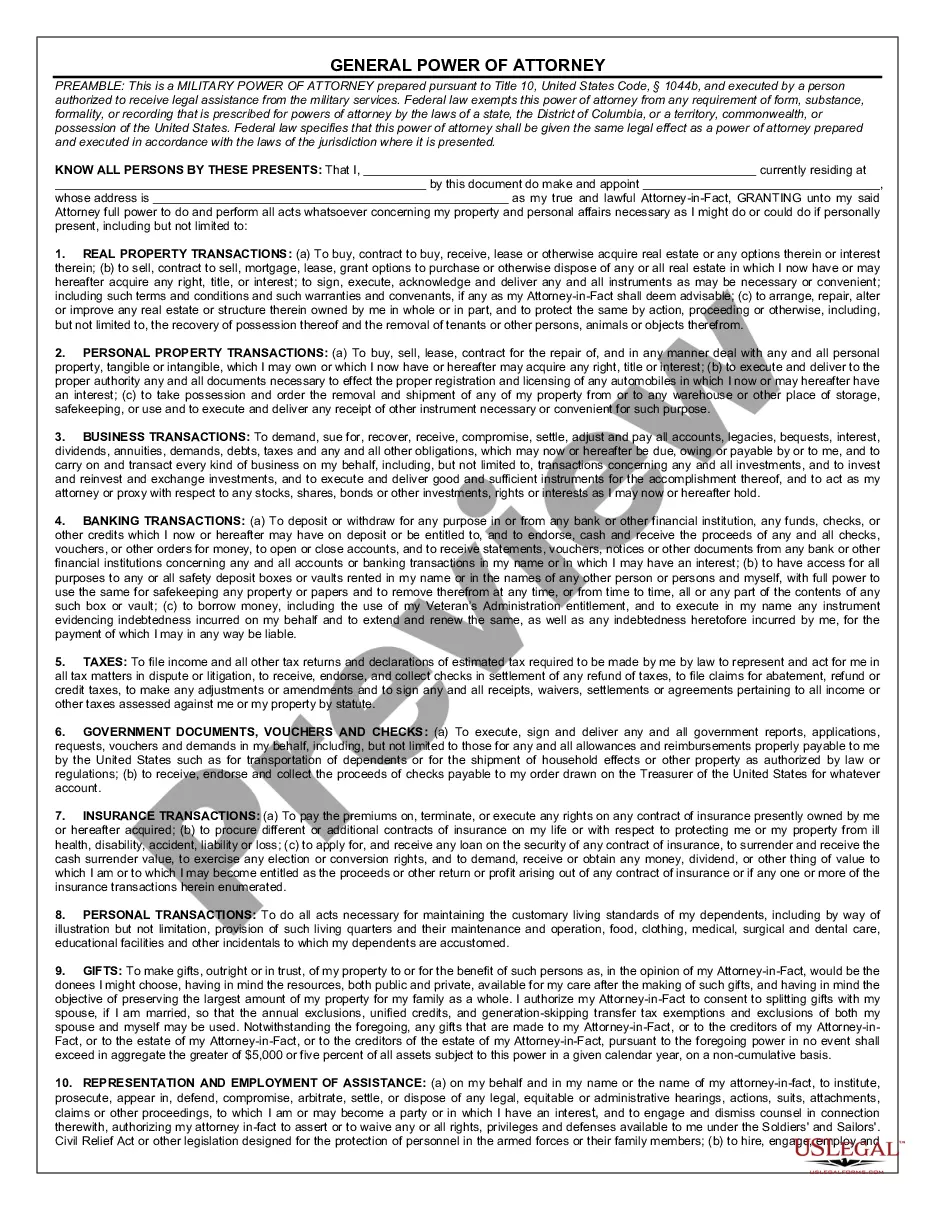
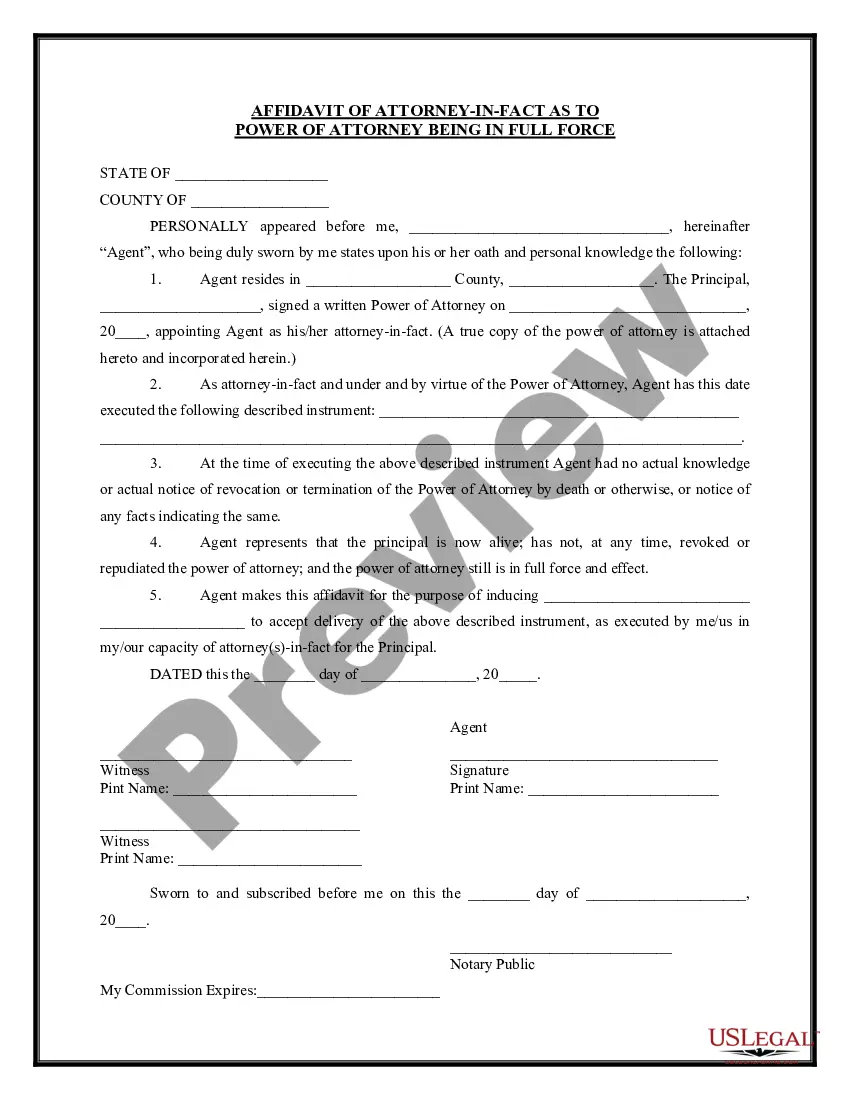
The Agent's Certification as to Validity of Power of Attorney and Agent's Authority is a statutory form used to affirm the legitimacy of an agent's power to act under a power of attorney. This form serves as a declaration that the agent has the authority to act on behalf of the principal and that all prerequisites for this authority are met. Unlike basic power of attorney documents, this certification provides additional verification of the agent's status and the principal's wishes, making it an essential document in legal and financial matters.
Main sections of this form
- Name of Agent: The person certified to act on behalf of the principal.
- Name of Principal: The individual granting the power of attorney.
- Date of Power of Attorney: The date when the initial power of attorney was executed.
- Validity Confirmation: Statements confirming the principal is alive, the power of attorney remains in effect, and any conditions for the authority are met.
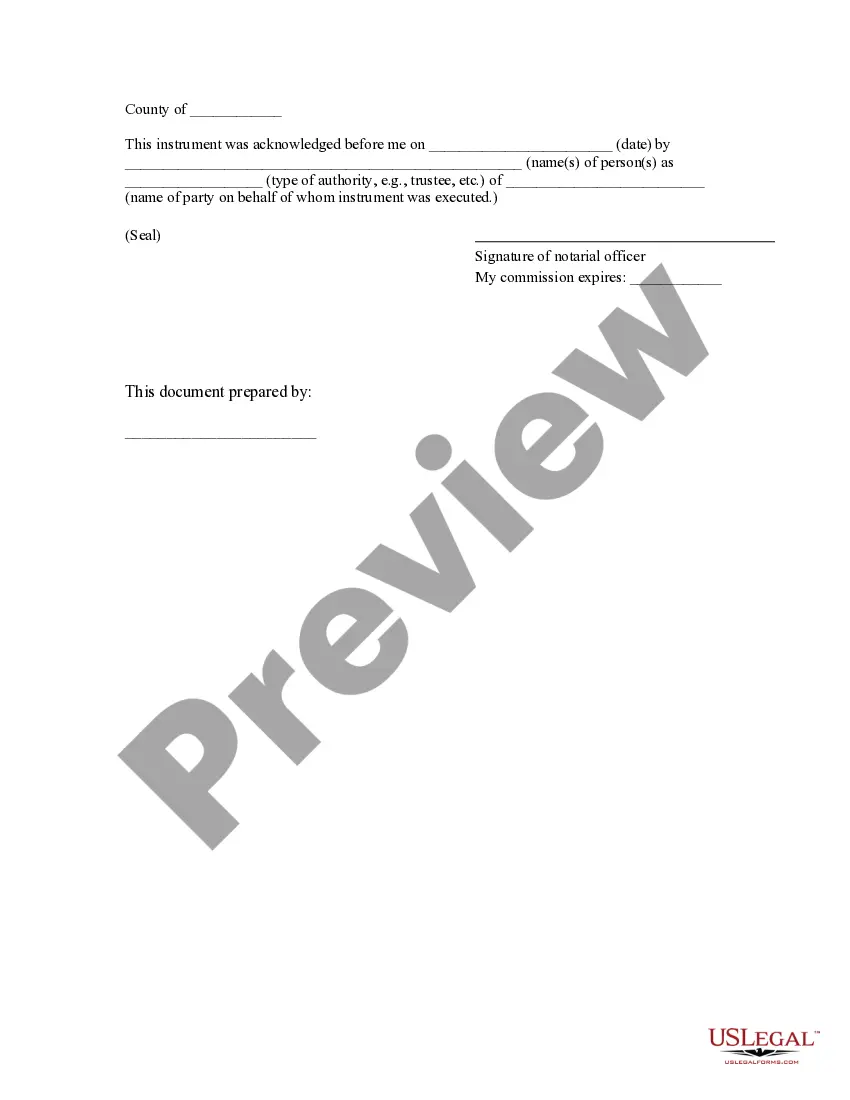
- Signature and Acknowledgment: The agent's signature along with the acknowledgment of a notary or attorney.
Situations where this form applies
This form is typically used when an agent needs to provide proof of their authority under a power of attorney, particularly when dealing with financial institutions or healthcare providers. It is essential in situations where a principal's wishes must be confirmed or when there is a need to establish the agent's legitimacy in legal or administrative processes.
Who can use this document
- Agents acting on behalf of a principal under a power of attorney.
- Individuals seeking to confirm their authority in legal, financial, or medical contexts.
- Attorneys and legal professionals representing either the agent or the principal.
How to prepare this document
- Identify the Agent: Enter the name of the agent who is authorized to act.
- Identify the Principal: Enter the name of the principal who grants the authority.
- Provide the Date of Power of Attorney: Specify the date the power of attorney was executed.
- Confirm Validity: Ensure all statements regarding the principal's status and the conditions are correctly addressed.
- Sign and Date: The agent must sign the document and date it appropriately.
- Notarization: If applicable, have the document notarized to add a layer of legal assurance.
Is notarization required?
Yes, this form must be notarized to be legally valid. Notarization adds an important layer of verification, confirming the identities of the parties involved and ensuring that the document's execution adheres to legal requirements. US Legal Forms offers integrated online notarization, allowing you to complete this process through secure video calls at your convenience.
Get your form ready online
Our built-in tools help you complete, sign, share, and store your documents in one place.
Make edits, fill in missing information, and update formatting in US Legal Forms—just like you would in MS Word.
Download a copy, print it, send it by email, or mail it via USPS—whatever works best for your next step.
Sign and collect signatures with our SignNow integration. Send to multiple recipients, set reminders, and more. Go Premium to unlock E-Sign.
If this form requires notarization, complete it online through a secure video call—no need to meet a notary in person or wait for an appointment.
We protect your documents and personal data by following strict security and privacy standards.

Make edits, fill in missing information, and update formatting in US Legal Forms—just like you would in MS Word.

Download a copy, print it, send it by email, or mail it via USPS—whatever works best for your next step.

Sign and collect signatures with our SignNow integration. Send to multiple recipients, set reminders, and more. Go Premium to unlock E-Sign.

If this form requires notarization, complete it online through a secure video call—no need to meet a notary in person or wait for an appointment.

We protect your documents and personal data by following strict security and privacy standards.
Avoid these common issues
- Failing to accurately confirm the principal's status or conditions of the power of attorney.
- Using outdated or incorrect language in the certification statements.
- Neglecting to notarize the document, if required by local law.
- Omitting signatures or contact information for the agent.
Advantages of online completion
- Convenient access: Download and complete the form from the comfort of your home.
- Editability: Easily fill in the necessary information without the hassle of physical paperwork.
- Reliability: Forms are drafted by licensed attorneys to ensure compliance with legal standards.
Quick recap
- The Agent's Certification is essential for establishing the agent's authority under a power of attorney.
- It provides necessary verification for financial and legal transactions.
- Ensuring notarization enhances the document's legal standing.
Looking for another form?
Form popularity
FAQ
Summary: New Mexico enacts the Uniform Power of Attorney Act (UPOAA).The Act doesn't require a power of attorney to be notarized, but a court will presume the signature to be genuine if it is acknowledged before a Notary or an officer authorized to take acknowledgments.
General Power of Attorney. Durable Power of Attorney. Special or Limited Power of Attorney. Springing Durable Power of Attorney.
Non-Durable Power of Attorney. Durable Power of Attorney. Special or Limited Power of Attorney. Medical Power of Attorney. Springing Power of Attorney. Create Your Power of Attorney Now.
Who can make a power of attorney? Anyone over 18 can make a power of attorney as long as they understand what they are signing (that is, if they have mental capacity).
The person named in a power of attorney to act on your behalf is commonly referred to as your "agent" or "attorney-in-fact." With a valid power of attorney, your agent can take any action permitted in the document. Often your agent must present the actual document to invoke the power.
Certainly. The principal may revoke the power of attorney at any time. All he or she needs to do is send you a letter to this effect.But the conservator or guardian, like the principal, has the power to revoke the power of attorney.
A Financial Power of Attorney: is a legal document that allows one person to act for another person, but the authority comes with duties and responsibilities. The giver of the authority is known as the principal, while the receiver is referred to as an agent.
A General Power of Attorney can be witnessed by anyone over the age of 18 years who is not an attorney appointed under the document. (iii) the person is not an attorney under the power of attorney. - a medical practitioner. - not be a care worker; or accommodation provider for the principal.
The person named in a power of attorney to act on your behalf is commonly referred to as your "agent" or "attorney-in-fact." With a valid power of attorney, your agent can take any action permitted in the document. Often your agent must present the actual document to invoke the power.