New Mexico Living Trust for Husband and Wife with Minor and or Adult Children

Overview of this form
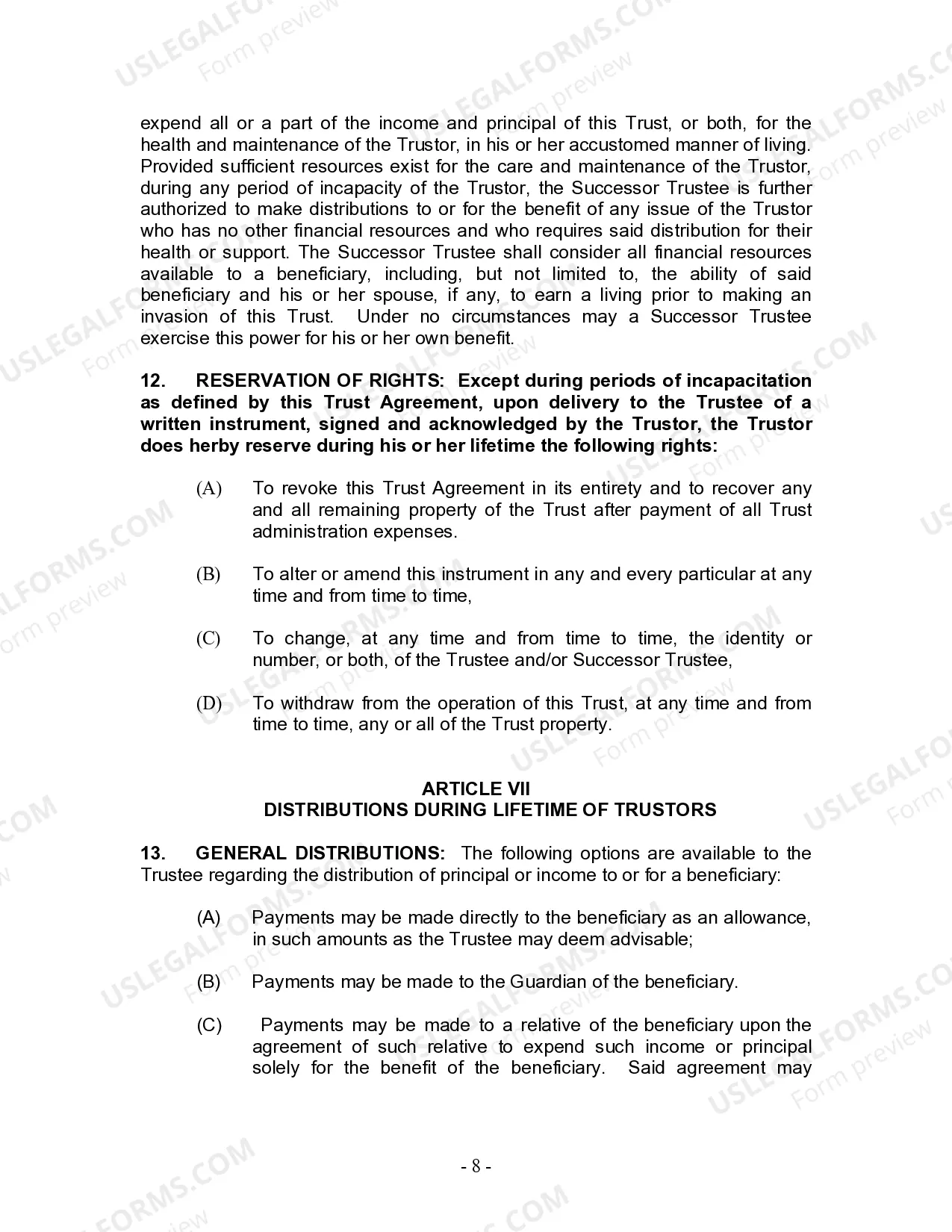
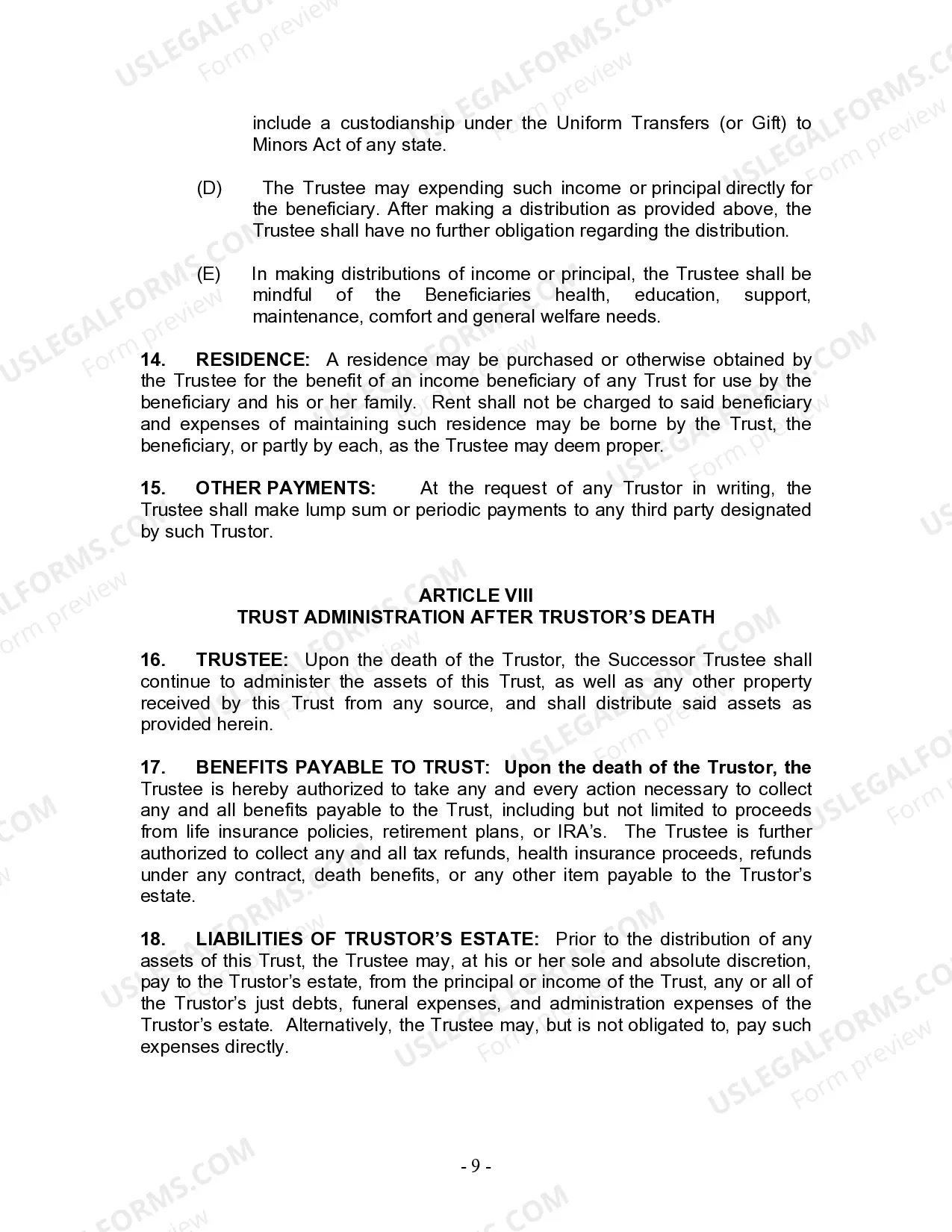
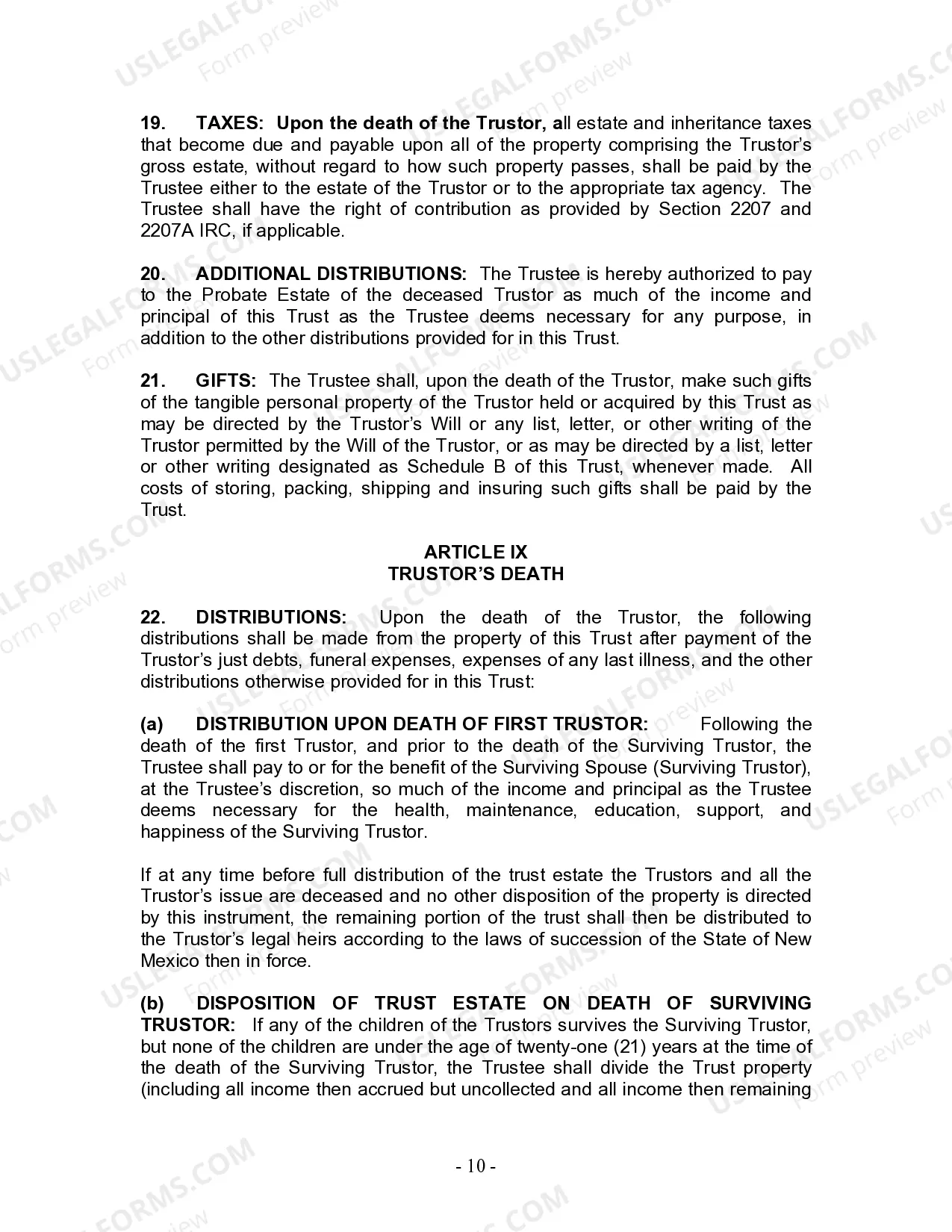
This form is a Living Trust for Husband and Wife with Minor and/or Adult Children, created to manage your assets during your lifetime and to specify the distribution of your estate upon death. Unlike a will, a living trust allows for the immediate transfer of your property to your beneficiaries without the need for probate, offering greater control and privacy. With this form, both spouses can set up a revocable living trust that protects their family's financial interests, ensuring a smooth transition of assets to their children or other designated beneficiaries.
Main sections of this form
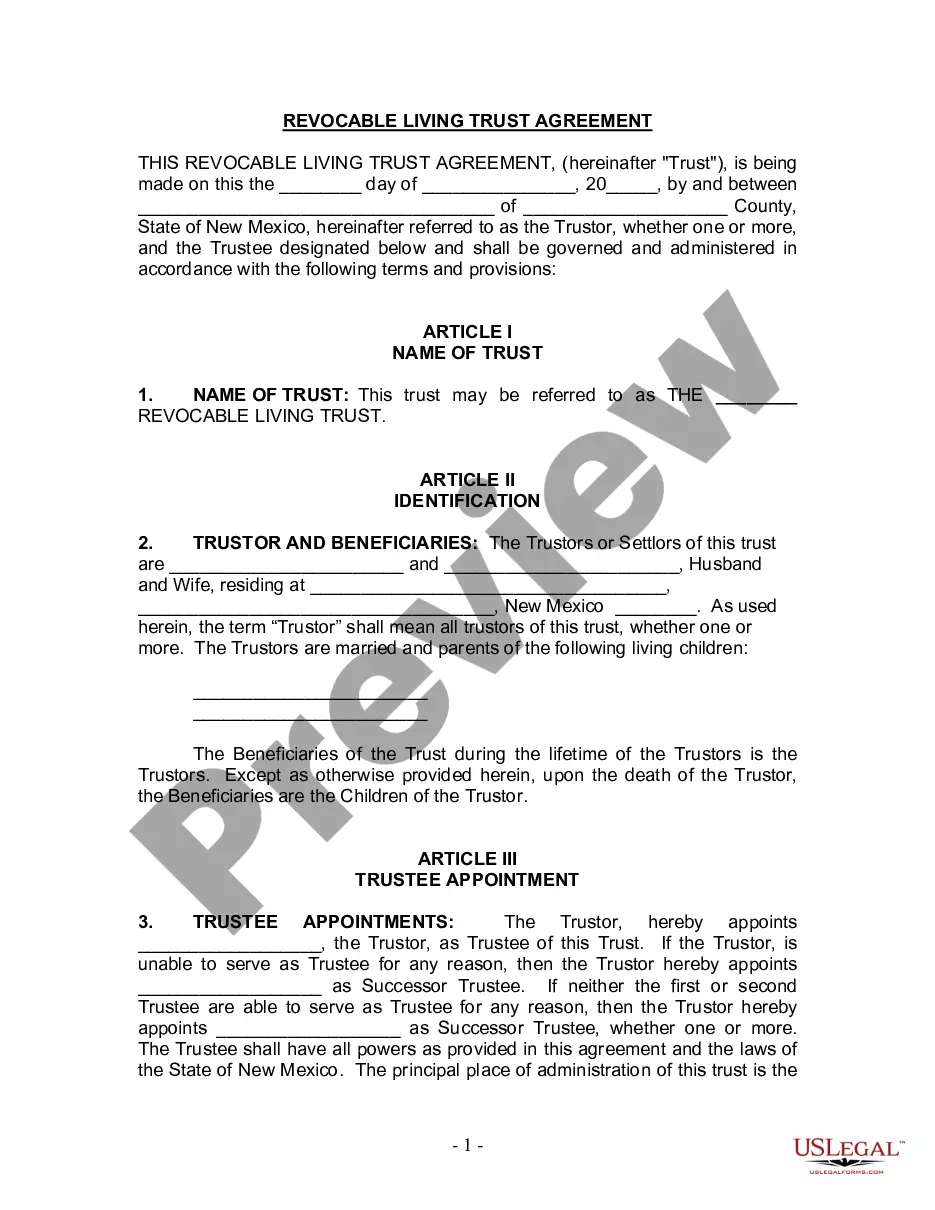
- Identification of Trustors and Beneficiaries: Lists the husband and wife as Trustors and their children as Beneficiaries.
- Trustee Appointment: Designates a Trustee to manage the trust's assets during the Trustors' lifetime.
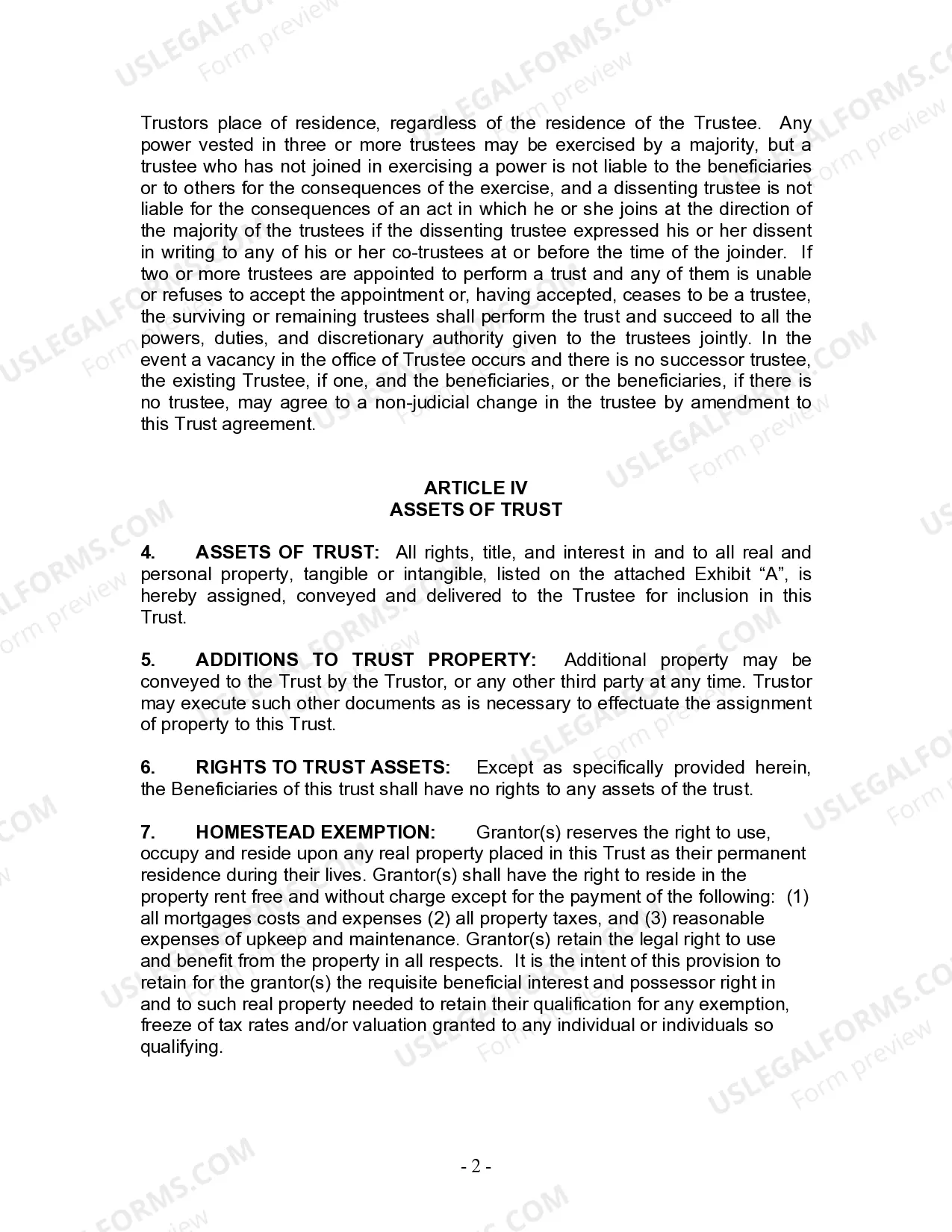
- Assets of the Trust: Specifies the property and assets included, allowing for additions over time.
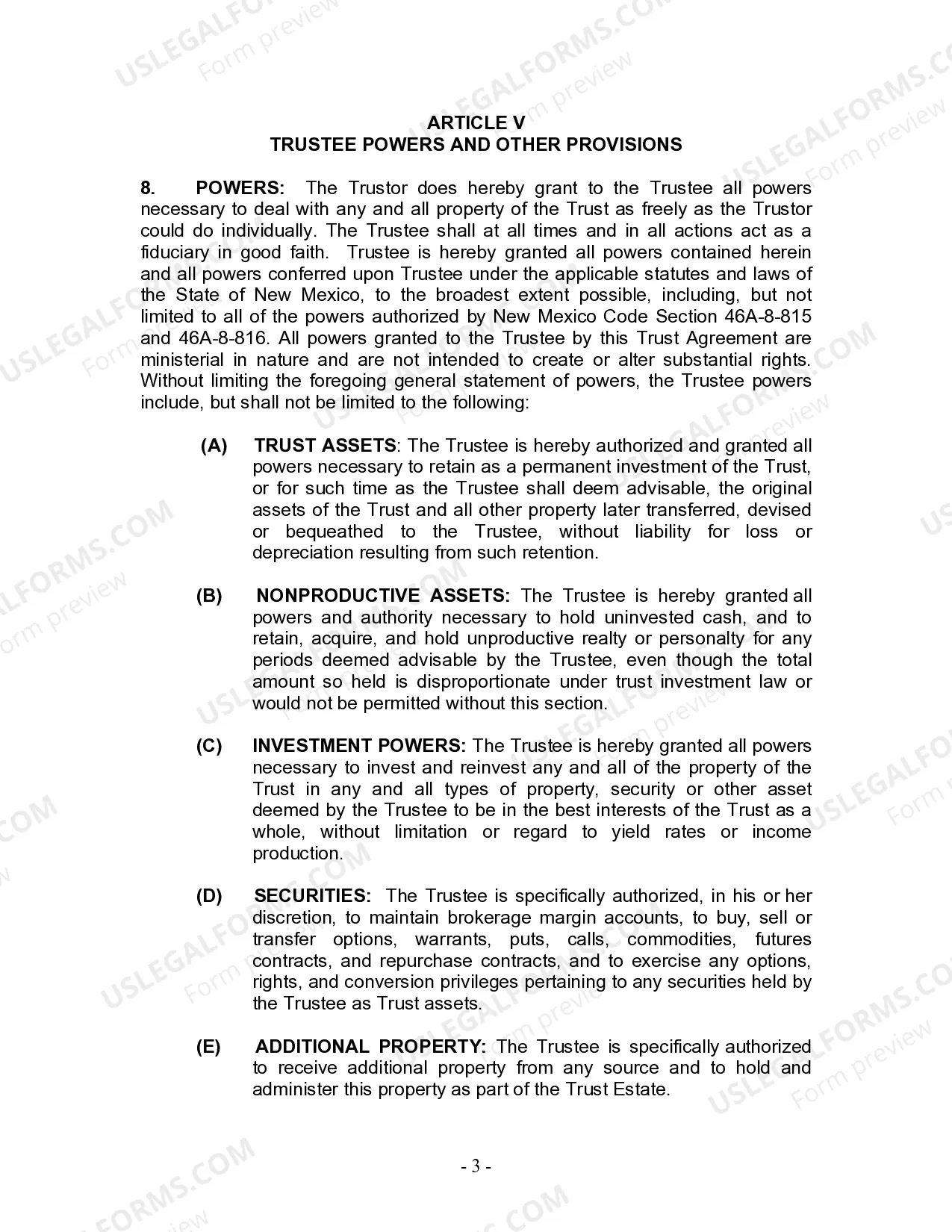
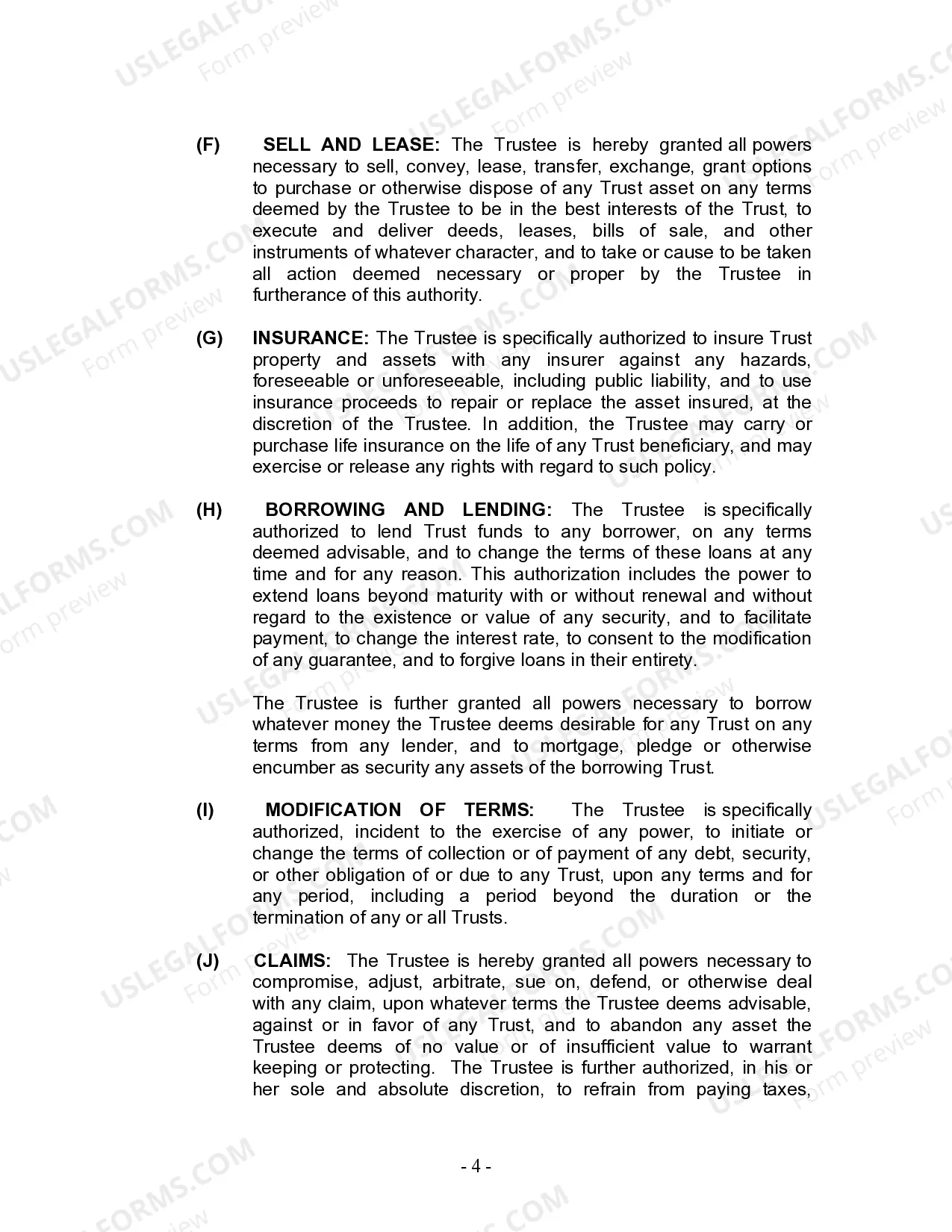
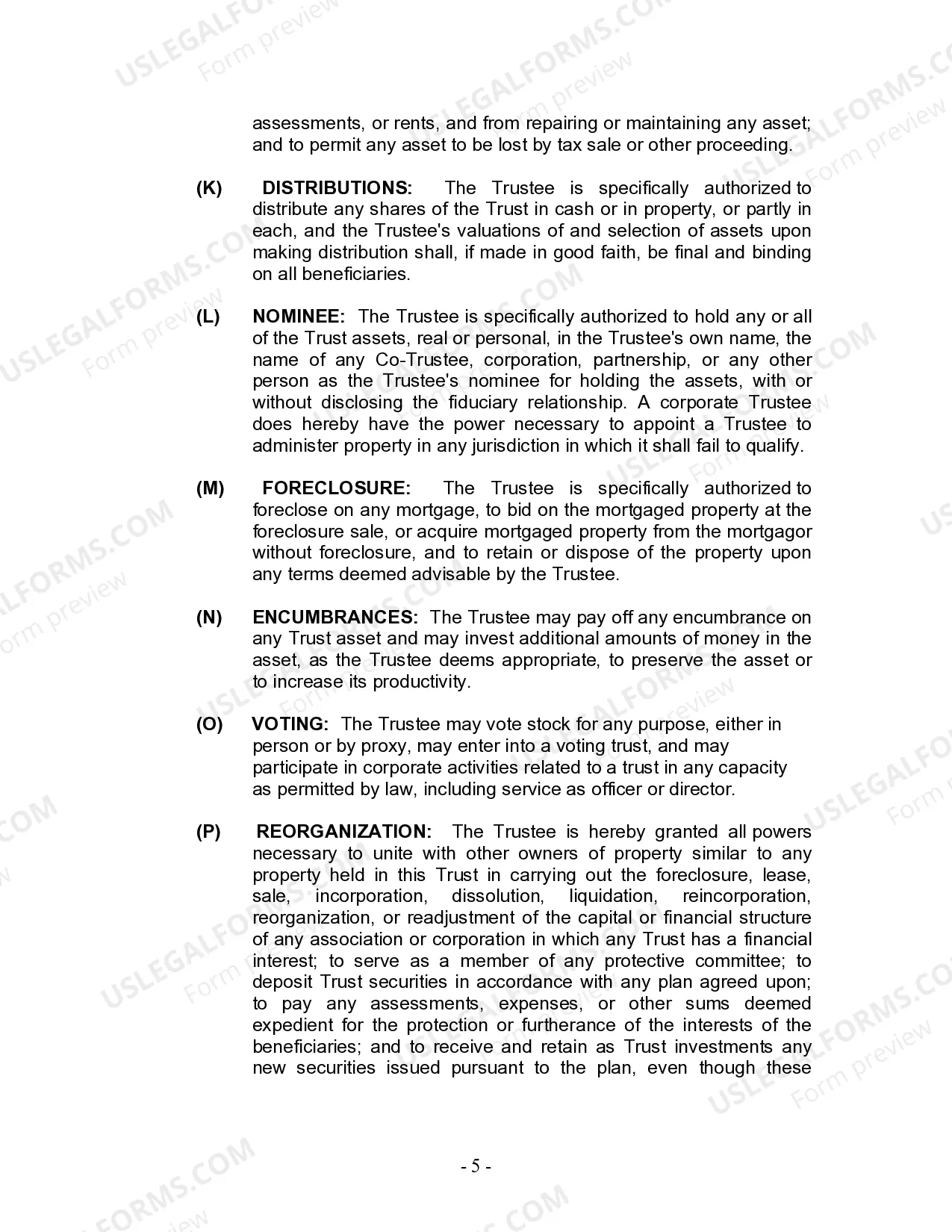
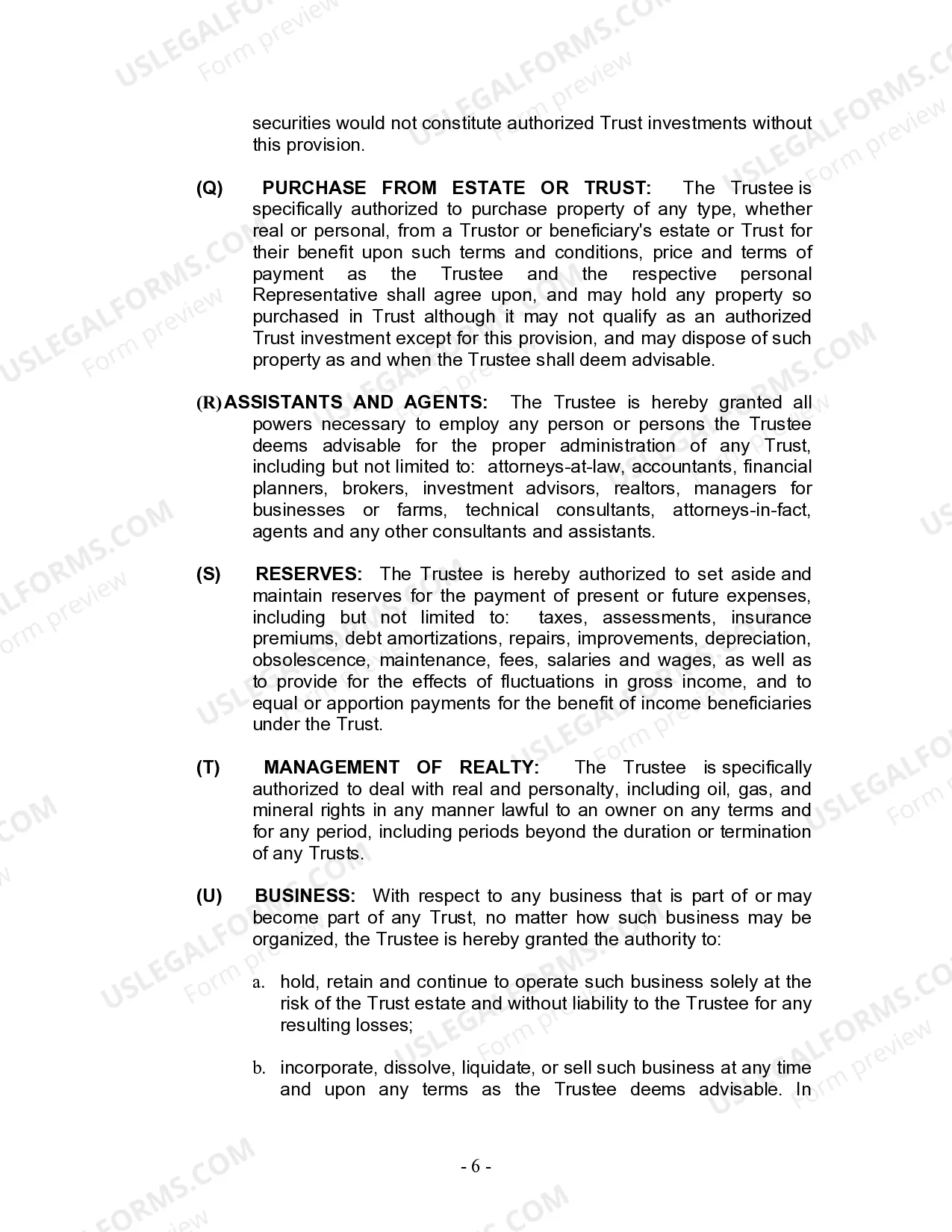
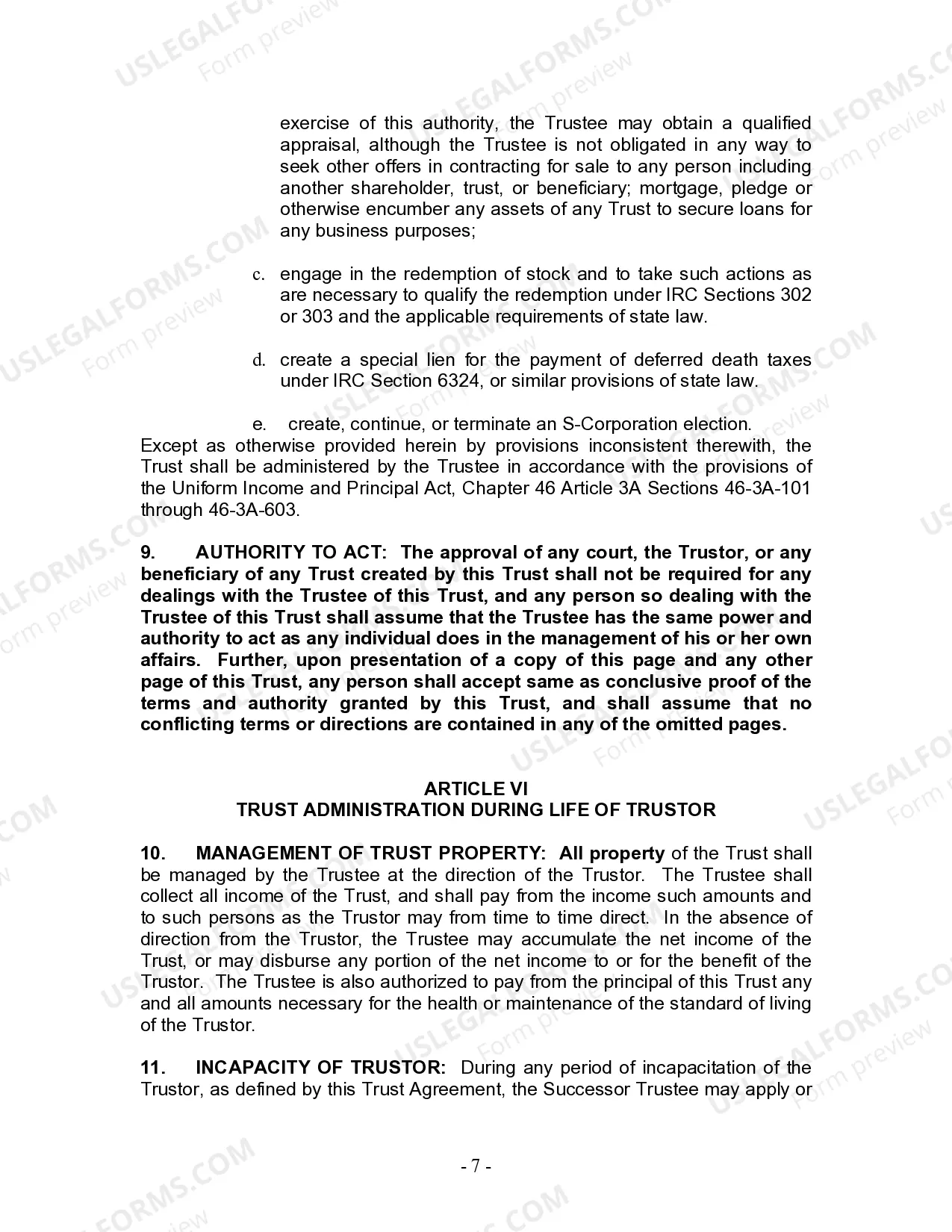
- Powers of the Trustee: Outlines the authority of the Trustee to manage trust assets and make distributions.
- Distribution Terms: Details how assets will be distributed upon the death of the Trustors.




When this form is needed
This form is useful in several real-world scenarios. If you are a husband and wife wanting to ensure your children's inheritance is managed efficiently, this living trust will help. It is beneficial if you want to avoid probate challenges and secure your family's financial future. Additionally, it is essential if you wish to have control over how your assets are distributed, whether your children are minors or adults.
Intended users of this form
This living trust is intended for:
- Married couples looking to establish control over their assets during their lifetime.
- Parents with minor or adult children wanting to ensure their children receive their inheritance smoothly.
- Individuals concerned about privacy in estate planning, as a living trust does not go through probate.
- Those who wish to maintain flexibility in their estate planning, as the trust can be revoked or amended during their lifetime.
Instructions for completing this form
To complete this living trust form, follow these steps:
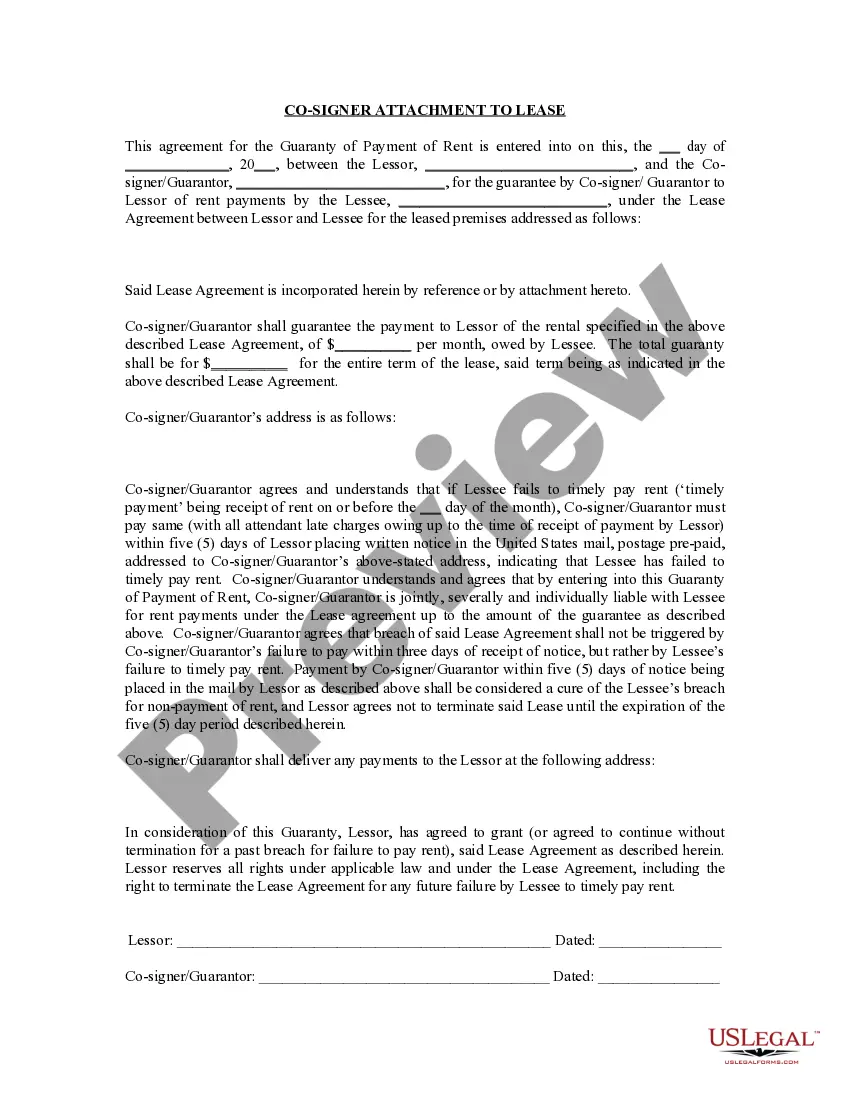
- Identify the Trustors (both husband and wife) by entering their names and addresses.
- Designate the Trustee who will manage the living trust, along with any successor Trustees if needed.
- List the assets that will be transferred into the trust, ensuring you have a detailed Exhibit A attached as necessary.
- Outline the terms of how the assets will be managed during the Trustors' lifetimes and distributed upon their deaths.
- Sign the document in the presence of a notary public, if required, to ensure its validity.
Does this form need to be notarized?
Yes, this form must be notarized to be legally valid. US Legal Forms offers integrated online notarization available 24/7 through secure video calls, ensuring convenience while complying with legal requirements.
Get your form ready online
Our built-in tools help you complete, sign, share, and store your documents in one place.
Make edits, fill in missing information, and update formatting in US Legal Forms—just like you would in MS Word.
Download a copy, print it, send it by email, or mail it via USPS—whatever works best for your next step.
Sign and collect signatures with our SignNow integration. Send to multiple recipients, set reminders, and more. Go Premium to unlock E-Sign.
If this form requires notarization, complete it online through a secure video call—no need to meet a notary in person or wait for an appointment.
We protect your documents and personal data by following strict security and privacy standards.

Make edits, fill in missing information, and update formatting in US Legal Forms—just like you would in MS Word.

Download a copy, print it, send it by email, or mail it via USPS—whatever works best for your next step.

Sign and collect signatures with our SignNow integration. Send to multiple recipients, set reminders, and more. Go Premium to unlock E-Sign.

If this form requires notarization, complete it online through a secure video call—no need to meet a notary in person or wait for an appointment.

We protect your documents and personal data by following strict security and privacy standards.
Avoid these common issues
- Failing to list all assets in the trust, which can lead to those assets going through probate.
- Not designating a successor Trustee, which can create confusion if the primary Trustee becomes incapacitated or passes away.
- Neglecting to update the trust after major life events, such as the birth of a child or changes in financial circumstances.
Benefits of using this form online
- The trust allows for seamless transfer of assets to beneficiaries without probate delays.
- It provides privacy since the trust is not made public like a will during probate.
- Trustors can retain control over their assets during their lifetime.
- Flexibility to amend or revoke the trust as financial situations or family needs change.
- Living trusts are legally recognized and enforceable in New Mexico.
- This trust can help avoid probate, ensuring a quicker distribution of assets to beneficiaries.
- Always keep your trust updated to reflect any changes in family circumstances or financial situation.
What to keep in mind
- A living trust allows couples to manage assets and provide for children during their lifetimes and after death.
- Assets do not go through probate, streamlining the transfer process.
- Completing the form correctly is crucial for it to be valid and effective.
- Trustor: The individual(s) creating the trust.
- Trustee: The individual or entity managing the trust assets.
- Beneficiary: A person or group entitled to receive benefits from the trust.
- Revocable Trust: A trust that can be altered or revoked by the trustor during their lifetime.
Looking for another form?
Form popularity
FAQ
A trust is the best way to protect your vacation home. This legal agreement allows you to lay out your wishes clearly for how the property should be handled once you die. You can use a trust to determine who gets your vacation home, when they have access to it, and what they can do with the property.
Houses and other real estate (even if they're mortgaged) stock, bond, and other security accounts held by brokerages (but think about naming a TOD beneficiary instead) small business interests (stock in a closely held corporation, partnership interests, or limited liability company shares)
The process of funding your living trust by transferring your assets to the trustee is an important part of what helps your loved ones avoid probate court in the event of your death or incapacity. Qualified retirement accounts such as 401(k)s, 403(b)s, IRAs, and annuities, should not be put in a living trust.
Property you put in a living trust doesn't have to go through probate, which means that the assets won't get tied up in court for months and maybe years. However, you don't have to put bank accounts in a living trust, and sometimes it's not a good idea.
You can put your real estate into your living trust even if owe money on it. A loan on the property -- like a mortgage or deed of trust -- will follow the property into the trust, and it will also follow the property to the beneficiary.
Qualified retirement accounts 401ks, IRAs, 403(b)s, qualified annuities. Health saving accounts (HSAs) Medical saving accounts (MSAs) Uniform Transfers to Minors (UTMAs) Uniform Gifts to Minors (UGMAs) Life insurance. Motor vehicles.
A revocable living trust is a trust document created by an individual that can be changed over time. Revocable living trusts are used to avoid probate and to protect the privacy of the trust owner and beneficiaries of the trust as well as minimize estate taxes.
One type of trust that will protect your assets from your creditors is called an irrevocable trust. Once you establish an irrevocable trust, you no longer legally own the assets you used to fund it and can no longer control how those assets are distributed.
Cash Accounts. Rafe Swan / Getty Images. Non-Retirement Investment and Brokerage Accounts. Non-qualified Annuities. Stocks and Bonds Held in Certificate Form. Tangible Personal Property. Business Interests. Life Insurance. Monies Owed to You.