New Mexico Grant of Access Easement
Understanding this form
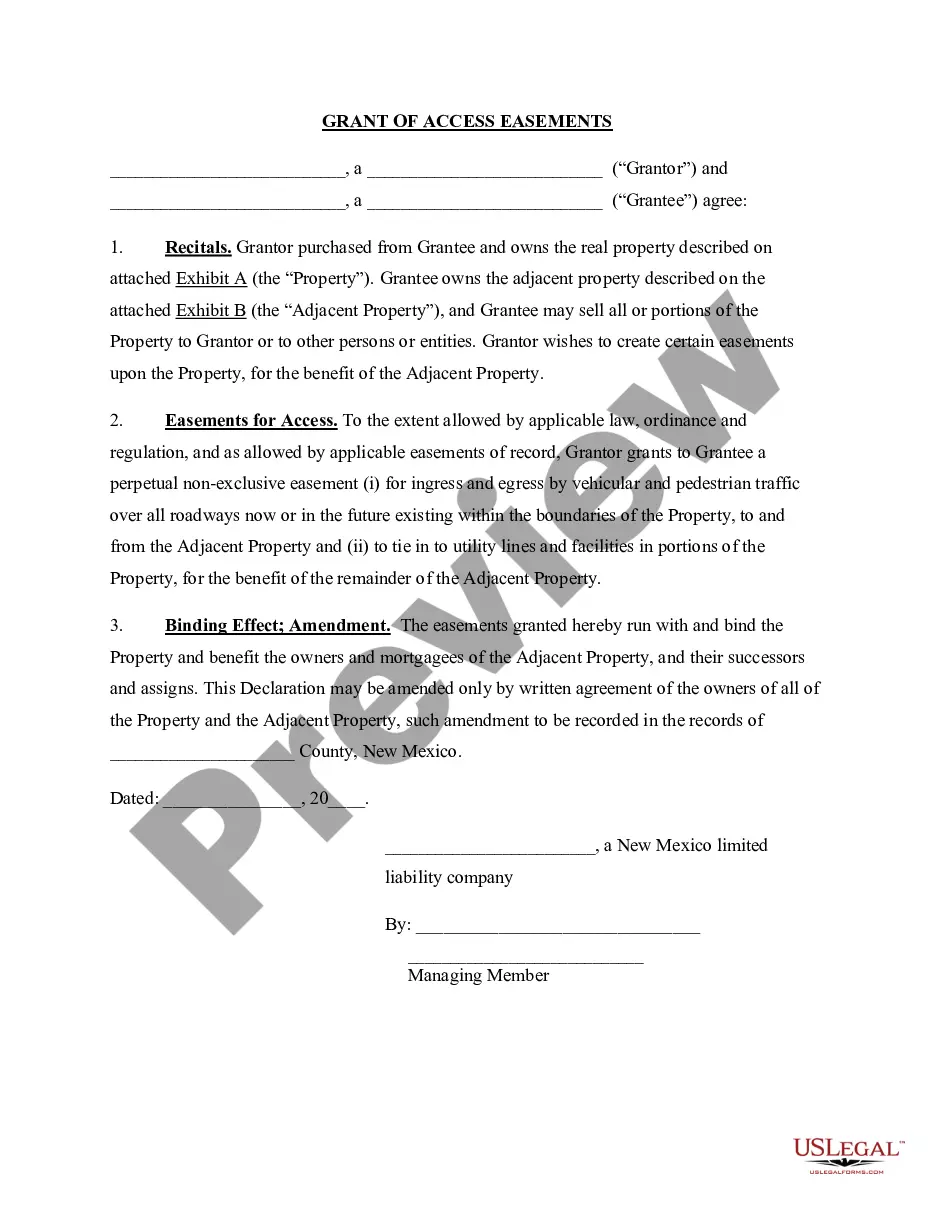
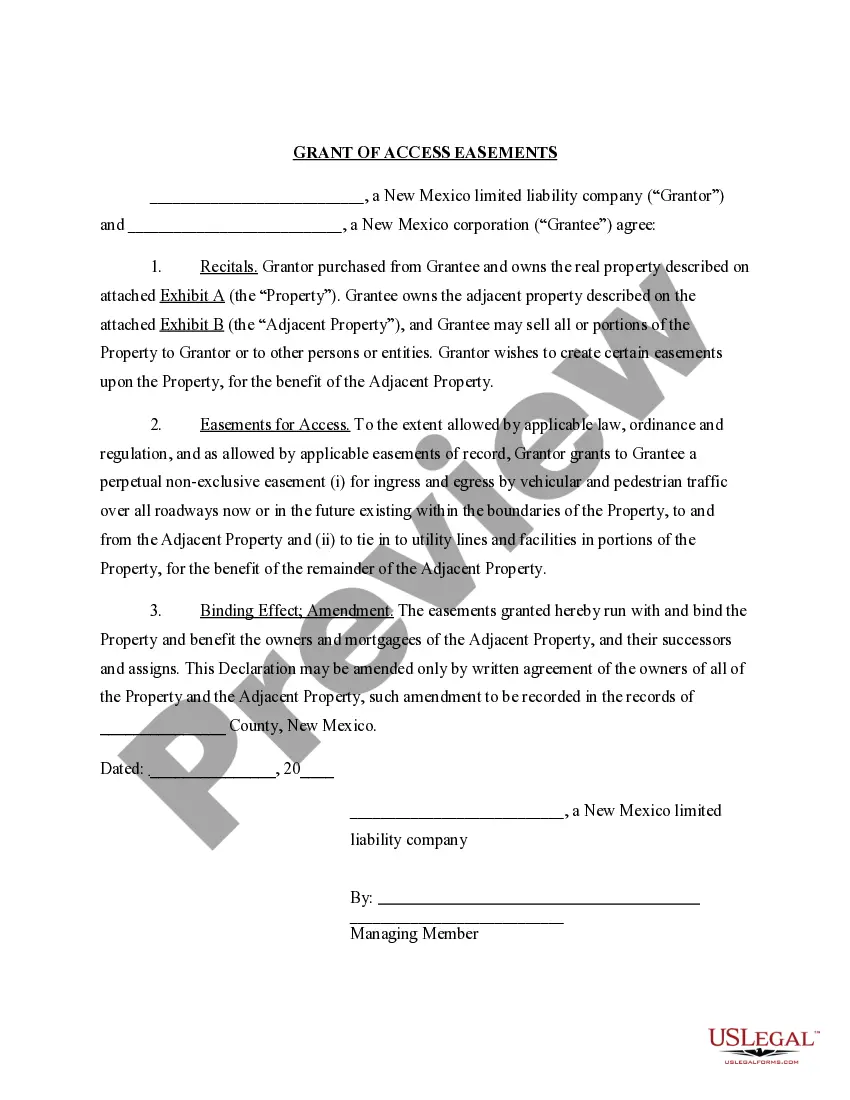
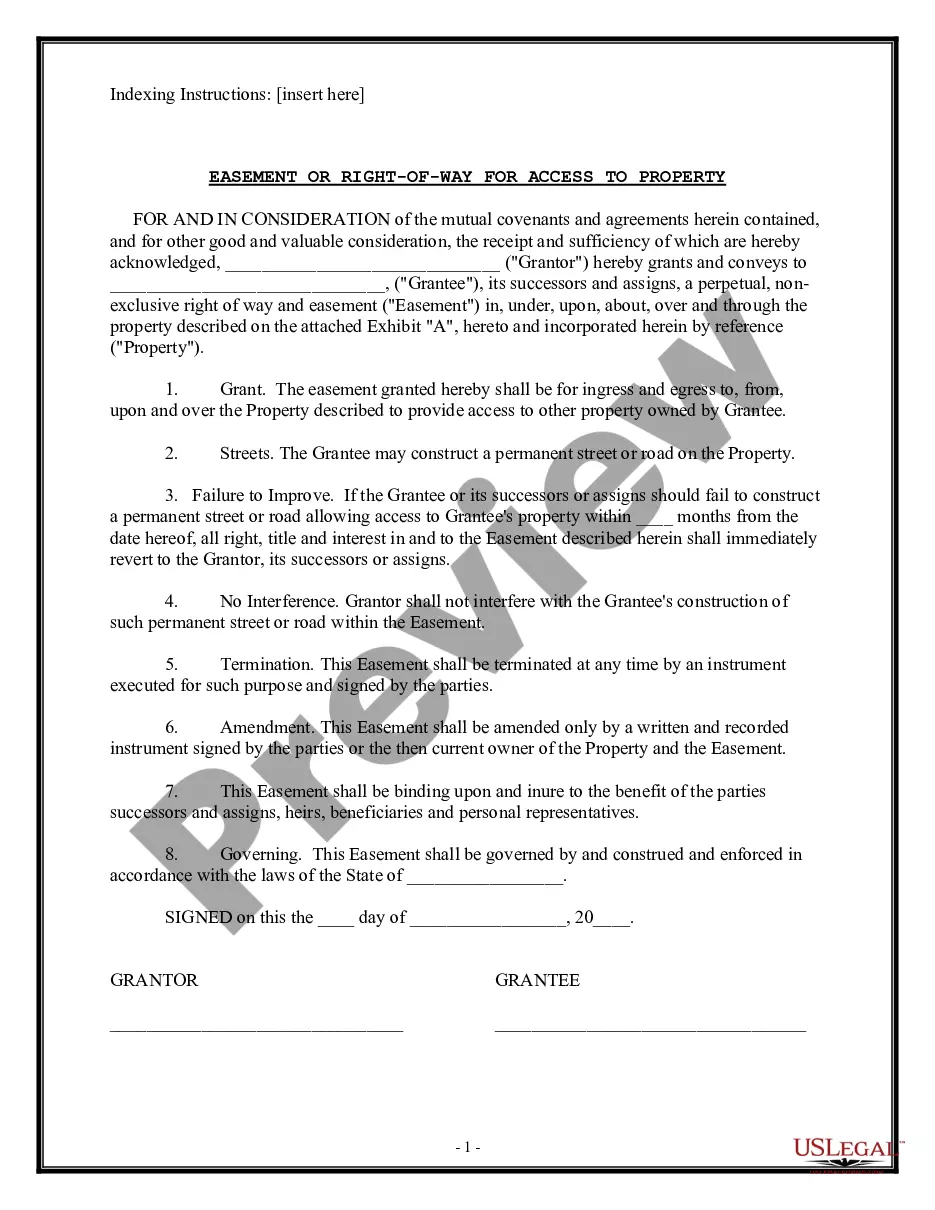
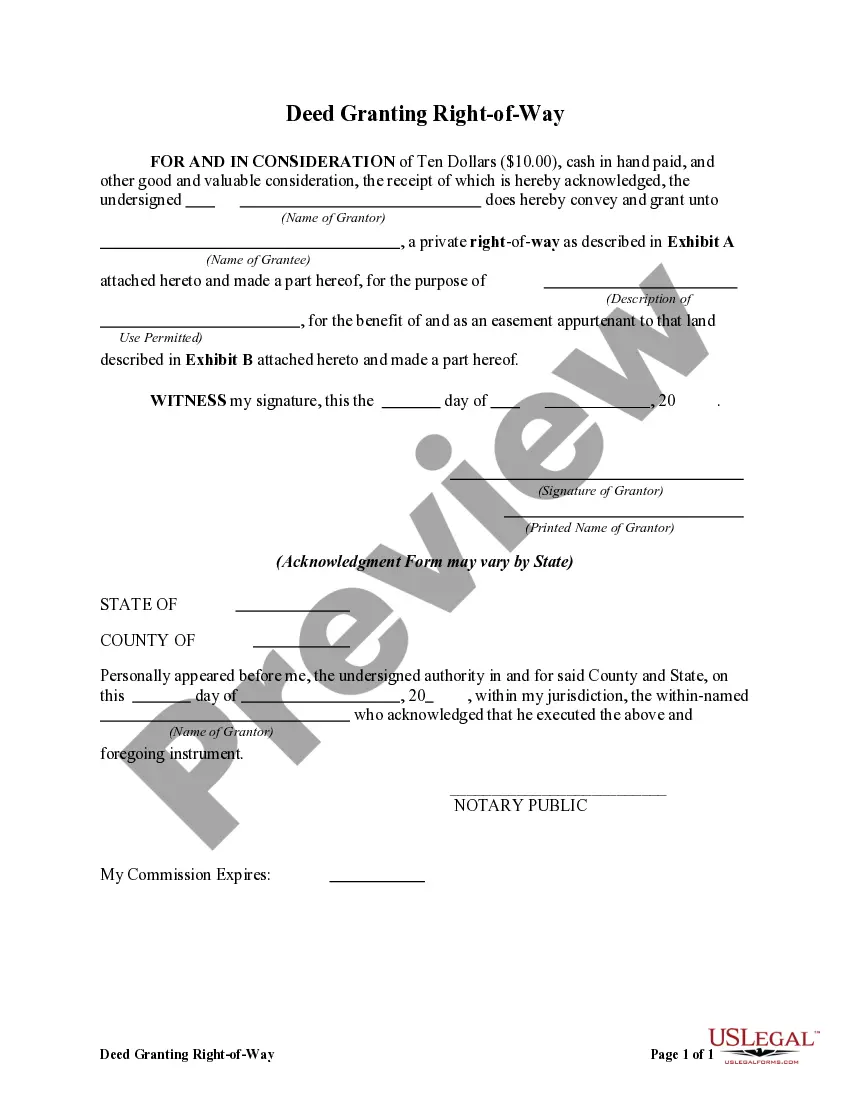
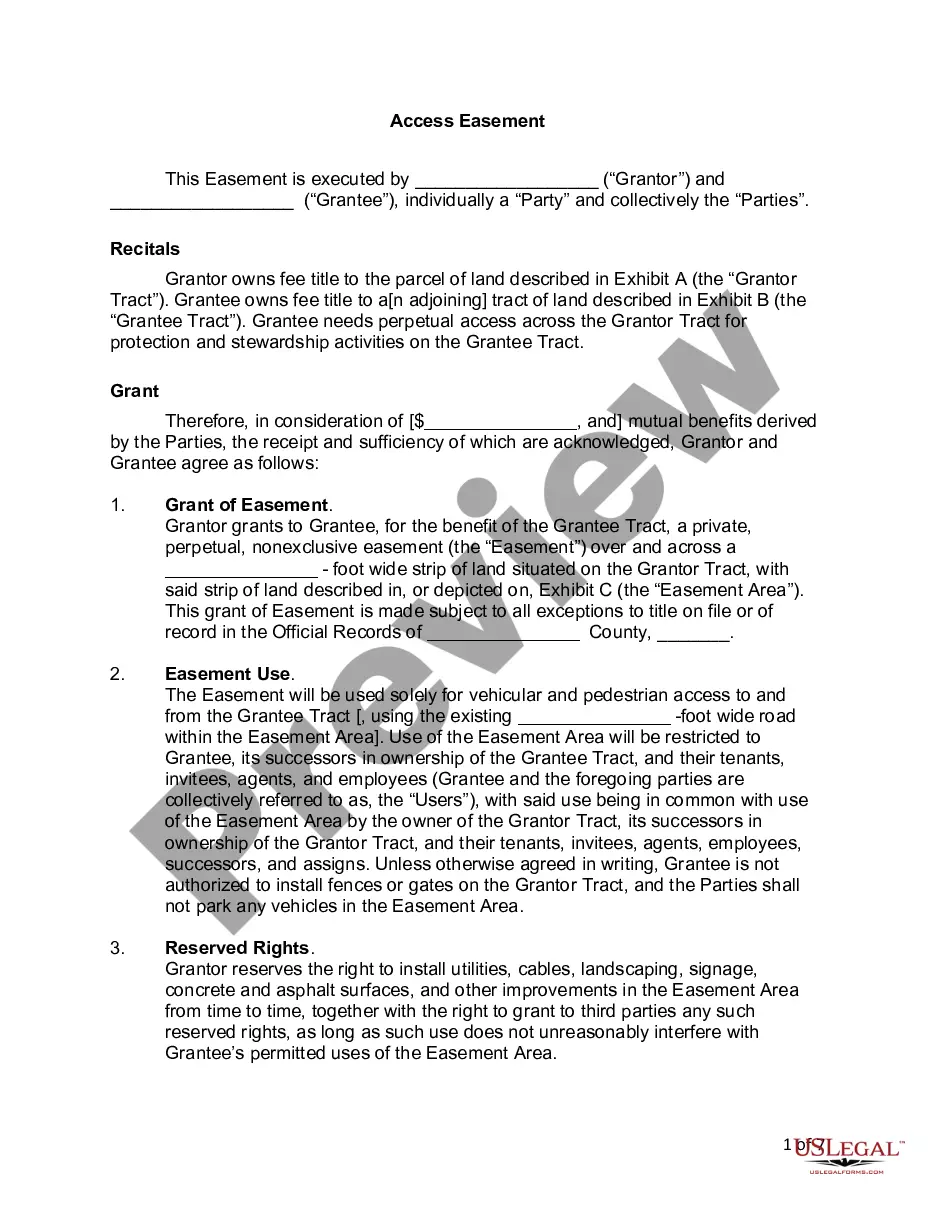
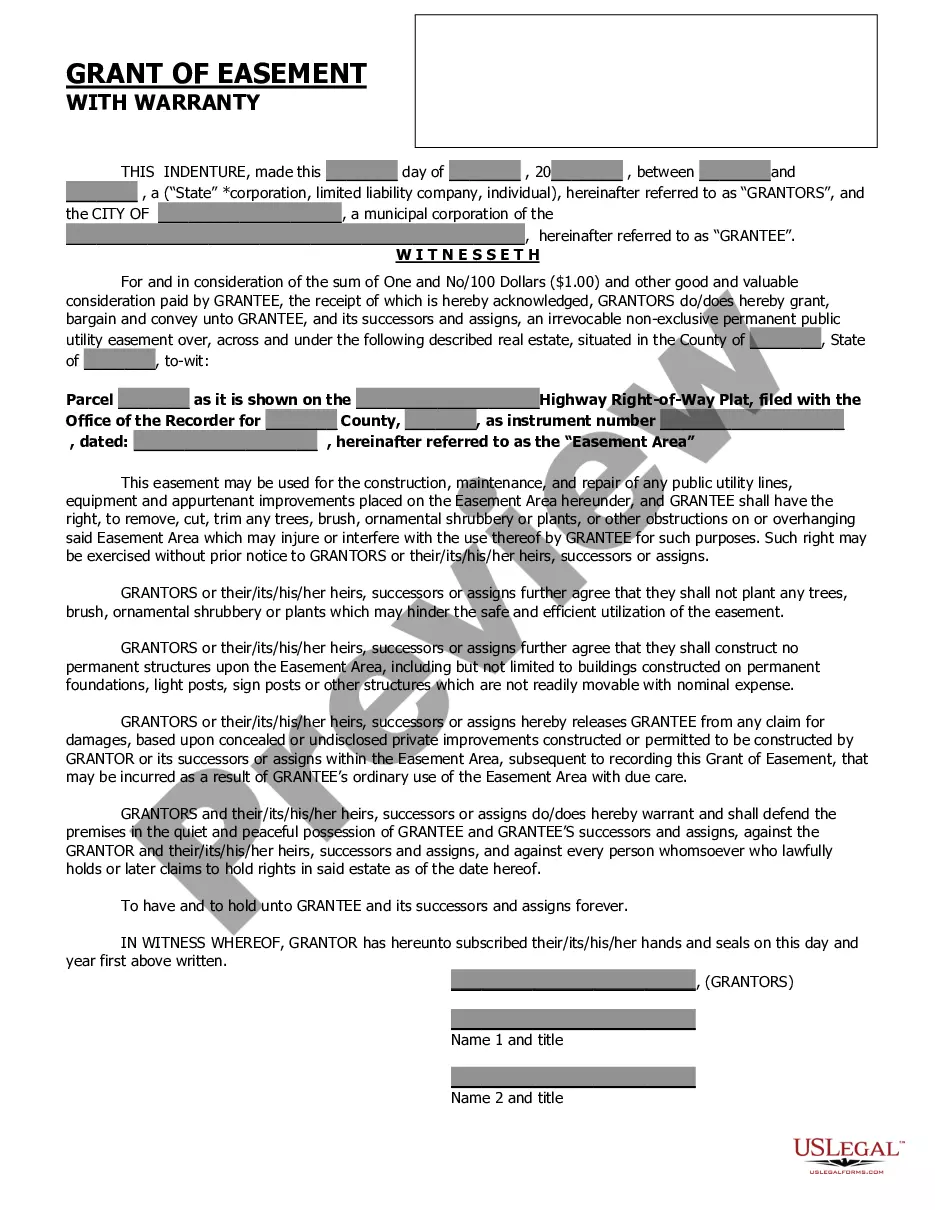
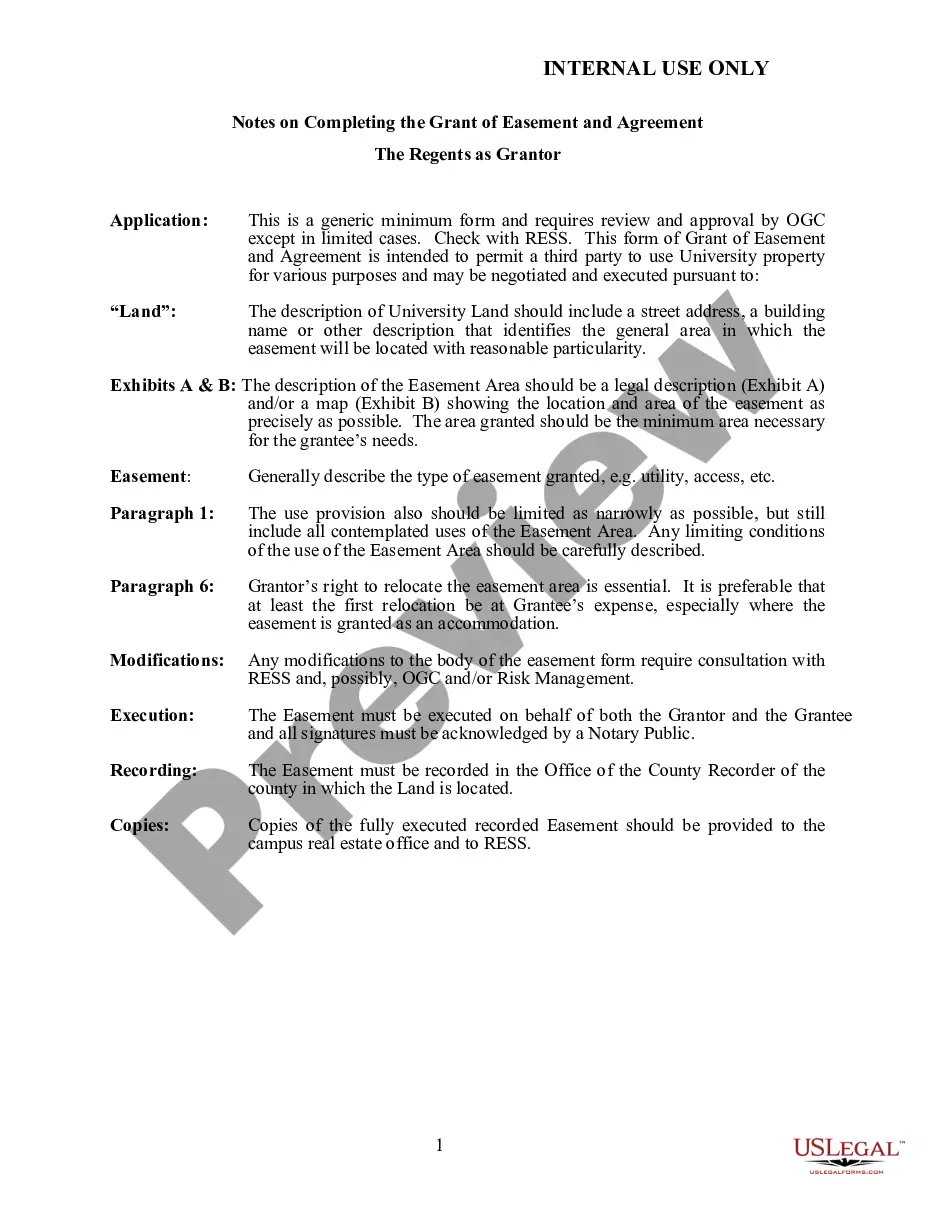
The Grant of Access Easement is a legal document that allows one property owner (the Grantor) to grant another party (the Grantee) the right to access their property. This form specifies the terms of the easement, outlining the rights to construct, maintain, and travel over a designated area on the Grantor's property. Unlike other legal forms, this easement focuses specifically on access, benefitting the adjacent property while maintaining the Grantor's ownership rights.
What’s included in this form
- Identification of parties involved: Grantor and Grantee.
- Description of the properties in questionâincluding the property and adjacent property.
- Detailed easements for access, including provisions for vehicular and pedestrian traffic.
- Binding effect of the easements on future owners and mortgagees.
- Procedures for amending the easement agreement.
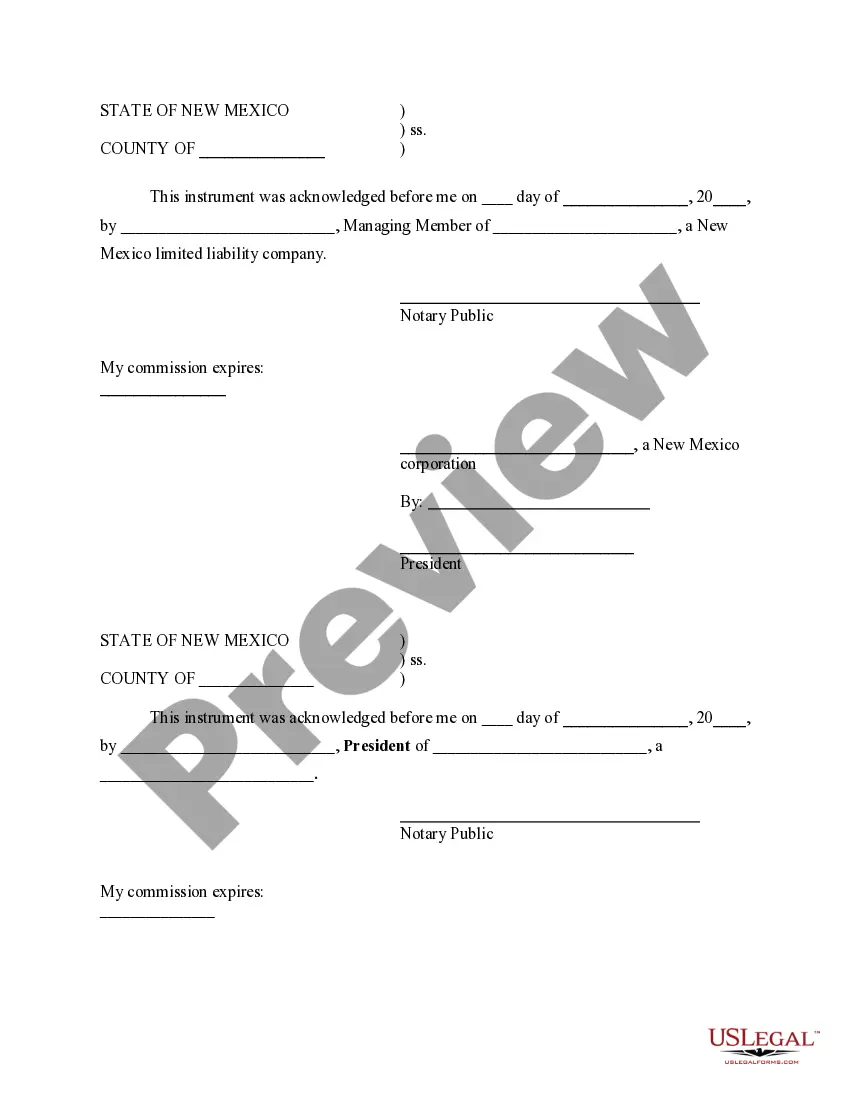
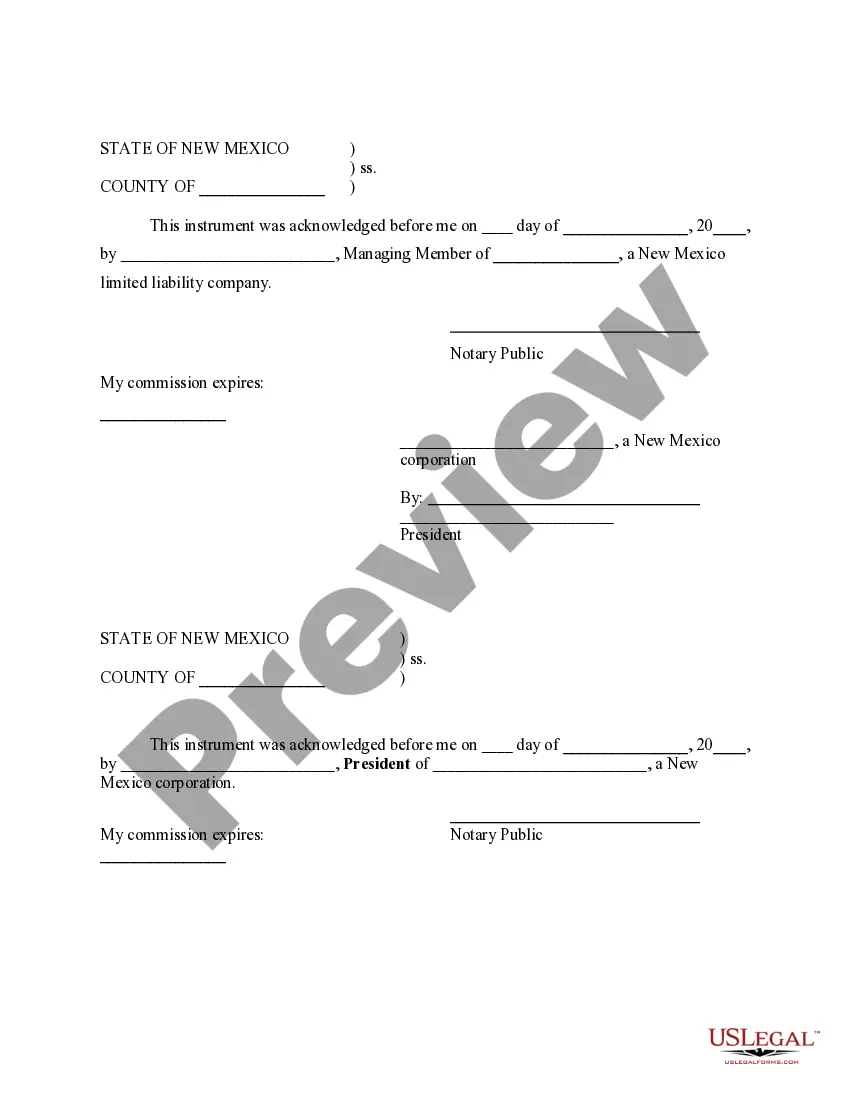
- Notary requirements for legal acknowledgment.
When this form is needed
This form is used when a property owner needs to grant access over their land to another party, typically for purposes like roadway construction or utility access. It is essential when the Grantee requires continuous access to their adjacent property, such as for maintenance or operational purposes. Situations may include shared driveways, utility easements, or pedestrian pathways that cross one property to reach another.
Who needs this form
- Property owners looking to grant access to another party.
- Individuals or businesses needing consistent access to neighboring properties.
- Developers or contractors planning construction that requires easements.
- Utilities seeking to establish rights of way across private land.
Completing this form step by step
- Identify the Grantor and Grantee clearly, including their legal business forms.
- Describe the properties involved, attaching necessary exhibits detailing their boundaries.
- Specify the nature of the easement, including terms for access and any restrictions.
- Sign the document in the presence of a licensed notary public to ensure validity.
- Record the document with the local county office to formalize the easement.
Notarization requirements for this form
Yes, this form must be notarized to be legally valid. Having a licensed notary public acknowledge the document ensures that all signatures are authentic and protects against fraud. US Legal Forms offers integrated online notarization, allowing you to complete this process securely and conveniently without needing to travel.
Get your form ready online
Our built-in tools help you complete, sign, share, and store your documents in one place.
Make edits, fill in missing information, and update formatting in US Legal Forms—just like you would in MS Word.
Download a copy, print it, send it by email, or mail it via USPS—whatever works best for your next step.
Sign and collect signatures with our SignNow integration. Send to multiple recipients, set reminders, and more. Go Premium to unlock E-Sign.
If this form requires notarization, complete it online through a secure video call—no need to meet a notary in person or wait for an appointment.
We protect your documents and personal data by following strict security and privacy standards.

Make edits, fill in missing information, and update formatting in US Legal Forms—just like you would in MS Word.

Download a copy, print it, send it by email, or mail it via USPS—whatever works best for your next step.

Sign and collect signatures with our SignNow integration. Send to multiple recipients, set reminders, and more. Go Premium to unlock E-Sign.

If this form requires notarization, complete it online through a secure video call—no need to meet a notary in person or wait for an appointment.

We protect your documents and personal data by following strict security and privacy standards.
Typical mistakes to avoid
- Failing to provide complete property descriptions.
- Not specifying the duration or nature of the easement.
- Neglecting to include signatures from both parties.
- Overlooking notary requirements, which can invalidate the document.
- Not recording the easement with the appropriate county office.
Benefits of using this form online
- Instant access to professionally drafted legal documents.
- Easy to customize for your specific needs and circumstances.
- Convenient download and printing options for immediate use.
- Guidance provided throughout the completion process to avoid errors.
Looking for another form?

Form popularity
FAQ
An easement is a right to make certain types of use of property. The most common is the right to build a road across someone else's land (or use a road) in order to get access to your own land.Thus, California has imposed on many owners of property a public easement to get access to beaches or other public areas.
Easements generally survive conveyances and can only be terminated by completion, destruction, or expiration. So, having an easement on a property may have a permanent outcome on the property with rights of the home owner. But not all easements are bad.
When you're buying a house, you might find out that the property has an easement on it. Essentially this means that someone other than you could have access to the land. This isn't necessarily a bad thing. For example, utility companies typically hold easements in case they need to access pipes or cables.
An easement can decrease the value of a real estate, increase the value of the real estate or it can have no impact on the value of the real estate at all. The most important fact is that each property and situation should be evaluated on individual basis, taking into account all the circumstances.
Ask him to grant you a formal easement by deed. Your neighbor the servient, or burdened landowner can give the easement of his own accord, but he is not obligated to do this. The chances are, you will have to negotiate a price; an easement is, after all, an interest in land, which has a value attached to it.
The Good Relationship. The person with the property often has a working or good relationship with neighbors.The easement is sometimes a necessity because of restrictions of the land the other person owns or is leasing such as a company or organizational situation.
A private right of way is an easement, which is the right to use part of another's property in a particular way even though they do not own it.
A property easement is a legal situation in which the title to a specific piece land remains with the landowner, but another person or organization is given the right to use that land for a distinct purpose.Or, you could have an easement on part of your property if it blocks access to a main road.
An easement is a "nonpossessory" property interest that allows the holder of the easement to have a right of way or use property that they do not own or possess. An easement doesn't allow the easement holder to occupy the land or to exclude others from the land unless they interfere with the easement holder's use.