New Jersey Health Care Directive including Living Will
What is this form?
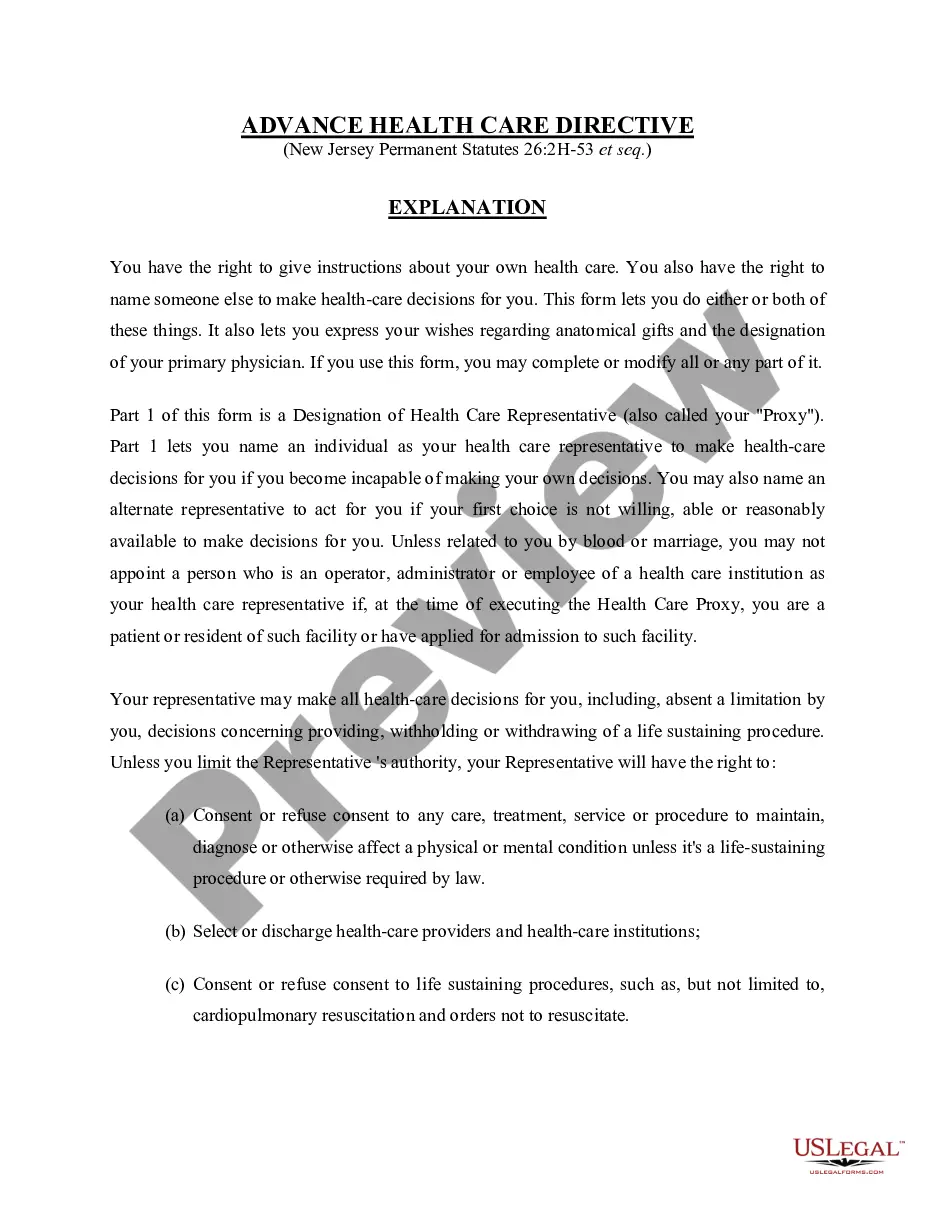
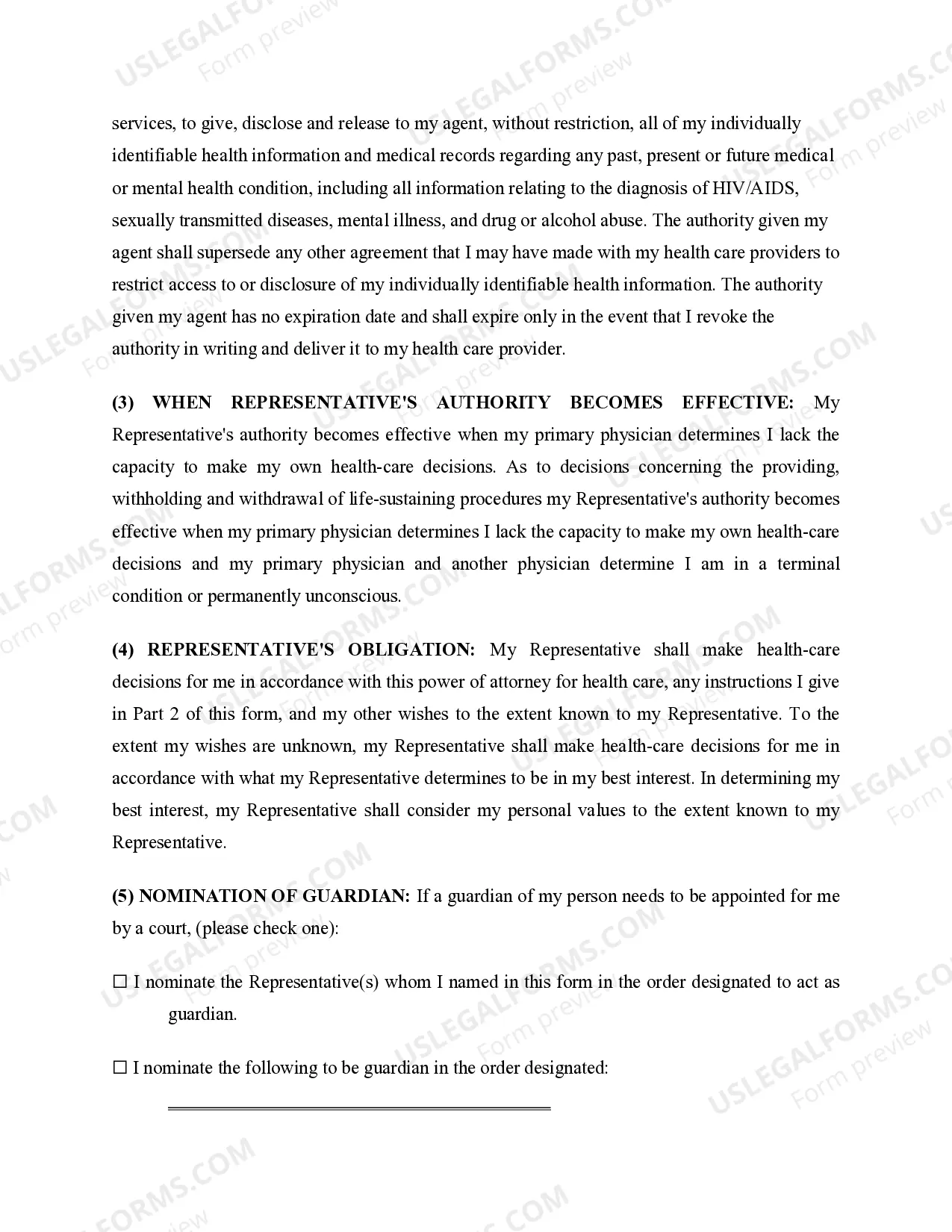
The Health Care Directive including Living Will is a legal document that allows you to express your wishes regarding medical treatment and appoint someone to make health care decisions on your behalf if you are unable to do so. This form differs from a general power of attorney by specifically addressing health care decisions and end-of-life preferences, ensuring that your wishes are followed even when you cannot communicate them personally.
Form components explained
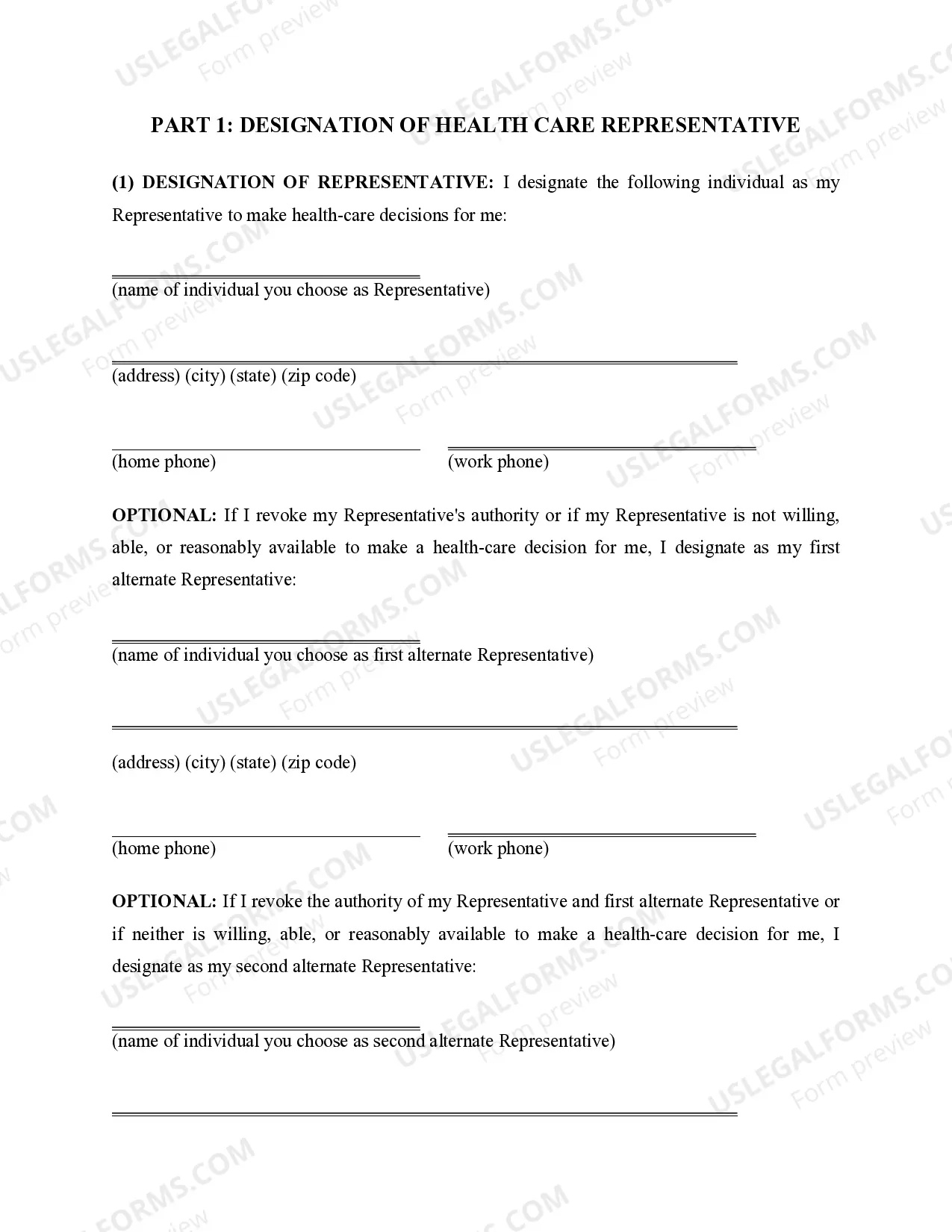
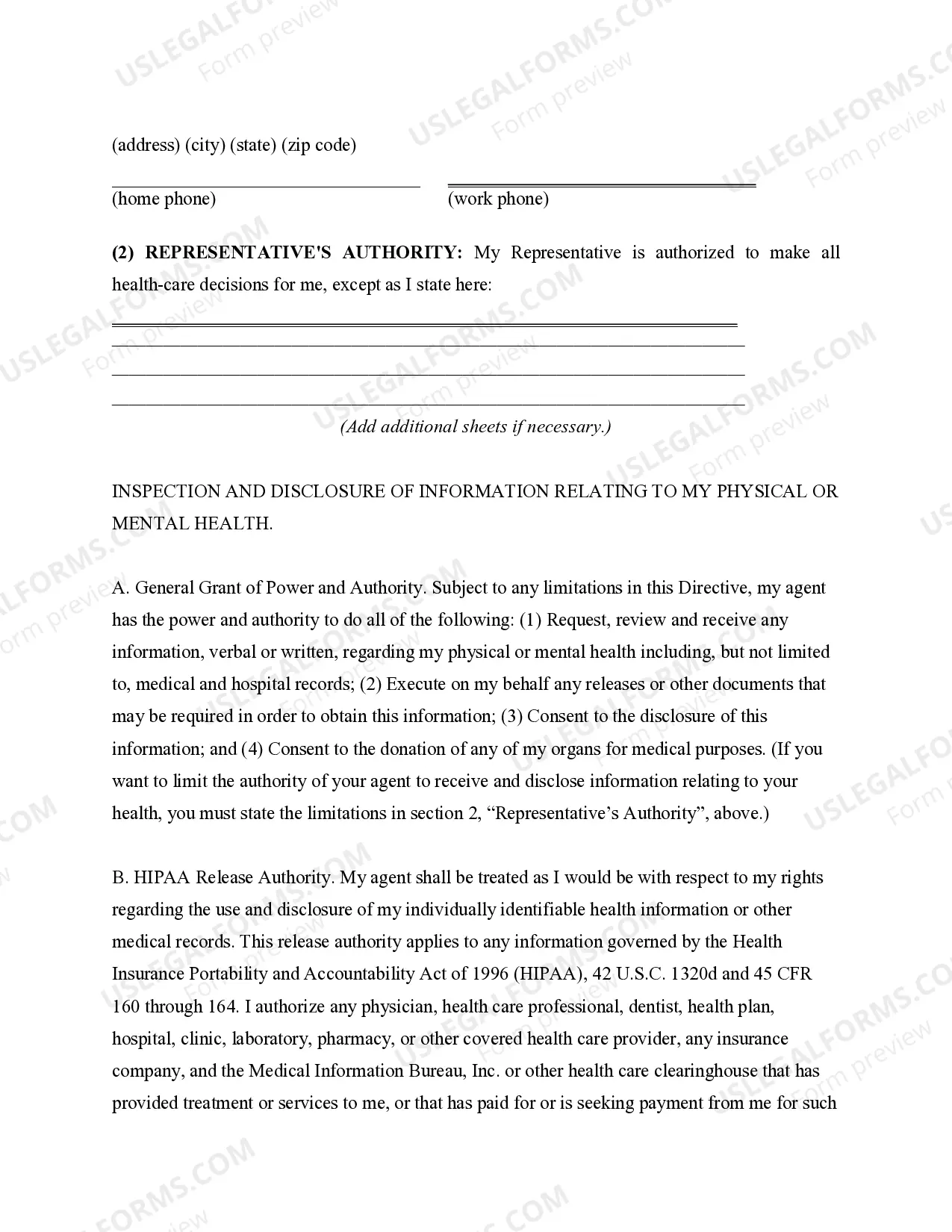
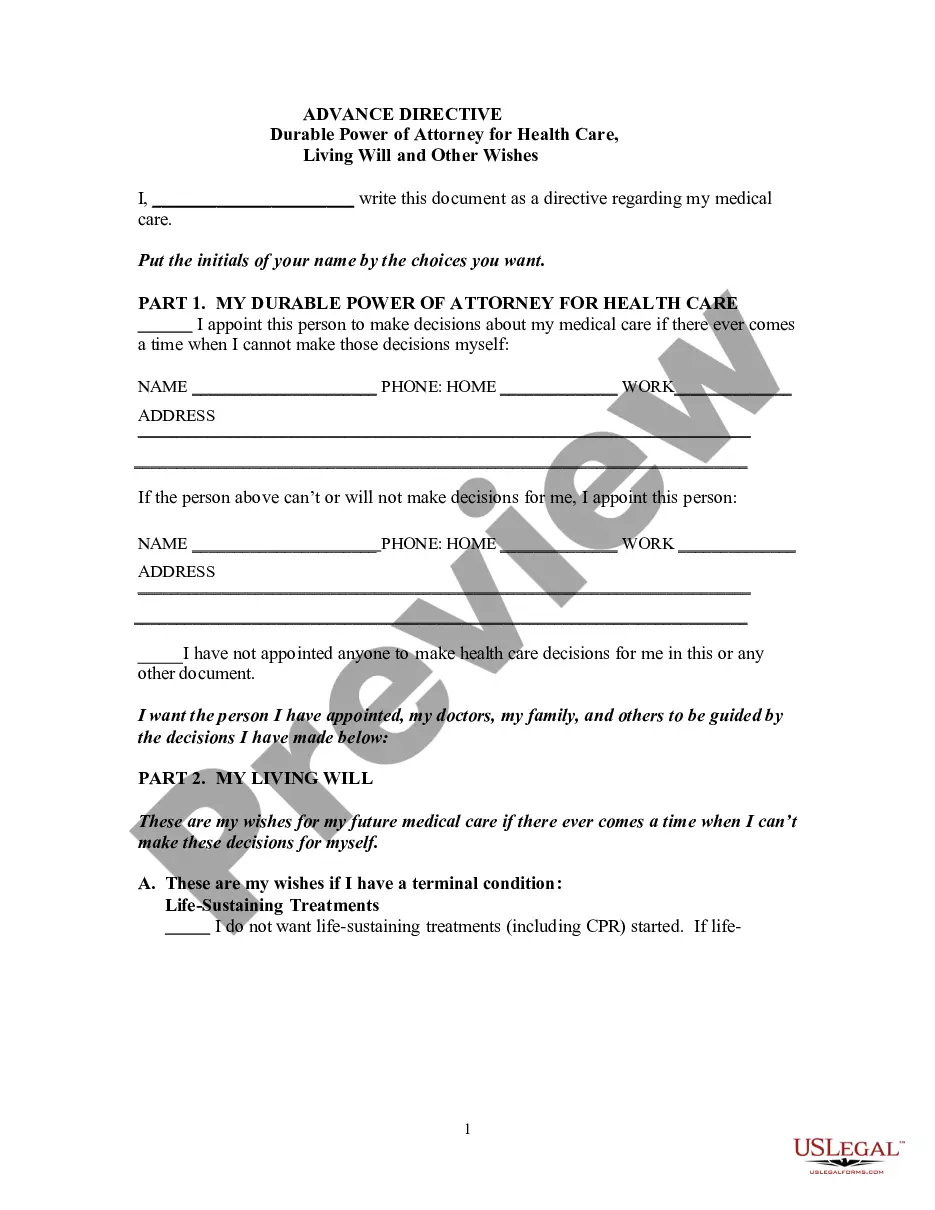
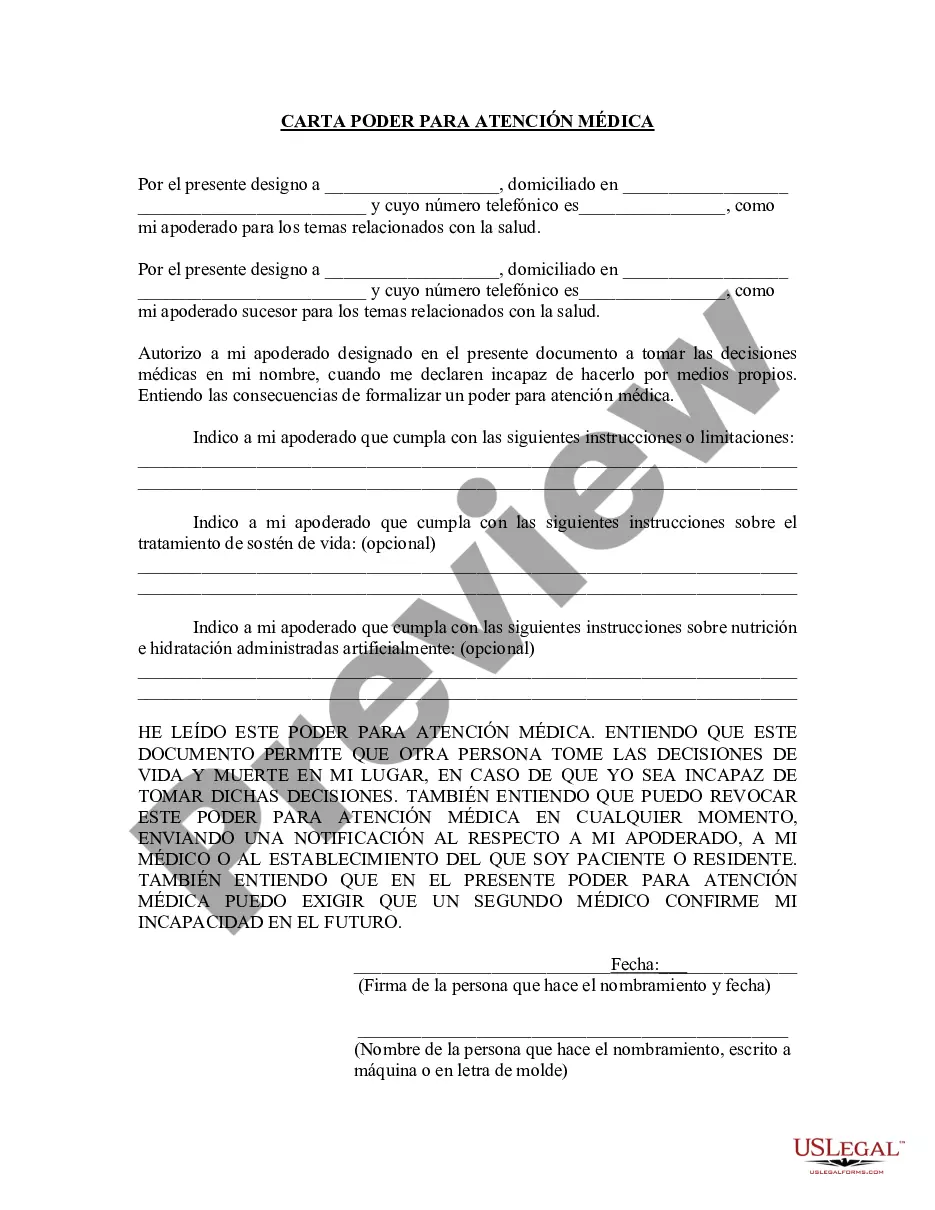
- Designation of Health Care Representative: Appoint an individual to make health care decisions for you.
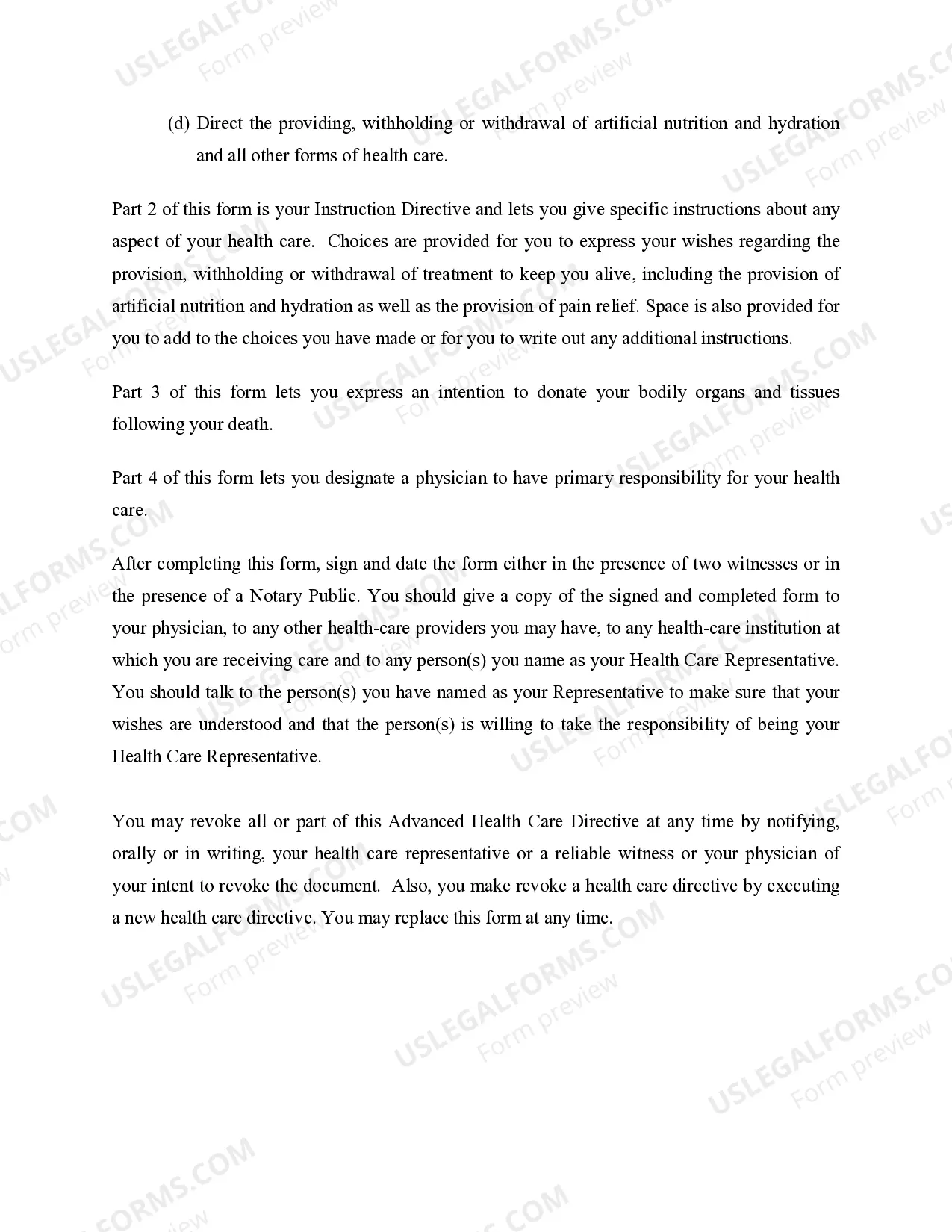
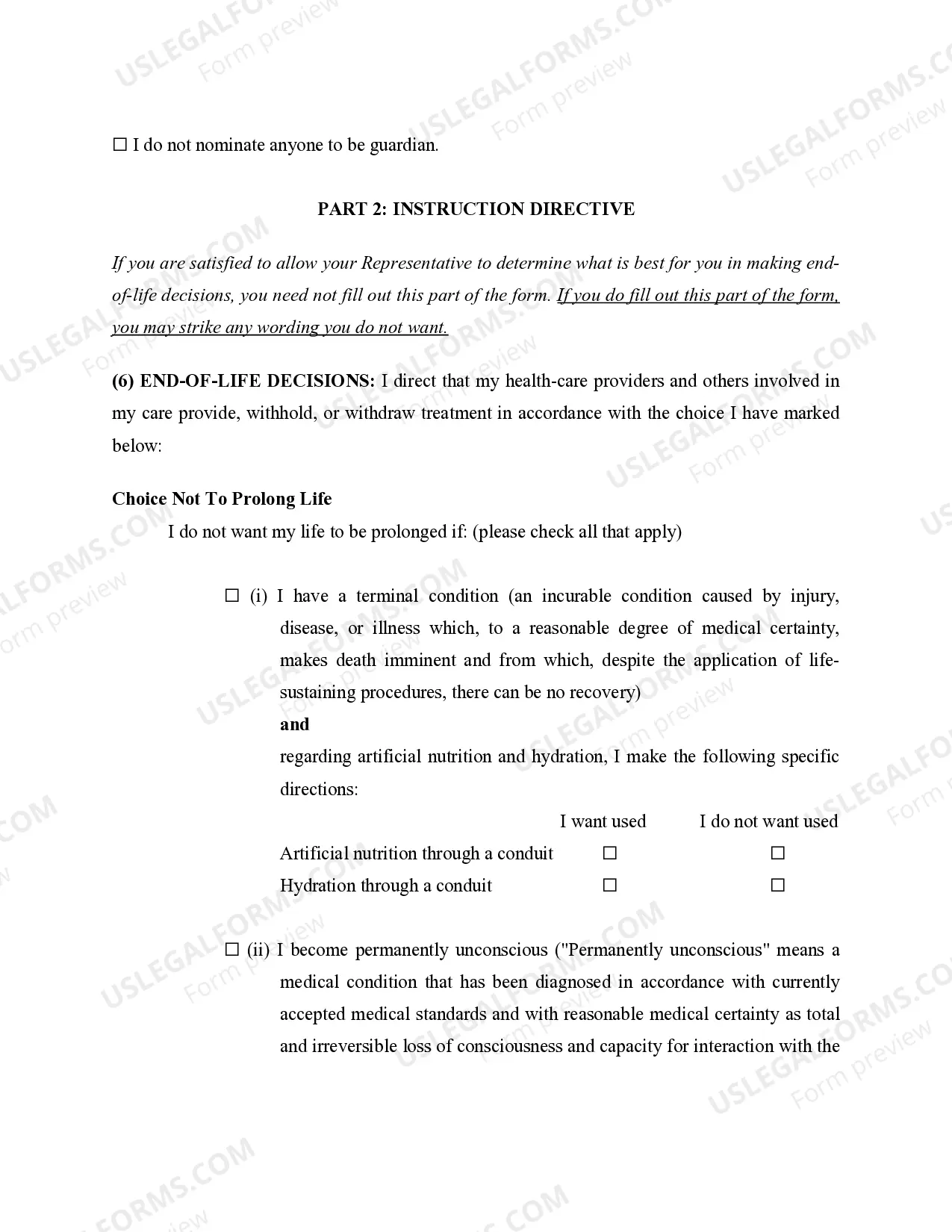
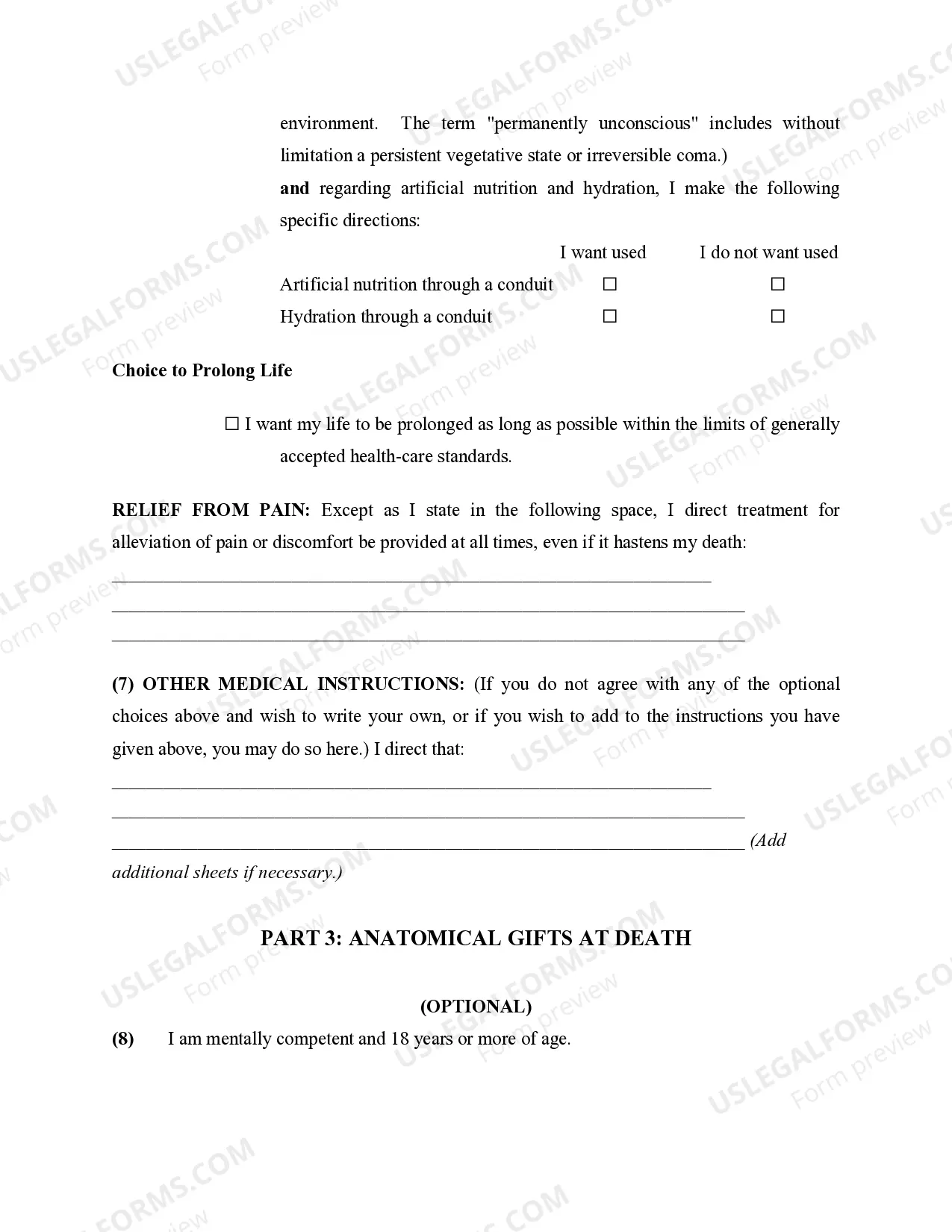
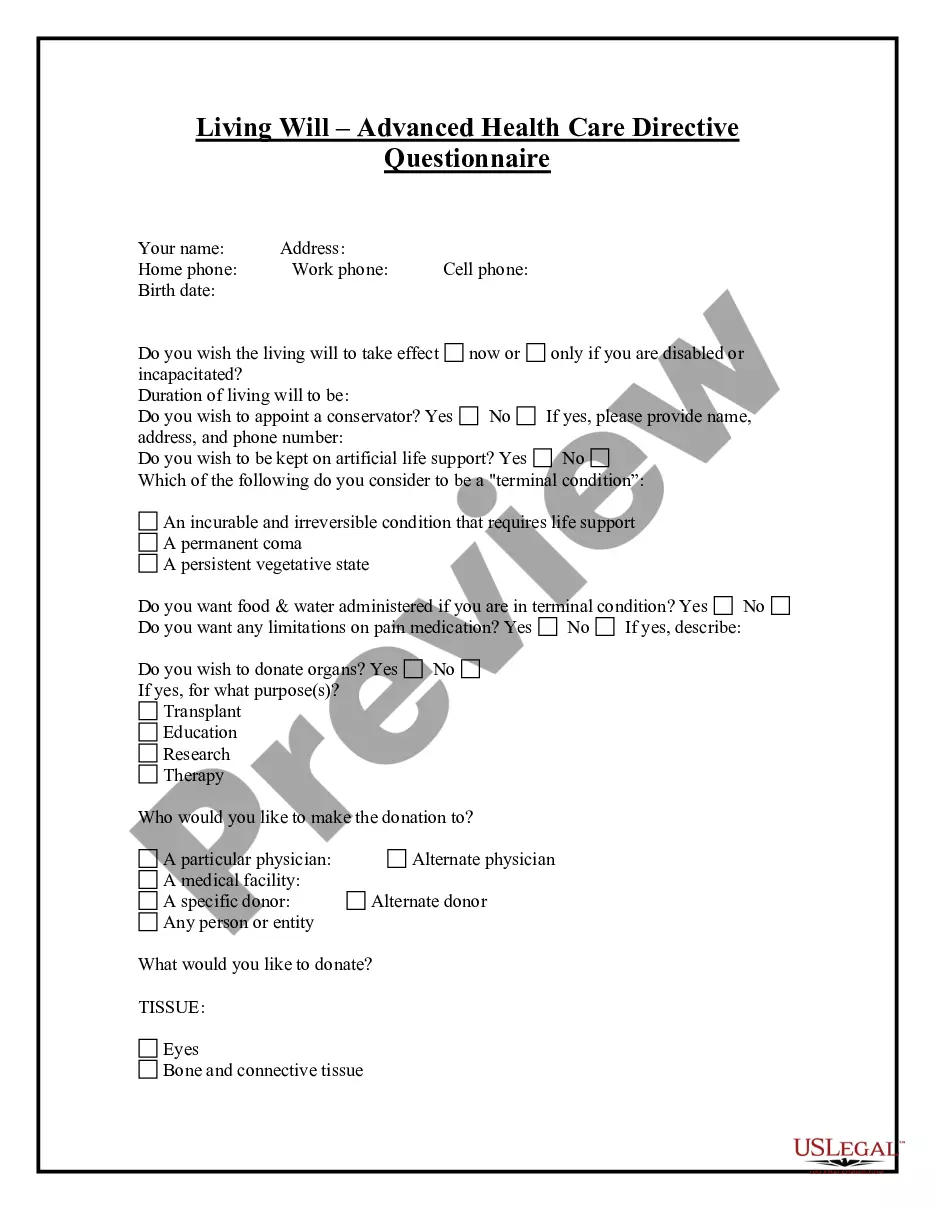
- Instruction Directive: Provide specific instructions about your medical treatment and end-of-life care.
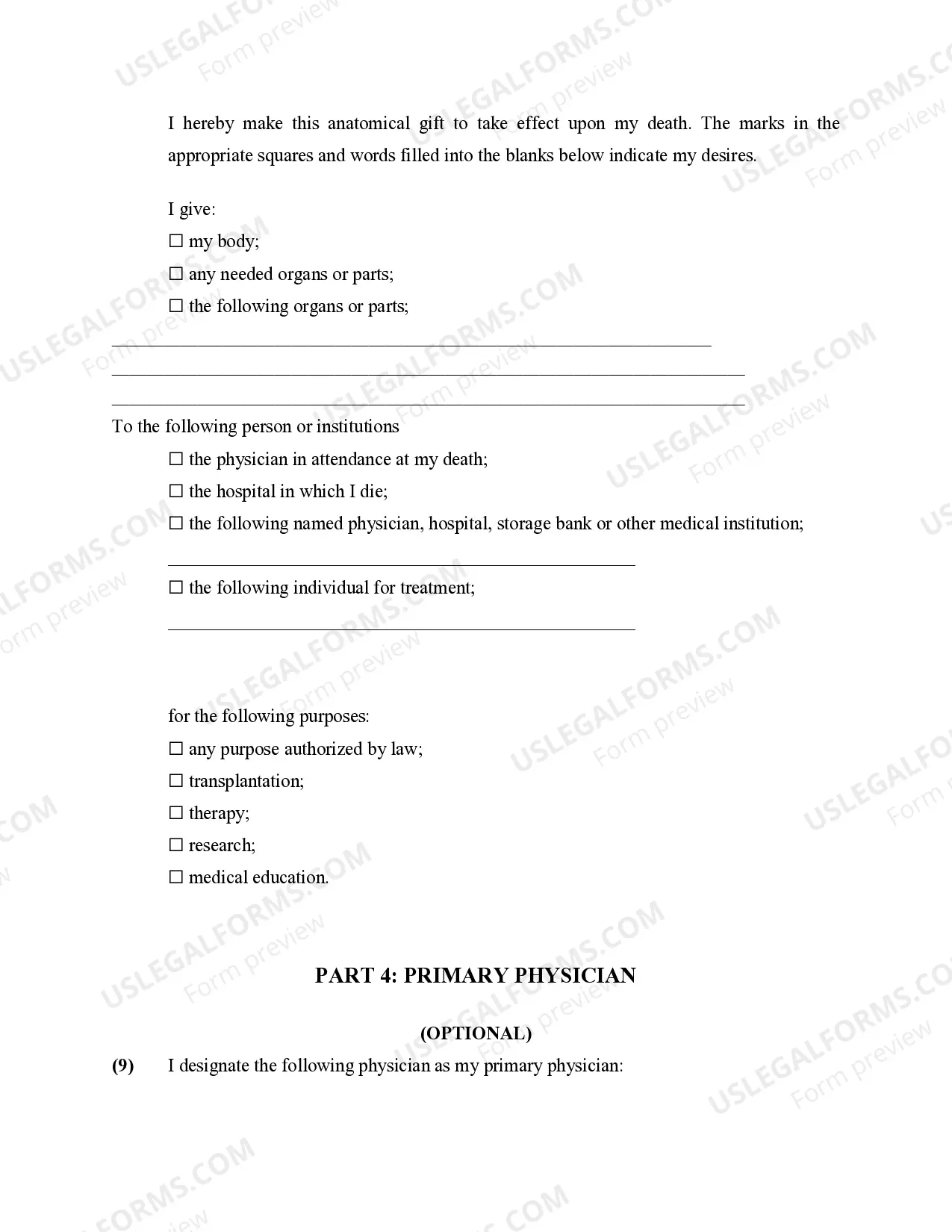
- Anatomical Gifts: Express your wishes regarding organ and tissue donation after death.
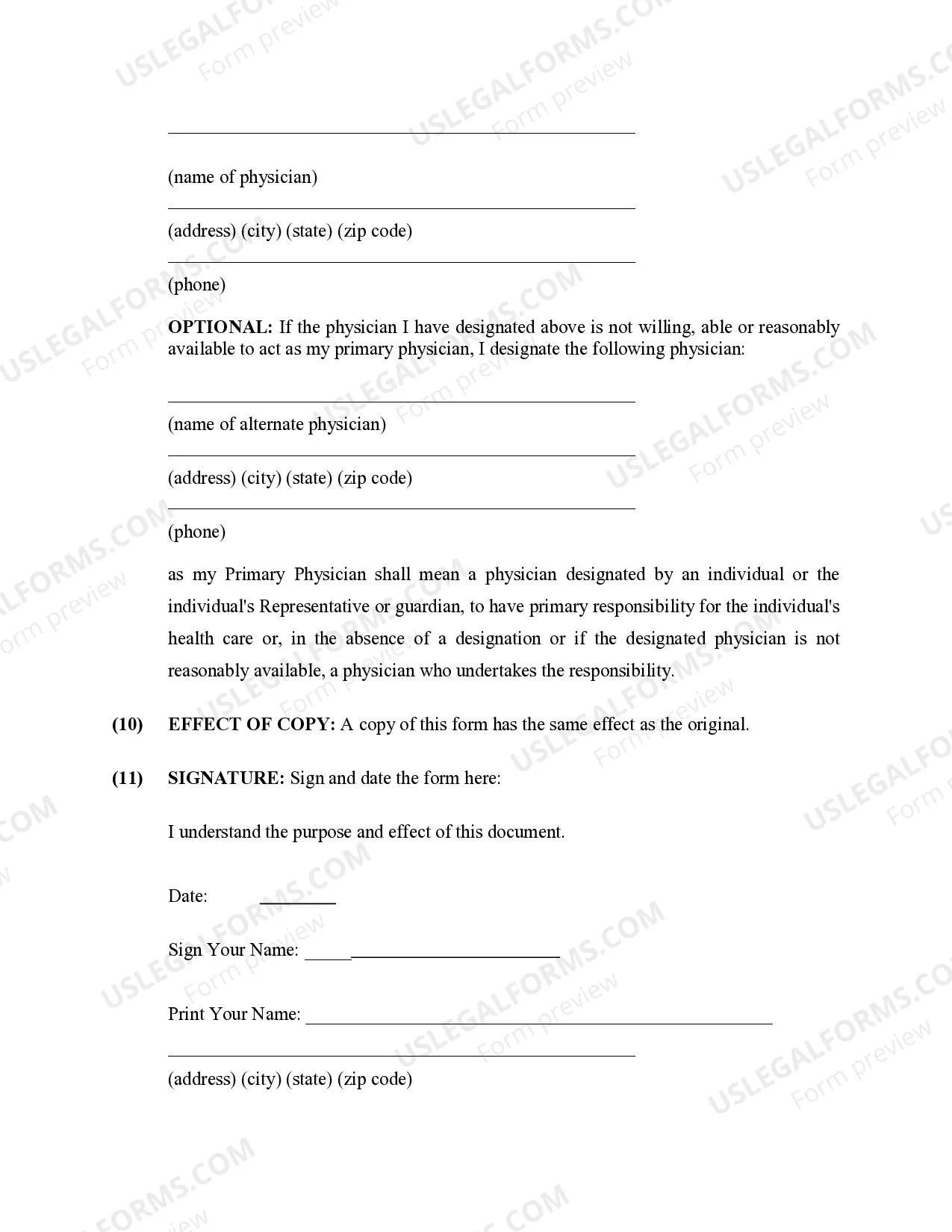
- Primary Physician Designation: Name your primary physician responsible for your health care.
- Revocation Process: Understand how to revoke this directive when necessary.

Common use cases
This form should be used when you want to plan for future health care decisions in case you become incapacitated. It is essential if you wish to appoint someone to act on your behalf or define your preferences concerning life-sustaining treatments. Common scenarios include severe illness, surgery, or advanced age when you might not be able to communicate your wishes effectively.
Who should use this form
- Adults over eighteen who wish to ensure their health care preferences are respected.
- Individuals facing serious health issues who want to plan for future medical decisions.
- People wanting to designate a trusted individual to make health care decisions on their behalf.
How to prepare this document
- Identify and appoint your Health Care Representative by providing their name and contact information.
- Specify your health care instructions in the Instruction Directive section, including preferences for end-of-life care.
- Express any intentions regarding anatomical gifts if applicable.
- Designate your primary physician for oversight of your health care.
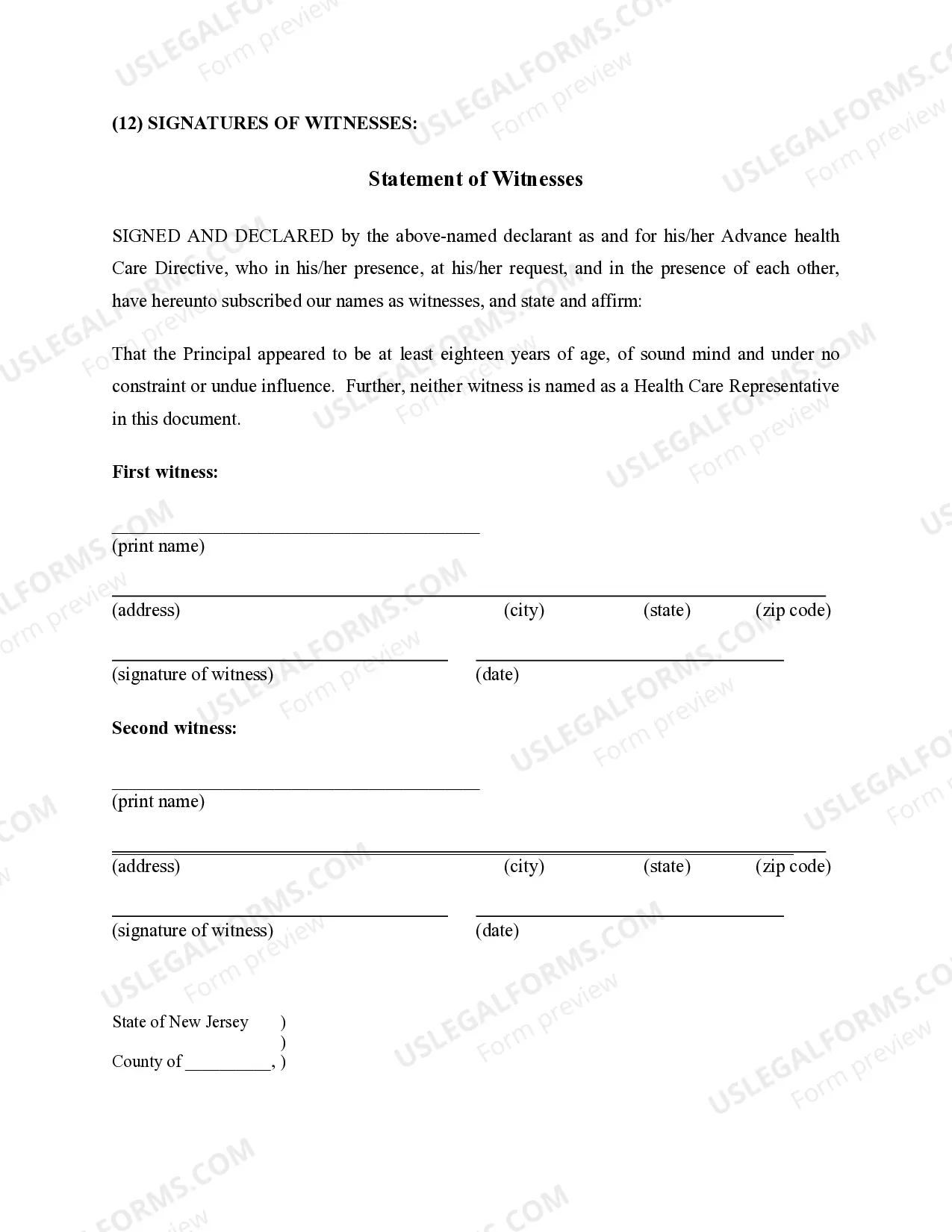
- Sign and date the form in the presence of two witnesses or a notary public.
Does this form need to be notarized?
This form needs to be notarized to ensure legal validity. US Legal Forms provides secure online notarization powered by Notarize, allowing you to complete the process through a verified video call, available anytime.
Get your form ready online
Our built-in tools help you complete, sign, share, and store your documents in one place.
Make edits, fill in missing information, and update formatting in US Legal Forms—just like you would in MS Word.
Download a copy, print it, send it by email, or mail it via USPS—whatever works best for your next step.
Sign and collect signatures with our SignNow integration. Send to multiple recipients, set reminders, and more. Go Premium to unlock E-Sign.
If this form requires notarization, complete it online through a secure video call—no need to meet a notary in person or wait for an appointment.
We protect your documents and personal data by following strict security and privacy standards.

Make edits, fill in missing information, and update formatting in US Legal Forms—just like you would in MS Word.

Download a copy, print it, send it by email, or mail it via USPS—whatever works best for your next step.

Sign and collect signatures with our SignNow integration. Send to multiple recipients, set reminders, and more. Go Premium to unlock E-Sign.

If this form requires notarization, complete it online through a secure video call—no need to meet a notary in person or wait for an appointment.

We protect your documents and personal data by following strict security and privacy standards.
Avoid these common issues
- Not signing the form or failing to have it witnessed properly.
- Forgetting to discuss your wishes with the appointed representative.
- Leaving the Instruction Directive section blank, which may lead to uncertainty about your preferences.
Why use this form online
- Convenience of downloading and filling out the form from anywhere.
- Editability allows you to customize your wishes easily.
- Reliability of using forms created by licensed attorneys, ensuring legal compliance.
Looking for another form?
Form popularity
FAQ
Both living wills and healthcare proxies have their benefits and limitations. A person must decide based on their own specific situation which one they are more comfortable with creating. A person could also choose to have both, where the living will is able to guide the healthcare proxy's decisions.
New Jersey requires that a person is at least 18 years old in order to execute a valid will.New Jersey requires that a typed will be signed by at least two people who witnessed the testator sign the will, or witnessed the testator acknowledge their signature on the will or the will itself.
Living will. A living will is a written, legal document that spells out medical treatments you would and would not want to be used to keep you alive, as well as your preferences for other medical decisions, such as pain management or organ donation. In determining your wishes, think about your values.
No, in New Jersey, you do not need to notarize your will to make it legal. However, New Jersey allows you to make your will "self-proving" and you'll need to go to a notary if you want to do that. A self-proving will speeds up probate because the court can accept the will without contacting the witnesses who signed it.
In New Jersey, the will must be in writing. You must sign your own will, witnessed by two individuals over 18 (You must be at least age 18 as well.) Then, the witnesses must sign the document. If you wish to go the extra step, you can bring your two witnesses to a notary and do the signing there.
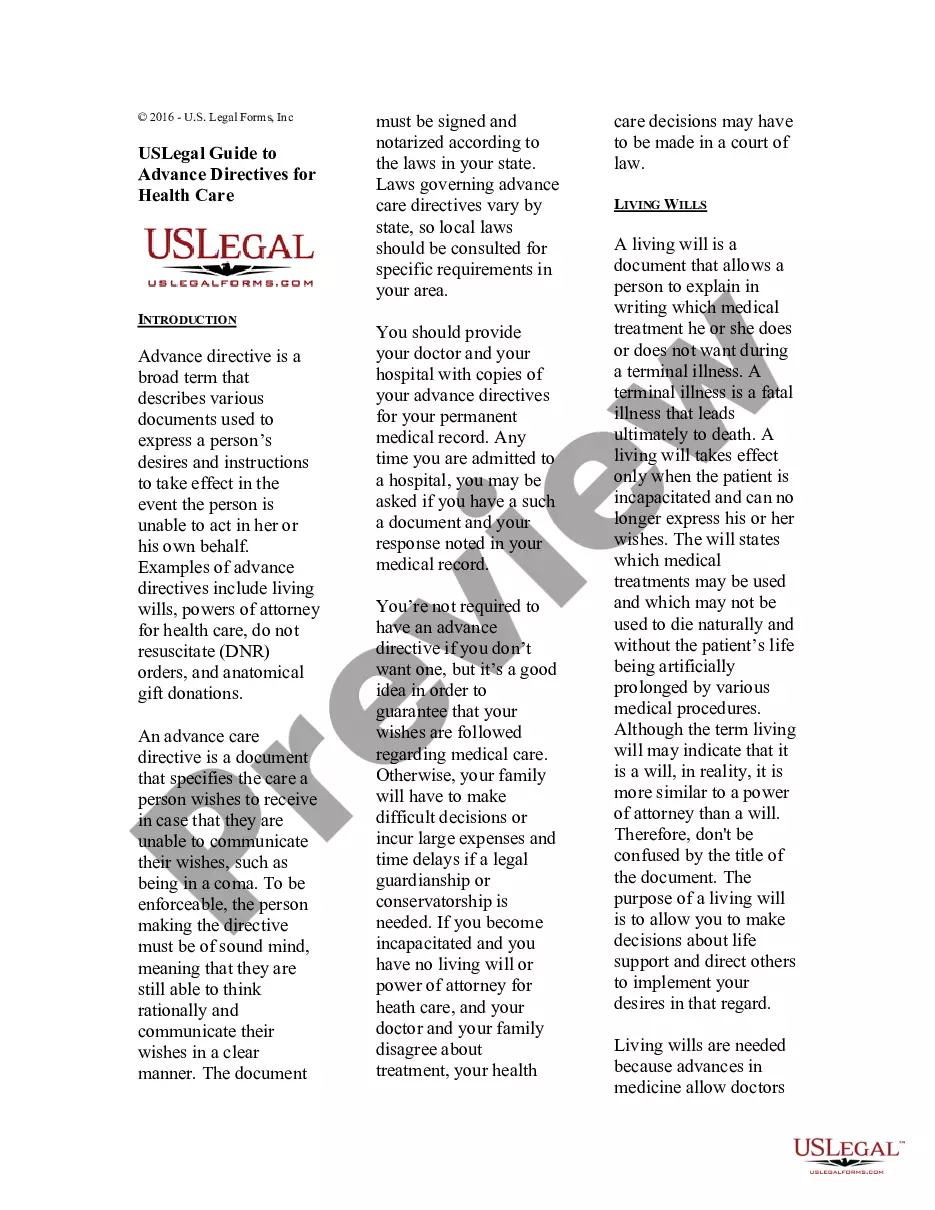
Advance directives are oral and written instructions about future medical care should your parent become unable to make decisions (for example, unconscious or too ill to communicate).A living will is one type of advance directive. It takes effect when the patient is terminally ill.
An advance directive is a set of instructions someone prepares in advance of ill health that determines his healthcare wishes. A living will is one type of advance directive that becomes effective when a person is terminally ill.
An advance health care directive or AHCD (otherwise known as a living will, personal directive, or medical directive) is a document that instructs others about your medical care should you be unable to make decisions on your own.
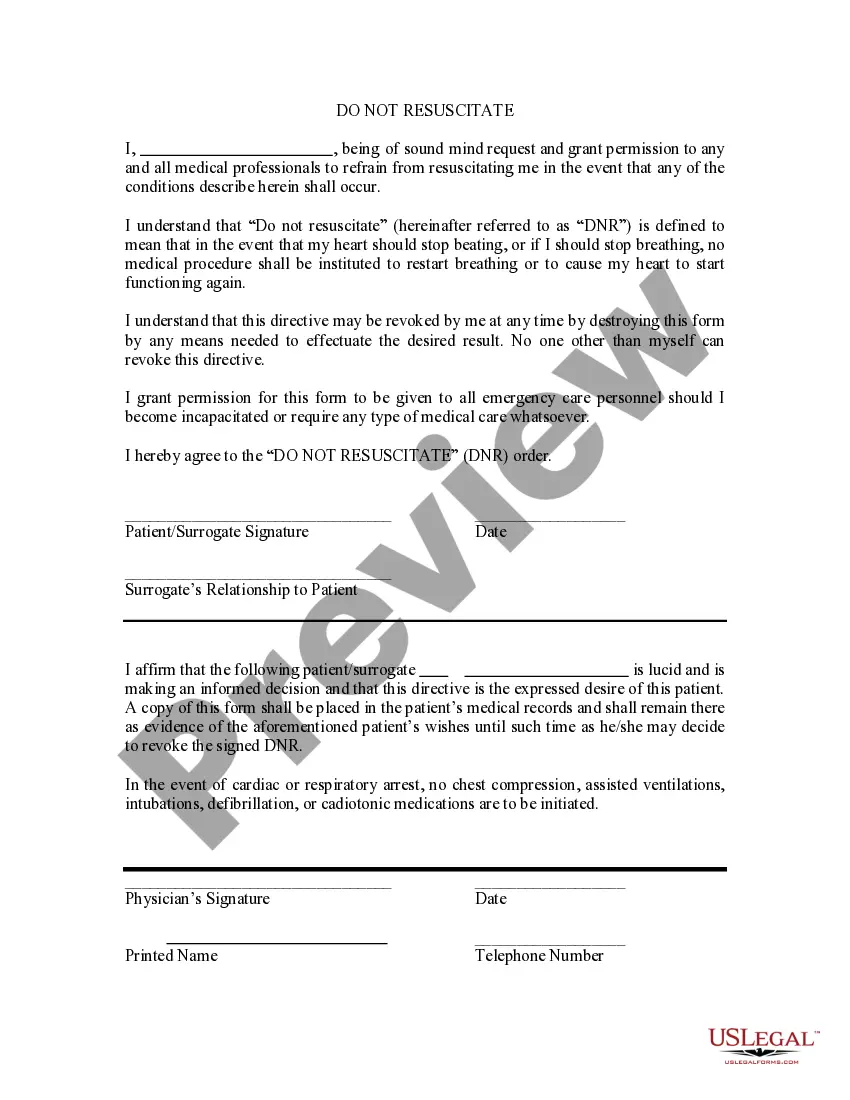
The living will. Durable power of attorney for health care/Medical power of attorney. POLST (Physician Orders for Life-Sustaining Treatment) Do not resuscitate (DNR) orders. Organ and tissue donation.