New Jersey Paving Contract for Contractor
About this form
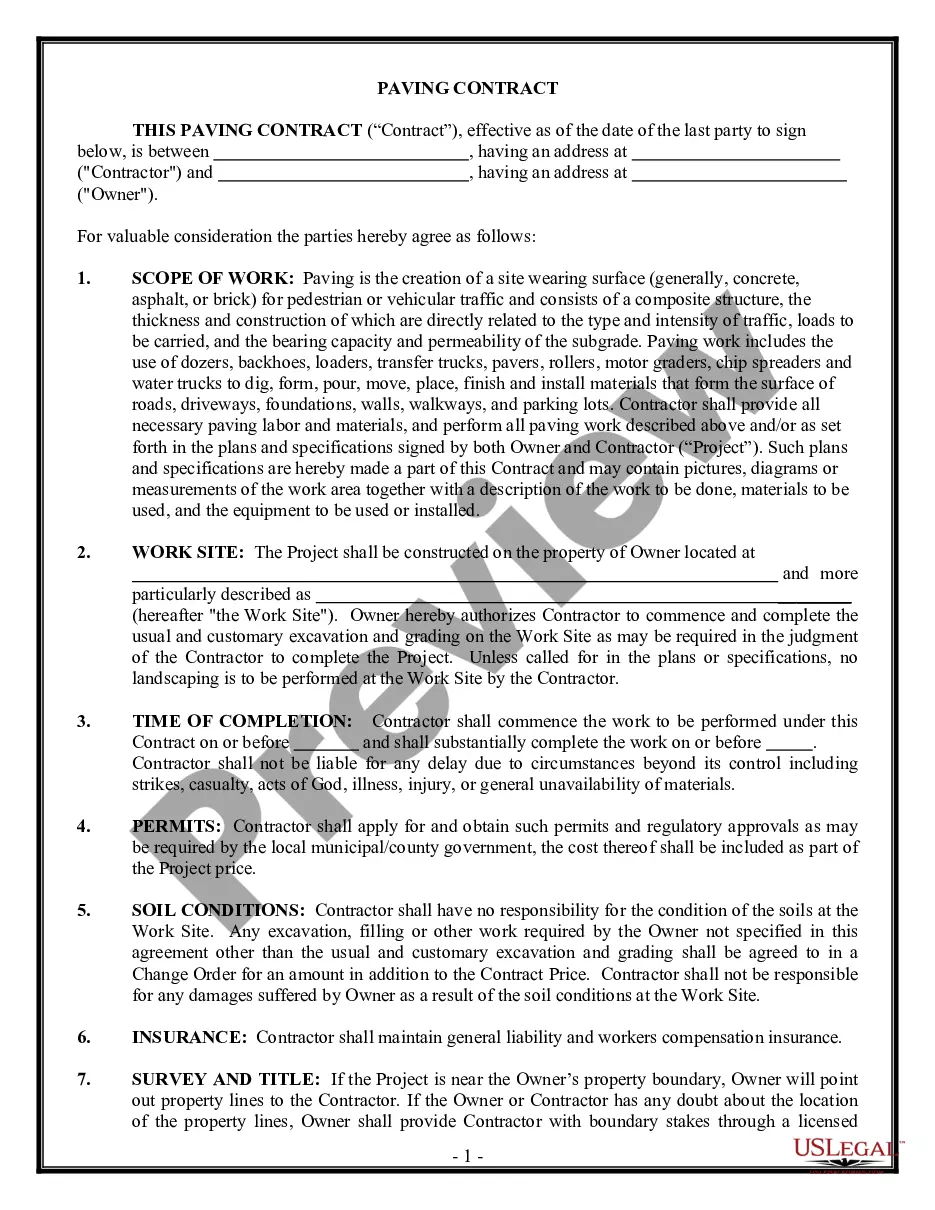
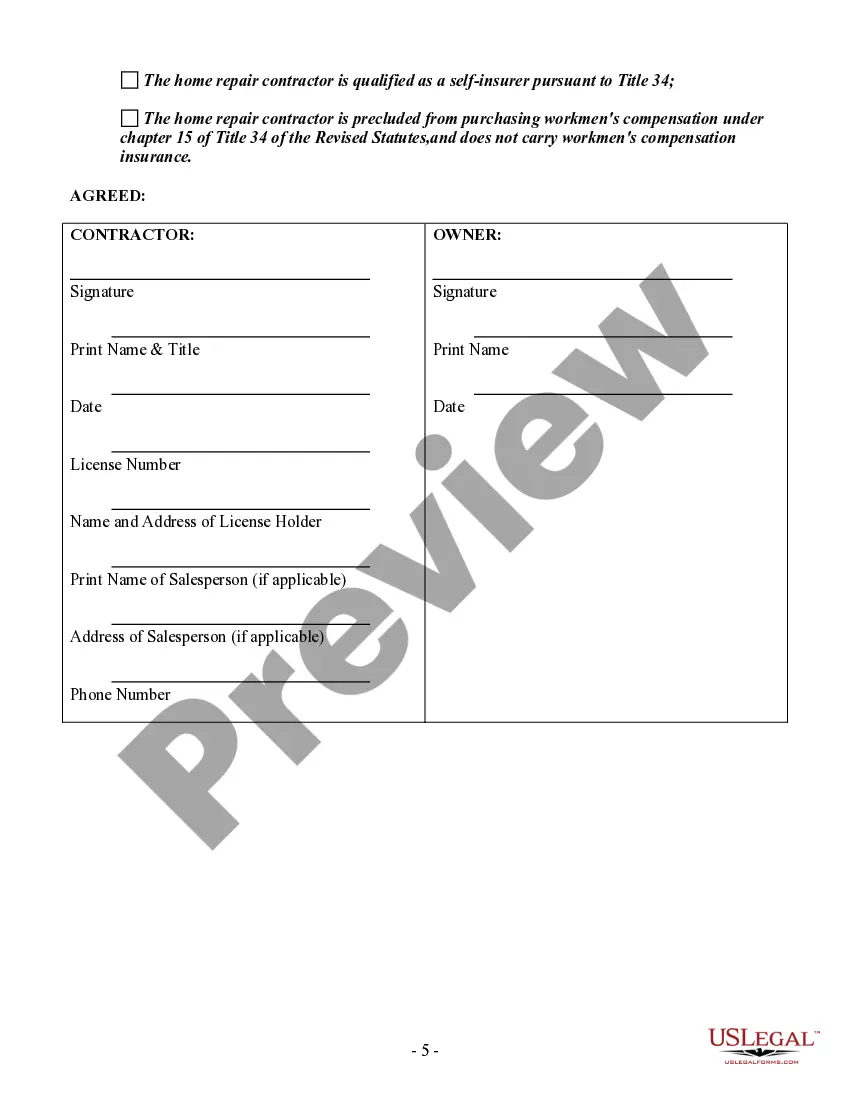
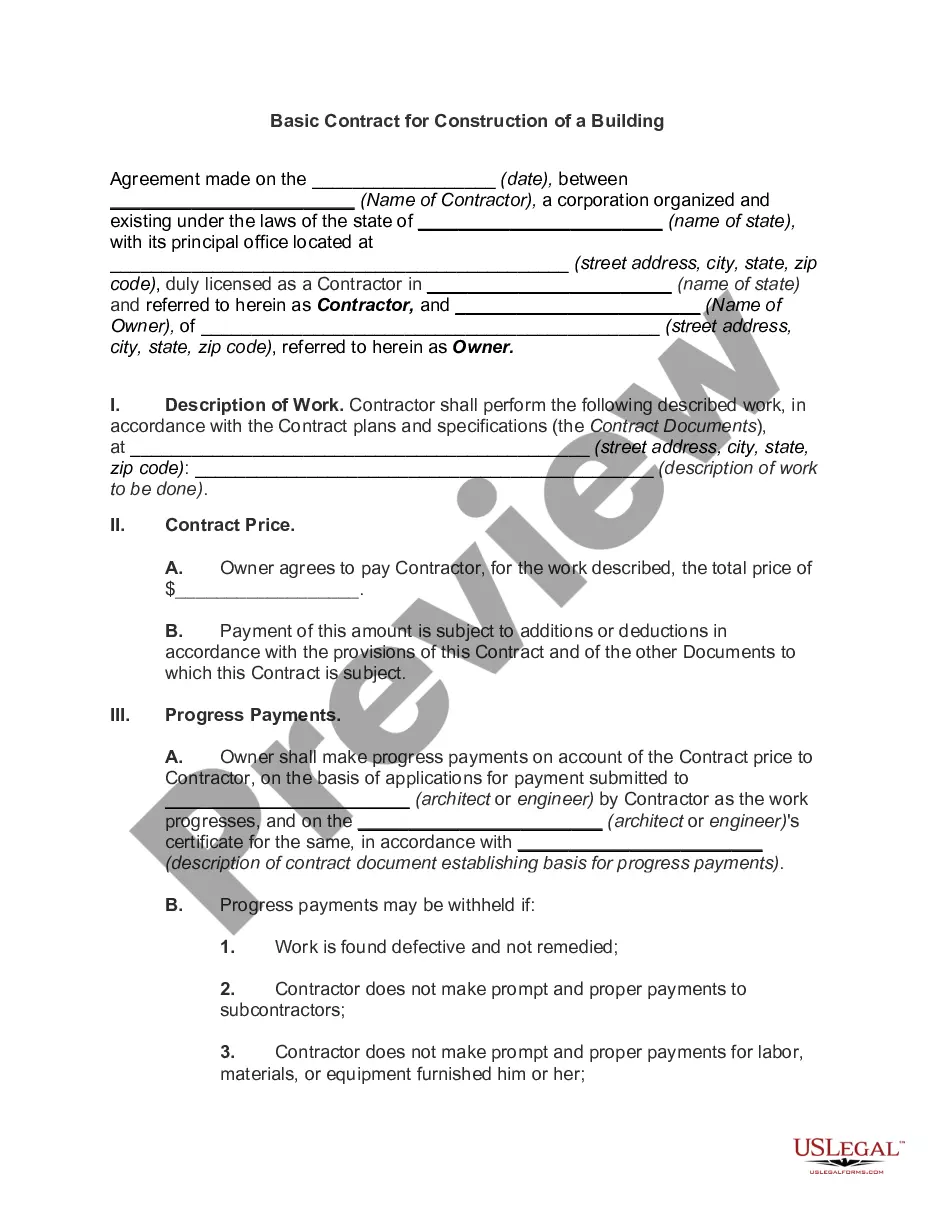
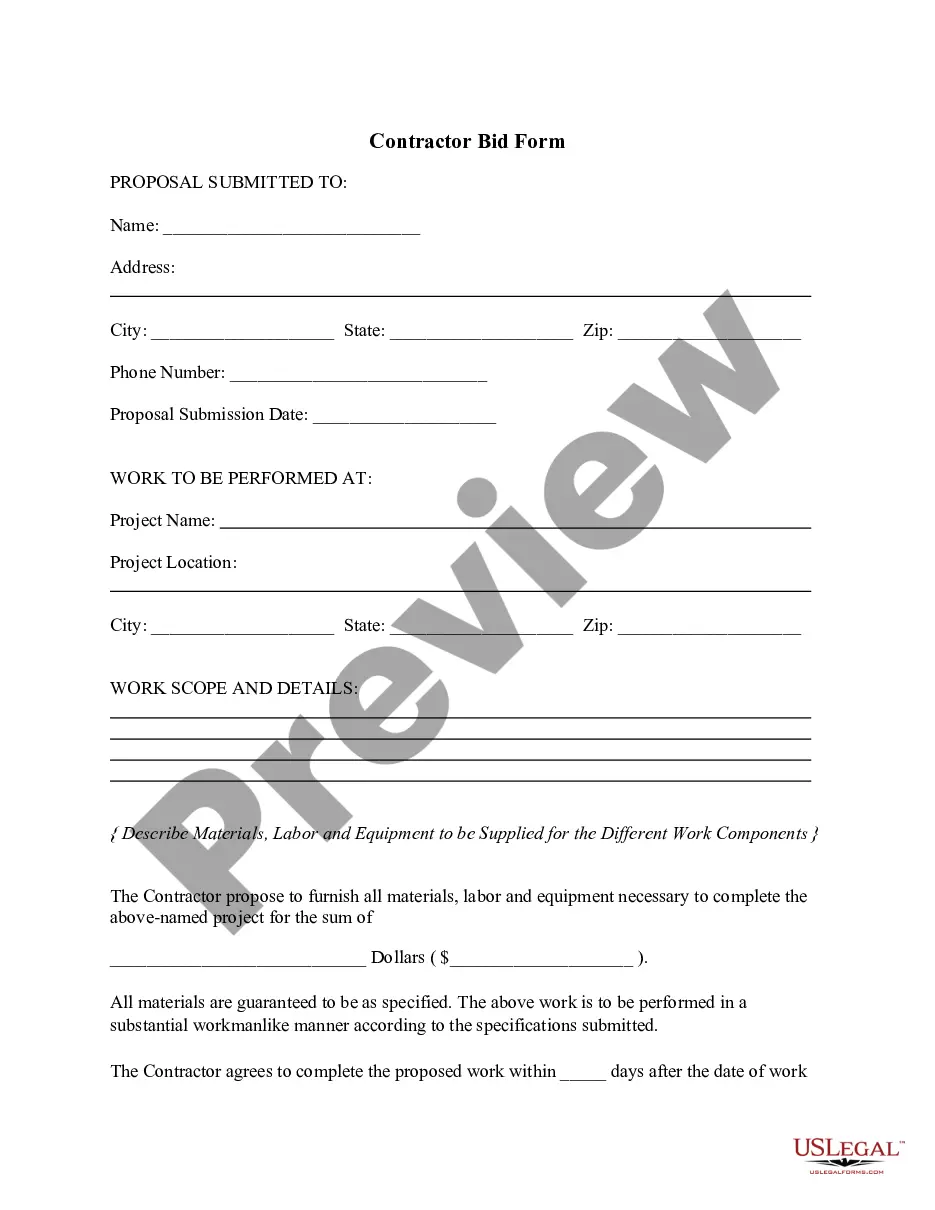
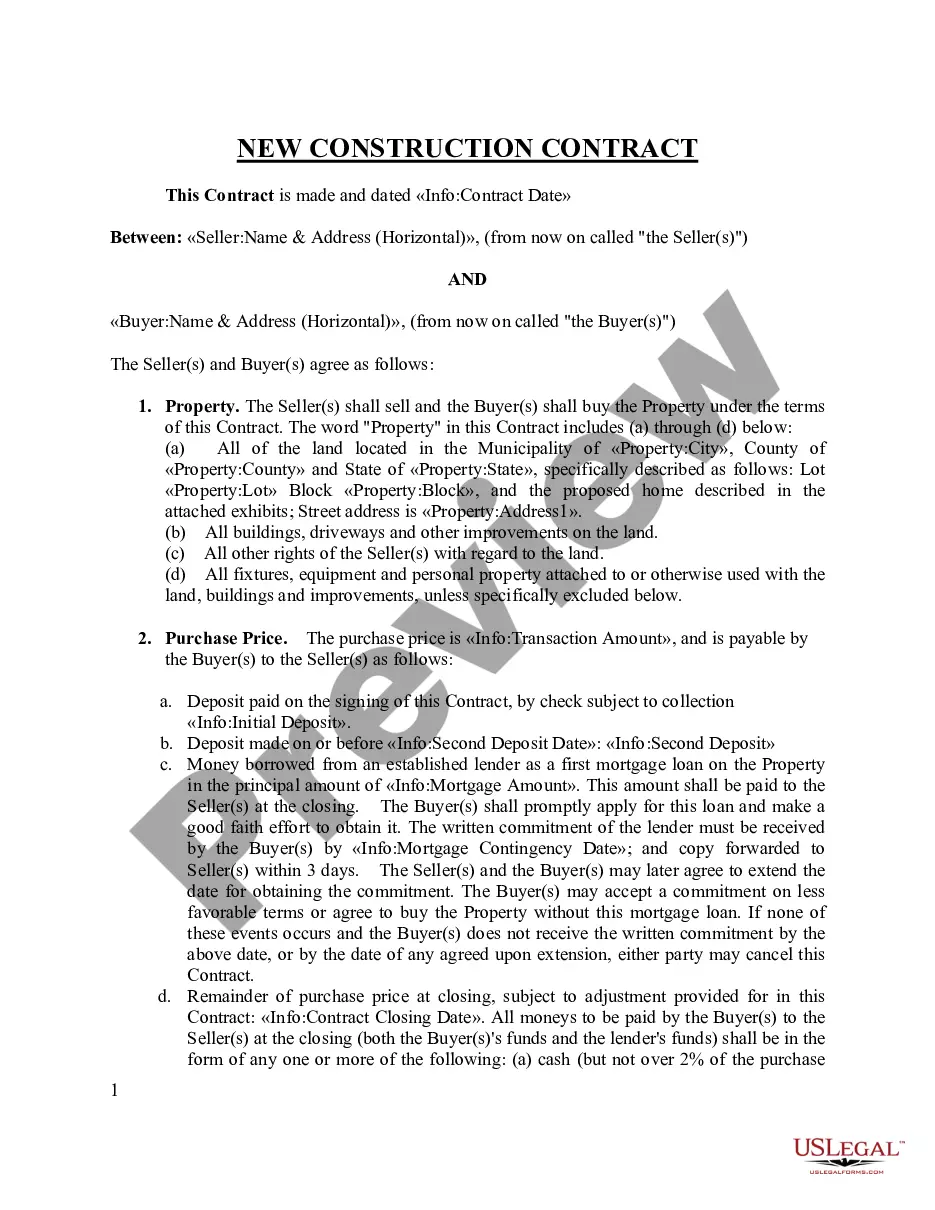
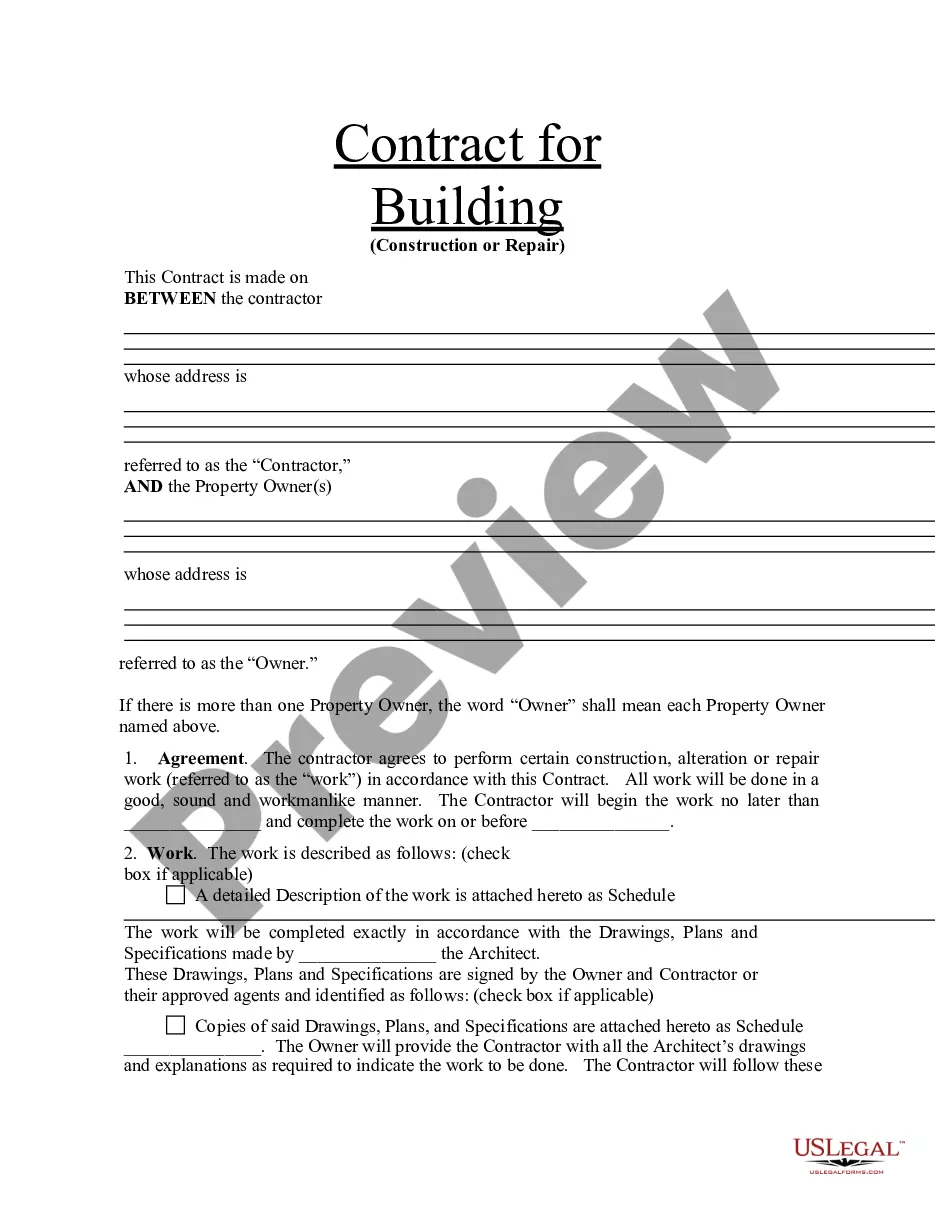
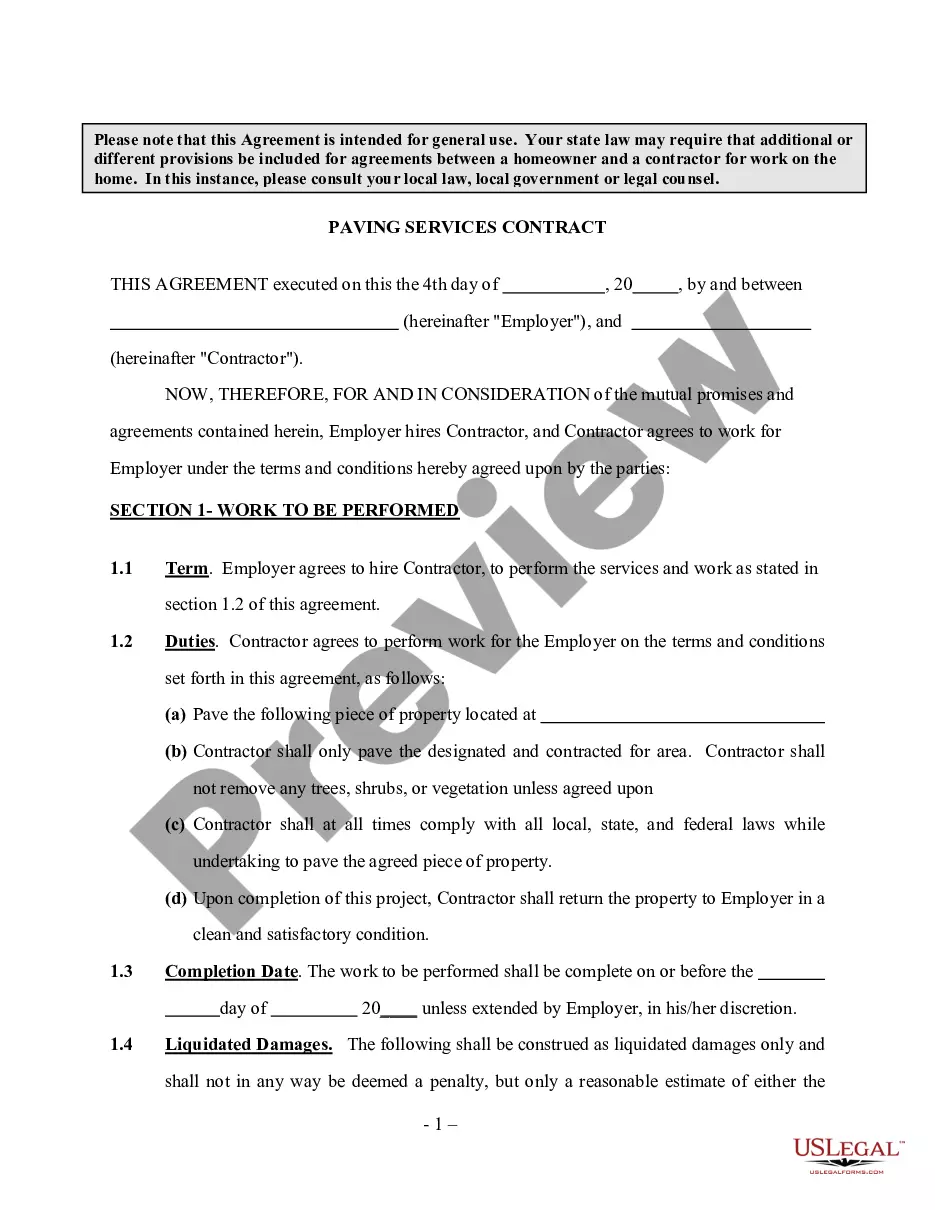
The Paving Contract for Contractor is a legal document tailored for use between paving contractors and property owners in New Jersey. This form clarifies the terms of the agreement, including payment structures, responsibilities regarding soil conditions, insurance requirements, and procedures for making changes to the project. It is designed to ensure both parties are protected and to outline the expectations for the completion of paving work.
Form components explained
- Permits: Responsibilities for applying and obtaining necessary permits.
- Soil Conditions: Clarifies the contractor's lack of responsibility for unforeseen soil issues.
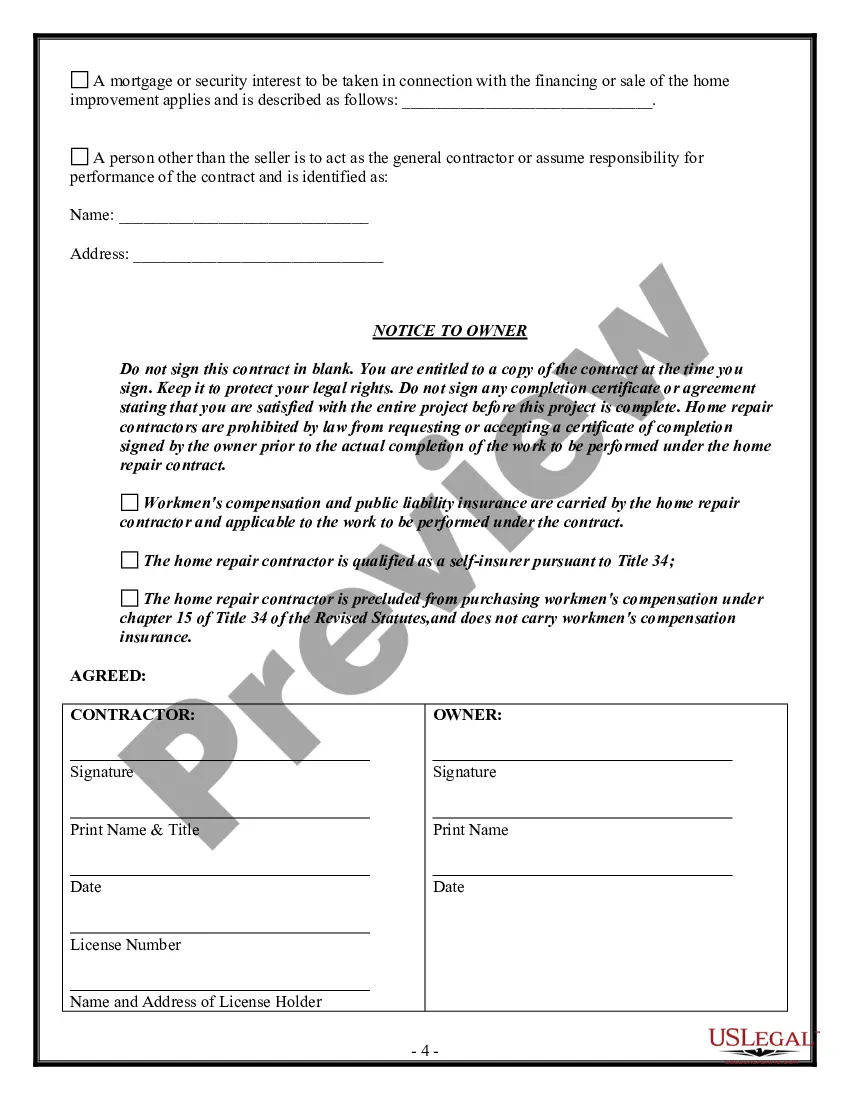
- Insurance: Requires the contractor to maintain adequate general liability and workers' compensation insurance.
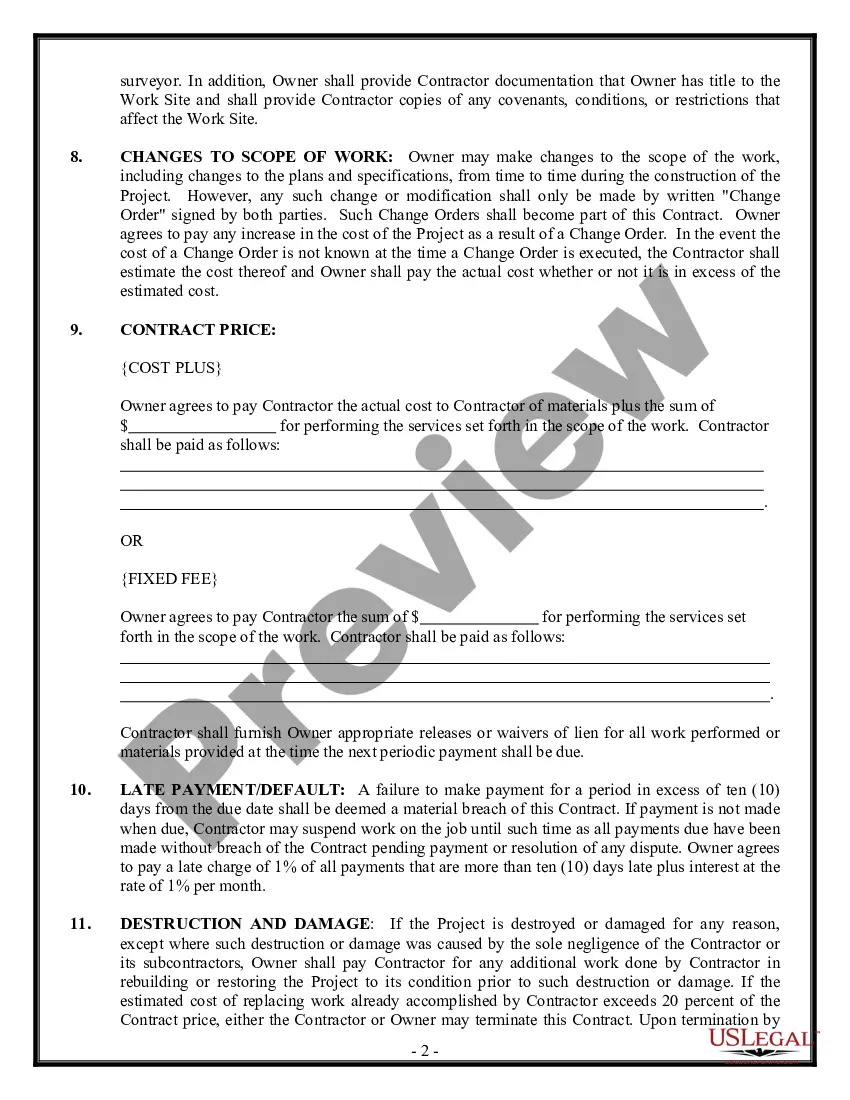
- Change Orders: Outlines the process for modifying the project scope and associated costs.
- Contract Price: Defines whether the payment arrangement is cost-plus or fixed fee.
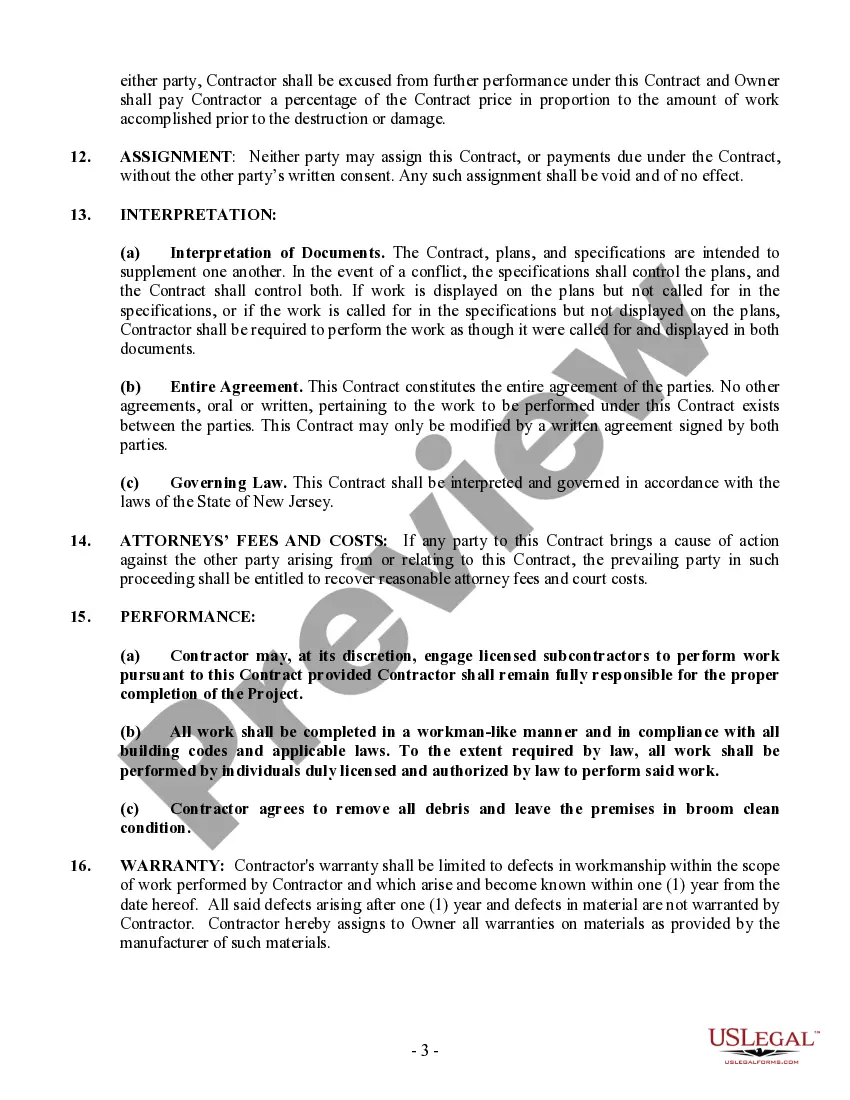
- Destruction and Damage: Addresses responsibilities in the event of project damages.
When to use this form
This form should be used when a property owner hires a paving contractor to perform asphalt or concrete paving work. It is essential for defining the terms of the job, especially when project complexities arise or changes are required during construction. Additionally, it protects both parties legally and financially during the project.
Who should use this form
- Property owners looking to have paving work done on their property.
- Paving contractors who wish to outline their responsibilities and payment terms.
- Individuals or companies involved in construction projects requiring professional paving services.
How to prepare this document
- Identify the parties: Fill in the names and addresses of the contractor and property owner.
- Specify the project details: Describe the scope of the paving work to be performed.
- Enter payment terms: Indicate whether the payment is on a cost-plus or fixed fee basis.
- Review and sign: Ensure both parties understand the terms and conditions, then provide signatures.
- Attach any required documentation: Include any permits or approvals needed for the project.
Is notarization required?
Notarization is not commonly needed for this form. However, certain documents or local rules may make it necessary. Our notarization service, powered by Notarize, allows you to finalize it securely online anytime, day or night.
Get your form ready online
Our built-in tools help you complete, sign, share, and store your documents in one place.
Make edits, fill in missing information, and update formatting in US Legal Forms—just like you would in MS Word.
Download a copy, print it, send it by email, or mail it via USPS—whatever works best for your next step.
Sign and collect signatures with our SignNow integration. Send to multiple recipients, set reminders, and more. Go Premium to unlock E-Sign.
If this form requires notarization, complete it online through a secure video call—no need to meet a notary in person or wait for an appointment.
We protect your documents and personal data by following strict security and privacy standards.

Make edits, fill in missing information, and update formatting in US Legal Forms—just like you would in MS Word.

Download a copy, print it, send it by email, or mail it via USPS—whatever works best for your next step.

Sign and collect signatures with our SignNow integration. Send to multiple recipients, set reminders, and more. Go Premium to unlock E-Sign.

If this form requires notarization, complete it online through a secure video call—no need to meet a notary in person or wait for an appointment.

We protect your documents and personal data by following strict security and privacy standards.
Common mistakes
- Failing to specify payment terms clearly can lead to disputes.
- Not documenting changes properly through Change Orders may create confusion.
- Overlooking the need for local permits can delay project approval.
- Neglecting to review soil conditions may lead to unexpected costs.
Why use this form online
- Convenience: Access and download the form anytime without having to visit a lawyer's office.
- Editability: Customize the contract to fit specific project needs and details.
- Legality: Forms are drafted by licensed attorneys, ensuring compliance with state laws.
Summary of main points
- The Paving Contract for Contractor is essential for formalizing paving agreements.
- Clear terms regarding payment, project scope, and warranty help prevent disputes.
- This form is specifically designed to meet New Jersey legal standards.
Looking for another form?

Form popularity
FAQ
Contractors are required to pay Sales or Use Tax on the materials, supplies, equipment, and services they purchase, rent, or use when performing work on the real property of others, except as described below. It is the general rule that the sale to the actual consumer is a retail sale.
Sales Tax LawExempt items include most food sold as grocery items, most clothing and footwear, disposable paper products for household use, prescription drugs, and over-the-counter drugs.
Professional services: These are considered the least-taxed services due to powerful lobbying presences. Accountants fall into this area, as well as the work performed by attorneys and healthcare professionals, among other licensed professionals.
Form 1099 information returns with a letter of transmittal should be sent to: State of New Jersey-Division of Taxation, Revenue Processing Center, Gross Income Tax, PO Box 248, Trenton, NJ 08646-0248.
In New Jersey are authorized to alter, paint, remodel, repair, restore, renovate, move, modernize, or demolish any part of residential properties. This work includes patios, kitchens, cabinets, porches, doors, fences, bathrooms, garages, basements, and floor coverings.
You're not required to file Forms 1099-NEC and 1099-MISC with your state.
To do home construction and many types of substantial home repairs in New Jersey, an individual must be a licensed contractor. Obtaining an NJ contractor license requires the contractor to register with the New Jersey Division of Consumer Affairs, a process that involves multiple smaller steps.
In most states, construction contractors must pay sales tax when they purchase materials used in construction.In some cases, this can be an advantage because any markup you charge to your customer on the materials, supplies and labor, won't be subject to sales tax.
When you buy items or services in New Jersey, you generally pay Sales Tax on each purchase. The seller (a store, service provider, restaurant, etc.) collects tax at the time of the sale and sends it to the State. The law exempts some sales and services from Sales Tax.