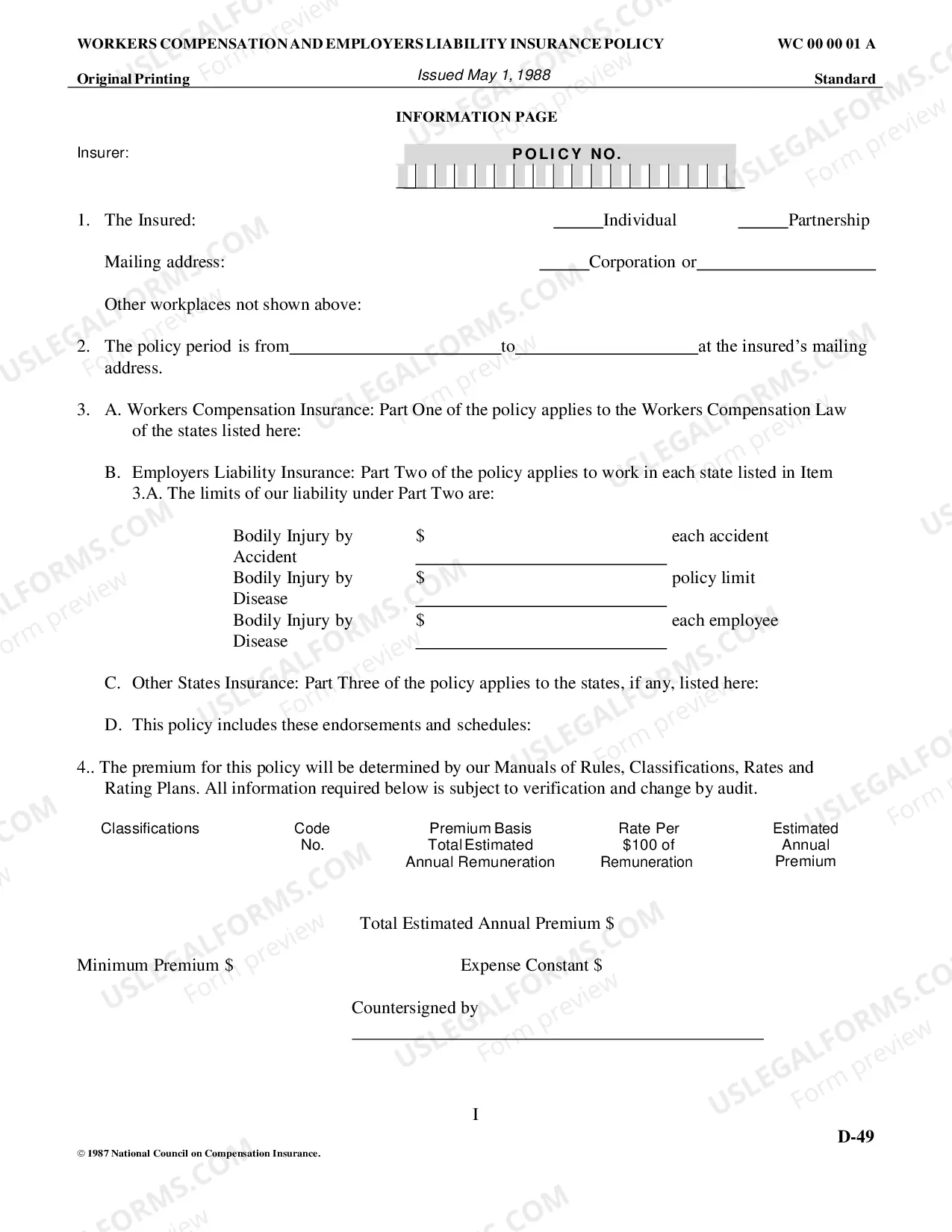
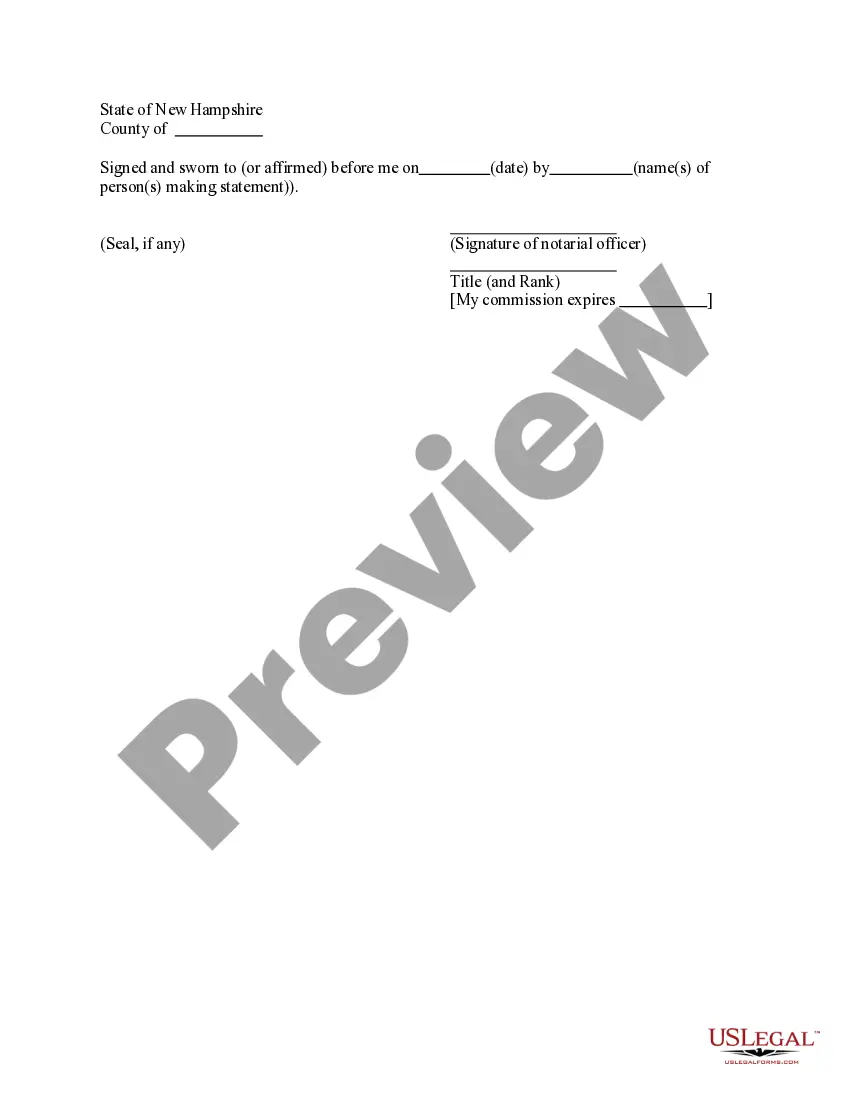
New Hampshire Acknowledgment for Verification upon Oath or Affirmation
What is this form?
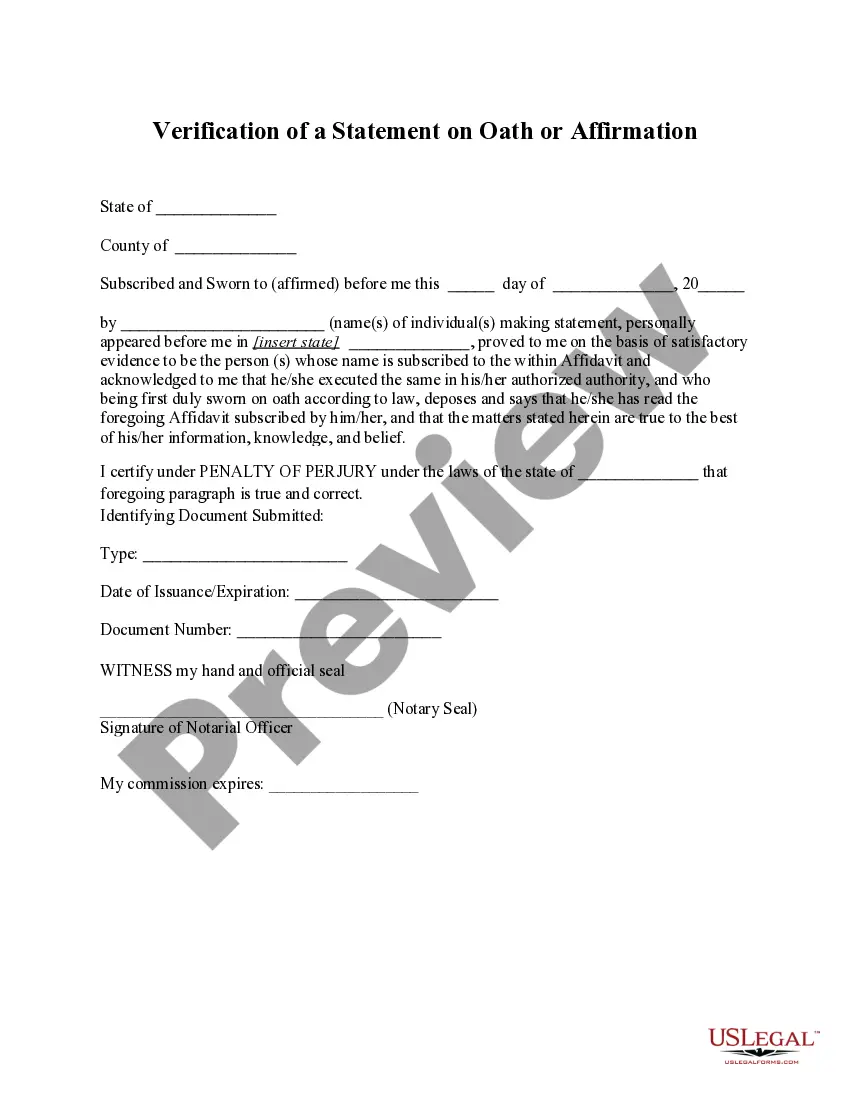
The Acknowledgment for Verification upon Oath or Affirmation is a legal form used to verify statements made under oath. This form is often required in legal proceedings to confirm that a person has sworn or affirmed the truthfulness of their statements, ensuring accuracy and accountability. Unlike other verification forms, this one specifically highlights the sworn nature of the declaration, which is crucial for legal validation.
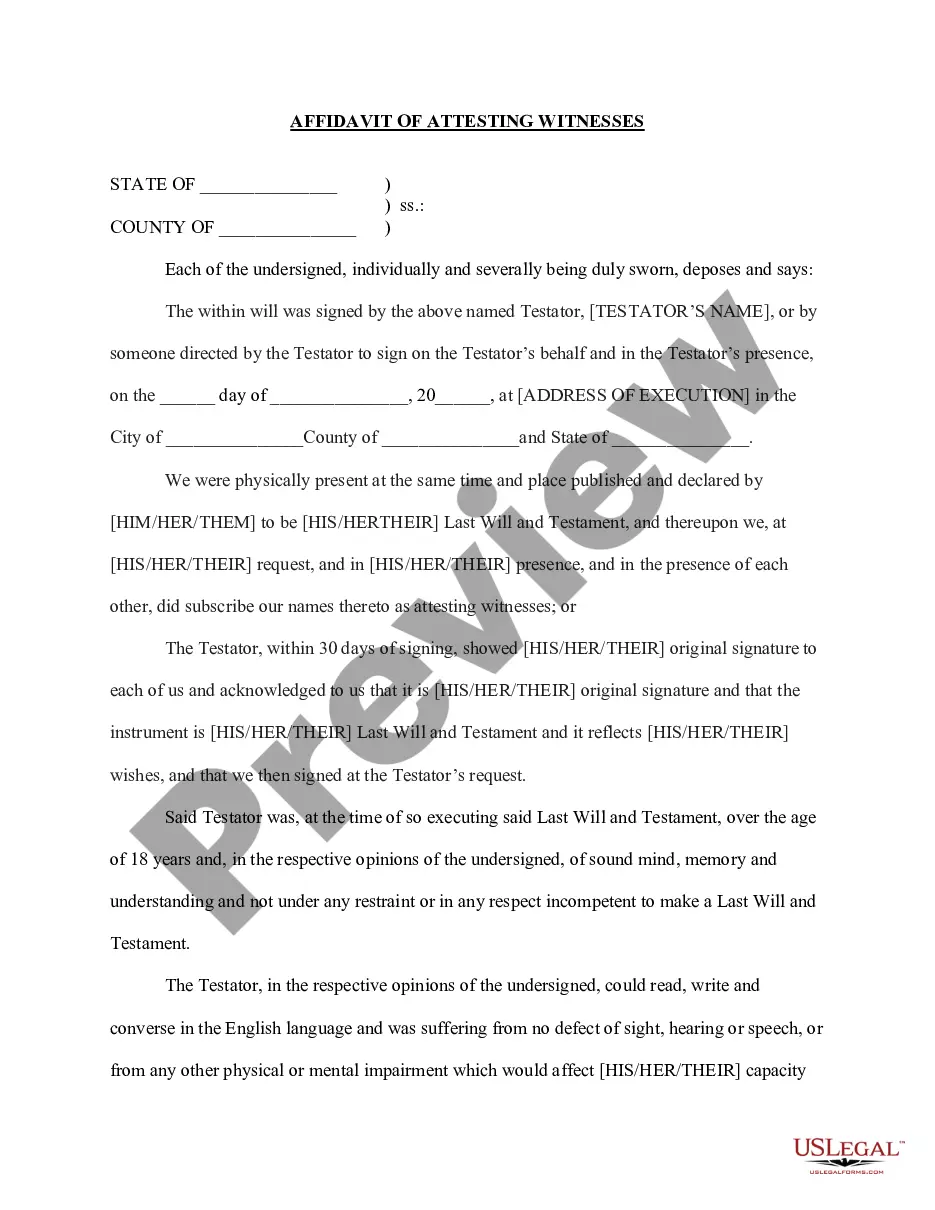
Key parts of this document
- Date of the acknowledgment.
- Name(s) of the person(s) making the statement.
- Signature of the notarial officer.
- Seal of the notary (if applicable).
- Title and rank of the notarial officer, along with commission expiration date.

Situations where this form applies
This form is commonly used in legal situations where an individual needs to confirm the truth of a statement made in an affidavit or other legal document. It is typically needed in court proceedings, administrative hearings, or any scenario requiring reliable sworn testimony.
Intended users of this form
- Individuals requiring legal documentation of sworn statements.
- Attorneys or legal representatives preparing affidavits.
- Notaries public overseeing the acknowledgment process.
- Parties involved in legal disputes or proceedings where verification is needed.
Instructions for completing this form
- Identify the date of the signing.
- Enter the names of the individual(s) making the statement.
- Sign the document in the presence of a notary.
- Complete the notary section, including signature and seal.
- Ensure all fields are filled out clearly to avoid any legal discrepancies.
Does this form need to be notarized?
Yes, this form must be notarized to be legally valid. US Legal Forms provides an integrated online notarization service, offering 24/7 availability through secure video calls, ensuring legal equivalence without the need for travel.
Get your form ready online
Our built-in tools help you complete, sign, share, and store your documents in one place.
Make edits, fill in missing information, and update formatting in US Legal Forms—just like you would in MS Word.
Download a copy, print it, send it by email, or mail it via USPS—whatever works best for your next step.
Sign and collect signatures with our SignNow integration. Send to multiple recipients, set reminders, and more. Go Premium to unlock E-Sign.
If this form requires notarization, complete it online through a secure video call—no need to meet a notary in person or wait for an appointment.
We protect your documents and personal data by following strict security and privacy standards.

Make edits, fill in missing information, and update formatting in US Legal Forms—just like you would in MS Word.

Download a copy, print it, send it by email, or mail it via USPS—whatever works best for your next step.

Sign and collect signatures with our SignNow integration. Send to multiple recipients, set reminders, and more. Go Premium to unlock E-Sign.

If this form requires notarization, complete it online through a secure video call—no need to meet a notary in person or wait for an appointment.

We protect your documents and personal data by following strict security and privacy standards.
Typical mistakes to avoid
- Failing to include the date of the acknowledgment.
- Leaving out the names of those swearing to the statement.
- Not having a notary present during the signing.
- Omitting required signatures or seals.
Why complete this form online
- Convenient access to a legally sound template.
- Editable format allowing customization for personal needs.
- Secure and reliable with peace of mind regarding legal compliance.
Quick recap
- The Acknowledgment for Verification upon Oath or Affirmation confirms the truth of statements made under oath.
- It is crucial for legal documents requiring verified information.
- Proper completion includes accurate details about the signer, date, and notarization.
- This form is specific to New Hampshire but can be adapted for use in other jurisdictions.
Looking for another form?

Form popularity
FAQ
Step 1: Require Personal Appearance. Step 2: Check Over The Document. Step 3: Carefully Identify The Signer. Step 4: Record Your Journal Entry. Step 5: Complete The Notarial Certificate. A Last Note: Never Give Advice.
Require Personal Appearance. Review The Document. Screen The Signer And Verify The Facts. Record The Notarization. Complete The Notarization.
When administering the oath or affirmation, make sure the person swears or affirms the truthfulness of their statement. The wording may vary depending upon your state. Speak clearly and take the notarial act seriously. Record the notarization in your journal.
"I swear by Almighty God that the evidence I shall give will be the truth, the whole truth, and nothing but the truth". "I solemnly declare and affirm that the evidence I shall give will be the truth, the whole truth, and nothing but the truth".
For an acknowledgment, the signer must always: Be positively identified by the Notary. The Notary must always identify the signer for an acknowledgement; whether the signer personally knows the Notary, presents an ID document, or is identified by a credible witness depends on the circumstances.
For an oath: "Do you solemnly state that the evidence you shall give in this issue (or matter) shall be the truth, the whole truth, and nothing but the truth, so help you God?"
When you see (here insert the name and character of the officer) next to a blank as shown below, it means you should insert Your name, Notary Public in the blank.
A notary acknowledgement ensures that the signer of the document is indeed the person named in the document. The function of the notary in this case is to verify the identity of the signer. On the other hand, a notary is asked to perform a Jurat, when the signer takes an oath or makes an affirmation.
The certificate of a notary public, justice of the peace, or other authorized officer, attached to a deed, mortgage, or other instrument, setting forth that the parties thereto personally appeared before him on such a date and acknowledged the instrument to be their free and voluntary act and deed. Read v.