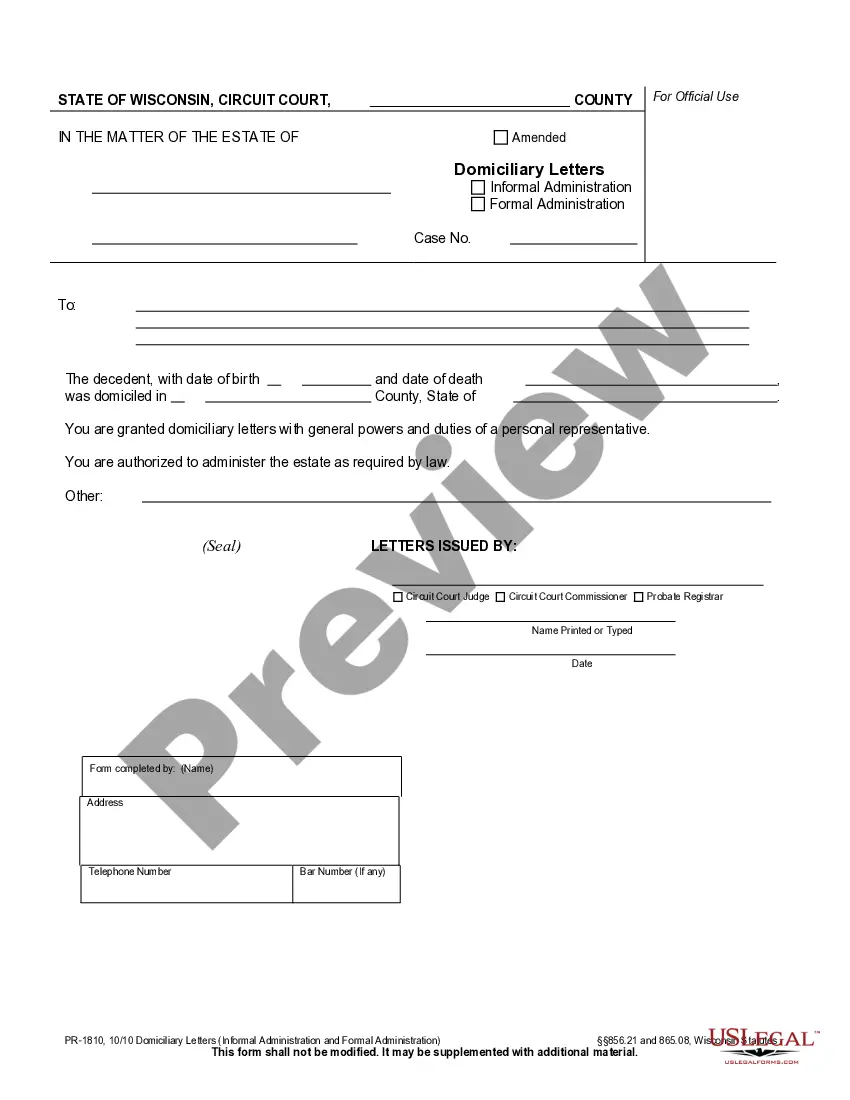
New Hampshire Discovery Interrogatories for Divorce Proceeding for either Plaintiff or Defendant - Another Form
What is this form?
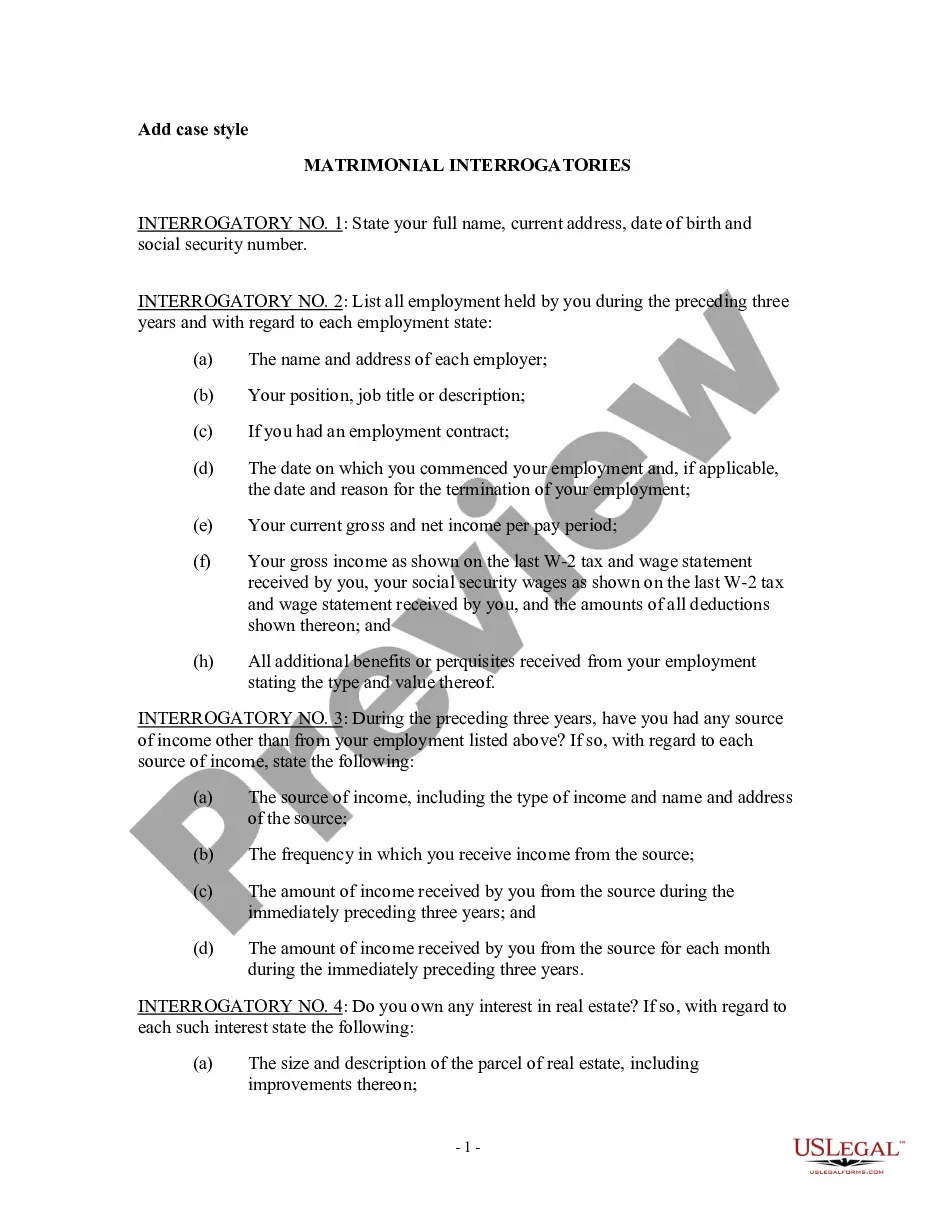
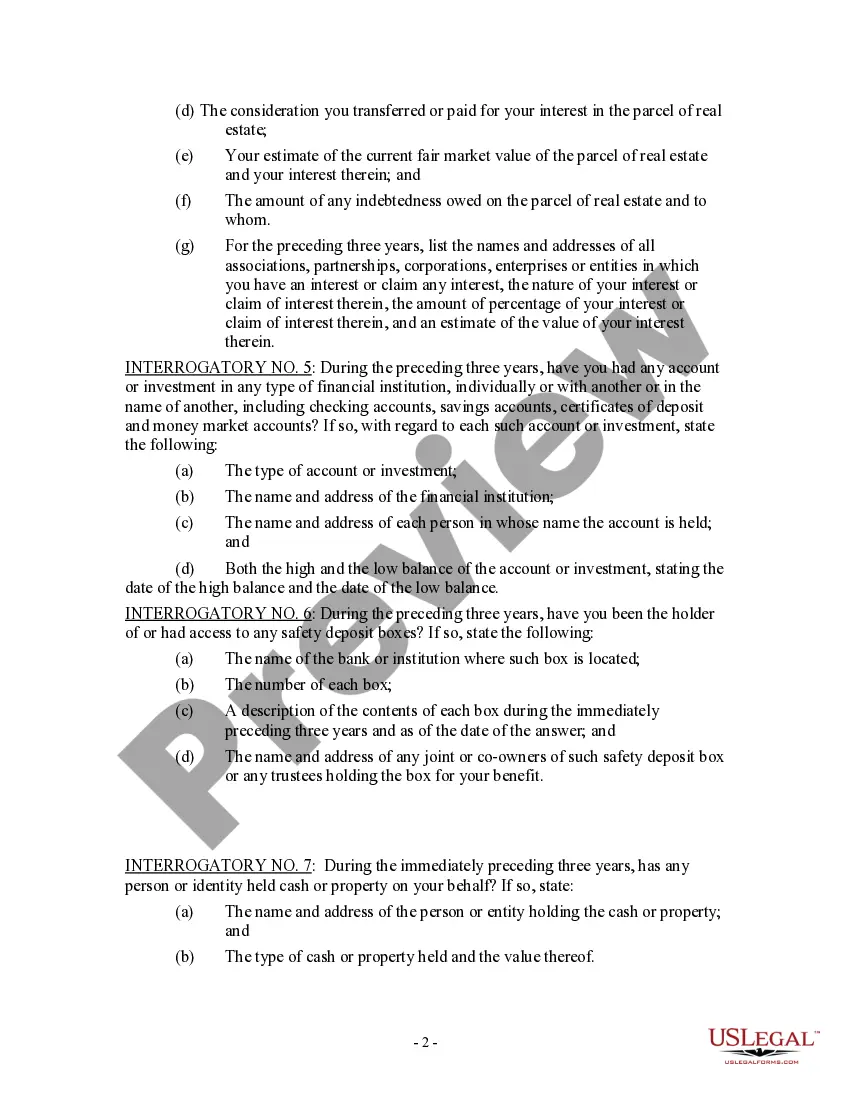
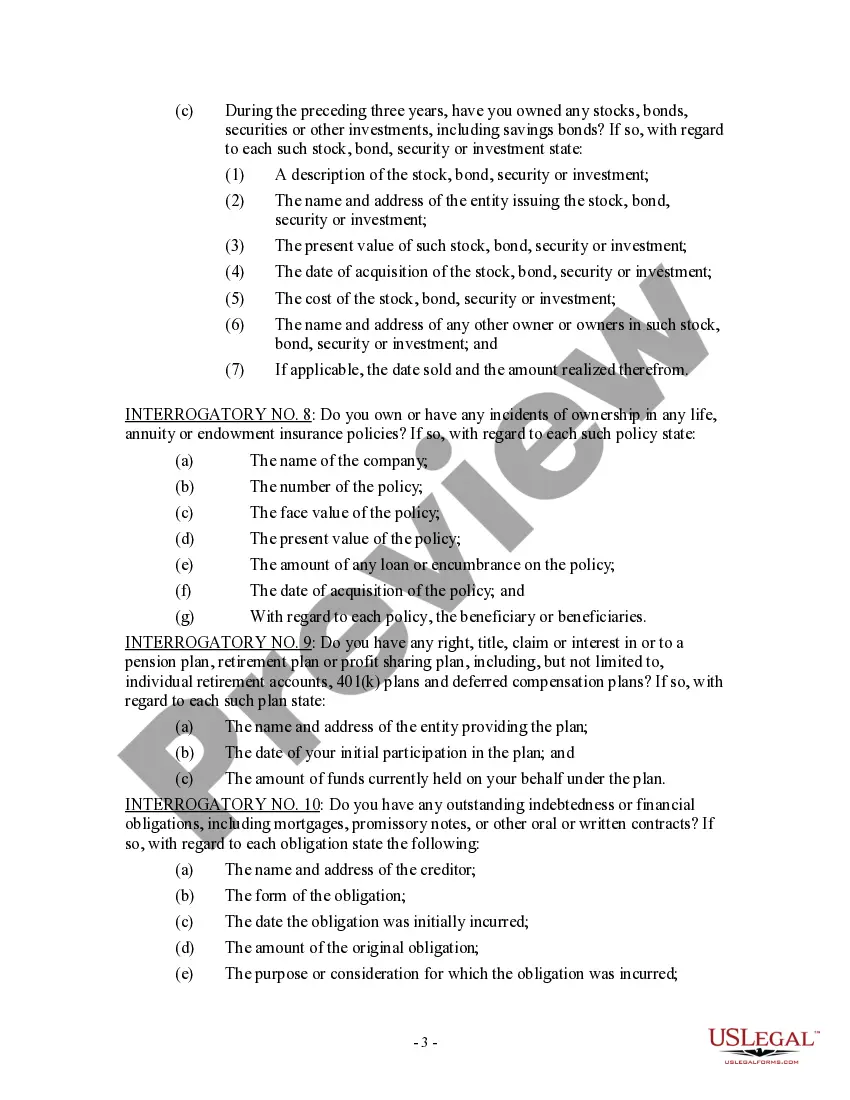
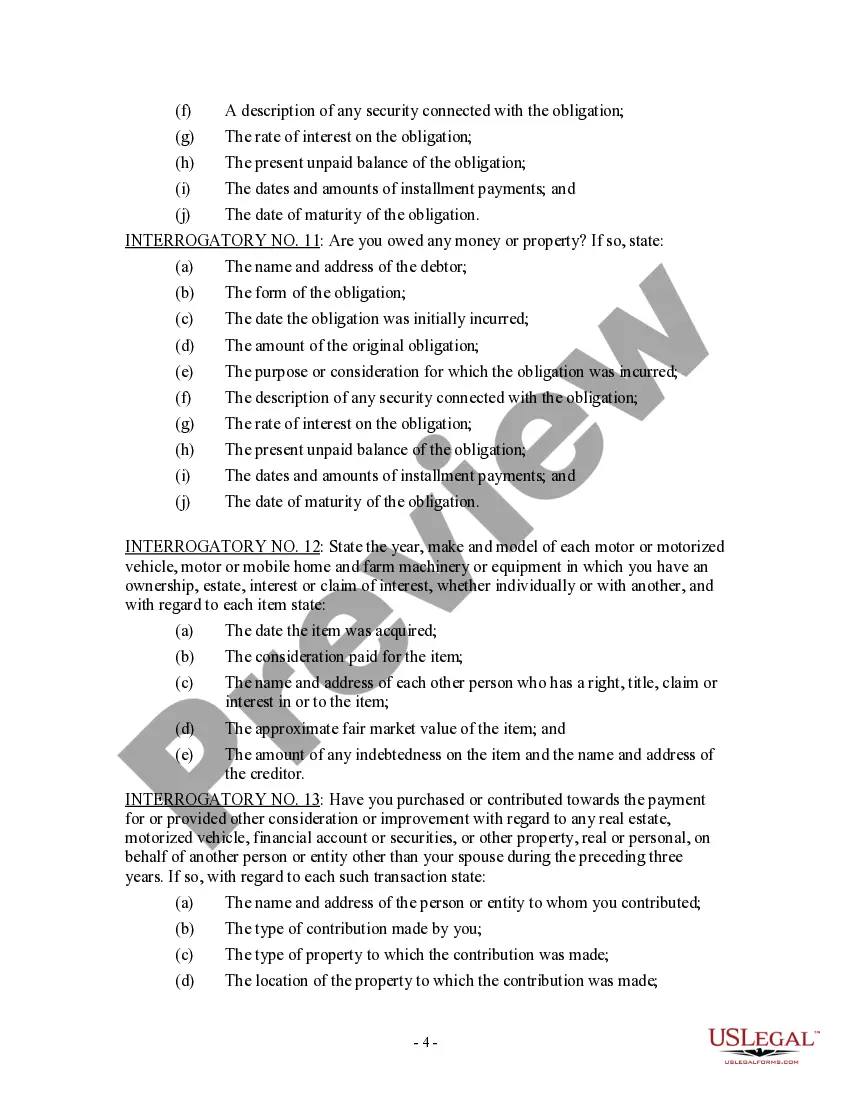
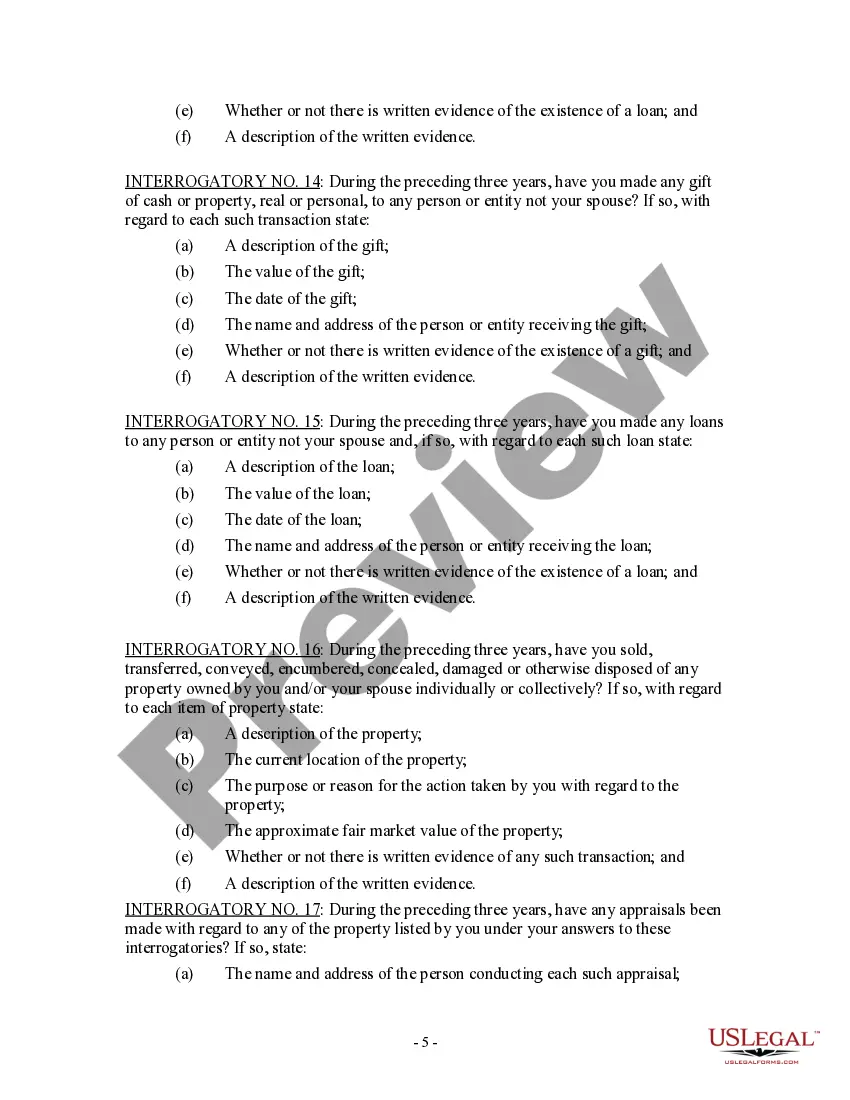
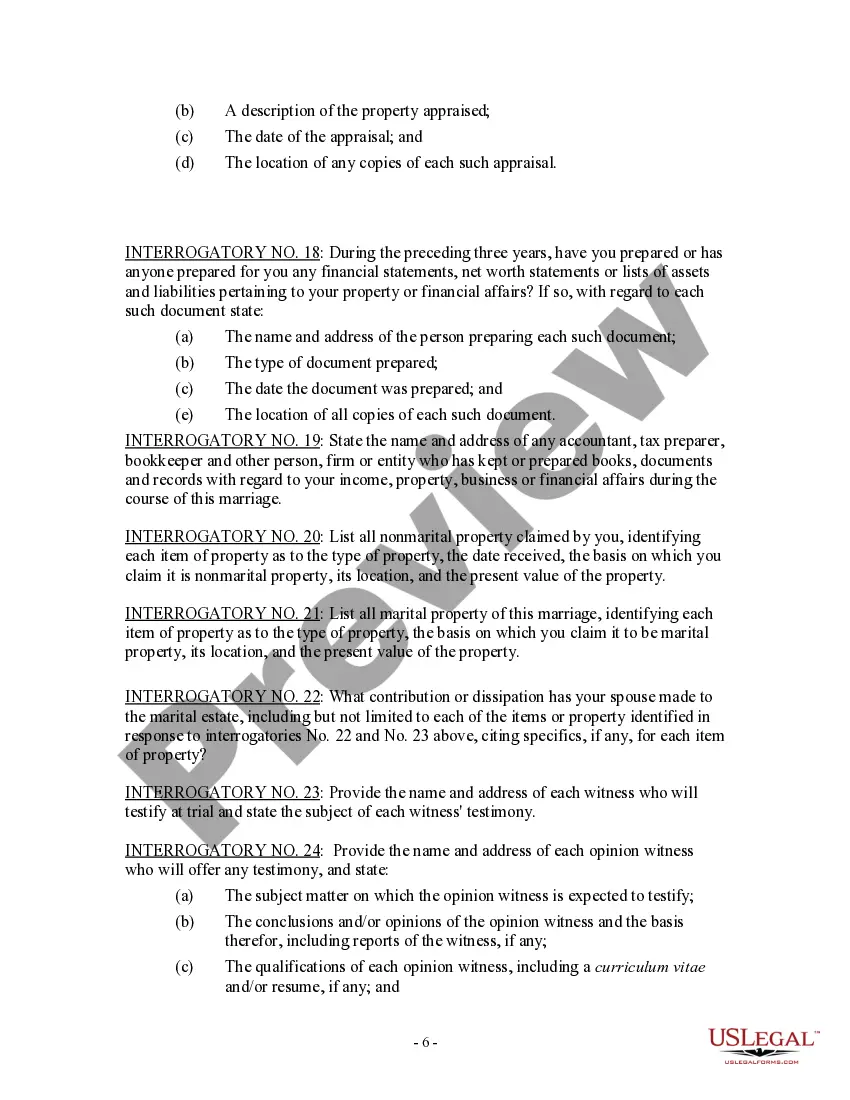
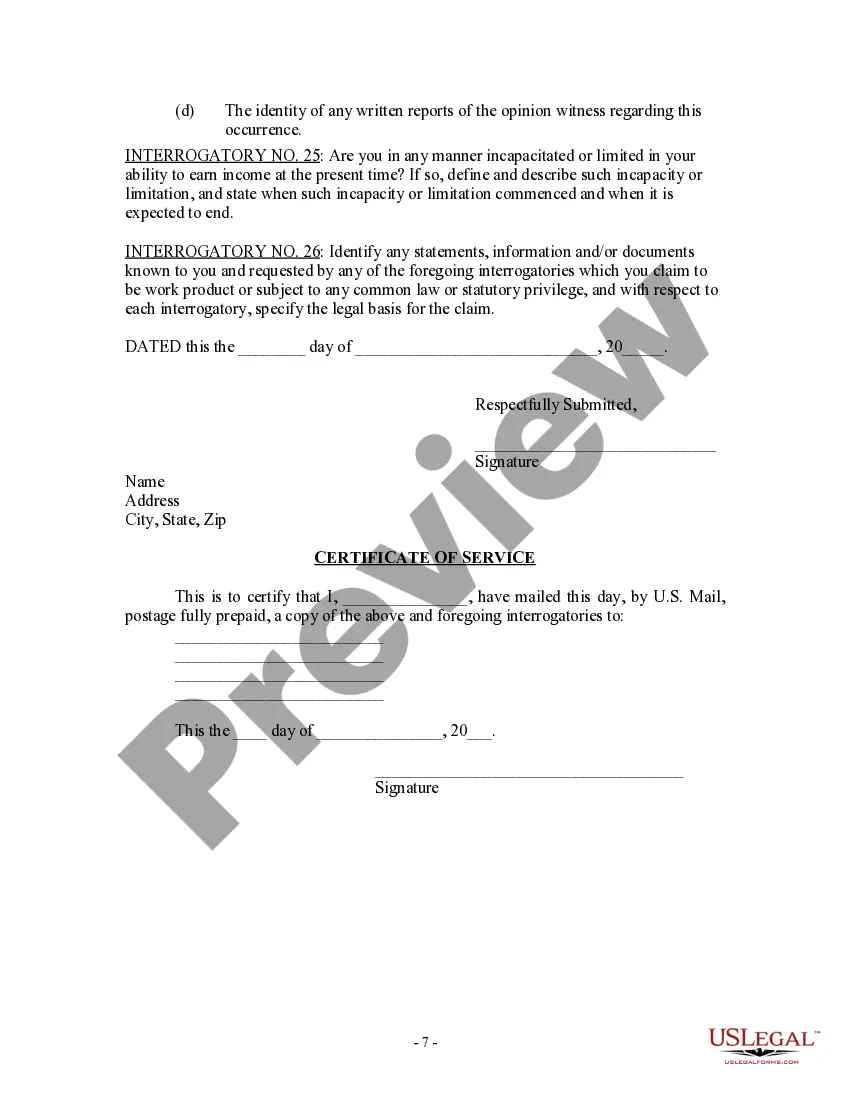
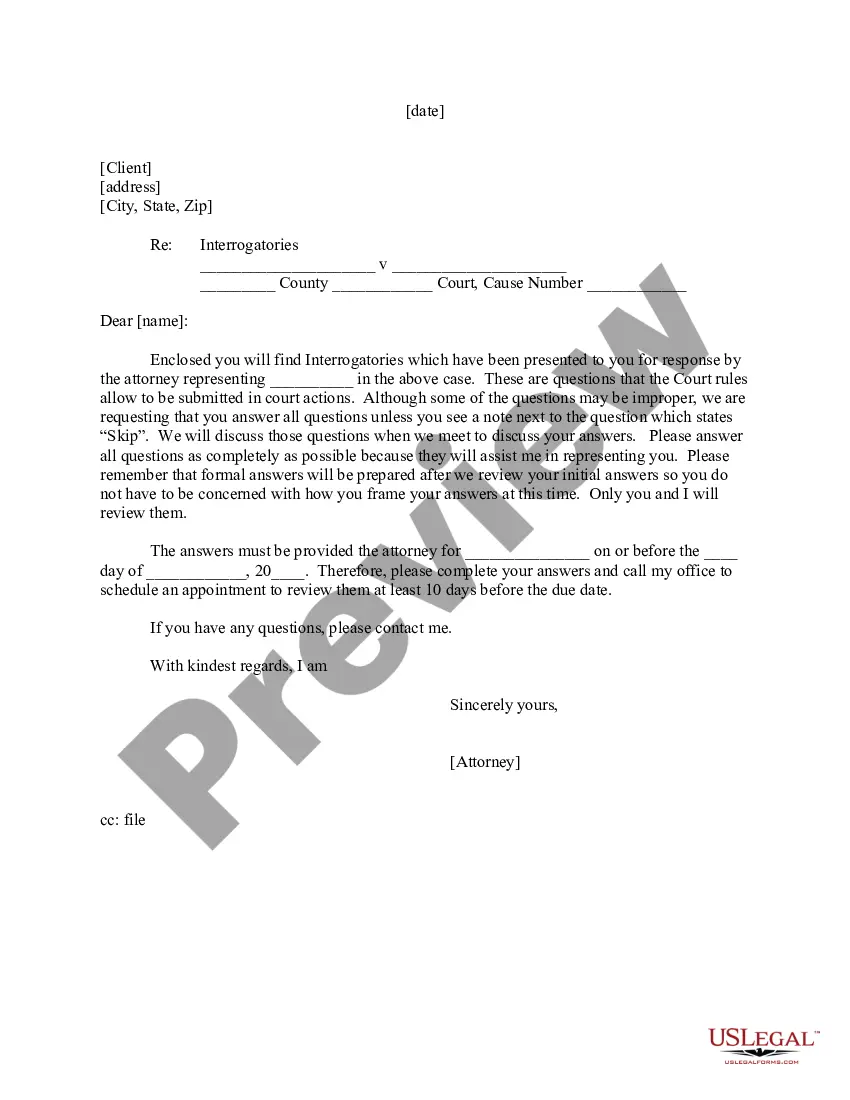
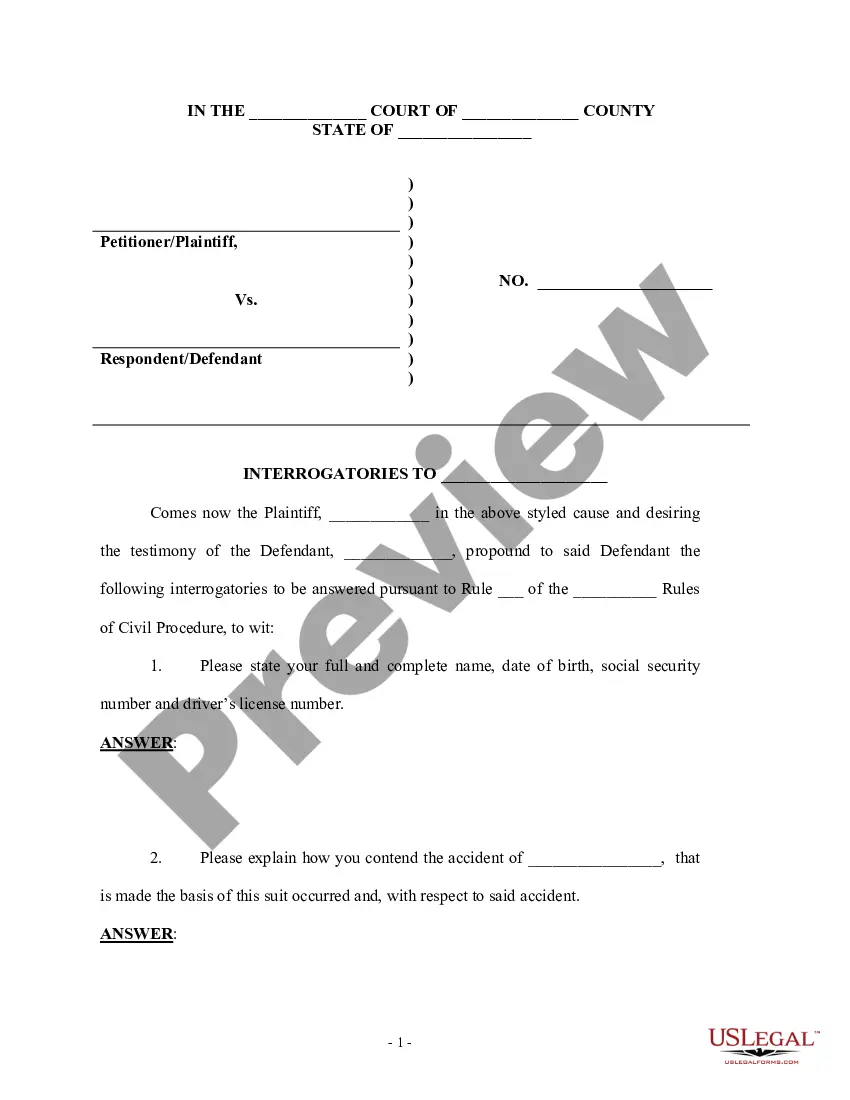
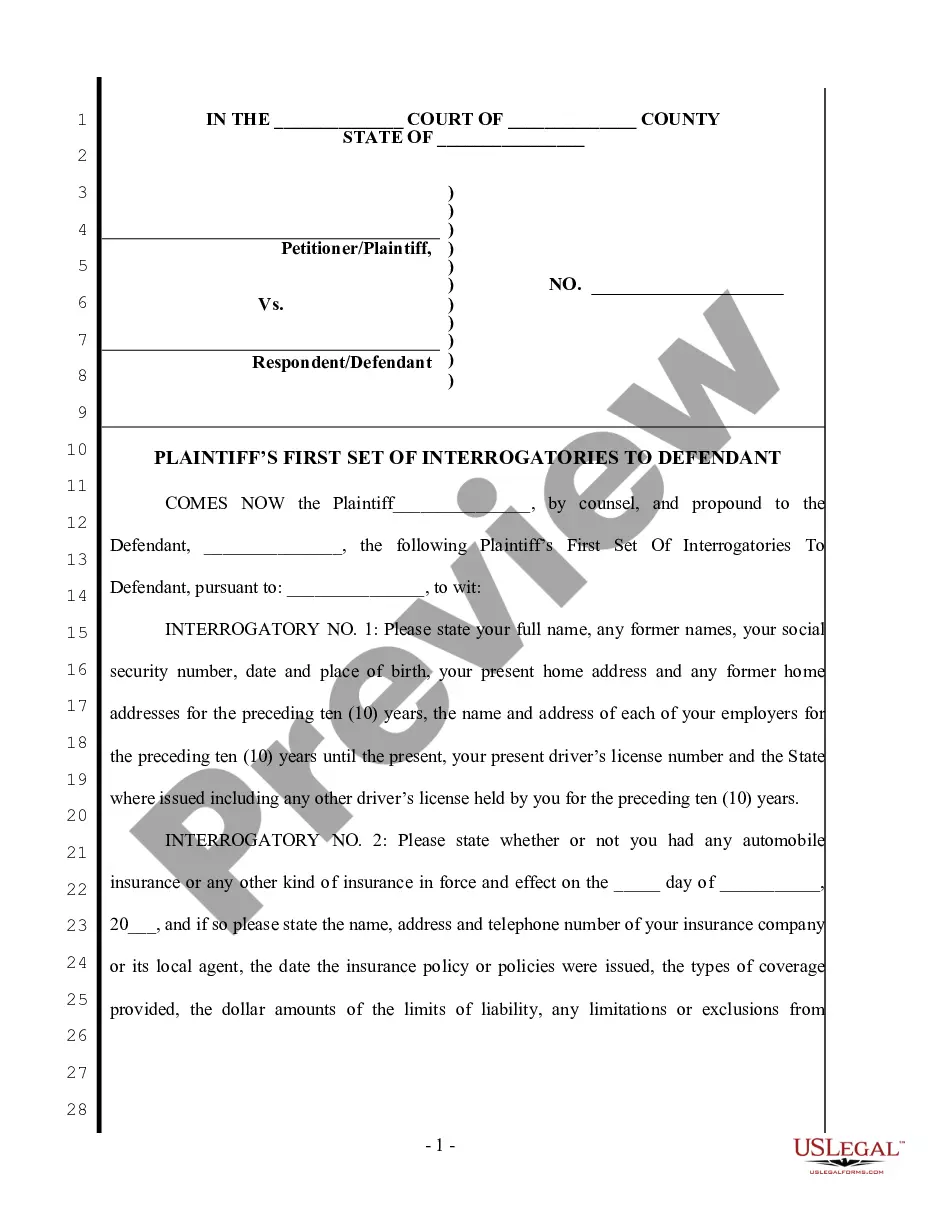
The Discovery Interrogatories for Divorce Proceeding is a legal document utilized in divorce cases, allowing the Plaintiff to formally request information from the Defendant. This form includes a series of questionsâinterrogatoriesâthat cover various aspects of financial, property, and personal information. It differs from similar forms in that it not only asks for personal information but also includes requests for the production of documents relevant to the divorce proceeding. This form serves as a crucial tool for gathering evidence and understanding the full scope of assets and liabilities involved in the case.
What’s included in this form
- Full name, current address, date of birth, and social security number of the Defendant.
- Employment history and income details for the past three years.
- Ownership information regarding real estate and other significant assets.
- Details about any financial accounts, investments, and safety deposit boxes.
- Record of any gifts or loans made to others not including the spouse.
- Information on marital and nonmarital property, including claims and appraisals.
When to use this form
This form is used during the discovery phase of a divorce proceeding. It is essential when either party needs to gather detailed information from the other regarding finances, property ownership, or any other relevant facts that may impact the divorce settlement. This form aids in clarifying each party's assets and debts, ensuring a fair and equitable division during the divorce process.
Who should use this form
- Divorce Plaintiffs who need to gather information from the Defendant.
- Legal representatives assisting clients with divorce proceedings.
- Parties involved in contested divorce cases requiring detailed financial disclosure.
Instructions for completing this form
- Identify the parties involved in the divorce and enter their names at the top of the document.
- Carefully answer each interrogatory by providing accurate and truthful information as requested.
- Include any necessary documentation or evidence that supports your responses, when applicable.
- Sign the form at the bottom to affirm the information provided.
- File the completed form with the appropriate court and serve a copy to the Defendant.
Notarization guidance
This form does not typically require notarization unless specified by local law. It's always advisable to verify the requirements for your specific jurisdiction to ensure compliance.
Get your form ready online
Our built-in tools help you complete, sign, share, and store your documents in one place.
Make edits, fill in missing information, and update formatting in US Legal Forms—just like you would in MS Word.
Download a copy, print it, send it by email, or mail it via USPS—whatever works best for your next step.
Sign and collect signatures with our SignNow integration. Send to multiple recipients, set reminders, and more. Go Premium to unlock E-Sign.
If this form requires notarization, complete it online through a secure video call—no need to meet a notary in person or wait for an appointment.
We protect your documents and personal data by following strict security and privacy standards.

Make edits, fill in missing information, and update formatting in US Legal Forms—just like you would in MS Word.

Download a copy, print it, send it by email, or mail it via USPS—whatever works best for your next step.

Sign and collect signatures with our SignNow integration. Send to multiple recipients, set reminders, and more. Go Premium to unlock E-Sign.

If this form requires notarization, complete it online through a secure video call—no need to meet a notary in person or wait for an appointment.

We protect your documents and personal data by following strict security and privacy standards.
Typical mistakes to avoid
- Failing to answer all interrogatories fully and completely.
- Not providing supporting documentation when required.
- Missing the filing deadline for submission to the court.
- Not serving the Defendant as required, leading to procedural delays.
Advantages of online completion
- Easy access and convenience to complete forms from any location.
- Edit and customize the form to fit specific case needs.
- Reliable and secure platform to handle sensitive legal information.
- Guidance through complex legal language to ensure understanding and compliance.
Looking for another form?

Form popularity
FAQ
What is the discovery phase of a divorce? By definition, discovery is part of the pre-trial phase of a divorce in which each side obtains evidence and information from the other side.Discovery can include interrogatories, requests for production of documents, requests for admissions, depositions and subpoenas.
That disclosure is accomplished through a methodical process called "discovery." Discovery takes three basic forms: written discovery, document production and depositions.
Your answers to the interrogatories should usually be short, clear, and direct and should answer only the question that is being asked. This is not the time to set out your entire case or defense to the other side. Take the time to make sure your answers are correct and truthful.
Written questions called interrogatories or requests for admission. Using these discovery tools, your spouse must answer questions in writing, or admit specific statements that you believe are true. Inspection demands. You can ask to inspect property like a safe deposit box or wine collection.
Request for Production of Documents: You can ask the plaintiff to produce documents that prove what they are claiming: like bills, their ledger and contract with you. Request for Interrogatories: You can ask the plaintiff to answer questions in writing about your case and the debt, like.
Interrogatories are part of the discovery process of divorce. They allow you and your soon-to-be/already ex spouse to ask questions that must be responded to in writing under oath. These answer are then used to determine facts in the case, as well as to question each side if/when the case goes to trial.
California written discovery generally consists of four methods: Request for Production of Documents, Form Interrogatories, Special Interrogatories, and Requests for Admissions.
The type of discovery include: Interrogatorieswhich are written questions that must be answered under oath. Requests for production of documentsasking that certain documents be provided by you or your spouse. Requests for admissionsasking that certain facts be admitted or denied.
Responding to Form InterrogatoriesAnswer each question, being careful to answer each subpart, if one exists. Read the question carefully, and answer only what it asks. You may attach exhibits, if necessary. The response must be verified, meaning you must swear that the responses given are true.