Nebraska Notice of Default
About this form
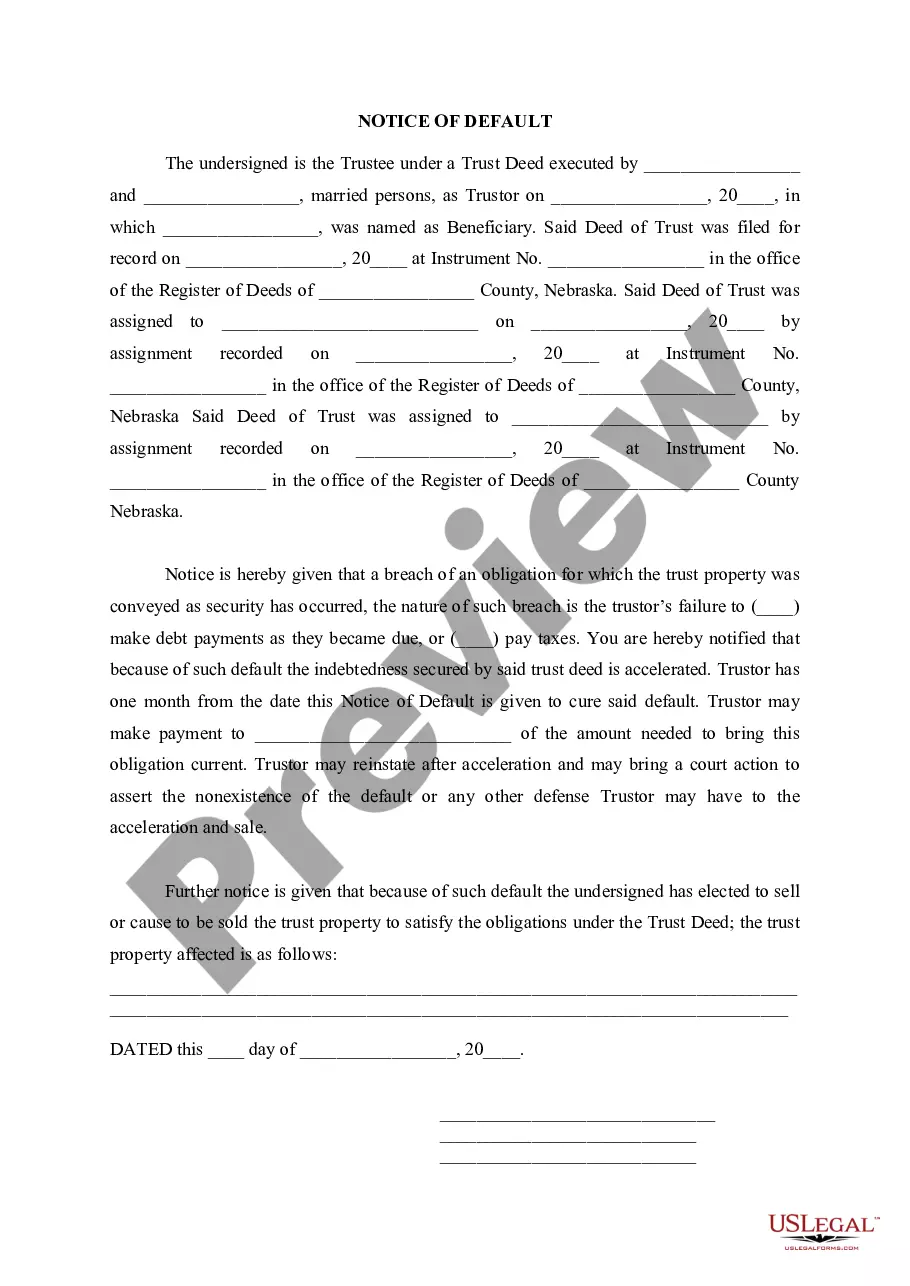
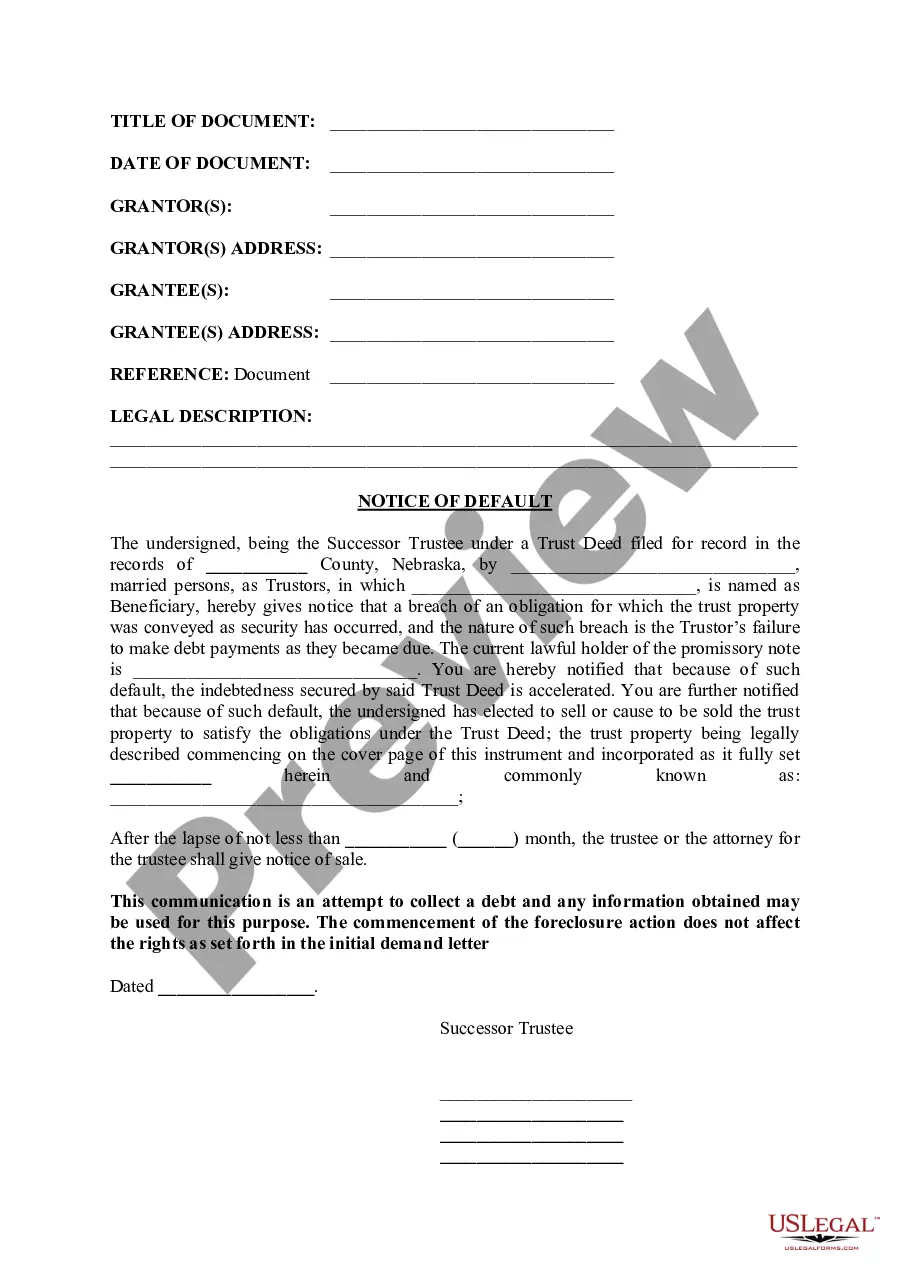
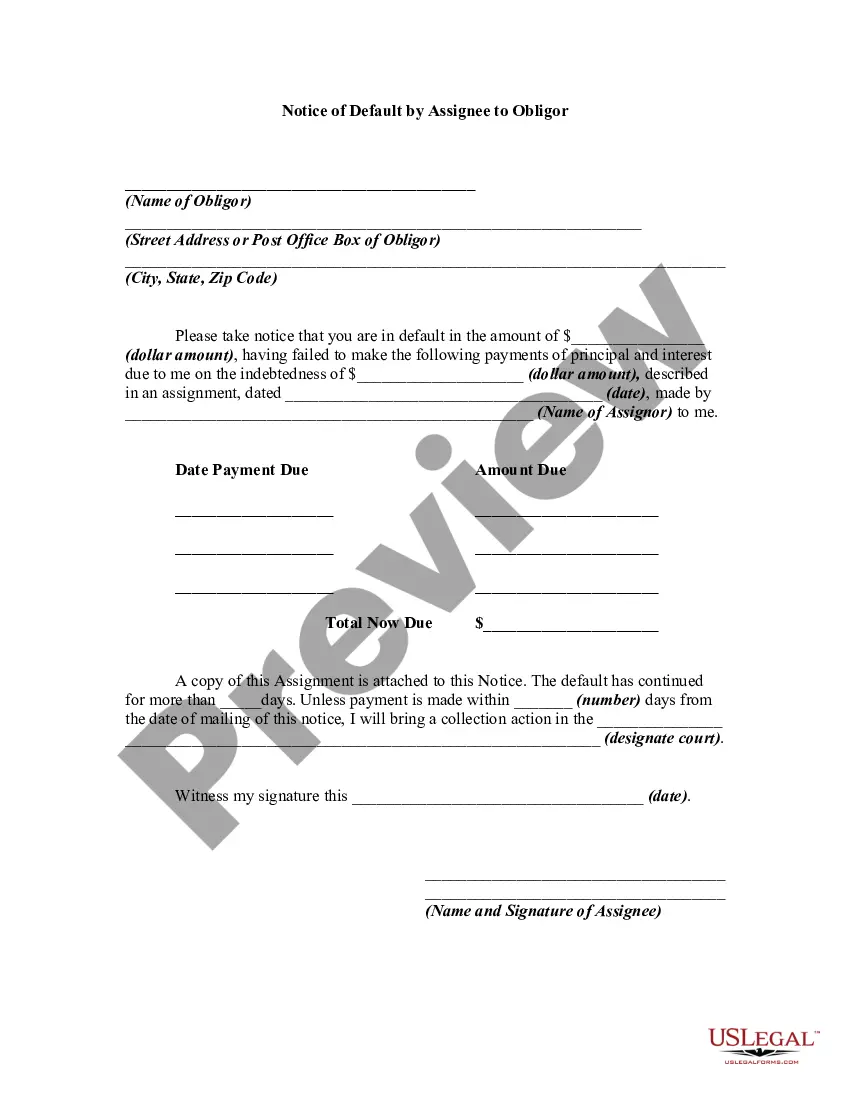
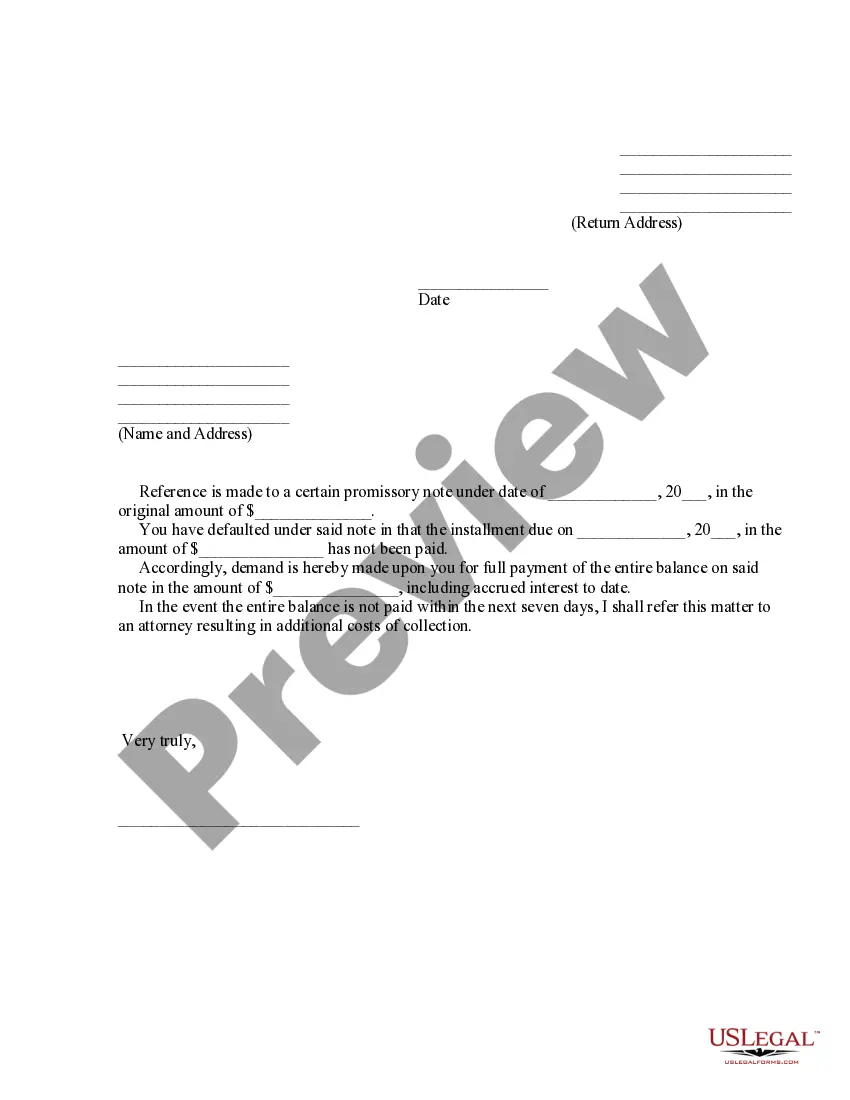
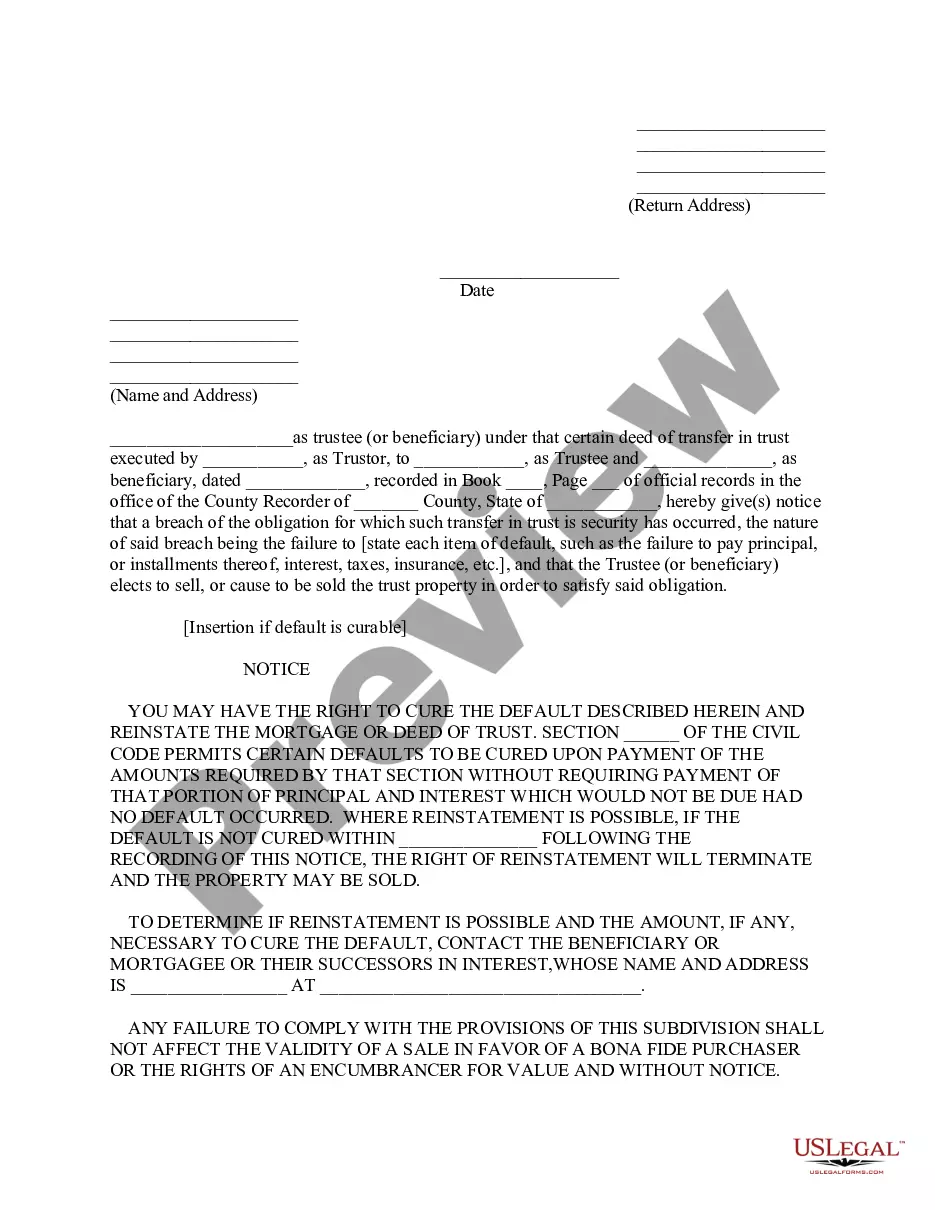
The Notice of Default is a legal document sent to a trust beneficiary when the Trustor has breached the obligations of a Trust Deed. This notice informs the beneficiary that the Trustor has one month to cure the default, failing which the trust property may be sold to satisfy the debts secured by the trust deed. This form is critical for notifying beneficiaries of serious breaches, distinguishing it from other forms used for general notifications or communications concerning trusts.
What’s included in this form
- Identification of the Trustee and Trustor, including their marital status.
- Details of the Deed of Trust, including recording information.
- Nature of the default, such as failure to make payments or pay taxes.
- Timeframe given to the Trustor to cure the default, typically one month.
- Details about the property affected by the Trust Deed.
When this form is needed
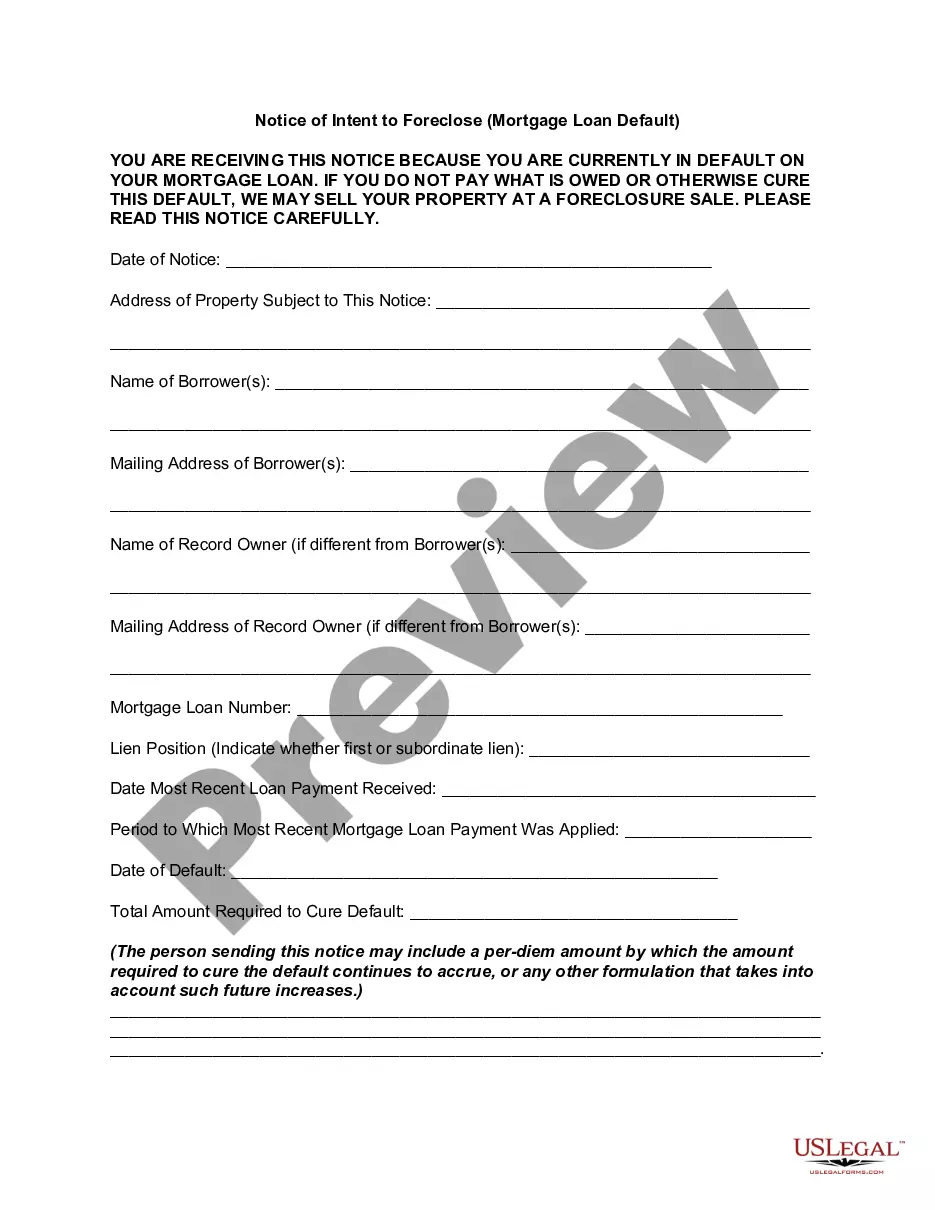
This form should be used when the Trustor fails to meet their obligations outlined in the Trust Deed, such as failing to make debt payments or pay necessary taxes. It is essential for the Trustee to formally notify the beneficiary of these defaults to ensure all parties understand the potential consequences, including the possibility of property sale to recover the owed amounts.
Who can use this document
- Trustees managing a trust with an active Deed of Trust.
- Beneficiaries who have been informed of a default by the Trustor.
- Trustors who need to understand the implications of their default on the trust property.
Steps to complete this form
- Identify all parties involved by entering the names of the Trustee, Trustor, and Beneficiary.
- Specify the details of the Trust Deed, including file dates and instrument numbers.
- Clearly describe the nature of the default occurring (such as payment failures).
- Indicate the amount needed to cure the default and the name of the entity to receive this payment.
- Provide the relevant property description affected by the Trust Deed.
Notarization requirements for this form
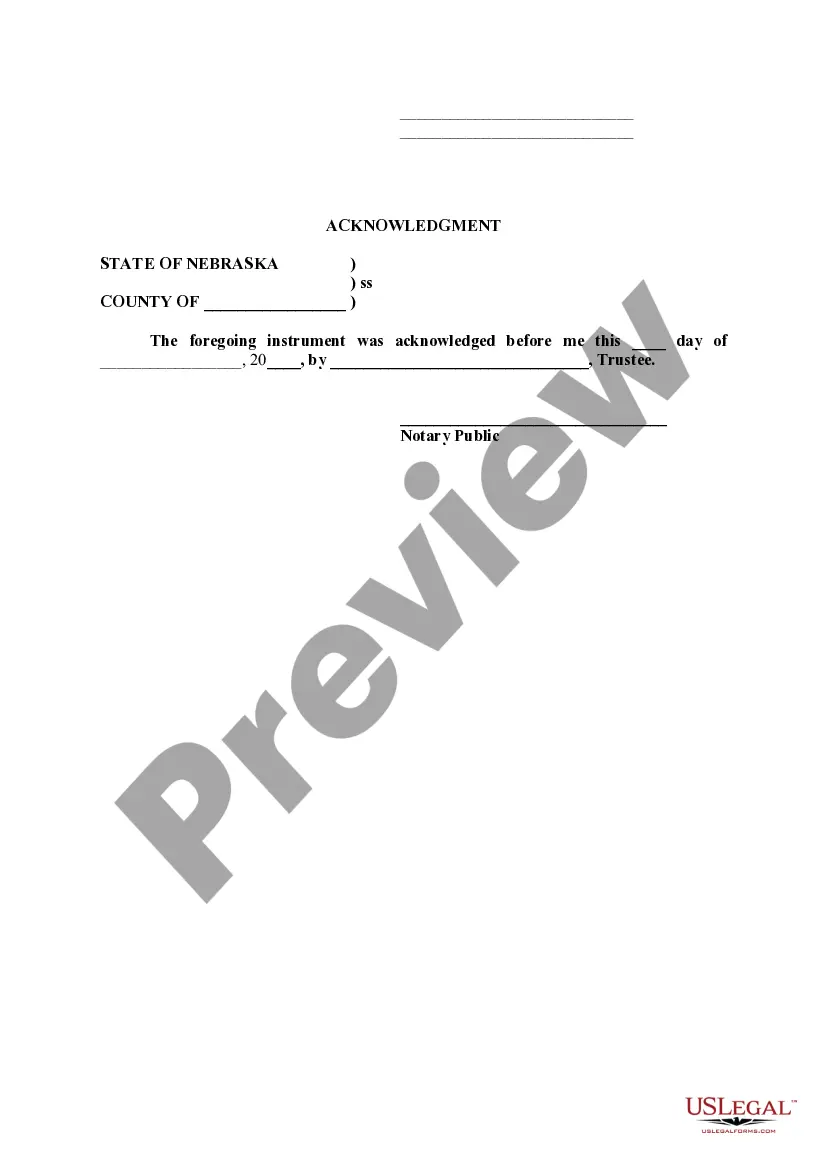
This form does not typically require notarization unless specified by local law.
Get your form ready online
Our built-in tools help you complete, sign, share, and store your documents in one place.
Make edits, fill in missing information, and update formatting in US Legal Forms—just like you would in MS Word.
Download a copy, print it, send it by email, or mail it via USPS—whatever works best for your next step.
Sign and collect signatures with our SignNow integration. Send to multiple recipients, set reminders, and more. Go Premium to unlock E-Sign.
If this form requires notarization, complete it online through a secure video call—no need to meet a notary in person or wait for an appointment.
We protect your documents and personal data by following strict security and privacy standards.

Make edits, fill in missing information, and update formatting in US Legal Forms—just like you would in MS Word.

Download a copy, print it, send it by email, or mail it via USPS—whatever works best for your next step.

Sign and collect signatures with our SignNow integration. Send to multiple recipients, set reminders, and more. Go Premium to unlock E-Sign.

If this form requires notarization, complete it online through a secure video call—no need to meet a notary in person or wait for an appointment.

We protect your documents and personal data by following strict security and privacy standards.
Typical mistakes to avoid
- Failing to accurately identify the Trustor or Trustee.
- Leaving out critical details about the Deed of Trust.
- Not specifying the nature of the default clearly.
- Omitting the property description, which can lead to legal confusion.
Benefits of using this form online
- Convenient access to legal forms from anywhere with an internet connection.
- Easily editable to ensure all specific information is accurately captured.
- Peace of mind knowing the form is created with the guidance of licensed attorneys.
Legal use & context
- The Notice of Default serves as the official notification necessary to proceed with foreclosure or sale of the trust property.
- Failure to properly execute or deliver this notice can result in legal complications or challenges in enforcing the trustâs terms.
Key takeaways
- The Notice of Default is essential for communicating breaches of trust obligations.
- Timely delivery of this notice can help preserve legal rights regarding the trust property.
- Completing this form accurately is crucial to avoid potential legal pitfalls.
Looking for another form?


Form popularity
FAQ
Currently, 22 states in the U.S. only allow banks to attempt judicial foreclosures, including Arkansas, Connecticut, Delaware, Florida, Illinois, Indiana, Iowa, Kansas, Kentucky, Louisiana, Nebraska, New Jersey, New Mexico, New York, North Dakota, Ohio, Oklahoma, Pennsylvania, South Carolina, Vermont, Virginia, and
Foreclosures are usually nonjudicial in the following states: Alabama, Alaska, Arizona, Arkansas, California, Colorado, District of Columbia (sometimes), Georgia, Idaho, Maryland, Massachusetts, Michigan, Minnesota, Mississippi, Missouri, Montana, Nebraska, Nevada, New Hampshire, New Mexico (sometimes), North Carolina,
The Nebraska Trust Deeds Act is the statue that governs foreclosures in this state. Under this statue, foreclosure is a non-judicial remedy.Nebraska also has judicial foreclosures, which allows mortgages that serve as liens on real property to be foreclosed through the courts.
A notice of default is the first step to a bank or mortgage lender's foreclosure process.If the mortgage is not paid up to date, the lender will seize the home. A notice of default is also known as a reinstatement period, notice of public auction, or notice of foreclosure.
Essentially, a judicial foreclosure means that the lender goes to court to get a judgment to foreclose on your home, while a non-judicial foreclosure means that the lender does not need to go to court.
The notice of default doesn't affect your credit file, but when the account defaults this will be recorded.If the debt is regulated by the Consumer Credit Act, you must be sent a default notice warning letter and have time to act on it before the default is recorded on your credit file.