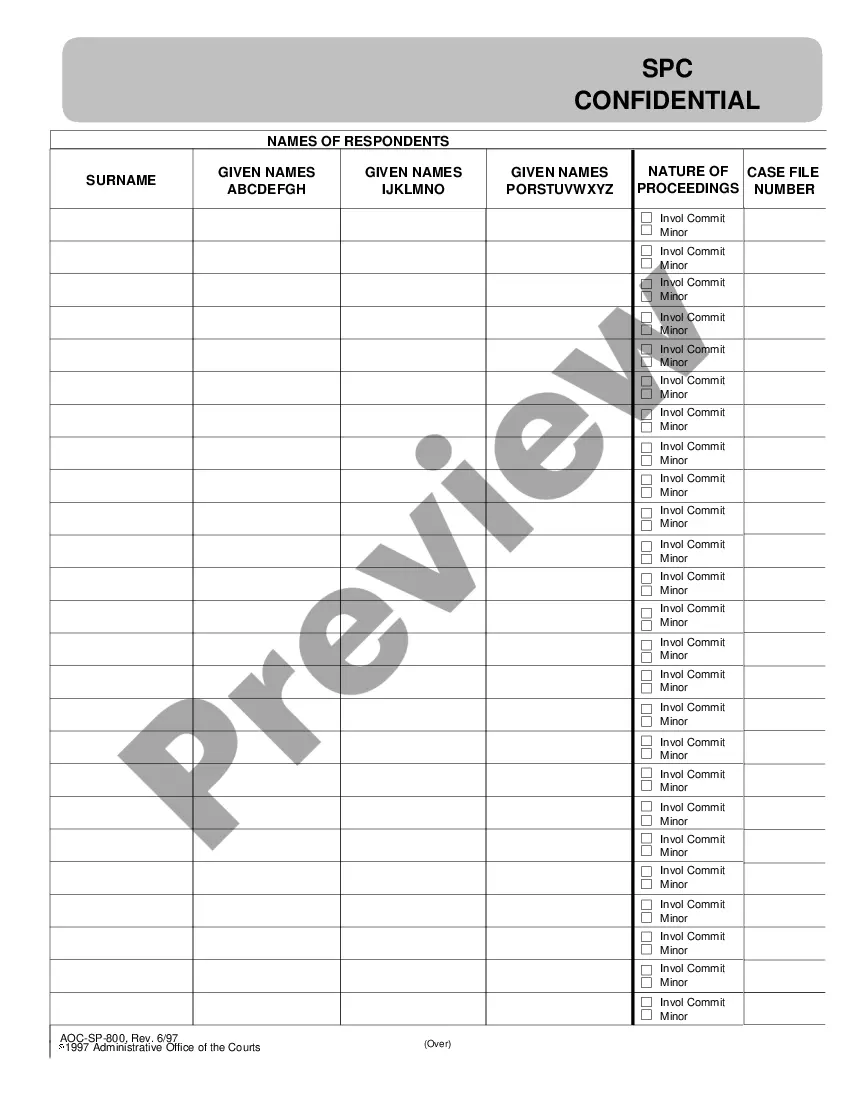
Nebraska Notice of Default
About this form
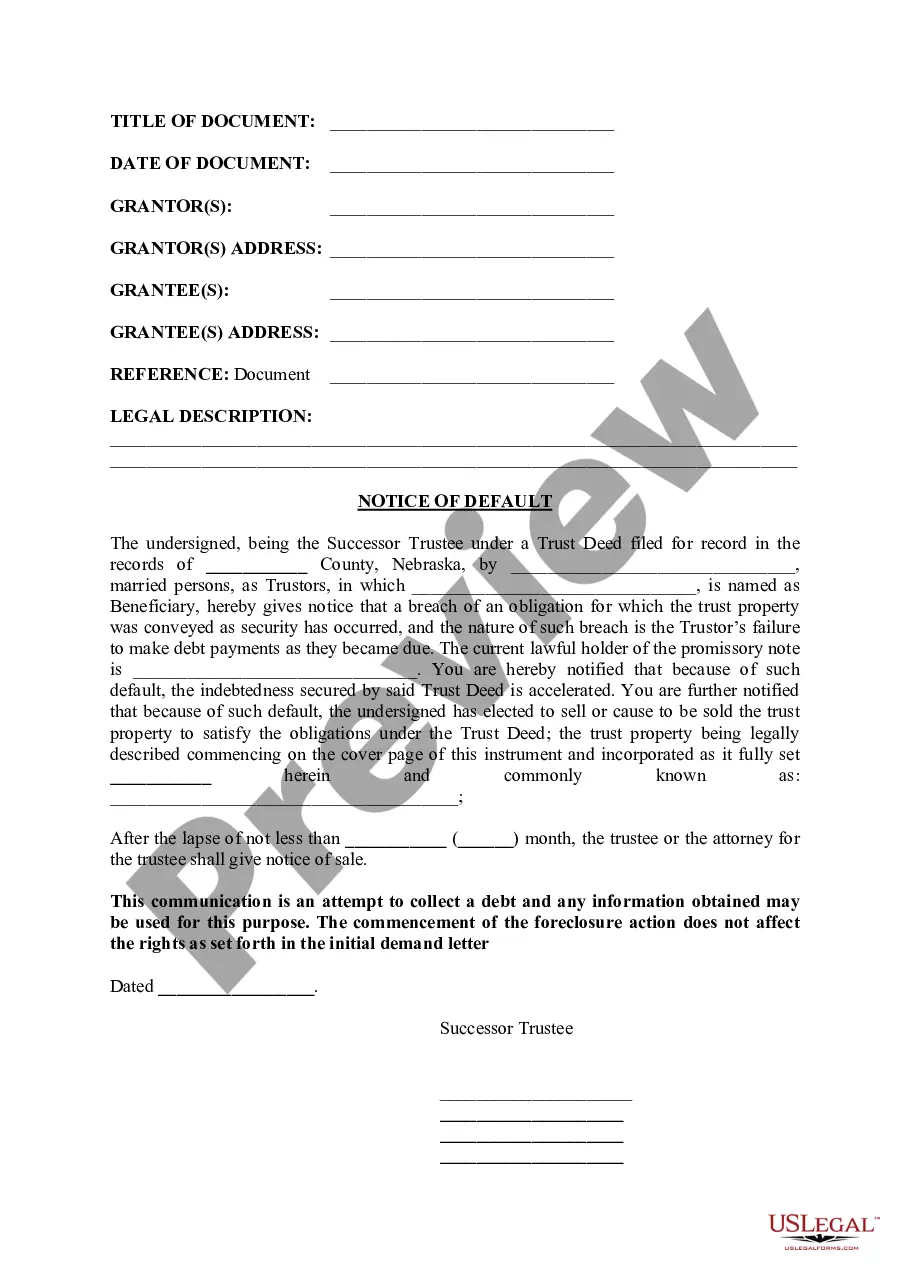
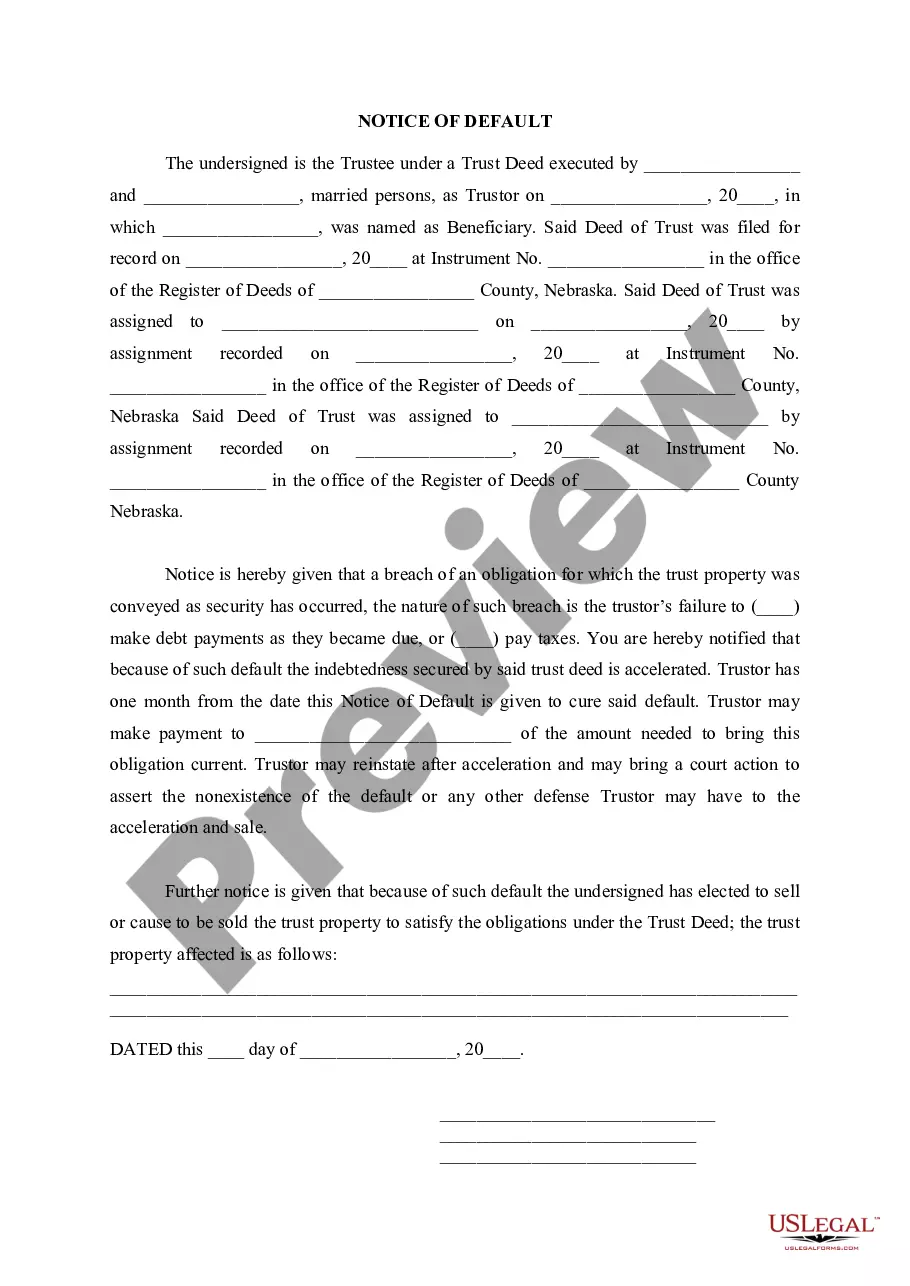
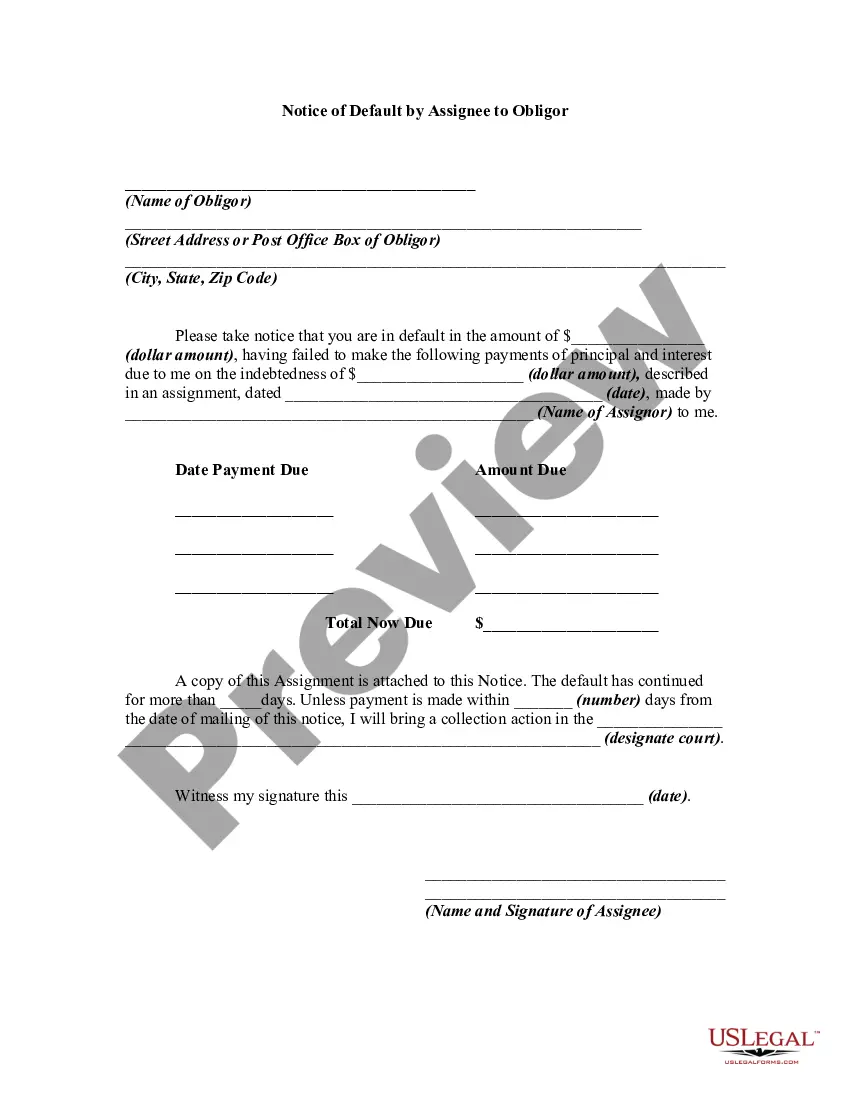
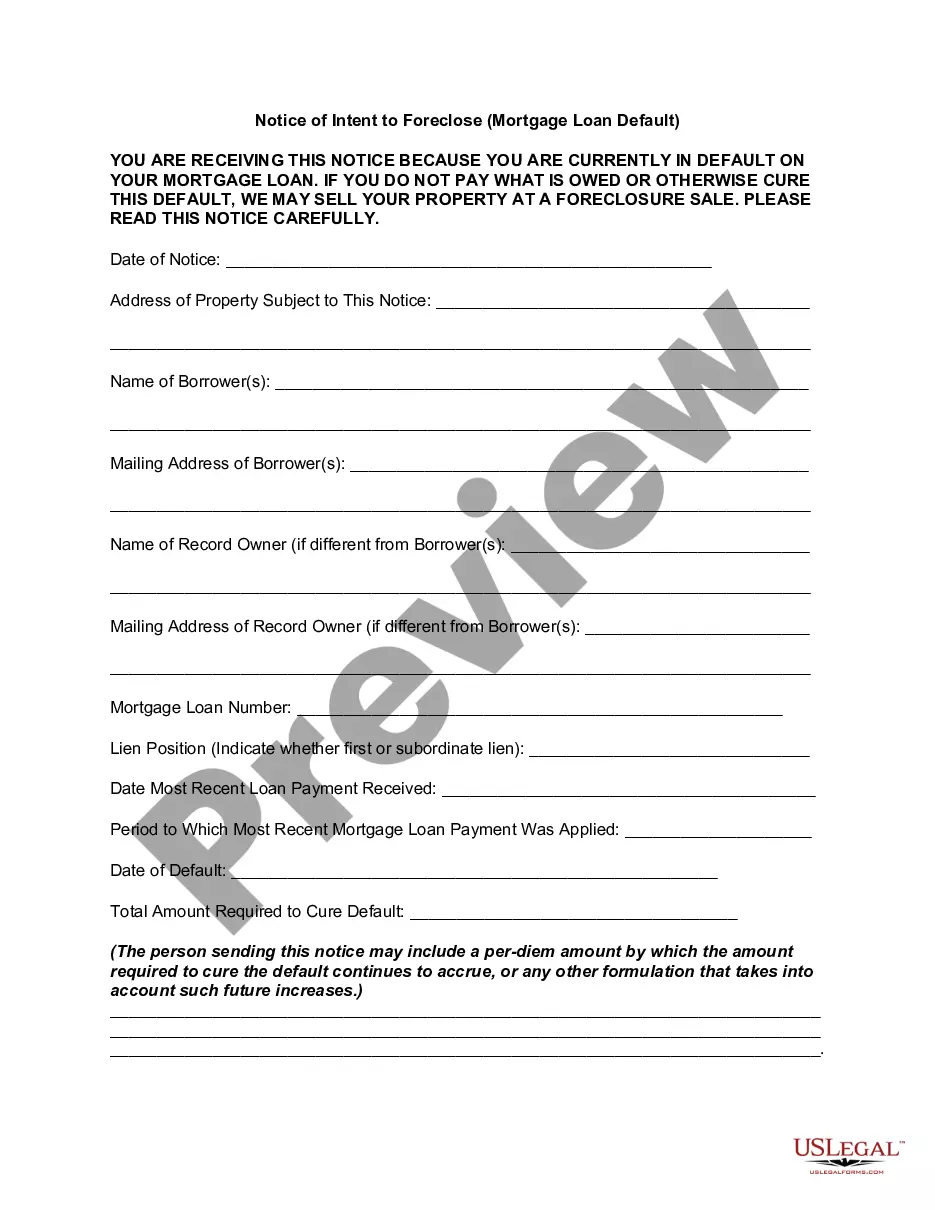
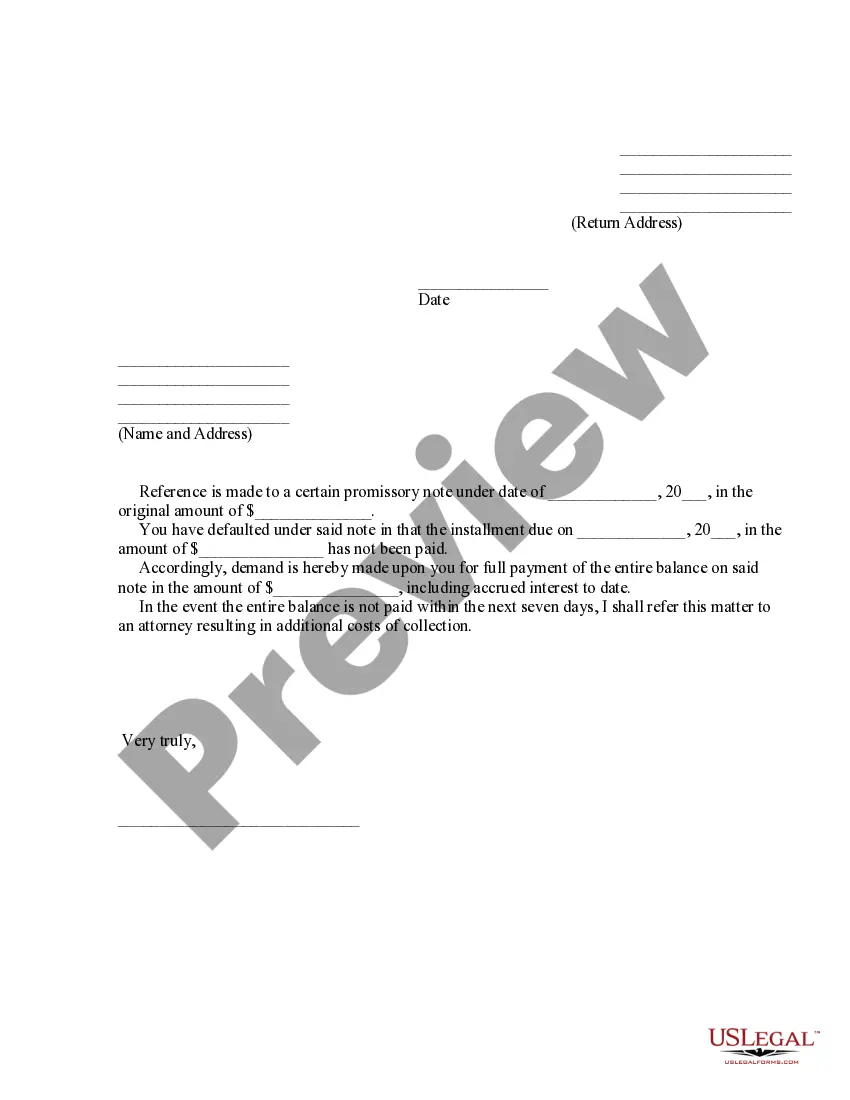
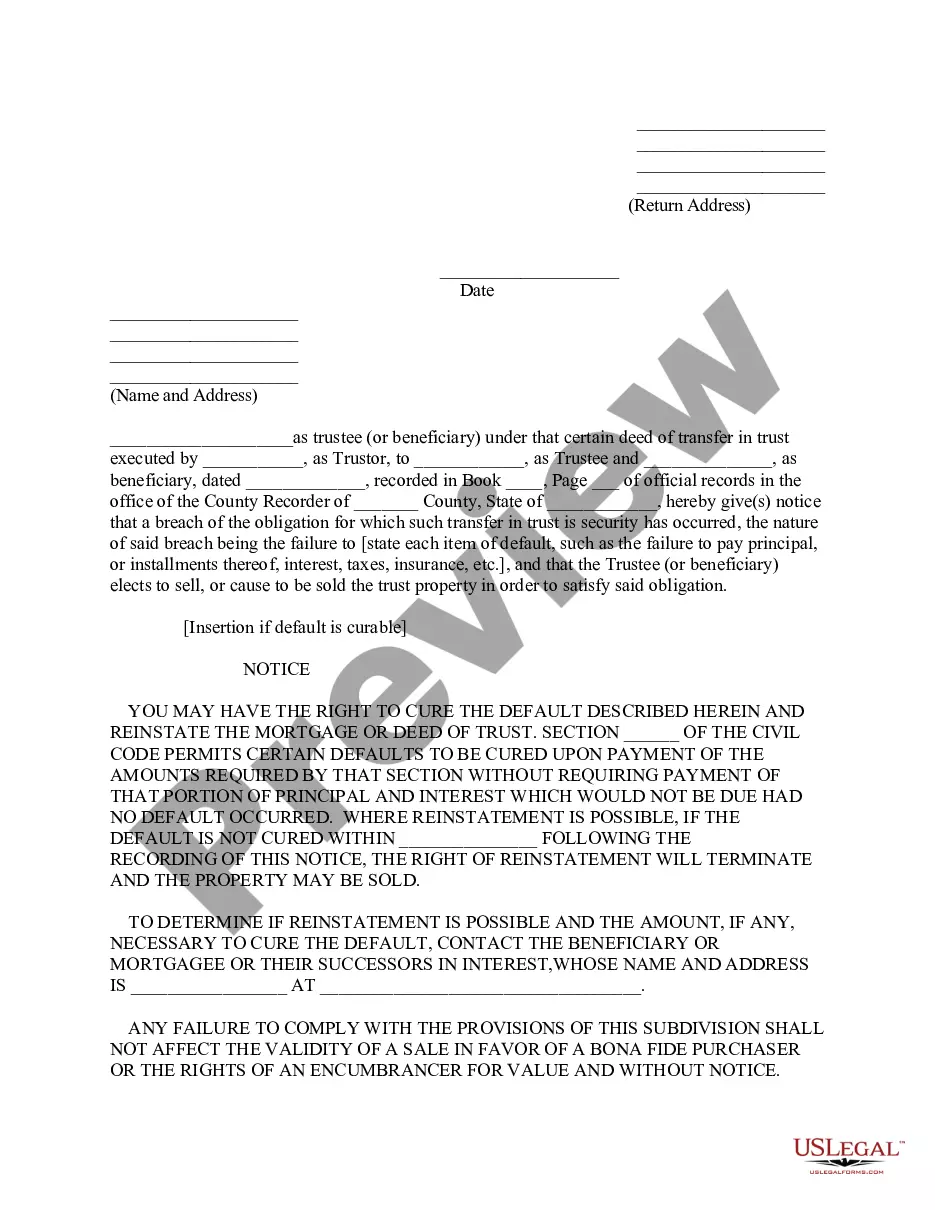
The Notice of Default is a legal document used to inform a trust beneficiary that there has been a breach of obligation under a Trust Deed. This notice serves as an official communication from the trustee, indicating that the trustee may proceed with the sale of the property to satisfy the obligations outlined in the Trust Deed. Unlike other notices, this form is specific to situations involving trust deeds and provides essential information about the default and potential actions to be taken.
What’s included in this form
- Grantor(s): The individuals or entities who created the trust and granted the property.
- Grantee(s): The beneficiary named in the trust, who holds a right to the property.
- Legal description: The specific details about the property involved in the trust deed.
- Nature of breach: Information on the failure to meet debt obligations.
- Notice of sale: Information indicating when the property may be sold to satisfy debt.
Situations where this form applies
This form should be used when a trust beneficiary has failed to meet their financial obligations under a Trust Deed. Common scenarios include situations where the trustor has defaulted on payments that were due, resulting in the trustee needing to take action to protect the interests of the beneficiary and ensure compliance with the trust agreement.
Intended users of this form
- Trustees managing a trust deed.
- Beneficiaries who are awaiting notification of a default.
- Legal professionals working with trusts and estates.
Instructions for completing this form
- Identify the parties involved by filling in the names of the grantors and grantees.
- Provide the addresses of all parties for effective communication.
- Clearly state the legal description of the property that is impacted by the default.
- Detail the nature of the breach, specifying the failure to make debt payments.
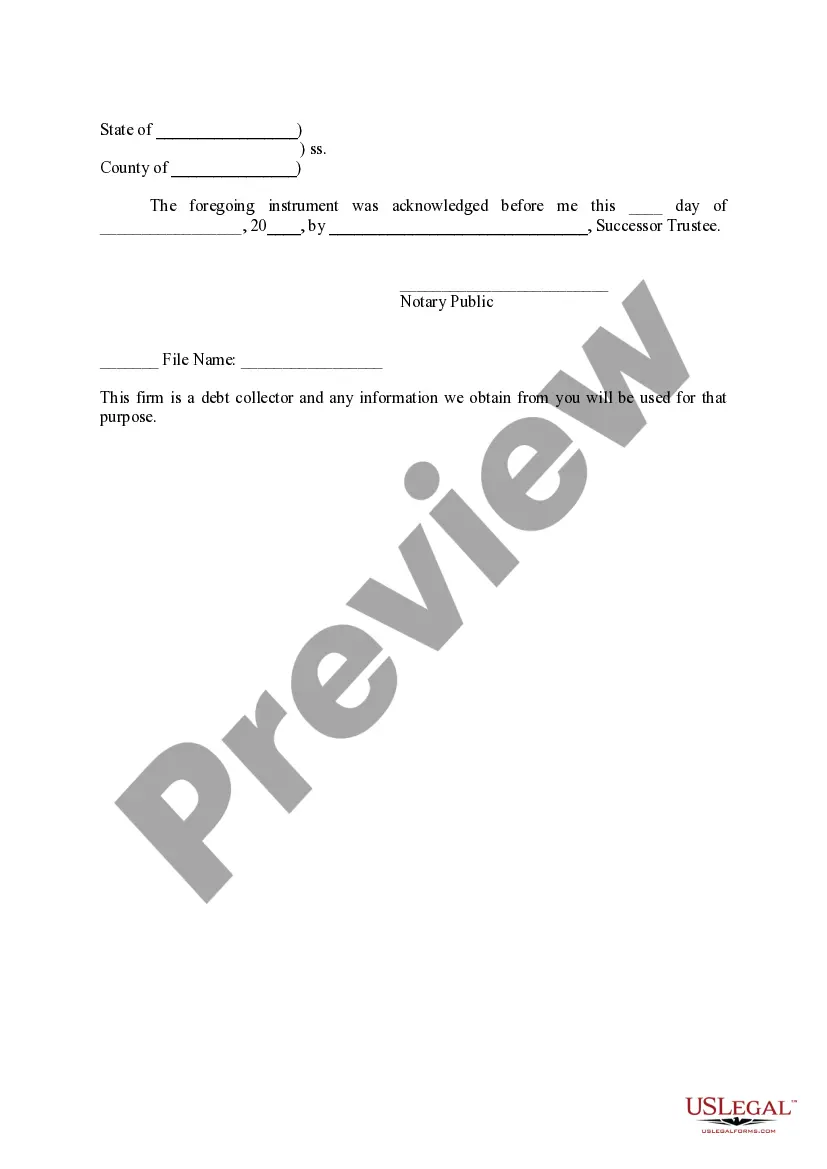
- Include the date of the document and the signature of the successor trustee.
Does this document require notarization?
This form does not typically require notarization unless specified by local law. It is advisable to confirm any notarization requirements in your jurisdiction before finalizing the document.
Get your form ready online
Our built-in tools help you complete, sign, share, and store your documents in one place.
Make edits, fill in missing information, and update formatting in US Legal Forms—just like you would in MS Word.
Download a copy, print it, send it by email, or mail it via USPS—whatever works best for your next step.
Sign and collect signatures with our SignNow integration. Send to multiple recipients, set reminders, and more. Go Premium to unlock E-Sign.
If this form requires notarization, complete it online through a secure video call—no need to meet a notary in person or wait for an appointment.
We protect your documents and personal data by following strict security and privacy standards.

Make edits, fill in missing information, and update formatting in US Legal Forms—just like you would in MS Word.

Download a copy, print it, send it by email, or mail it via USPS—whatever works best for your next step.

Sign and collect signatures with our SignNow integration. Send to multiple recipients, set reminders, and more. Go Premium to unlock E-Sign.

If this form requires notarization, complete it online through a secure video call—no need to meet a notary in person or wait for an appointment.

We protect your documents and personal data by following strict security and privacy standards.
Common mistakes
- Forgetting to accurately describe the legal property involved.
- Not providing complete addresses for the grantor(s) and grantee(s).
- Failing to include the proper dates, which can delay the process.
Advantages of online completion
- Convenient access to a legally drafted template that can be downloaded instantly.
- Editability allows customizations specific to your situation.
- Reliability of forms drafted by licensed attorneys ensures legal compliance.
Looking for another form?

Form popularity
FAQ
Currently, 22 states in the U.S. only allow banks to attempt judicial foreclosures, including Arkansas, Connecticut, Delaware, Florida, Illinois, Indiana, Iowa, Kansas, Kentucky, Louisiana, Nebraska, New Jersey, New Mexico, New York, North Dakota, Ohio, Oklahoma, Pennsylvania, South Carolina, Vermont, Virginia, and
Foreclosures are usually nonjudicial in the following states: Alabama, Alaska, Arizona, Arkansas, California, Colorado, District of Columbia (sometimes), Georgia, Idaho, Maryland, Massachusetts, Michigan, Minnesota, Mississippi, Missouri, Montana, Nebraska, Nevada, New Hampshire, New Mexico (sometimes), North Carolina,
The Nebraska Trust Deeds Act is the statue that governs foreclosures in this state. Under this statue, foreclosure is a non-judicial remedy.Nebraska also has judicial foreclosures, which allows mortgages that serve as liens on real property to be foreclosed through the courts.
A notice of default is the first step to a bank or mortgage lender's foreclosure process.If the mortgage is not paid up to date, the lender will seize the home. A notice of default is also known as a reinstatement period, notice of public auction, or notice of foreclosure.
Essentially, a judicial foreclosure means that the lender goes to court to get a judgment to foreclose on your home, while a non-judicial foreclosure means that the lender does not need to go to court.
The notice of default doesn't affect your credit file, but when the account defaults this will be recorded.If the debt is regulated by the Consumer Credit Act, you must be sent a default notice warning letter and have time to act on it before the default is recorded on your credit file.