North Carolina Notice of Default in Payment of Rent as Warning Prior to Demand to Pay or Terminate for Residential Property
Description
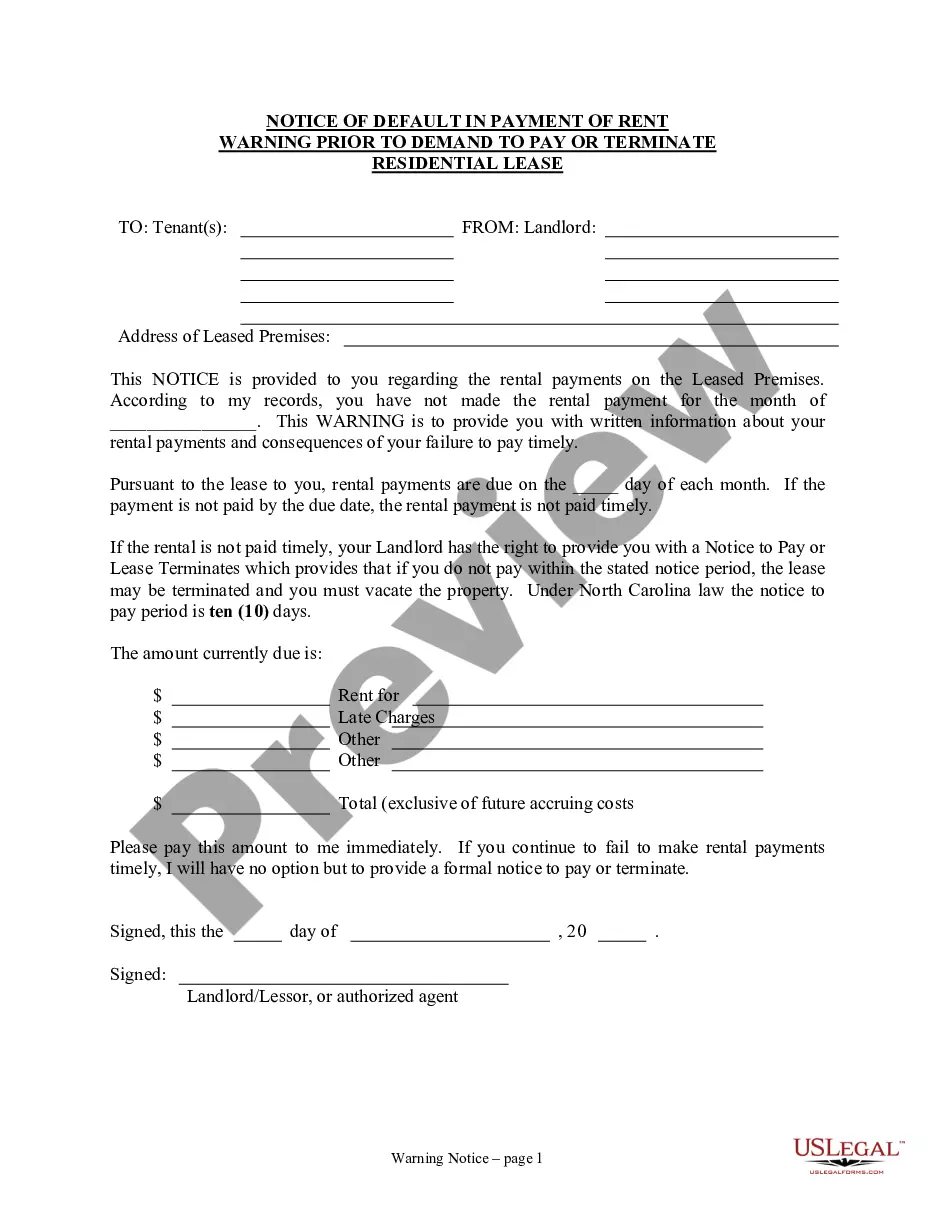
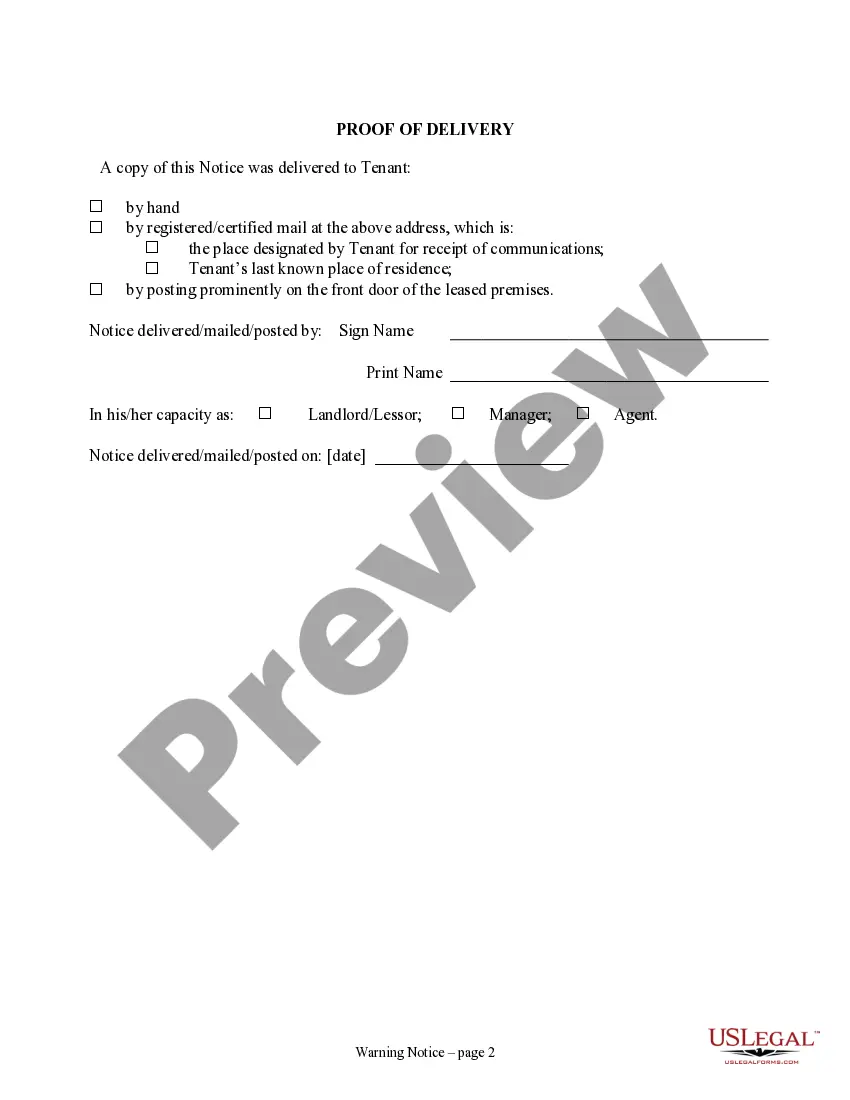
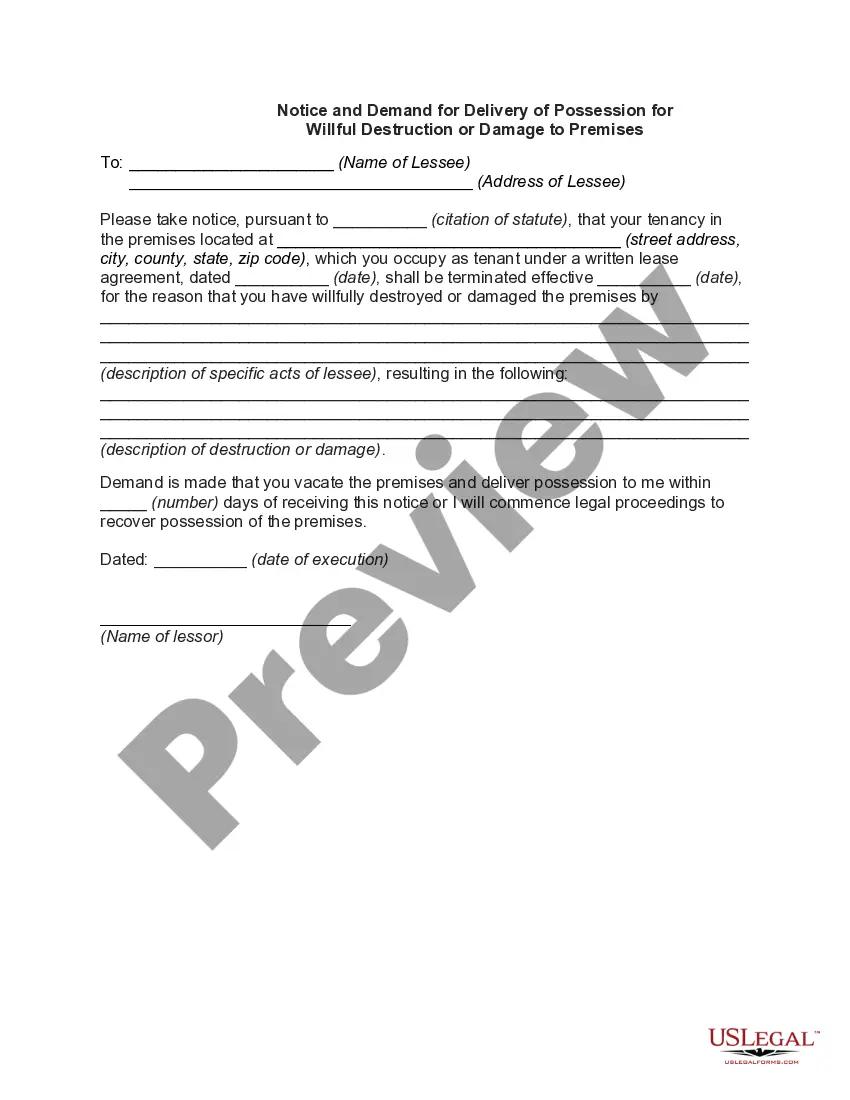
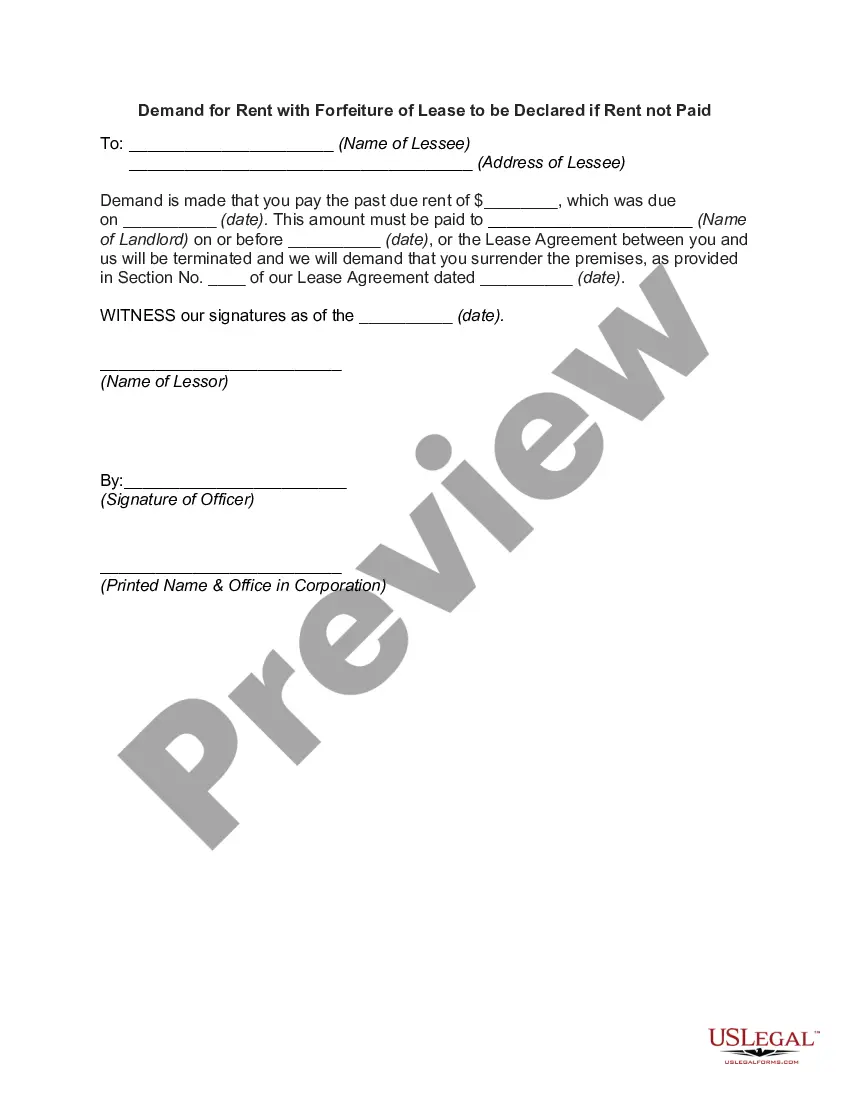



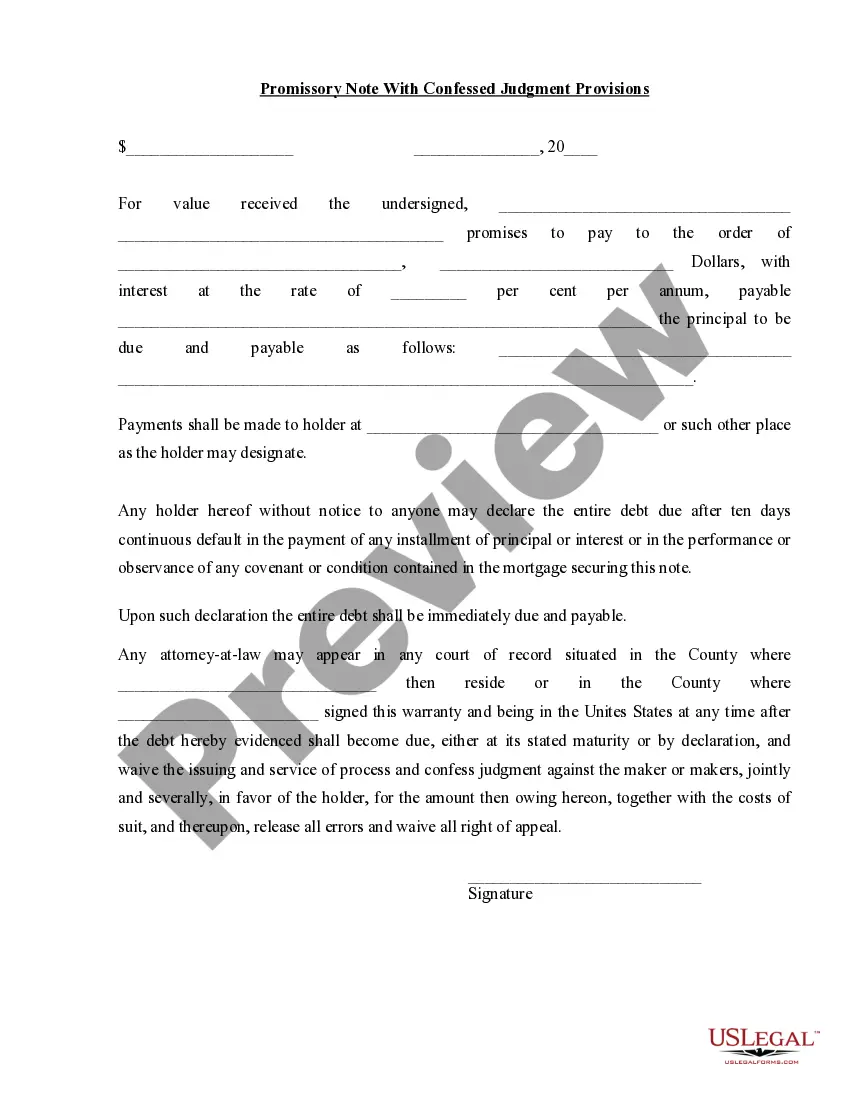
How to fill out North Carolina Notice Of Default In Payment Of Rent As Warning Prior To Demand To Pay Or Terminate For Residential Property?
Avoid pricey lawyers and find the North Carolina Notice of Default in Payment of Rent as Warning Prior to Demand to Pay or Terminate for Residential Property you want at a affordable price on the US Legal Forms site. Use our simple groups functionality to look for and obtain legal and tax documents. Go through their descriptions and preview them well before downloading. Additionally, US Legal Forms provides users with step-by-step instructions on how to obtain and complete every template.
US Legal Forms subscribers basically need to log in and obtain the particular document they need to their My Forms tab. Those, who haven’t obtained a subscription yet need to stick to the tips below:
- Make sure the North Carolina Notice of Default in Payment of Rent as Warning Prior to Demand to Pay or Terminate for Residential Property is eligible for use in your state.
- If available, read the description and make use of the Preview option well before downloading the templates.
- If you are sure the document meets your needs, click on Buy Now.
- In case the form is wrong, use the search field to get the right one.
- Next, create your account and choose a subscription plan.
- Pay out by credit card or PayPal.
- Choose to download the document in PDF or DOCX.
- Click Download and find your form in the My Forms tab. Feel free to save the template to the gadget or print it out.
Right after downloading, it is possible to fill out the North Carolina Notice of Default in Payment of Rent as Warning Prior to Demand to Pay or Terminate for Residential Property by hand or an editing software program. Print it out and reuse the form multiple times. Do more for less with US Legal Forms!
Form popularity
FAQ
Notice of entry laws are absent from North Carolina law, and as a result, the landlord is not required to provide notice of entry and therefore may enter the premises for the following reasons: Non-emergency maintenance and repairs.
Tenant Rights to Withhold Rent in North Carolina Tenants may withhold rent or exercise the right to repair and deduct if a landlord fails to take care of important repairs, such as a broken heater.
Notice Requirements for North Carolina Landlords A landlord can simply give you a written notice to move, allowing you seven days as required by North Carolina law and specifying the date on which your tenancy will end.
North Carolina law says that your landlord must keep your housing fit and safe. It also says that you, the tenant, must pay your rent, keep your home clean, and not damage your home. To make the law work, both the tenant and the landlord must do their part.
North Carolina law says that your landlord must keep your housing fit and safe. It also says that you, the tenant, must pay your rent, keep your home clean, and not damage your home. To make the law work, both the tenant and the landlord must do their part.
In short, nothing in the CARES Act or Governor Cooper's Order prohibits evictions for reasons other than late payment or nonpayment of rent, such as evictions related to health, safety, or criminal activity. These types of evictions by a landlord would not violate the Order.
Notice Requirements for North Carolina Landlords A landlord can simply give you a written notice to move, allowing you seven days as required by North Carolina law and specifying the date on which your tenancy will end.