North Carolina Concrete Mason Contract for Contractor
What this document covers
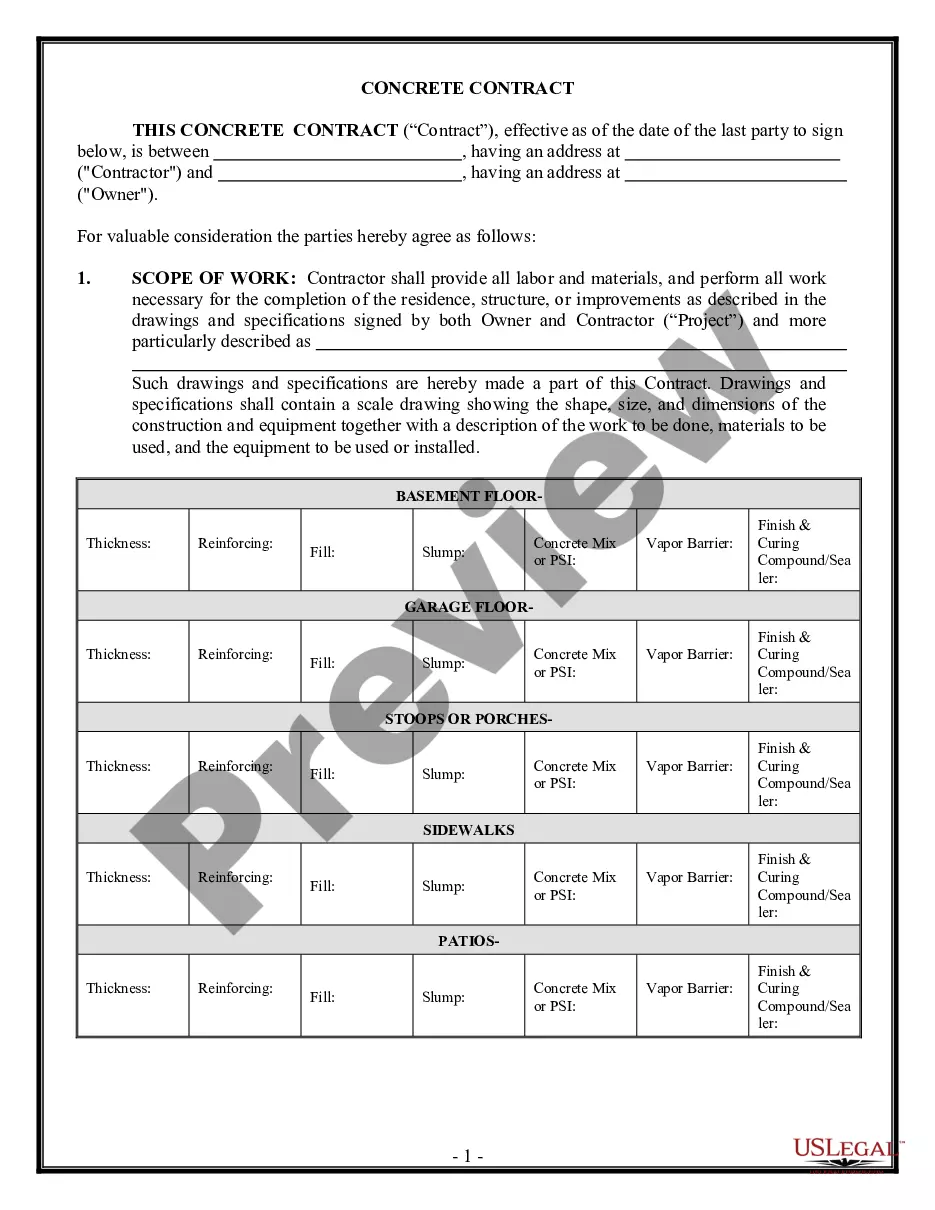
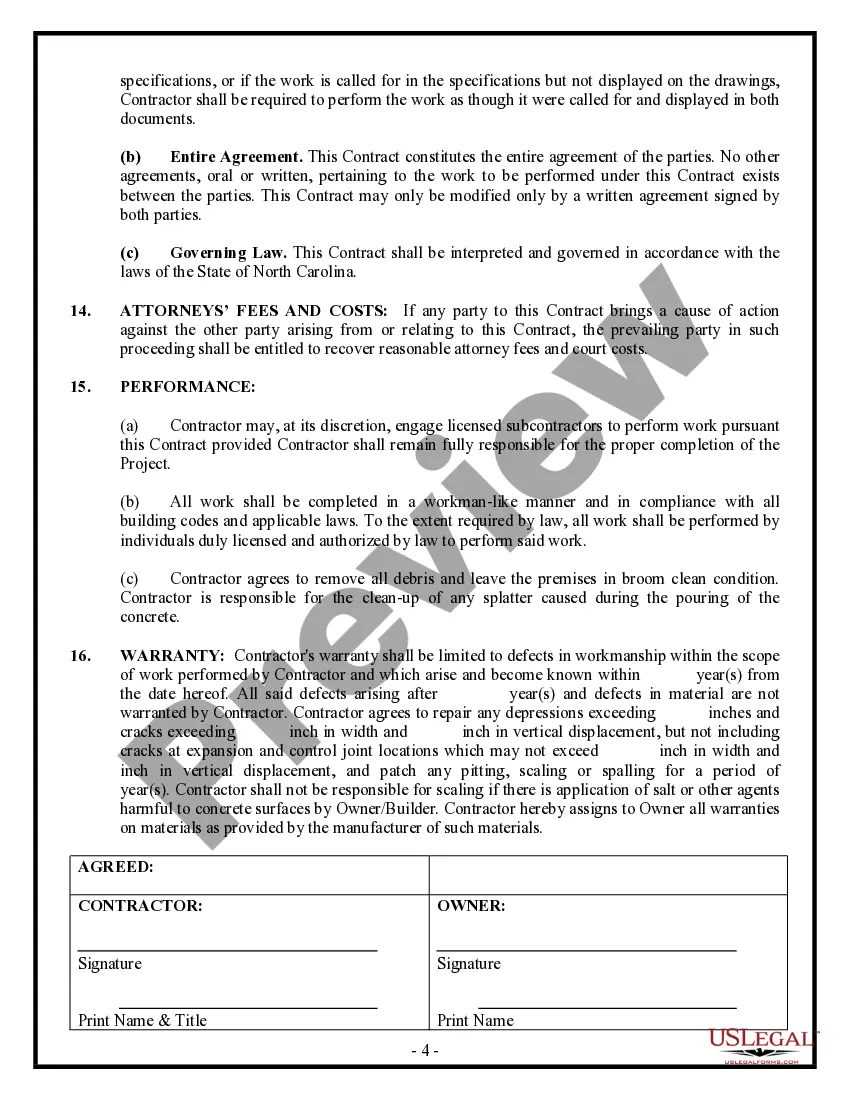
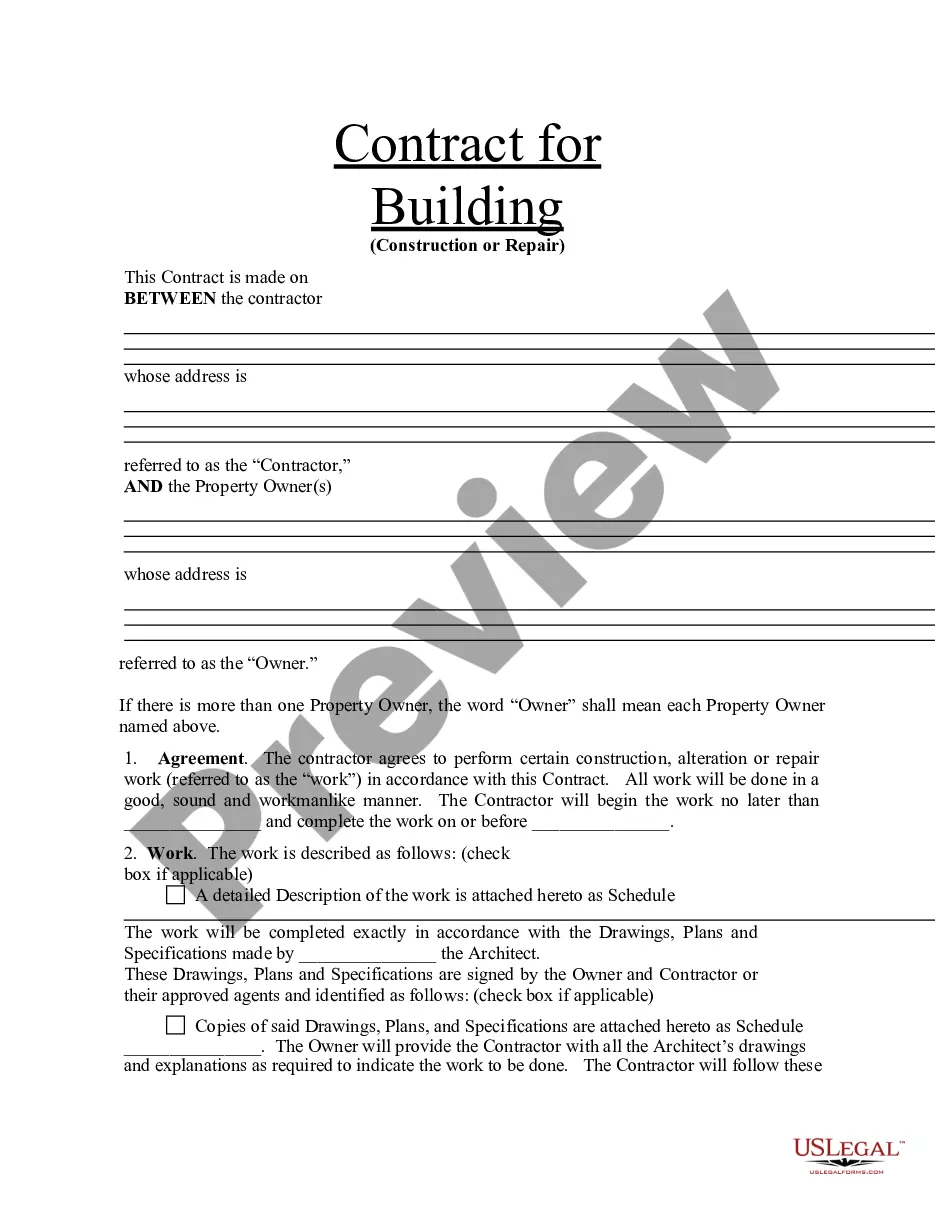
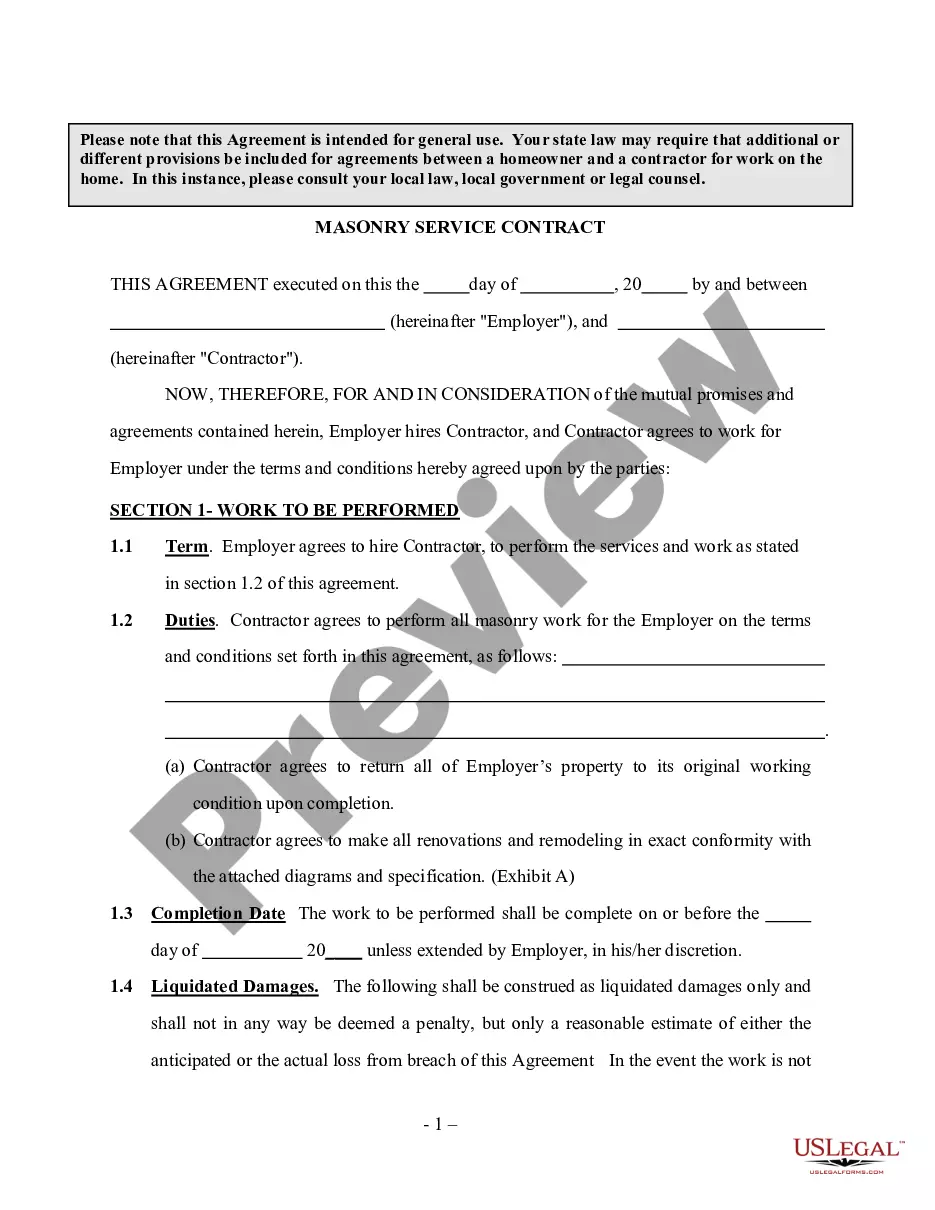
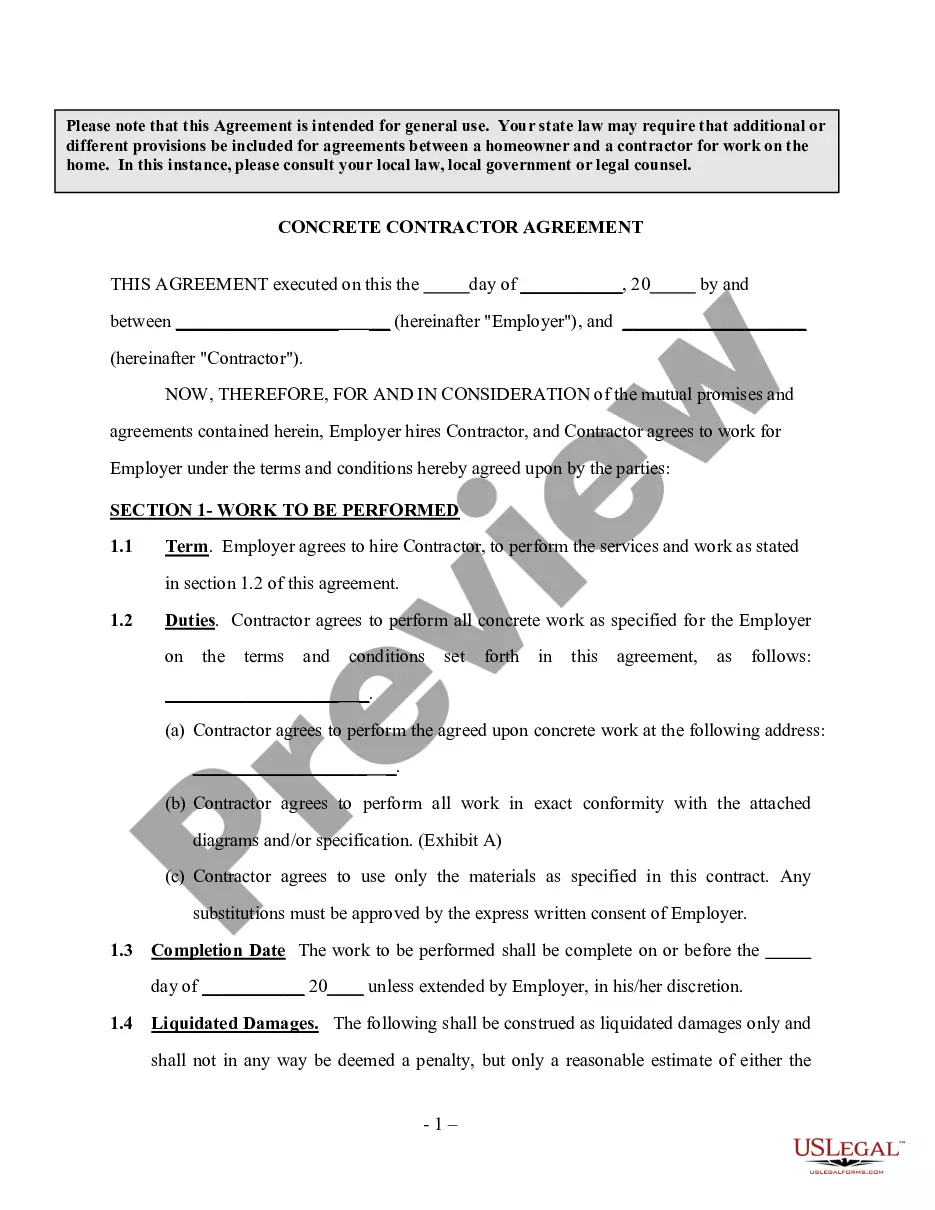
The Concrete Mason Contract for Contractor is a legal agreement between concrete masonry contractors and property owners. This contract outlines the responsibilities of both parties, payment arrangements, and provisions for change orders, site information, warranties, and insurance. Unlike more general contracting agreements, this specific form caters to the needs of concrete work and complies with North Carolina laws, ensuring that both parties are protected and informed throughout the project.
Key components of this form
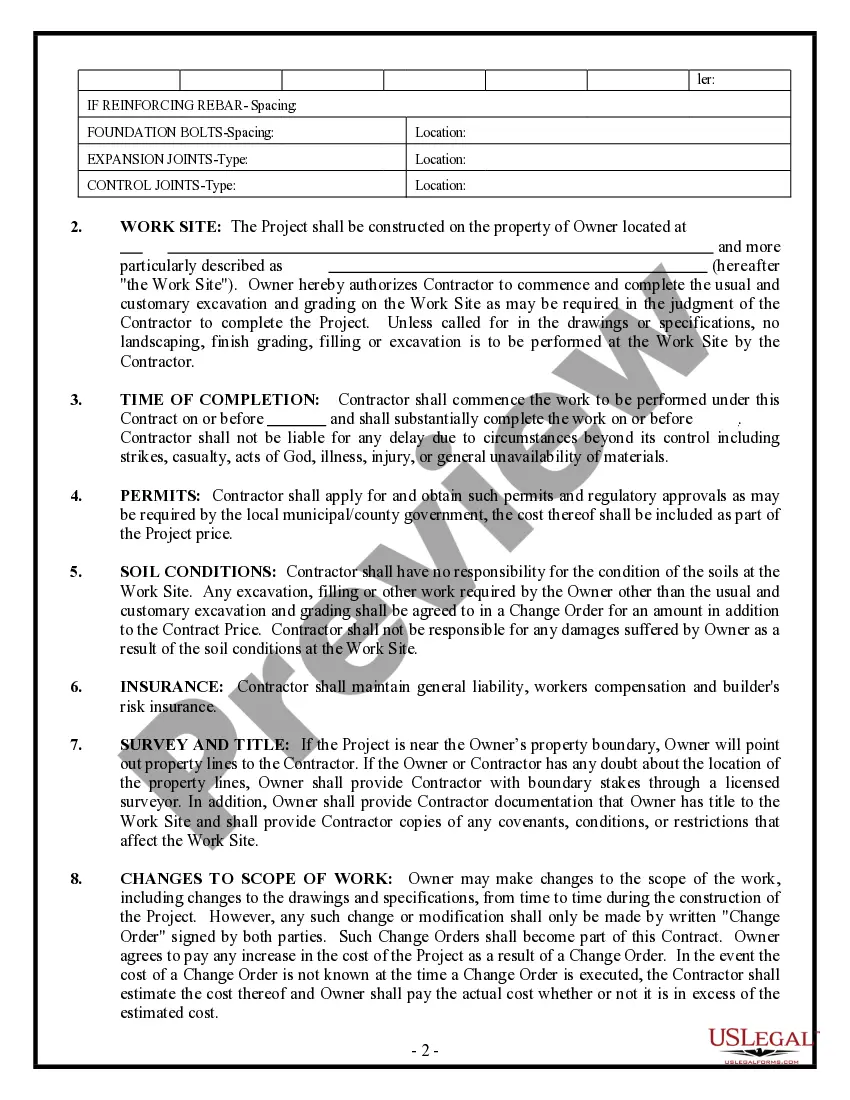
- Permits: Contractor's responsibility to obtain necessary permits.
- Soil Conditions: Clarifies contractor's lack of responsibility for soil issues.
- Insurance: Requirements for general liability and workers' compensation coverage.
- Changes to Scope of Work: Procedures for making and documenting changes via Change Orders.
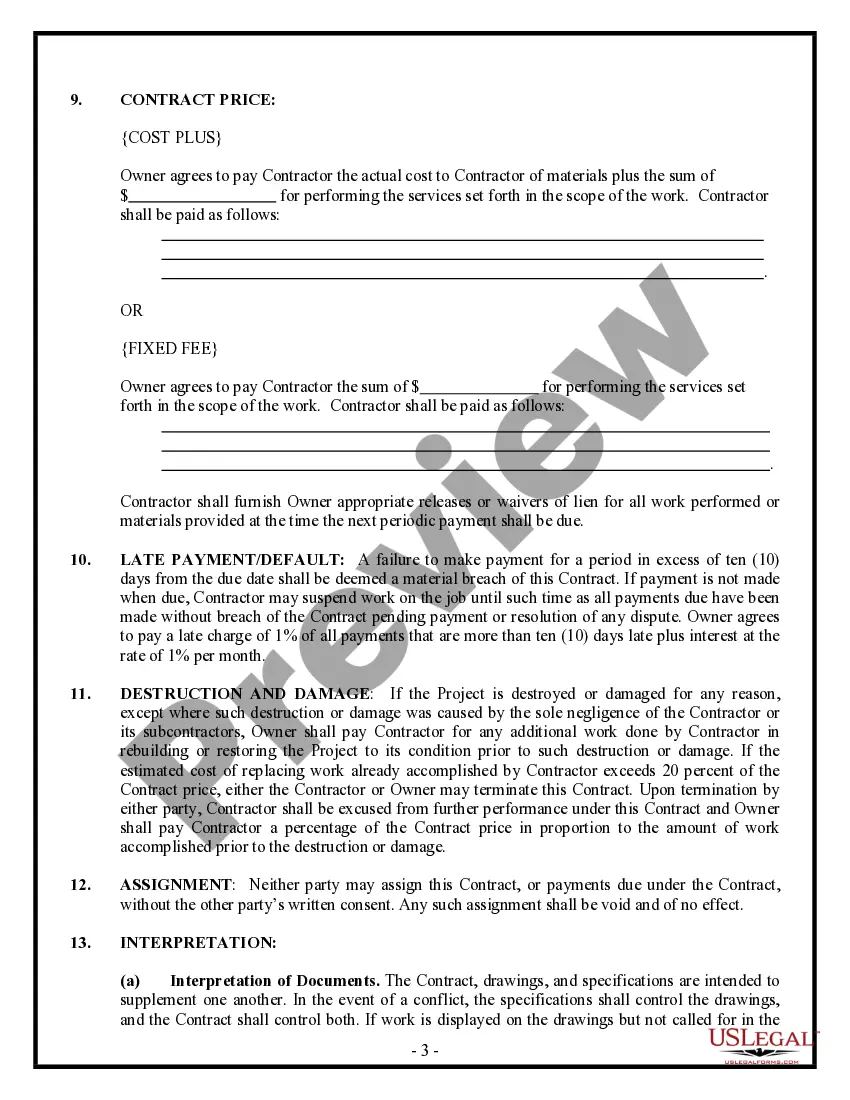
- Late Payment/Default: Consequences for late payments and breach of contract.
- Performance Expectations: Standards for work quality and site maintenance upon completion.
When to use this document
This form should be used when a property owner hires a concrete mason contractor for a construction project involving concrete work. It is ideal for both new installations and repairs, especially when there may be variations in the project scope that require formal documentation. Use this contract when establishing clear expectations, payment terms, and legal protections for both the contractor and property owner.
Who should use this form
- Concrete Mason Contractors looking to formalize their agreements with clients.
- Property Owners who require concrete services and want to ensure proper contractual terms.
- Individuals involved in construction projects that necessitate clear understanding of roles and responsibilities.
How to prepare this document
- Identify the parties: Clearly state the names and contact information of the contractor and property owner.
- Specify the project details: Include a description of the work to be done and any special requirements.
- Outline payment terms: Choose and document whether a cost-plus or fixed fee payment arrangement will be used.
- Sign and date: Both parties must sign and date the agreement to make it legally binding.
- Document any changes: Use the Change Order section for any alterations to the work scope during the project.
Does this form need to be notarized?
This form usually doesn’t need to be notarized. However, local laws or specific transactions may require it. Our online notarization service, powered by Notarize, lets you complete it remotely through a secure video session, available 24/7.
Get your form ready online
Our built-in tools help you complete, sign, share, and store your documents in one place.
Make edits, fill in missing information, and update formatting in US Legal Forms—just like you would in MS Word.
Download a copy, print it, send it by email, or mail it via USPS—whatever works best for your next step.
Sign and collect signatures with our SignNow integration. Send to multiple recipients, set reminders, and more. Go Premium to unlock E-Sign.
If this form requires notarization, complete it online through a secure video call—no need to meet a notary in person or wait for an appointment.
We protect your documents and personal data by following strict security and privacy standards.

Make edits, fill in missing information, and update formatting in US Legal Forms—just like you would in MS Word.

Download a copy, print it, send it by email, or mail it via USPS—whatever works best for your next step.

Sign and collect signatures with our SignNow integration. Send to multiple recipients, set reminders, and more. Go Premium to unlock E-Sign.

If this form requires notarization, complete it online through a secure video call—no need to meet a notary in person or wait for an appointment.

We protect your documents and personal data by following strict security and privacy standards.
Avoid these common issues
- Failing to specify all project details, leading to misunderstandings later.
- Neglecting to document verbal agreements as written Change Orders.
- Not reviewing local construction regulations, which may affect the contract terms.
Advantages of online completion
- Convenient downloading: Access your legal form anytime, anywhere.
- Editability: Customize the form to meet specific project needs before printing.
- Reliability: Ensure that the form meets legal standards and is drafted by licensed attorneys.
Legal use & context
- The contract provides a clear framework for the legal relationship between the contractor and the property owner.
- It helps protect both parties by outlining rights, obligations, and the process for handling changes.
- Using a legally sound contract mitigates risks associated with performance and payment disputes.
What to keep in mind
- The Concrete Mason Contract ensures clarity between contractors and property owners.
- It addresses important components like payment, permits, and changes in scope.
- This form is tailored to meet the requirements of North Carolina law.
Looking for another form?
Form popularity
FAQ
The North Carolina Licensing Board does not have full reciprocity with any other state. We currently have examination waiver agreements with South Carolina, Tennessee, Louisiana, Georgia, and Mississippi (see details regarding exam waivers).
You shouldn't pay more than 10 percent of the estimated contract price upfront, according to the Contractors State License Board.
A: It's not uncommon for contractors to ask for a down payment up front to secure your spot on their schedule or purchase some of the job materials in advance. Asking for more than half of the project cost up front, though, is a big red flag.I recommend tying payments to progress made during the job.
If the contractor requests a large sum of money before work has begun, Mozen says you should ask specifically what types of work or materials those payments are covering.Contractors sometimes have other motives, other than purchasing materials, when they ask for large amounts of money in advance, Fowler says.
Payment Schedule In Your Contract Before any work begins, a contractor will ask a homeowner to secure the job with a down payment. It shouldn't be more than 10-20 percent of the total cost of the job. Homeowners should never pay a contractor more than 10-20% before they've even stepped foot in their home.
North Carolina requires that anyone who contracts with another person or entity to construct or make improvements to any building, highway, or public utilities, including grading, or who undertakes to superintend or manage such activities, be licensed as a general contractor if the work costs $30,000 or more.
The maximum allowed is $10,000. Also, contractors that have provided materials and labor to property may have lien rights against the real property.
Current Law: North Carolina law currently requires any building construction or alteration project costing $30,000 or more to be superintended (supervised and managed) by a general contractor licensed in this state.This duty can only be delegated to a general contractor licensed in this state.