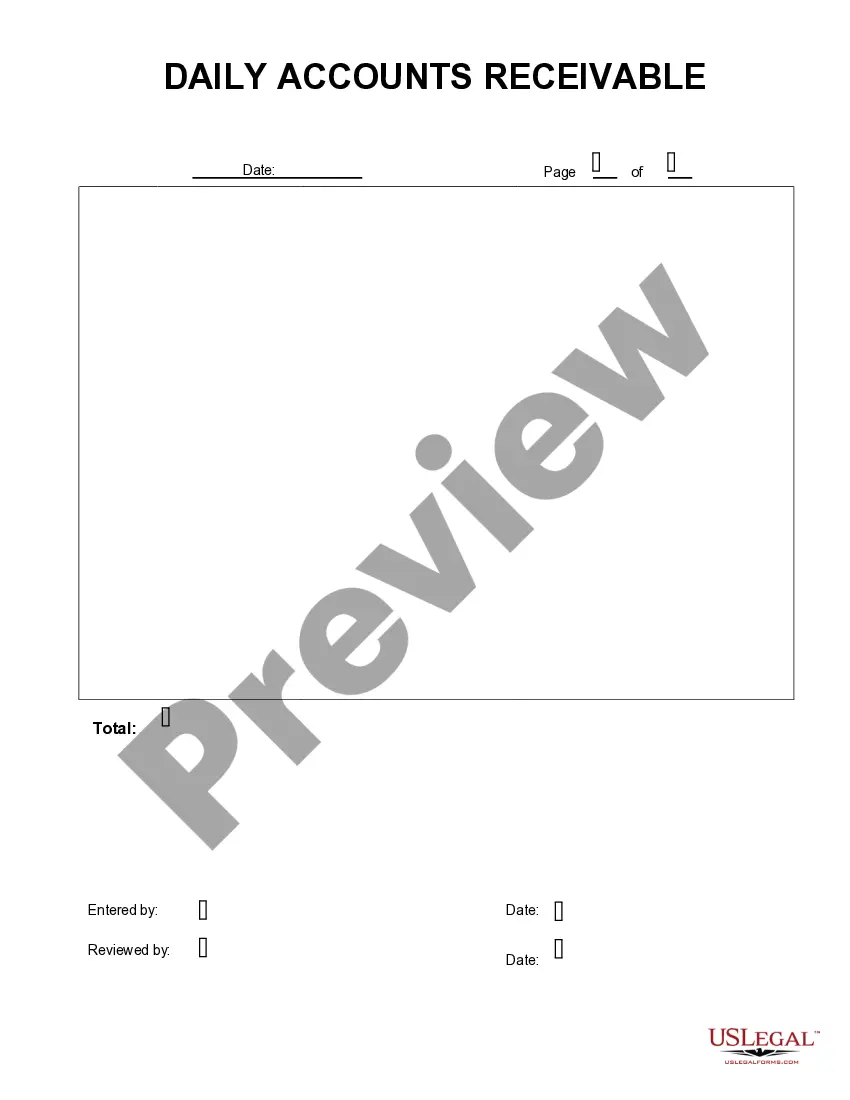
Montana Accounts Receivable Monthly Customer Statement
Description


Get your form ready online
Our built-in tools help you complete, sign, share, and store your documents in one place.
Make edits, fill in missing information, and update formatting in US Legal Forms—just like you would in MS Word.
Download a copy, print it, send it by email, or mail it via USPS—whatever works best for your next step.
Sign and collect signatures with our SignNow integration. Send to multiple recipients, set reminders, and more. Go Premium to unlock E-Sign.
If this form requires notarization, complete it online through a secure video call—no need to meet a notary in person or wait for an appointment.
We protect your documents and personal data by following strict security and privacy standards.

Make edits, fill in missing information, and update formatting in US Legal Forms—just like you would in MS Word.

Download a copy, print it, send it by email, or mail it via USPS—whatever works best for your next step.

Sign and collect signatures with our SignNow integration. Send to multiple recipients, set reminders, and more. Go Premium to unlock E-Sign.

If this form requires notarization, complete it online through a secure video call—no need to meet a notary in person or wait for an appointment.

We protect your documents and personal data by following strict security and privacy standards.
Looking for another form?




How to fill out Accounts Receivable Monthly Customer Statement?
You might spend time online looking for the official document format that meets the state and federal requirements you have. US Legal Forms offers thousands of legal forms that are vetted by experts.
It is easy to obtain or create the Montana Accounts Receivable Monthly Customer Statement from the service. If you already possess a US Legal Forms account, you can Log In and click on the Download button. Afterwards, you can fill out, modify, create, or sign the Montana Accounts Receivable Monthly Customer Statement. Every legal document format you obtain is yours permanently.
To get an additional copy of any obtained form, go to the My documents tab and click on the corresponding button. If you are using the US Legal Forms website for the first time, follow the simple instructions below: First, ensure that you have selected the correct document format for the region/city that you choose. Review the form description to confirm you have selected the right form. If available, use the Preview button to check the document format as well.
- If you want to find another version of your form, use the Lookup field to locate the format that meets your requirements and needs.
- Once you have found the format you need, click on Get now to proceed.
- Select the pricing plan you require, input your details, and register for a free account on US Legal Forms.
- Complete the transaction. You can use your credit card or PayPal account to purchase the legal form.
- Choose the format of your document and download it to your device.
- Make modifications to your document if necessary. You can fill out, edit, sign, and print the Montana Accounts Receivable Monthly Customer Statement.
- Download and print thousands of document templates using the US Legal Forms website, which offers the largest selection of legal forms. Utilize professional and state-specific templates to address your business or personal needs.
Form popularity
FAQ
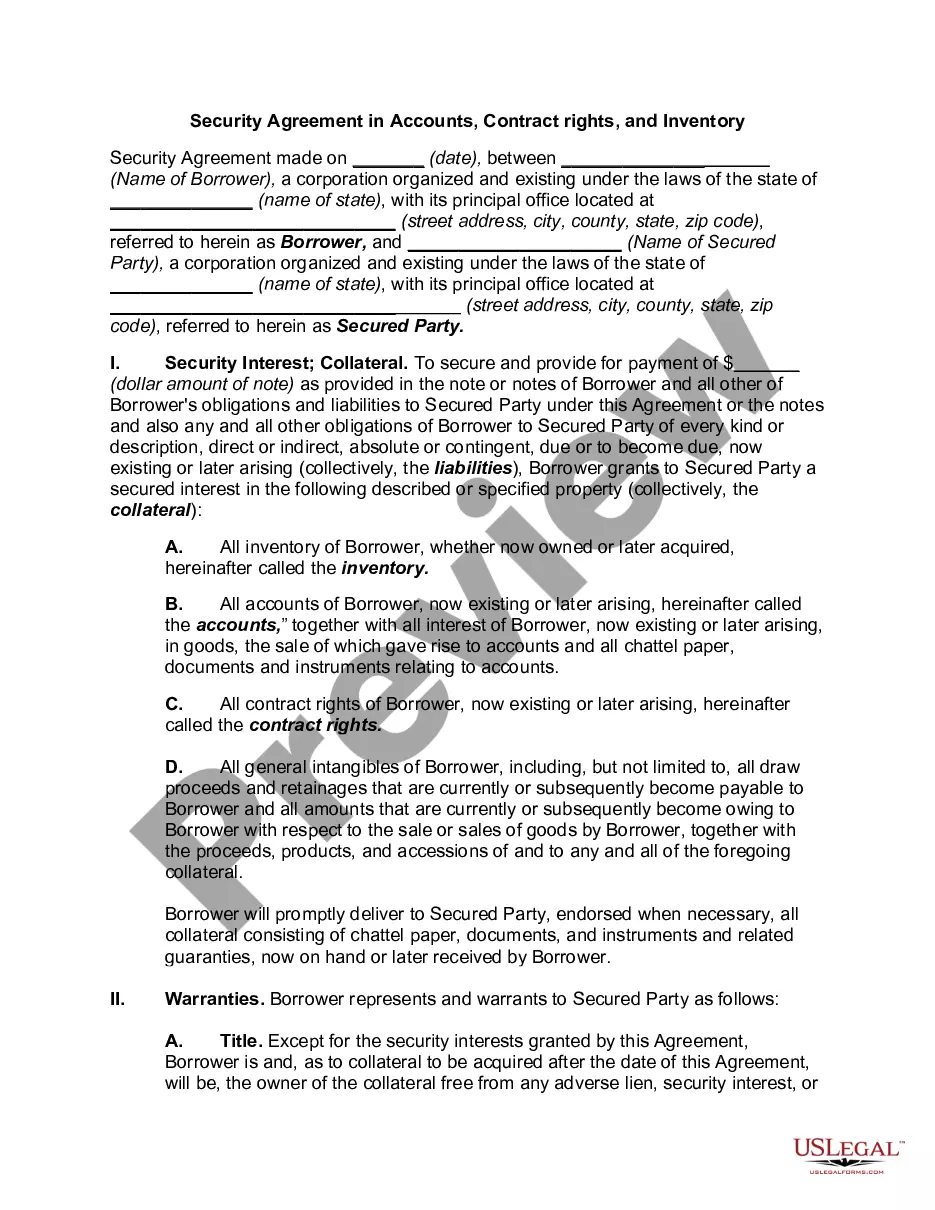
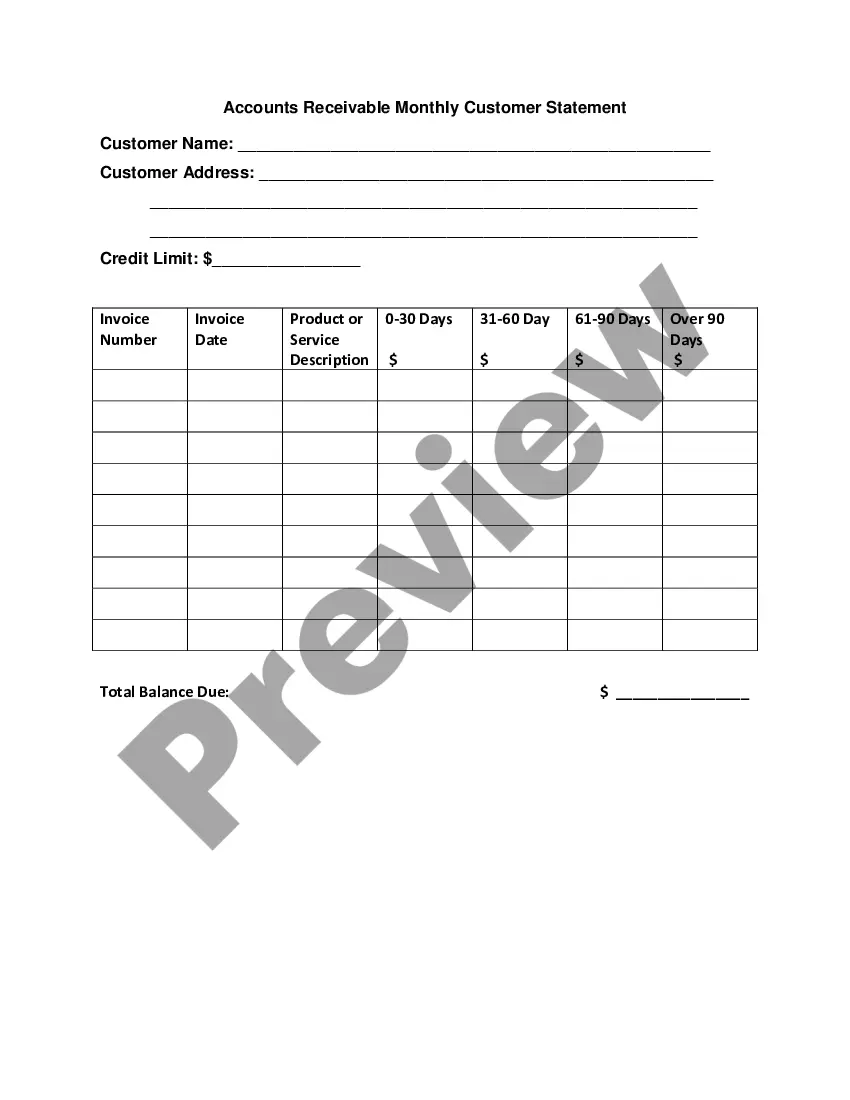
Accounts receivable is reported as a current asset on the balance sheet. This placement reflects the expectation that these amounts will be collected within a year. The Montana Accounts Receivable Monthly Customer Statement serves as a detailed report, helping you monitor and analyze these assets regularly. By utilizing our services, you can ensure your financial statements remain accurate and up-to-date.
To record the collection of accounts receivable, begin by updating your accounting software with the payment details. Ensure you apply the payment to the corresponding customer invoice, which helps maintain accurate financial records. The Montana Accounts Receivable Monthly Customer Statement can assist in this process by providing a clear overview of all transactions. Regularly updating these records enhances your financial management and helps avoid discrepancies.
To prepare an accounts receivable report, first gather all outstanding invoices and receipts. Next, categorize these documents by customer and date to ensure clarity. Utilize the Montana Accounts Receivable Monthly Customer Statement to track payments and identify overdue accounts. This structured approach helps you maintain accurate records and improves your collections process.
An account statement for accounts receivable is a record showing the transactions between your business and its customers over a specific period. The Montana Accounts Receivable Monthly Customer Statement summarizes these transactions, detailing invoices issued, payments received, and outstanding balances. This statement not only keeps you organized but also enhances communication with customers regarding their account status. Using this statement can lead to improved customer relations and timely collections.
You can find accounts receivable listed on the balance sheet of your financial statements. Typically, it appears as a current asset, reflecting the amounts owed to your business by customers. Additionally, the Montana Accounts Receivable Monthly Customer Statement provides a more detailed breakdown of these figures, enabling you to monitor each customer's outstanding balance. This insight helps you make informed decisions about collections and credit management.
Billing is part of accounts receivable and is defined as the process of generating and issuing invoices to customers. If a business provides goods or services without requiring full payment up front, this unpaid balance is categorized as accounts receivable.
Accounts receivable (AR) represent the amount of money that customers owe your company for products or services that have been delivered. AR are listed on the balance sheet as current assets and also refer to invoices that clients owe for items or work performed for them on credit.
Accounts receivable (AR) is an item in the general ledger (GL) that shows money owed to a business by customers who have purchased goods or services on credit. AR is the opposite of accounts payable, which are the bills a company needs to pay for the goods and services it buys from a vendor.
Ing to US GAAP, the company's accounts receivable balance must be stated at ?net realizable value?. In basic terms, this just means that the accounts receivable balance presented in the company's financial statements must be equal to the amount of cash they expect to collect from customers.
Accounts receivable (AR) are funds the company expects to receive from customers and partners. AR is listed as a current asset on the balance sheet. Lenders and potential investors look at AP and AR to gauge a company's financial health.