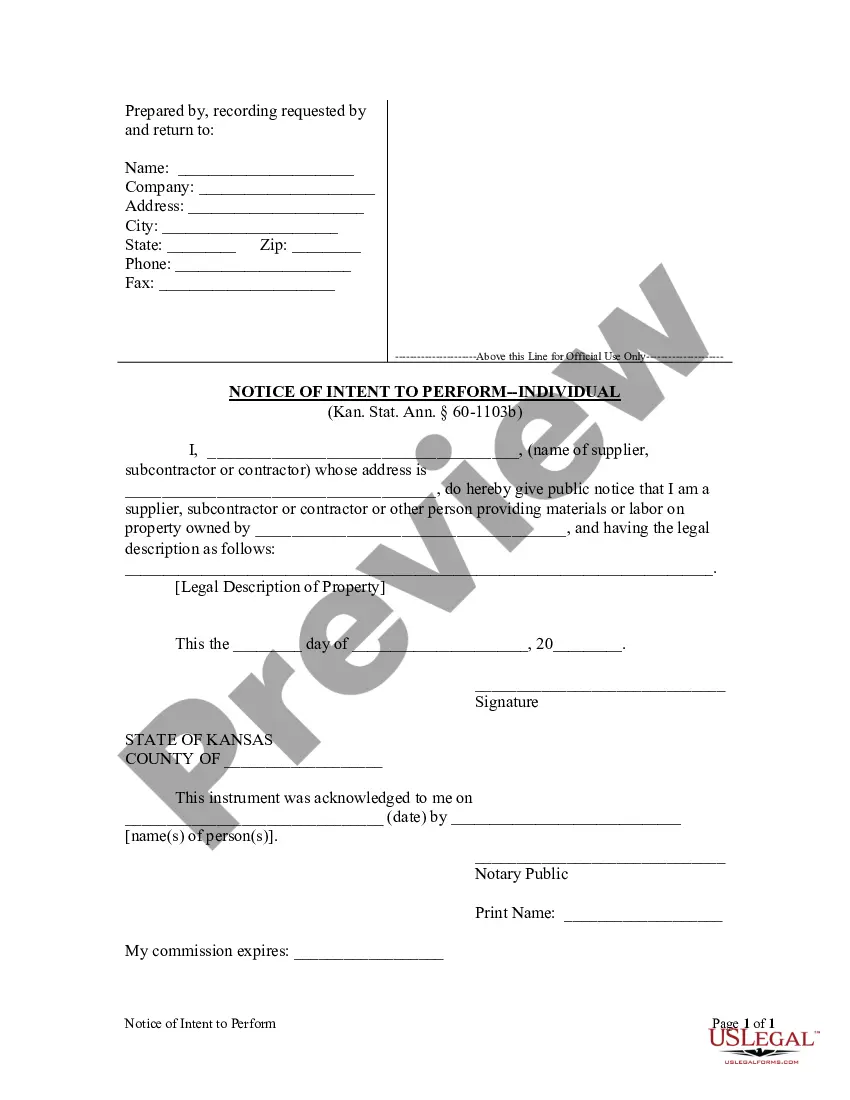
Montana Fiduciary Deed for use by Executors, Trustees, Trustors, Administrators and other Fiduciaries
About this form
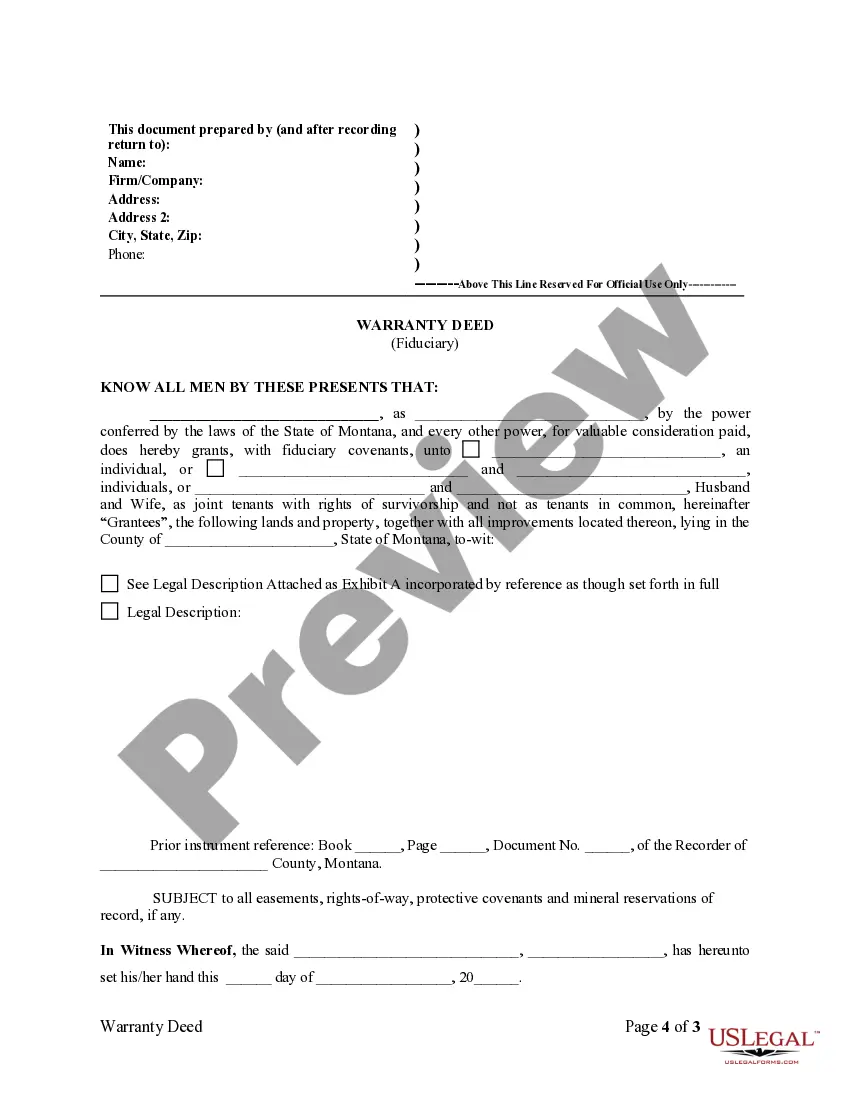
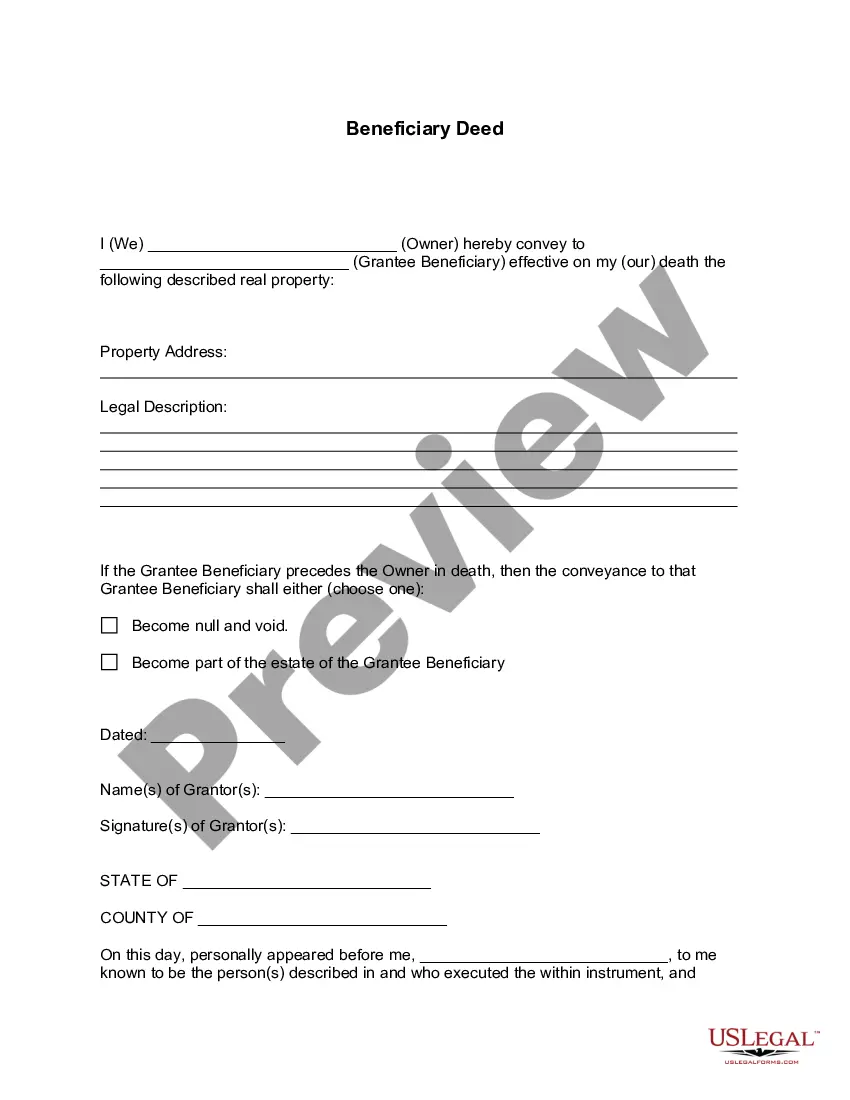
A fiduciary deed is a legal document used by executors, trustees, trustors, administrators, and other fiduciaries to transfer property on behalf of a deceased person or individual under a fiduciary responsibility. This form specifically allows the grantor, who may be an executor of a will or a trustee, to convey real estate with fiduciary covenants. It differs from a standard deed in that it involves a fiduciary acting in the best interest of another party, typically in the context of estate management or trust administration.
Main sections of this form
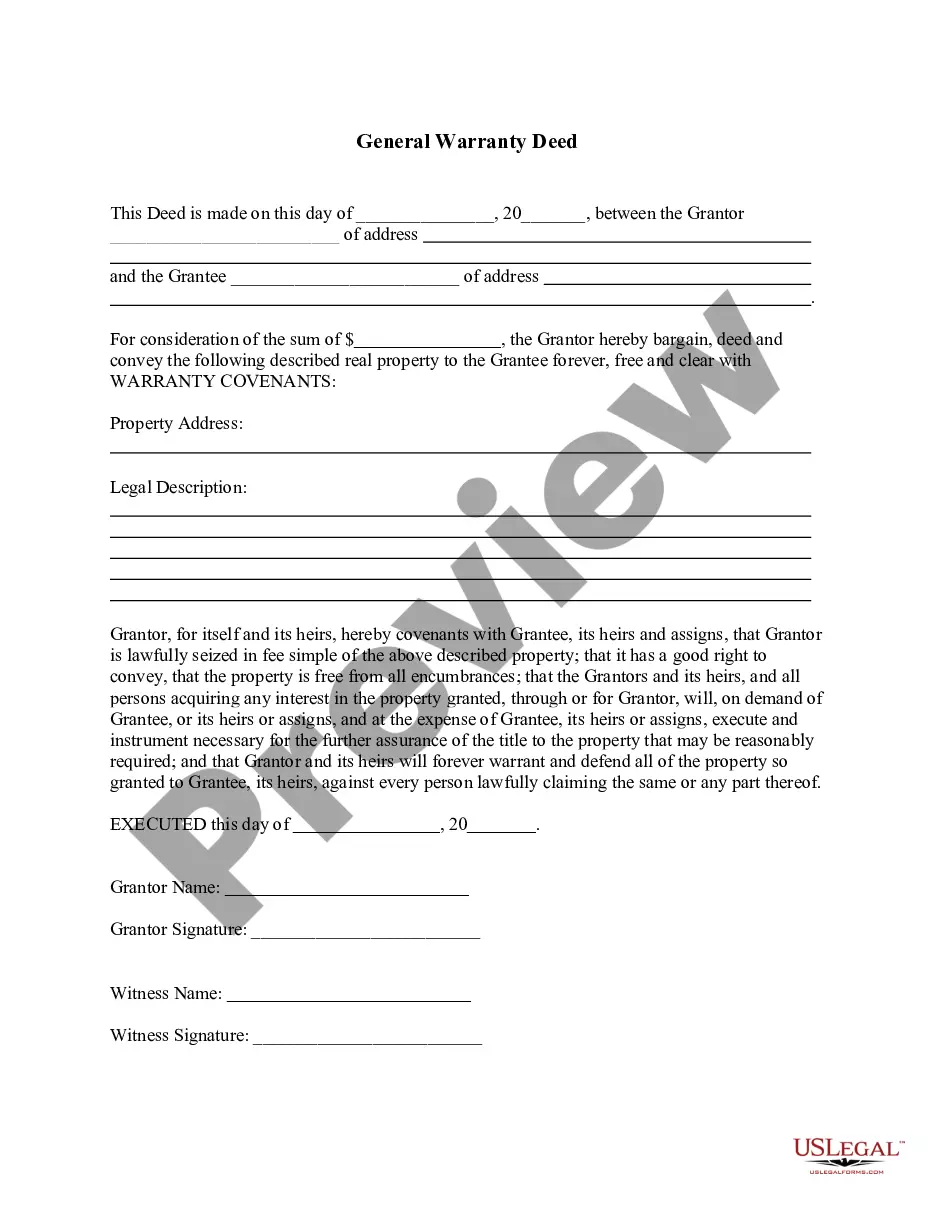
- Parties Involved: Identification of the grantor and grantees.
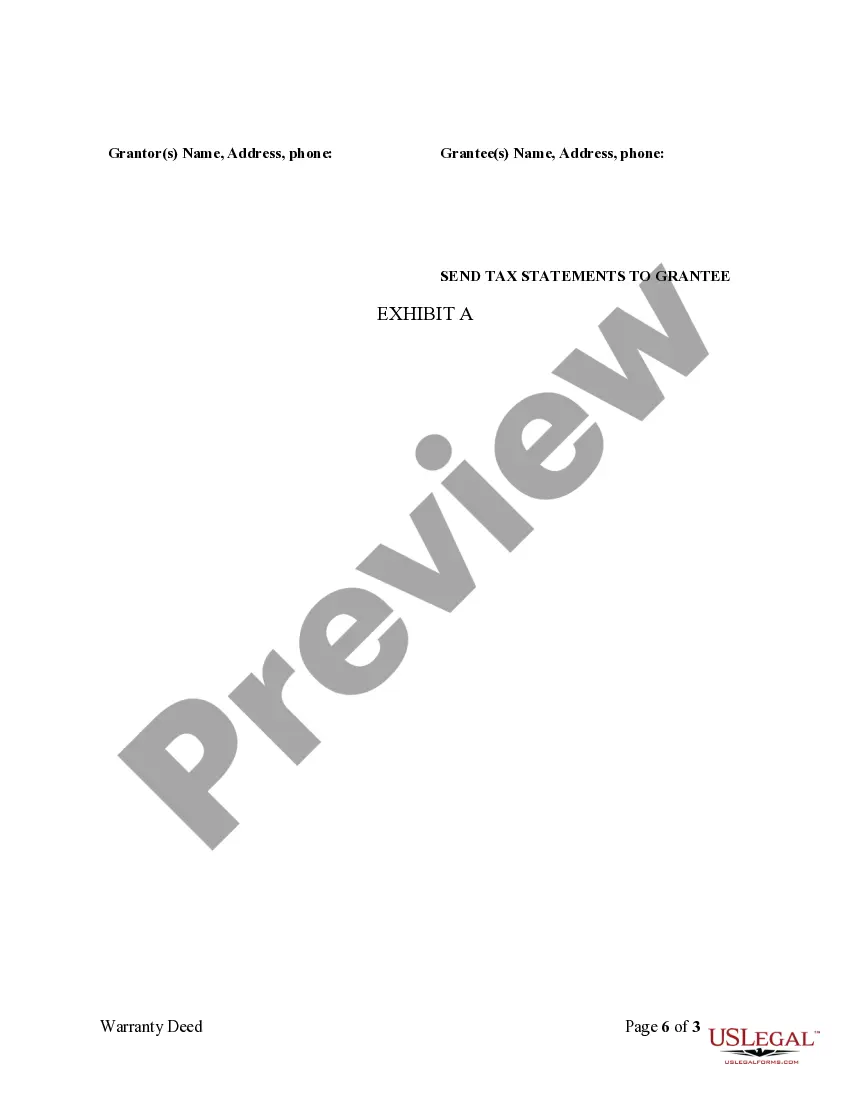
- Property Description: Detailed description of the property being conveyed.
- Fiduciary Powers: Acknowledgment of the powers granted by state laws.
- Date of Execution: The date when the deed is signed.
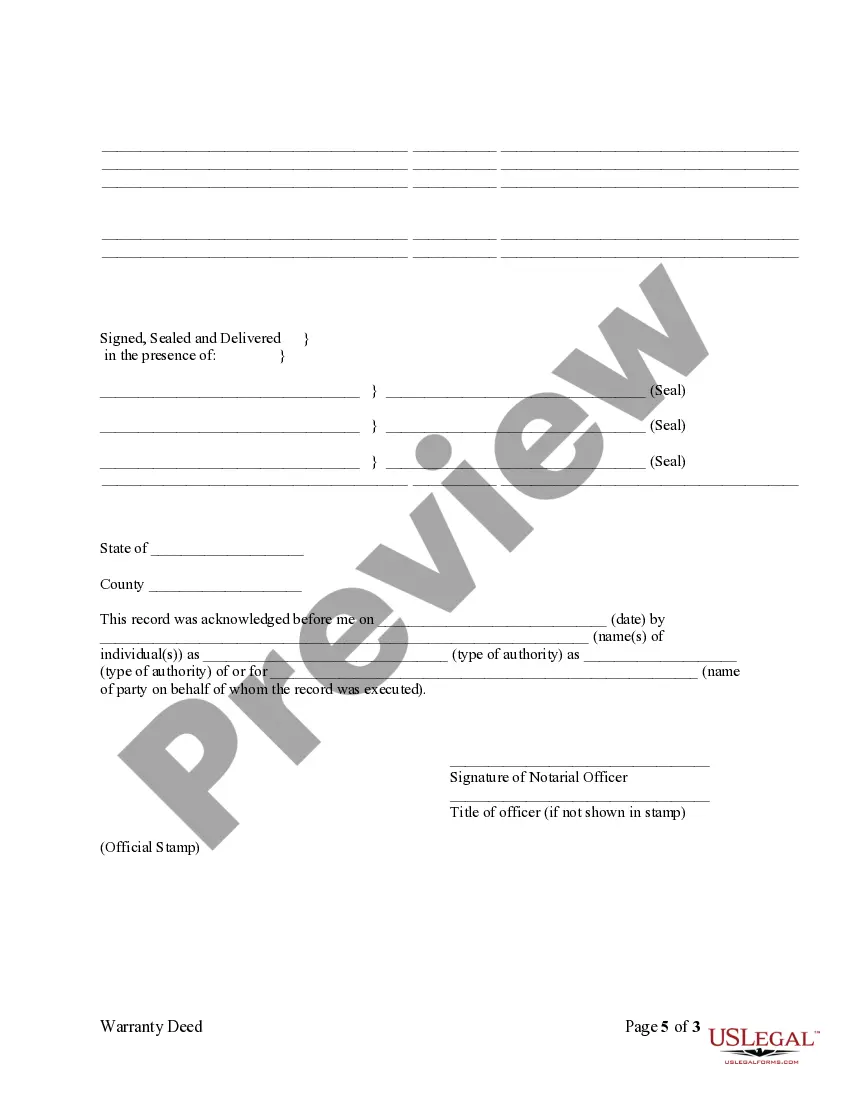
- Signature Lines: Spaces for signatures and printed names of the grantor and witnesses.



Situations where this form applies
This fiduciary deed should be used when a fiduciary needs to transfer real estate as part of administering an estate or trust. Common scenarios include transferring property from a deceased person's estate, carrying out the provisions of a trust, or conveying assets managed by a guardian or conservator. It may also be necessary when selling or refinancing property held in a trust.
Who should use this form
- Executors of a will managing estates.
- Trustees administering a trust.
- Trustors who created a trust and need to transfer property.
- Administrators appointed by the court to handle an estate.
- Guardians or conservators managing assets for minors or incapacitated individuals.
Completing this form step by step
- Identify the parties: Enter the names of the grantor and grantees.
- Specify the property: Provide a detailed description of the real estate, including any legal descriptions.
- Enter the date: Fill in the date of execution when the deed is signed.
- Obtain signatures: Ensure that the grantor signs the document in the presence of witnesses, if required.
- Complete additional fields: Fill in any necessary details as prompted by lockable fields to ensure all information is recorded correctly.
Notarization requirements for this form
This form does not typically require notarization unless specified by local law. However, it is advisable to have the document notarized to enhance its enforceability and clear any potential disputes over authenticity.
Get your form ready online
Our built-in tools help you complete, sign, share, and store your documents in one place.
Make edits, fill in missing information, and update formatting in US Legal Forms—just like you would in MS Word.
Download a copy, print it, send it by email, or mail it via USPS—whatever works best for your next step.
Sign and collect signatures with our SignNow integration. Send to multiple recipients, set reminders, and more. Go Premium to unlock E-Sign.
If this form requires notarization, complete it online through a secure video call—no need to meet a notary in person or wait for an appointment.
We protect your documents and personal data by following strict security and privacy standards.

Make edits, fill in missing information, and update formatting in US Legal Forms—just like you would in MS Word.

Download a copy, print it, send it by email, or mail it via USPS—whatever works best for your next step.

Sign and collect signatures with our SignNow integration. Send to multiple recipients, set reminders, and more. Go Premium to unlock E-Sign.

If this form requires notarization, complete it online through a secure video call—no need to meet a notary in person or wait for an appointment.

We protect your documents and personal data by following strict security and privacy standards.
Common mistakes
- Failing to provide a complete and accurate property description.
- Missing signatures of necessary parties.
- Not dating the document appropriately, which may affect its validity.
- Ignoring local state requirements or statutes that govern the deed's execution.
Advantages of online completion
- Convenience of easily filling out the form from your home.
- Ability to edit and save the document for future reference.
- Access to reliable and professionally drafted templates.
- Quick downloads that allow for immediate use.
Legal use & context
- The fiduciary deed is recognized as a valid transfer of property when properly executed.
- Legal standing may differ based on the jurisdiction, thus consulting local laws is crucial.
- This deed ensures that fiduciaries carry out their responsibilities legally and appropriately without personal liability.
Summary of main points
- A fiduciary deed is essential for transferring property under fiduciary authority.
- Ensure all parties are clearly identified and descriptions are complete.
- Check state-specific rules regarding execution and notarization to guarantee validity.
- Use the online form for ease and reliability in document preparation.