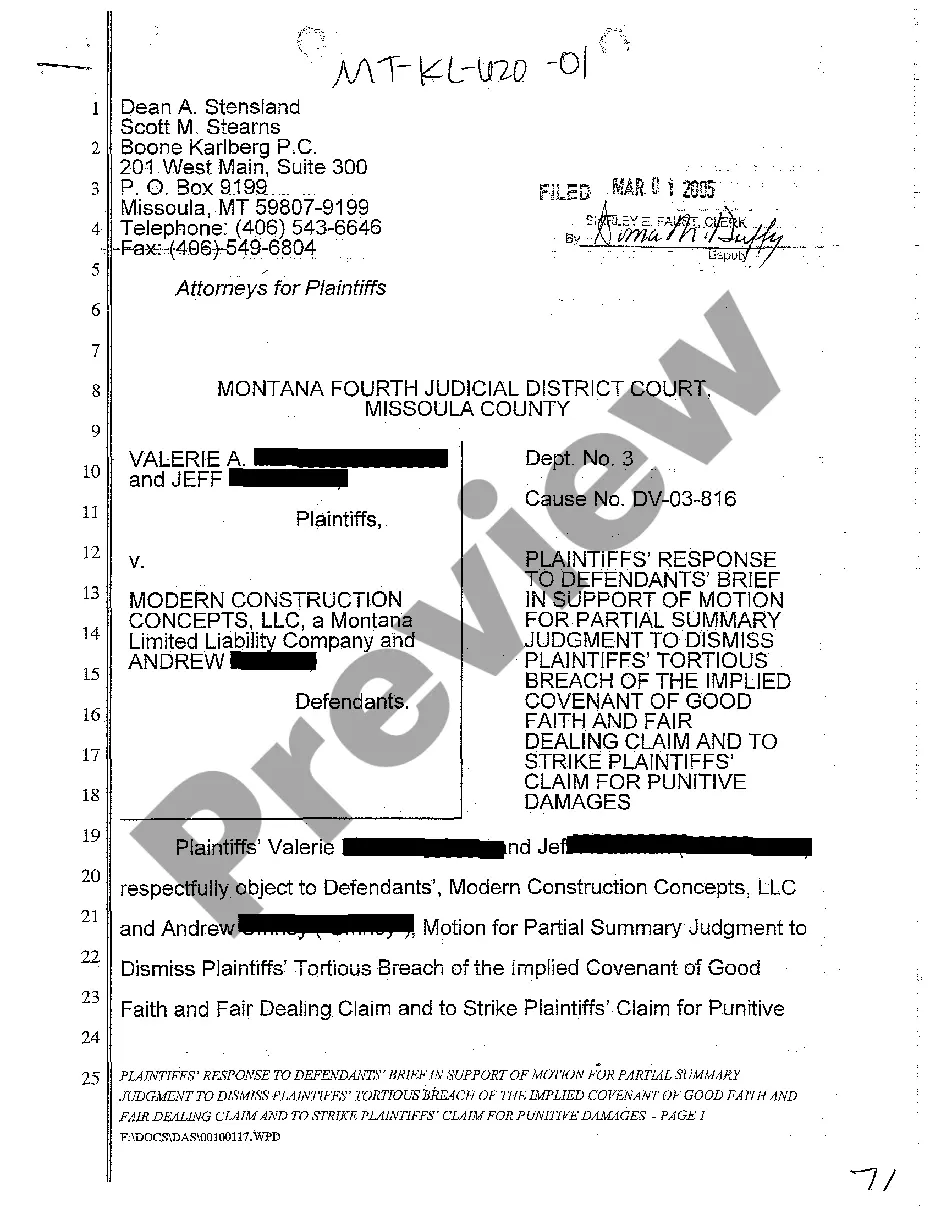
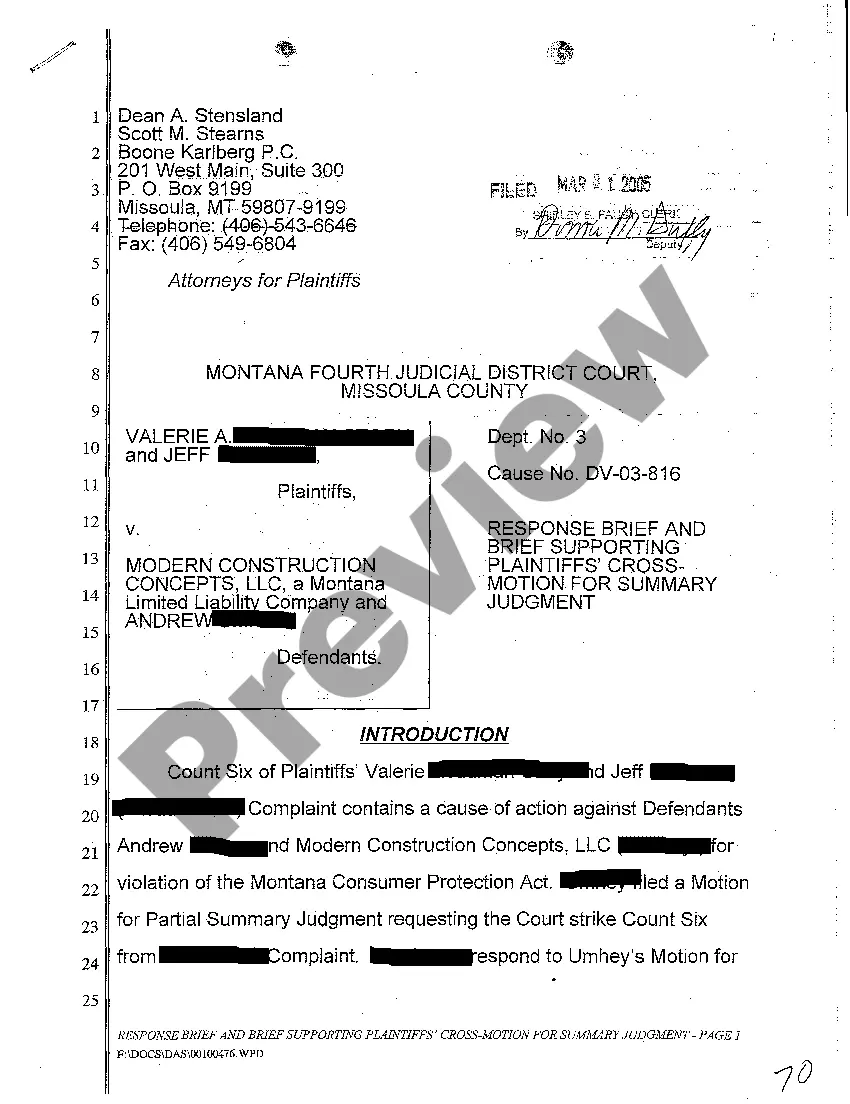
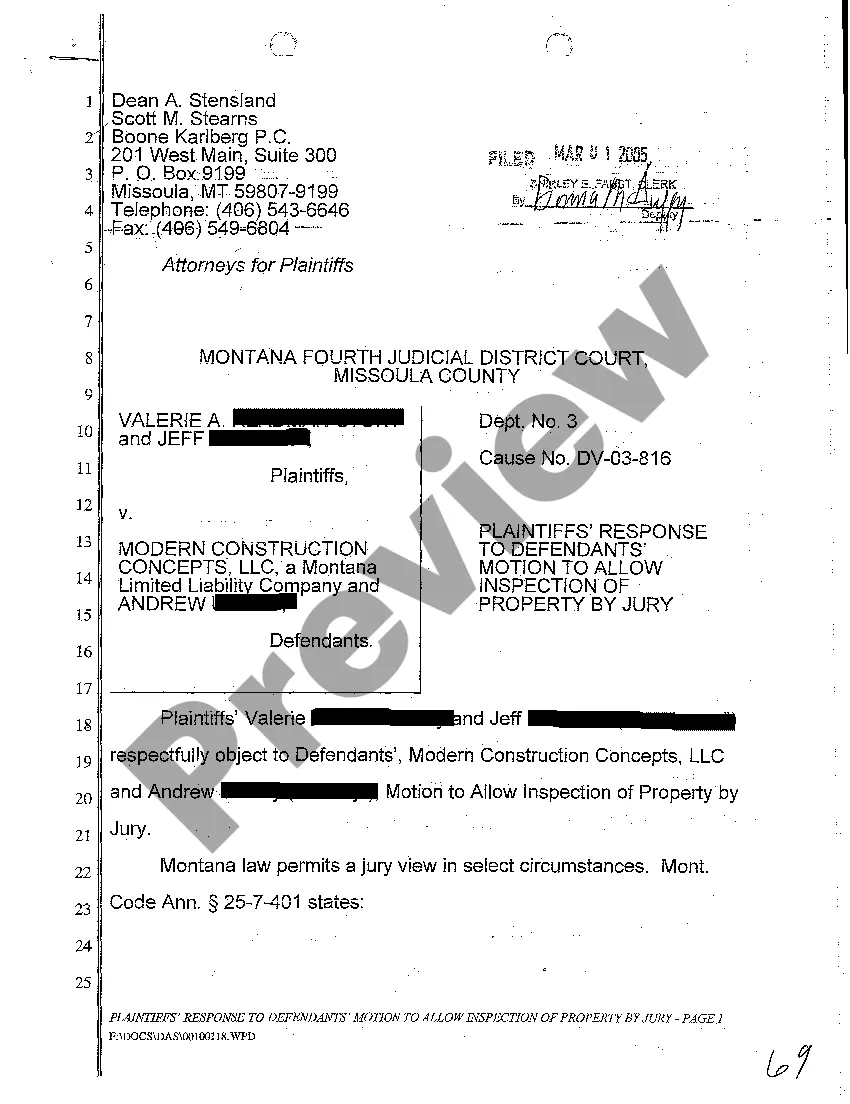
Montana Plaintiff's Response to Defendants' Brief in Support of Motion
Description
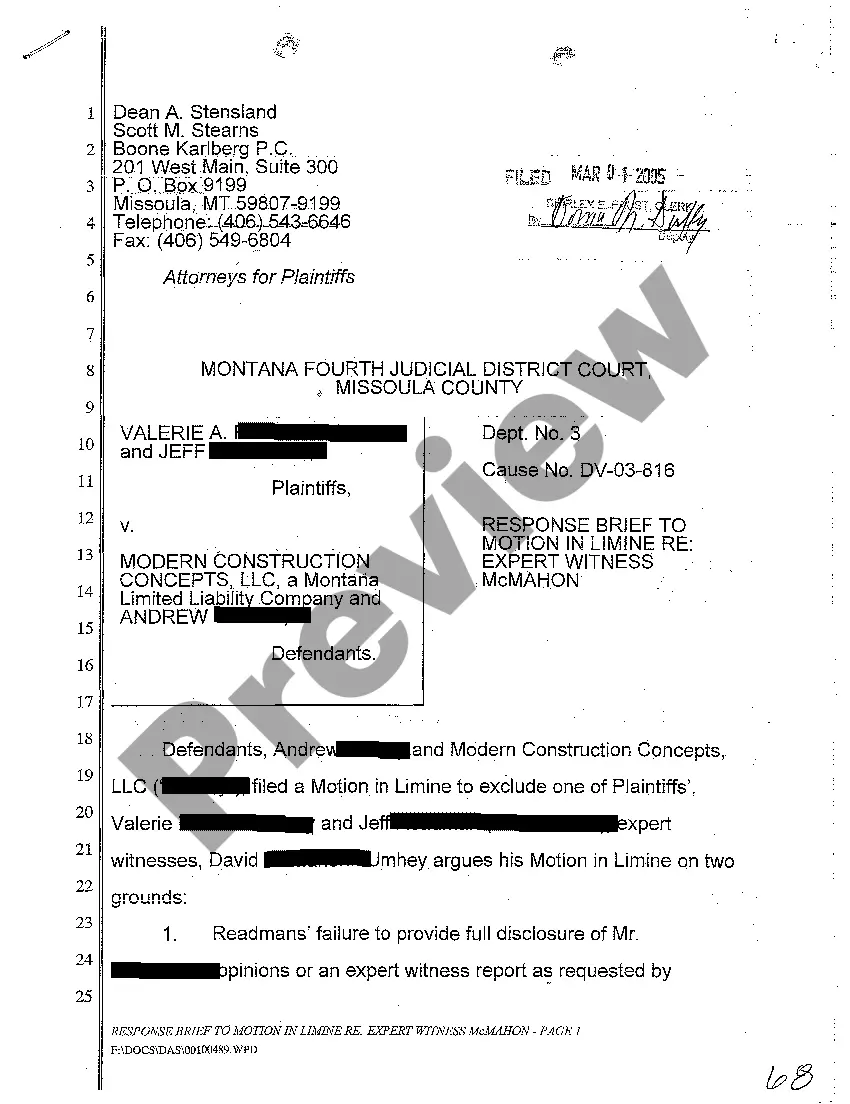
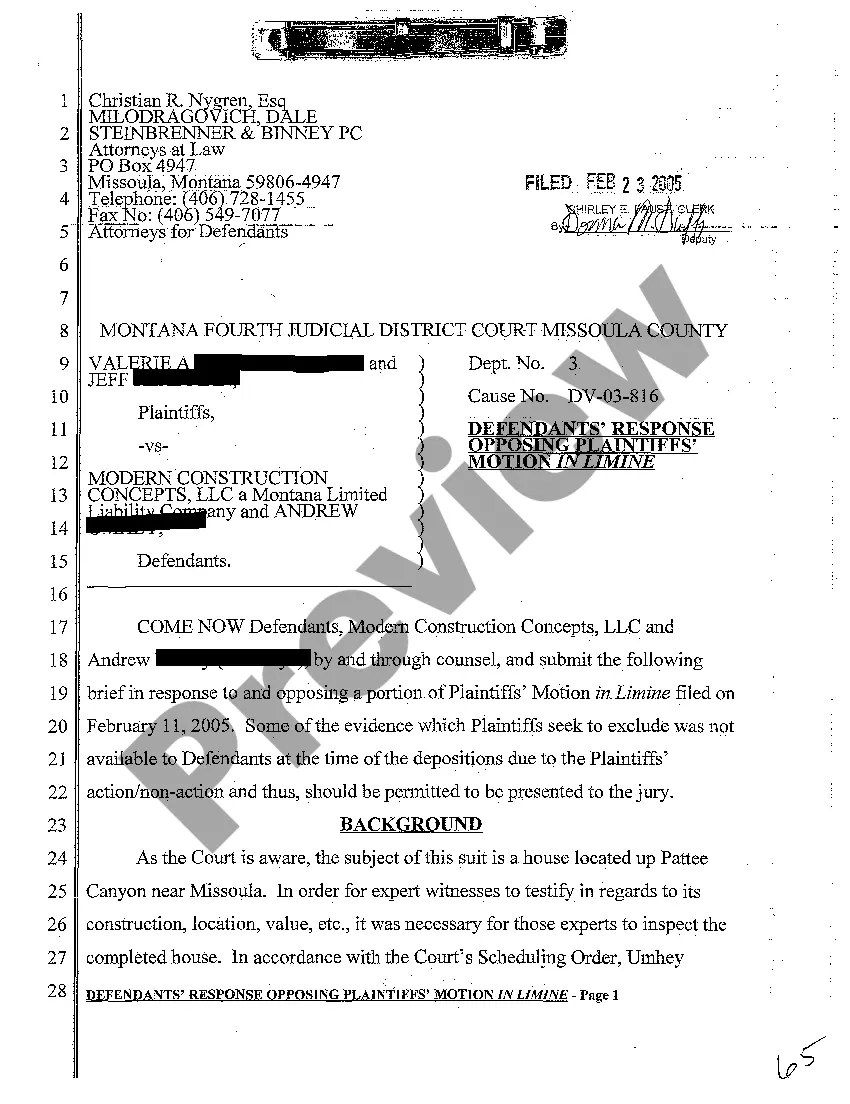
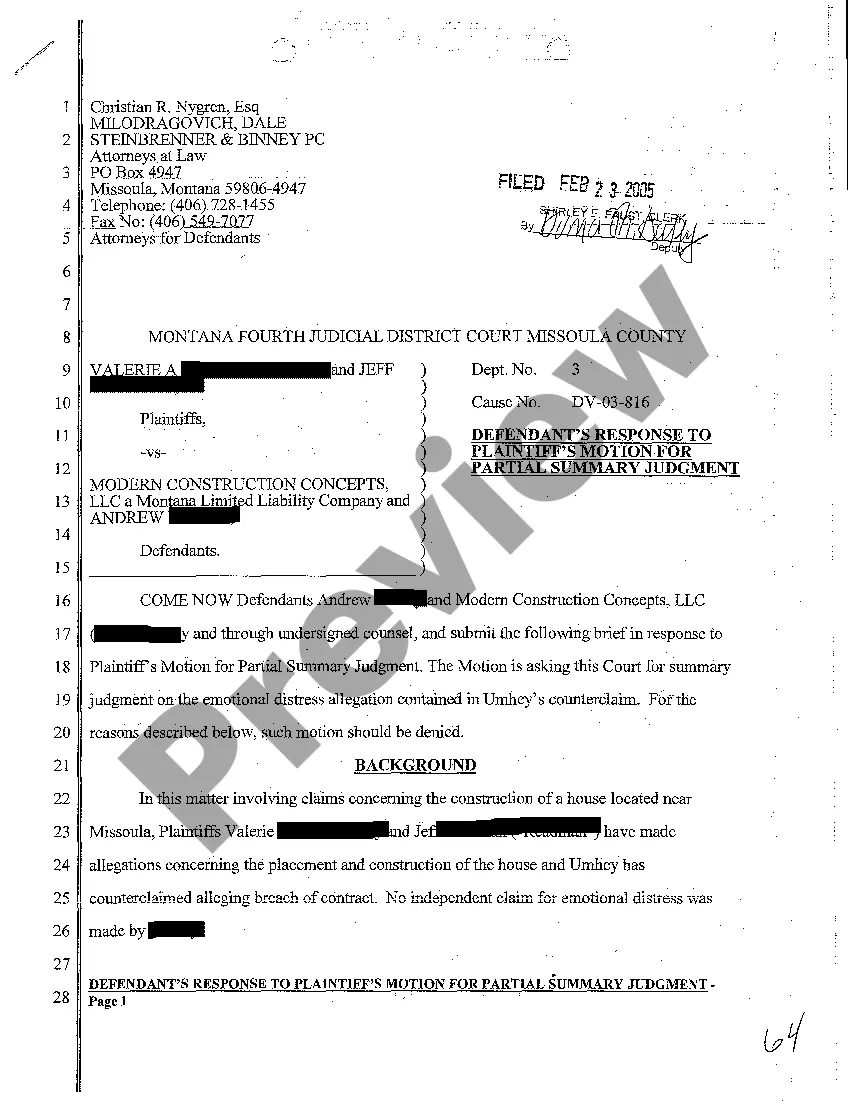
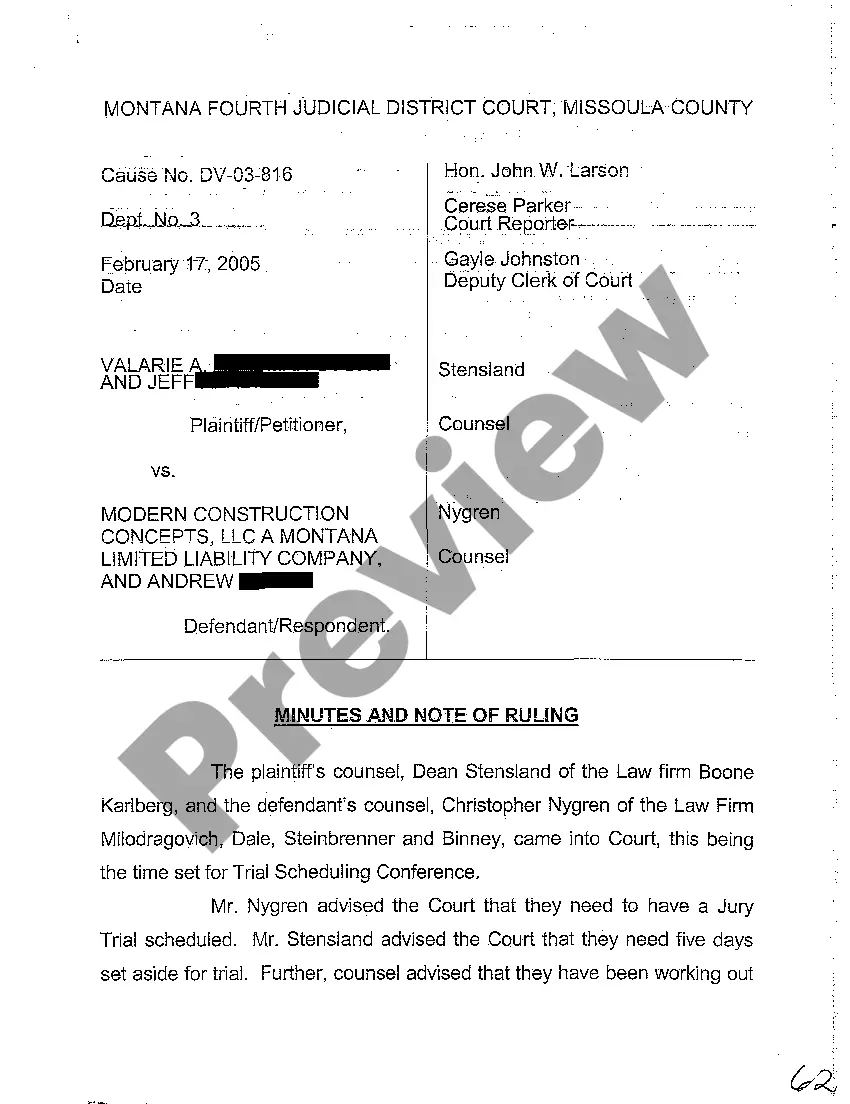
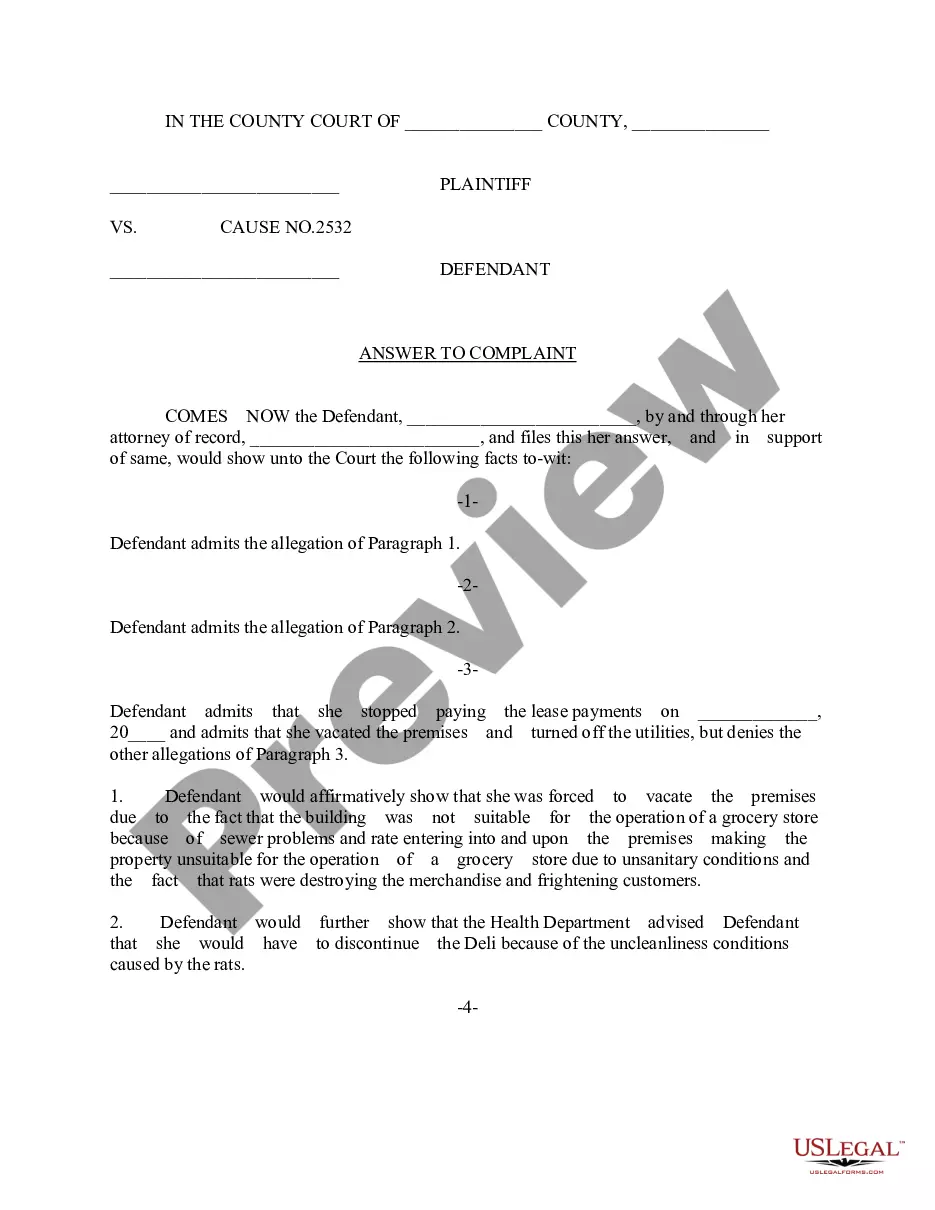
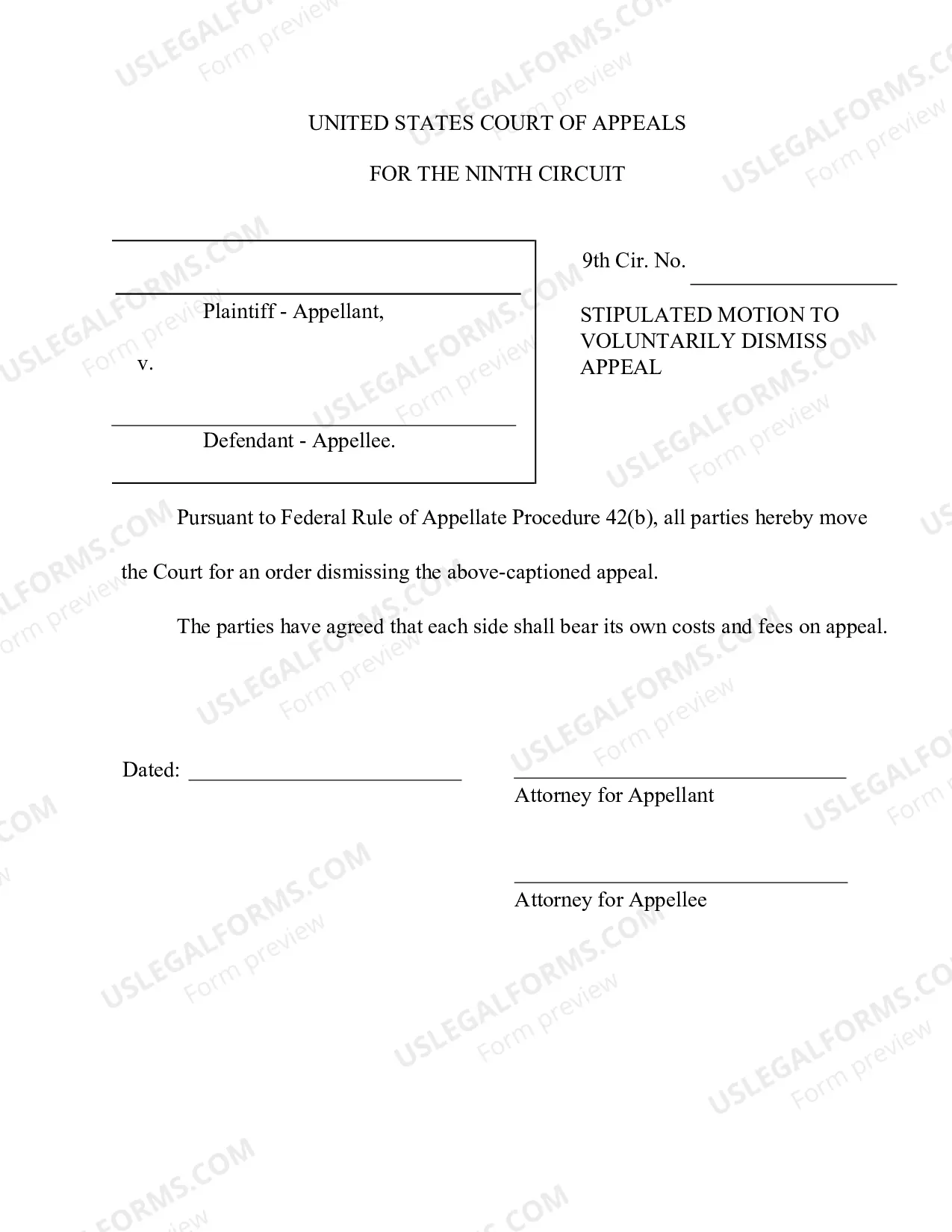
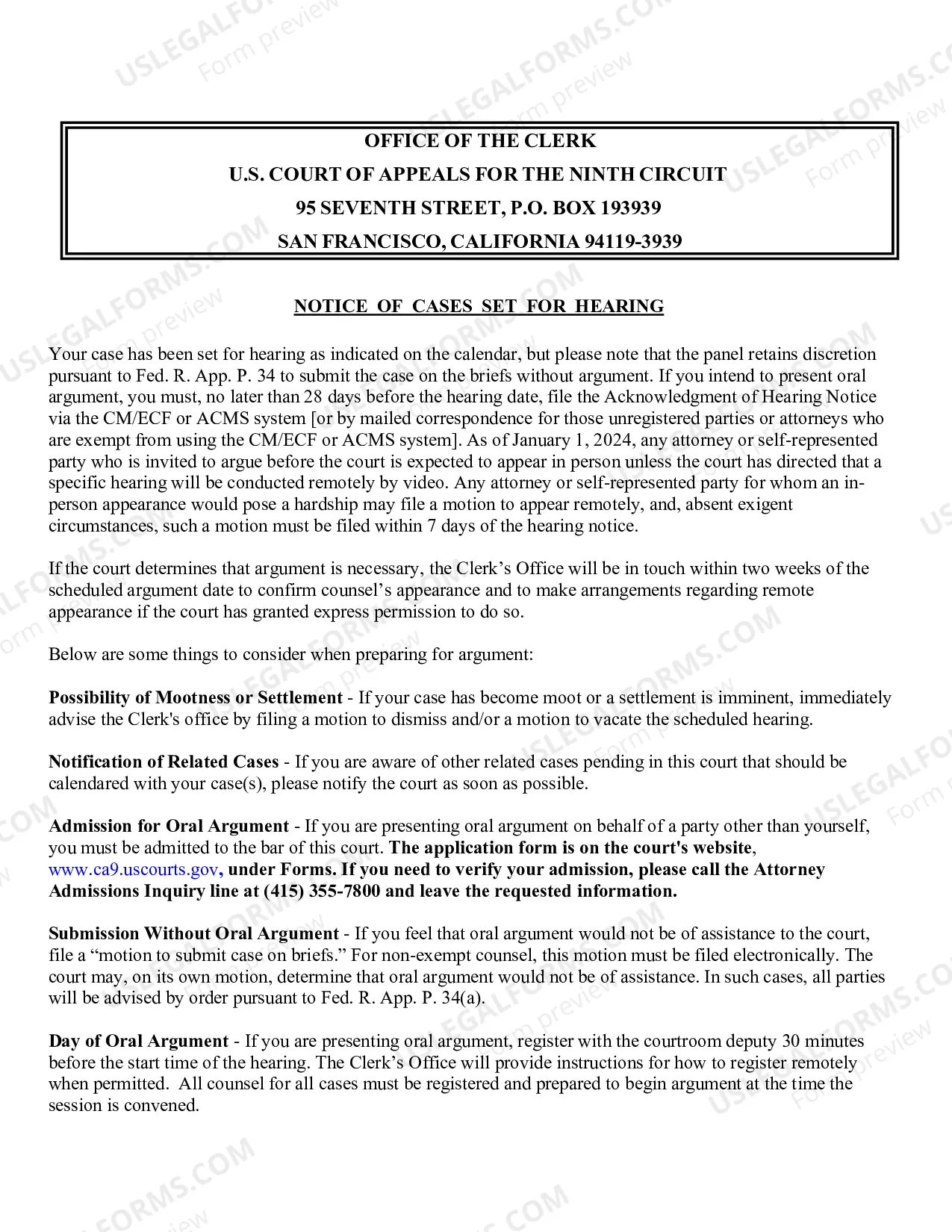
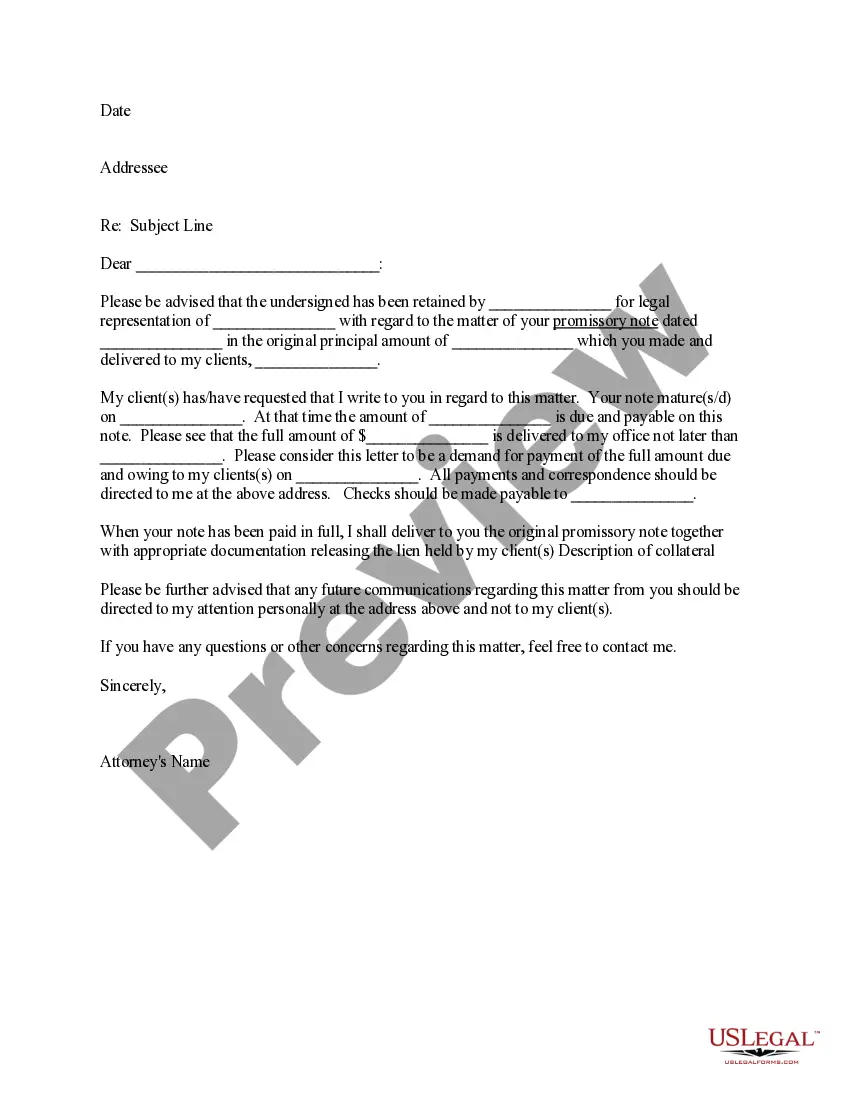
How to fill out Montana Plaintiff's Response To Defendants' Brief In Support Of Motion?
Obtain a downloadable Montana Plaintiff's Reply to Defendants' Brief in Favor of Motion with just a few clicks in the most extensive collection of legal electronic documents.
Discover, acquire, and print expertly prepared and authorized templates on the US Legal Forms platform. US Legal Forms has been the leading provider of affordable legal and tax documents for US citizens and residents online since 1997.
After you’ve downloaded your Montana Plaintiff's Reply to Defendants' Brief in Favor of Motion, you can complete it in any online editor or print it out and fill it in by hand. Utilize US Legal Forms to gain access to 85,000 professionally crafted, state-specific documents.
- Clients with a subscription must Log In to their US Legal Forms account, download the Montana Plaintiff's Reply to Defendants' Brief in Favor of Motion, and find it saved in the My documents section.
- Individuals without a subscription must adhere to the following steps.
- Verify that your template complies with your state's criteria.
- If available, review the form’s description for additional insights.
- If available, preview the form to examine further details.
- Once you are certain the form satisfies your needs, click Buy Now.
- Establish a personal account.
- Choose a subscription plan.
- Make payment through PayPal or credit/debit card.
- Download the form in either Word or PDF format.
Form popularity
FAQ
A motion is a written request made to the court, asking the judge to issue an order.Other parties have the chance to file and serve a written response to the motion. There is a specific deadline for filing and serving a written response, usually fourteen (14) days prior to a hearing.
Each court has different rules about how long you have to respond to this motion, but usually you will have at least two or three weeks to file an opposition to the defendant's motion to dismiss.
You do not have to file a response. However, you would be wise to do so as a motion to dsmiss , if granted, could end your suit. Motions to dimiss for failure to state a claim are rarely granted.
After you complete your motion, you must file it with the court.You must then serve (mail) a copy of your filed motion (including all exhibits and the date, time, and place of hearing) to all other parties in the case. If a party is represented by an attorney, mail the motion directly to the attorney's office.
Fill out the forms. You have to fill out at least 2 forms, maybe more, to file your opposition. File the forms. Turn in your completed forms by mail or efiling. Serve the other party. Get ready for the hearing. Prepare an order.
No, because "for the purposes of Rule 15(a), a Rule 12(b)(6) motion to dismiss is not a responsive pleading and thus does not itself terminate plaintiff's unconditional right to amend a complaint under Rule 15(a)." Op.
Originally Answered: How long does it take a judge to rule on a motion to dismiss? In California a state court judge must rule on such a motion within 90 days of when the motion is submitted. A motion is submitted when all hearings are done and all briefing ordered by the court is on file.
If one party to a case has filed a motion with the court, the other side can file an opposition. An opposition is a written statement explaining to the judge why the other side is not entitled to whatever he is asking for in his motion.