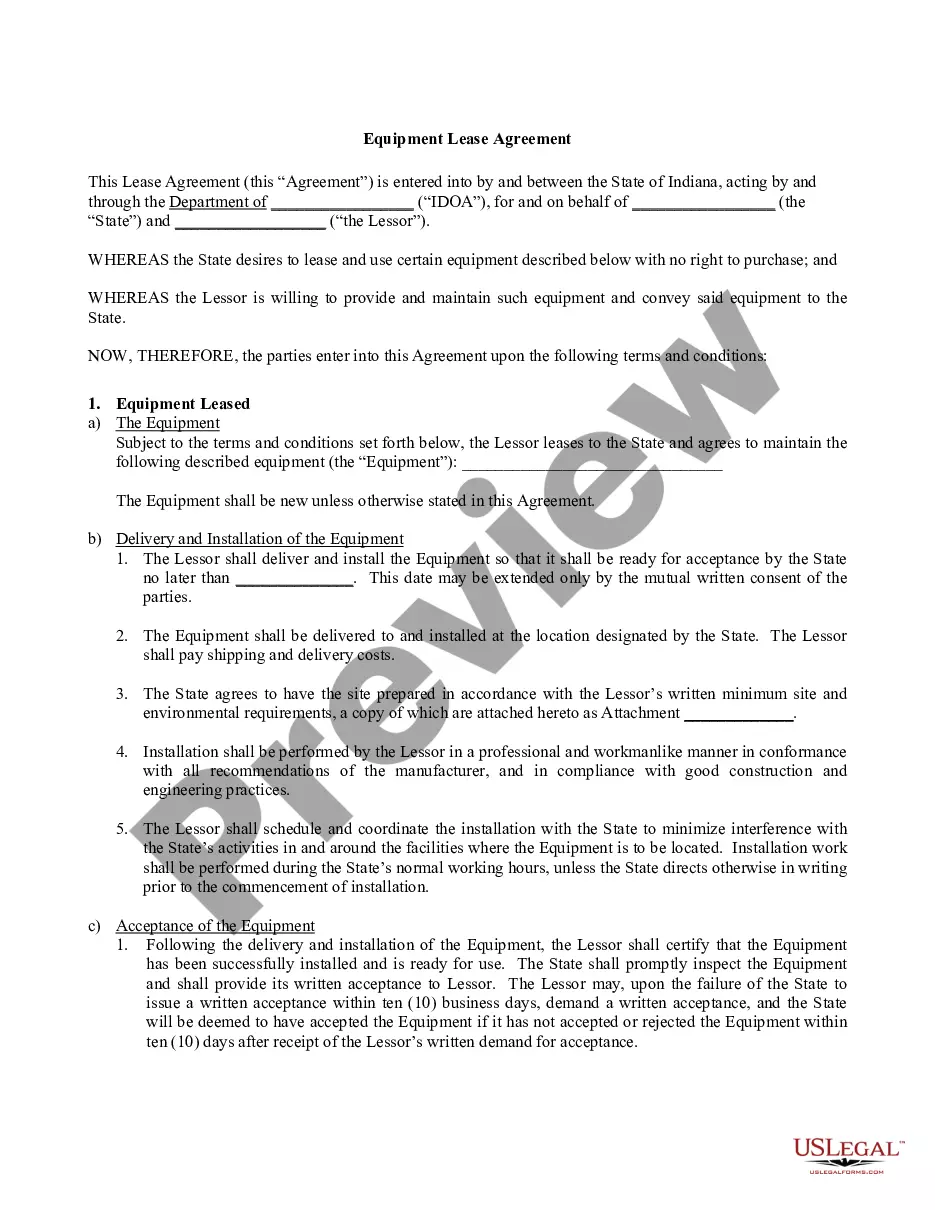
Montana Defendant's Brief in Reply to Plaintiff's Response to Motion to Set Aside Default Judgment
Description
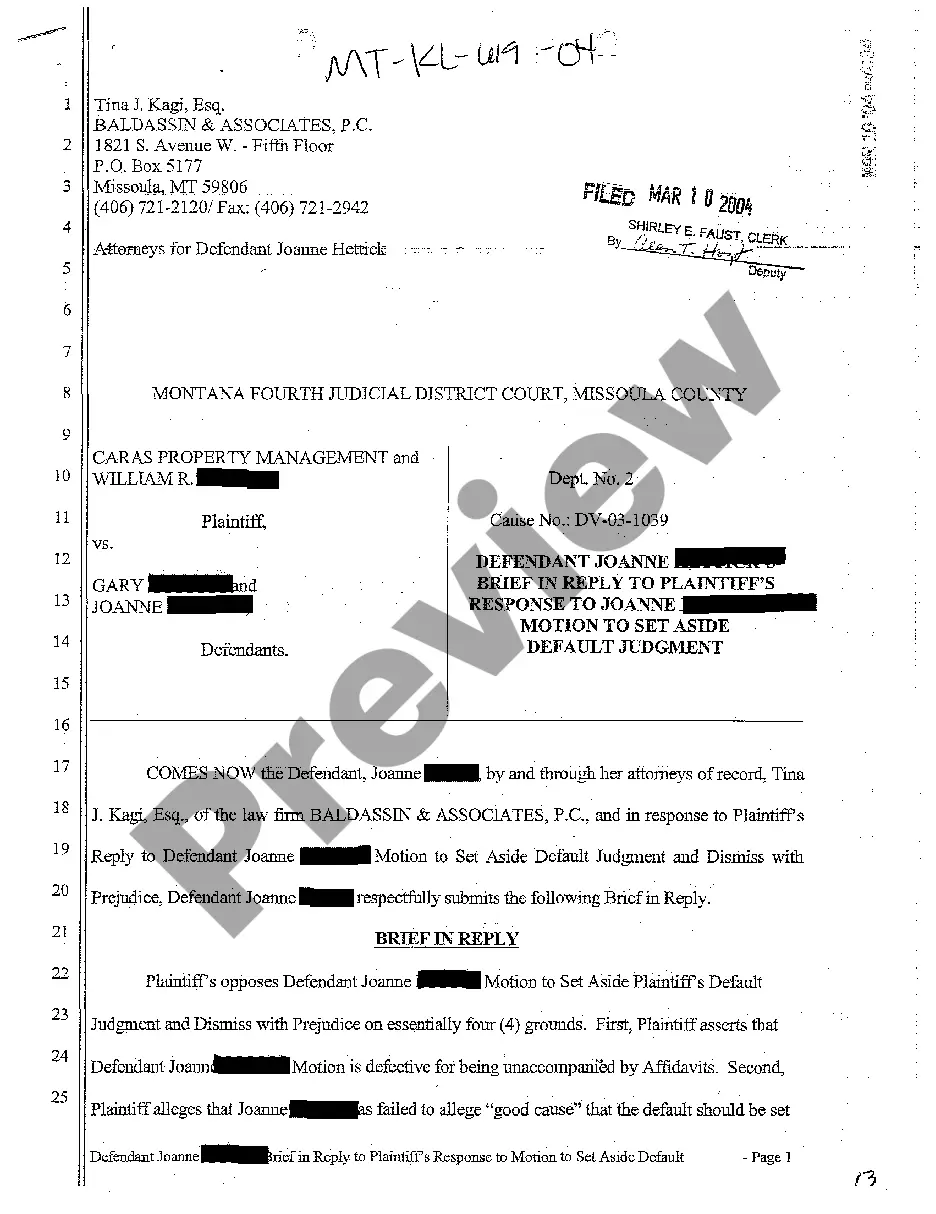


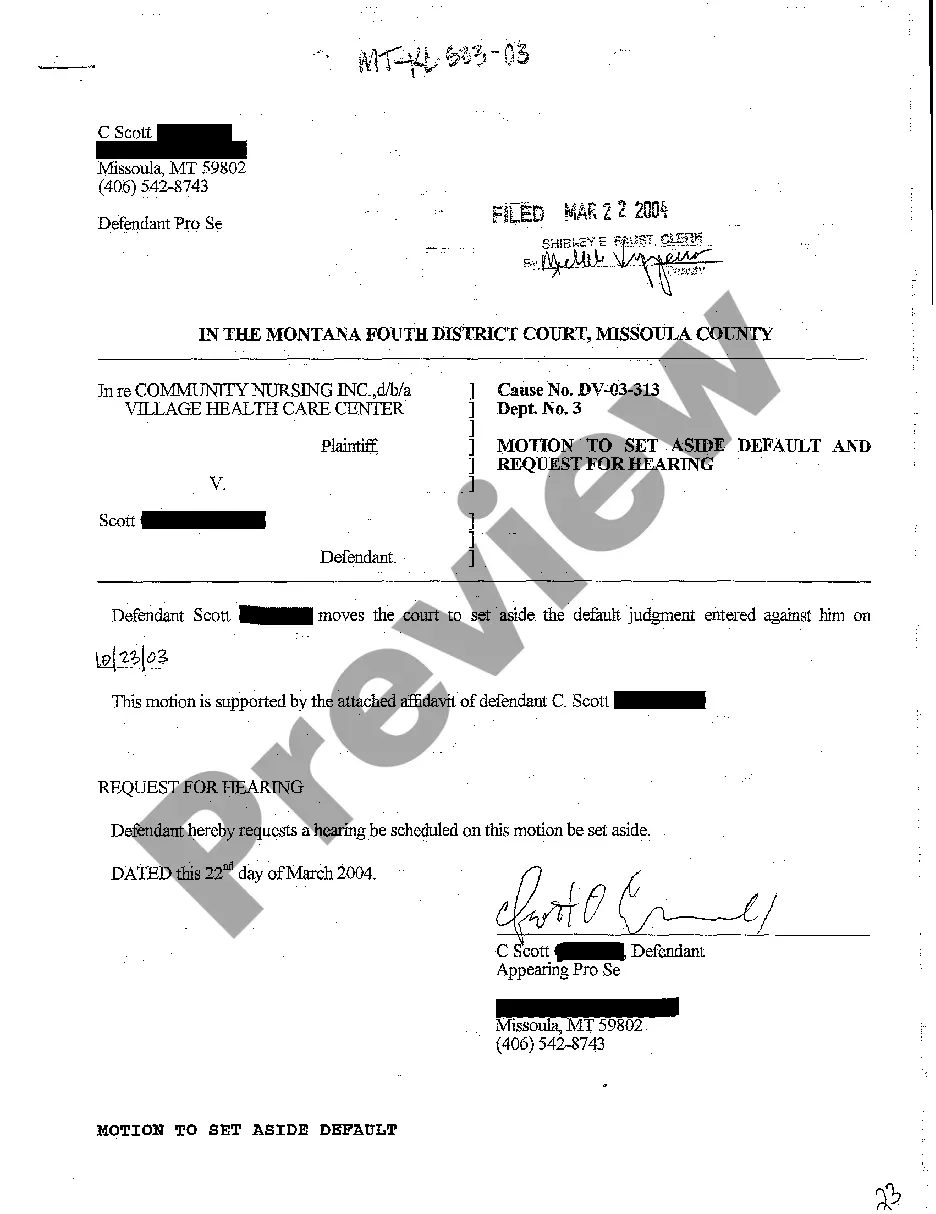
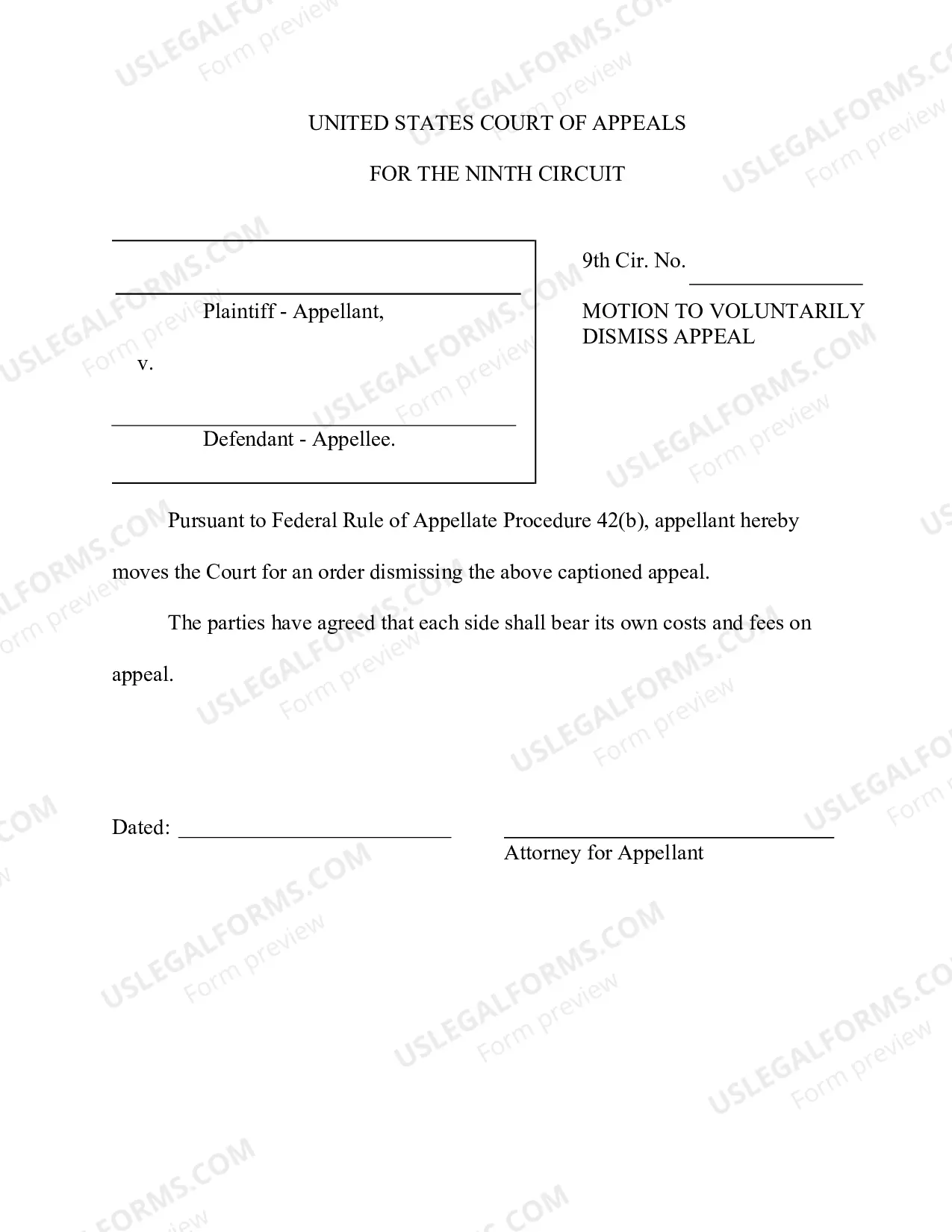
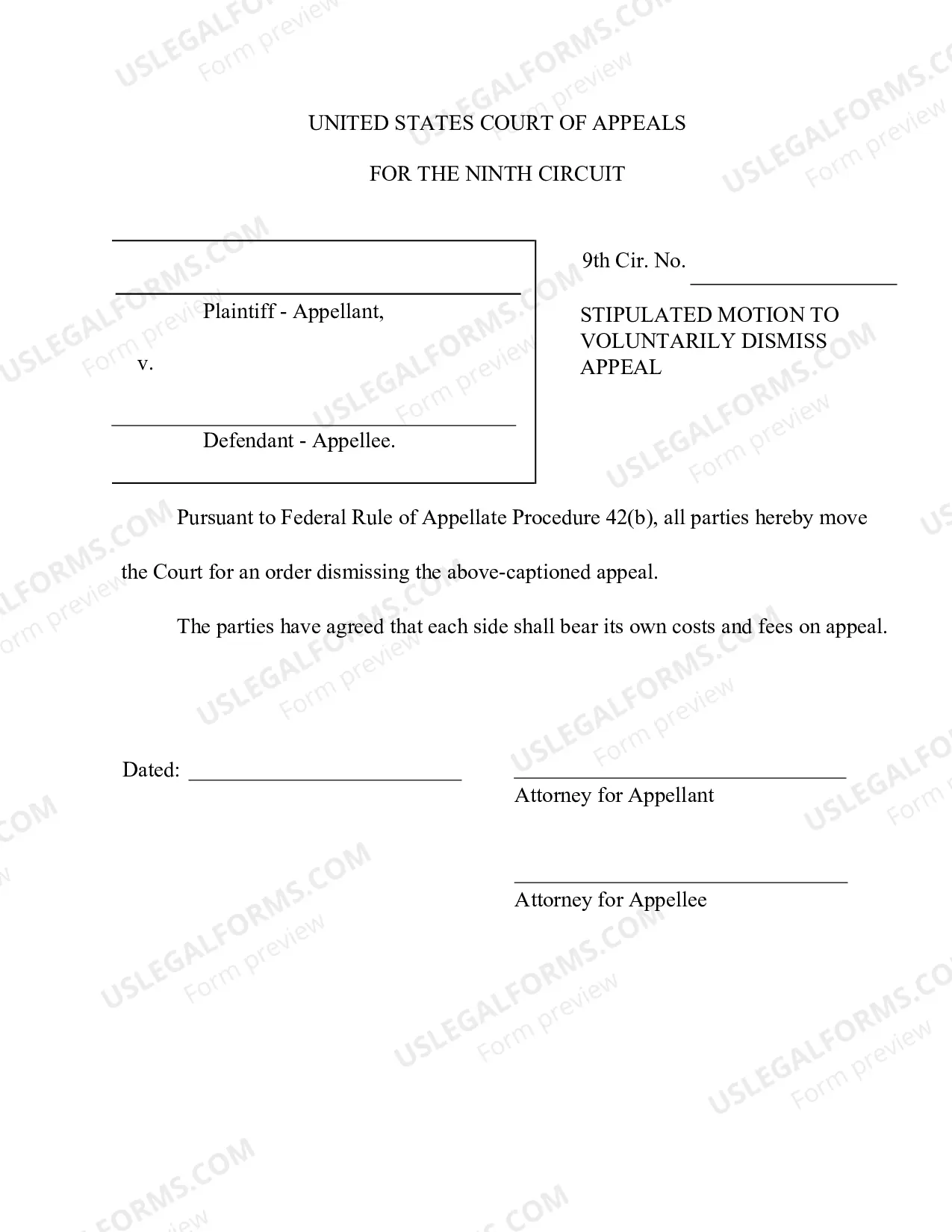
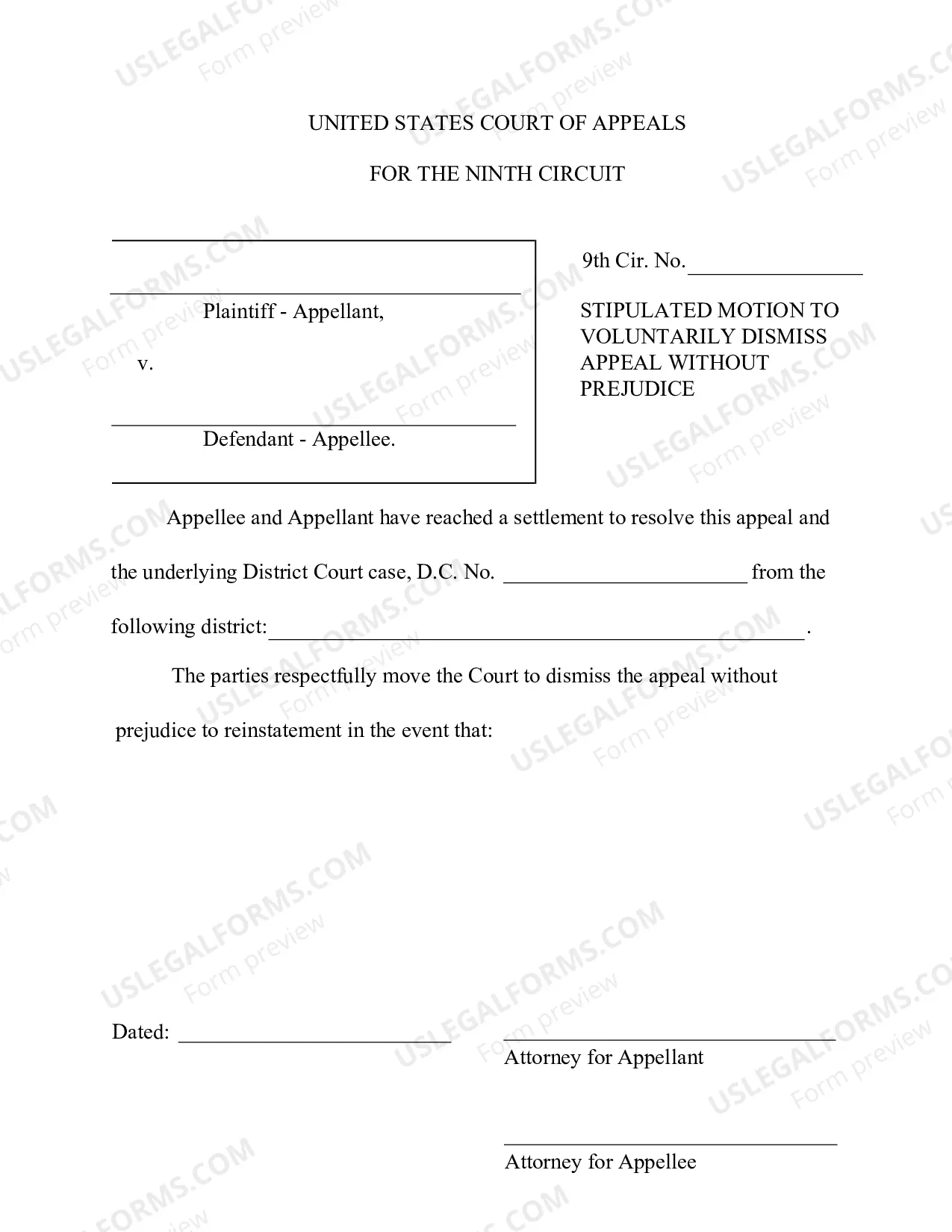
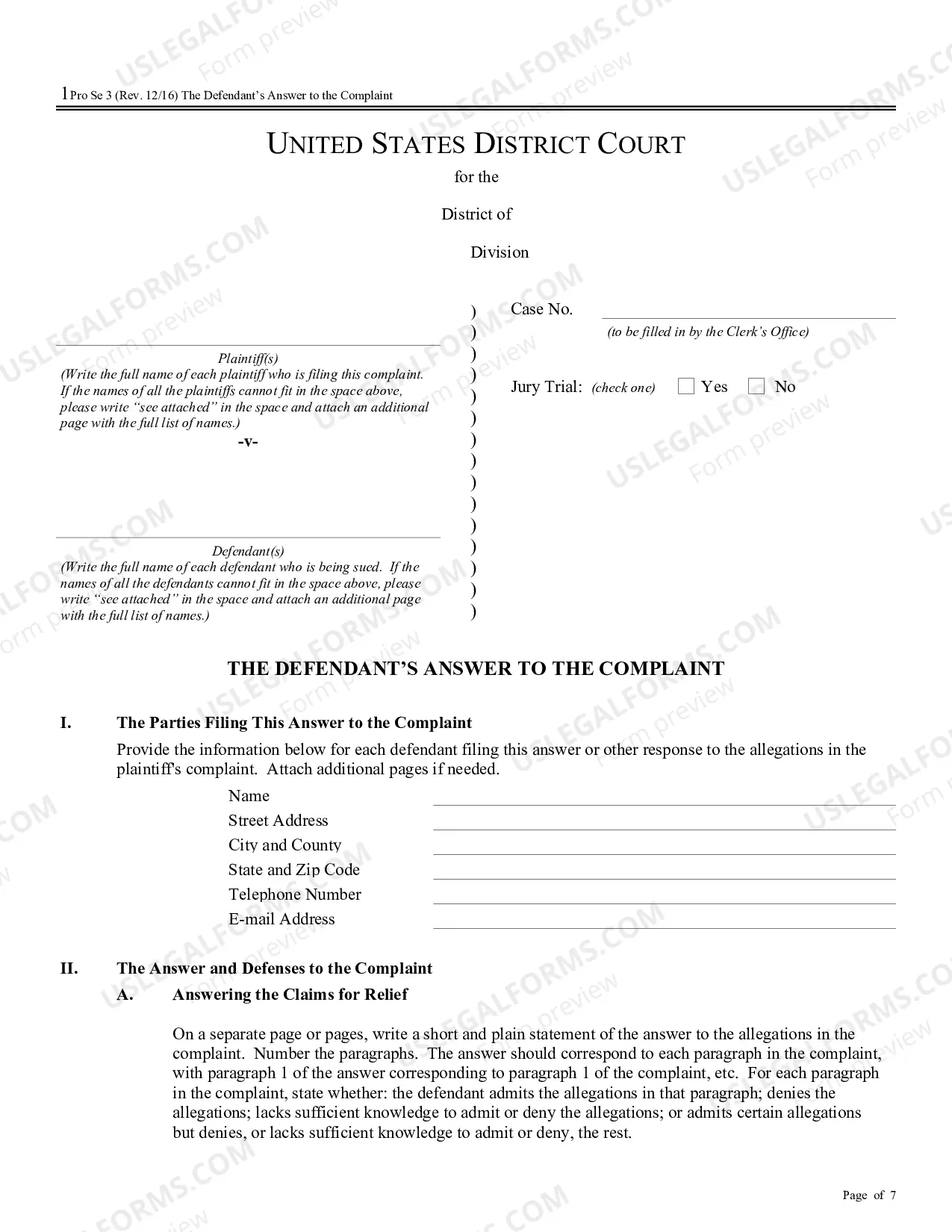
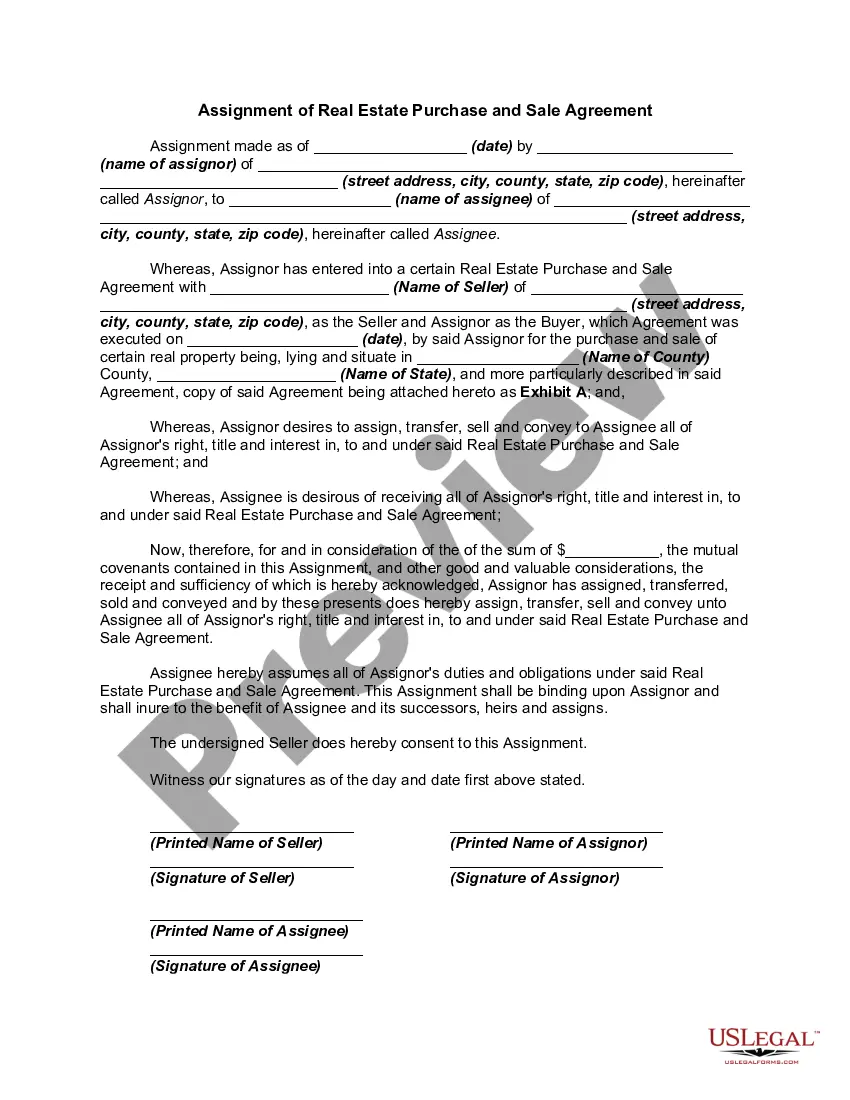
How to fill out Montana Defendant's Brief In Reply To Plaintiff's Response To Motion To Set Aside Default Judgment?
Obtain a printable Montana Defendant's Brief in Response to Plaintiff's Reply to Motion to Vacate Default Judgment with just a few clicks from the most extensive collection of legal electronic files.
Discover, download, and print expertly crafted and certified samples on the US Legal Forms site. US Legal Forms has been the leading provider of cost-effective legal and tax documents for US citizens and residents online since 1997.
After downloading your Montana Defendant's Brief in Response to Plaintiff's Reply to Motion to Vacate Default Judgment, you can complete it using any online editor or print it and fill it out manually. Utilize US Legal Forms to access 85,000 professionally drafted, state-specific documents.
- Clients with an existing subscription must Log In to their US Legal Forms account, acquire the Montana Defendant's Brief in Response to Plaintiff's Reply to Motion to Vacate Default Judgment, and locate it saved in the My documents section.
- Clients without a subscription need to follow the steps outlined below.
- Ensure your document complies with your state’s regulations.
- If offered, examine the document’s description for more details.
- If accessible, review the form for additional information.
- Once you are certain the document fulfills your needs, click Purchase Now.
- Create a personal account.
- Select a subscription plan.
- Pay via PayPal or credit card.
- Download the document in Word or PDF format.
Form popularity
FAQ
A defendant may respond in an answer that admits or denies each of the plaintiff's allegations in the complaint. The answer will list defenses and counter-claims or cross-claims against the plaintiff or other defendants. The answer will state whether the defendant wants a jury trial. The case will then continue.
The plaintiff must give you responses to your request for admissions within 30 days. You do not need to do anything if you do not get a response. The plaintiff has 30 days to deny or object to the statements.
Each court has different rules about how long you have to respond to this motion, but usually you will have at least two or three weeks to file an opposition to the defendant's motion to dismiss.
You can file an answer to respond to the plaintiff's Complaint. An answer is a formal statement, in writing, of your defense to the lawsuit. You can say that what the plaintiff claims is not true. Or you can say it is true but give more information and reasons to defend your actions or explain the situation.
There is no obligation to respond to alleged affirmative defenses....they can be contested at trial or summary judgment.
A Response or Reply to the Opposing Party's Pleadings is your answer to the opposing party's document filed with the Court.
Failure to Respond: If a defendant fails to answer the complaint or file a motion to dismiss within the time limit set forth in the summons, the defendant is in default. The plaintiff can ask the court clerk to make a note of that fact in the file, a procedure called entry of default.
You can file an answer or a general denial. Filing an answer. You can file a motion In certain situations, you can respond to the lawsuit by filing a motion (a request) that usually tells the court that the plaintiff made a mistake in the lawsuit. Talk to a lawyer!
The Answer. The defendant's response to a complaint is called the answer. The answer contains the defendant's version of the events leading to the lawsuit and may be based on the contents of the complaint. The filing of the answer is one option that the defendant has in deciding how to respond to the complaint.