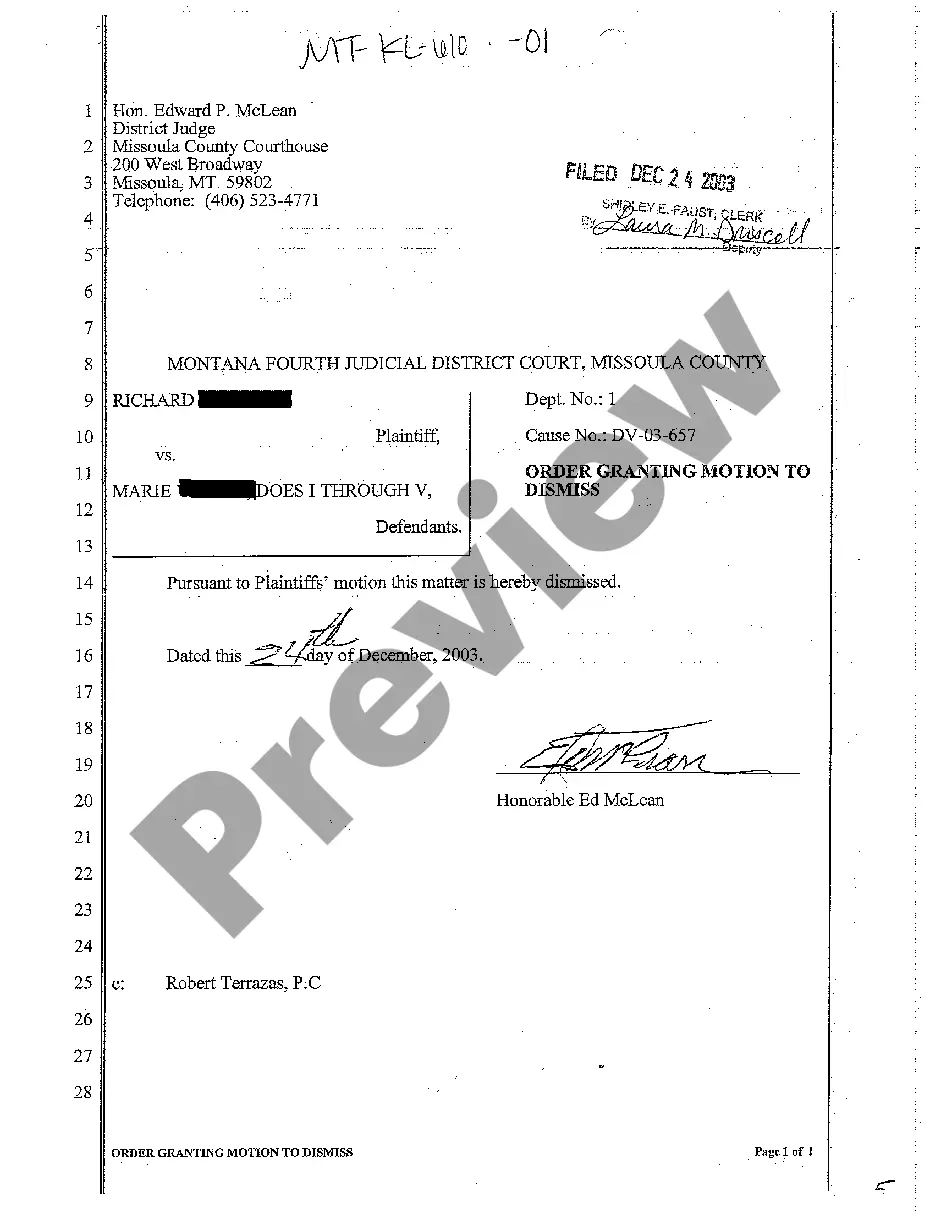
Montana Order Granting Motion to Dismiss
Description
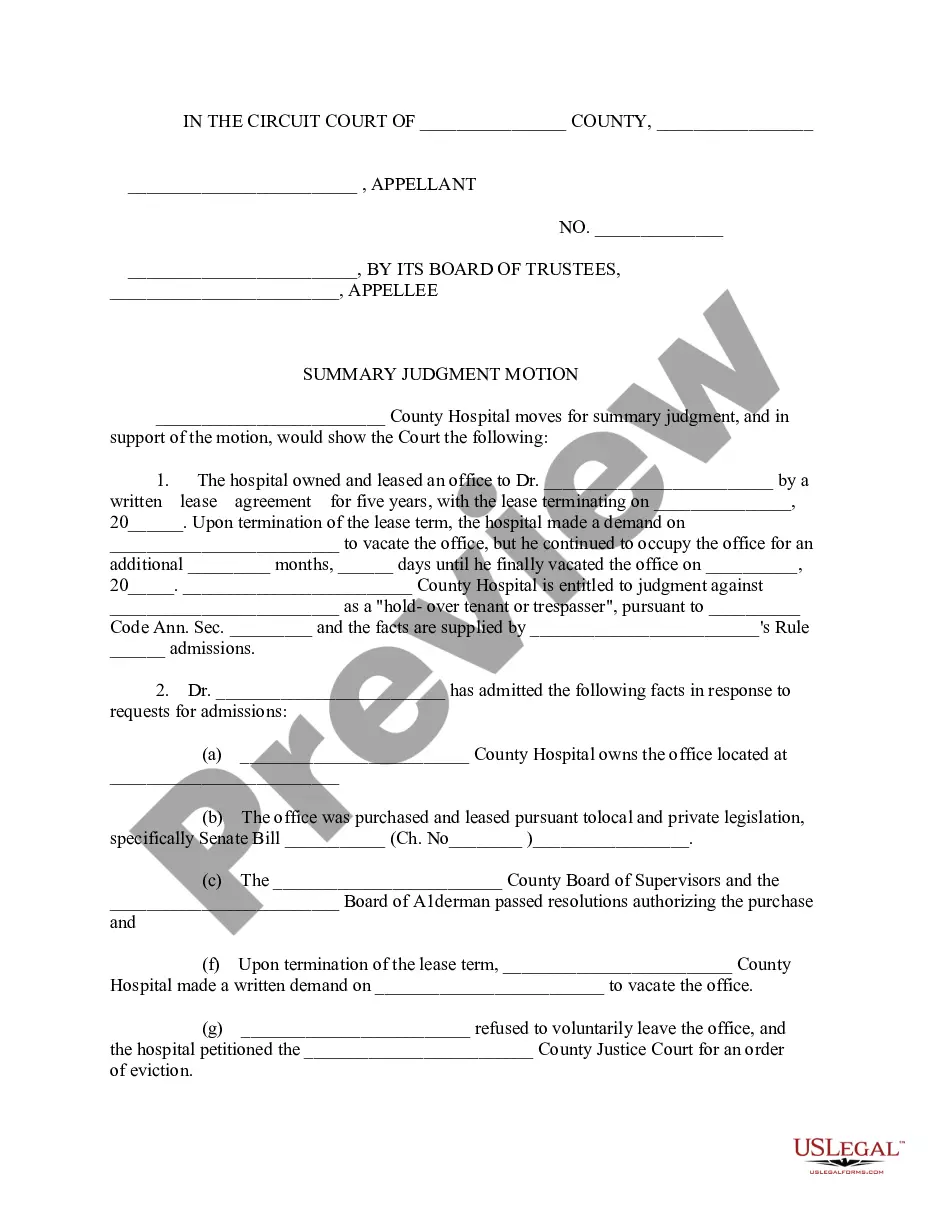
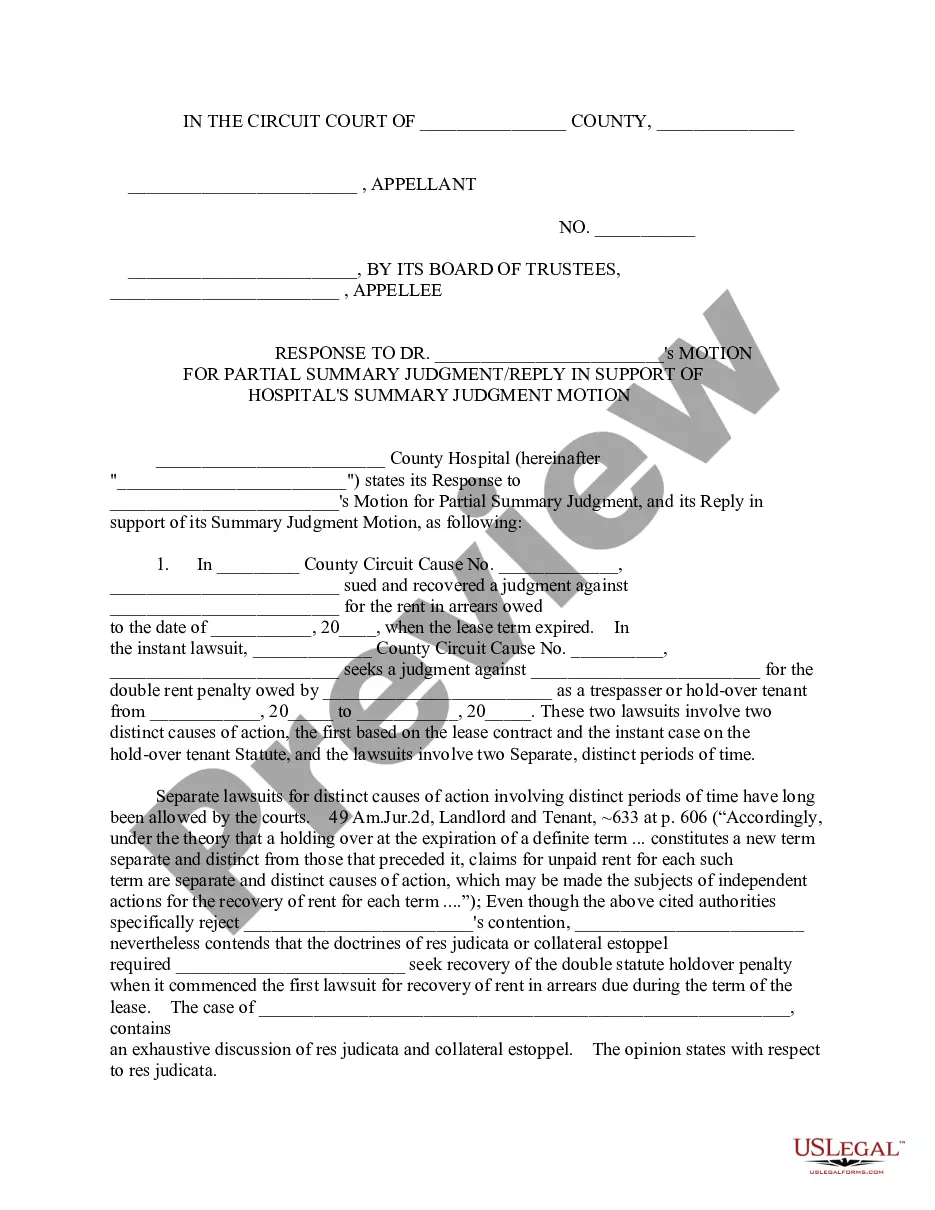
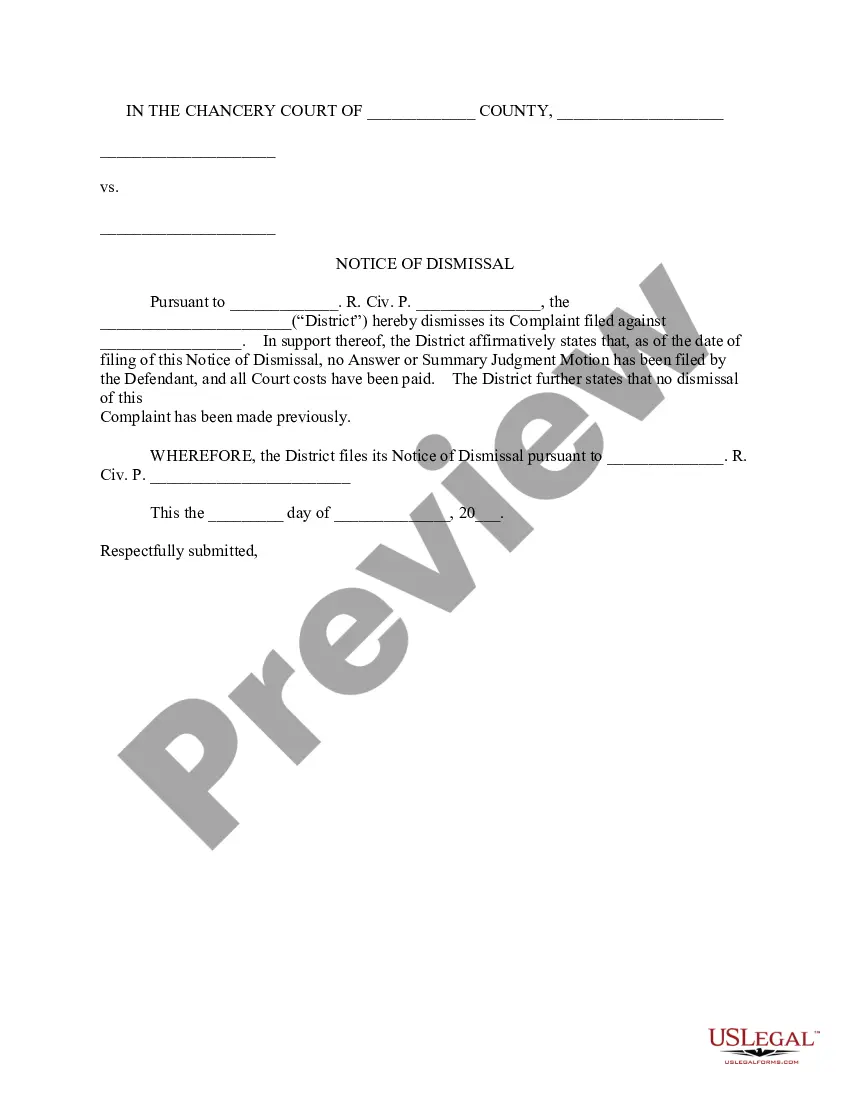


How to fill out Montana Order Granting Motion To Dismiss?
Acquire a printable Montana Order Granting Motion to Dismiss in just a few clicks from the most extensive collection of legal e-forms. Locate, download, and print professionally prepared and certified templates on the US Legal Forms website. US Legal Forms has remained the leading provider of affordable legal and tax documents for US citizens and residents online since 1997.
Users who already possess a subscription need to Log In directly to their US Legal Forms account, download the Montana Order Granting Motion to Dismiss, and find it saved in the My documents section. Users who do not have a subscription must adhere to the instructions listed below.
Once you have downloaded your Montana Order Granting Motion to Dismiss, you can complete it in any online editor or print it out and fill it in by hand. Utilize US Legal Forms to access 85,000 professionally drafted, state-specific documents.
- Ensure your form complies with your state's regulations.
- If available, read the form's description for further information.
- If provided, preview the form to see additional content.
- When you are certain the form is suitable for you, click on Buy Now.
- Create a personal account.
- Choose a plan.
- Make payment through PayPal or credit card.
- Download the form in Word or PDF format.
Form popularity
FAQ
Pretrial orders that dismiss all claims in an action and enter judgment in favor of a defendant are unquestionably final, appealable orders for purposes of 28 U.S.C.2004) (finding order granting motion for judgment on the pleadings is final order).
In considering a motion to dismiss under Rule 12(b)(6), the court must accept all well-pled allegations in a complaint as true. Albright v. Oliver, 510 U.S. 266, 268 (1994). The court must construe all factual allegations in the light most favorable to the plaintiff.
What happens after a motion to dismiss is filed in a civil litigation, does the case continue while the Court is deciding whether to grant or deny the Motion?Finally, the judge will decide to grant or deny the motion. But there could be months between the moving papers and the decision.
A "motion" is simply a formal request to a court that it do something or decide an issue in favor of the party that asks for it. "Granted" means the court agreed with the request, and did or decided in favor of the requester.
Generally, however, a defendant must file a motion to dismiss before filing an "answer" to the complaint. If the motion to dismiss is denied, the defendant must still file their answer, usually within a shortened amount of time.The motion to dismiss must be filed with the court and served on the other party.
In effect, in both kinds of cases, the lawyer asks the judge to direct a verdict for the defendant. The judge will either grant or deny the motion. If it is granted, the case is over and the defendant wins. If the motion is denied, as it usually is, the defense is given the opportunity to present its evidence.
A motion to dismiss (aka demurrer in some states) is a powerful litigation tool that can stop a lawsuit cold in its tracks. When granting a motion to dismiss, the judge essentially decides the case in the defendant's favor most often denying the plaintiff the opportunity to go to trial.
WHAT IS A DISMISSED CASE? A dismissed criminal case is one in which you were not convicted. When a criminal charge is dismissed, you are not guilty and the case is concluded.
You simply need to request that the court deny the defendant's motion to dismiss. For example, you could write the following: For the foregoing reasons and all the others discussed in Plaintiff's Complaint, the present Motion to Dismiss should be denied.