Montana Motion to Dismiss
Description
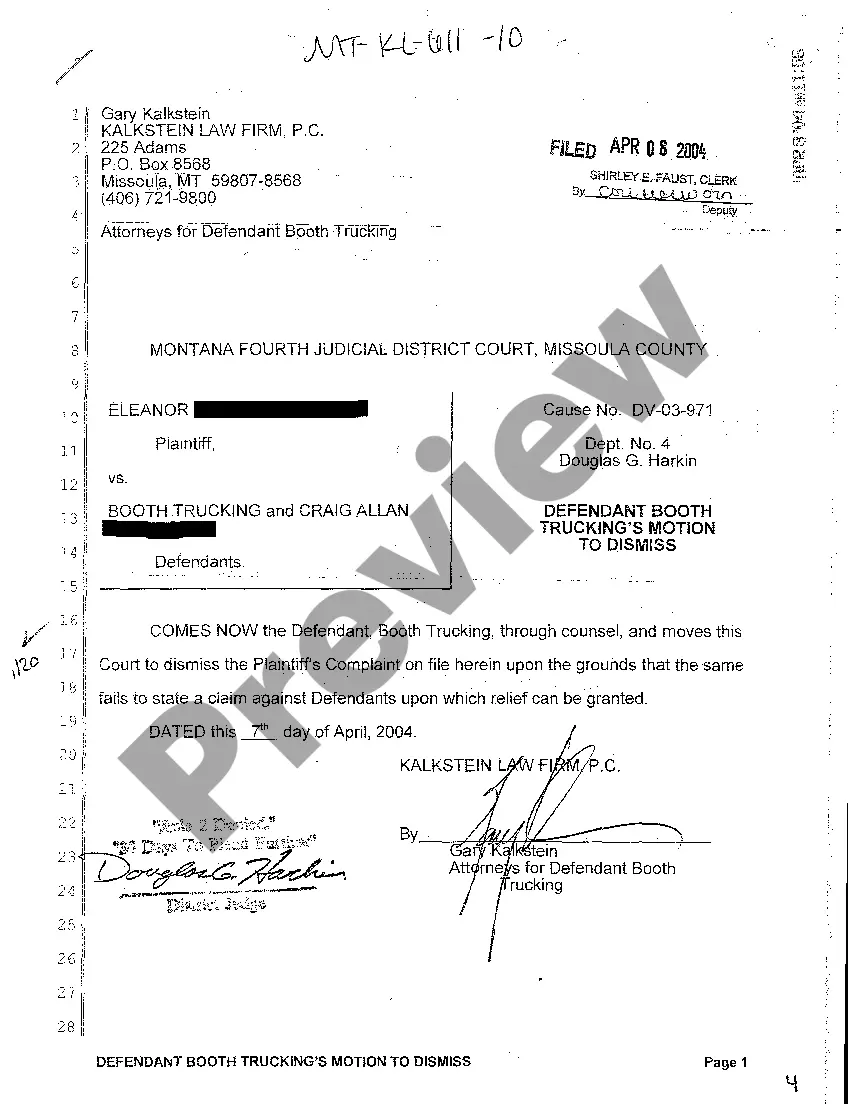
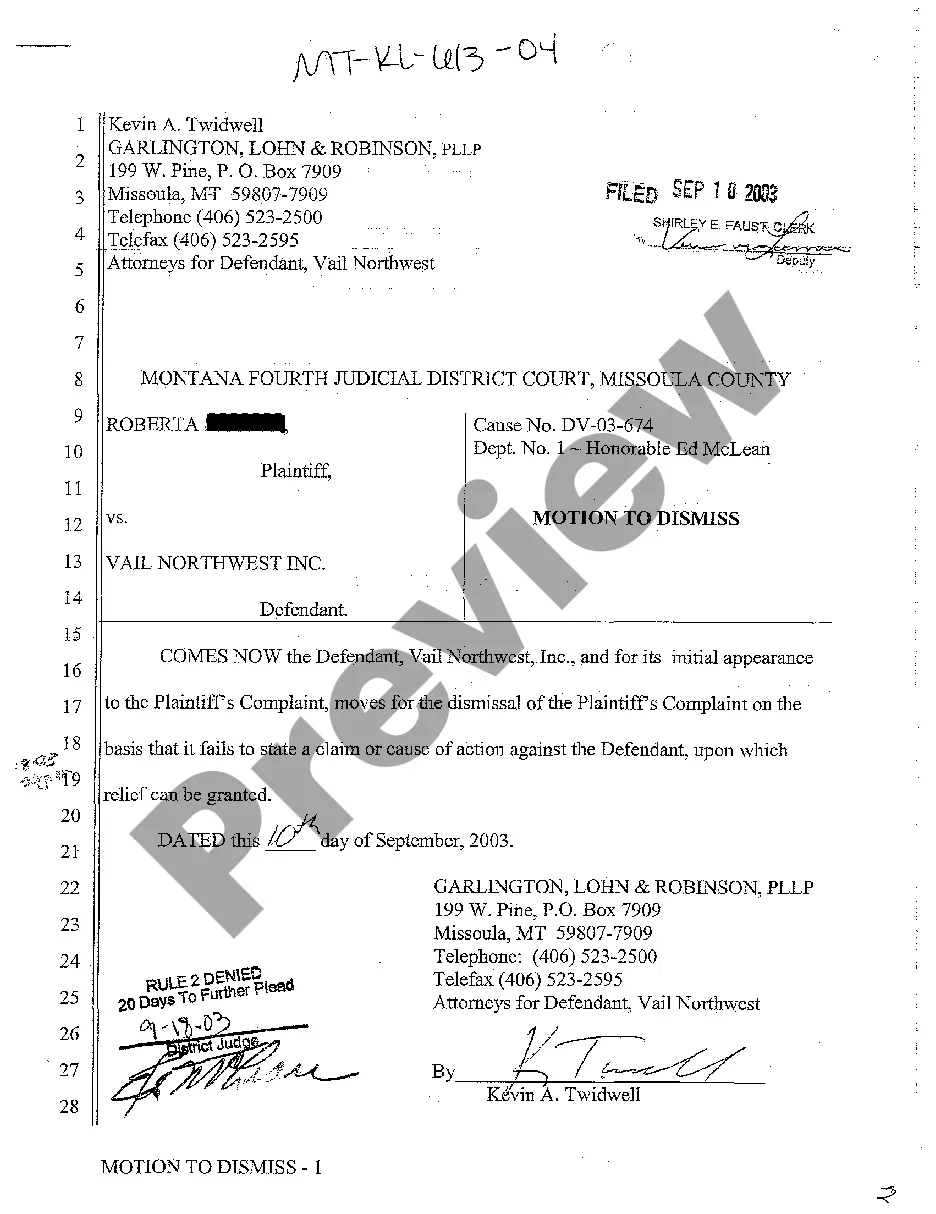
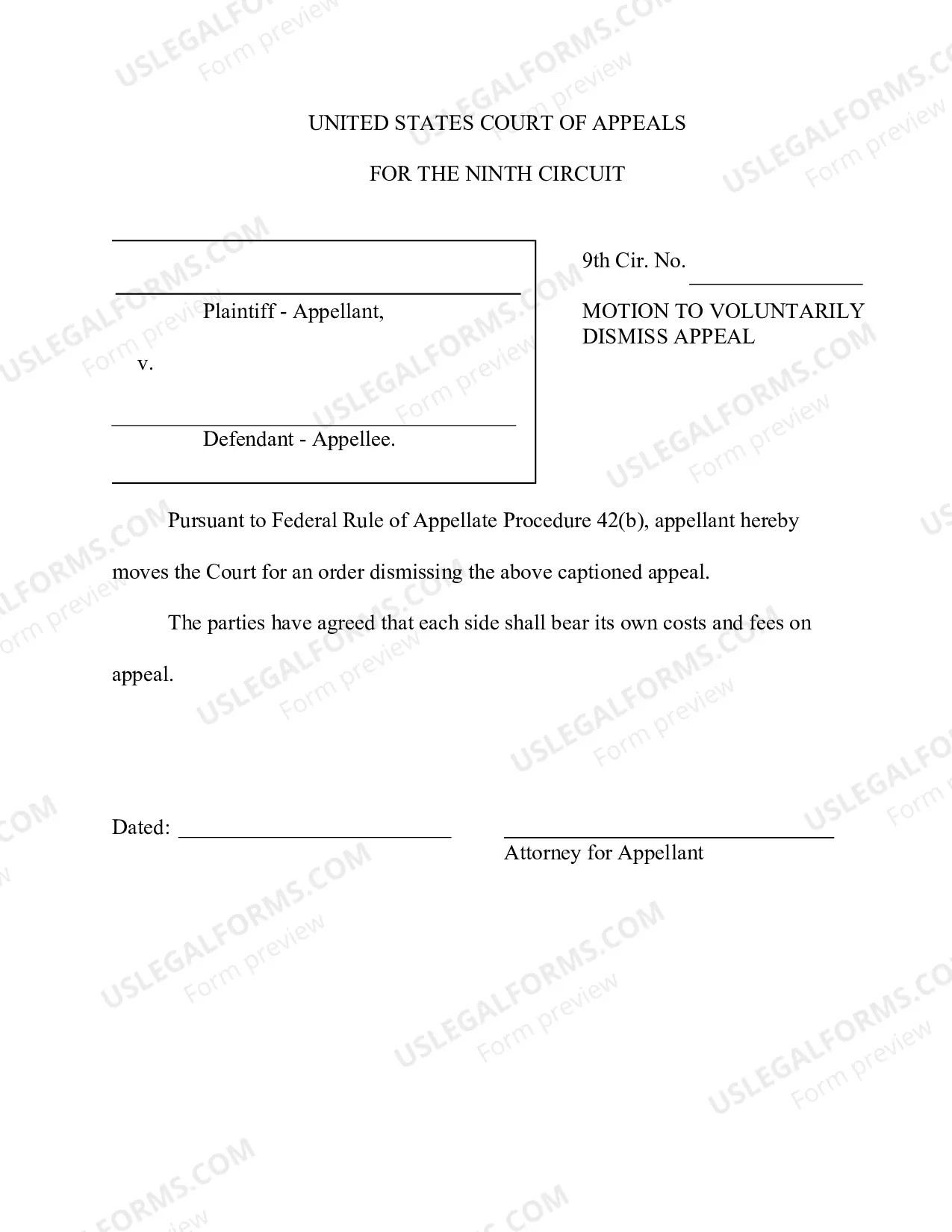
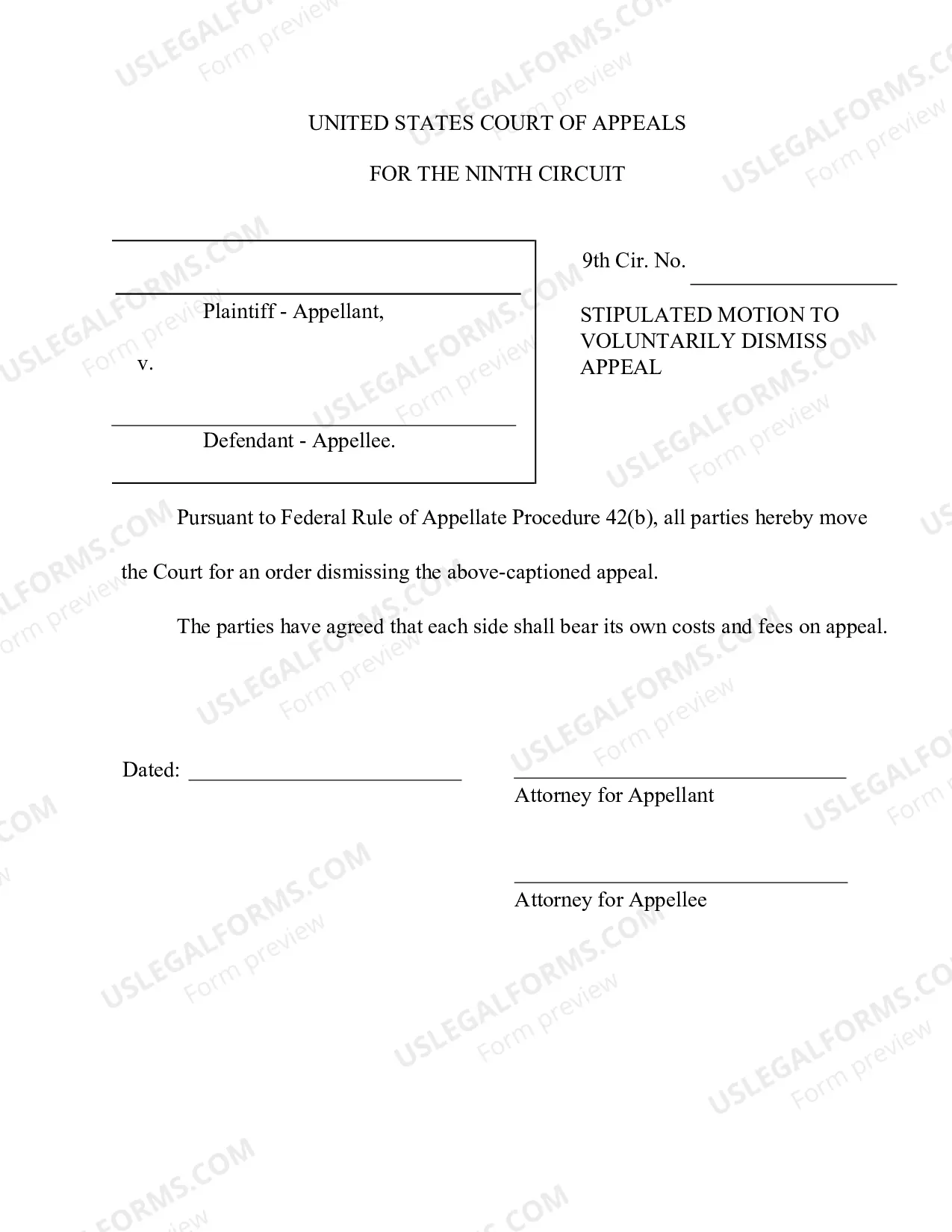



How to fill out Montana Motion To Dismiss?
Acquire a printable Montana Motion to Dismiss with just a few clicks in the largest collection of legal e-forms.
Discover, download, and print expertly created and certified samples on the US Legal Forms website. US Legal Forms has been the leading provider of affordable legal and tax forms for US citizens and residents online since 1997.
After you have downloaded your Montana Motion to Dismiss, you can complete it in any online editor or print it out and fill it in manually. Utilize US Legal Forms to access 85,000 professionally drafted, state-specific documents.
- Clients who have a subscription must Log In directly to their US Legal Forms account to access the Montana Motion to Dismiss, which can be found in the My documents section.
- Clients without a subscription should follow these steps.
- Ensure your form complies with your state's regulations.
- If available, review the form’s description for additional information.
- If offered, examine the form to find out more details.
- Once you are certain the form suits your needs, simply click Buy Now.
- Create a personal account.
- Select a subscription plan.
- Make payment through PayPal or credit card.
- Download the form in Word or PDF format.
Form popularity
FAQ
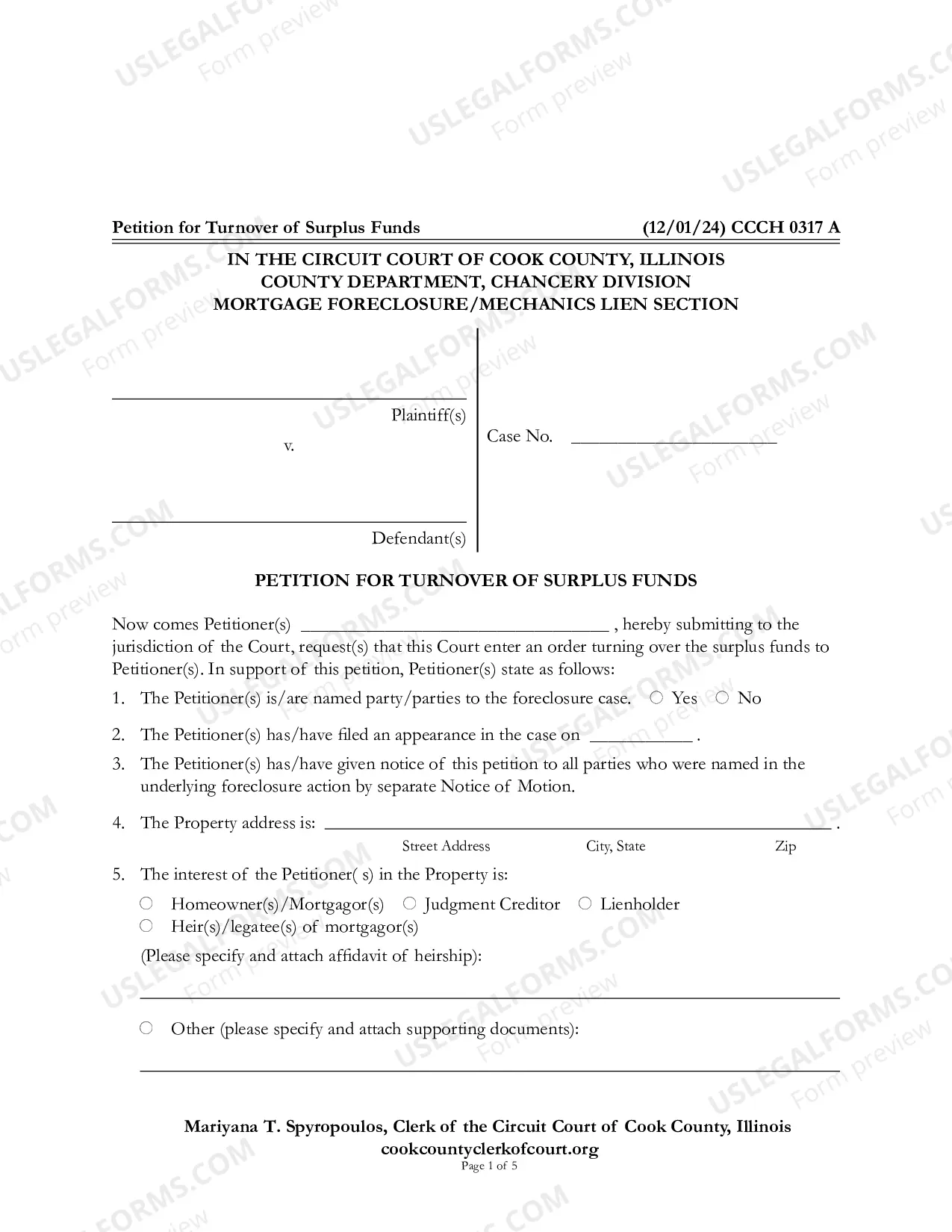
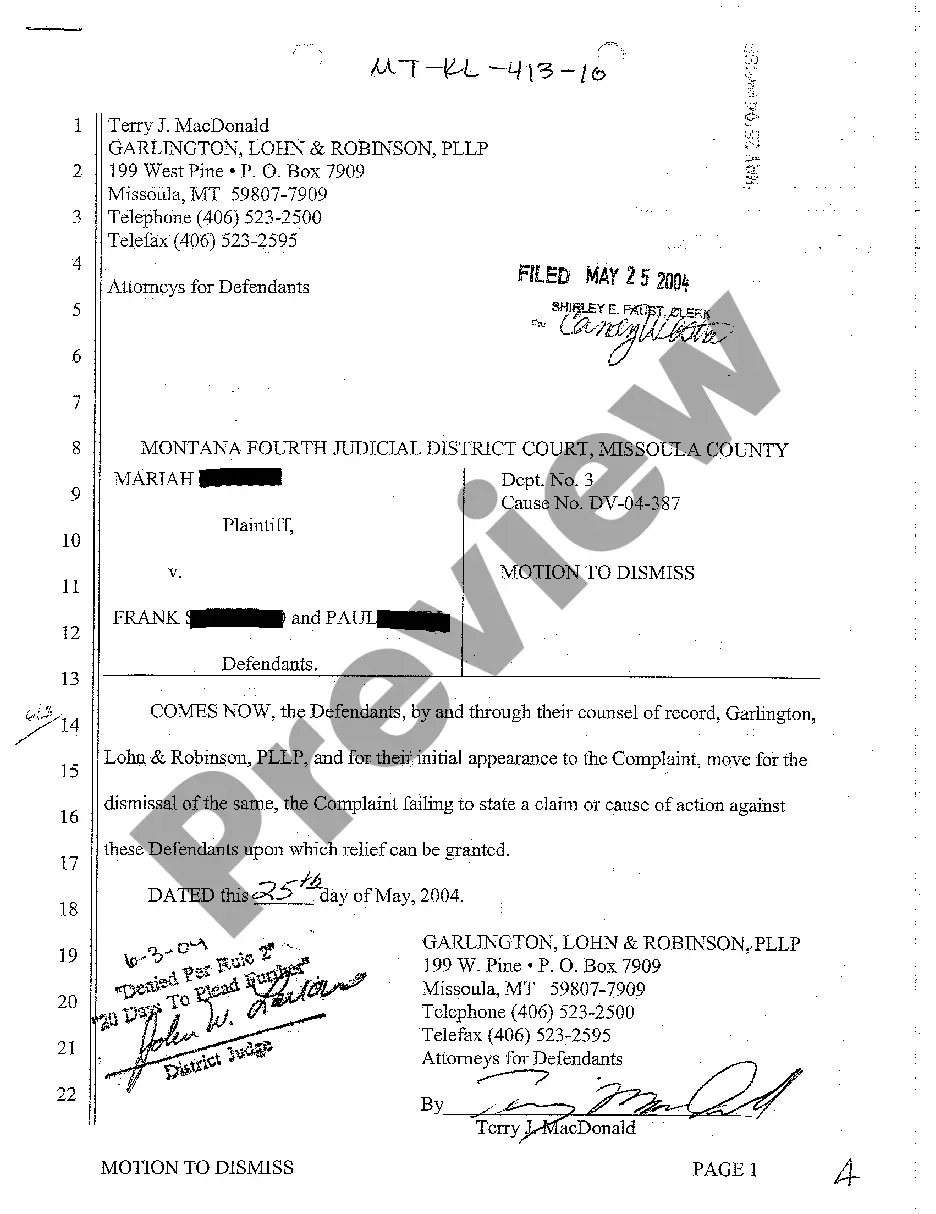
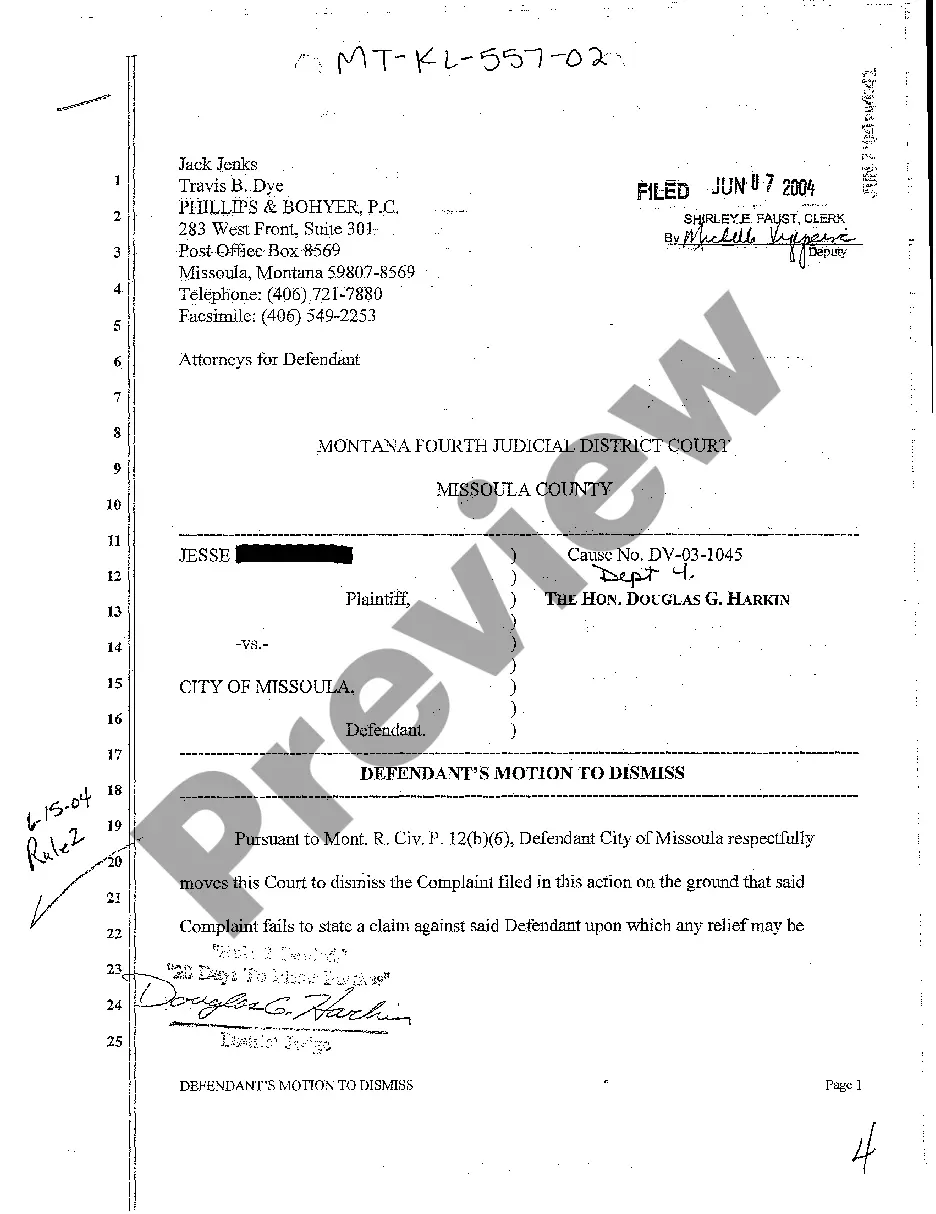
A motion to dismiss or motion for dismissal is a motion made in a civil case, where one party asks the court to dismiss or throw out the case without reviewing all of the facts and legal arguments of the case.
When a defendant files a motion to dismiss, he asks the Court to throw out all or part of the plaintiff's case.The parties (well, their lawyers) will come to court, explain their positions on the motion to dismiss, and answer any questions posed by the judge. Finally, the judge will decide to grant or deny the motion.
Each court has different rules about how long you have to respond to this motion, but usually you will have at least two or three weeks to file an opposition to the defendant's motion to dismiss.
Defendants may move to dismiss some or all claims but can only make one motion to dismiss, asserting all defenses (other than those in FRCP 8(c)) that were available when the motion was made (FRCP 12(g)).