Mississippi Motion to Dismiss or Transfer
About this form
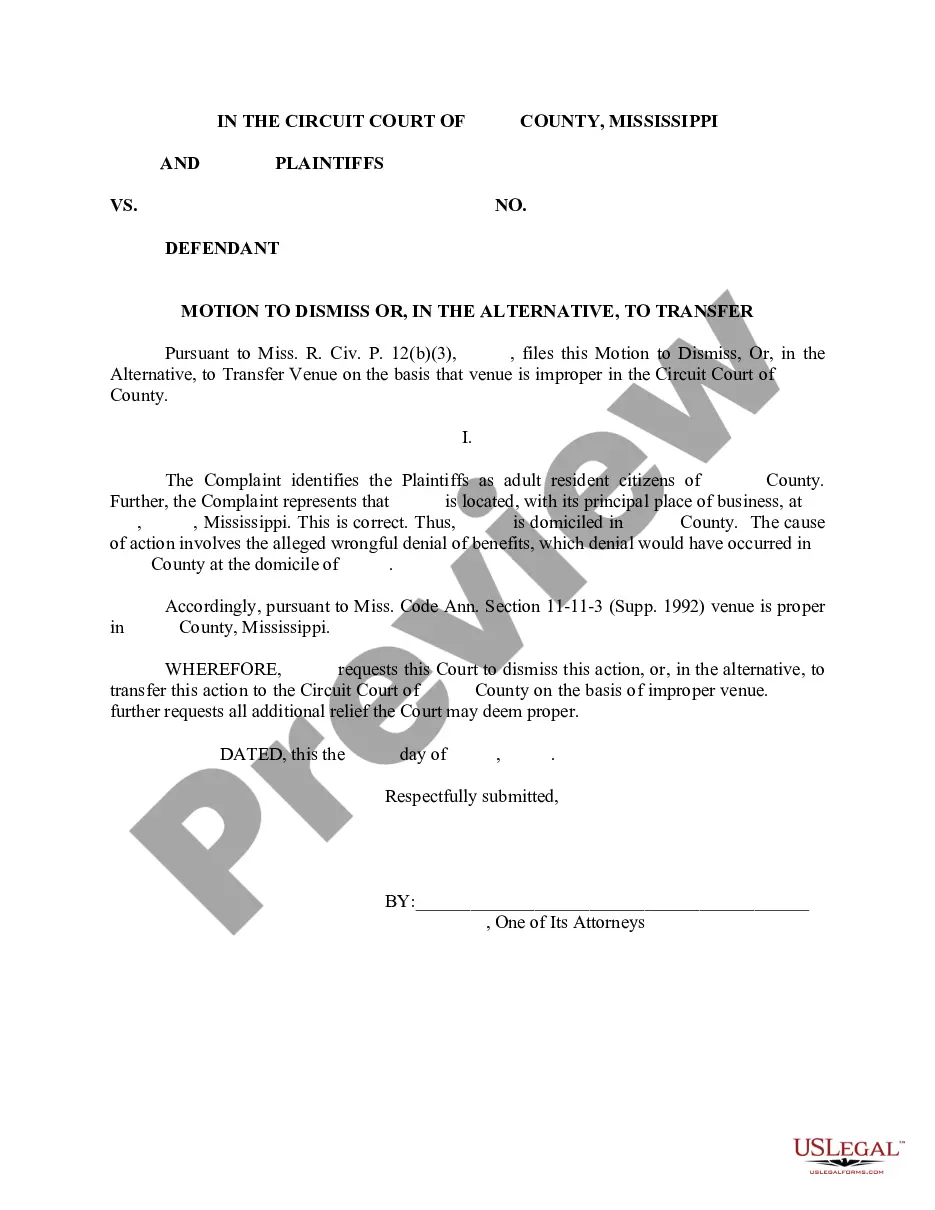
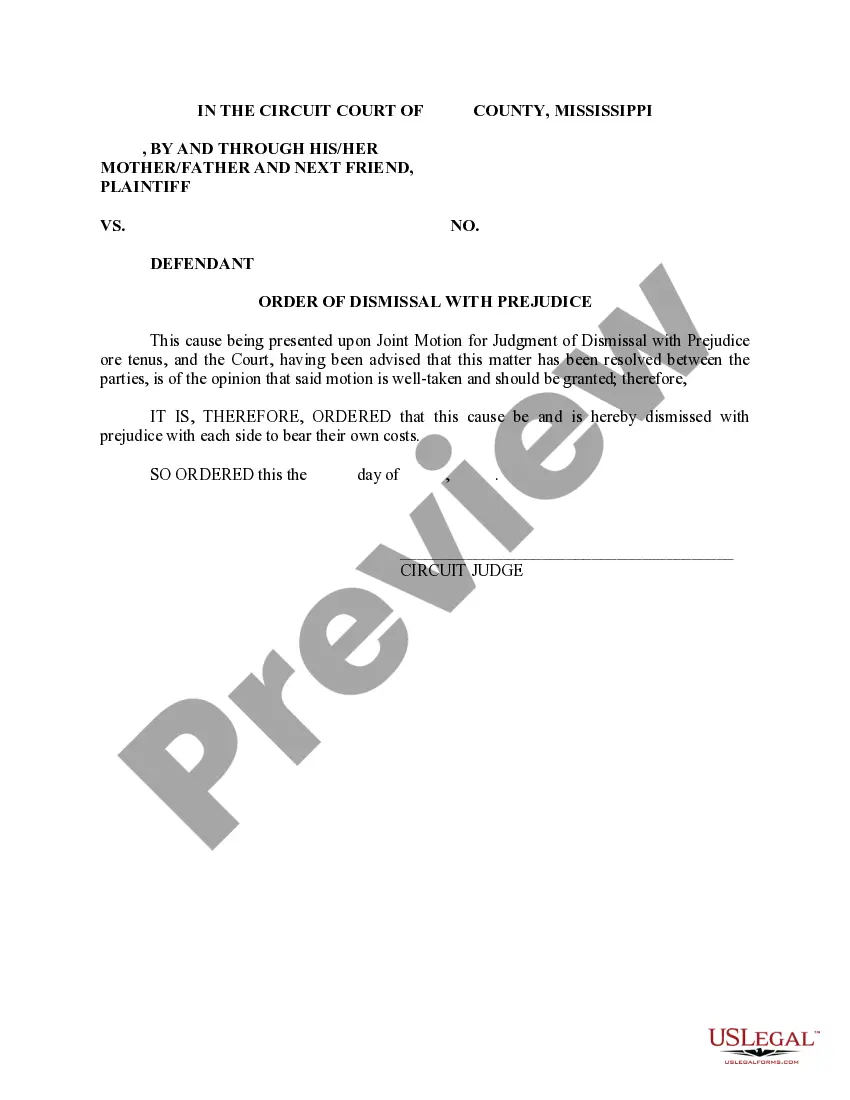
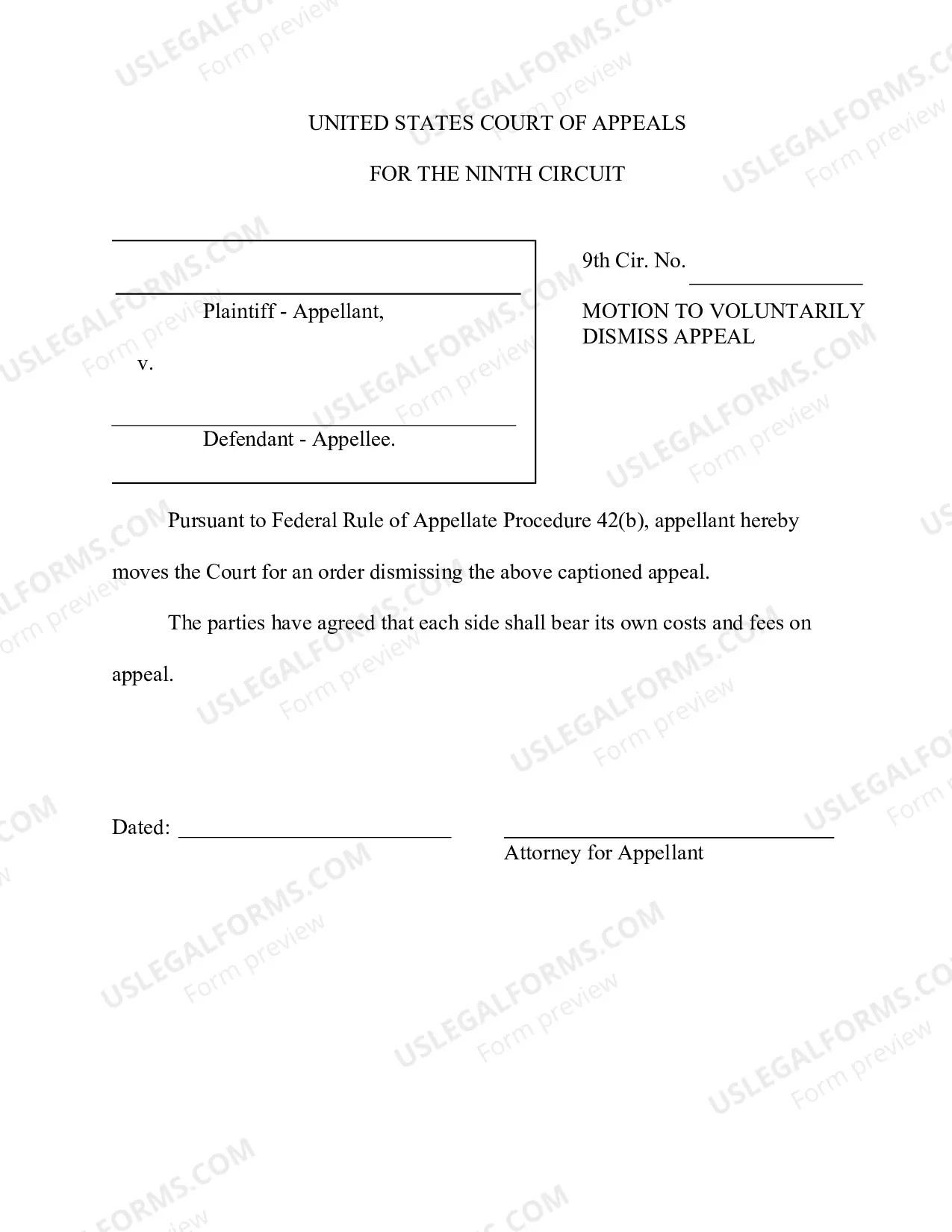
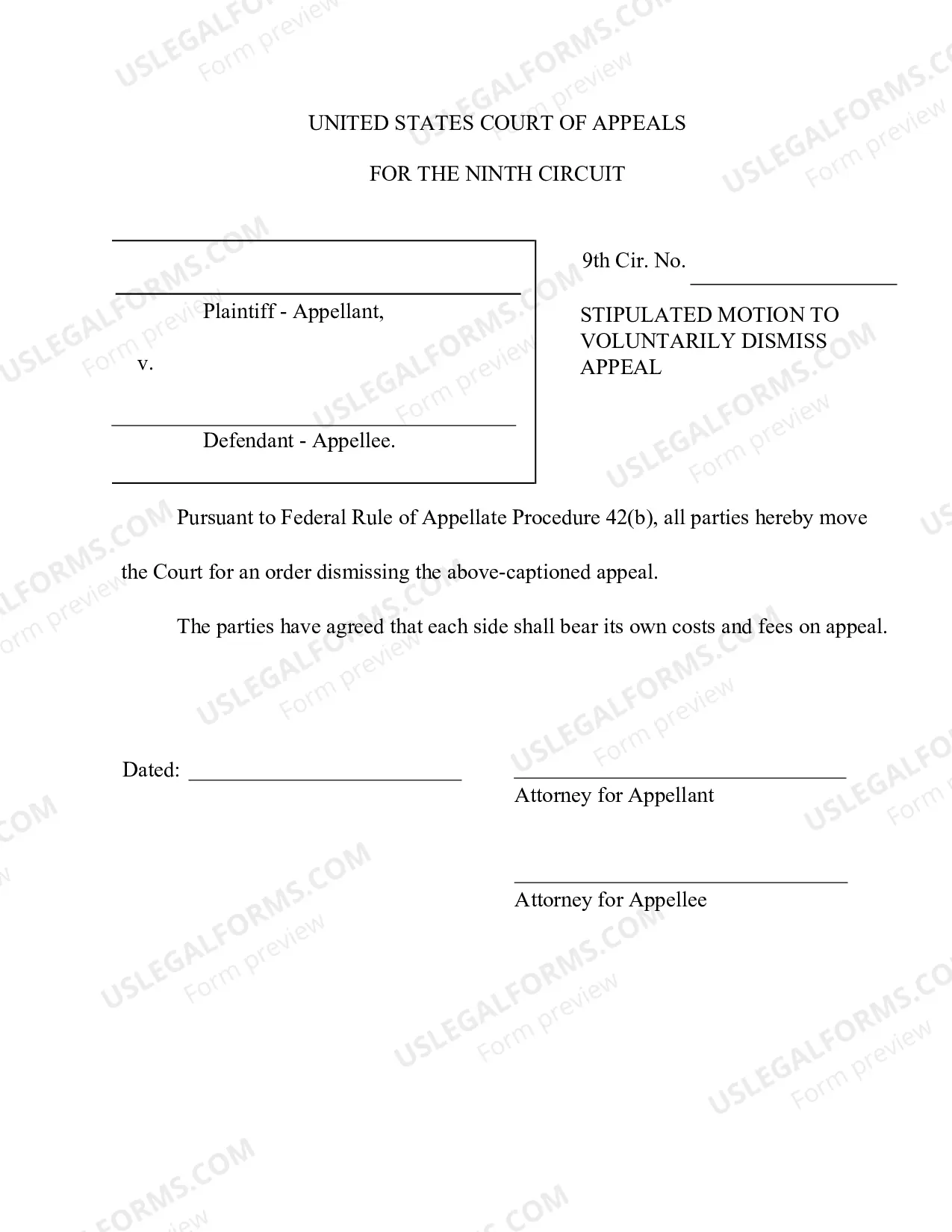
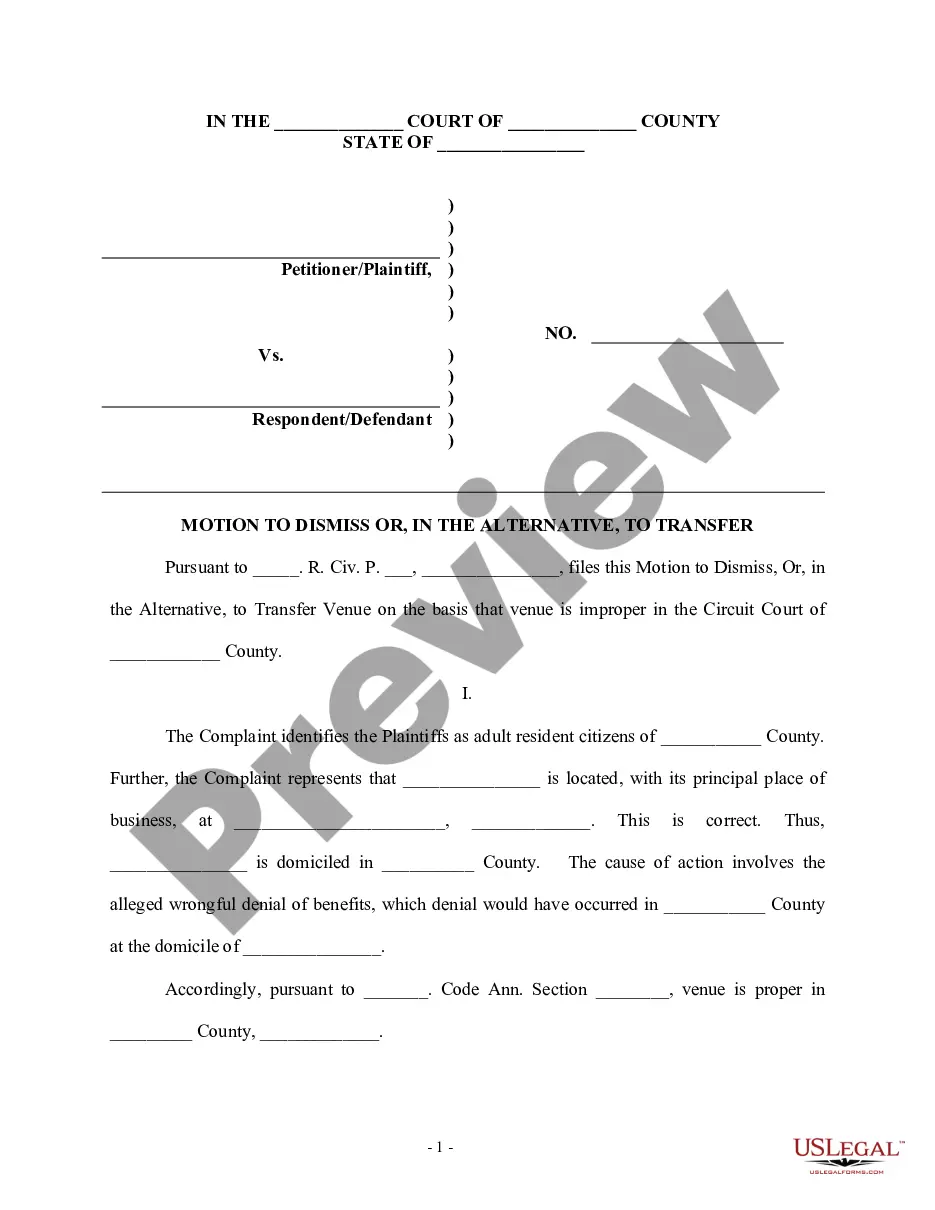
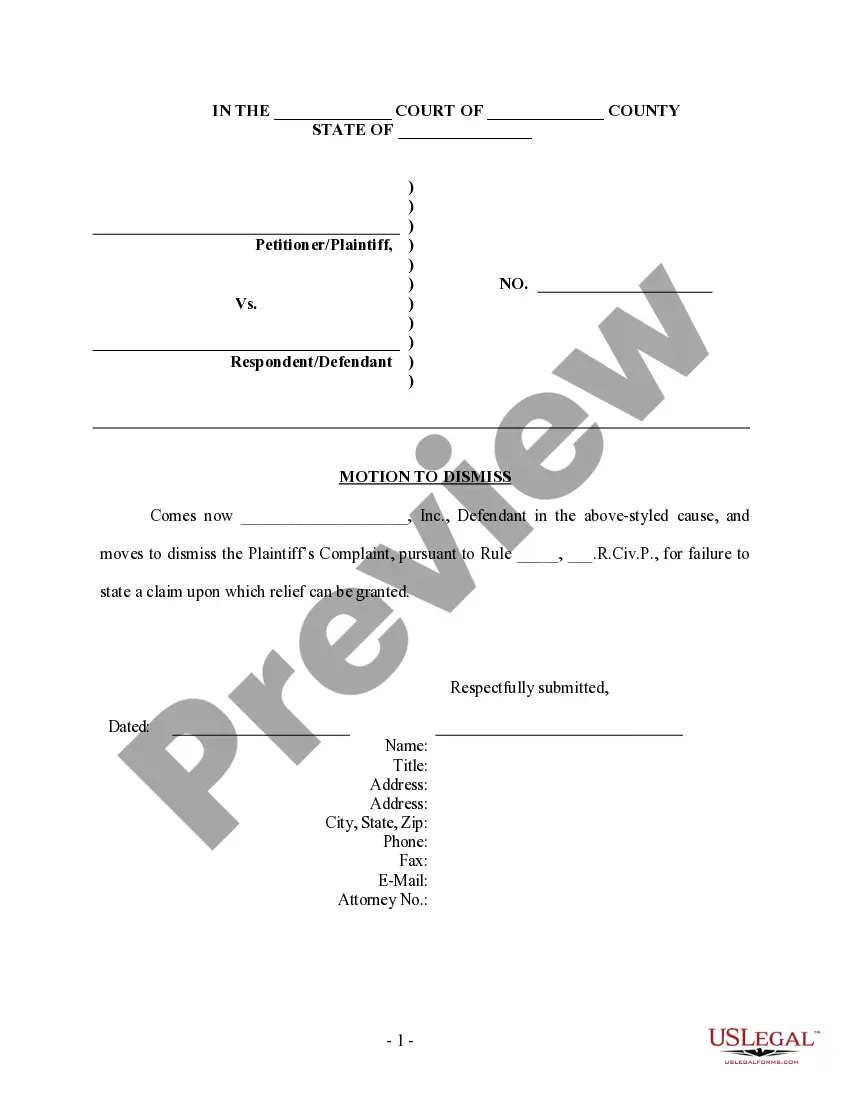
A Motion to Dismiss or Transfer is a legal document that requests a court to take a specific action regarding a case. It serves to either dismiss a case for legal reasons or transfer it to another court that may have jurisdiction. This form is essential for individuals looking to formally request the cessation of a case or to seek a change in venue, distinguishing it from other types of motions that may not involve these specific outcomes.
Key parts of this document
- Title of the motion: clearly indicates the request being made.
- Case information: includes the names of the parties involved and the case number.
- Reason for the dismissal or transfer: outlines the legal basis for the request.
- Signature line: where the requesting party should sign.
- Date of submission: indicates when the motion is being filed with the court.

Situations where this form applies
This form is useful in scenarios where a party involved in a legal proceeding believes that the case should not continue for specific legal reasons, or when they believe that it should be heard in a different jurisdiction. Common situations include a lack of jurisdiction by the current court, procedural issues, or substantive legal arguments justifying dismissal.
Intended users of this form
- Individuals or parties who are involved in a legal case.
- Attorneys representing clients who need to file a motion related to a case.
- People seeking to assert their rights in a court proceeding where they believe the case should not continue.
Completing this form step by step
- Identify the parties involved in the case and include their details at the top of the form.
- State the specific grounds for the motion to dismiss or transfer, clearly articulating your legal arguments.
- Include the case number and jurisdiction details to ensure proper filing.
- Review the form for accuracy and completeness before signing.
- File the completed motion with the appropriate court and ensure proper service to all parties involved.
Notarization guidance
This form usually doesn’t need to be notarized. However, local laws or specific transactions may require it. Our online notarization service, powered by Notarize, lets you complete it remotely through a secure video session, available 24/7.
Get your form ready online
Our built-in tools help you complete, sign, share, and store your documents in one place.
Make edits, fill in missing information, and update formatting in US Legal Forms—just like you would in MS Word.
Download a copy, print it, send it by email, or mail it via USPS—whatever works best for your next step.
Sign and collect signatures with our SignNow integration. Send to multiple recipients, set reminders, and more. Go Premium to unlock E-Sign.
If this form requires notarization, complete it online through a secure video call—no need to meet a notary in person or wait for an appointment.
We protect your documents and personal data by following strict security and privacy standards.

Make edits, fill in missing information, and update formatting in US Legal Forms—just like you would in MS Word.

Download a copy, print it, send it by email, or mail it via USPS—whatever works best for your next step.

Sign and collect signatures with our SignNow integration. Send to multiple recipients, set reminders, and more. Go Premium to unlock E-Sign.

If this form requires notarization, complete it online through a secure video call—no need to meet a notary in person or wait for an appointment.

We protect your documents and personal data by following strict security and privacy standards.
Typical mistakes to avoid
- Failing to properly state the grounds for dismissal or transfer.
- Not including the correct case number or party information.
- Missing the deadline for filing the motion.
- Neglecting to serve copies of the motion to all parties involved.
Benefits of using this form online
- Convenience: download and fill out the form at your own pace.
- Editability: easily modify the template to fit your specific needs.
- Reliability: professionally drafted by licensed attorneys, ensuring legal compliance.
Looking for another form?
Form popularity
FAQ
When a defendant files a motion to dismiss, he asks the Court to throw out all or part of the plaintiff's case.The parties (well, their lawyers) will come to court, explain their positions on the motion to dismiss, and answer any questions posed by the judge. Finally, the judge will decide to grant or deny the motion.
Motions for judgment on the pleadings are governed by the same standard as a motion to dismiss for failure to state a claim under Rule 12(b)(6).Thus, counsel is able to timely respond to a lawsuit but, yet, preserve his client's rights to seek dismissal for the plaintiff's failure to state a claim.
A motion to dismiss can be filed at any time. They are usually filed by defendants early on in the lawsuit, before they have filed an answer. Often a motion to dismiss is alleging that the claim should not proceed because of an issue unrelated to the facts.
When a judge denies a defendant's motion to dismiss, the case will continue because defendant did not convince the judge to terminate the case.When students read a U.S. court decision where a judge denies a motion to dismiss, it may appear that the judge is ruling that the plaintiff won her case.
21 provides that misjoinder of parties is not ground for dismissal of an action, and that parties may be dropped or added by court order on motion of any party or of the court's own initiative at any stage in the action and on such terms as are just.
No, because "for the purposes of Rule 15(a), a Rule 12(b)(6) motion to dismiss is not a responsive pleading and thus does not itself terminate plaintiff's unconditional right to amend a complaint under Rule 15(a)." Op.
The most common type of pre-answer motion is the motion to dismiss. A pre-answer motion to dismiss may be made on any of the grounds listed in FRCP 12(b). Courts may also consider other grounds for dismissal raised in a pre-answer motion to dismiss, including immunity or failure to exhaust administrative remedies.
You cannot file a second motion dismiss. You have to raise it as an affirmative defense in your answer and present it with evidence at summary judgement or trial...
You have 14 days to respond to a motion to dismiss.