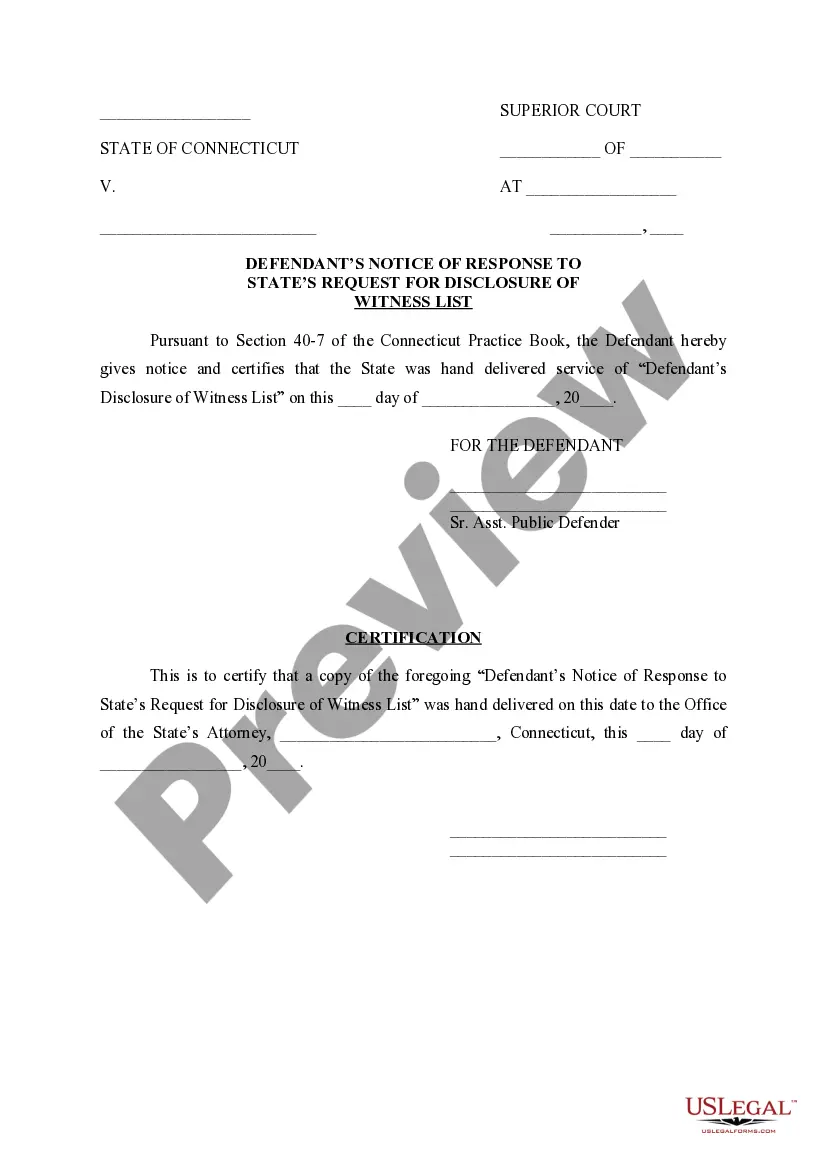
Mississippi Answer Of Defendant
Overview of this form
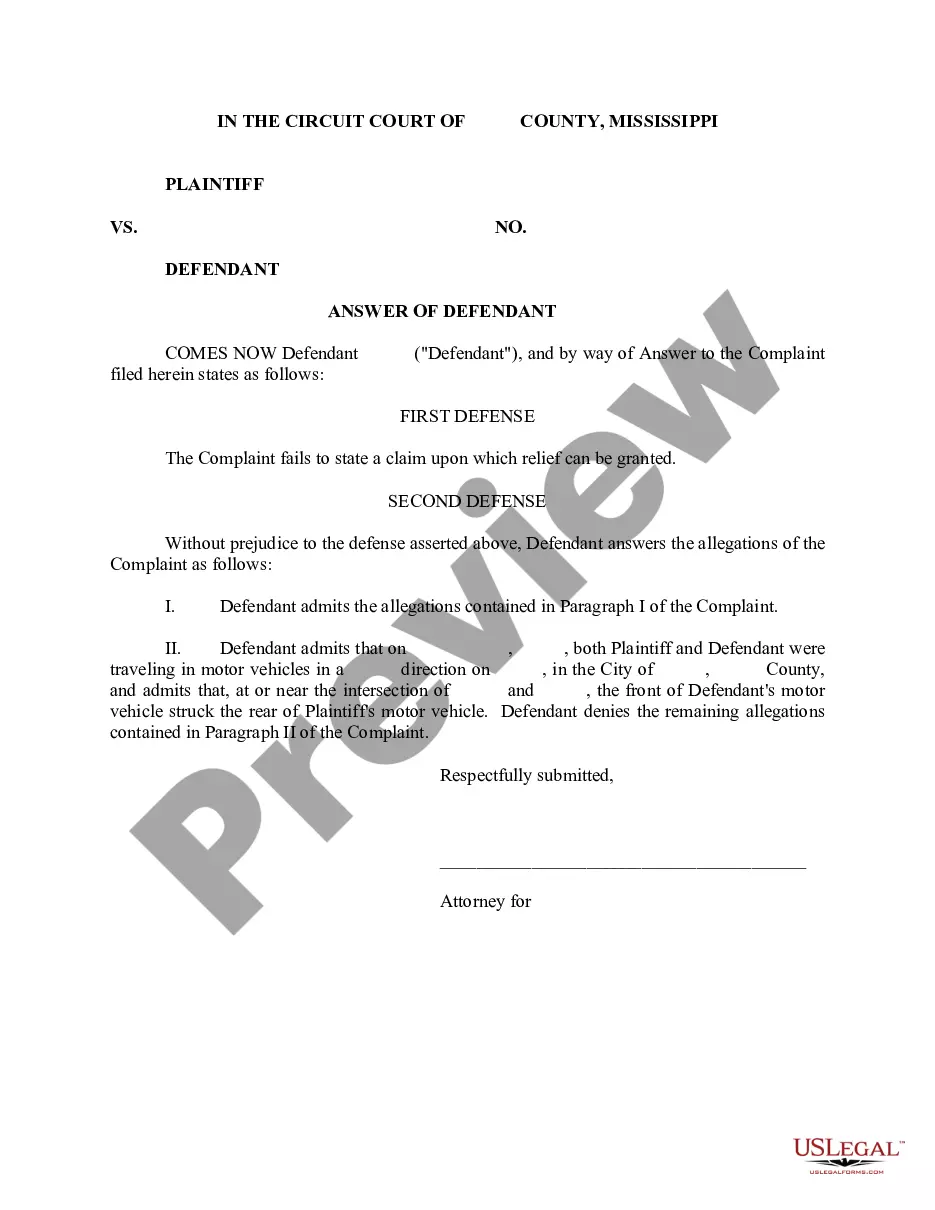
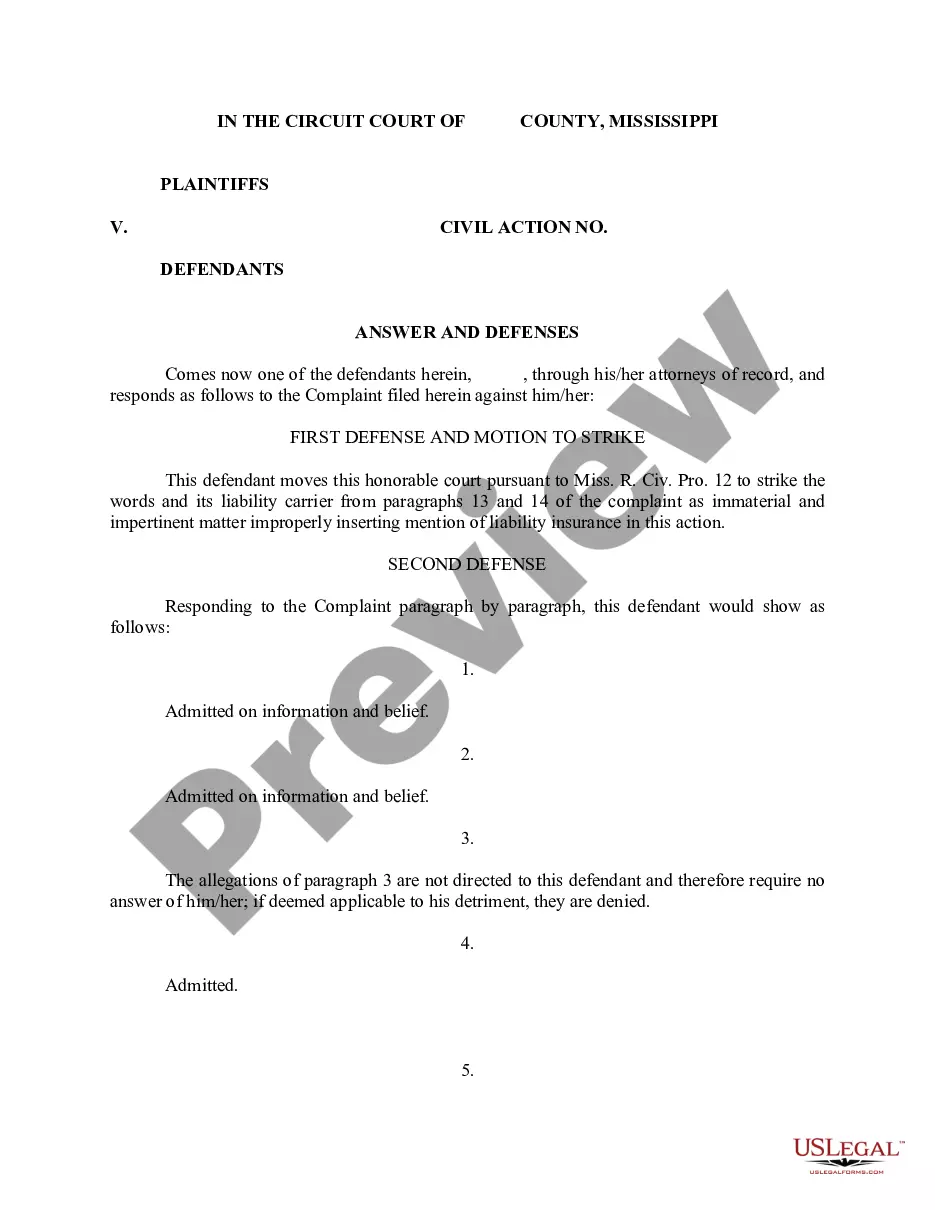
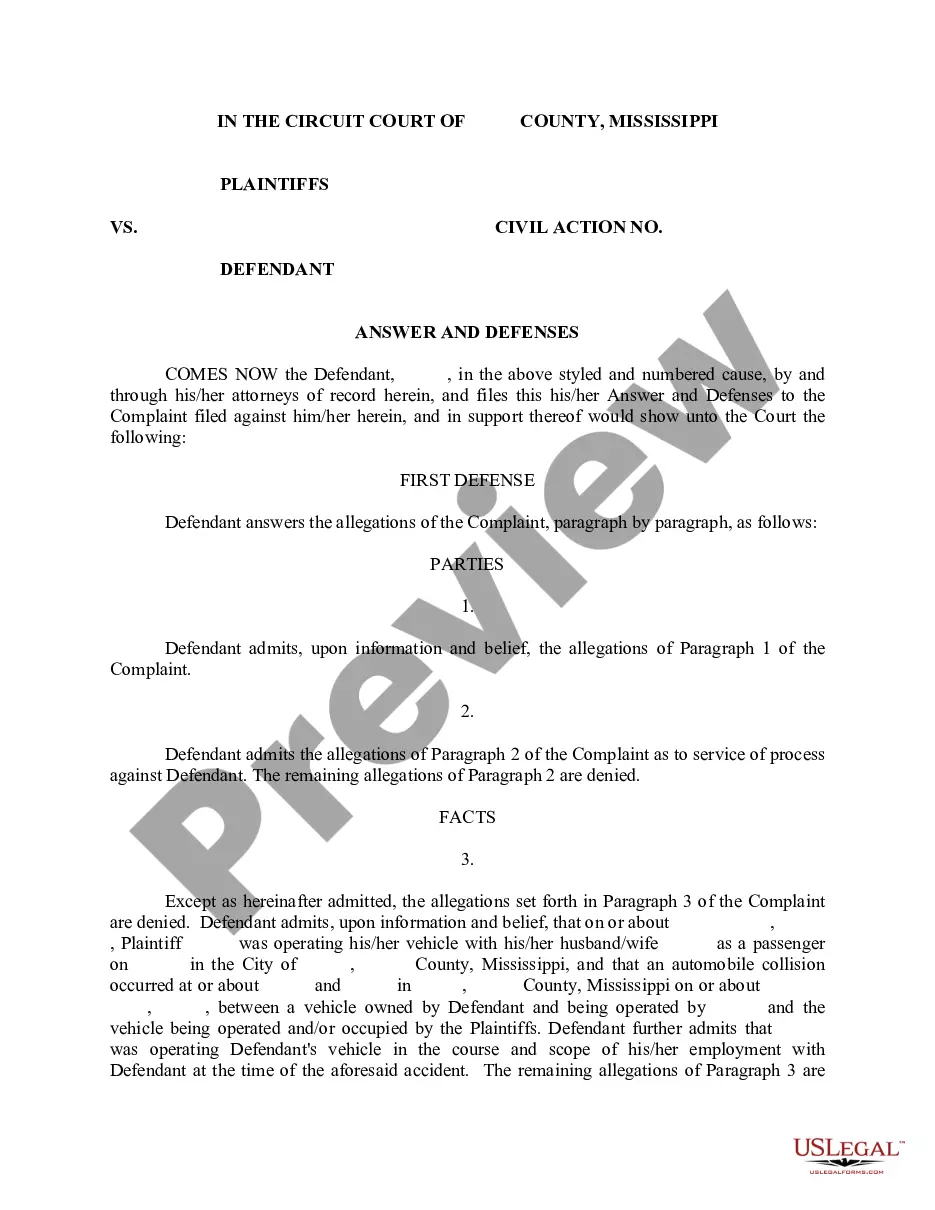
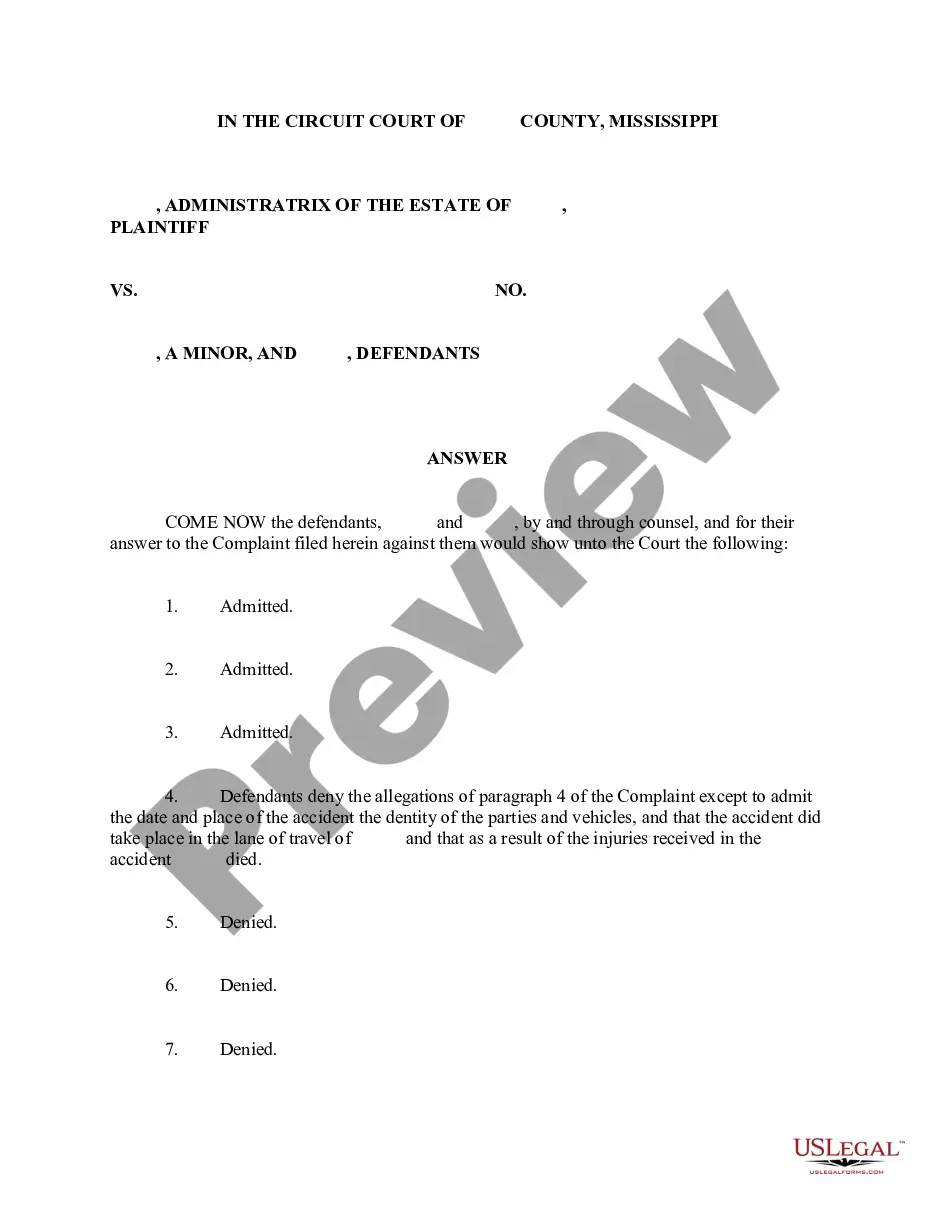
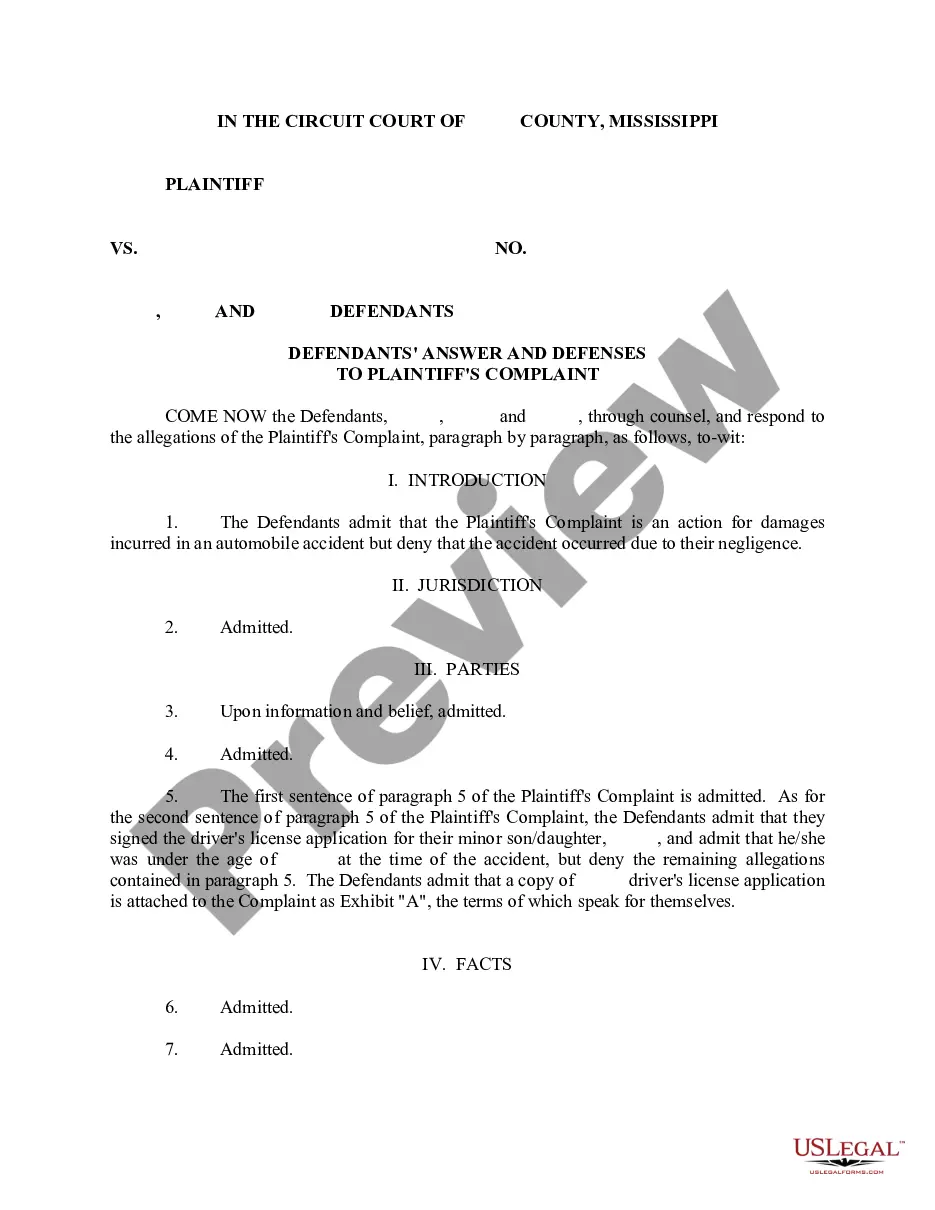
The Answer of Defendant is a legal document filed in response to a complaint that initiates a lawsuit. Specifically designed for cases involving automobile accidents, this form enables defendants to formally respond to the allegations made against them. It outlines the defendant's defenses and clarifies their position regarding the claims presented in the lawsuit, distinguishing it from other legal response forms.
Key parts of this document
- First Defense: Asserts that the complaint does not state a claim that warrants relief.
- Second Defense: Offers a preliminary response to the specific allegations made in the complaint.
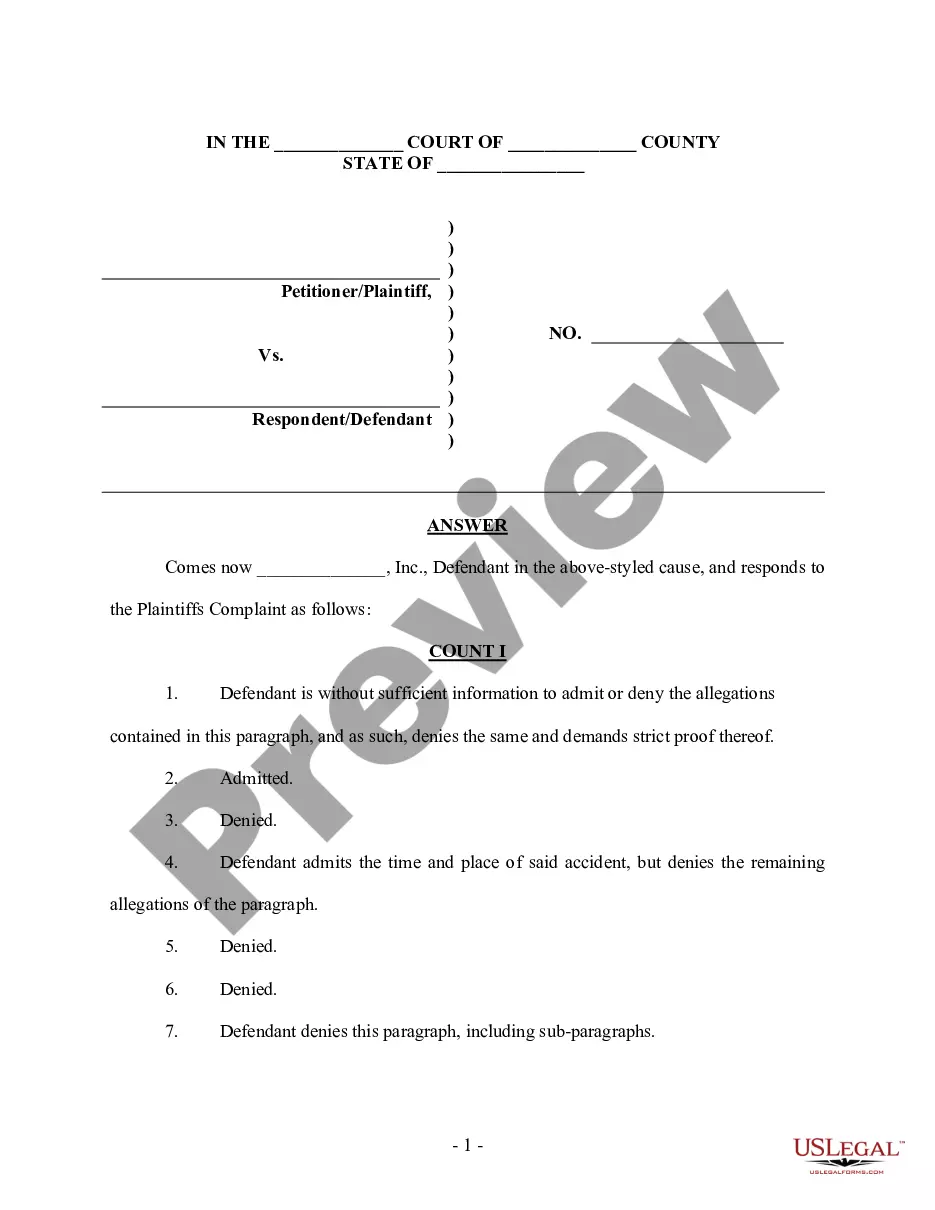
- Admission of Allegations: The defendant confirms or denies the allegations presented in each paragraph of the complaint.

Common use cases
This form is used when a defendant is responding to a complaint related to an automobile accident. It is essential in legal situations where the party accused wishes to clarify their stance, present defenses, or formally dispute the claims being made against them. Filing this form on time is crucial to protect the defendant's legal rights in the lawsuit.
Who this form is for
- Individuals or businesses that have been named as defendants in a lawsuit related to an automobile accident.
- Party representatives who need to file a legal response on behalf of the defendant.
- Anyone looking to assert defenses against the allegations in a formal legal document.
Completing this form step by step
- Identify the parties involved: Include your name and the name of the plaintiff as stated in the complaint.
- Review the allegations: Carefully read the complaint to understand the claims made against you.
- State your defenses: Clearly outline your defenses, such as the first and second defenses included in the form.
- Fill in any necessary details: Complete any fields that require specific information about the case, including relevant dates.
- Sign and date the document: Ensure you provide your signature and the date of signing, indicating your agreement to the contents.
Does this form need to be notarized?
This form does not typically require notarization unless specified by local law. Always check your jurisdiction's requirements to ensure compliance.
Get your form ready online
Our built-in tools help you complete, sign, share, and store your documents in one place.
Make edits, fill in missing information, and update formatting in US Legal Forms—just like you would in MS Word.
Download a copy, print it, send it by email, or mail it via USPS—whatever works best for your next step.
Sign and collect signatures with our SignNow integration. Send to multiple recipients, set reminders, and more. Go Premium to unlock E-Sign.
If this form requires notarization, complete it online through a secure video call—no need to meet a notary in person or wait for an appointment.
We protect your documents and personal data by following strict security and privacy standards.

Make edits, fill in missing information, and update formatting in US Legal Forms—just like you would in MS Word.

Download a copy, print it, send it by email, or mail it via USPS—whatever works best for your next step.

Sign and collect signatures with our SignNow integration. Send to multiple recipients, set reminders, and more. Go Premium to unlock E-Sign.

If this form requires notarization, complete it online through a secure video call—no need to meet a notary in person or wait for an appointment.

We protect your documents and personal data by following strict security and privacy standards.
Mistakes to watch out for
- Failing to file the response by the deadline, which could lead to default judgment.
- Not addressing all allegations in the complaint, leaving some items unresponded.
- Incorrectly filling out the form or omitting required fields, which could result in rejection.
Benefits of completing this form online
- Immediate access to a professionally drafted document tailored to automobile accident cases.
- Editable format allows you to customize your response based on the specifics of your situation.
- Convenience of downloading and filling the form at your own pace.
Looking for another form?




Form popularity
FAQ
Read the summons and make sure you know the date you must answer by. Read the complaint carefully. Write your answer. Sign and date the answer. Make copies for the plaintiff and yourself. Mail a copy to the plaintiff. File your answer with the court by the date on the summons.
Each court has different rules about how long you have to respond to this motion, but usually you will have at least two or three weeks to file an opposition to the defendant's motion to dismiss.
There is no obligation to respond to alleged affirmative defenses....they can be contested at trial or summary judgment.
The plaintiff must give you responses to your request for admissions within 30 days. You do not need to do anything if you do not get a response. The plaintiff has 30 days to deny or object to the statements.
Failure to Respond: If a defendant fails to answer the complaint or file a motion to dismiss within the time limit set forth in the summons, the defendant is in default. The plaintiff can ask the court clerk to make a note of that fact in the file, a procedure called entry of default.
A defendant may respond in an answer that admits or denies each of the plaintiff's allegations in the complaint. The answer will list defenses and counter-claims or cross-claims against the plaintiff or other defendants. The answer will state whether the defendant wants a jury trial. The case will then continue.
Current filing fees are: In district court, the fee for defendant's first filing is typically $223.00, but that might vary depending on the type of case. To verify your filing fee, click to visit Filing Fees and Waivers. In justice court, the fee for defendant's first filing is typically $71.
Read the summons and make sure you know the date you must answer by. Read the complaint carefully. Write your answer. Sign and date the answer. Make copies for the plaintiff and yourself. Mail a copy to the plaintiff. File your answer with the court by the date on the summons.
Failure to Respond: If a defendant fails to answer the complaint or file a motion to dismiss within the time limit set forth in the summons, the defendant is in default. The plaintiff can ask the court clerk to make a note of that fact in the file, a procedure called entry of default.