Mississippi Motion for Discovery of Information Necessary to Receive a Fair Trial
What this document covers
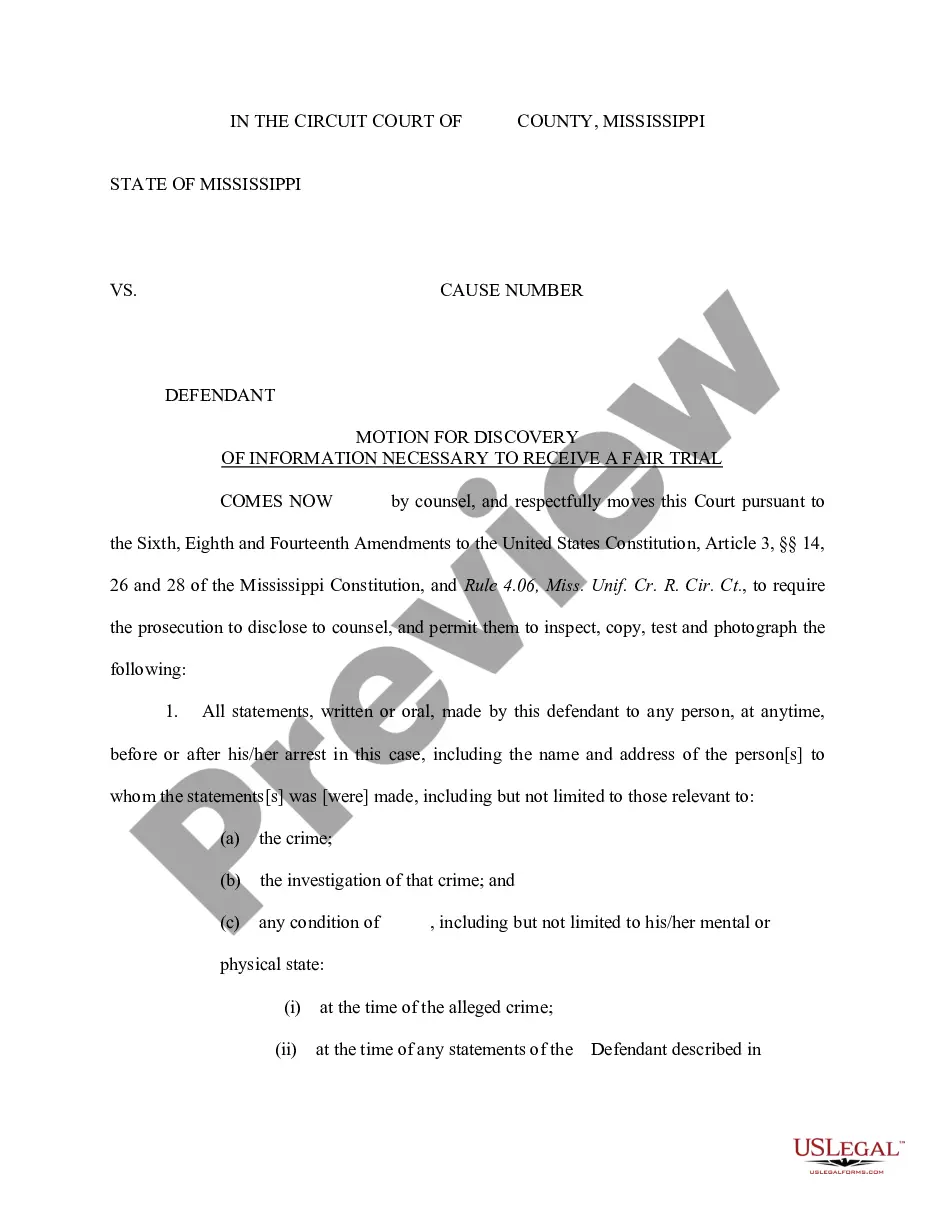
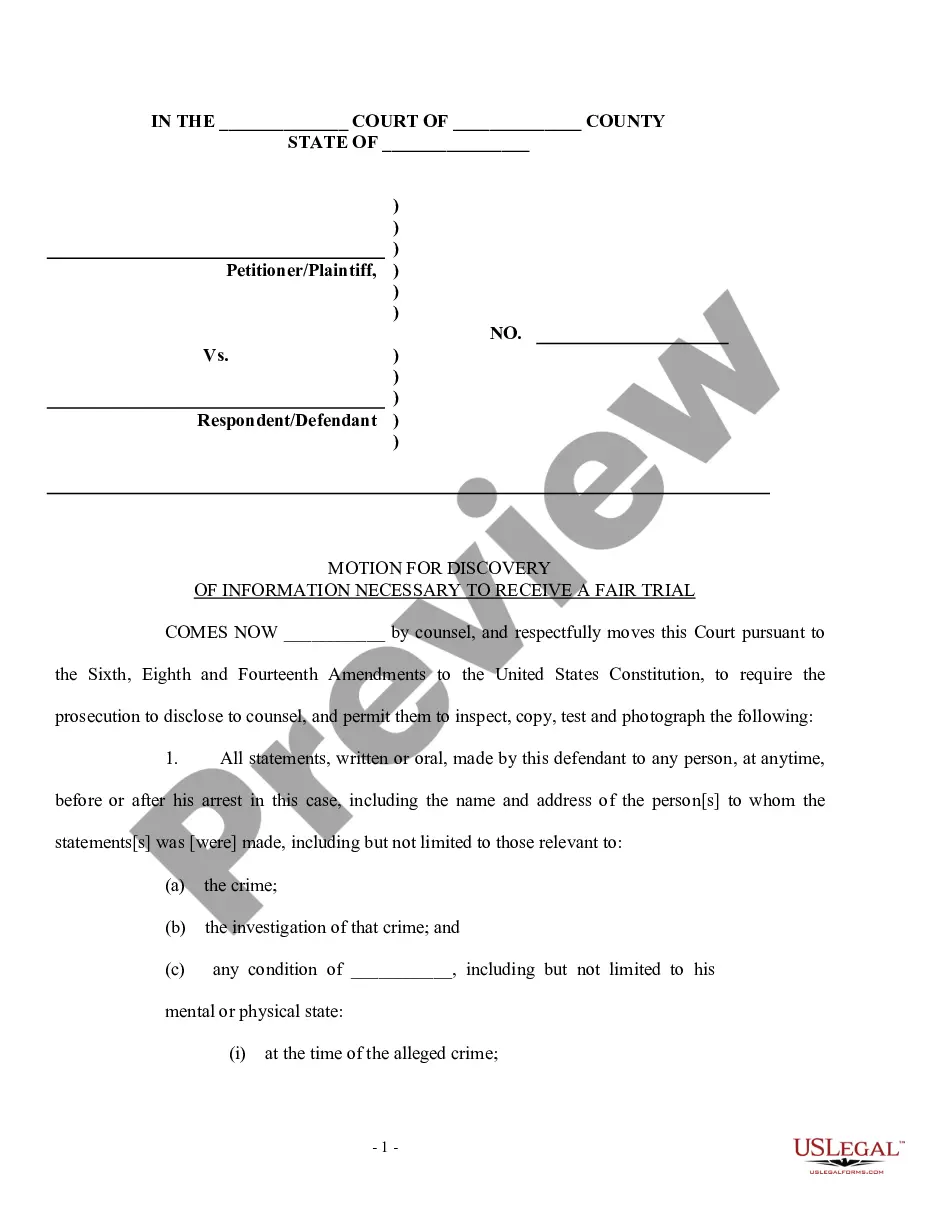
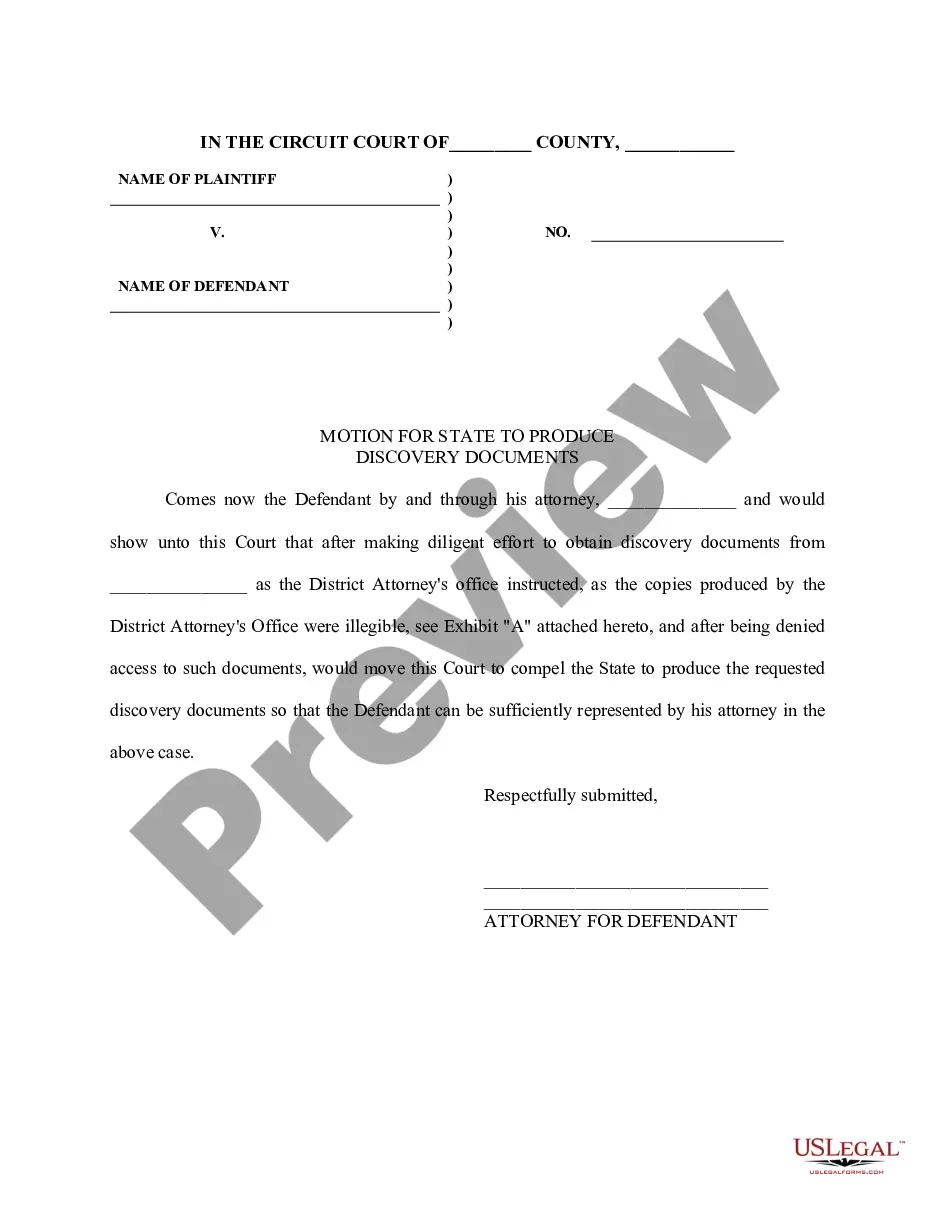
The Motion for Discovery of Information Necessary to Receive a Fair Trial is a legal document used to request essential information from the prosecution. This form aims to ensure that defendants have access to evidence that may be critical for their defense. Unlike general motion forms, this specific motion targets discovery related to fairness in trial proceedings, making it indispensable for protecting the rights of the accused.
Key parts of this document
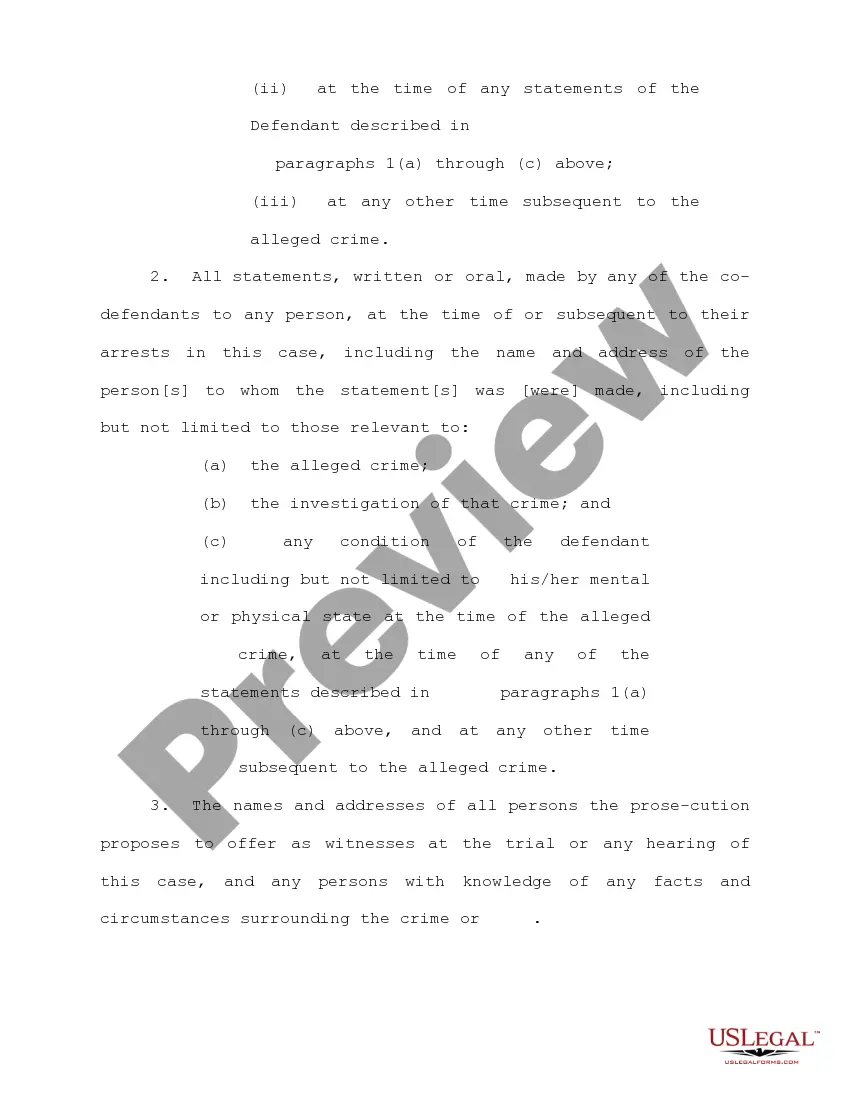
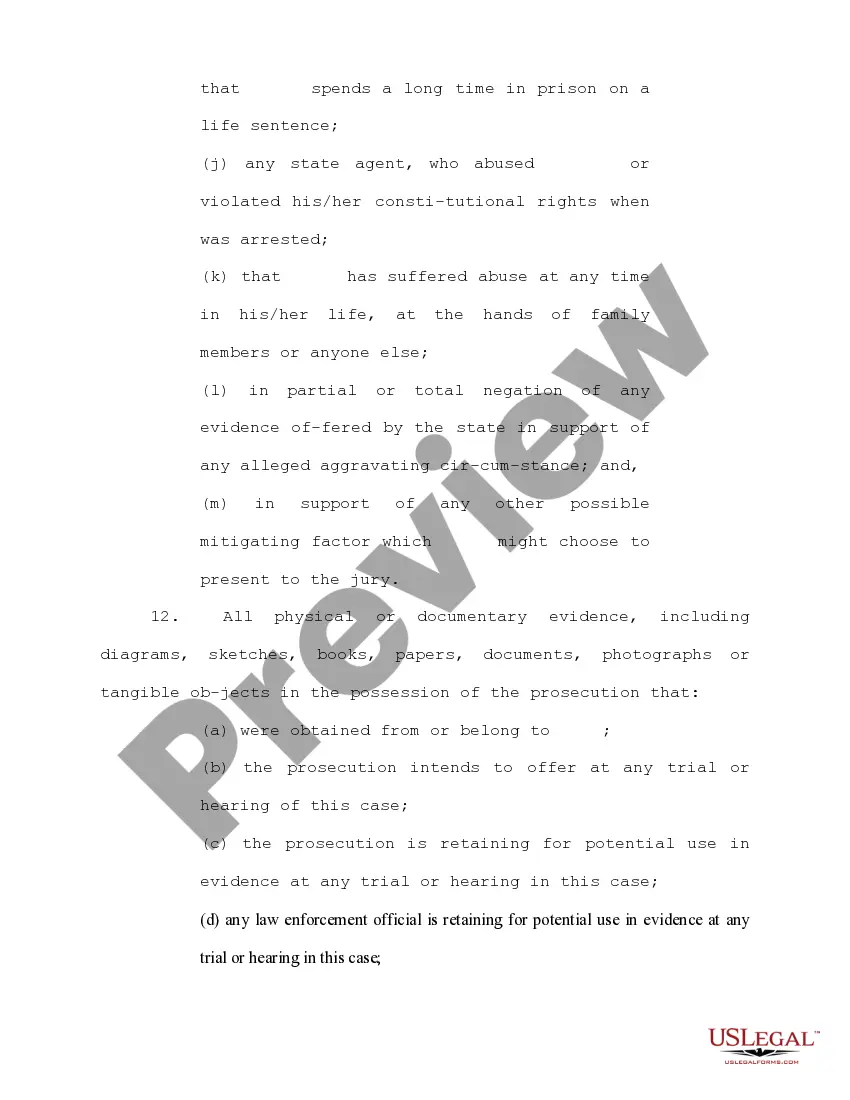
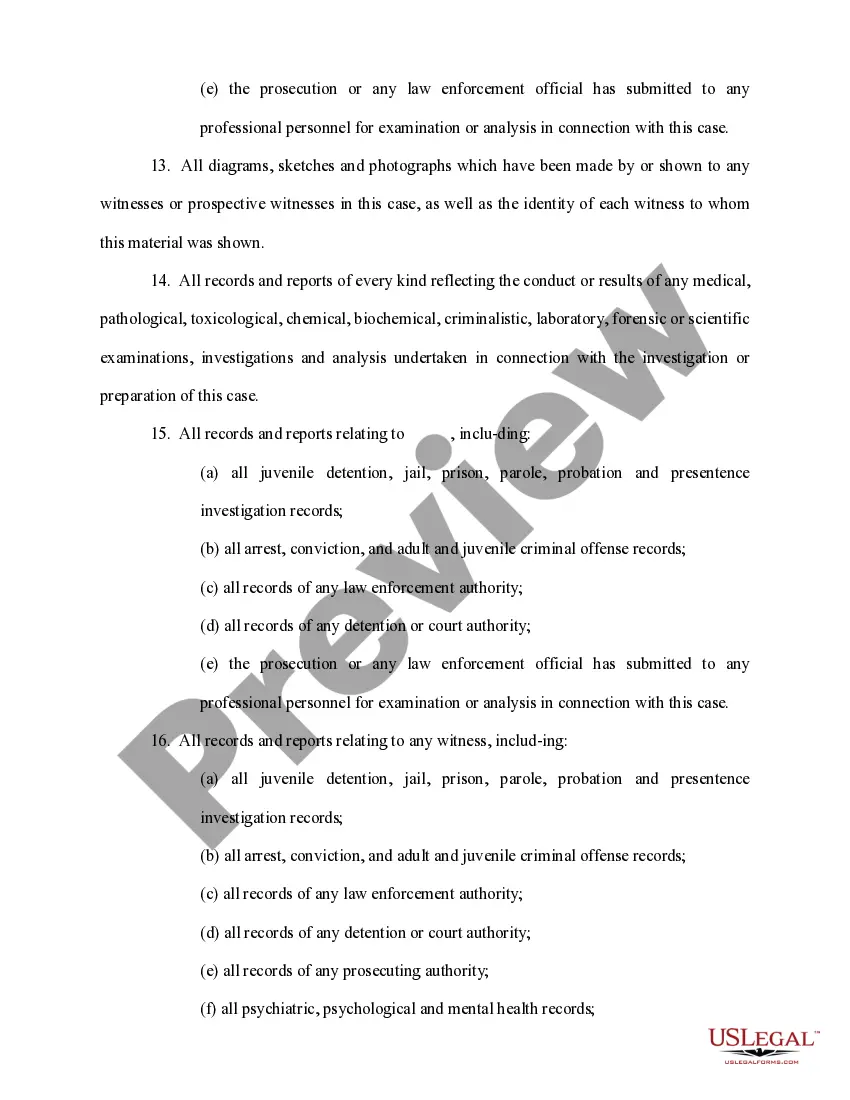
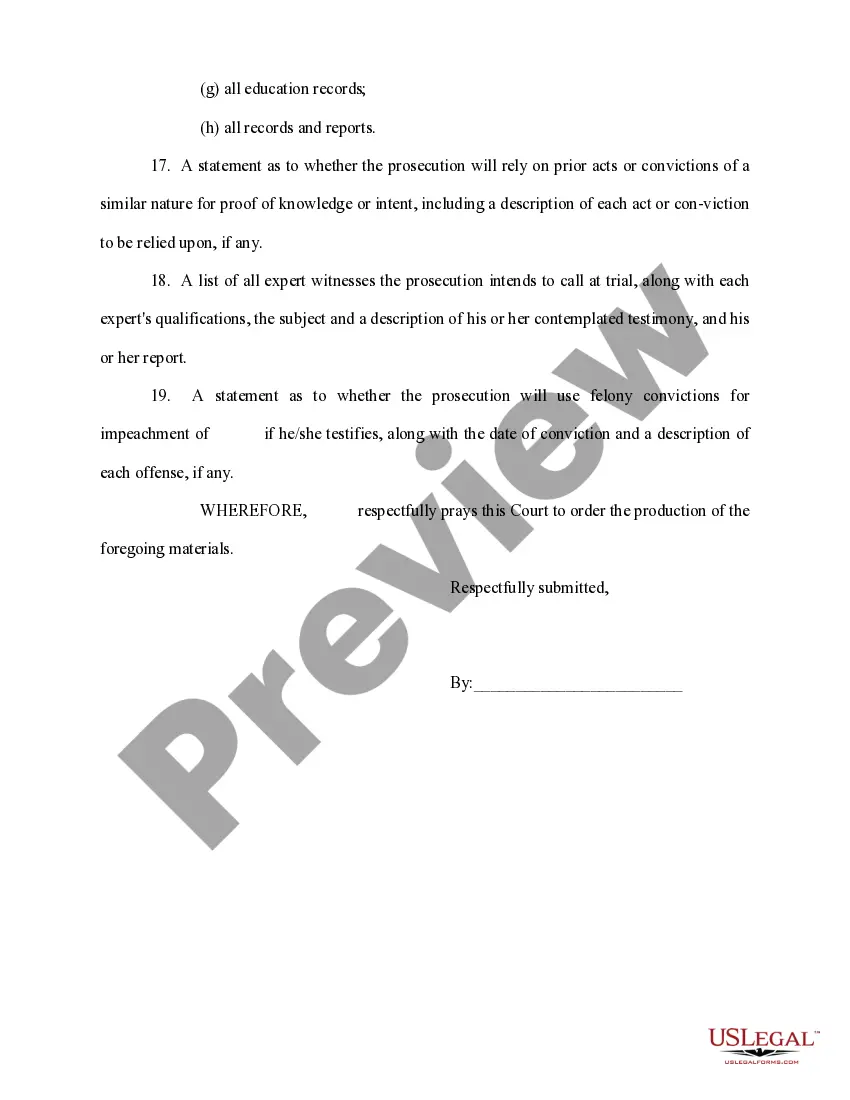
- Request for all oral and written statements made by the defendant.
- Request for statements made by co-defendants at or after their arrests.
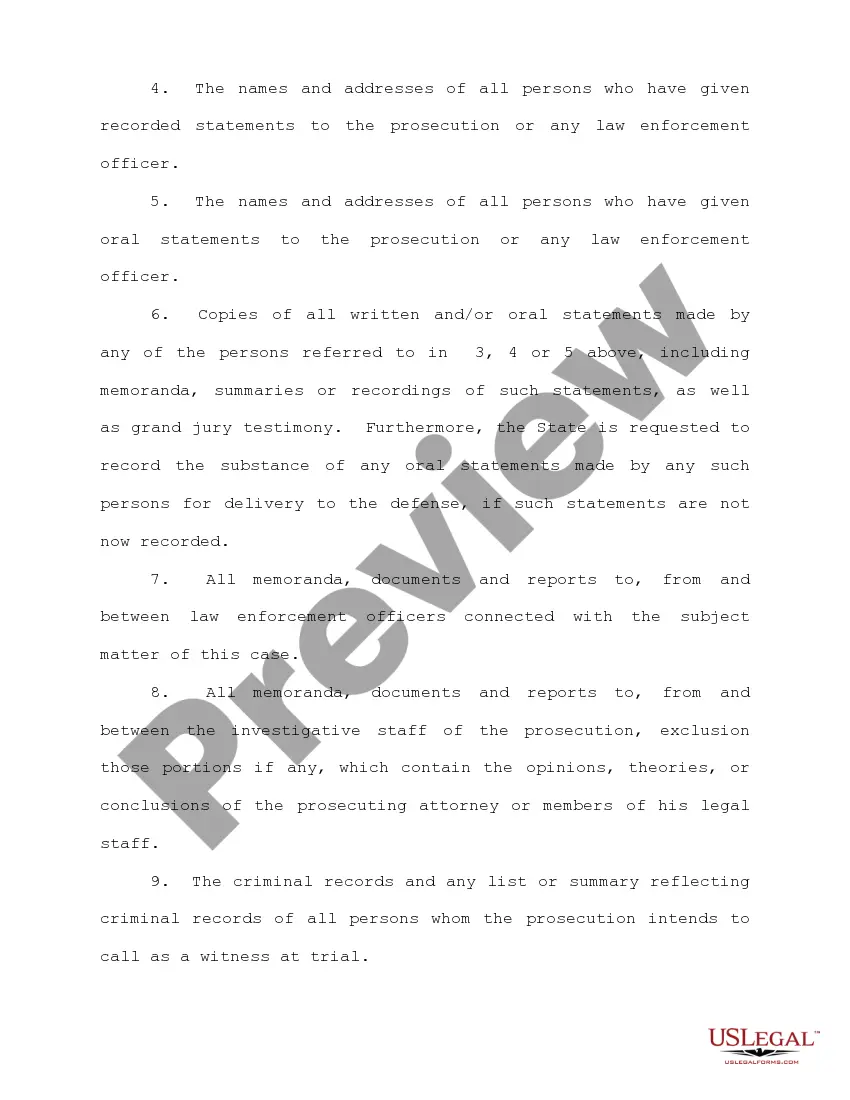
- Copies of memoranda, documents, and reports related to law enforcement actions.
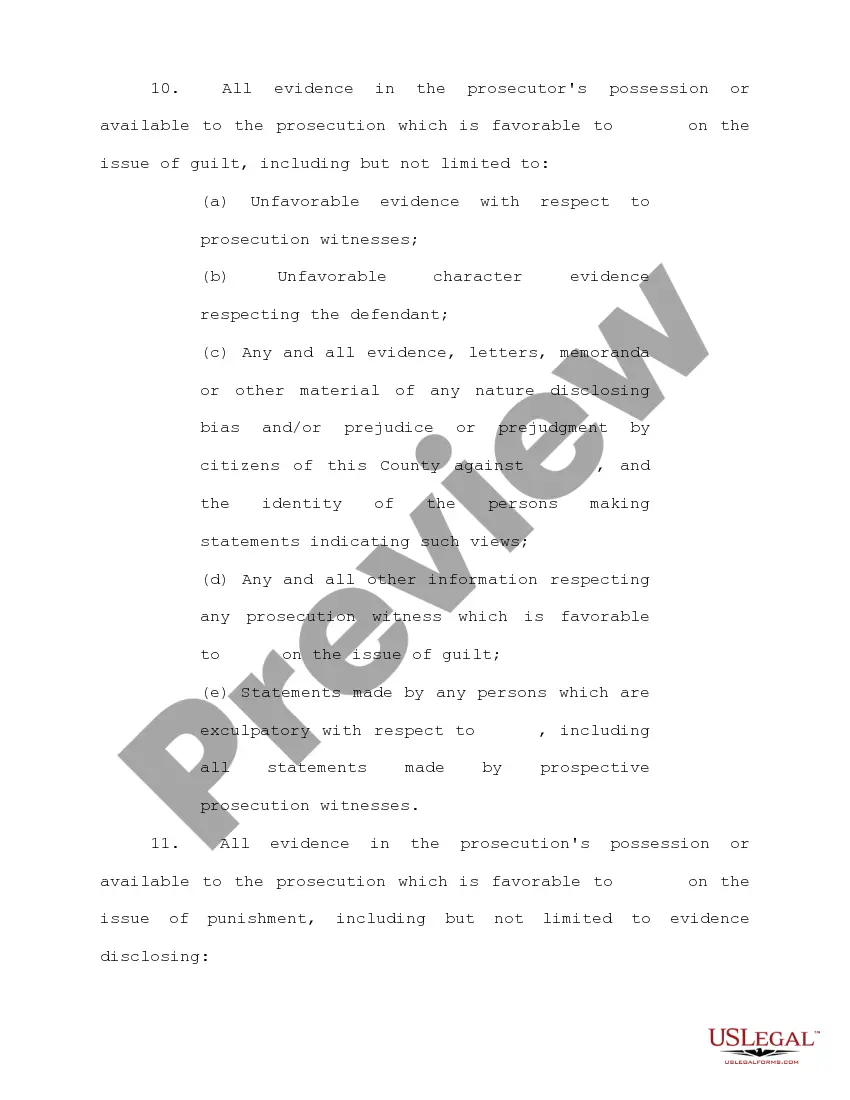
- Request for criminal records of witnesses the prosecution intends to call.
- Request for diagrams, photographs, and other evidence shared with witnesses.
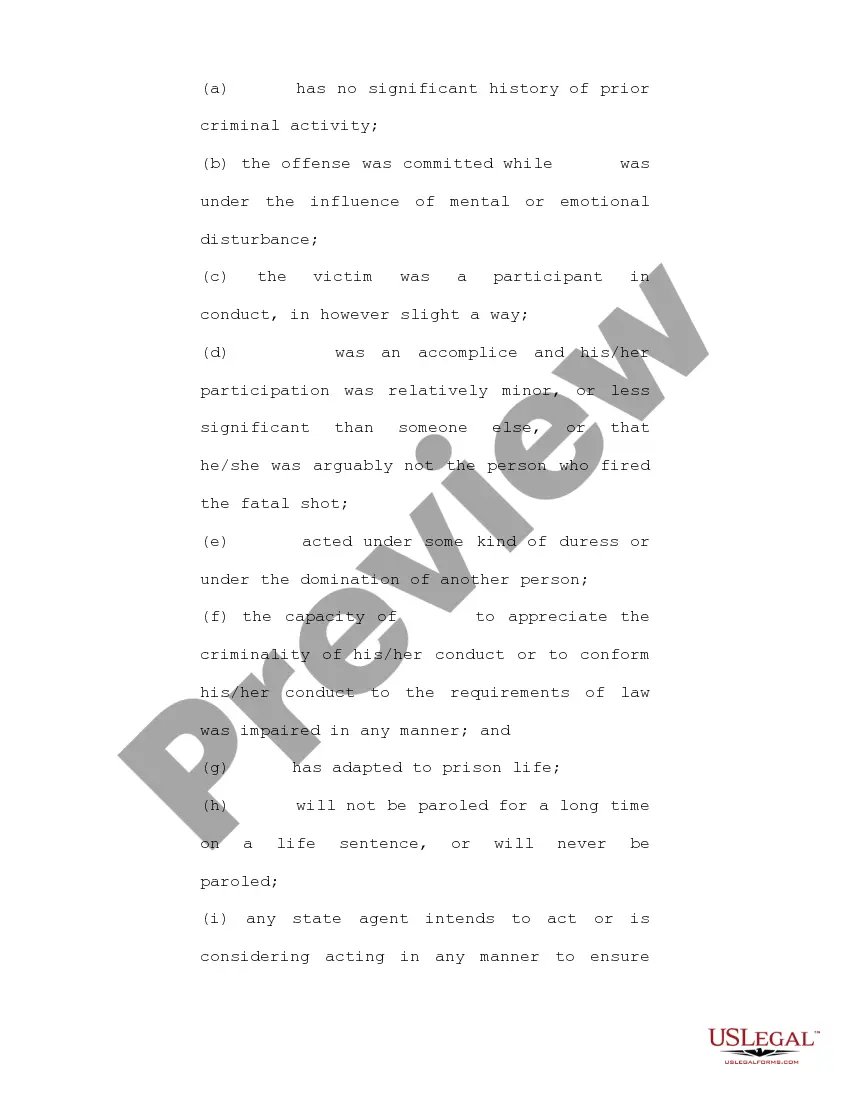
- Details on the prosecution's reliance on prior convictions or acts for evidence.
Common use cases
This form is used in criminal cases when a defendant believes that they require more information from the prosecution to prepare an adequate defense. It is particularly applicable when new evidence might appear, or if prior statements and documentation have not been shared. It is essential for ensuring transparency and fairness before trial proceedings commence.
Who should use this form
- Defendants in a criminal case seeking to obtain evidence for their defense.
- Legal representatives handling criminal cases on behalf of clients.
- Individuals involved in plea negotiations who need discovery materials to assess options.
How to complete this form
- Identify the defendant and co-defendants involved in the case.
- Request specific statements and documentation relevant to the charges.
- Detail any previous instances where similar evidence may be relevant.
- Include necessary information about witnesses and their prior records.
- Finalize the motion by signing and dating it, as required by local procedures.
Notarization requirements for this form
Notarization is generally not required for this form. However, certain states or situations might demand it. You can complete notarization online through US Legal Forms, powered by Notarize, using a verified video call available anytime.
Get your form ready online
Our built-in tools help you complete, sign, share, and store your documents in one place.
Make edits, fill in missing information, and update formatting in US Legal Forms—just like you would in MS Word.
Download a copy, print it, send it by email, or mail it via USPS—whatever works best for your next step.
Sign and collect signatures with our SignNow integration. Send to multiple recipients, set reminders, and more. Go Premium to unlock E-Sign.
If this form requires notarization, complete it online through a secure video call—no need to meet a notary in person or wait for an appointment.
We protect your documents and personal data by following strict security and privacy standards.

Make edits, fill in missing information, and update formatting in US Legal Forms—just like you would in MS Word.

Download a copy, print it, send it by email, or mail it via USPS—whatever works best for your next step.

Sign and collect signatures with our SignNow integration. Send to multiple recipients, set reminders, and more. Go Premium to unlock E-Sign.

If this form requires notarization, complete it online through a secure video call—no need to meet a notary in person or wait for an appointment.

We protect your documents and personal data by following strict security and privacy standards.
Common mistakes
- Failing to specify all parties involved in the statements requested.
- Omitting details that could provide context to the motion.
- Not following local court rules regarding motion formats or submissions.
Why complete this form online
- Convenience of downloading from anywhere at any time.
- Editable templates allowing for customization to fit individual cases.
- Access to forms prepared by licensed attorneys, ensuring legal validity.
Legal use & context
- The motion is part of the legal process to ensure defendants can adequately prepare for trial.
- It is vital for upholding the right to a fair trial as guaranteed by the Sixth Amendment.
- Failure to file this motion may result in the inability to access essential evidence.
Key takeaways
- The Motion for Discovery is crucial for safeguarding a defendant's right to a fair trial.
- Understanding what information to request can greatly influence the outcome of the case.
- Proper completion and prompt filing of the motion are essential steps in the legal process.
Looking for another form?

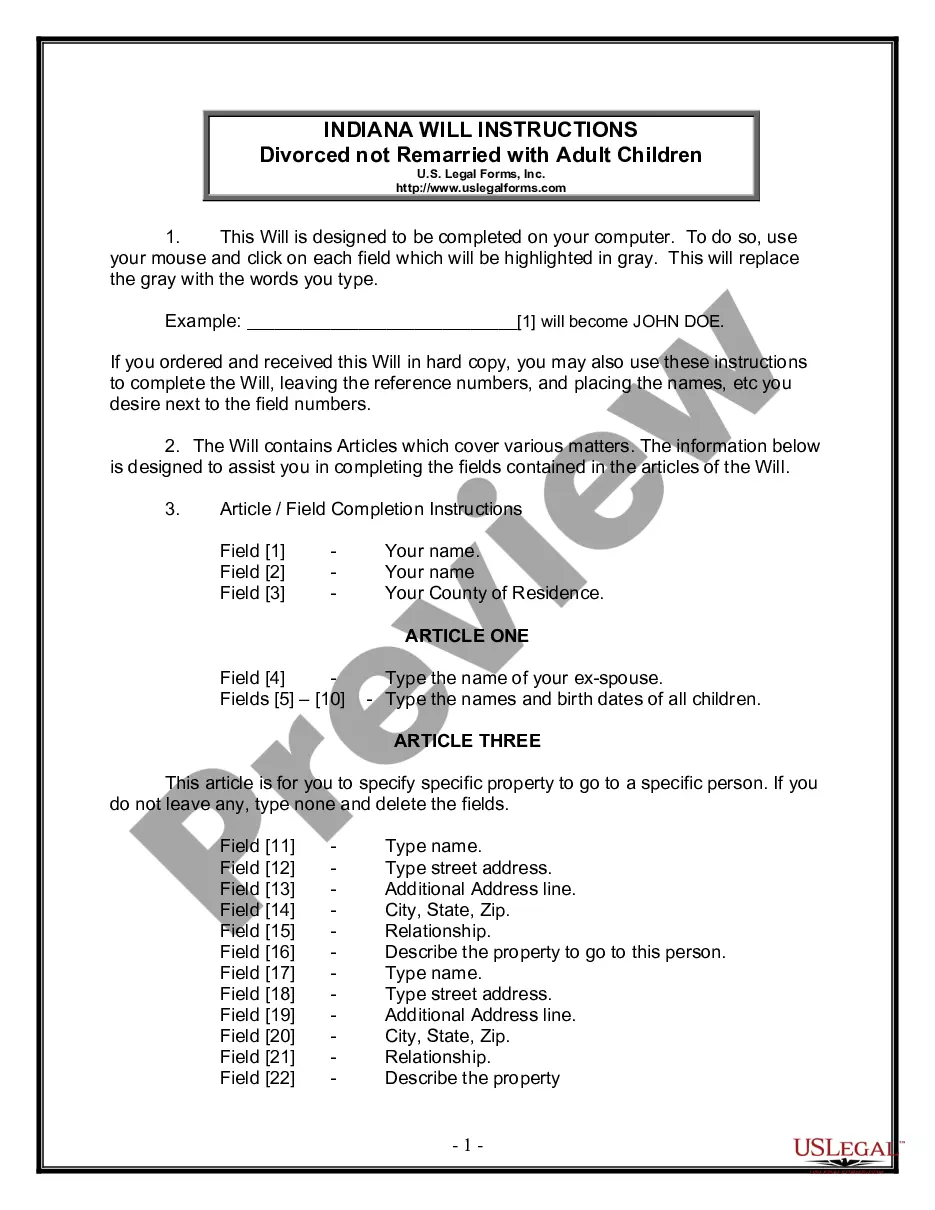
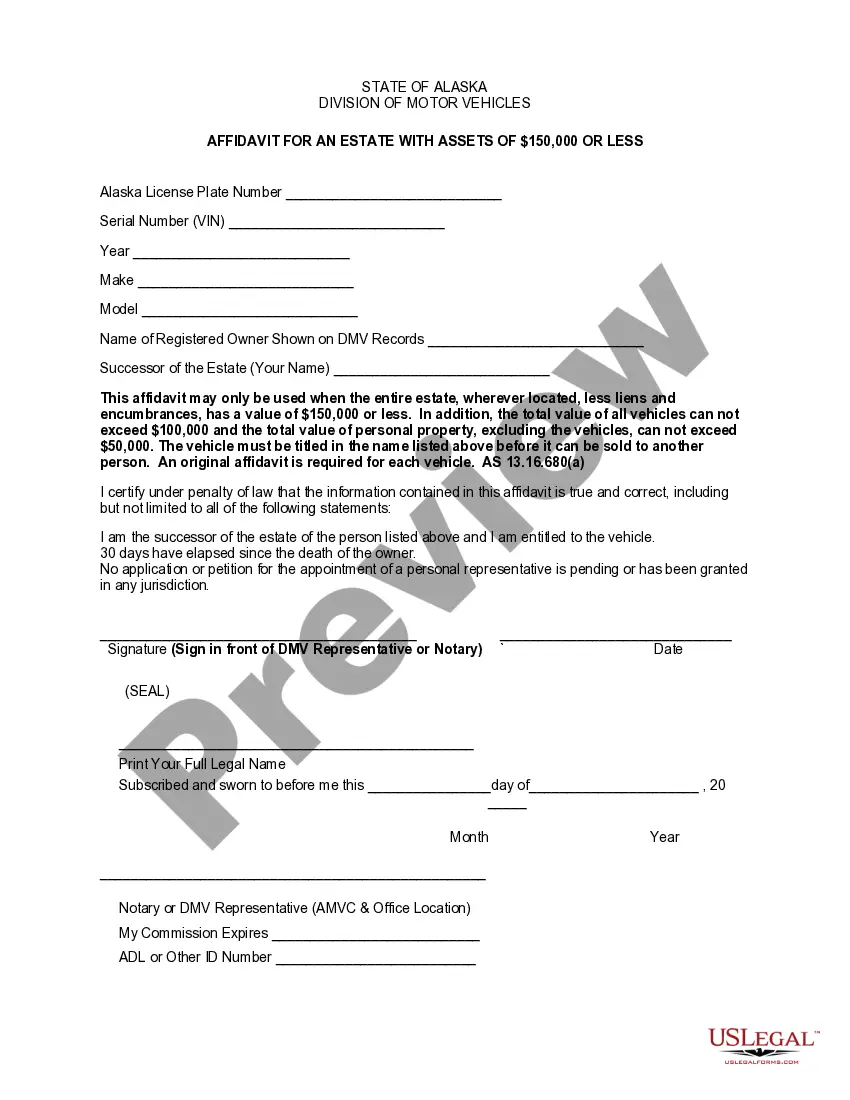
Form popularity
FAQ
That disclosure is accomplished through a methodical process called "discovery." Discovery takes three basic forms: written discovery, document production and depositions.
This is the formal process of exchanging information between the parties about the witnesses and evidence they'll present at trial. Discovery enables the parties to know before the trial begins what evidence may be presented.
1. The ultimate purpose of discovery is to seek the truth, so that disputes may be decided by what the facts reveal, not by what facts are concealed. In re Colonial Pipeline Co., 968 S.W.
With certain exceptions, within thirty days after the defendant files an answer, the parties must meet in person to plan for discovery and discuss the possibility of settling the case.
The plaintiff must respond by the deadline. There are different ways to make sure you get each kind of discovery if the plaintiff does not give it to you by the deadline. If the plaintiff does not respond to the court order, then you can file a Motion to Dismiss and you may win your case.
The objective of discovery (by electronic means or through paper) is to uncover facts. These facts serve as the foundation for the development of a trial strategy (or perhaps a motion for summary judgment).
Discovery enables the parties to know before the trial begins what evidence may be presented. It's designed to prevent "trial by ambush," where one side doesn't learn of the other side's evidence or witnesses until the trial, when there's no time to obtain answering evidence.
The purpose of discovery is to allow the parties to obtain full knowledge of the issues and facts of the lawsuit before going to trial. An experienced family law attorney will use discovery to help you identify the various strengths and weaknesses of each side of the case.
SUMMARY: Failure to timely answer discovery or refusal to answer discovery has two important and potentially catastrophic consequences. You may waive your right to object to the discovery even if the other party has no right to the information requested. In other words, you may be forced to give it to them.