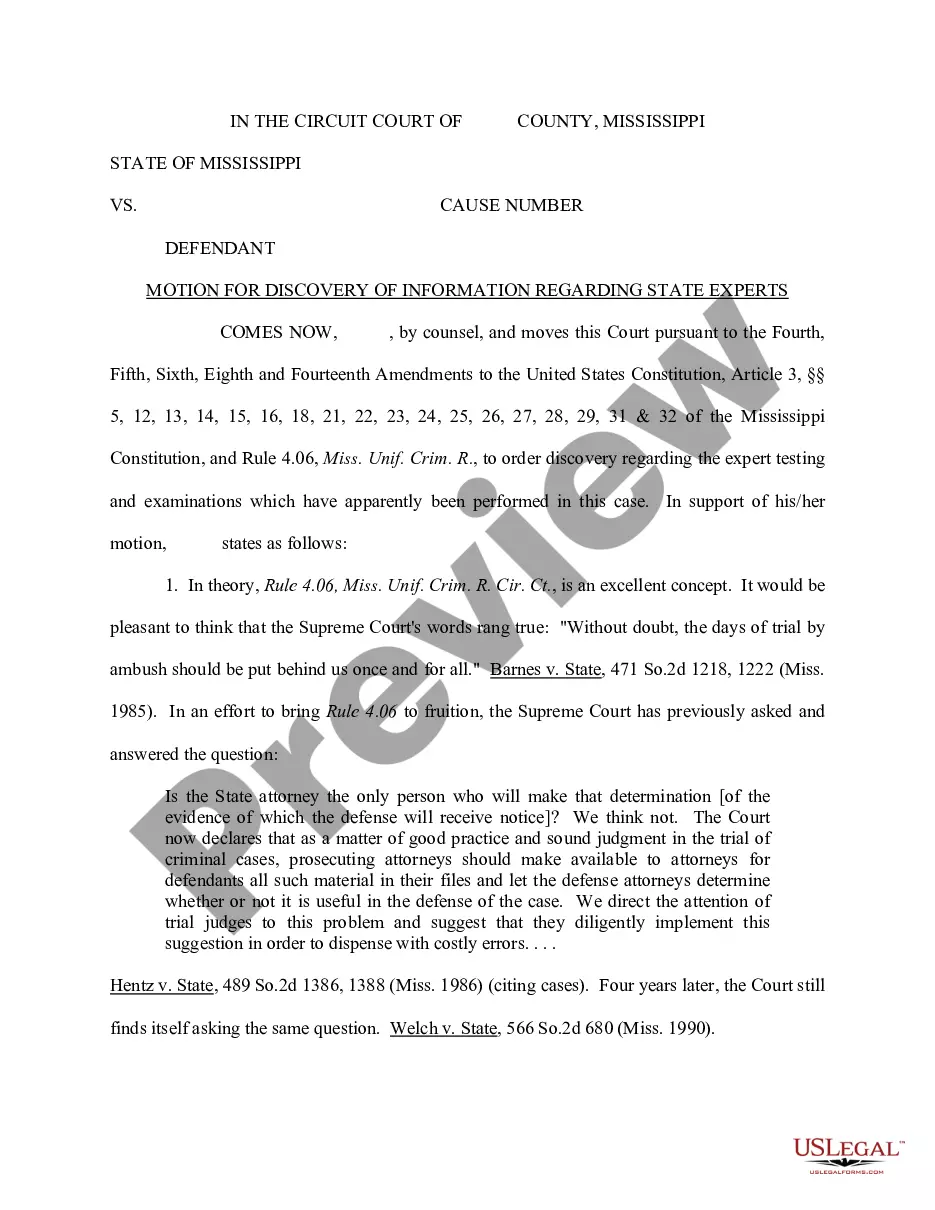
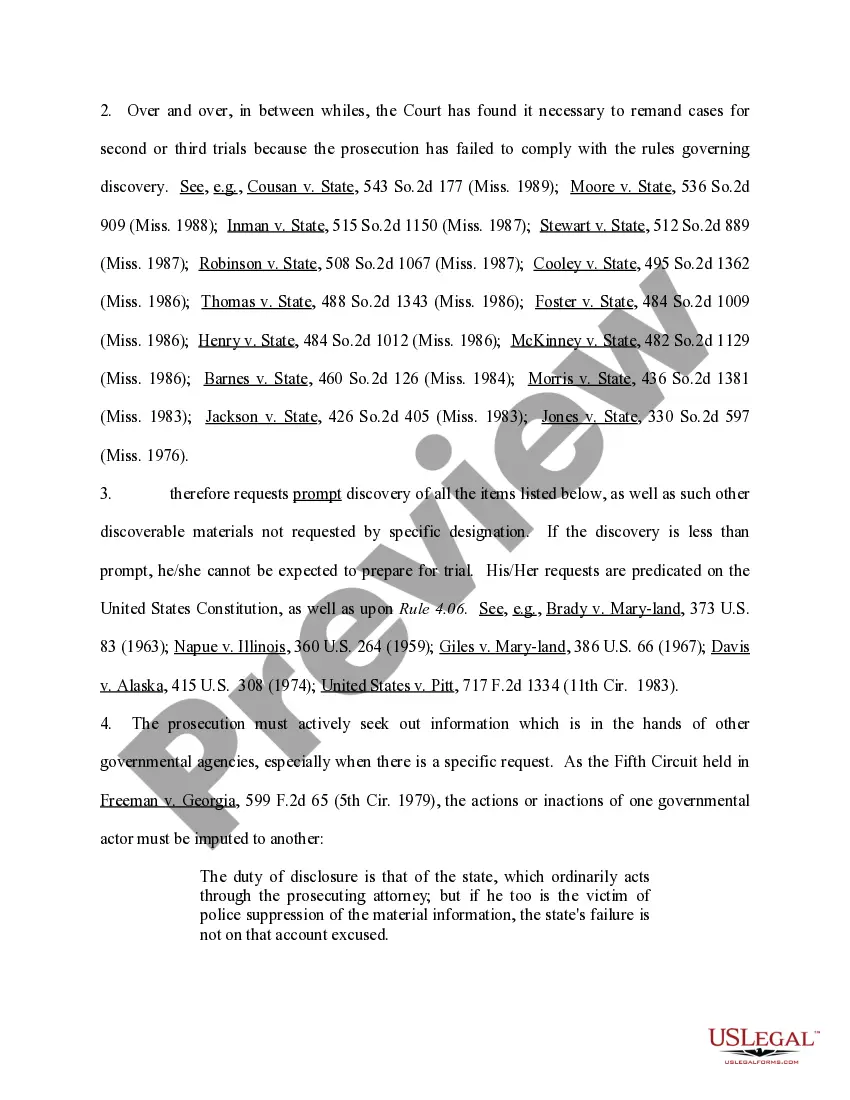
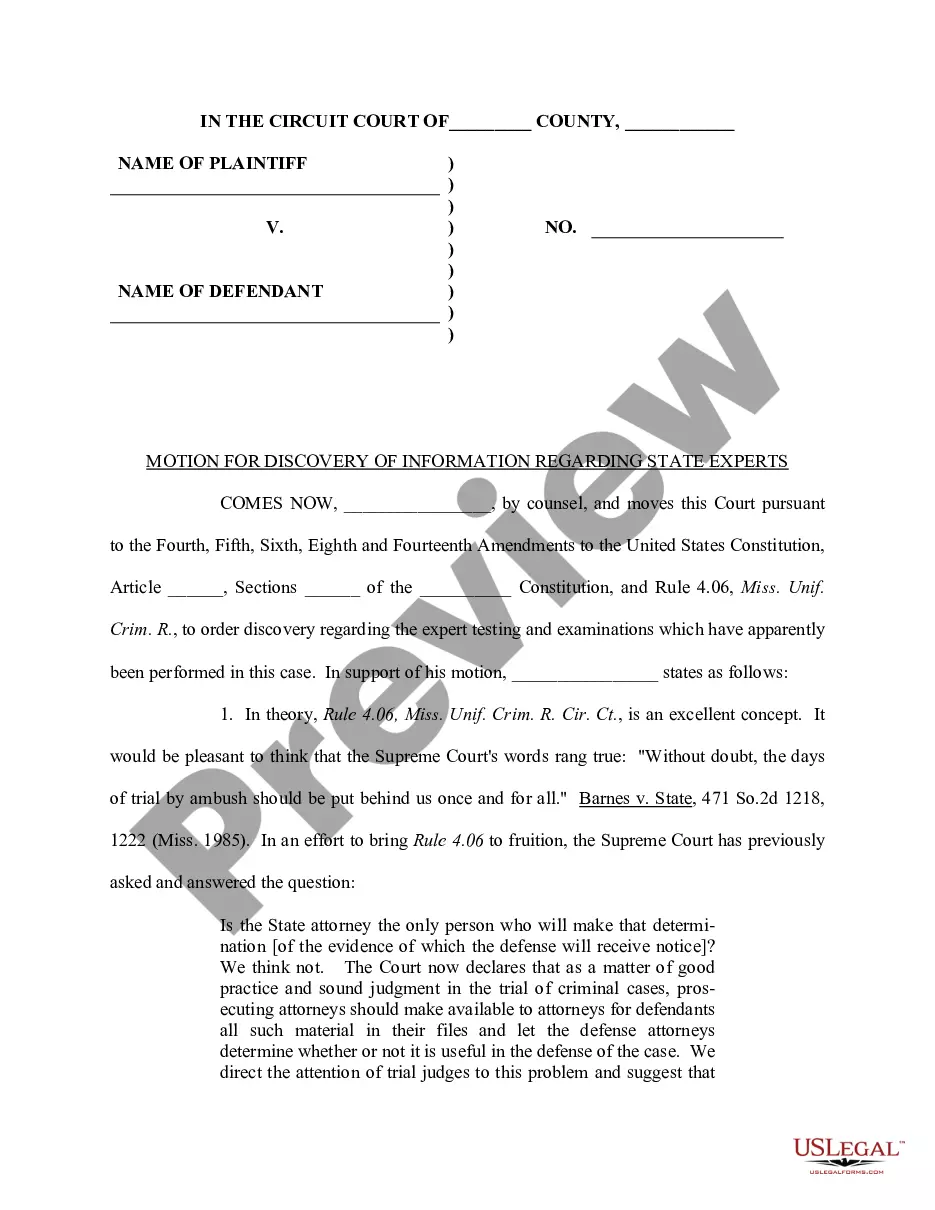
Mississippi Motion for Discovery of Information Regarding State Experts
Understanding this form
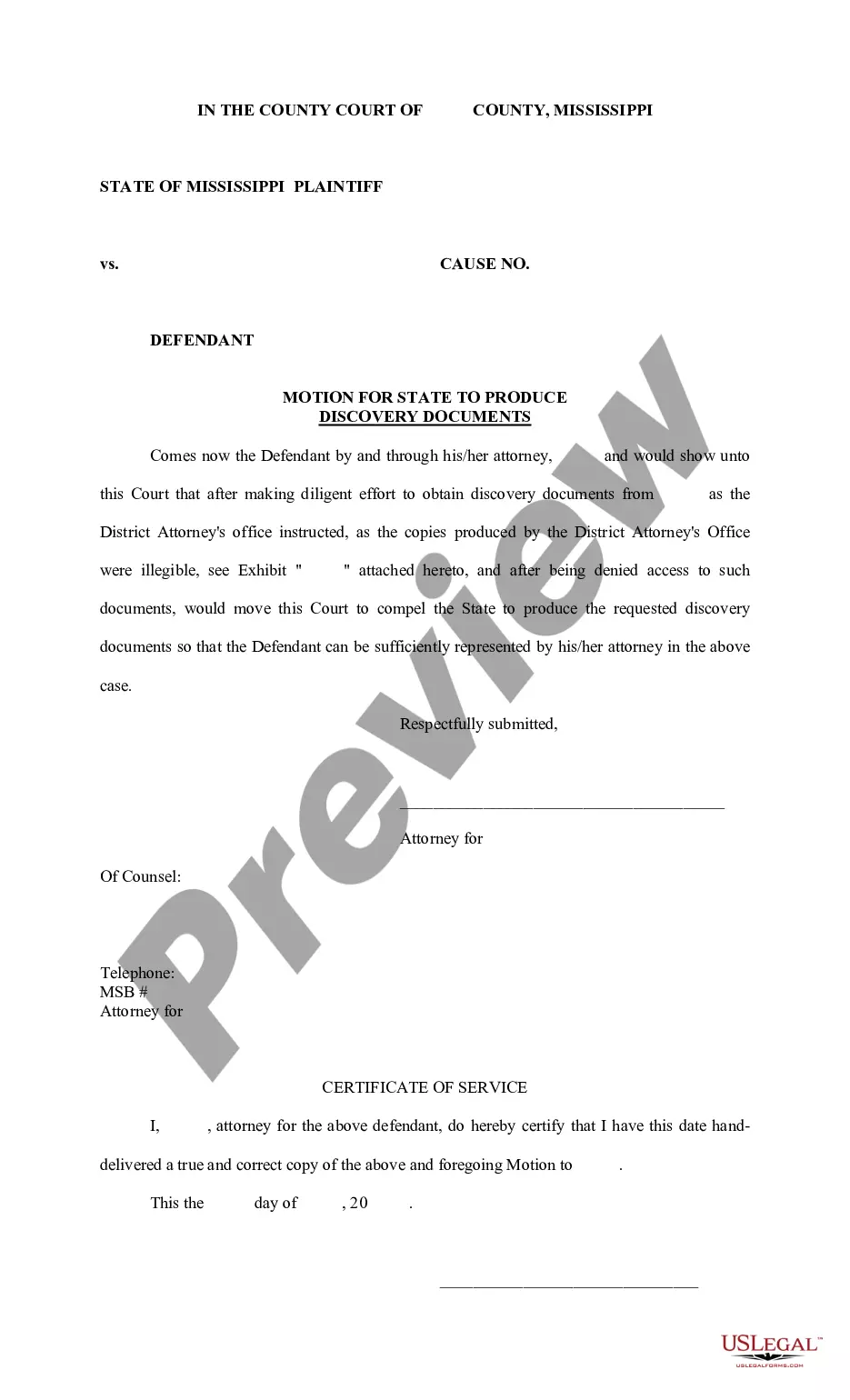
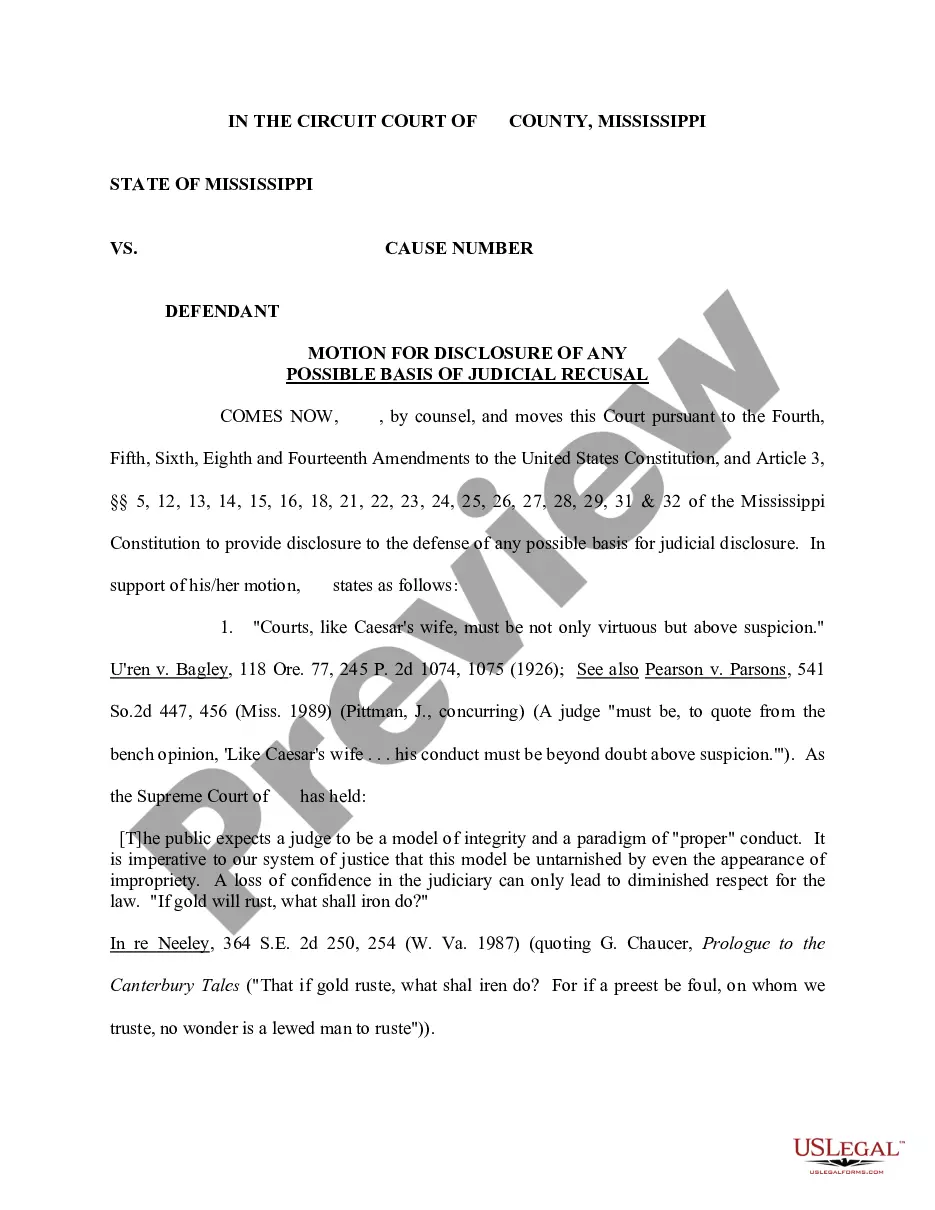
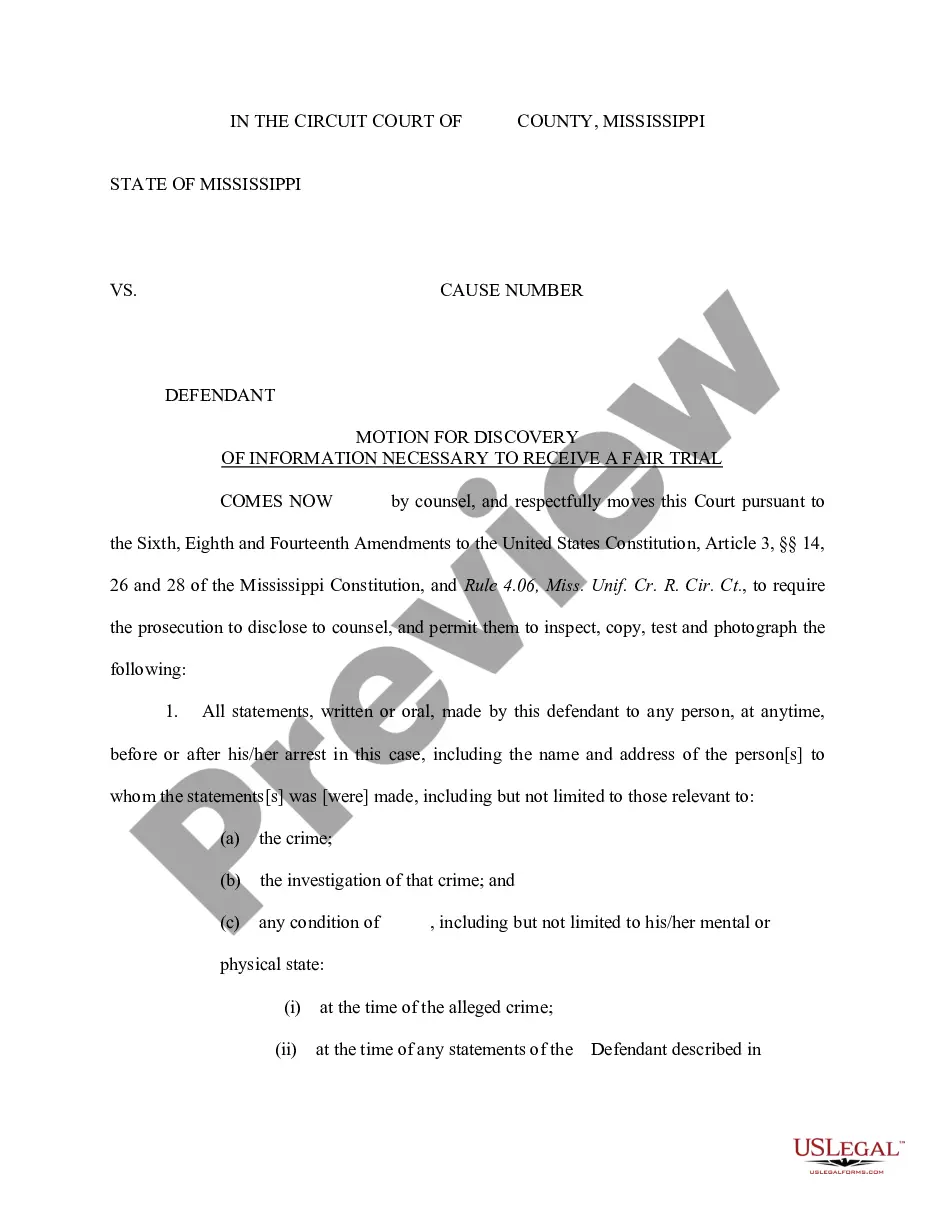
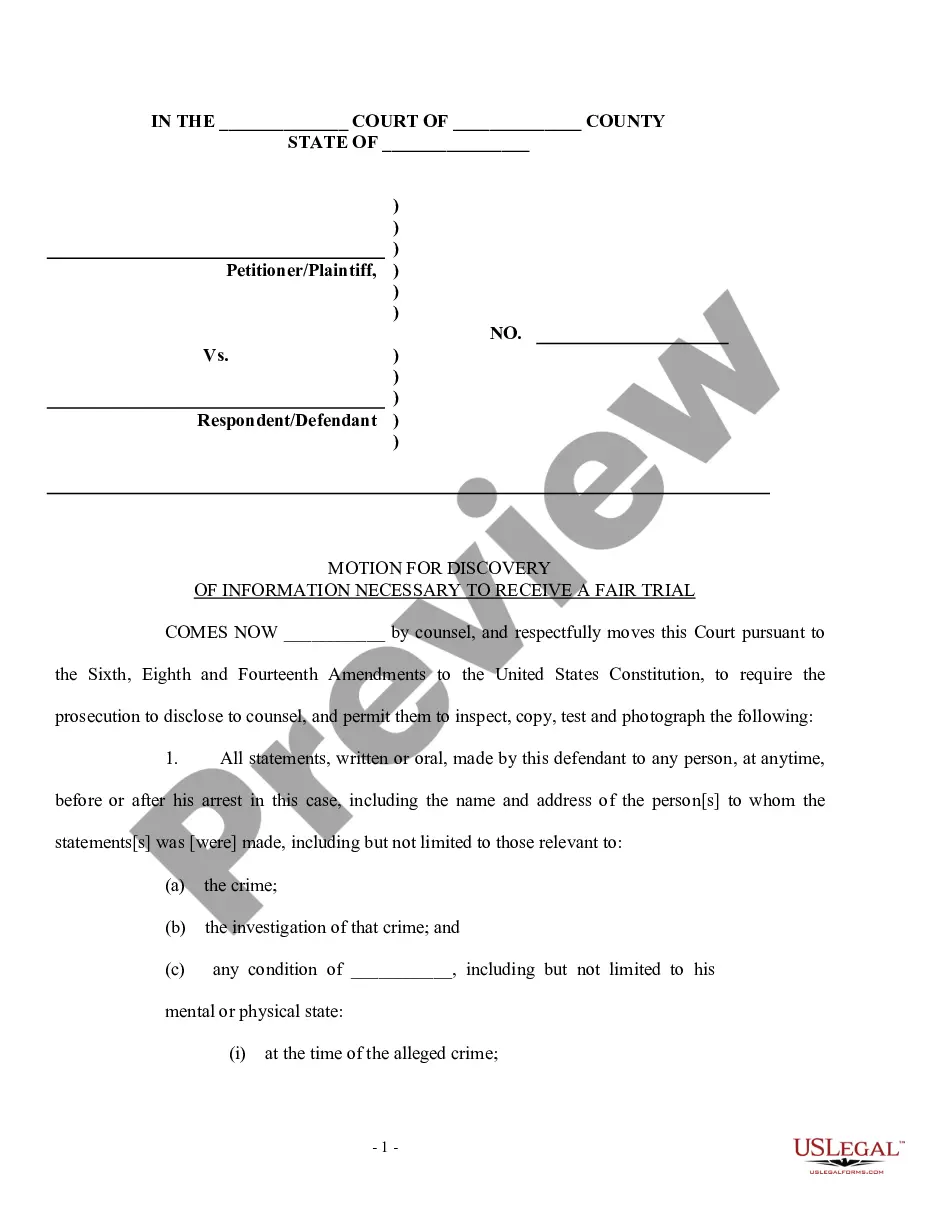
The Motion for Discovery of Information Regarding State Experts is a legal document used to request evidence and information from the prosecution in criminal cases. This form allows the defense attorney to seek access to materials related to state experts to ensure a fair trial. It emphasizes the right of the defense to understand the evidence against their client, which is crucial for an effective defense strategy.
What’s included in this form
- Introduction: A statement outlining the purpose of the motion and requesting the court's approval.
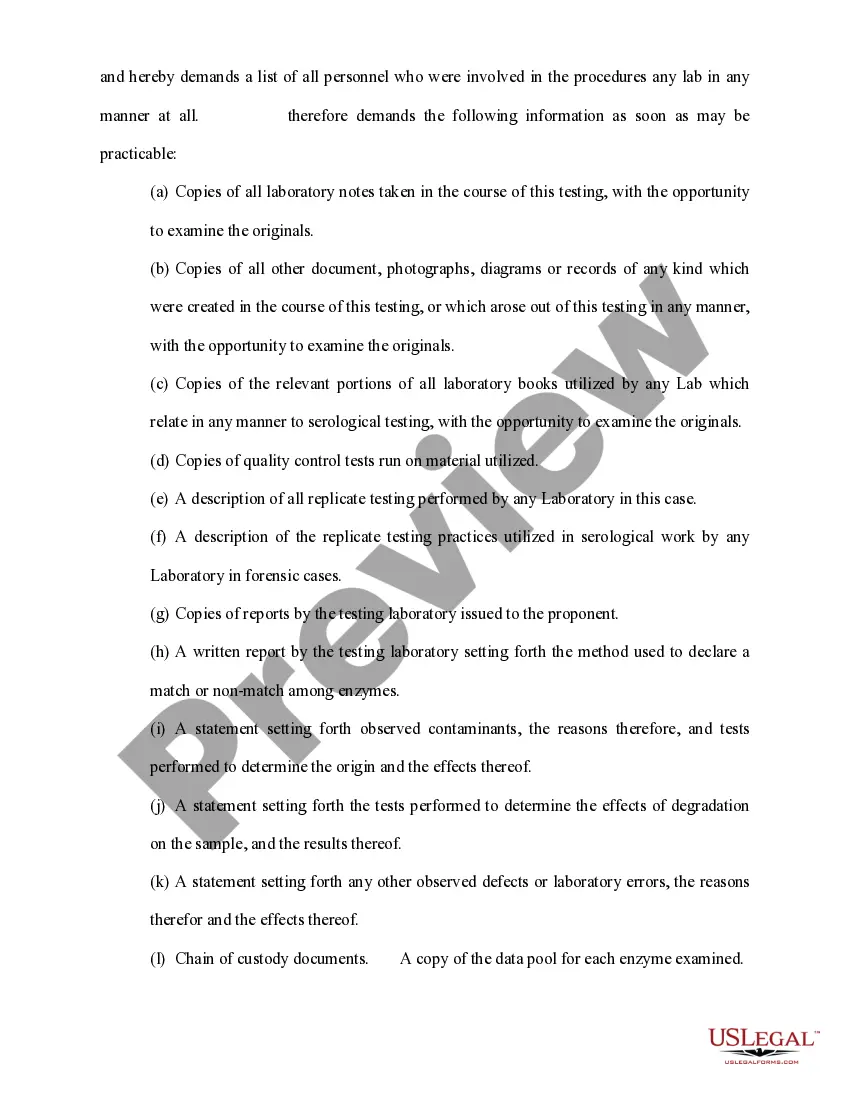
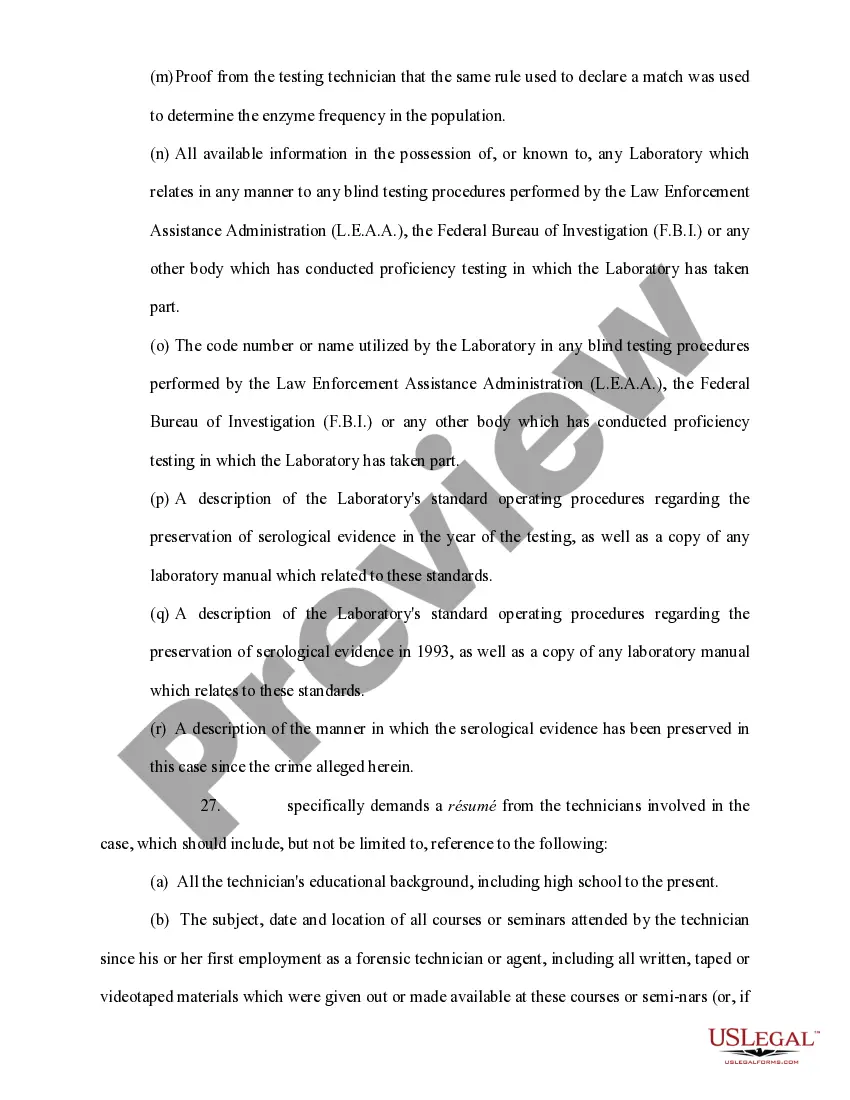
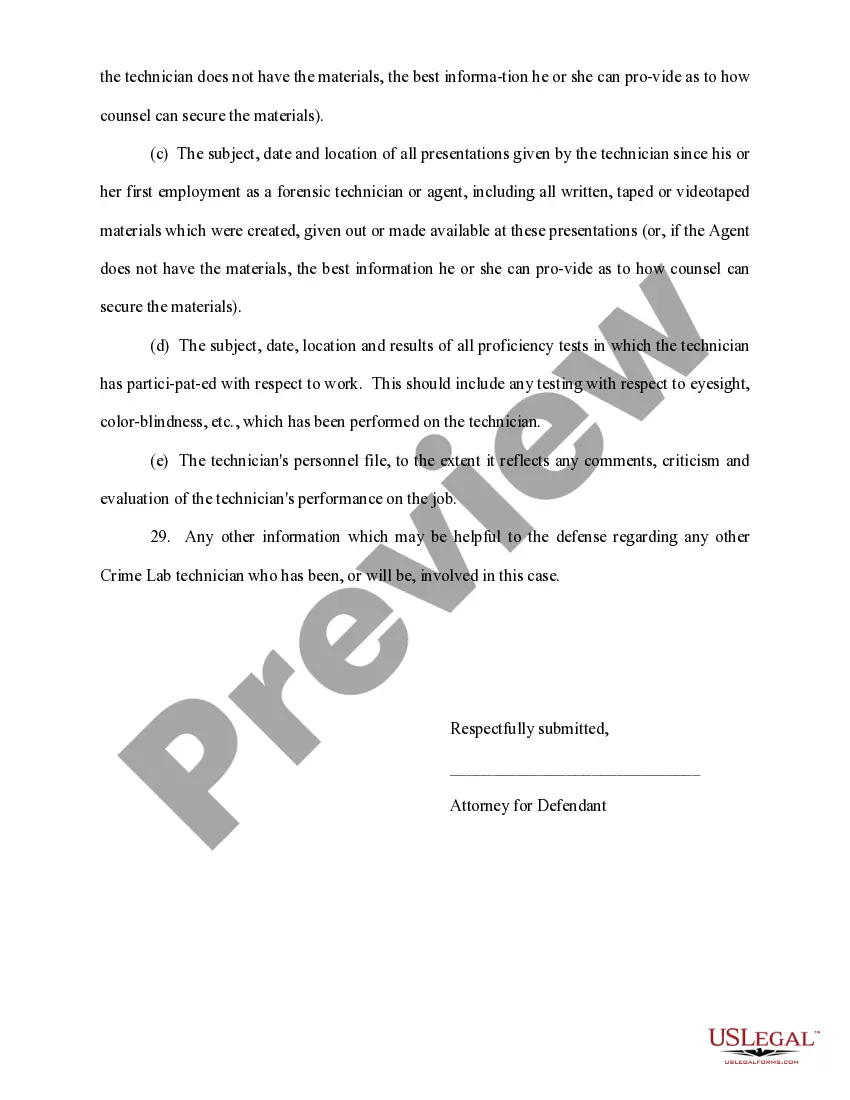
- Evidence Request: Details the specific information and documents that need to be disclosed by the prosecution.
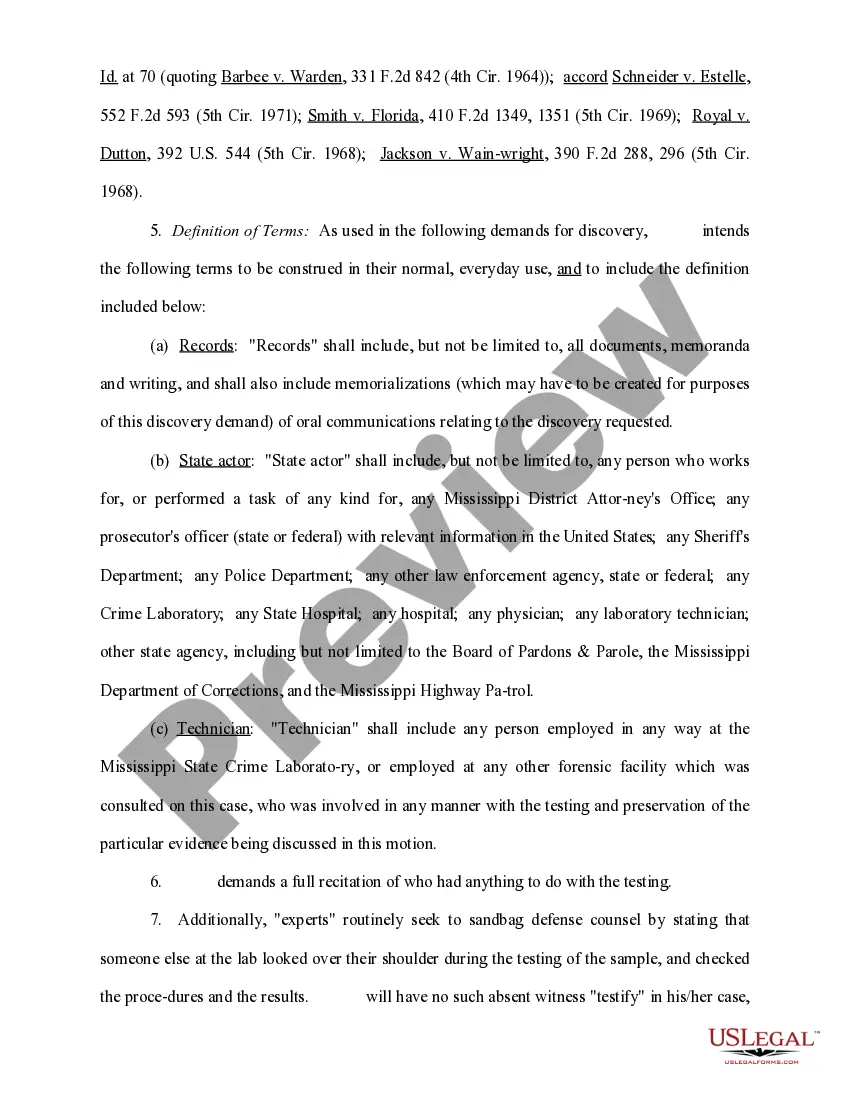
- Definitions: Provides definitions of key terms such as "state actor" and "technician" to clarify the evidence sought.
- Record Keeping: Outlines the types of records and forensic reports required for the defense to review.
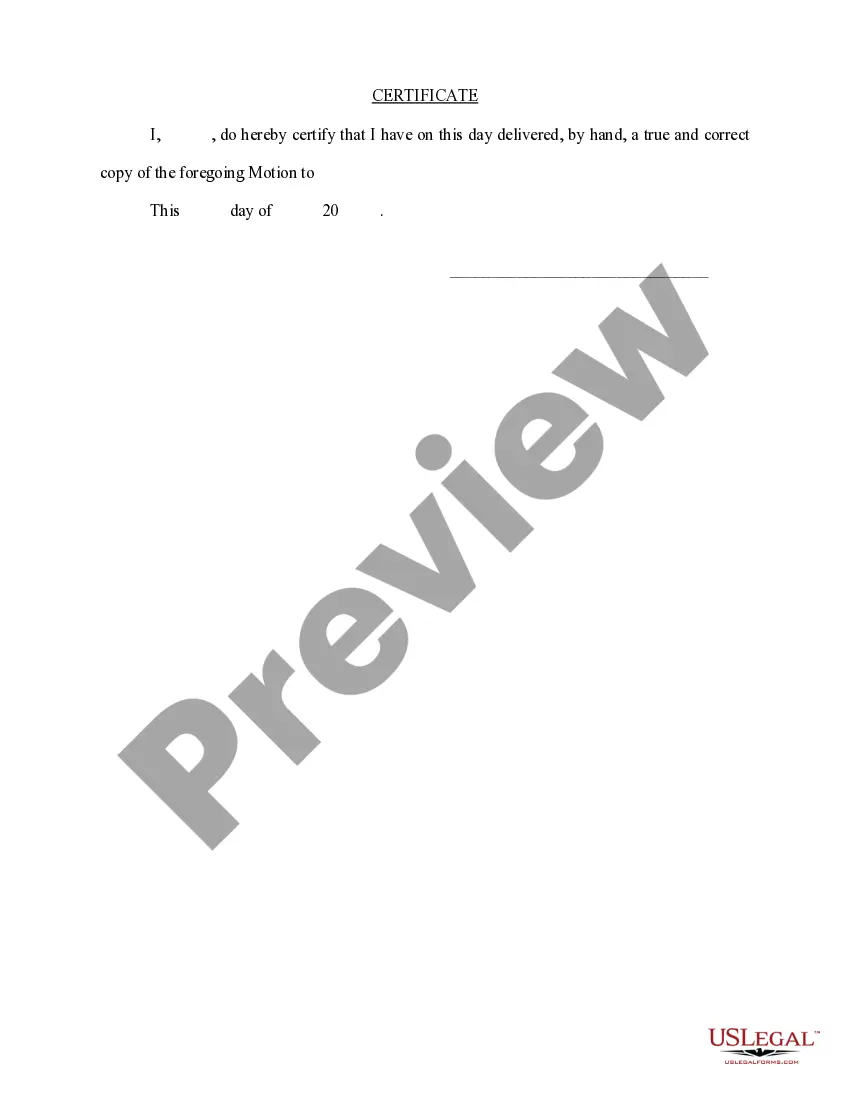
- Signatures: Includes space for the defense attorneyâs signature and date to formally submit the motion.
When to use this form
This form is essential when the defense seeks to uncover evidence related to expert witnesses that the prosecution intends to call during a trial. Use this motion when there are concerns about the transparency of evidence, particularly in cases involving forensic analysis or expert testimony that may significantly impact the court's decision.
Intended users of this form
- Defense attorneys representing clients in criminal cases.
- Individuals involved in criminal trials where expert testimony is likely to be presented.
- Legal professionals seeking to ensure compliance with discovery rules in their jurisdiction.
How to prepare this document
- Identify the case details, including the parties involved and the court where the motion is submitted.
- Specify the information and documents you are requesting from the prosecution.
- Clearly define any terms necessary for understanding the request, such as "state actor" and "technician."
- Include a statement justifying the need for the requested information to aid in the defense.
- Sign and date the motion before filing it with the court.
Notarization guidance
This form does not typically require notarization unless specified by local law. However, it is advisable to consult with a legal professional to confirm any specific requirements applicable in your jurisdiction.
Get your form ready online
Our built-in tools help you complete, sign, share, and store your documents in one place.
Make edits, fill in missing information, and update formatting in US Legal Forms—just like you would in MS Word.
Download a copy, print it, send it by email, or mail it via USPS—whatever works best for your next step.
Sign and collect signatures with our SignNow integration. Send to multiple recipients, set reminders, and more. Go Premium to unlock E-Sign.
If this form requires notarization, complete it online through a secure video call—no need to meet a notary in person or wait for an appointment.
We protect your documents and personal data by following strict security and privacy standards.

Make edits, fill in missing information, and update formatting in US Legal Forms—just like you would in MS Word.

Download a copy, print it, send it by email, or mail it via USPS—whatever works best for your next step.

Sign and collect signatures with our SignNow integration. Send to multiple recipients, set reminders, and more. Go Premium to unlock E-Sign.

If this form requires notarization, complete it online through a secure video call—no need to meet a notary in person or wait for an appointment.

We protect your documents and personal data by following strict security and privacy standards.
Common mistakes to avoid
- Failing to clearly specify the documents and information requested.
- Not including signature and date where required.
- Using overly technical language that may confuse the court.
- Not researching state-specific discovery rules prior to filling out the form.
Why complete this form online
- Access and download the form immediately, allowing for quick preparation and submission.
- Edit the document easily to tailor it to your specific case requirements without needing legal counsel to draft it from scratch.
- Ensure that the form complies with current legal standards and practices as drafted by licensed attorneys.
Legal use & context
- This motion is crucial for upholding the defendant's right to a fair trial by ensuring all relevant evidence is disclosed.
- Filing this motion can help prevent wrongful convictions by facilitating access to vital information about state experts.
Quick recap
- The Motion for Discovery of Information Regarding State Experts is essential for criminal defense.
- It ensures transparency and fairness in legal proceedings by allowing access to crucial expert information.
- Complete the motion carefully to align with legal standards and requirements.
Looking for another form?

Form popularity
FAQ
Ordinarily, a party may not discover facts or opinions held by a consulting expert, except for in exceptional circumstances. A consulting expert's communications become discoverable as provided in Rule 35(b) or if it is impracticable for the party to obtain facts or opinions on the same subject by any other means.
That disclosure is accomplished through a methodical process called "discovery." Discovery takes three basic forms: written discovery, document production and depositions. See 's Stages of a Personal Injury Case section for related articles and resources.
Discovery is a major part of civil litigation, the process through which the parties gather evidence before trial.The very first step in discovery is the exchange of initial disclosures. Through initial disclosures, the parties are required to provide information they may use to support their cases at trial.
In California, all discoverable reports and writing of a retained expert must be produced upon a timely expert demand.Thus, draft reports are discoverable. An expert's unreasonable failure to produce all discoverable reports and writings may result in the exclusion of that expert's testimony.
The short answer is that "discoverable material" is information and documents that may be obtained through the civil discovery process in litigation. "Non-discoverable material" is that material that is shielded from discovery by an evidentiary...
Discovery, in the law of common law jurisdictions, is a pre-trial procedure in a lawsuit in which each party, through the law of civil procedure, can obtain evidence from the other party or parties by means of discovery devices such as interrogatories, requests for production of documents, requests for admissions and
California written discovery generally consists of four methods: Request for Production of Documents, Form Interrogatories, Special Interrogatories, and Requests for Admissions.
Expert discovery is the period of time during which the parties exchange information about what the experts will say. This exchange usually occurs by deposing the experts. Expert discovery in complex cases can last several months. Once both stages of discovery are complete, the Court will set a trial date.
Discovery in a criminal case refers to the exchange of evidence and statements between opposing sides of a case.Typically, a defense attorney will file a Notice of Appearance, informing the Court and the prosecutor of his or her role in the case, and a Discovery Demand requesting particular information.