Mississippi Waiver and Consent to Motion to Sell Property
Understanding this form
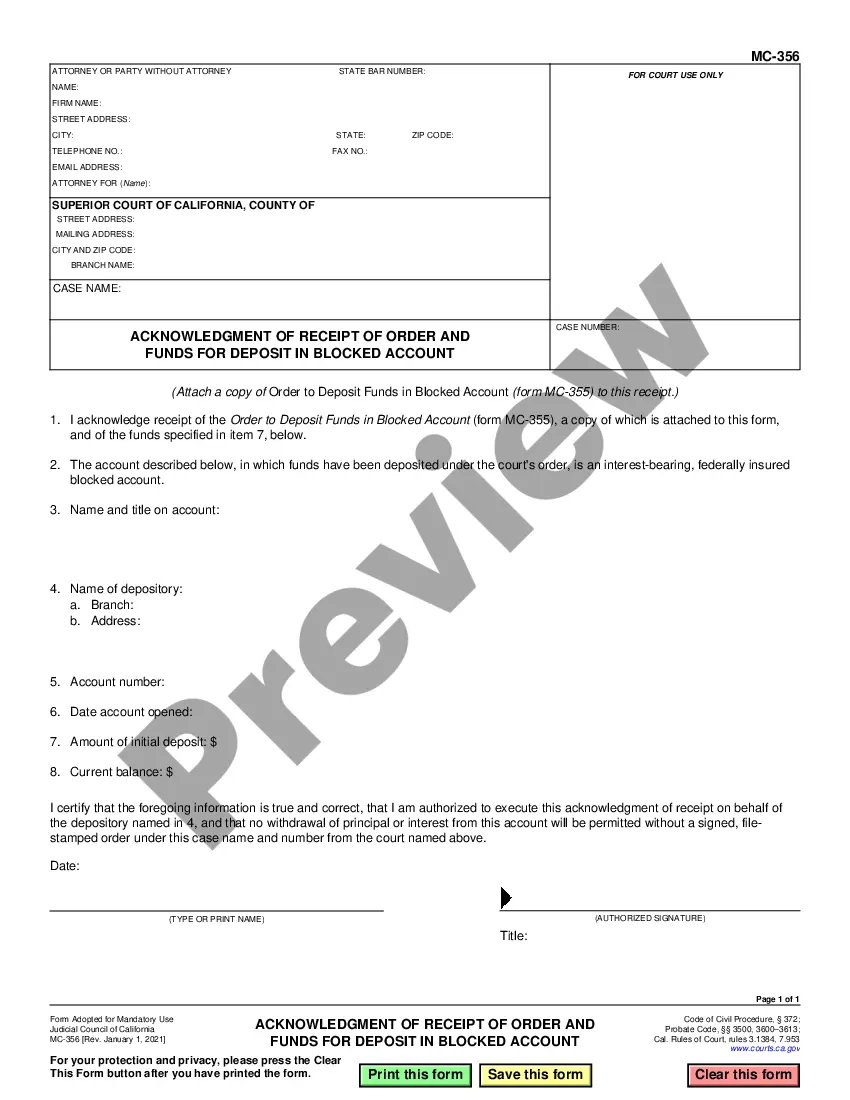
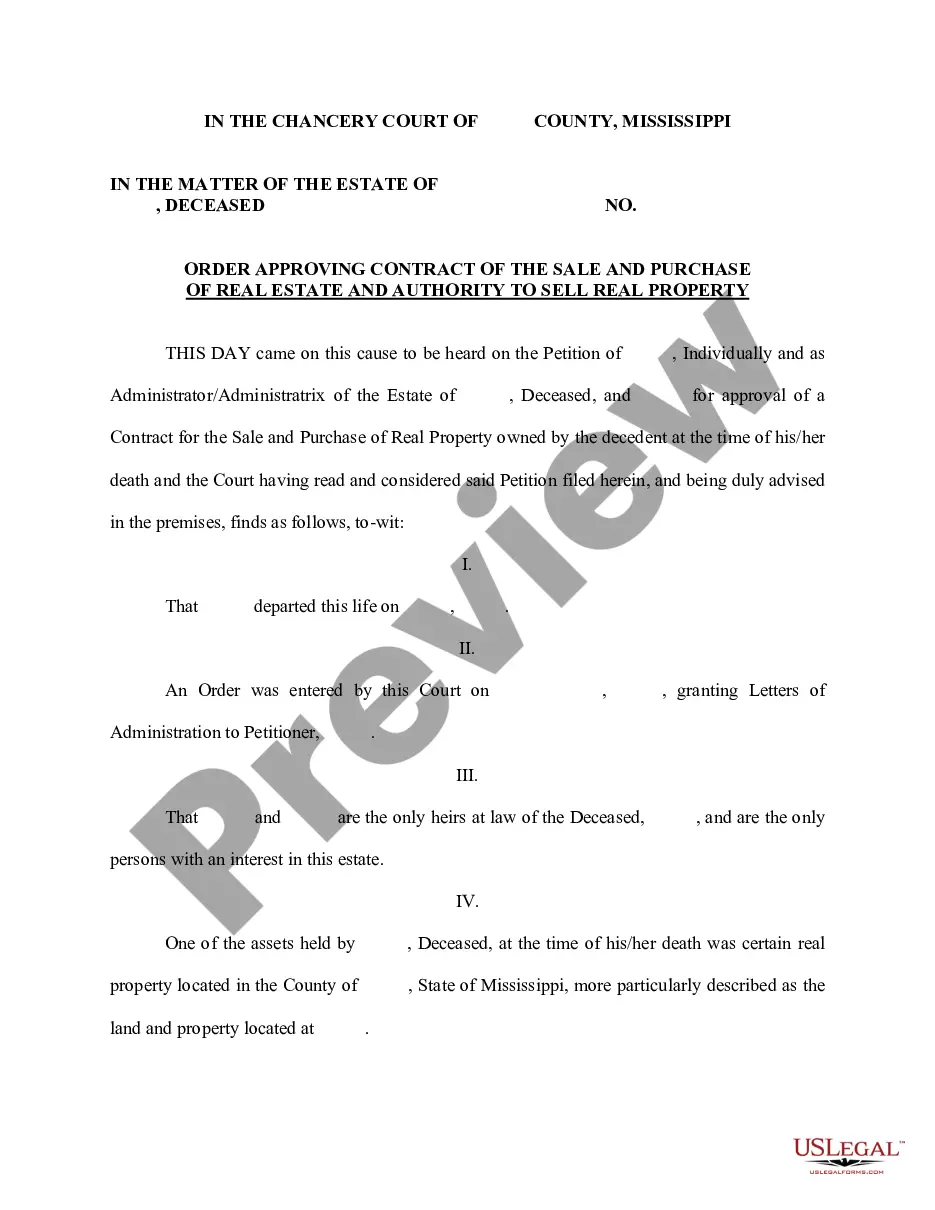
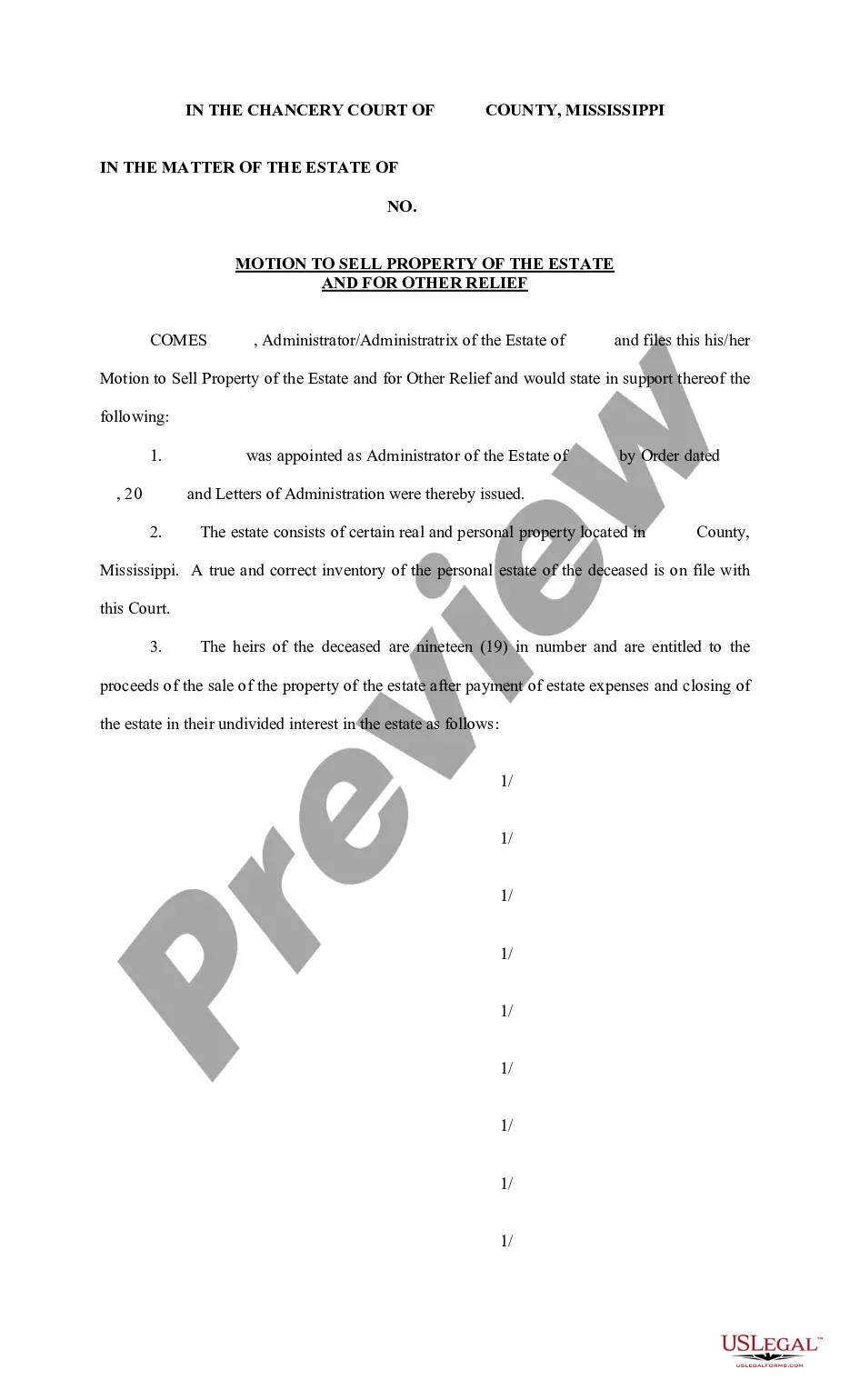
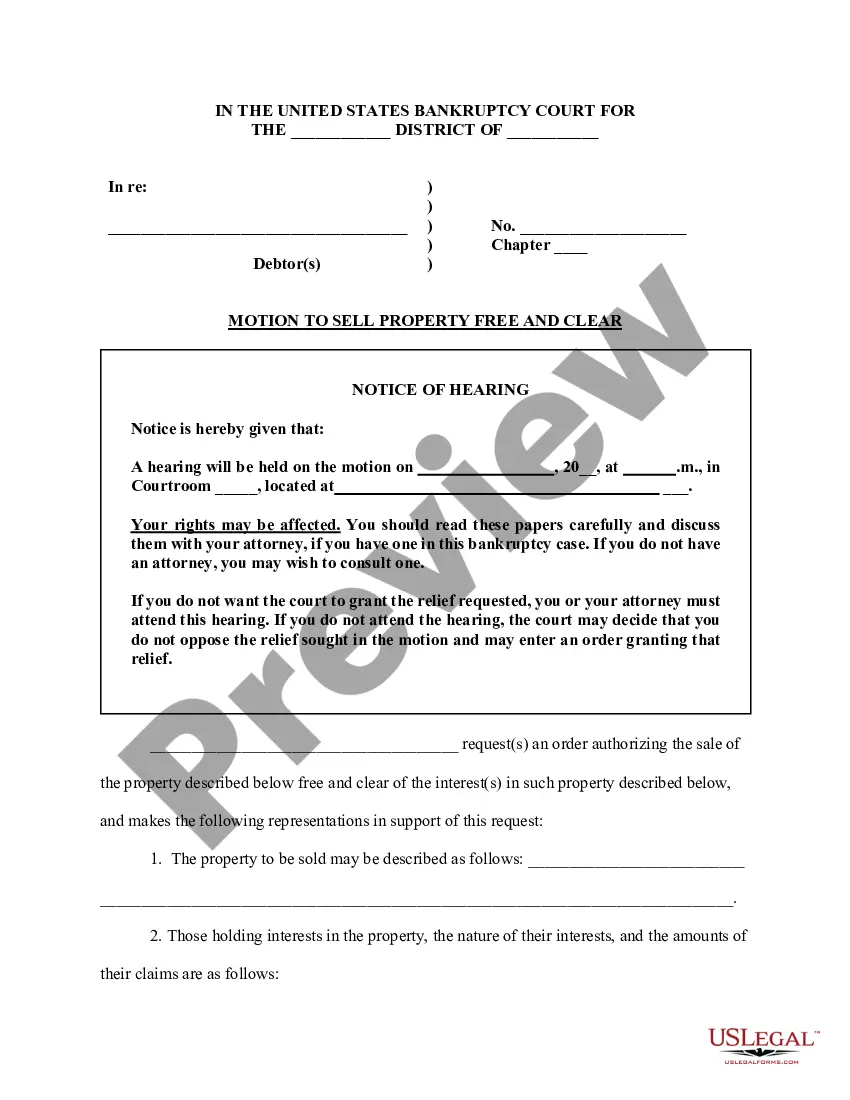
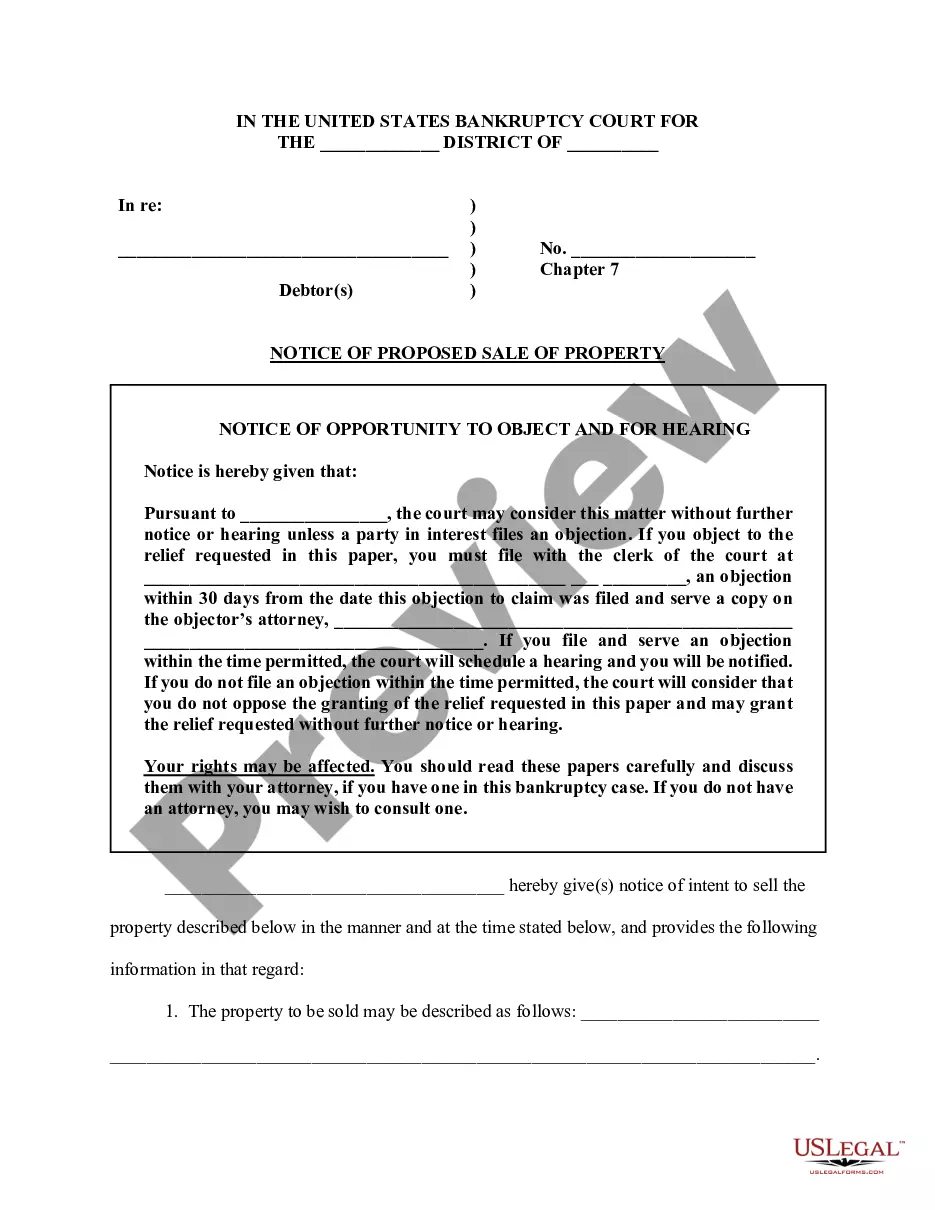
The Waiver and Consent to Motion to Sell Property is a formal request made to the court that allows for the sale of a specified property. This document serves as a model motion, enabling the parties involved to legally communicate their agreement and consent regarding the sale. It is distinct from other legal forms by focusing specifically on the consent aspect related to property sales.
Key parts of this document
- Identification of the property being sold.
- Statement of consent from all parties involved.
- Notice of the intended motion to the court.
- Signatures of consenting parties.
- Optional additional clauses specific to the sale conditions.
When to use this form
This form is typically used in scenarios where parties wish to sell property but need to formally notify the court and obtain consent to proceed. Common situations include inheritance cases, divorce settlements, or any legal context where property must be sold with judicial approval. It is essential when multiple owners are involved and their consent is necessary to avoid disputes.
Who this form is for
This document is intended for:
- Co-owners of property seeking to consent to a sale.
- Heirs looking to sell inherited property.
- Parties involved in legal proceedings that require court approval for selling assets.
- Attorneys representing clients in real estate transactions needing judicial consent.
How to prepare this document
- Identify all parties involved in the property sale.
- Clearly specify the property to be sold, including any relevant details.
- Obtain consent from all necessary parties and have them sign the document.
- Submit the completed form to the appropriate court for review.
- Follow up on the motion to ensure it is granted by the court.
Does this form need to be notarized?
This form must be notarized to be legally valid. US Legal Forms provides secure online notarization powered by Notarize, allowing you to complete the process through a verified video call.
Get your form ready online
Our built-in tools help you complete, sign, share, and store your documents in one place.
Make edits, fill in missing information, and update formatting in US Legal Forms—just like you would in MS Word.
Download a copy, print it, send it by email, or mail it via USPS—whatever works best for your next step.
Sign and collect signatures with our SignNow integration. Send to multiple recipients, set reminders, and more. Go Premium to unlock E-Sign.
If this form requires notarization, complete it online through a secure video call—no need to meet a notary in person or wait for an appointment.
We protect your documents and personal data by following strict security and privacy standards.

Make edits, fill in missing information, and update formatting in US Legal Forms—just like you would in MS Word.

Download a copy, print it, send it by email, or mail it via USPS—whatever works best for your next step.

Sign and collect signatures with our SignNow integration. Send to multiple recipients, set reminders, and more. Go Premium to unlock E-Sign.

If this form requires notarization, complete it online through a secure video call—no need to meet a notary in person or wait for an appointment.

We protect your documents and personal data by following strict security and privacy standards.
Avoid these common issues
- Failing to include all necessary signatures from consenting parties.
- Not specifying the property with adequate clarity.
- Omitting critical information, such as case numbers or relevant dates.
- Submitting the form without checking local court requirements.
Why complete this form online
- Convenient access to downloadable documents 24/7.
- Editability allows for customization to fit specific situations.
- Reliable templates drafted by licensed attorneys, ensuring legal compliance.
Looking for another form?
Form popularity
FAQ
A Motion for Relief from the automatic stay is basically a request from a creditor to the Bankruptcy Court for permission to take back collateral. Motions for Relief are set down for hearings before the Bankruptcy Court.If a creditor has good cause for filing the motion, it will be granted.
A motion for relief from the automatic stay is a creditor's way of asking the court for permission to eg. foreclose on a house or repossess a car. As soon as any type of bankruptcy is filed, an injunction called the automatic stay comes into place.
When you file a Chapter 13 bankruptcy an automatic stay goes into effect immediately upon the filing of your case.When these payments are not made, a secured creditor can file a Motion for Relief seeking relief from the Automatic Stay so they can take action against the collateral (i.e. your house or car).
However, under certain circumstances, creditors can ask the court to allow them to go ahead with collections in spite of the bankruptcy filing. This is called a Motion for Relief from Automatic Stay, and a successful one often negates the whole purpose of filing for Chapter 7 bankruptcy in the first place.
Motions to sell are often filed by debtors and trustees. These motions seek permission to sell property of the estate. Motions to lease property are filed generally by trustees or debtors in Chapter 11 cases and request approval of a lease under Federal Rule of Bankruptcy Procedure 6004.
A trustee files the motion requesting turnover when a debtor, a custodian, or any other entity in possession of property of the estate fails to turn over that property as required by the Bankruptcy Code.In some instances, a party may file a motion for order to show cause to address issues related to turnover.
The turnover statute is a procedural device. that empowers a trial court to assist a judgment creditor in reaching a judgment debtor's property that under traditional remedies was beyond a creditor's reach. See TEX. CIV. PRAC.
The stay generally remains in place until the bankruptcy case is heard before a bankruptcy judge or trustee. Debtors are typically required to reaffirm mortgage debt to the bankruptcy court.