Mississippi Defendant's Response to Interrogatories
About this form
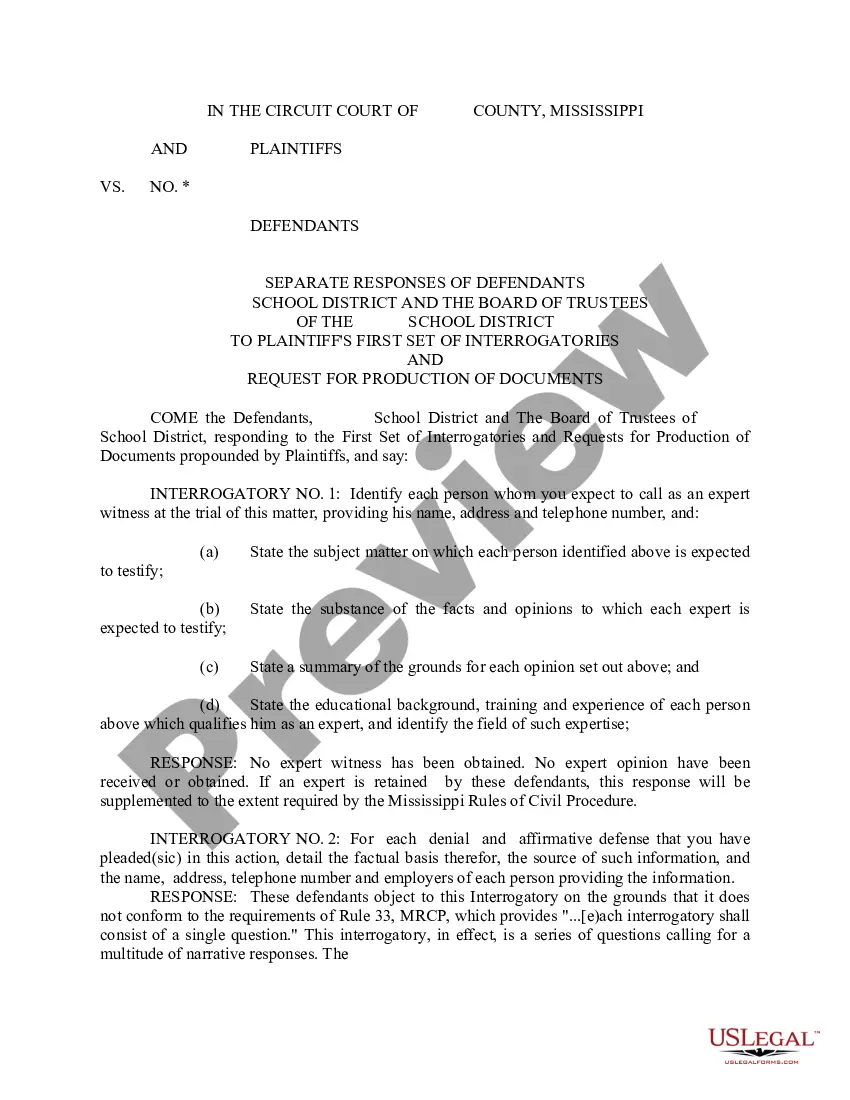
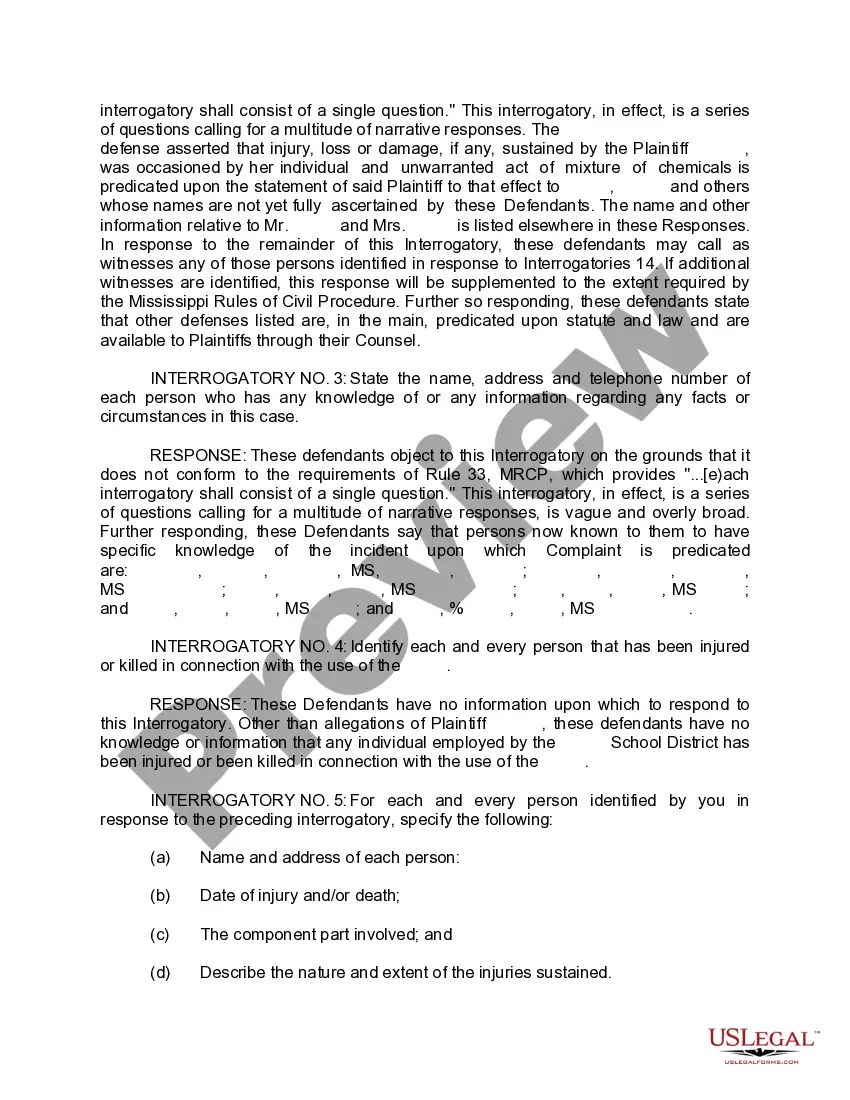
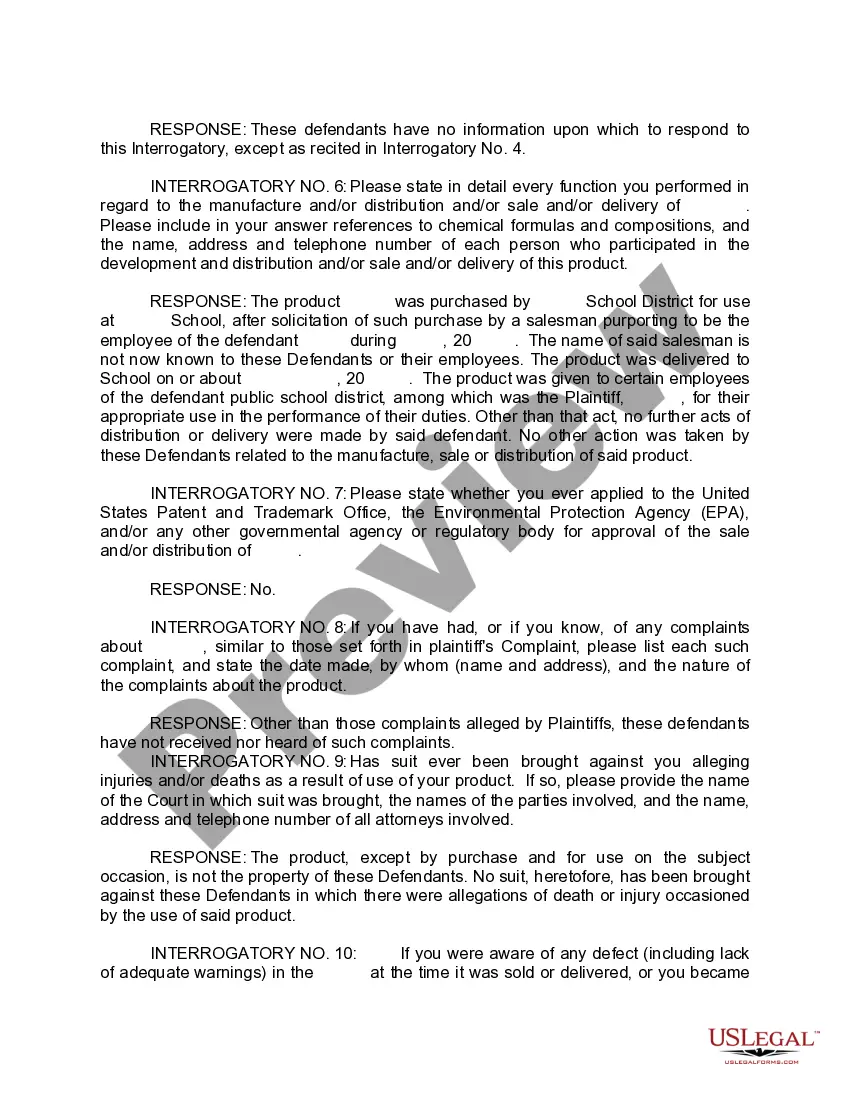
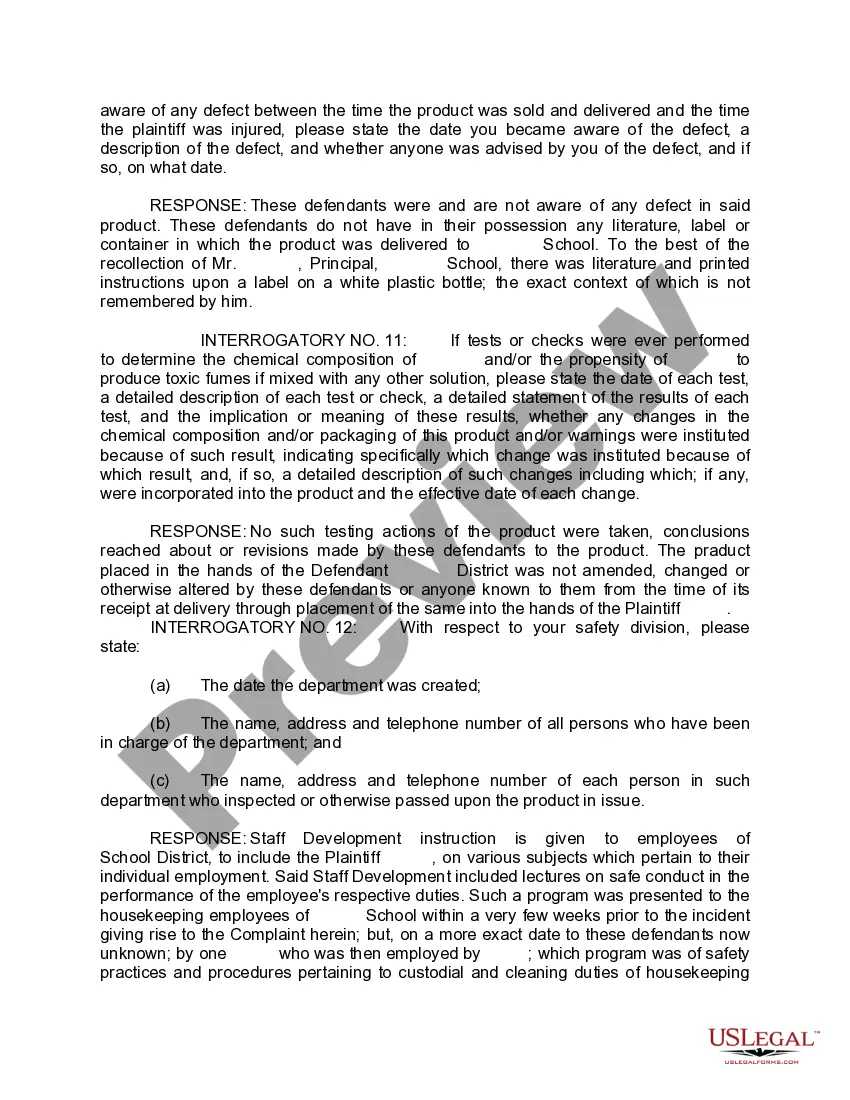
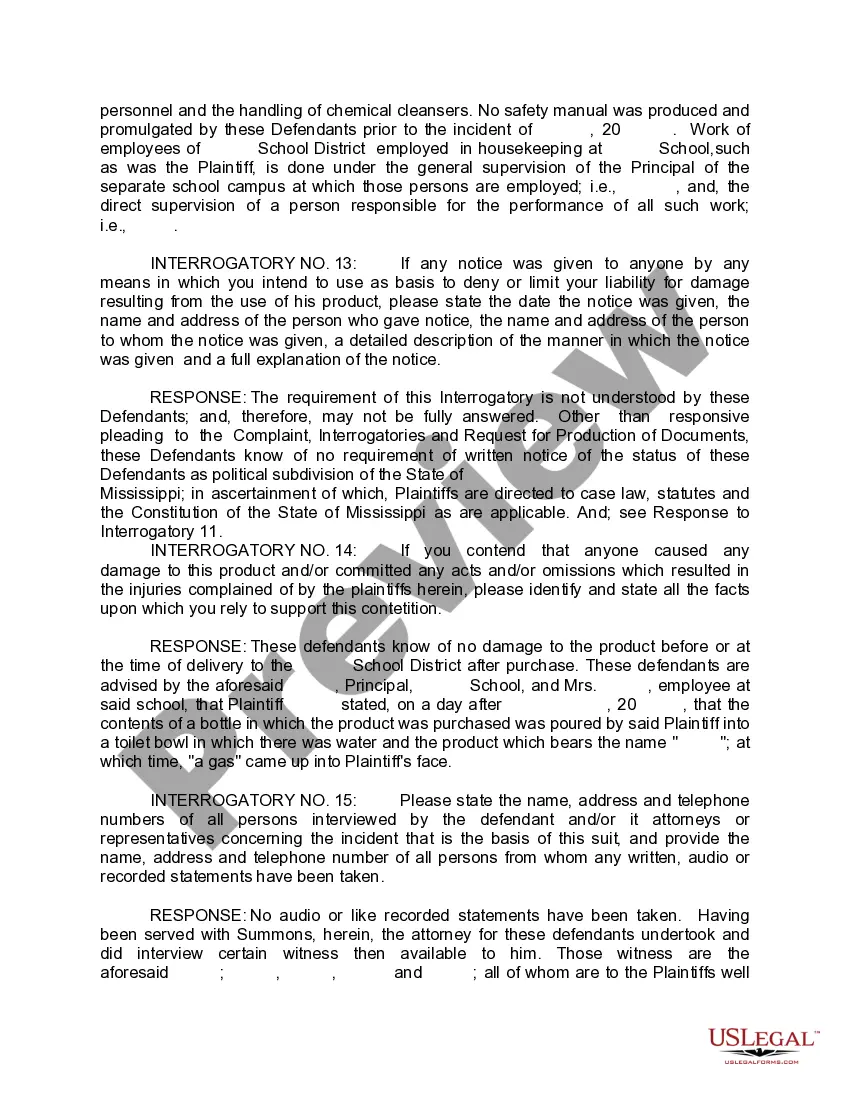
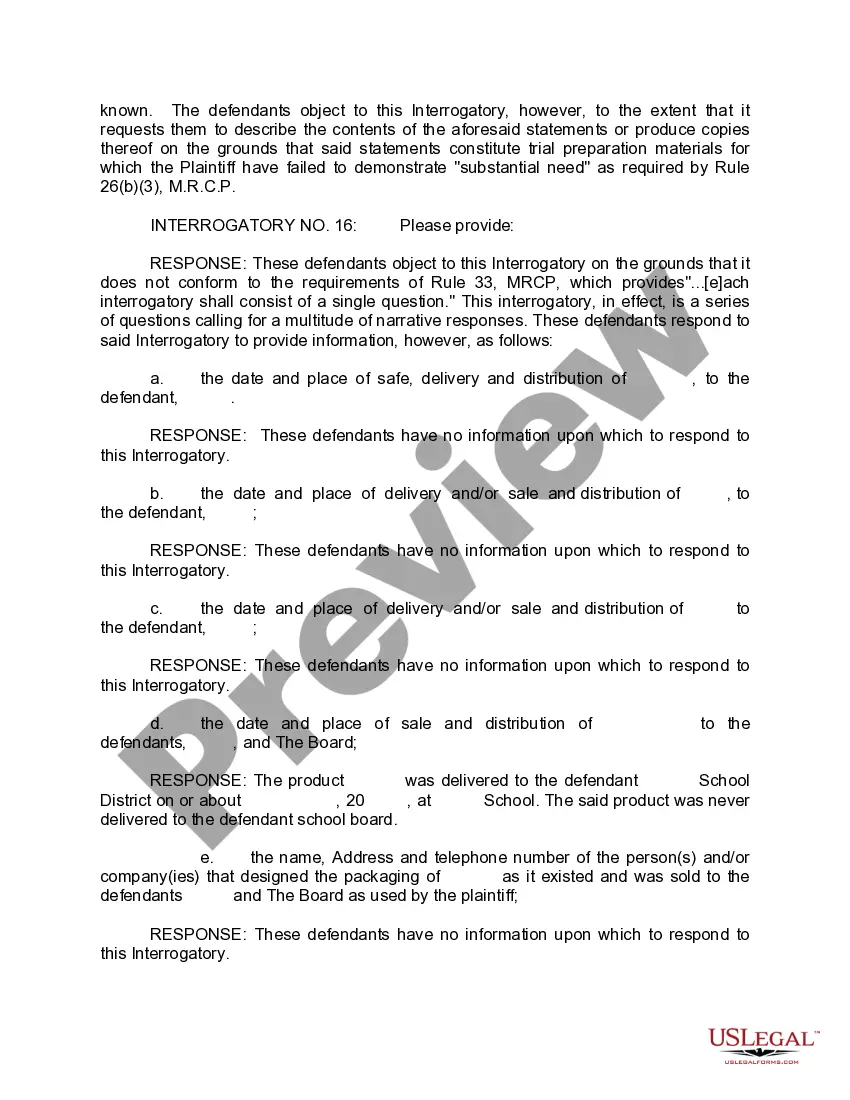
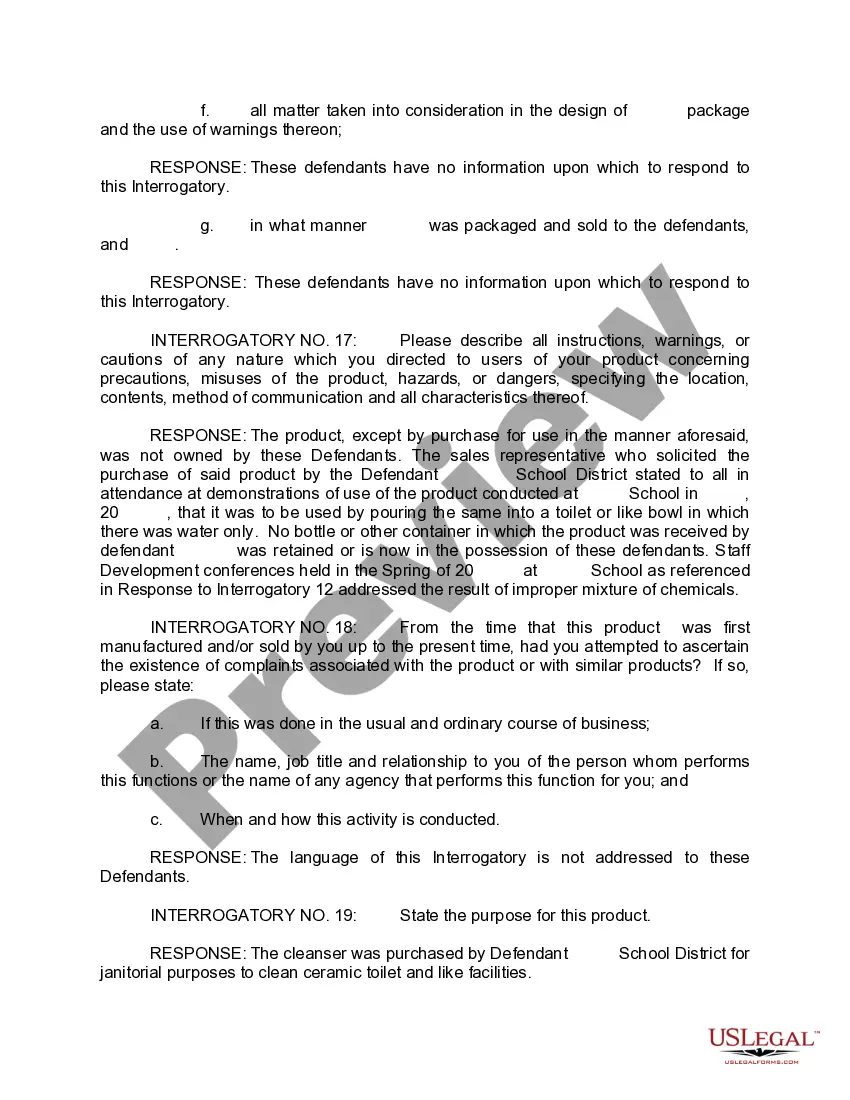
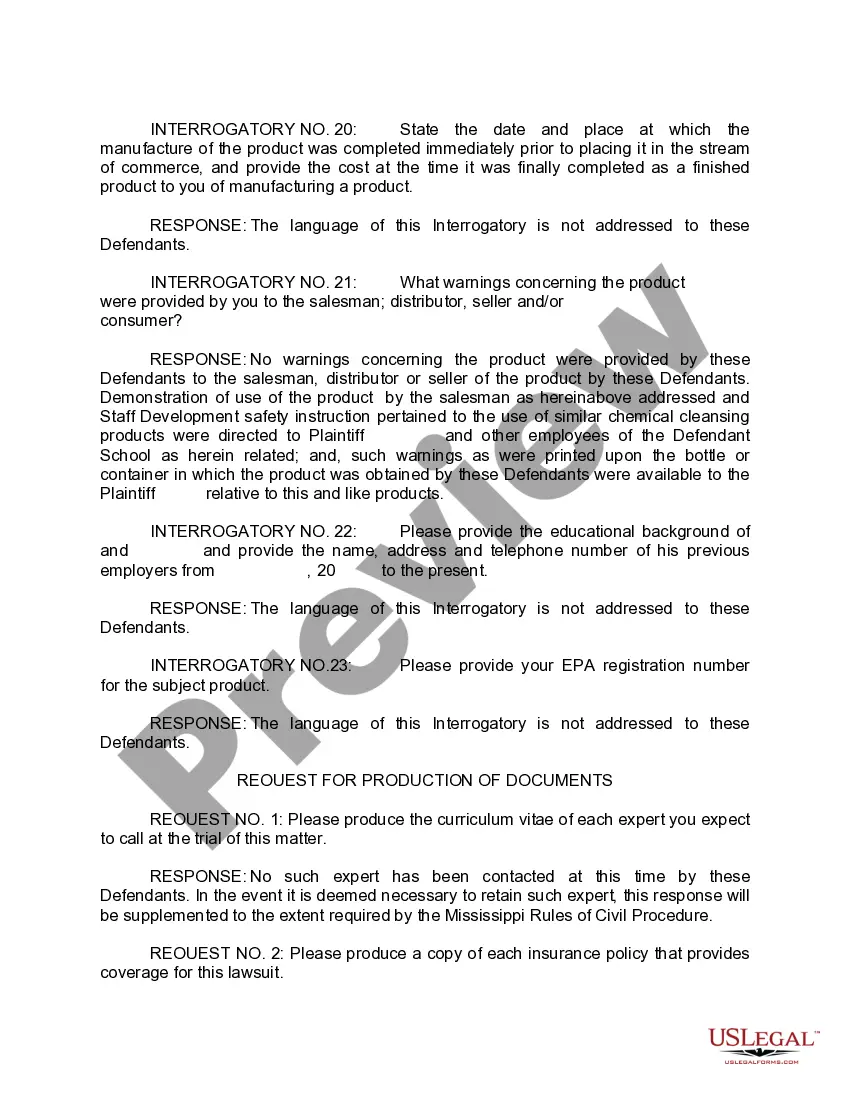
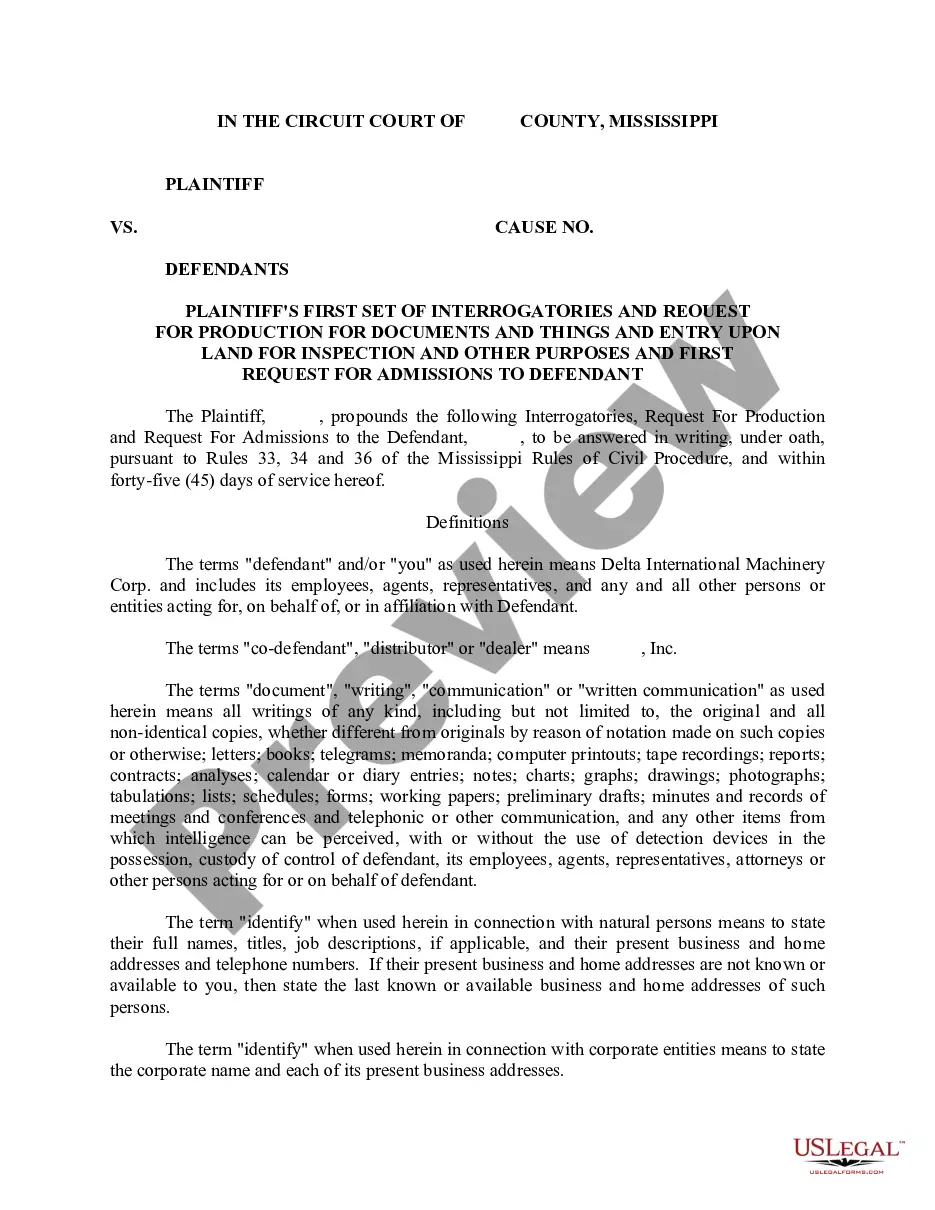
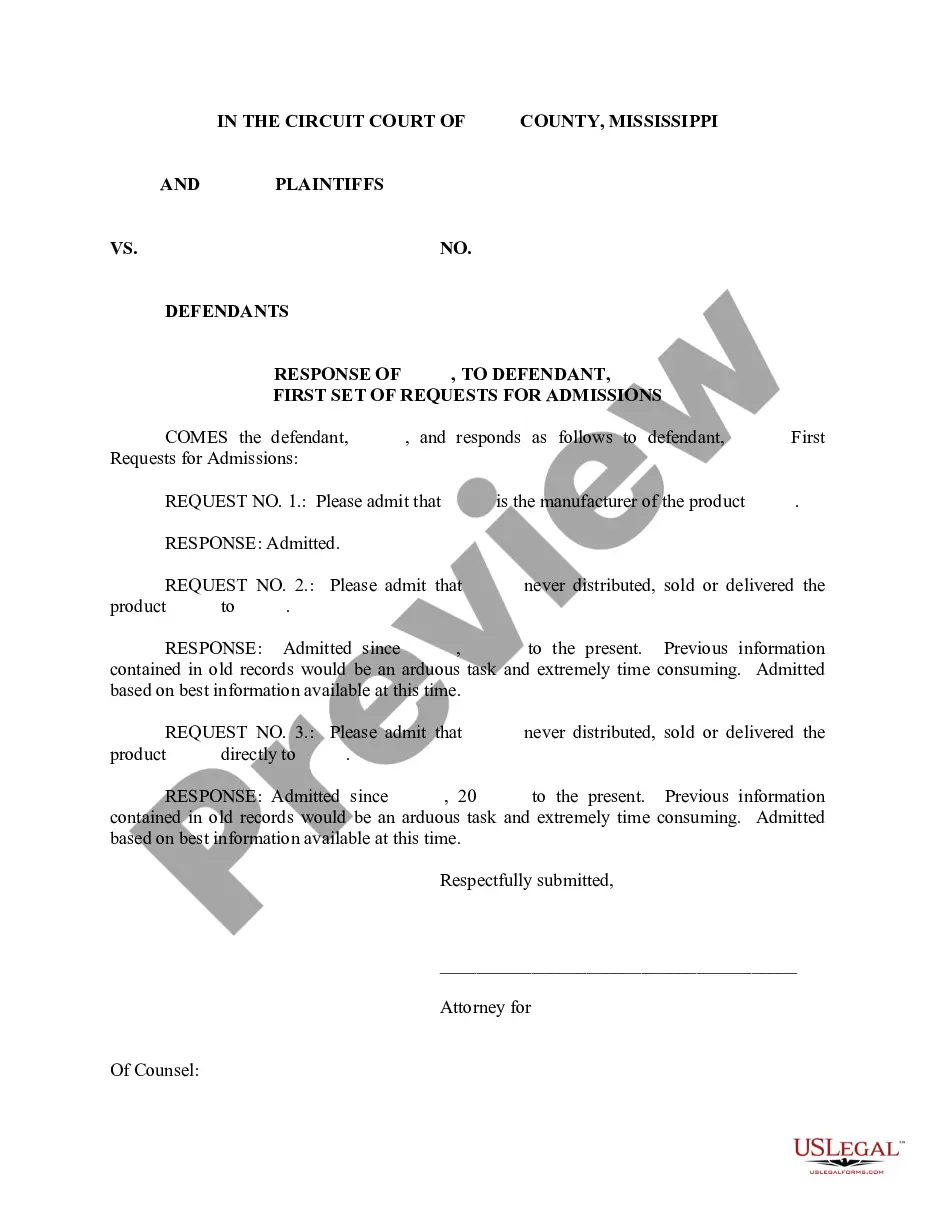
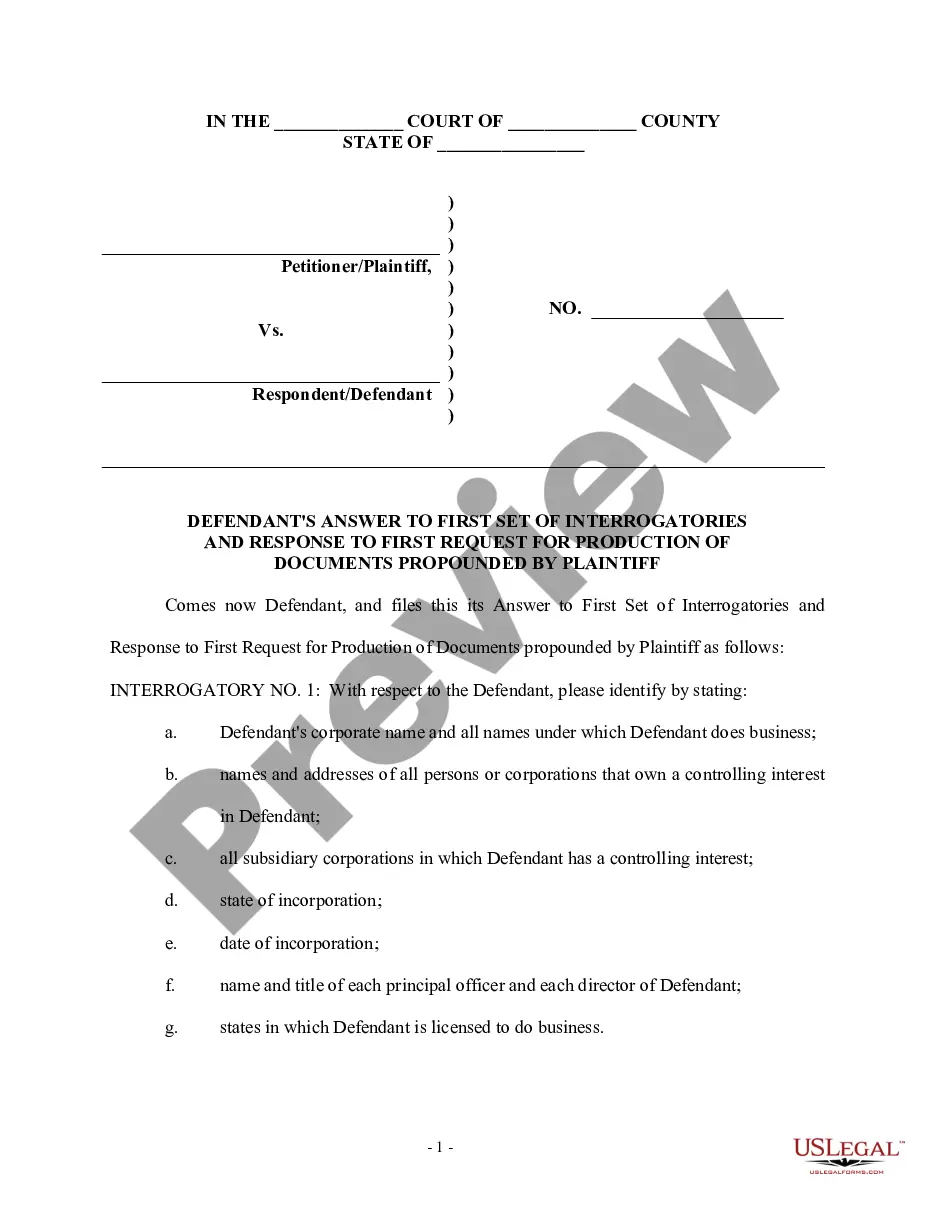
The Defendant's Response to Interrogatories is a legal document that allows defendants in a lawsuit to respond to written questions presented by the opposing party. This form is essential for providing necessary information about the case, including factual bases for defenses and the identification of potential witnesses. Unlike a standard answer to a complaint, this response form specifically addresses detailed inquiries regarding the case and the defendant's position.
Key components of this form
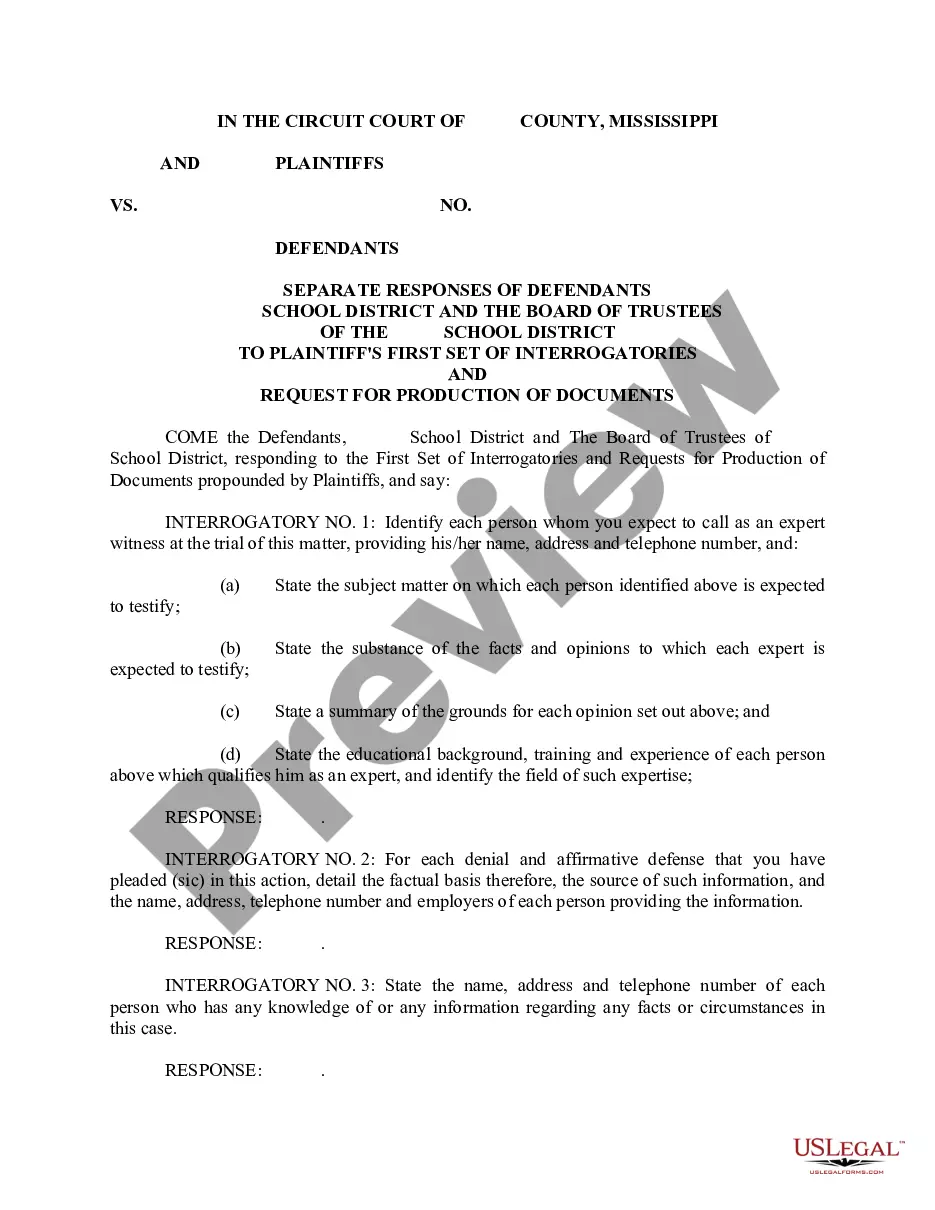
- Identification of expert witnesses, including their qualifications and expected testimony.
- Details regarding affirmative defenses and the factual basis supporting them.
- Names and contact information of individuals with relevant knowledge concerning the case.
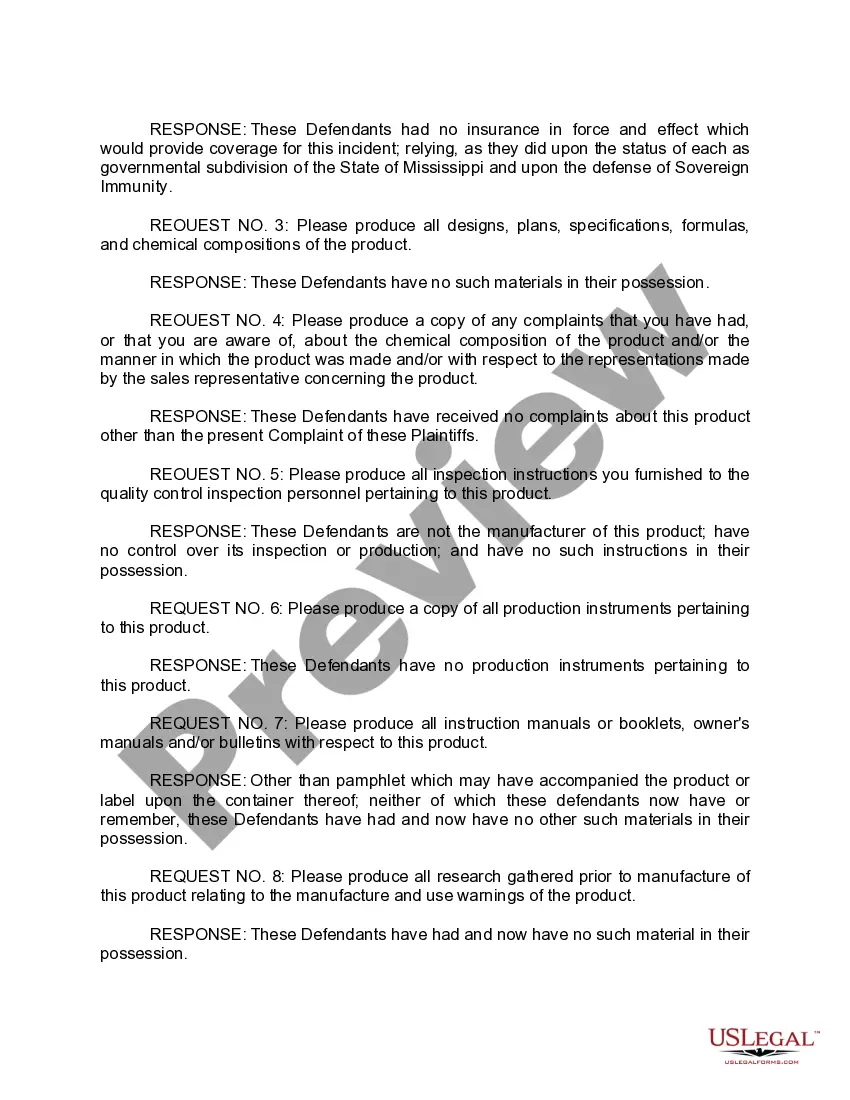
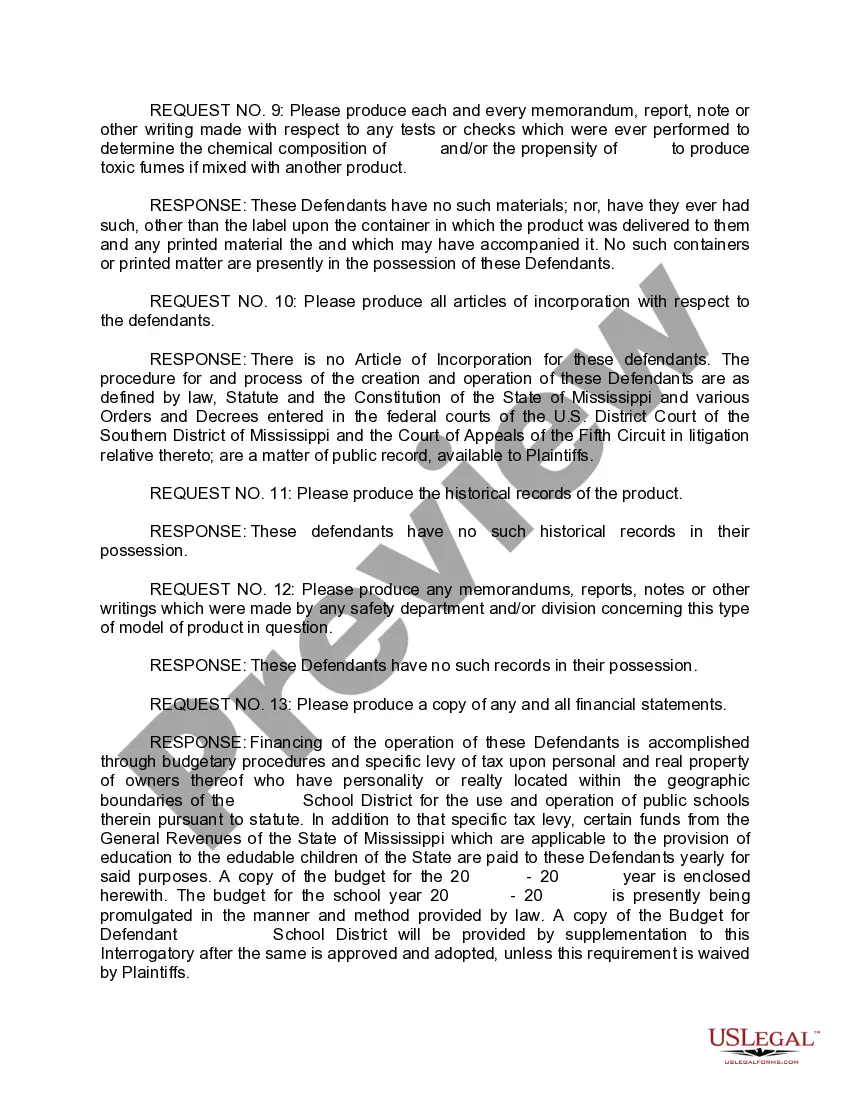
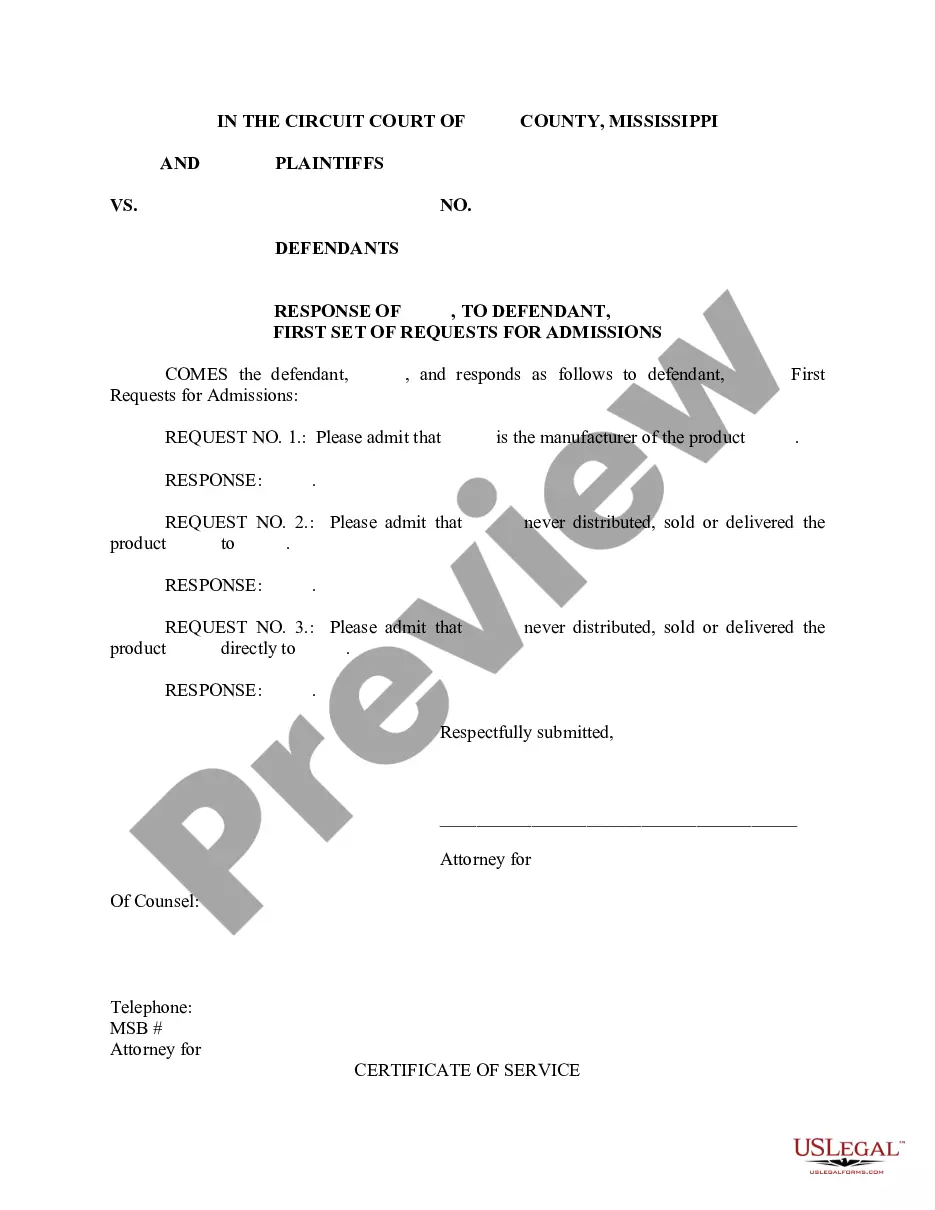
- Responses to requests for documentation related to the case and product details.
- Requirement to update responses if additional information becomes available.

Situations where this form applies
This form should be used when a defendant in a civil lawsuit needs to formally respond to interrogatories submitted by the plaintiff. It is commonly required during the discovery phase of litigation, where parties gather information to prepare for trial. Utilizing this form ensures that responses are structured and comply with legal standards.
Who this form is for
- Defendants in a civil lawsuit facing interrogatories from the opposing party.
- Attorneys representing defendants who need to draft a response to legal inquiries.
- Individuals or entities involved in litigation who need to clarify their defenses and facts related to the case.
Instructions for completing this form
- Identify the parties involved in the case, specifying their roles (e.g., plaintiff, defendant).
- Provide detailed responses to each interrogatory, ensuring clarity and completeness.
- Document any expert witnesses that may be called, including their qualifications and expected testimony.
- Include the factual basis for affirmative defenses and any sources of information that support the responses.
- Review the form for accuracy and compliance with the Mississippi Rules of Civil Procedure.
Does this form need to be notarized?
In most cases, this form does not require notarization. However, some jurisdictions or signing circumstances might. US Legal Forms offers online notarization powered by Notarize, accessible 24/7 for a quick, remote process.
Get your form ready online
Our built-in tools help you complete, sign, share, and store your documents in one place.
Make edits, fill in missing information, and update formatting in US Legal Forms—just like you would in MS Word.
Download a copy, print it, send it by email, or mail it via USPS—whatever works best for your next step.
Sign and collect signatures with our SignNow integration. Send to multiple recipients, set reminders, and more. Go Premium to unlock E-Sign.
If this form requires notarization, complete it online through a secure video call—no need to meet a notary in person or wait for an appointment.
We protect your documents and personal data by following strict security and privacy standards.

Make edits, fill in missing information, and update formatting in US Legal Forms—just like you would in MS Word.

Download a copy, print it, send it by email, or mail it via USPS—whatever works best for your next step.

Sign and collect signatures with our SignNow integration. Send to multiple recipients, set reminders, and more. Go Premium to unlock E-Sign.

If this form requires notarization, complete it online through a secure video call—no need to meet a notary in person or wait for an appointment.

We protect your documents and personal data by following strict security and privacy standards.
Common mistakes to avoid
- Failing to provide complete answers to all interrogatories.
- Neglecting to update responses when new information becomes available.
- Providing vague or unclear responses that do not address the specific inquiries.
- Missing deadlines for submitting the completed response.
Benefits of completing this form online
- Convenient access to legal documents for quick preparation and response.
- Editable form templates tailored to specific legal needs.
- Reliable guidance based on licensed attorney drafts.
Legal use & context
- This form is used during the discovery phase of litigation to gather relevant information.
- The responses provided are considered legal statements and can be used in court.
- Non-compliance with interrogatories can lead to penalties or sanctions by the court.
What to keep in mind
- The Defendant's Response to Interrogatories is essential for responding to specific legal inquiries.
- This form must be completed accurately to avoid complications during litigation.
- Understanding local legal rules is crucial for compliance and proper use of this form.
Looking for another form?

Form popularity
FAQ
Your answers to the interrogatories should usually be short, clear, and direct and should answer only the question that is being asked. This is not the time to set out your entire case or defense to the other side. Take the time to make sure your answers are correct and truthful.
So, can you refuse to answer interrogatories? The answer is, no, you may not. You must answer a Rule 33 interrogatory within 30 days of being served with it. That answer must either permit inspection of the requested information or object to the production of the information for a specific reason.
Interrogatory answers, in order to be used as substantive evidence at trial, must be introduced into evidence as part of the record.One procedure for admitting the answers, after securing the court's permission, is to read the questions and answers before the jury so that they are in the trial transcript.
You must answer each interrogatory separately and fully in writing under oath, unless you object to it. You must explain why you object. You must sign your answers and objections.
Written questions submitted to a party from his or her adversary to ascertain answers that are prepared in writing and signed under oath and that have relevance to the issues in a lawsuit.No party can be compelled to answer interrogatories that involve matters beyond the party's control.