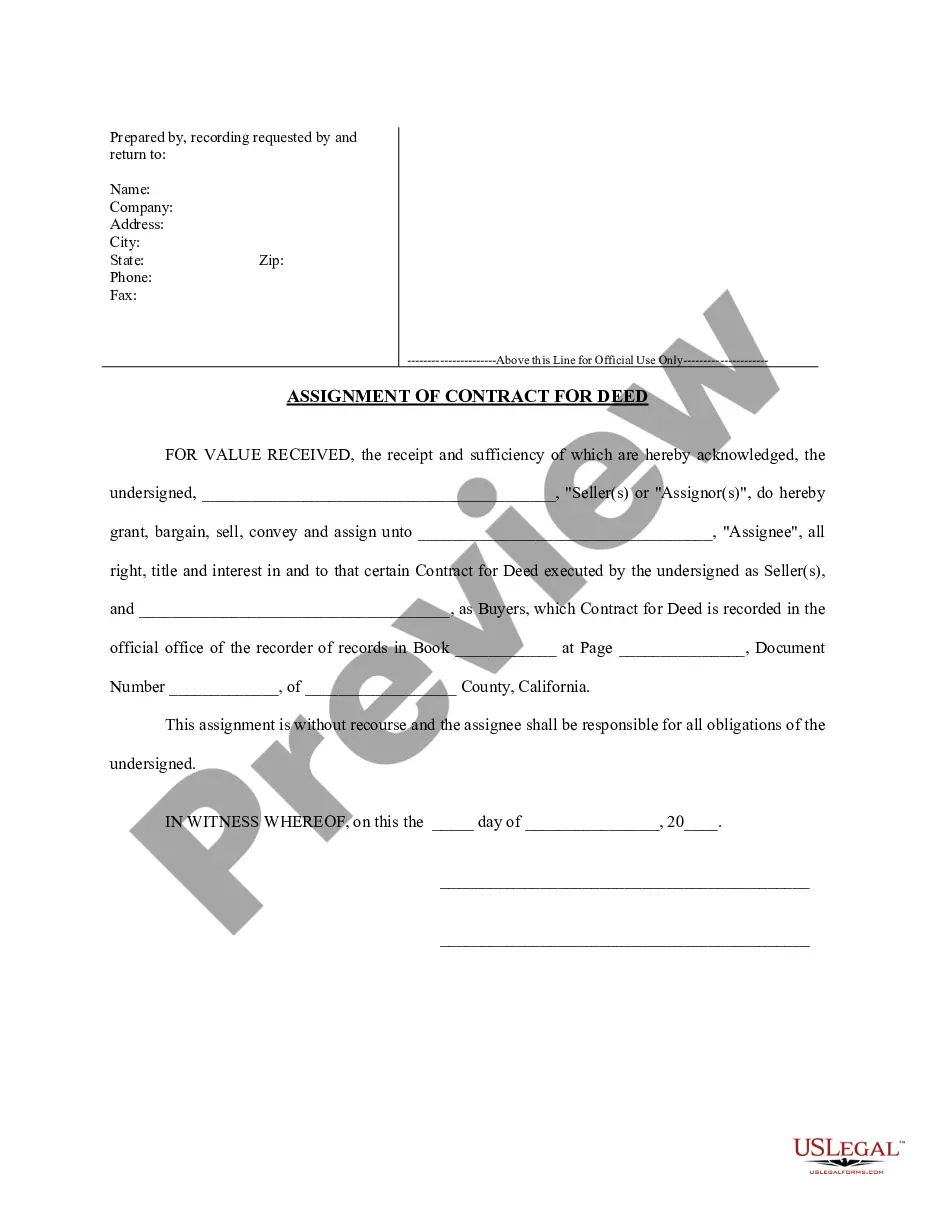
Mississippi Defendants' First Request for Production of Documents to Plaintiff
What this document covers
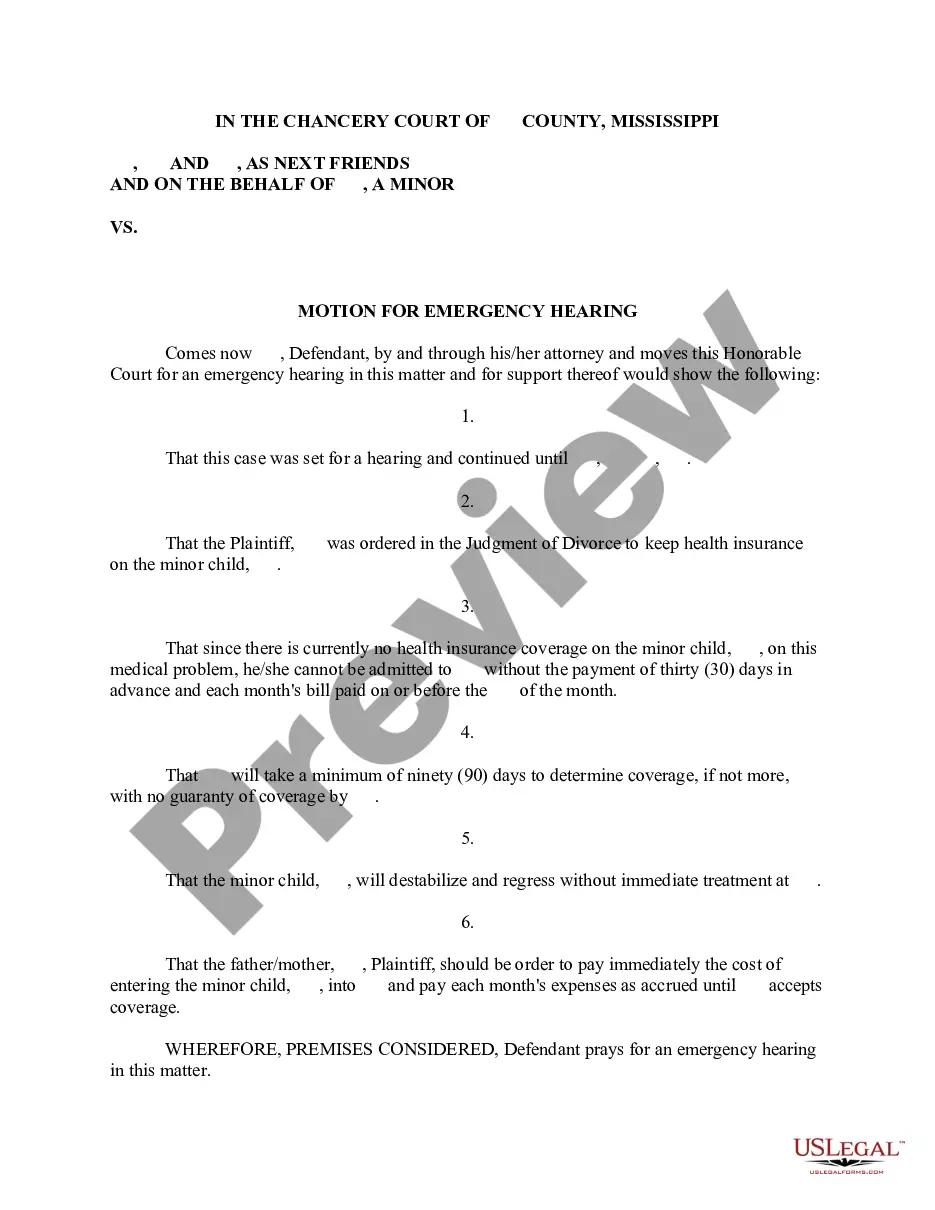
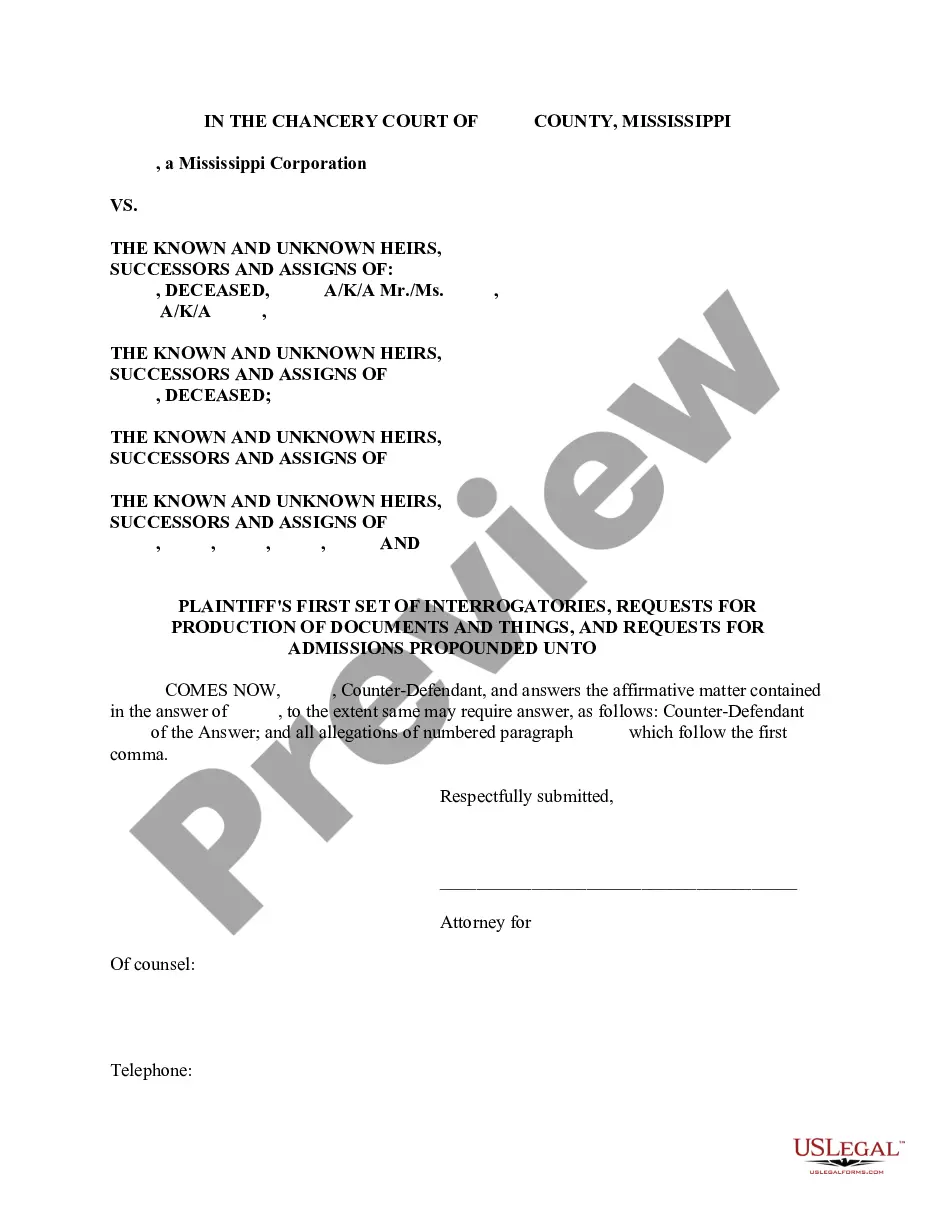
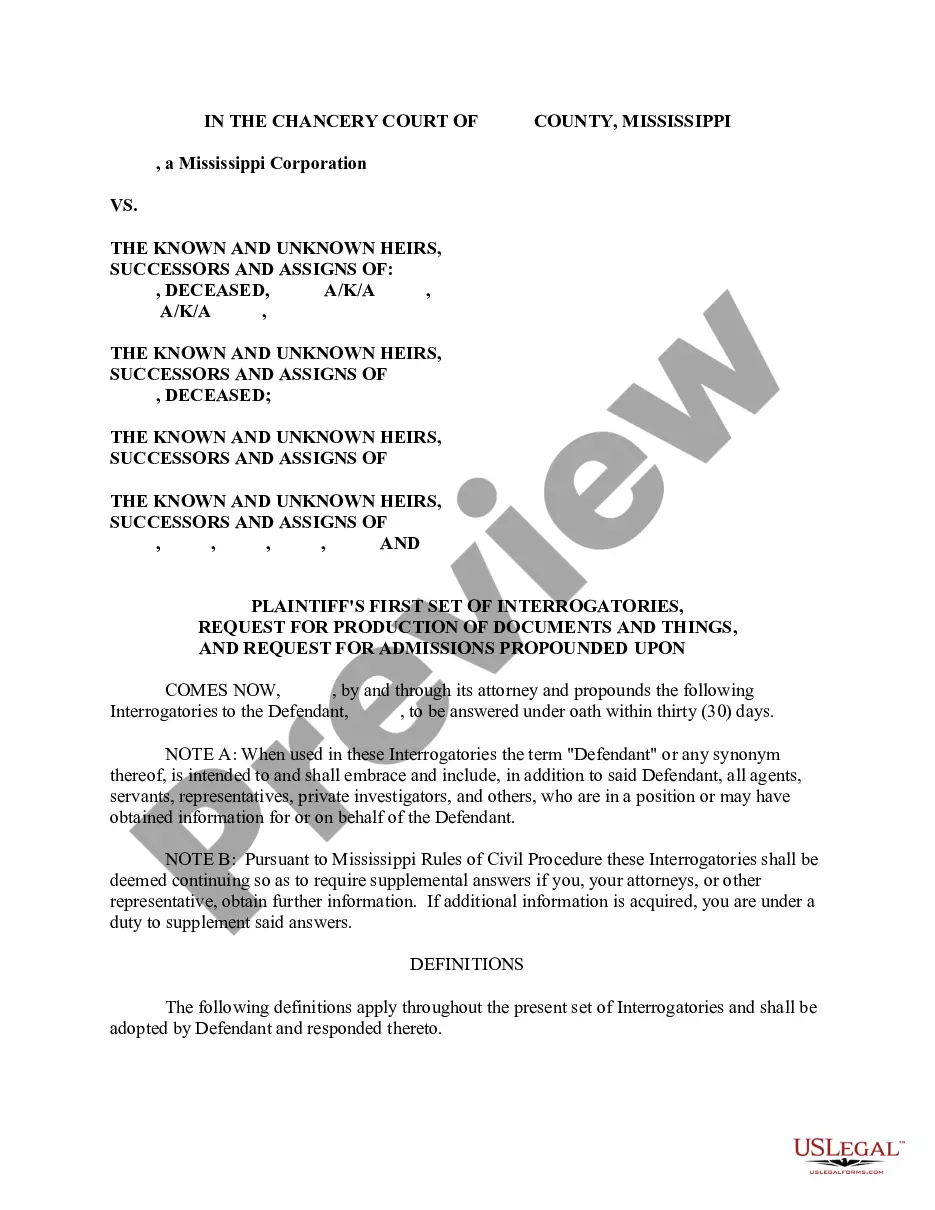
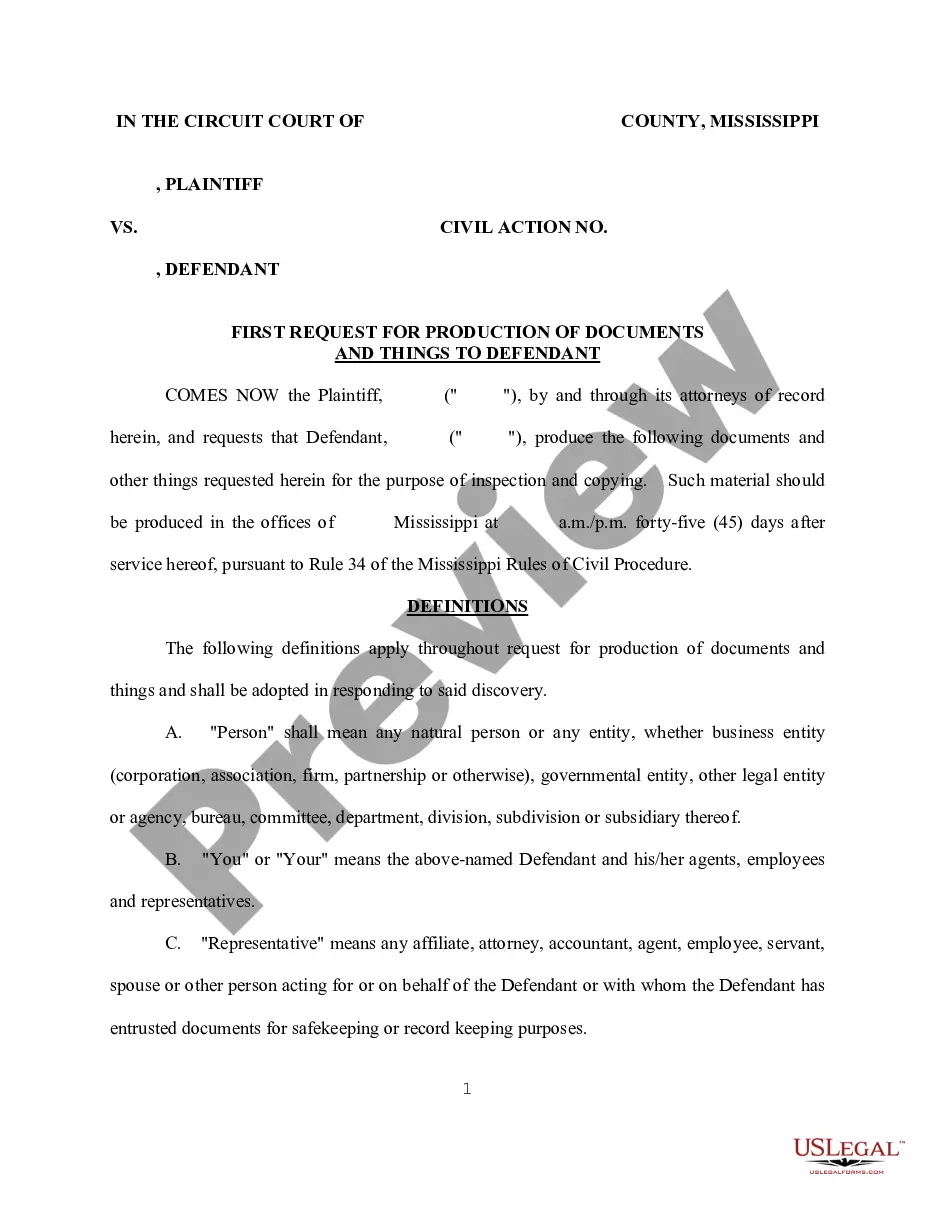
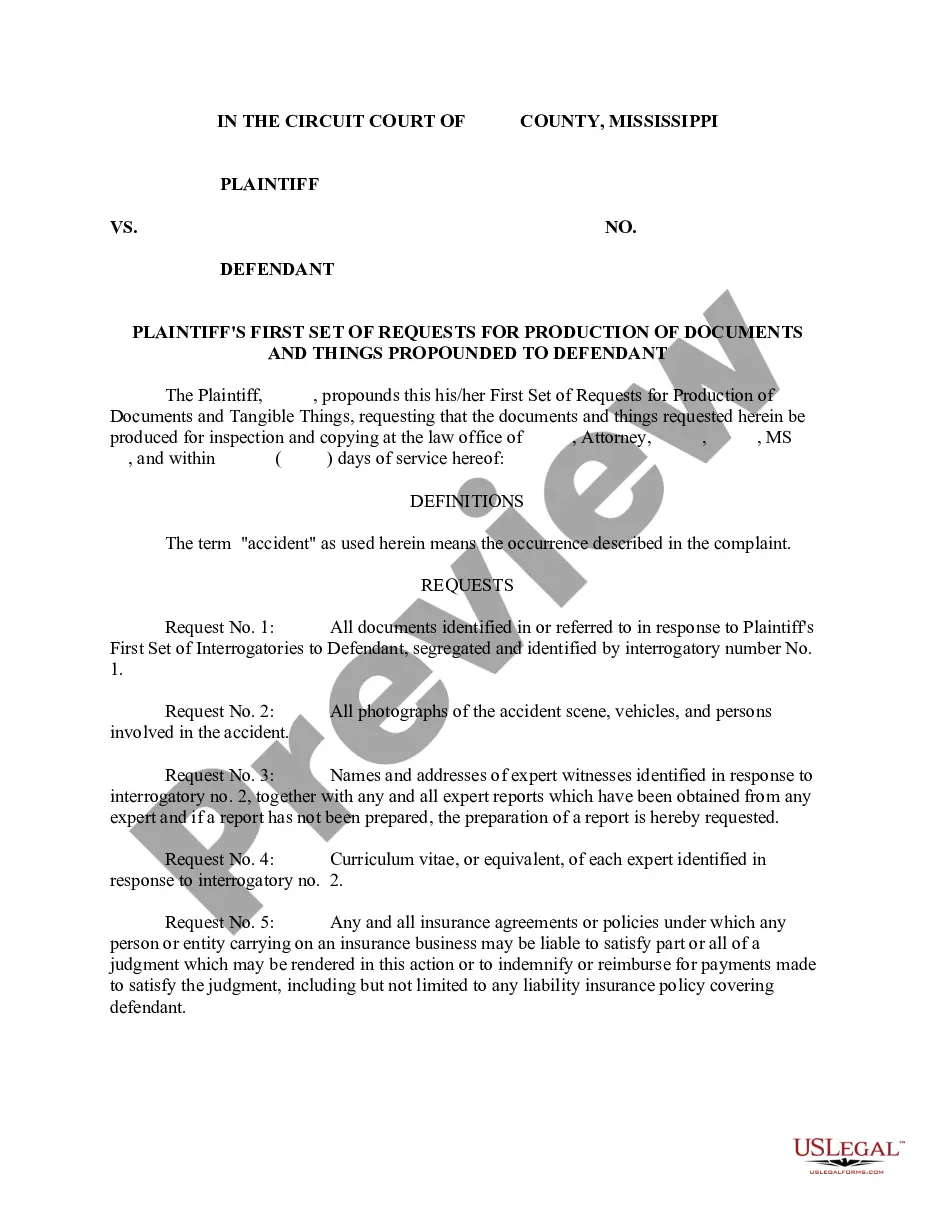
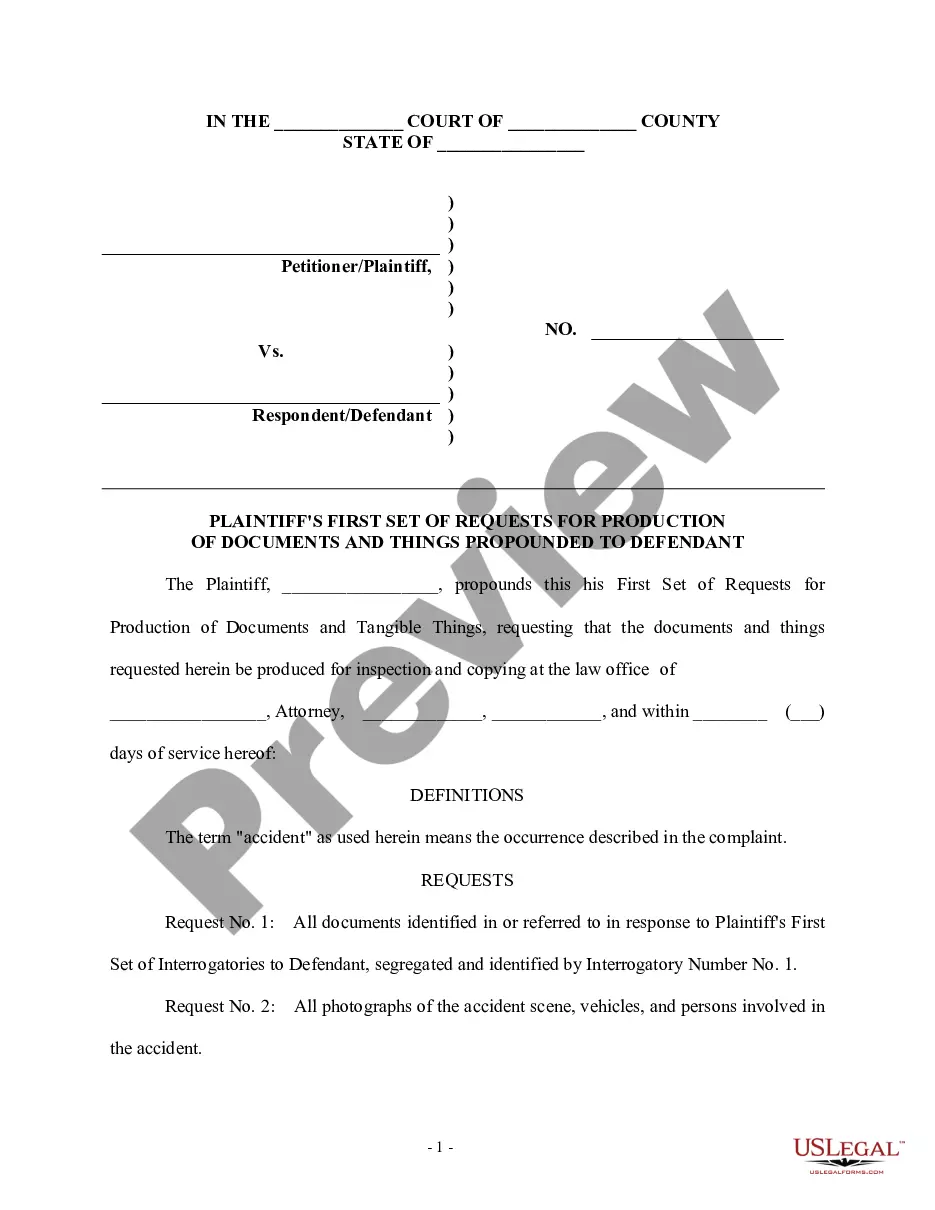
The Defendants' First Request for Production of Documents to Plaintiff is a legal form used in Mississippi that allows a defendant to request specific documents from the plaintiff related to a case. This form plays a crucial role in the discovery process, where each party gathers evidence to support their claims. Unlike other forms, this request is specifically directed at obtaining documents rather than interrogatories or admissions, making it a vital tool for preparing a case effectively.
Key components of this form
- Case caption that identifies the parties involved.
- Specific requests for production detailing the documents needed.
- Signature section for the defendant's attorney.
- Space for the opposing side to respond to the requests.
- Implementation of compliance with Mississippi statutes.
When this form is needed
This form should be used when a defendant in a lawsuit requires access to specific documents held by the plaintiff to build their case. Common scenarios include cases involving custody disputes, divorce proceedings, or financial disputes where documentation is critical for successful argumentation in court.
Who can use this document
- Defendants in civil litigation cases in Mississippi.
- Attorneys representing defendants seeking documentation from the plaintiff.
- Individuals involved in lawsuits where document discovery is necessary.
How to prepare this document
- Identify the parties involved in the case at the top of the form.
- Clearly specify each document requested from the plaintiff in a detailed manner.
- Check all relevant details and ensure they correspond to the claims in the case.
- Sign the form as the defendant's attorney and include your contact information.
- Make copies of the completed form for your records and serve it to the plaintiffâs attorney.
Notarization guidance
This form does not typically require notarization unless specified by local law. However, all parties should ensure compliance with Mississippi rules to validate the document in court.
Get your form ready online
Our built-in tools help you complete, sign, share, and store your documents in one place.
Make edits, fill in missing information, and update formatting in US Legal Forms—just like you would in MS Word.
Download a copy, print it, send it by email, or mail it via USPS—whatever works best for your next step.
Sign and collect signatures with our SignNow integration. Send to multiple recipients, set reminders, and more. Go Premium to unlock E-Sign.
If this form requires notarization, complete it online through a secure video call—no need to meet a notary in person or wait for an appointment.
We protect your documents and personal data by following strict security and privacy standards.

Make edits, fill in missing information, and update formatting in US Legal Forms—just like you would in MS Word.

Download a copy, print it, send it by email, or mail it via USPS—whatever works best for your next step.

Sign and collect signatures with our SignNow integration. Send to multiple recipients, set reminders, and more. Go Premium to unlock E-Sign.

If this form requires notarization, complete it online through a secure video call—no need to meet a notary in person or wait for an appointment.

We protect your documents and personal data by following strict security and privacy standards.
Avoid these common issues
- Failing to be specific about the documents requested, leading to vague requests.
- Omitting the case caption or proper party identification.
- Neglecting to sign the form or include attorney contact information.
- Not following proper filing and service procedures as required by Mississippi law.
Benefits of completing this form online
- Convenient access to a legally compliant template.
- Ability to edit and tailor the form to specific case needs.
- Access to updates that reflect recent changes in Mississippi law.
- Immediate download options for rapid use in legal proceedings.
Looking for another form?

Form popularity
FAQ
Requests for the Production of Documents are a discovery device used by a party to enable the individual to learn the facts that are the basis for, or support, a pleading with which he or she has been served by the opposing party.These documents might also be evidence in a hearing or a trial.
Motions to Compel If a party doesn't respond to interrogatories or requests for production, then the party seeking those answers must file a motion to compel with the court. If the court grants the motion to compel, then the party who objected or failed to answer must then do so.
So, can you refuse to answer interrogatories? The answer is, no, you may not.That answer must either permit inspection of the requested information or object to the production of the information for a specific reason.
In certain cases, you might be able to write a letter to the other side and request the documents that you need. However, in more formal cases, you will likely have to draft more formal discovery demands. There are usually forms available for this in local law libraries, from the court clerk's office, or online.
If the plaintiff does not respond to the court order, then you can file a Motion to Dismiss and you may win your case. Send a final request. If they do not respond to the final request within 30 days you can send the court an application for entry of final judgment or dismissal.
A request for production is a discovery device used to gain access to documents, electronic data, and physical items held by an opposing party in a legal matter. The aim is to gain insight into any relevant evidence that the opposing party holds.
Interrogatories, which are written questions about things that are relevant or important to the case. (NRCP 33; JCRCP 33) Requests for production of documents or things, which are written requests that demand the other side provide particular documents or items.
In law, interrogatories (also known as requests for further information) are a formal set of written questions propounded by one litigant and required to be answered by an adversary in order to clarify matters of fact and help to determine in advance what facts will be presented at any trial in the case.
In a civil action, a request for admission is a discovery device that allows one party to request that another party admit or deny the truth of a statement under oath. If admitted, the statement is considered to be true for all purposes of the current trial.