Exclusive or Exclusivity Agreement Between Buyer and Seller
Overview of this form
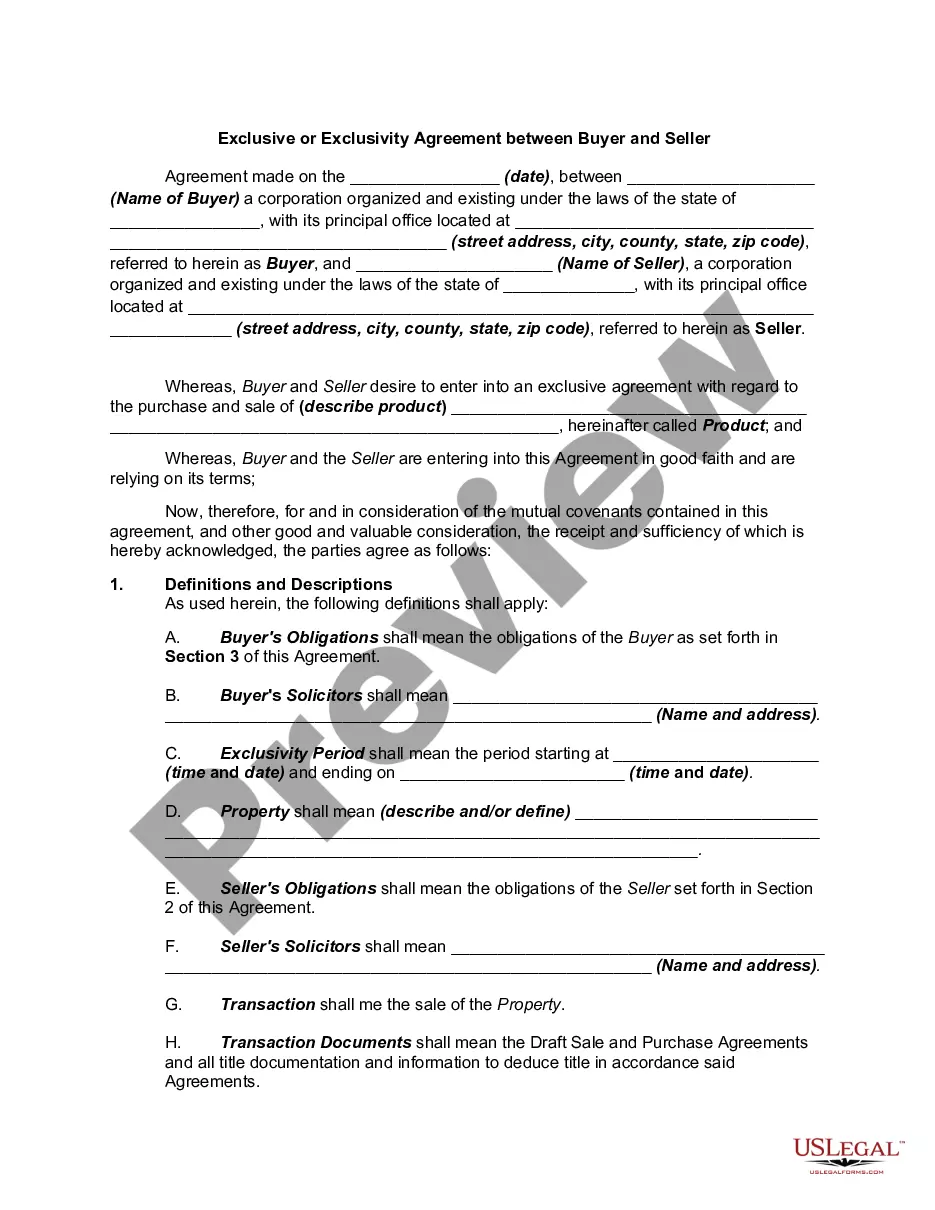
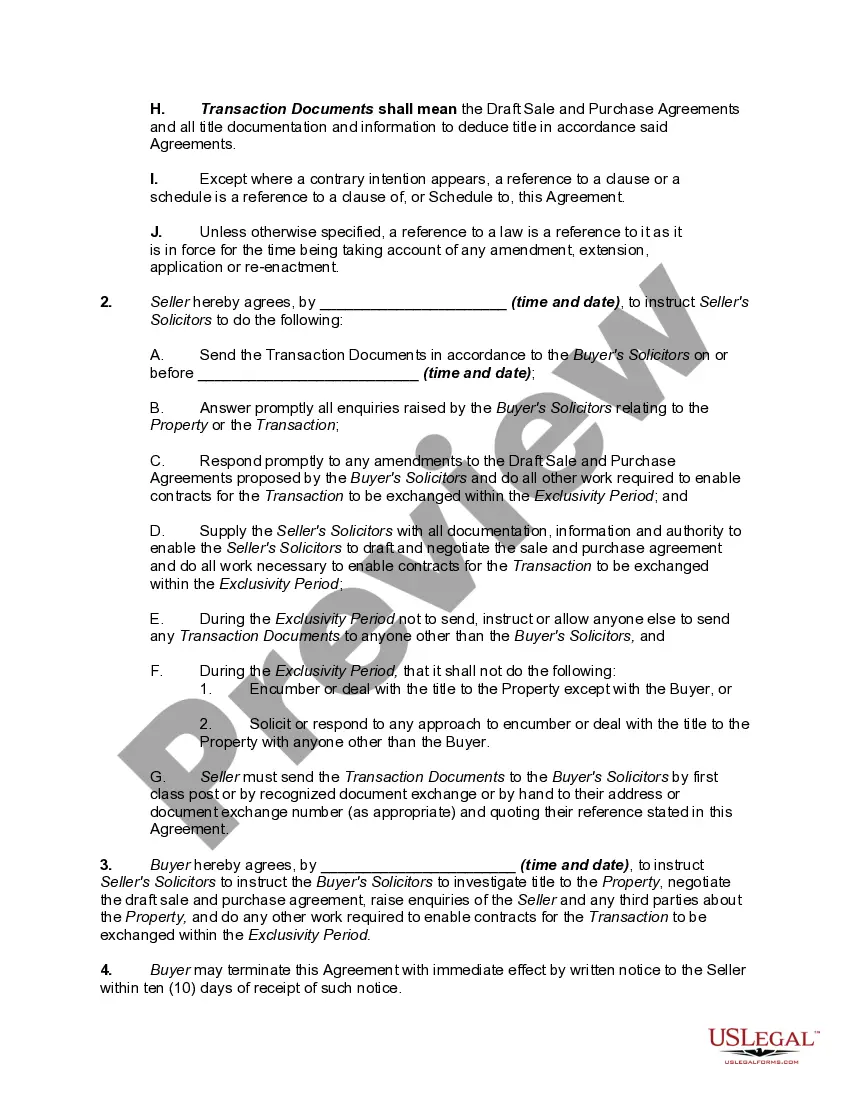
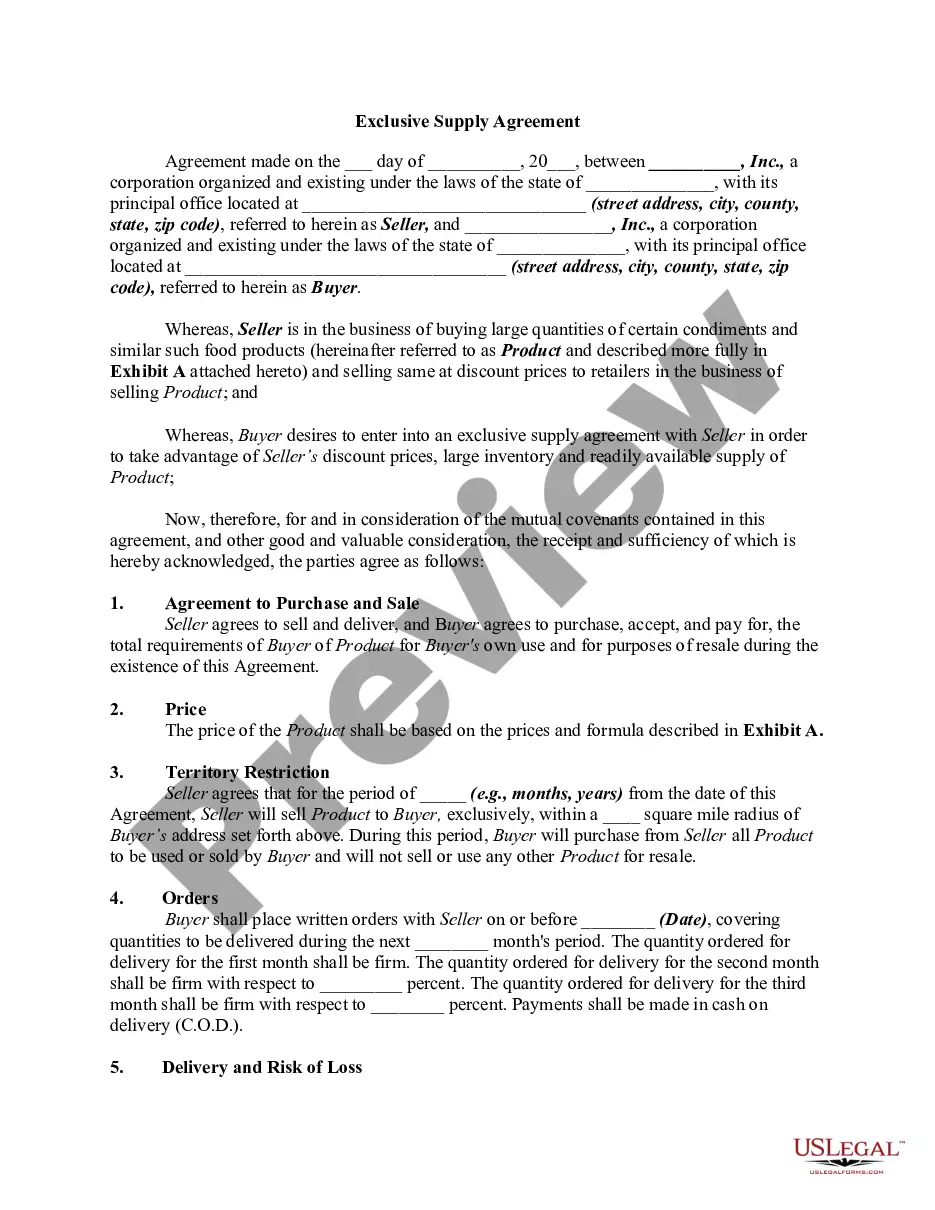
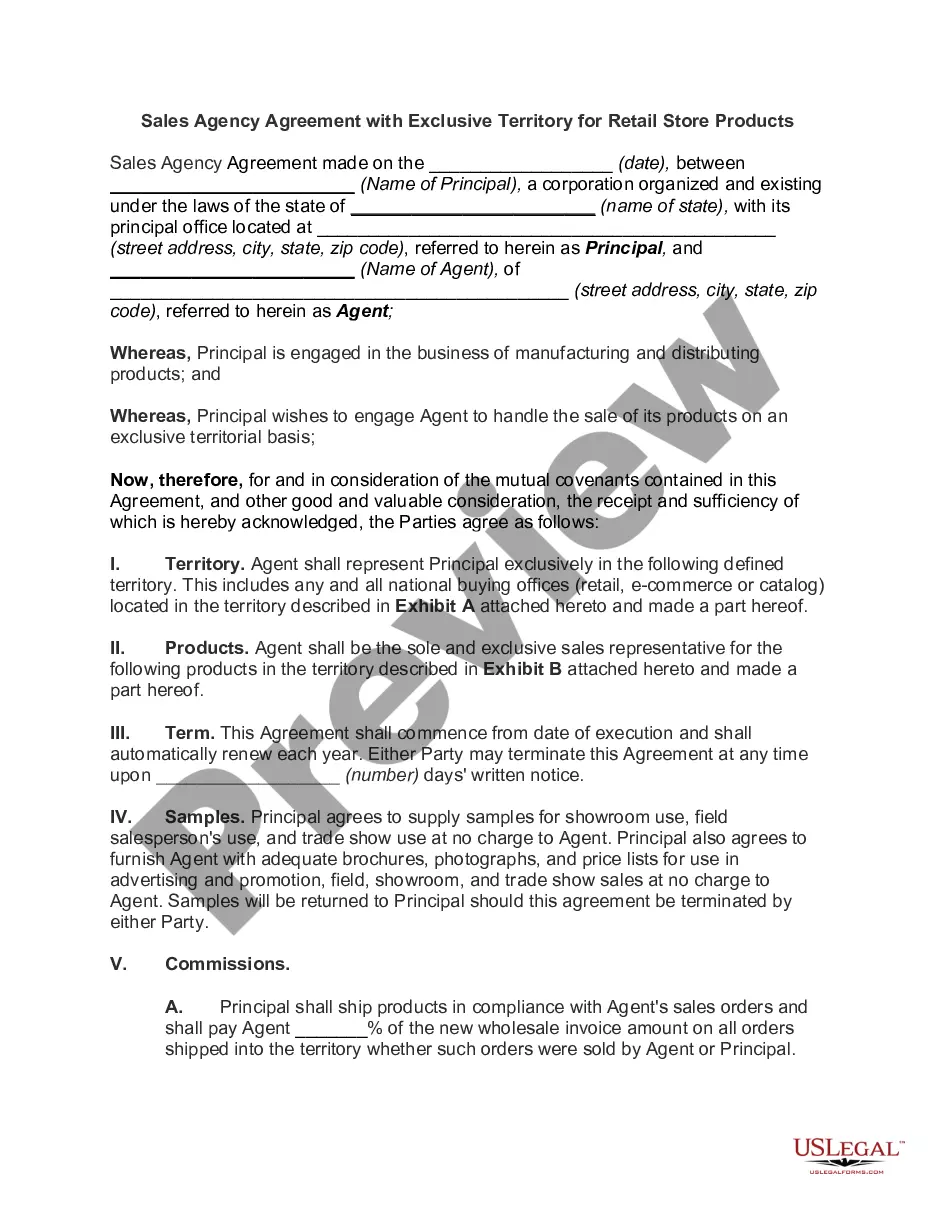
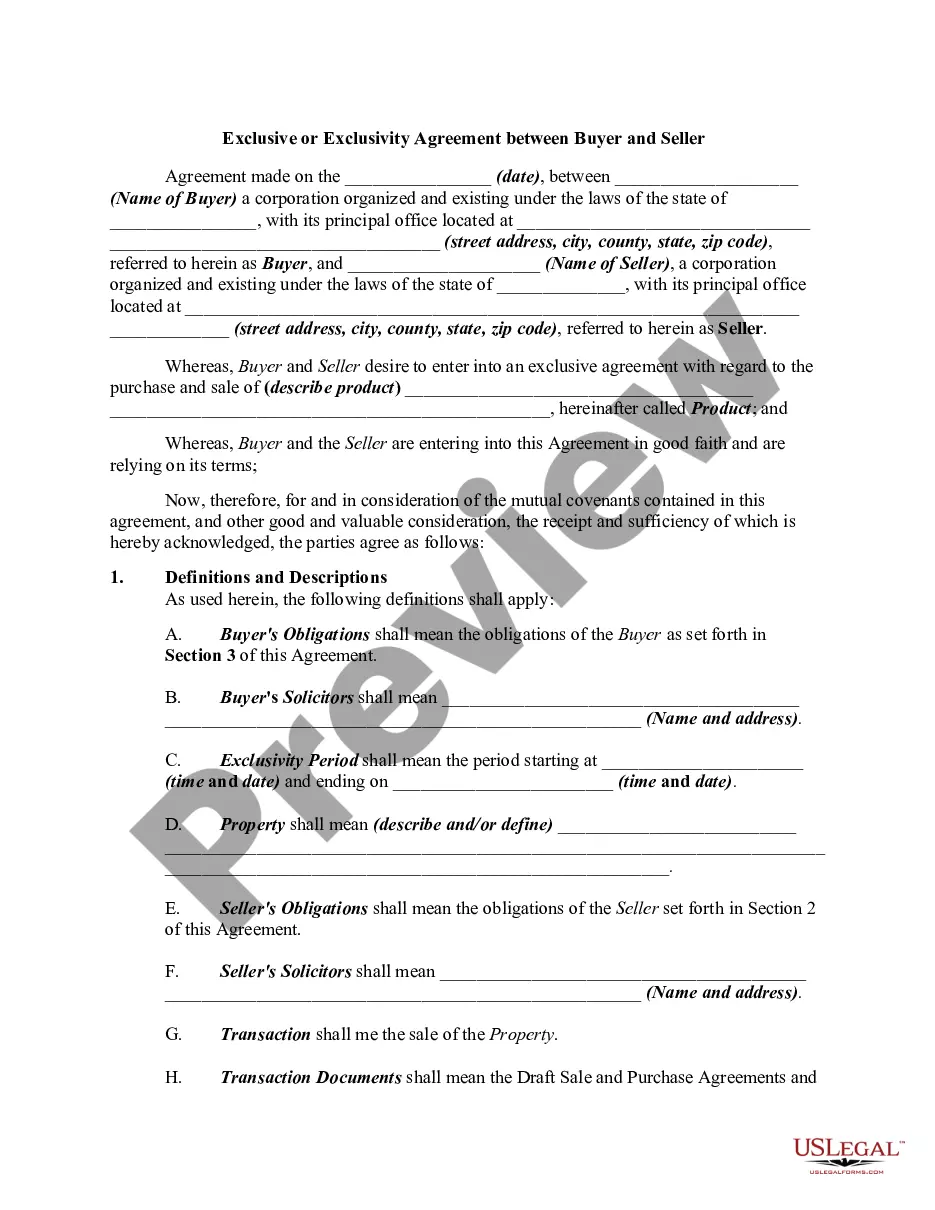
An exclusivity agreement is a legally binding contract between a buyer and a seller that ensures both parties will engage solely with each other concerning a specific business transaction for a defined period. This agreement helps prevent either party from negotiating or entering into agreements with third parties regarding the same transaction, fostering trust and commitment. It differs from other agreements by emphasizing exclusivity, which can be crucial in negotiations where competitive advantages or sensitive information is involved.
Key components of this form
- Identification of the Buyer and Seller, including their legal status and address.
- Definitions of key terms, including "Exclusivity Period" and "Transaction."
- Buyer's and Seller's obligations during the exclusivity period, including document handling and communication.
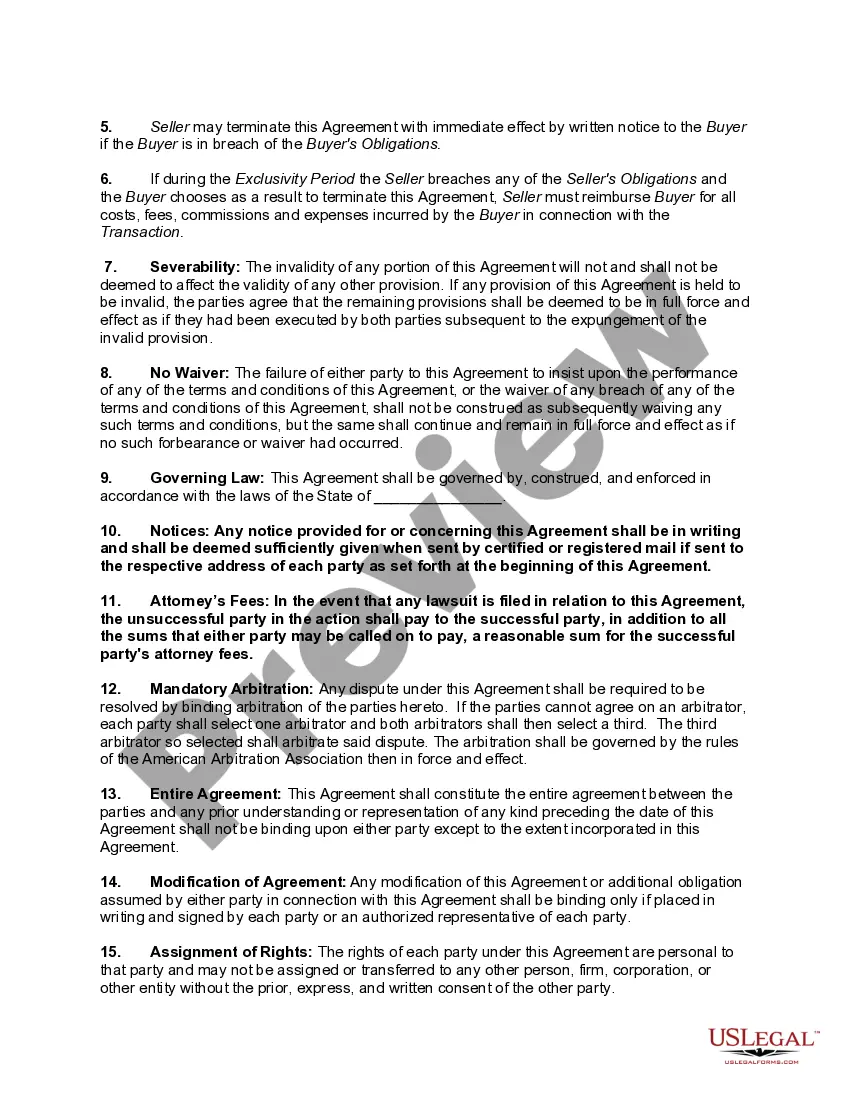
- Conditions for termination by either party.
- Governing law and dispute resolution terms, including arbitration.
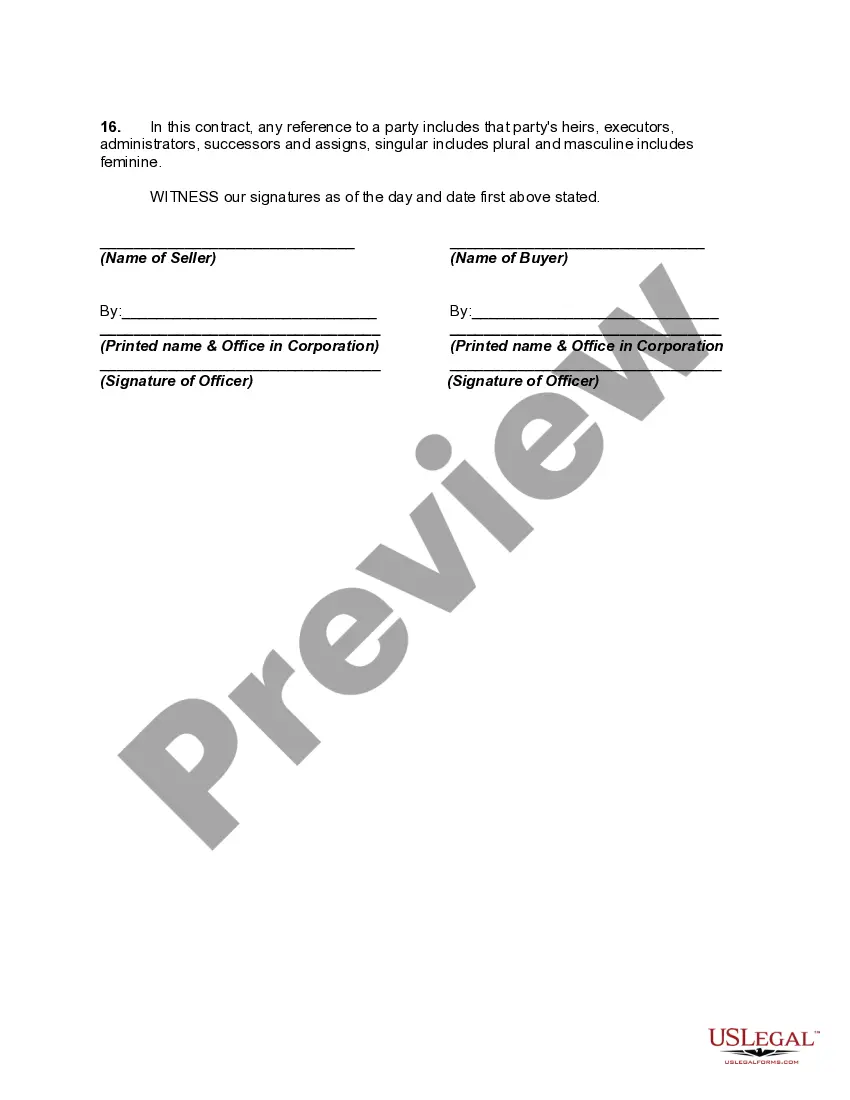
- Signatories and information required for execution.
When to use this document
This form is useful in various scenarios, such as when a buyer seeks to negotiate a specific purchase while ensuring the seller cannot entertain offers from other potential buyers. It is commonly used in real estate transactions, product sales, and other business deals where both parties want to secure their interests and maintain a dedicated negotiation environment.
Who needs this form
- Buyers who want exclusivity in their negotiations to prevent competition.
- Sellers looking to formalize their commitment to dealing only with a particular buyer.
- Business owners engaged in sales negotiations requiring protection against third-party offers.
- Legal professionals drafting contracts to ensure clarity and enforceability in transactions.
Completing this form step by step
- Identify the parties by entering the names and addresses of the Buyer and Seller.
- Specify the product or property involved in the transaction.
- Enter the dates beginning and ending the exclusivity period.
- Detail the obligations of both parties as outlined in the agreement.
- Include signatures and print names of authorized representatives from both parties to finalize the agreement.
Notarization guidance
This form does not typically require notarization unless specified by local law. It is advisable to consult with legal counsel to ensure compliance with state requirements.
Get your form ready online
Our built-in tools help you complete, sign, share, and store your documents in one place.
Make edits, fill in missing information, and update formatting in US Legal Forms—just like you would in MS Word.
Download a copy, print it, send it by email, or mail it via USPS—whatever works best for your next step.
Sign and collect signatures with our SignNow integration. Send to multiple recipients, set reminders, and more. Go Premium to unlock E-Sign.
If this form requires notarization, complete it online through a secure video call—no need to meet a notary in person or wait for an appointment.
We protect your documents and personal data by following strict security and privacy standards.

Make edits, fill in missing information, and update formatting in US Legal Forms—just like you would in MS Word.

Download a copy, print it, send it by email, or mail it via USPS—whatever works best for your next step.

Sign and collect signatures with our SignNow integration. Send to multiple recipients, set reminders, and more. Go Premium to unlock E-Sign.

If this form requires notarization, complete it online through a secure video call—no need to meet a notary in person or wait for an appointment.

We protect your documents and personal data by following strict security and privacy standards.
Avoid these common issues
- Failing to clearly define the exclusivity period, leading to confusion.
- Not specifying the obligations of each party, which can result in disputes.
- Overlooking the need for signatures from authorized representatives.
- Using vague language that may affect the enforceability of the agreement.
Advantages of online completion
- Convenience of downloading and customizing the form from any location.
- Editability allows for easy adjustments to fit specific transaction details.
- Access to attorney-drafted forms ensures legal compliance and reliability.
- An exclusivity agreement can provide legal recourse in case of breaches, ensuring both parties fulfill their commitments.
- Negotiating exclusive terms helps streamline the transaction process, fostering trust between the buyer and seller.
What to keep in mind
- Exclusivity agreements protect the interests of both buyers and sellers during negotiations.
- Key components include definitions, obligations of both parties, and termination clauses.
- Consult local laws to ensure the agreement is compliant with state-specific requirements.
Looking for another form?
Form popularity
FAQ
In business, the term exclusivity refers to a party's sole rights with regard to a certain business activity.strategic business relationships between two or more parties.
Determine if the exclusivity provision is a sticking point for the brand. Shorten the term of the exclusivity provision. Narrow the scope of the exclusivity provision. If you can't negotiate exclusivity, adjust your pricing.
If you've signed an exclusive contract with an agent, you can't work with another agent until the contract expires.If you've signed an exclusive buyer's agent agreement for a specific type of property (single-family homes), you can work with another agent to look for multi-family homes, for example.
Thus, exclusive agreements are anti-competitive under Section 3(4) or Section 4 of the Act only when the parties involved have significant market power.
Related Content. Also known as lock-out, shut-out or no-shop agreements. Agreements which are used to try to ensure that the other party to a prospective deal negotiates solely with the client for a period of time. They aim to give the client some protection from another party outbidding him.
Exclusive Supply Agreements are defined under Section 3(4)(c) of the Competition Act, 2002 ("Act") as agreements restricting the purchaser from purchasing/dealing with goods other than those of the seller.Exclusive supply agreements are also known as 'single branding' agreements or 'quantity forcing' arrangements.
An exclusivity clause is part of a bigger legal document that restricts the signer from buying, selling, or promoting any goods or services from any person or company other than the issuing company associated with the contract.It may also be included as part of another legal document or contract.