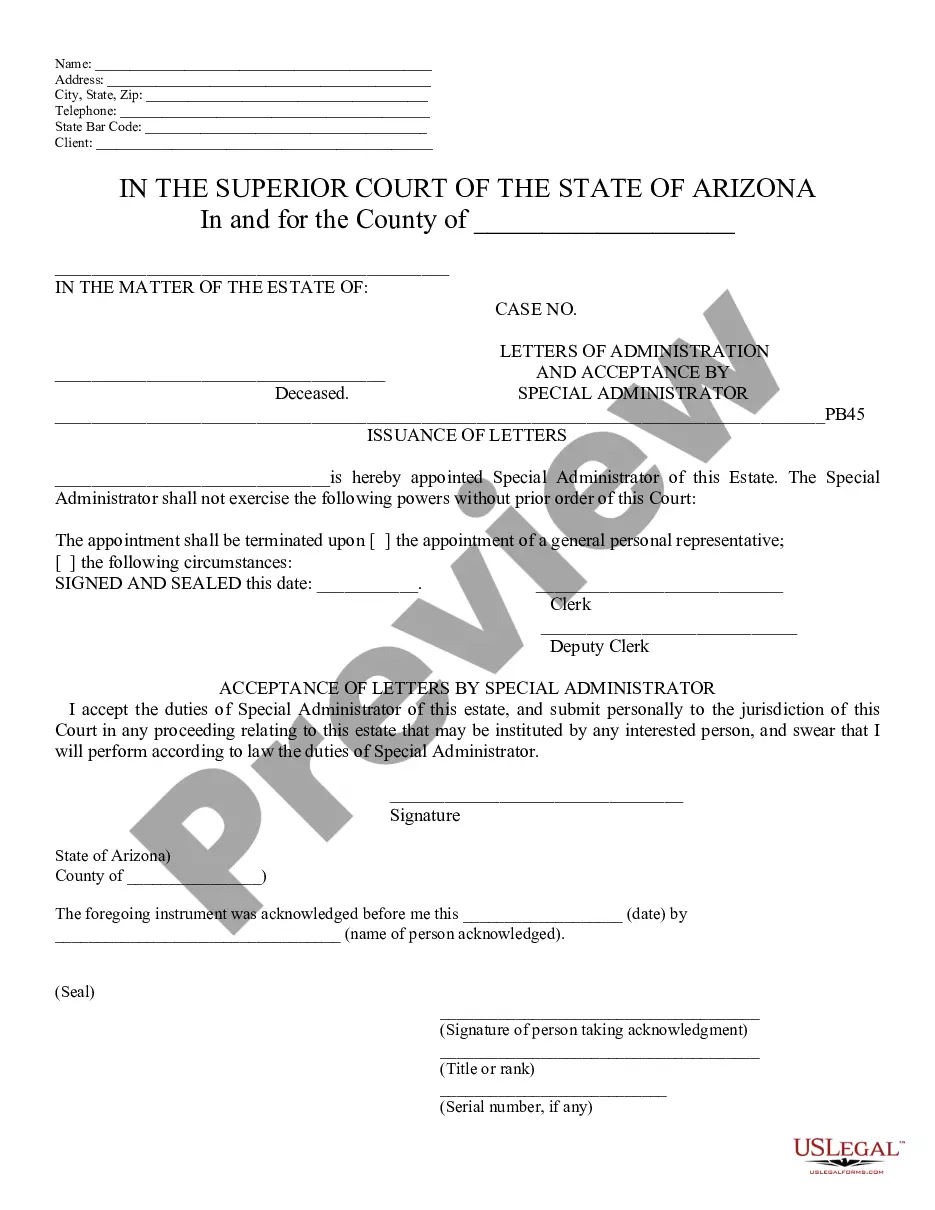
Mississippi Special Warranty Deed
About this form
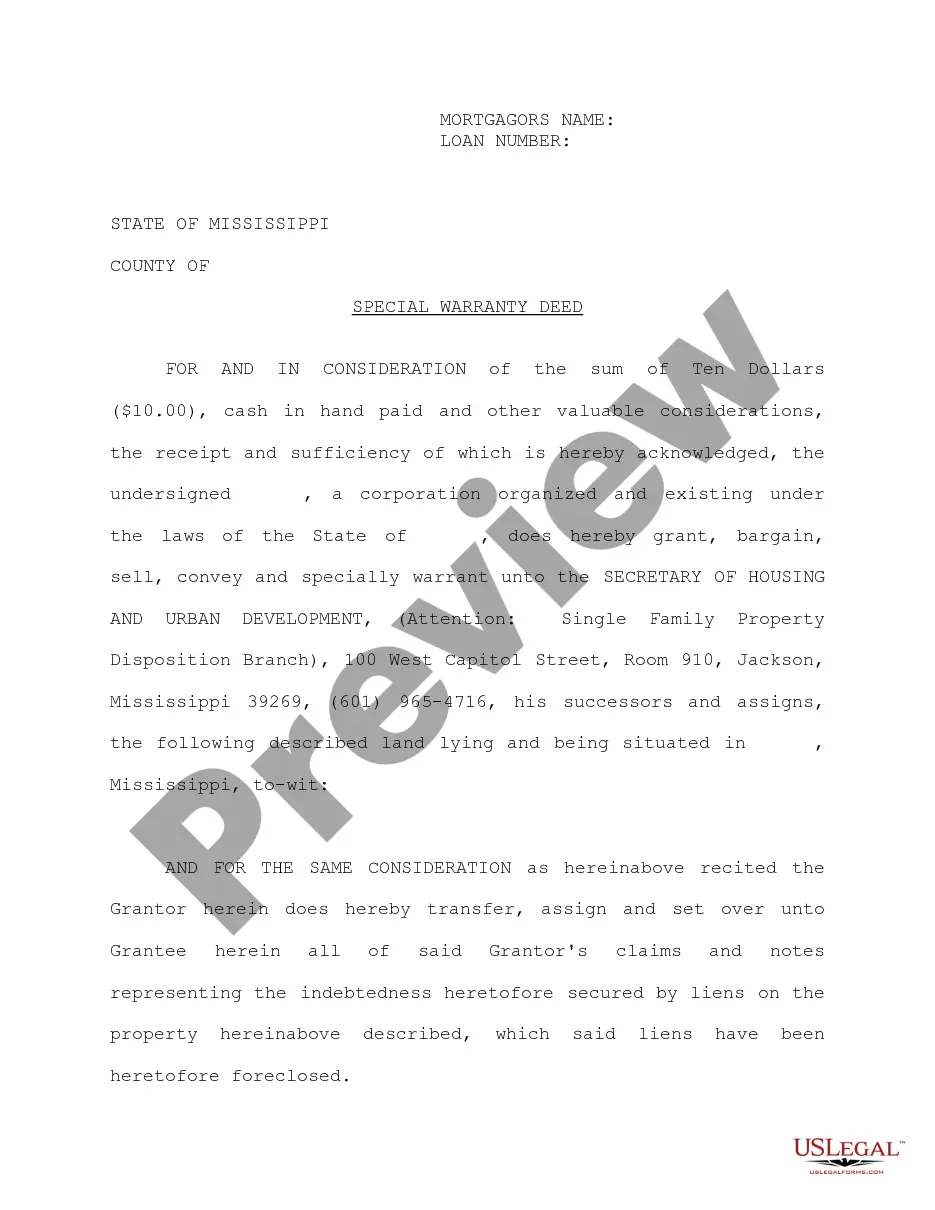
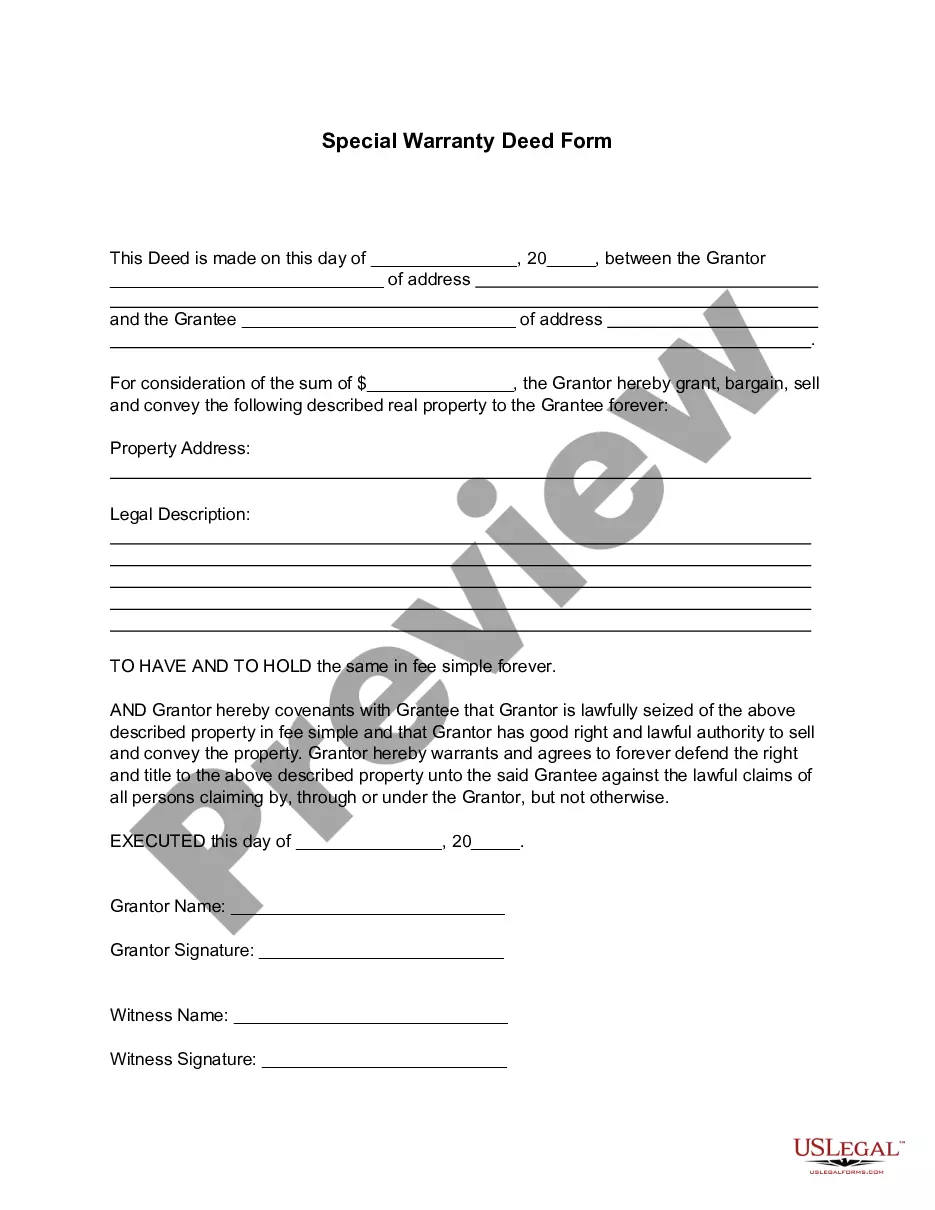
A Special Warranty Deed is a legal document used in property transactions that conveys title from one party to another, while limiting the seller's liability. Unlike a general warranty deed, it only covers issues arising during the seller's ownership of the property. This makes it a valuable option for property transfers where a seller wants to provide limited assurances regarding the property's title. Users can easily download this Special Warranty Deed template, drafted by licensed attorneys, to facilitate their real estate transactions.
Key components of this form
- Parties involved: Identification of the grantor (seller) and grantee (buyer).
- Description of the property: Detailed information about the real estate being transferred.
- Consideration: The amount paid for the property, which is typically stated in the deed.
- Limitations: Clauses specifying the limited nature of the warranty provided by the grantor.
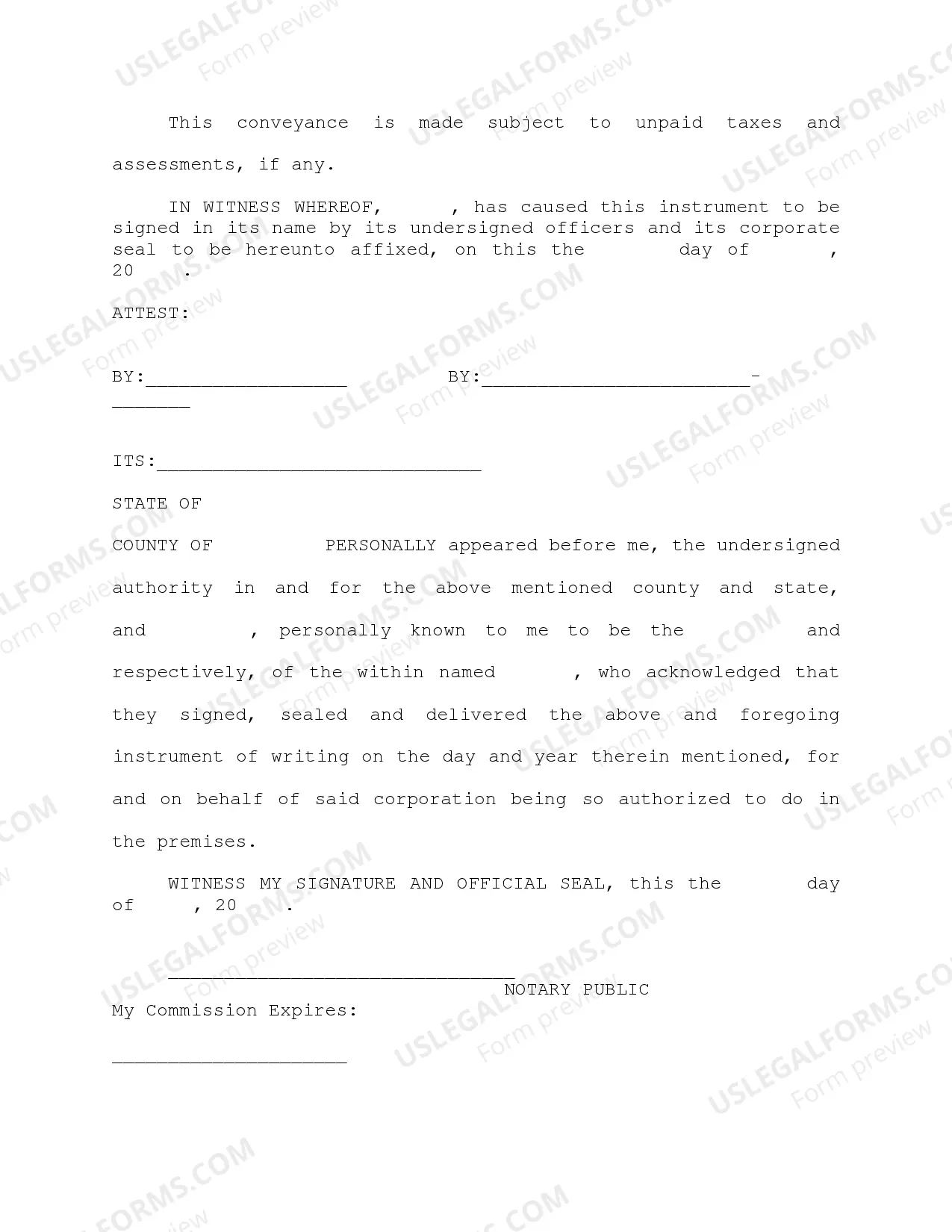
- Signatures: Required signatures from the grantor and possibly the grantee to validate the deed.


Situations where this form applies
This form is typically used when a property owner wants to sell a property while providing limited warranties about the title. It is suitable for negotiated sales, inheritance transactions, or when the seller may not have full knowledge of the property's history. Use this form when you want to protect yourself from future claims that may arise from issues not related to your ownership.
Who this form is for
This form is intended for:
- Property owners looking to sell their real estate with limited liability.
- Buyers seeking a property with a limited warranty on the title.
- Real estate agents facilitating property transactions for their clients.
- Attorneys representing clients in property transfer matters.
How to prepare this document
- Identify the parties involved: Provide full names of the grantor and grantee.
- Specify the property: Include a detailed description, such as the address and lot number.
- Enter the consideration: State the purchase price or other consideration exchanged for the property.
- Include any limitations: Clearly outline the limitations of the warranty being granted.
- Collect signatures: Ensure that the grantor signs the deed and that it is dated.
Notarization guidance
This form does not typically require notarization unless specified by local law. However, having the deed notarized can provide additional legal validity and may be beneficial for recording purposes.
Get your form ready online
Our built-in tools help you complete, sign, share, and store your documents in one place.
Make edits, fill in missing information, and update formatting in US Legal Forms—just like you would in MS Word.
Download a copy, print it, send it by email, or mail it via USPS—whatever works best for your next step.
Sign and collect signatures with our SignNow integration. Send to multiple recipients, set reminders, and more. Go Premium to unlock E-Sign.
If this form requires notarization, complete it online through a secure video call—no need to meet a notary in person or wait for an appointment.
We protect your documents and personal data by following strict security and privacy standards.

Make edits, fill in missing information, and update formatting in US Legal Forms—just like you would in MS Word.

Download a copy, print it, send it by email, or mail it via USPS—whatever works best for your next step.

Sign and collect signatures with our SignNow integration. Send to multiple recipients, set reminders, and more. Go Premium to unlock E-Sign.

If this form requires notarization, complete it online through a secure video call—no need to meet a notary in person or wait for an appointment.

We protect your documents and personal data by following strict security and privacy standards.
Avoid these common issues
- Failing to include all necessary parties in the deed.
- Providing an inadequate property description.
- Omitting the consideration amount.
- Not signing the deed in the presence of a notary if required.
Benefits of using this form online
- Instant access: Download the form immediately after purchase.
- Editable format: Customize the template to fit your specific transaction.
- Legally vetted: The forms are drafted by licensed attorneys to ensure legal compliance.
Legal use & context
- A Special Warranty Deed offers limited protections, meaning buyers should conduct thorough title searches.
- It is acceptable in most real estate transactions where limited warranties are desired.
- Ensures that the seller discloses any known issues related to the property purchased during their ownership.
Key takeaways
- A Special Warranty Deed limits the seller's liability for title defects.
- It is suitable for property owners who wish to provide limited warranties to buyers.
- Ensure compliance with state laws when utilizing this form.
Looking for another form?

Form popularity
FAQ
Unlike a warranty deed or special warranty deed, a quitclaim deed makes no assurances whatsoever about the property.For example, in a divorce situation where one spouse deeds the house to the other spouse. Quitclaim deeds are commonly used to transfer real property to an LLC or a living trust.
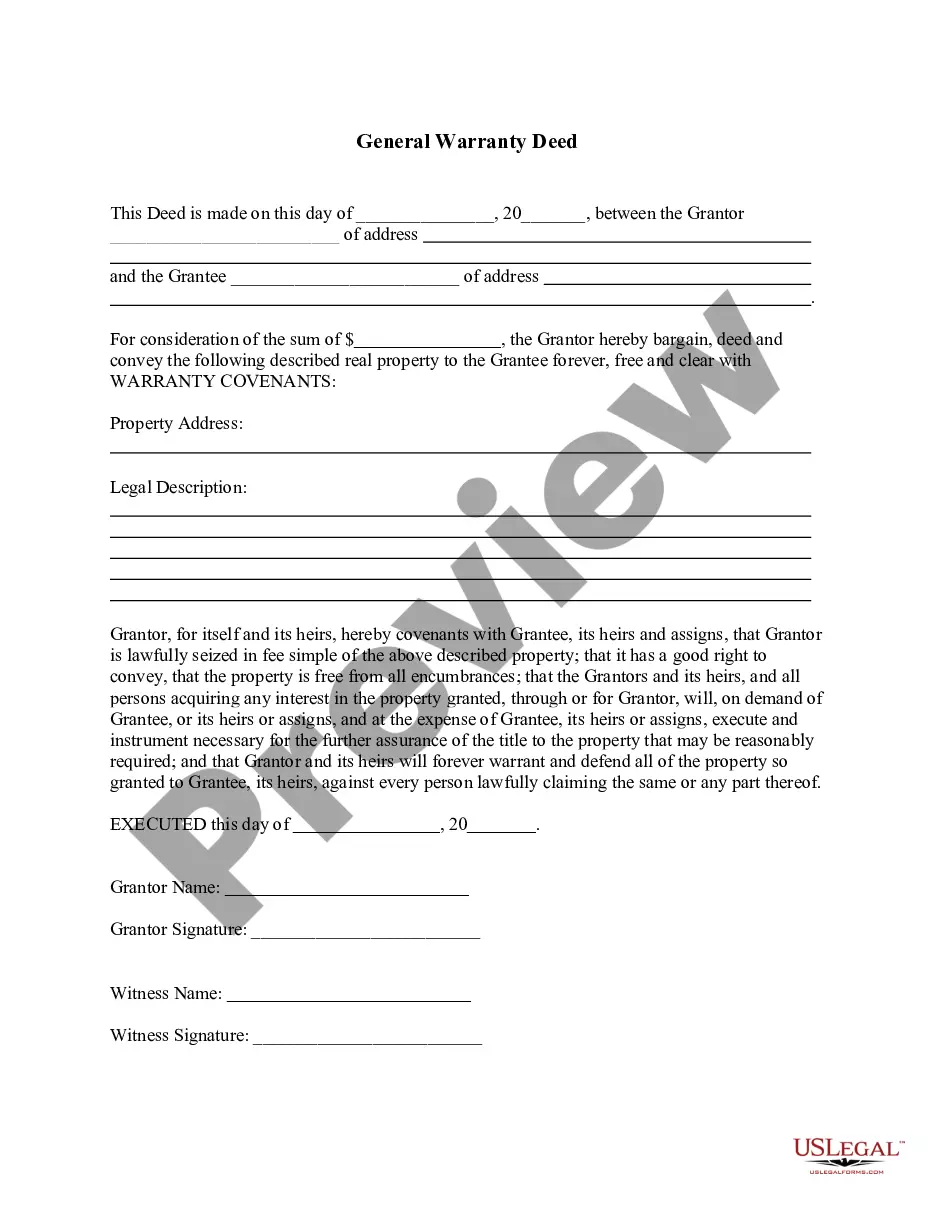
A warranty deed, also known as a general warranty deed, is a legal real estate document between the seller (grantor) and the buyer (grantee). The deed protects the buyer by pledging that the seller holds clear title to the property and there are no encumbrances, outstanding liens, or mortgages against it.
A special warranty deed to real estate offers protection to the buyer through the seller's guarantee that the title has been free and clear of encumbrances during their ownership of the property. It does not guarantee clear title beyond their ownership.
A warranty deed guarantees that: The grantor is the rightful owner of the property and has the legal right to transfer the title.The title would withstand third-party claims to ownership of the property. The grantor will do anything to ensure the grantee's title to the property.
It will not protect against title issues that arose prior to the time the seller took occupancy. Consequently, it offers less protection to buyers, and more protection to sellers, than a general warranty deed, which is the most common option for selling or buying a property.
A special warranty deed is common when a house has been foreclosed on by a bank because the previous owner did not pay their mortgage.The special warranty deed that the bank provides to the new buyer provides no protection for the period of time before the bank took ownership of the property.
A statutory warranty deed is different from a warranty deed because it is a shorter form made available through your state's statutes and it may not outright list the promise that the title is guaranteed to be clear. Instead, because it is a statutory form, this guarantee is implied and is still legally enforceable.
This can give you full confidence to buy because you know that should any claims against the property or liens arise, it can hold the seller legally liable.A special warranty deed only serves as a guarantee that there are no problems with the title outstanding from when the current seller owned the property.
Special warranty deeds are most commonly used with commercial property transactions. Single-family and other residential property transactions will usually use a general warranty deed. Many mortgage lenders insist upon the use of the general warranty deed.