Mississippi Memorandum in Support of Motion for Summary Judgment by Defendant
About this form
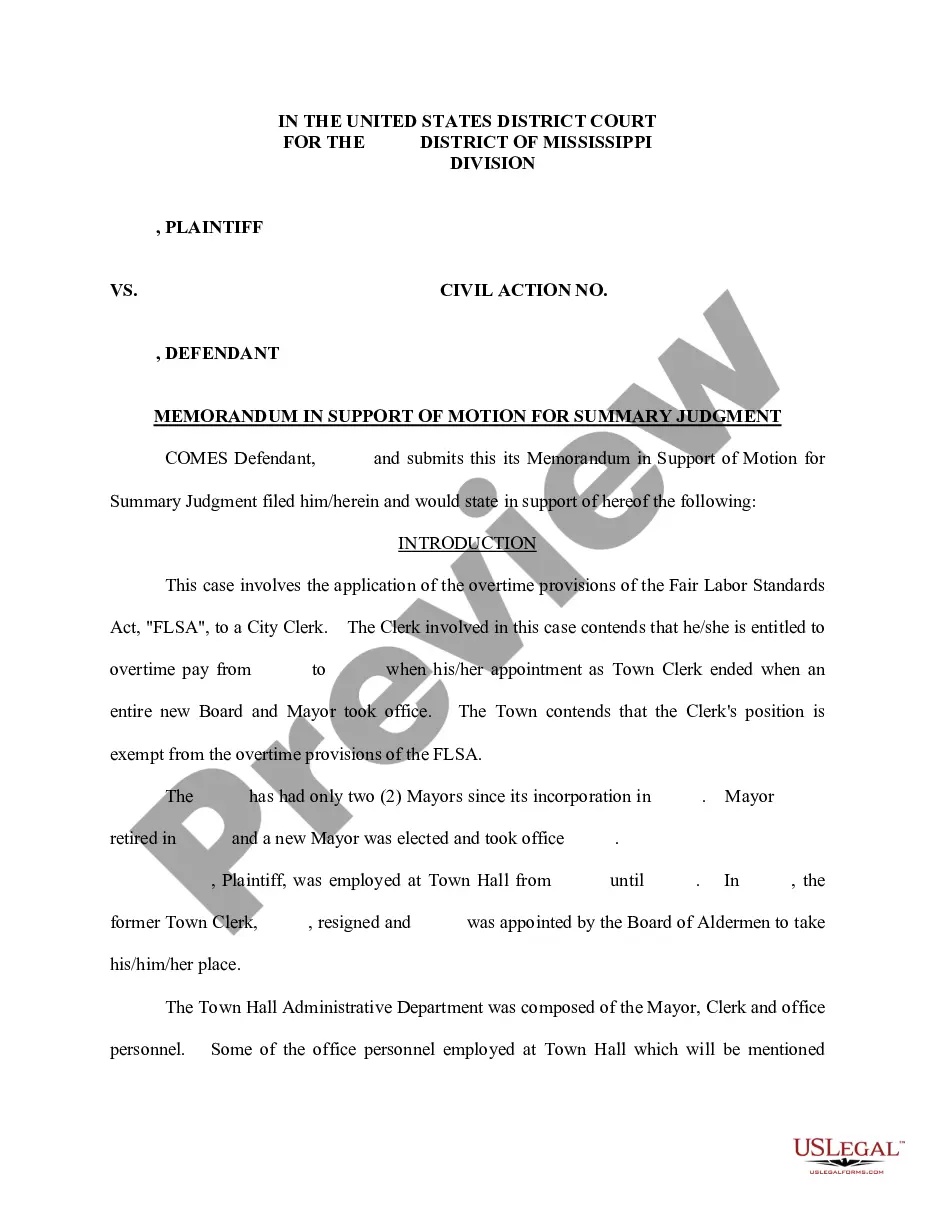
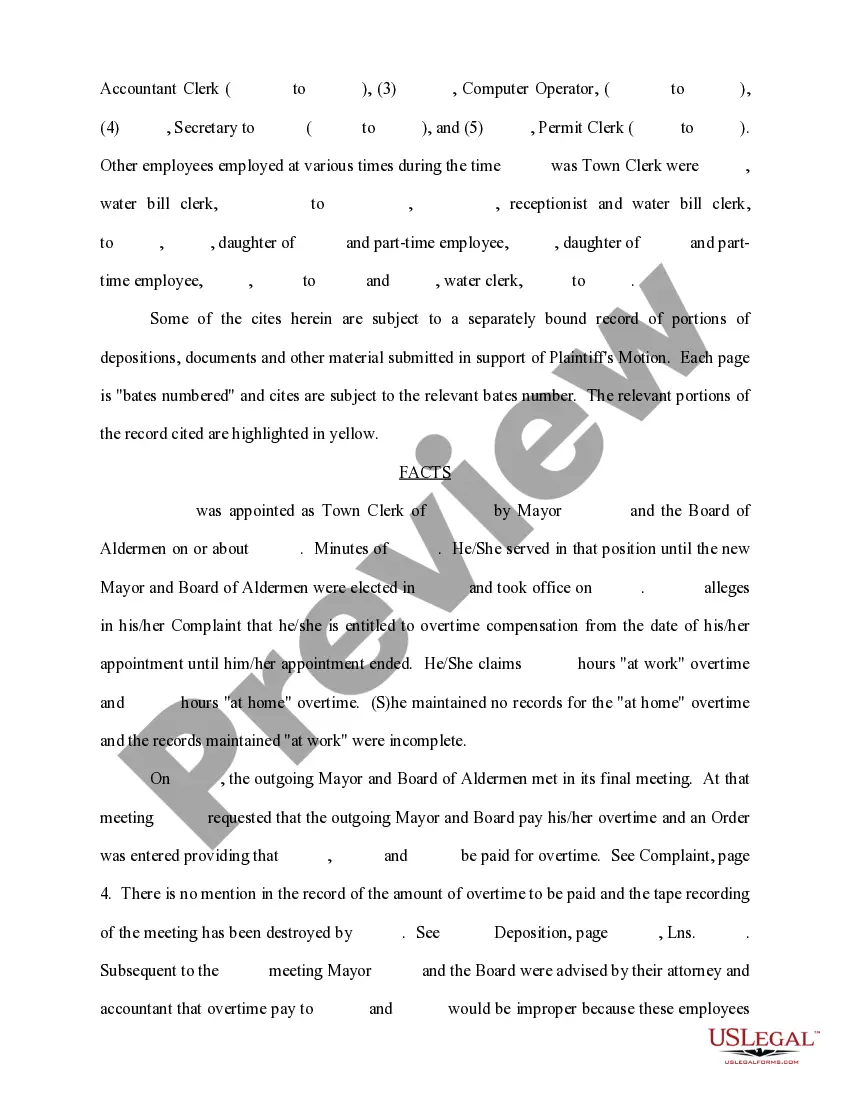
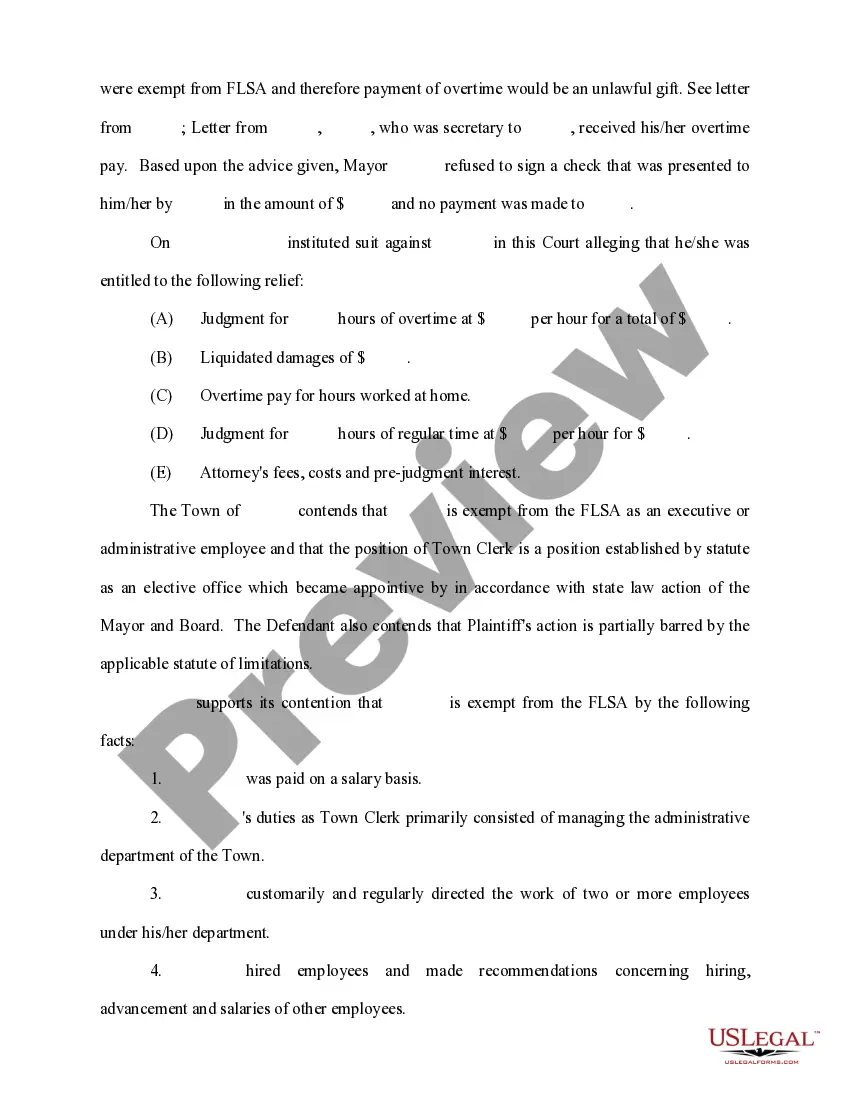
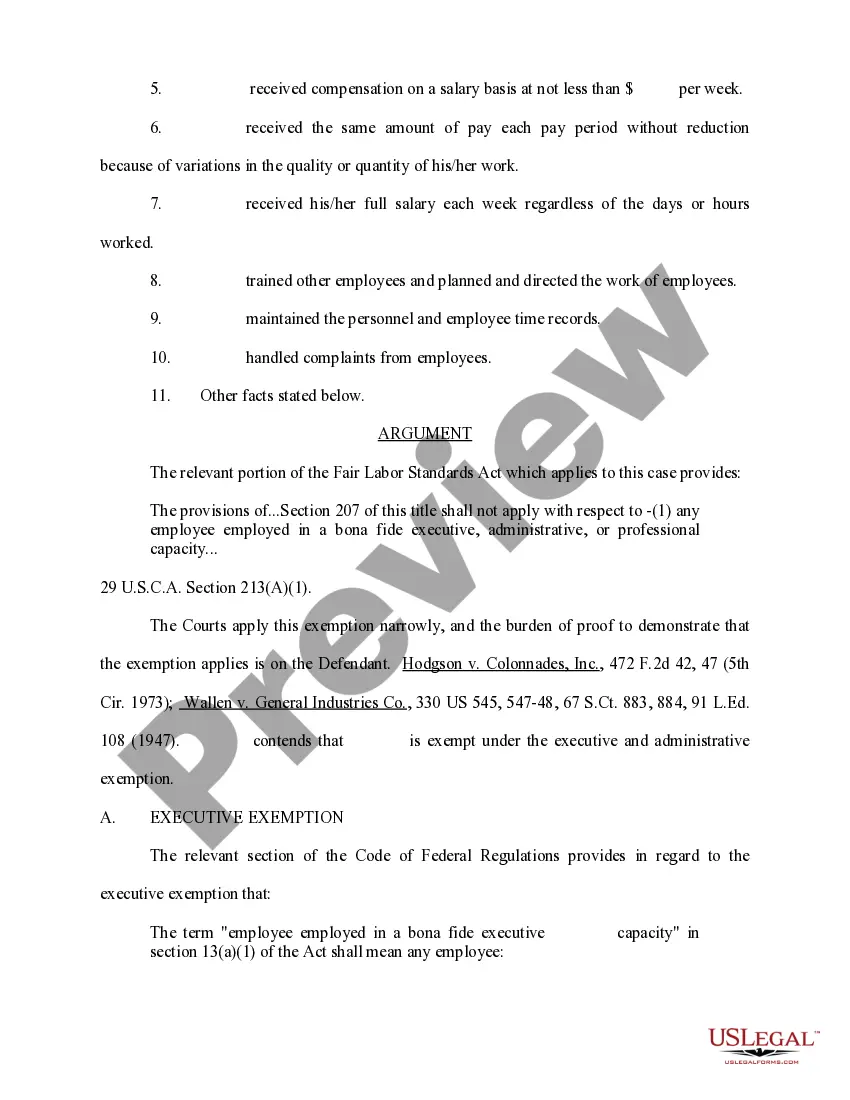
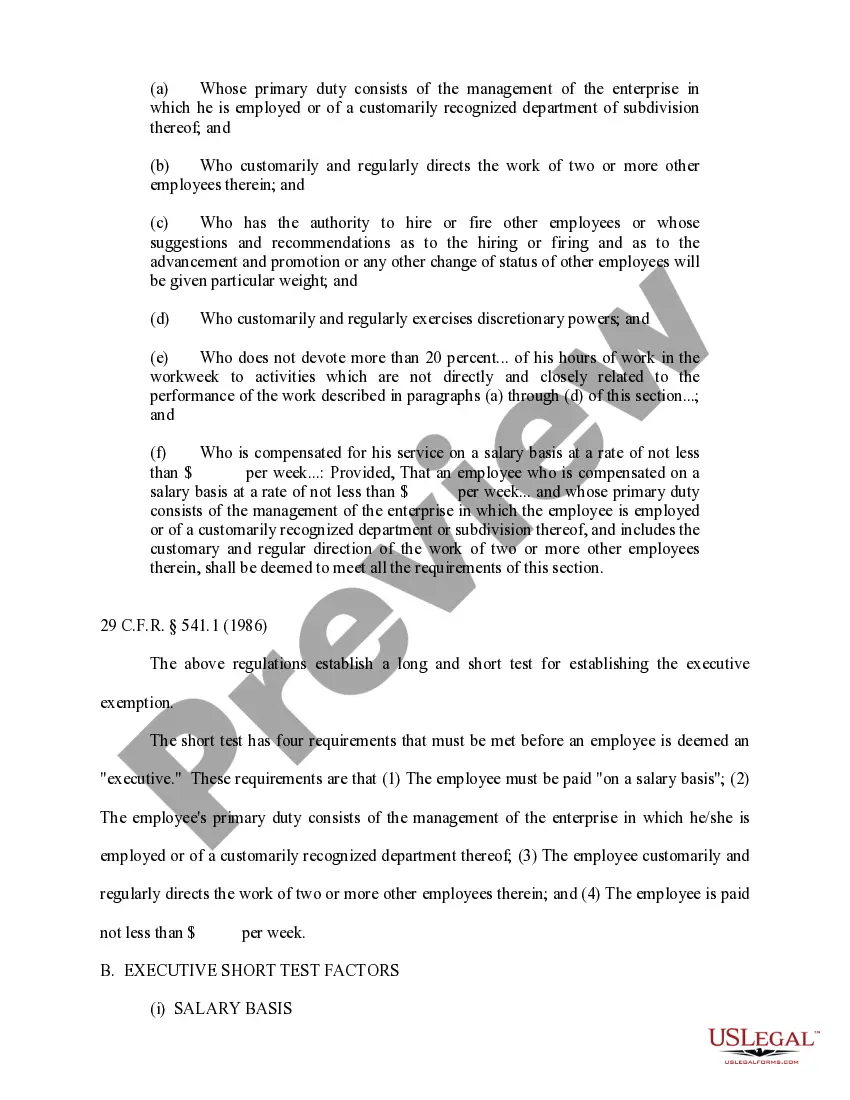
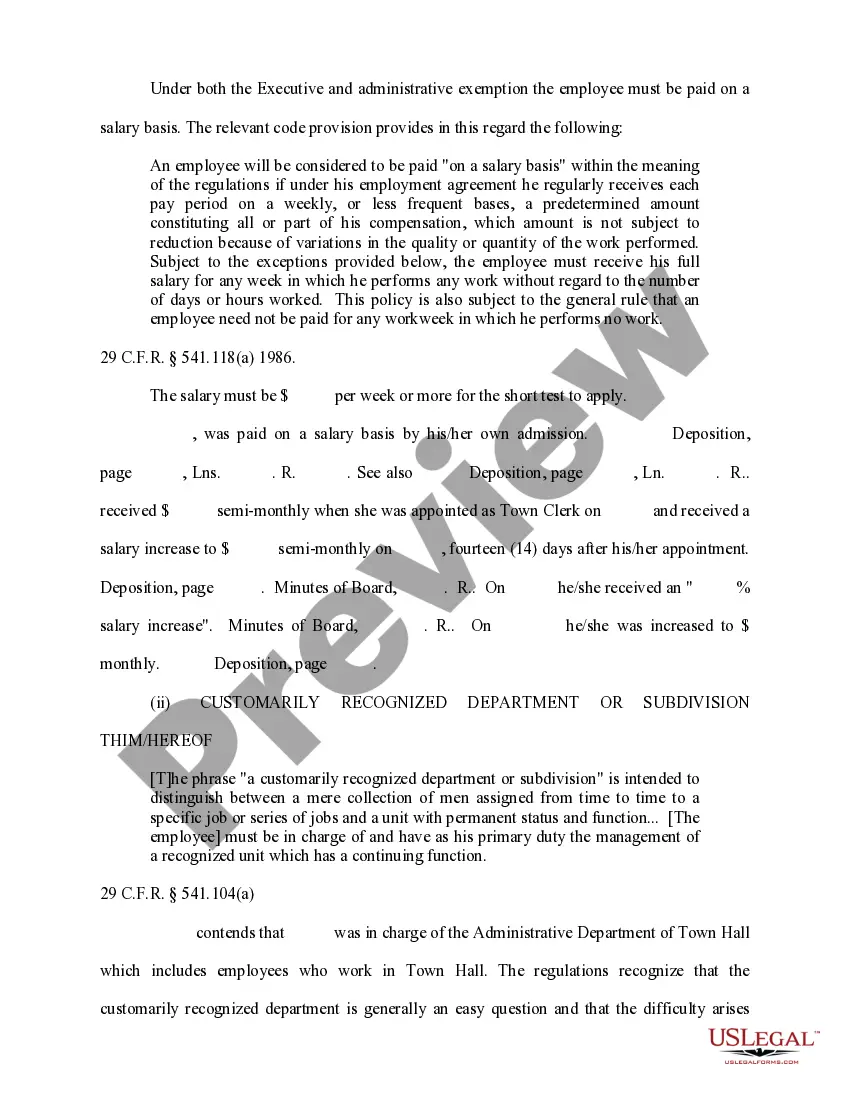
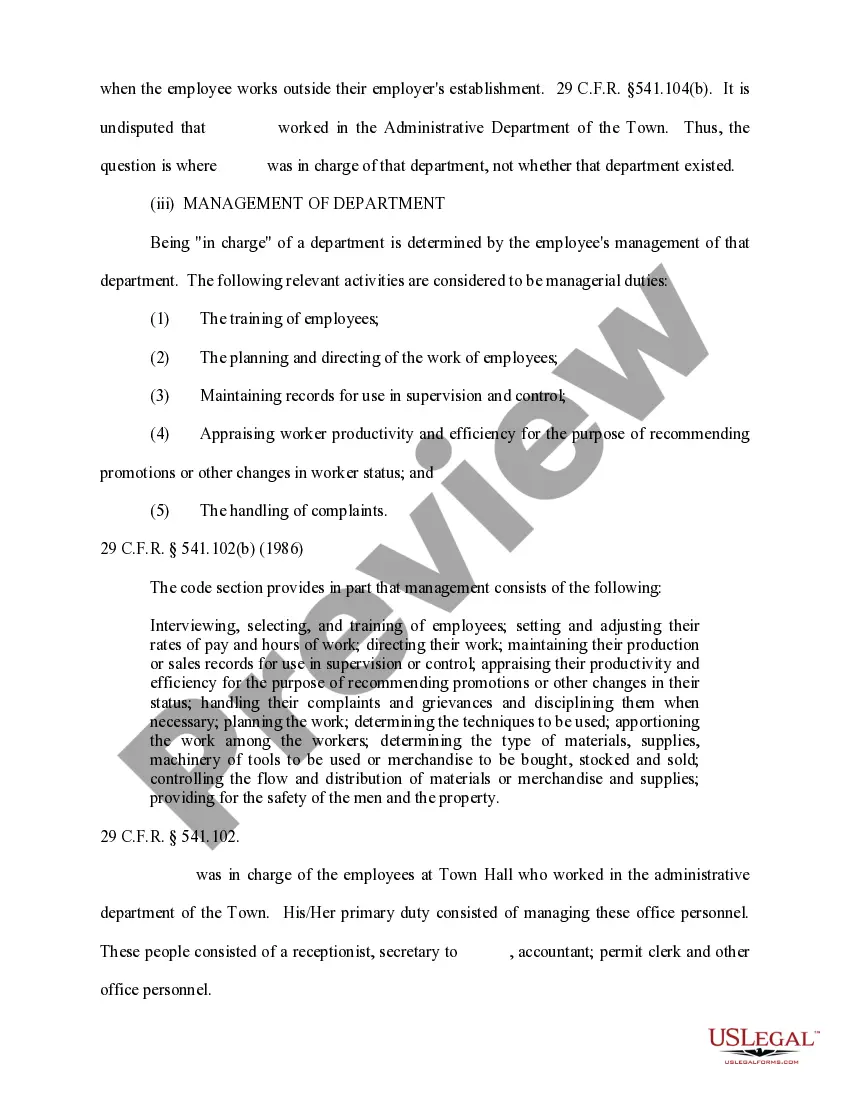
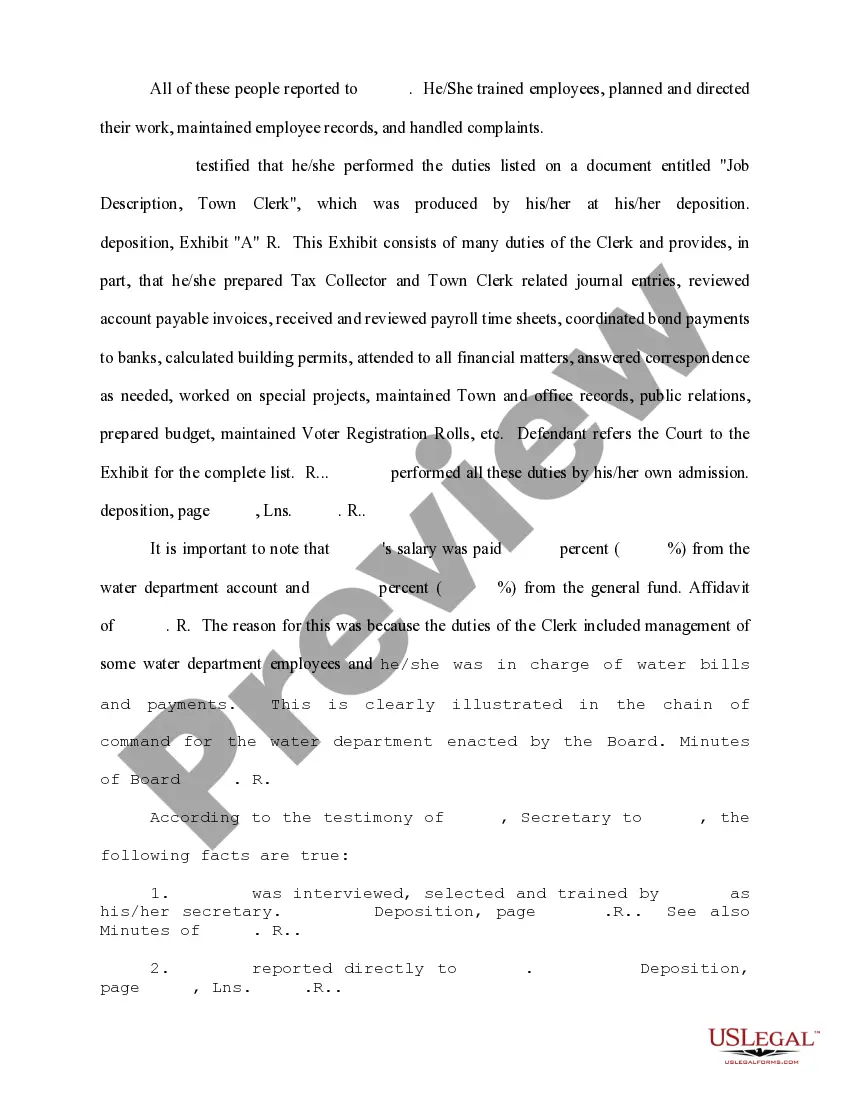
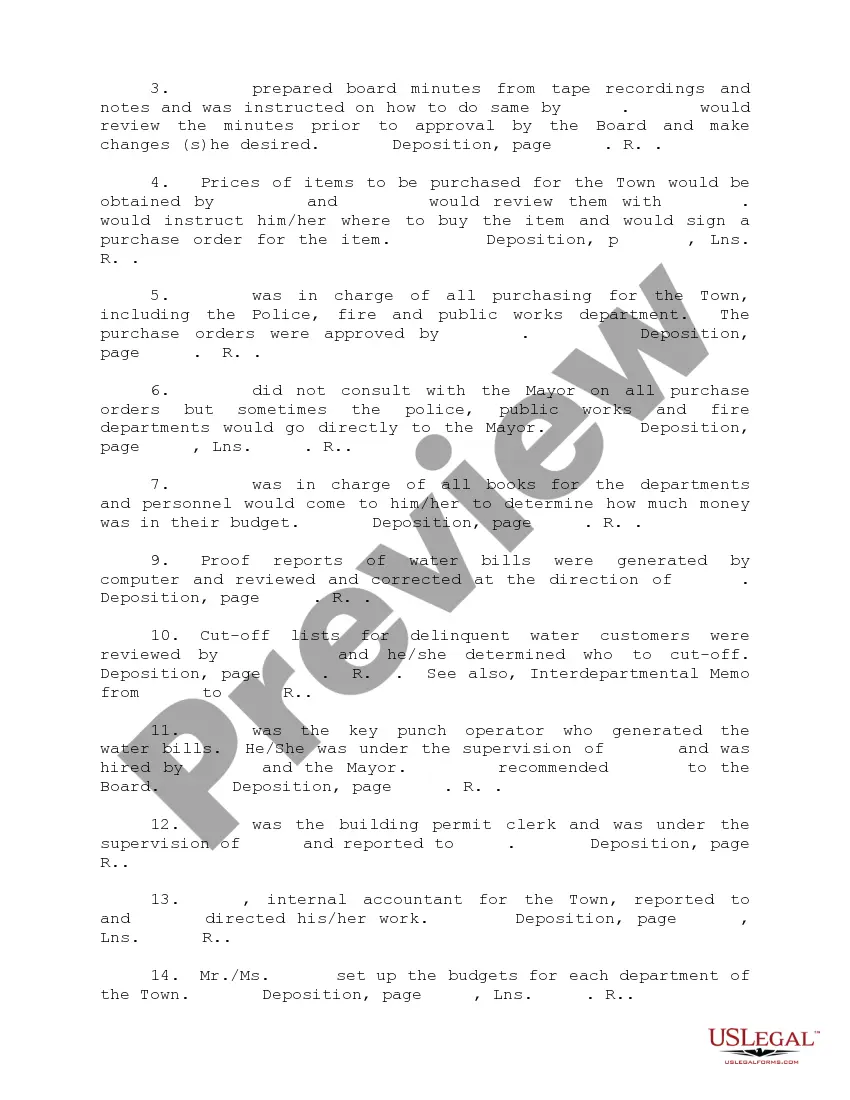
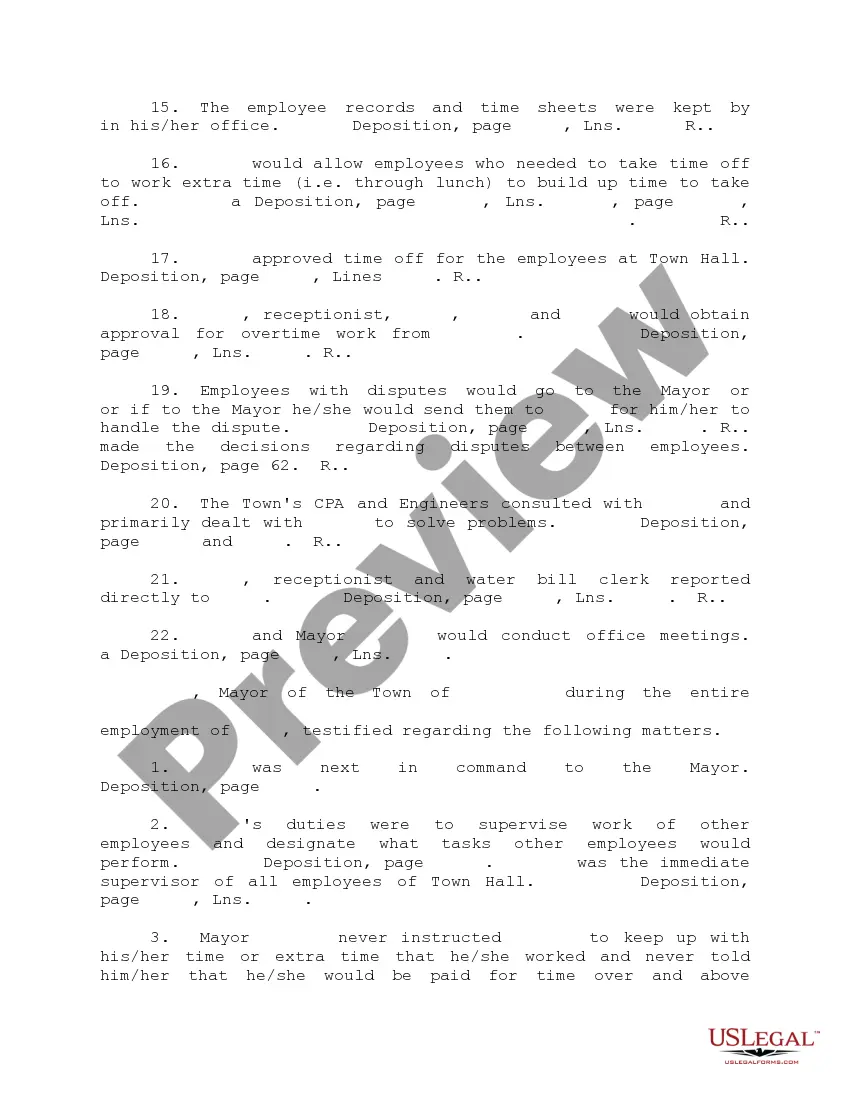
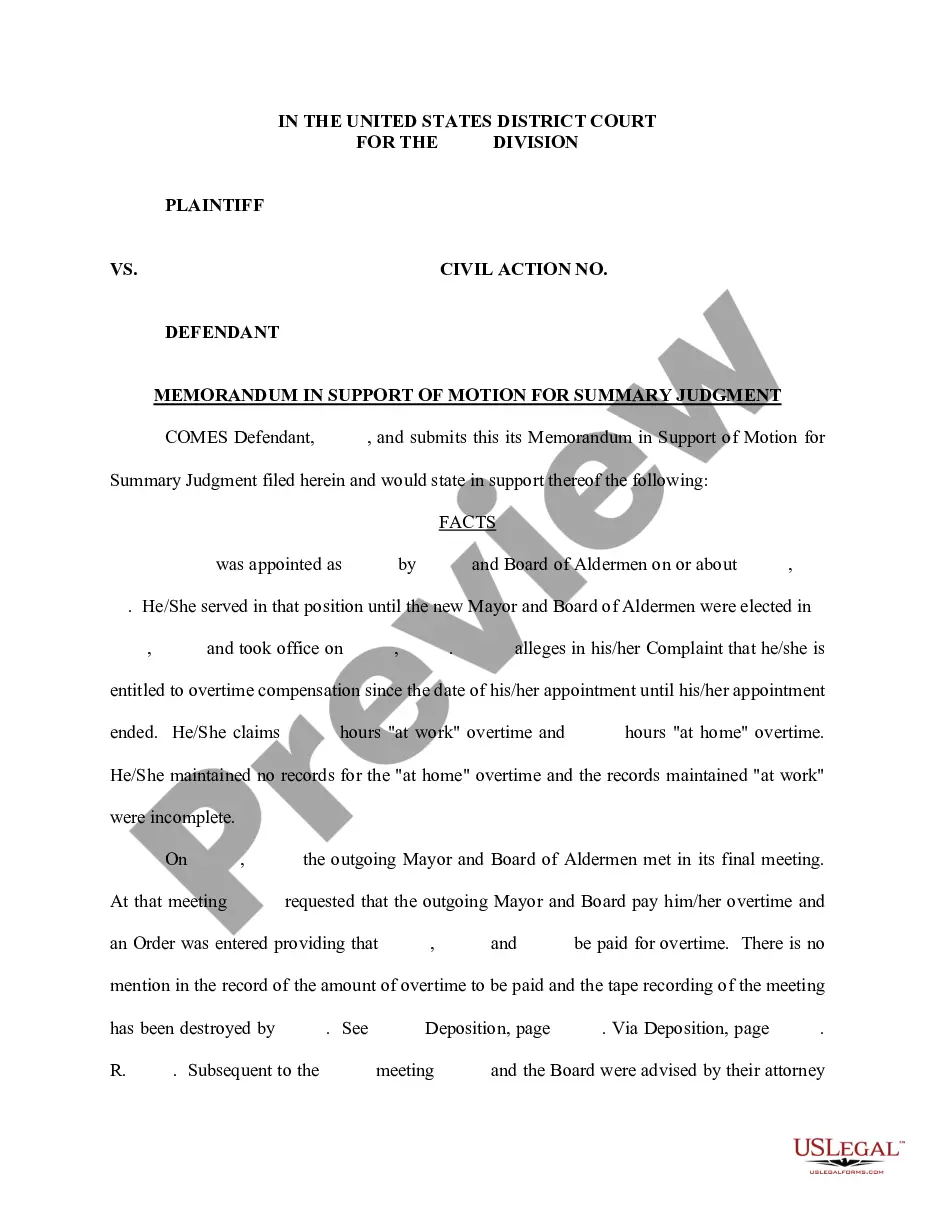
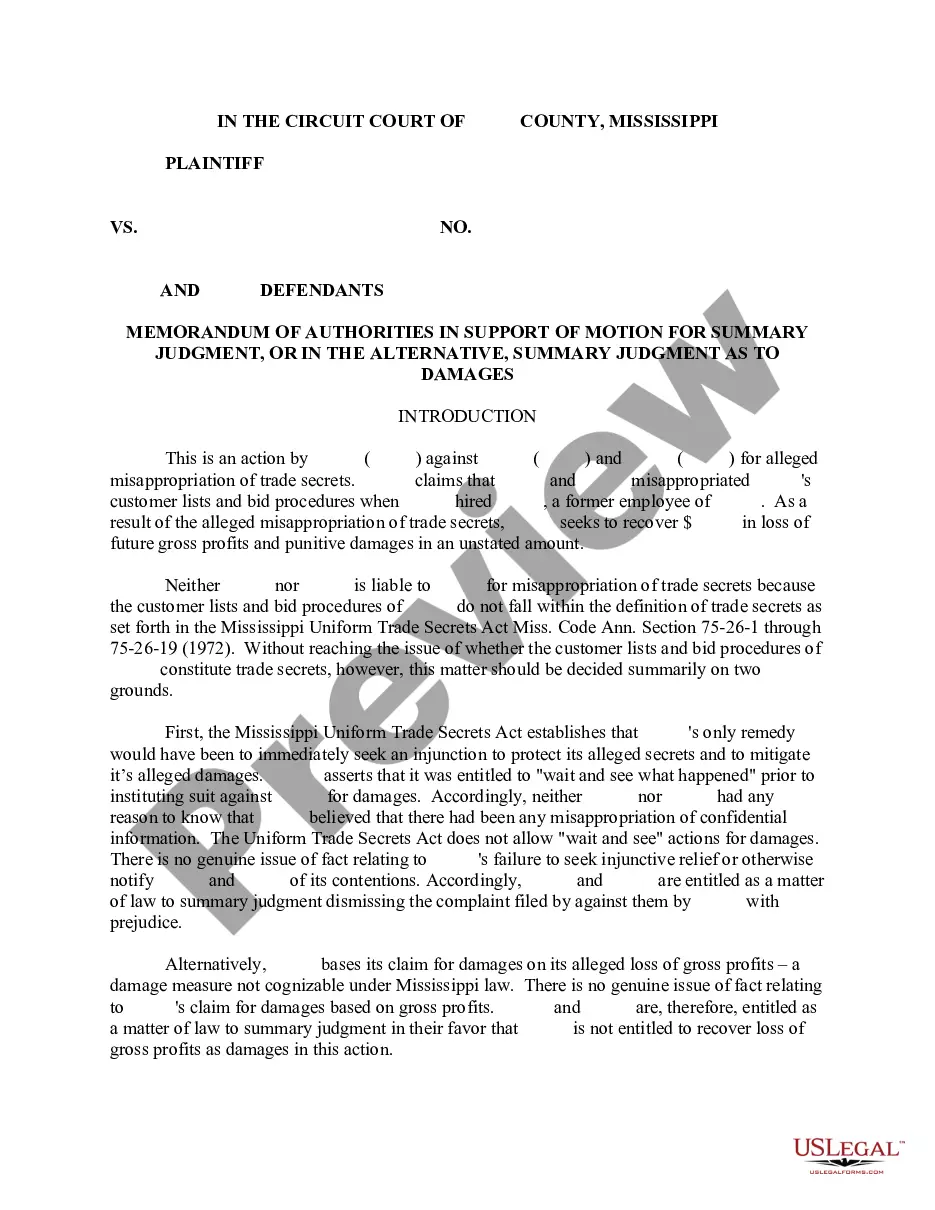
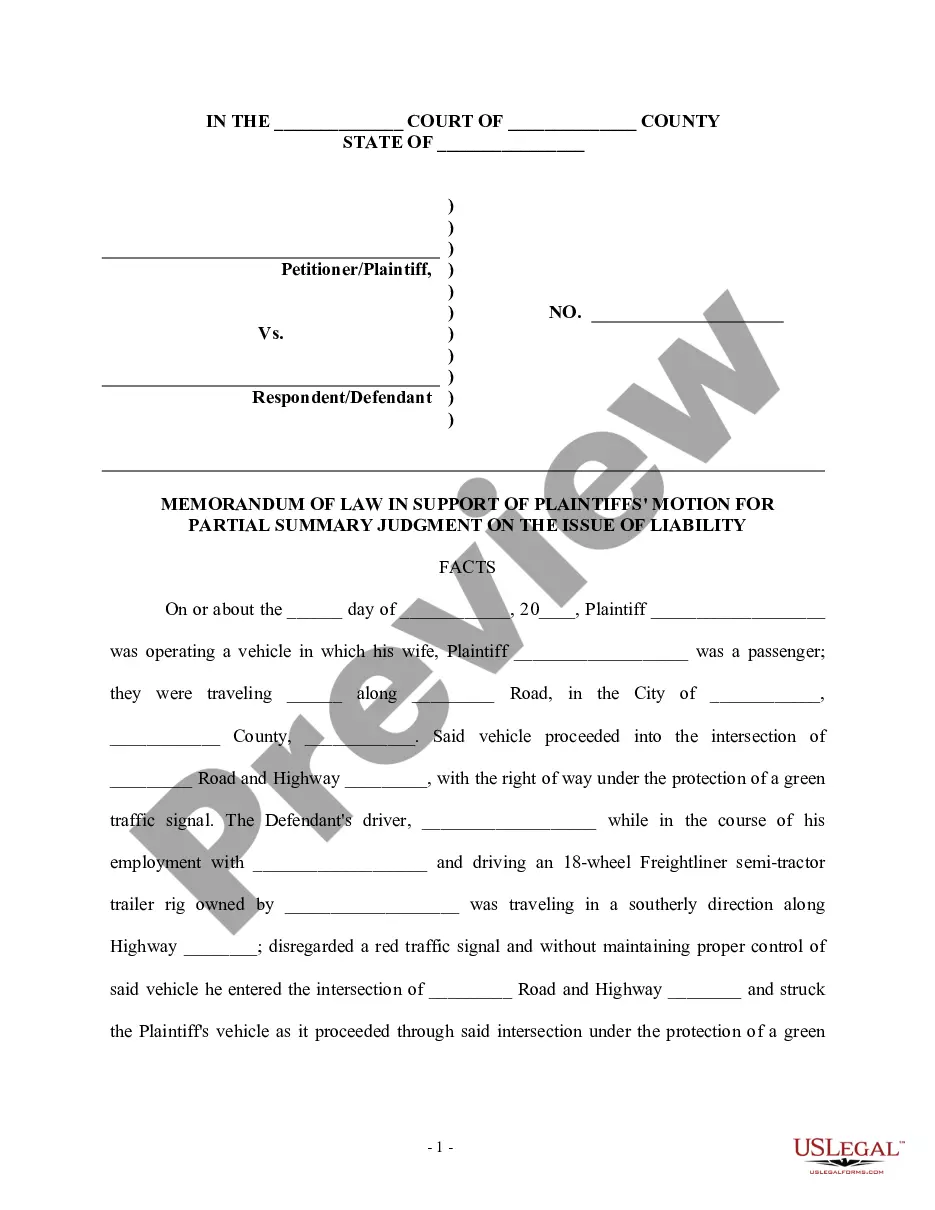
The Memorandum in Support of Motion for Summary Judgment by Defendant is a legal document used to request that a court grant a summary judgment in favor of the defendant. This form serves as a detailed justification for why the court should rule without a full trial, based on the facts and legal arguments presented. It is important to note that this form is tailored for use specifically by defendants and differs from motions initiated by plaintiffs or other parties in a legal dispute.
Key components of this form
Statement of facts: Detailed evidence related to the case that supports the defendant's position.
Legal arguments: Cited laws and regulations that bolster the argument for summary judgment.
Conclusion: A clear request for the court to grant the motion based on the presented facts and legal precedents.
Signature block: Area for the signing attorney and date of submission.

When to use this document
This form should be used when a defendant believes that there is no genuine dispute over any material fact in the case and seeks a ruling from the court without going to trial. Typical scenarios include cases where the evidence overwhelmingly favors the defendant or where the plaintiff's claims do not have a solid legal basis. Using this form can help expedite the legal process, saving time and resources for both parties involved.
Who should use this form
This form is intended for:
Defendants in civil litigation who wish to obtain a summary judgment.
Attorneys representing defendants looking to argue that there are no issues requiring a trial.
Individuals or organizations facing lawsuits where they believe they are entitled to a judgment in their favor based on the facts.
Completing this form step by step
Identify the parties involved: Clearly state the defendant and the plaintiff's names as well as their roles in the case.
Gather supporting documentation: Collect all necessary evidence that supports the motion for summary judgment.
Draft the statement of facts: Outline the facts of the case succinctly and clearly.
Include legal citations: Reference relevant laws and cases that support your argument.
Review and sign the document: Ensure that the memorandum is checked for accuracy and completeness before submitting it to the court.
Notarization requirements for this form
This form does not typically require notarization unless specified by local law. Ensure you check local requirements to confirm whether notarization is necessary for court submission.
Get your form ready online
Our built-in tools help you complete, sign, share, and store your documents in one place.
Make edits, fill in missing information, and update formatting in US Legal Forms—just like you would in MS Word.
Download a copy, print it, send it by email, or mail it via USPS—whatever works best for your next step.
Sign and collect signatures with our SignNow integration. Send to multiple recipients, set reminders, and more. Go Premium to unlock E-Sign.
If this form requires notarization, complete it online through a secure video call—no need to meet a notary in person or wait for an appointment.
We protect your documents and personal data by following strict security and privacy standards.

Make edits, fill in missing information, and update formatting in US Legal Forms—just like you would in MS Word.

Download a copy, print it, send it by email, or mail it via USPS—whatever works best for your next step.

Sign and collect signatures with our SignNow integration. Send to multiple recipients, set reminders, and more. Go Premium to unlock E-Sign.

If this form requires notarization, complete it online through a secure video call—no need to meet a notary in person or wait for an appointment.

We protect your documents and personal data by following strict security and privacy standards.
Avoid these common issues
Failing to present adequate evidence to support claims made in the memorandum.
Not citing relevant laws correctly, which may weaken the motion.
Neglecting to adhere to local filing rules or deadlines.
Forgetting to include a signature or date, making the document invalid.
Benefits of using this form online
Convenient access: Download the form anytime and fill it out at your own pace.
Edit and customize: Adapt the template easily to suit your specific case details.
Cost-effective: Save on legal fees by preparing initial documents yourself.
Legal use & context
- The Memorandum in Support of Motion for Summary Judgment is a critical tool in the litigation process.
- It allows defendants to seek a judicial determination based on the law, streamlining the legal process.
- Understanding the legal standards for summary judgment is essential to effectively using this form.
Summary of main points
- The form is essential for defendants aiming to resolve a case without trial.
- Understand and clearly articulate the facts and legal standards to succeed.
- Be aware of specific state rules and requirements for filing.
Looking for another form?

Form popularity
FAQ
When filing a motion for summary judgment, the motion must be filed with supporting evidence. Thus, the party bringing the motion must have conducted discovery and/or submitted evidence to the court following the applicable rules of evidence.
Unless a different time is set by local rule or the court orders otherwise, a party may file a motion for summary judgment at any time until 30 days after the close of all discovery.
Instead the party who believes that the undisputed facts compel a ruling in his or her favor will file a motion for summary judgment. The motion asks the court to consider the undisputed facts and apply the law to them, and argues that the law requires a judgment for the party bringing the motion.
Rule 56 of the Federal Rules of Civil Procedure governs summary judgment for federal courts. Under Rule 56, in order to succeed in a motion for summary judgment, a movant must show 1) that there is no genuine dispute as to any material fact, and 2) that the movant is entitled to judgment as a matter of law.
A document that cites (refers to) legal authorities such as statutes and court cases, and explains how those authorities support the position advocated by the party who wrote the memorandum. Often written to support a motion.
Completely resolve a case (e.g., entry of judgment for plaintiff or defendants) Completely resolve a claim. Completely determine the status of a particular party. Resolve a particular claim's application to a particular party. Establish a fact or ruling applicable to the case as it is further adjudicated.
Essentially, a party can obtain summary judgment if it is able to clearly demonstrate that its opponent has no real prospect of succeeding in the litigation.As no oral evidence can be given on a summary judgment application, it will only succeed if the applicant can establish the strength of its case on paper alone.
It is used when there is no dispute as to the material facts of the case and a party is entitled to judgment as a MATTER OF LAW. Any party may move for summary judgment; it is not uncommon for both parties to seek it.
By motion for summary judgment, I'll be referring to motions for summary adjudication as well, which are treated more favorably in federal court than in state courts such as California.Many defendants automatically file a motion summary judgment in every case, even if they don't reasonably expect to win it.