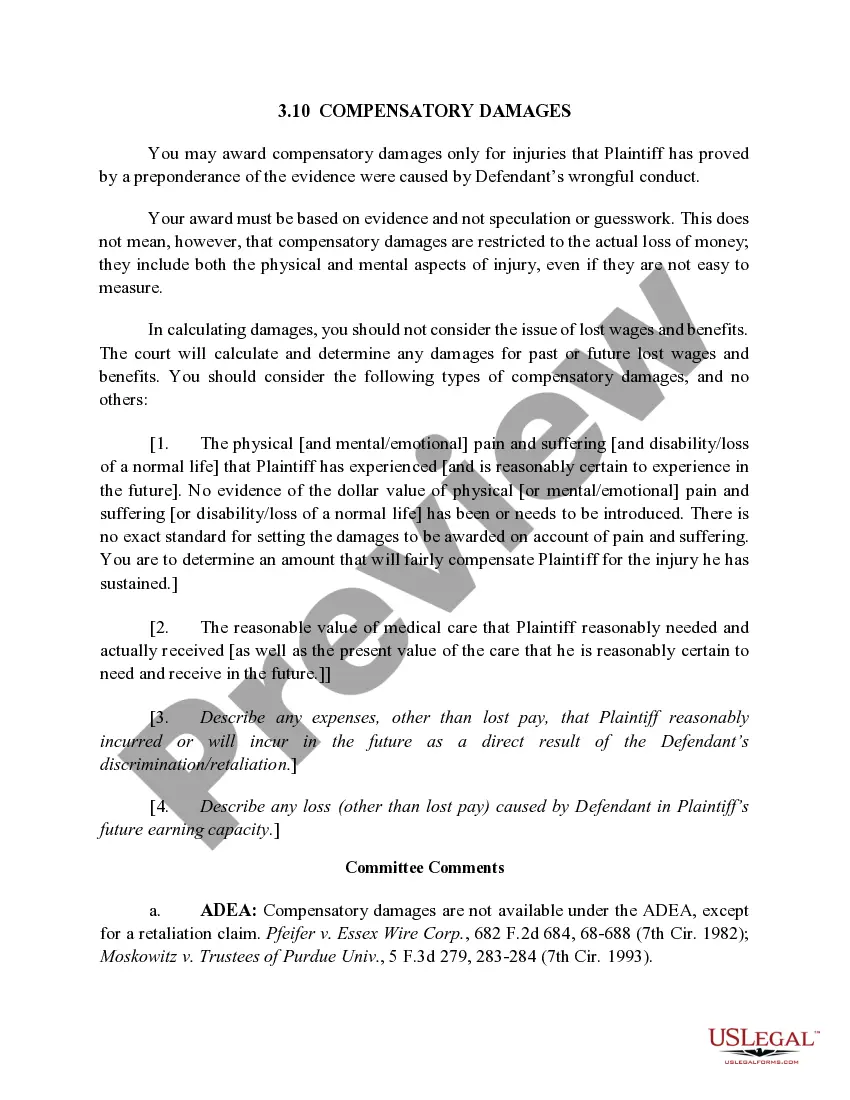
Confidential Information and Invention Assignment
What this document covers
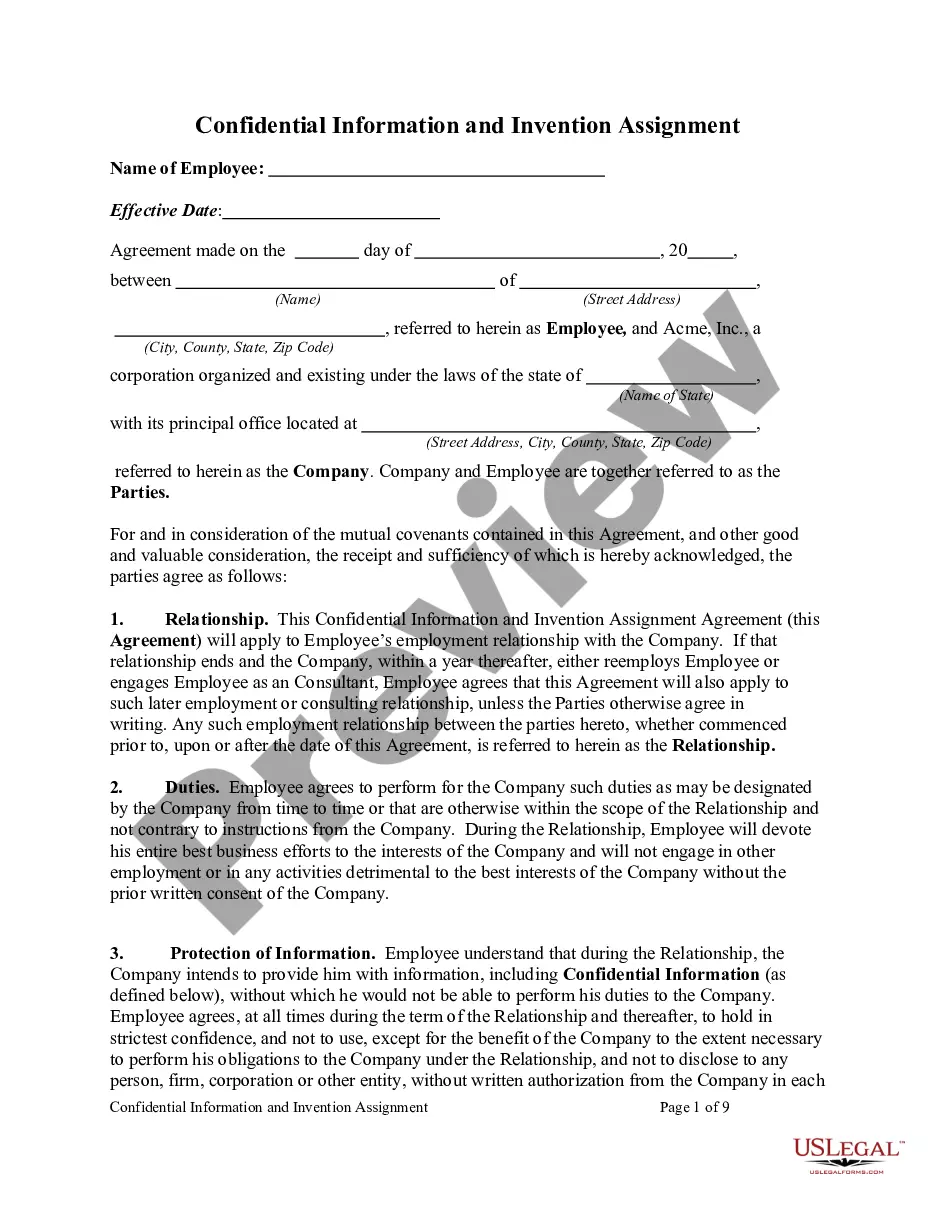
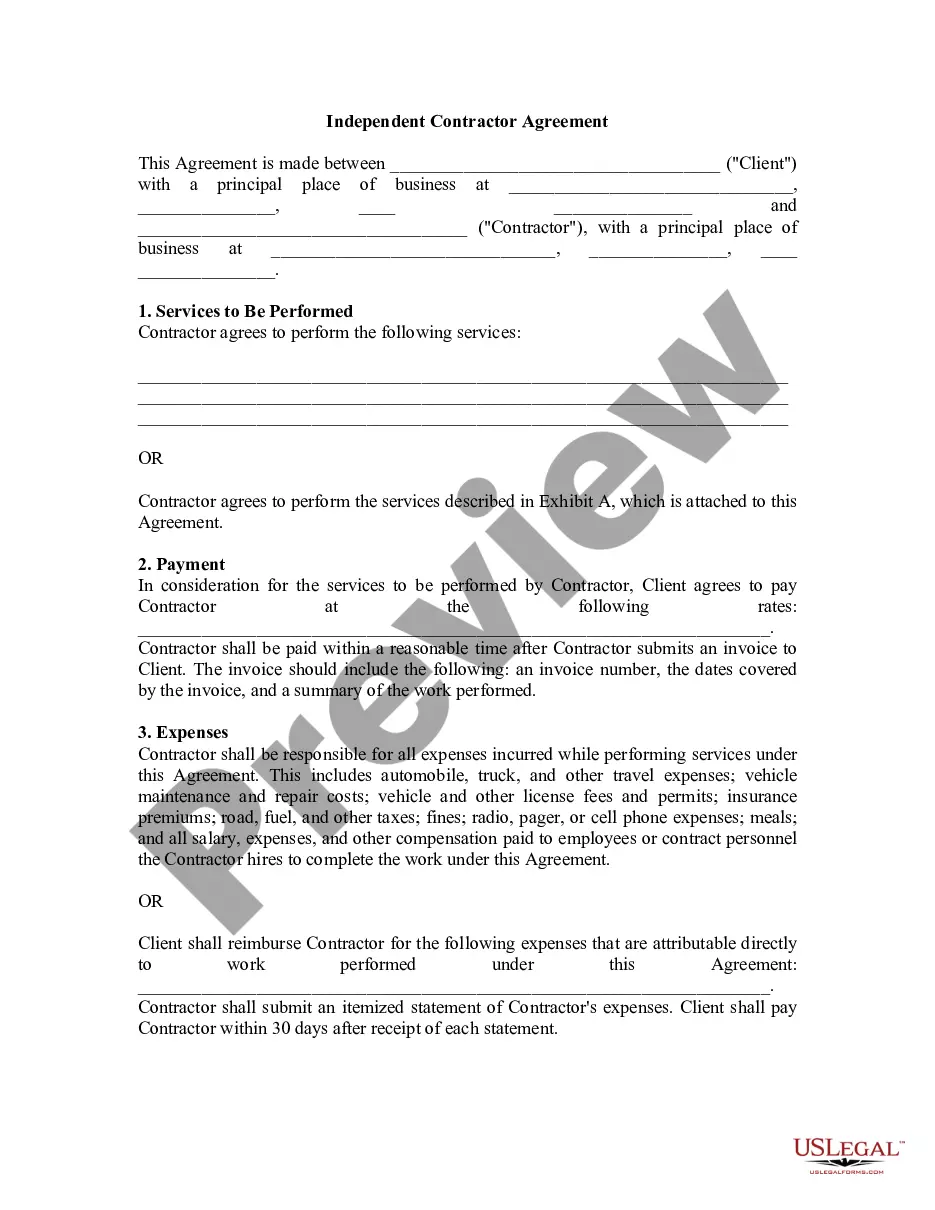
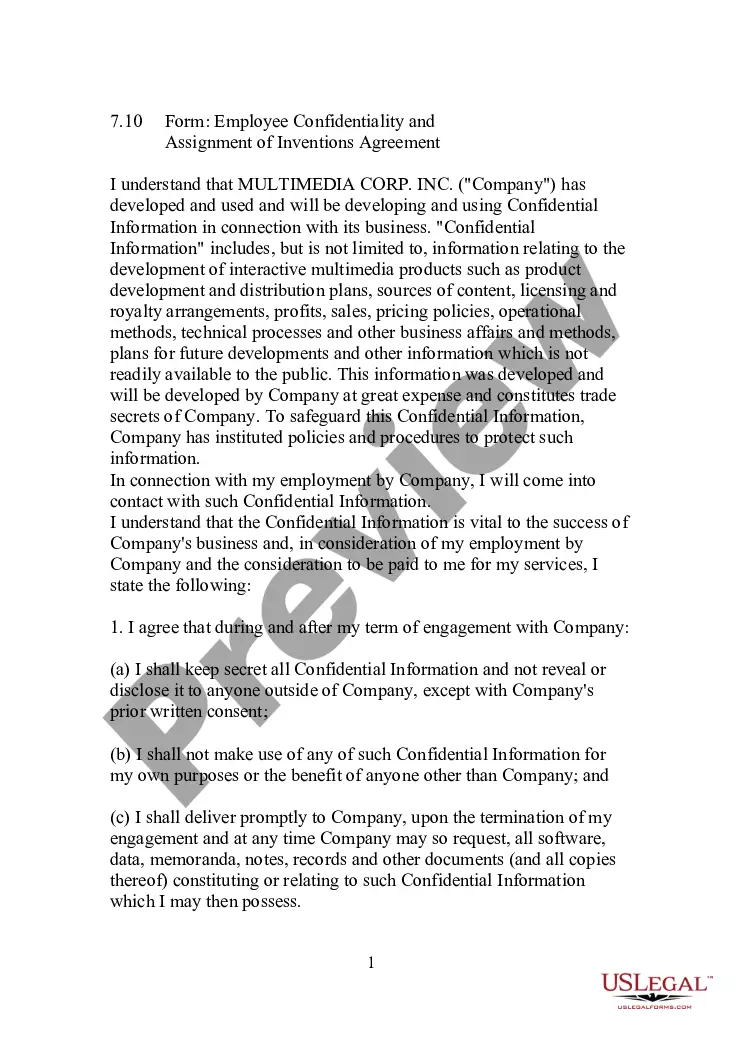
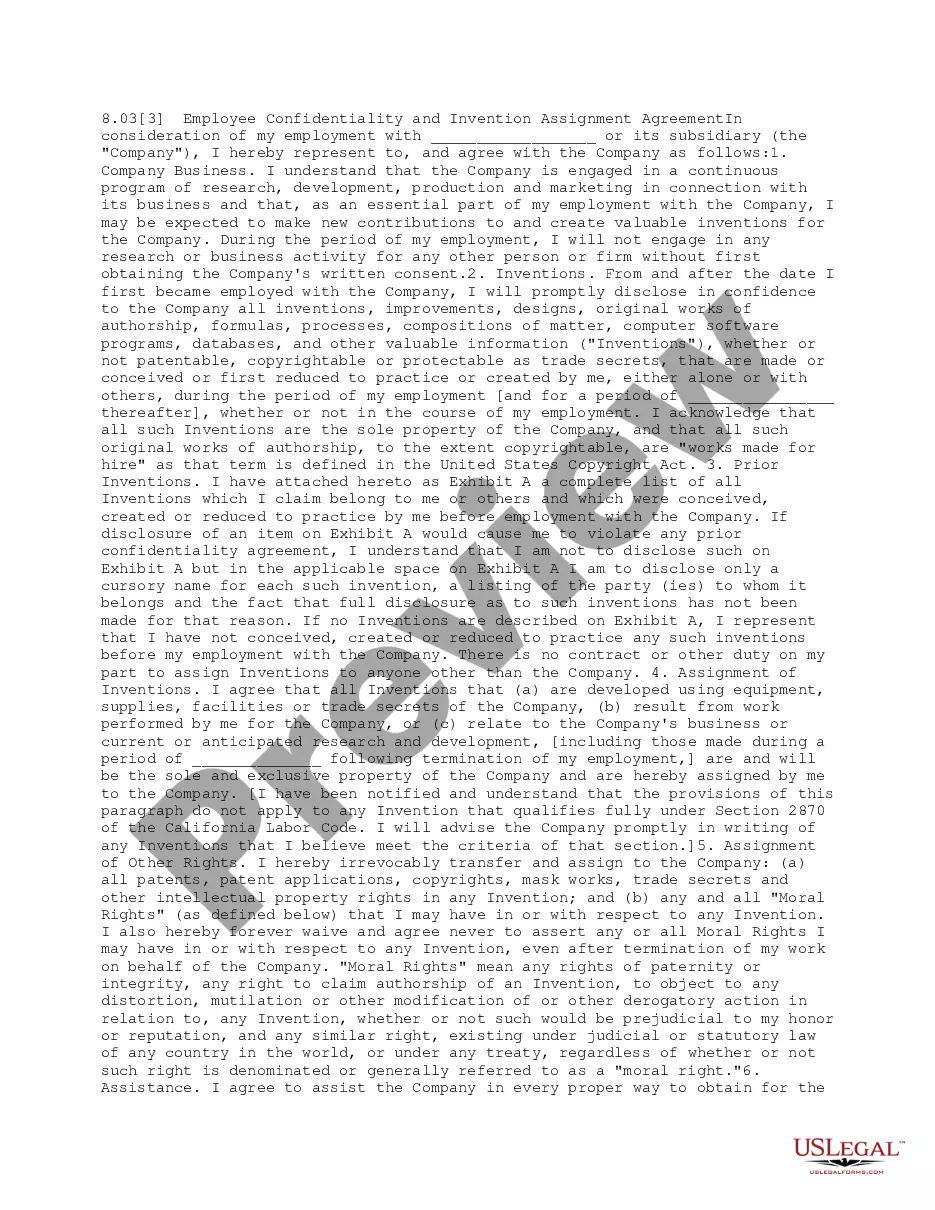
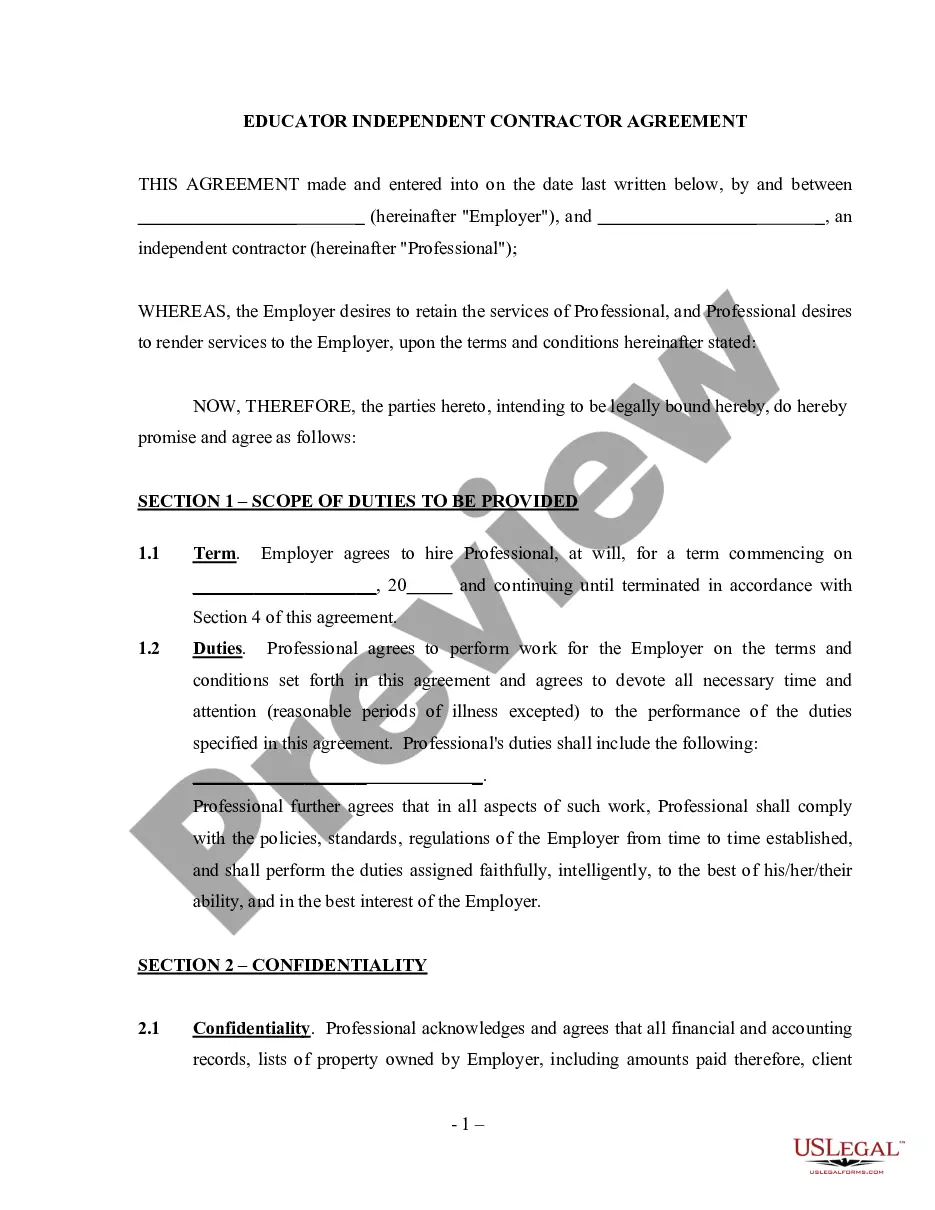
The Confidential Information and Invention Assignment form is a legal document that establishes an agreement between an employer and employee regarding the handling of confidential information and the ownership of inventions created during the employment. This form helps protect a company's proprietary information while ensuring that any inventions related to the business are assigned to the employer, differentiating it from basic non-disclosure agreements by specifically addressing intellectual property rights.
Key parts of this document
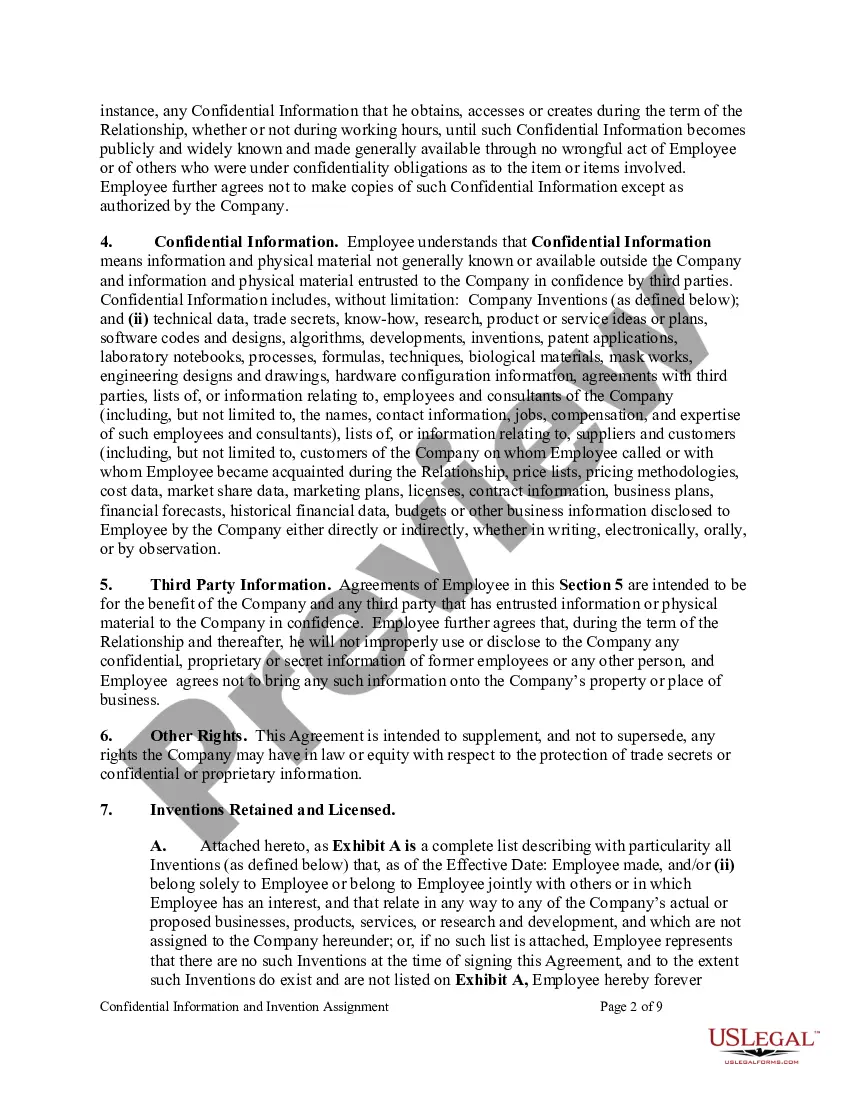
- Definitions of confidential information and inventions.
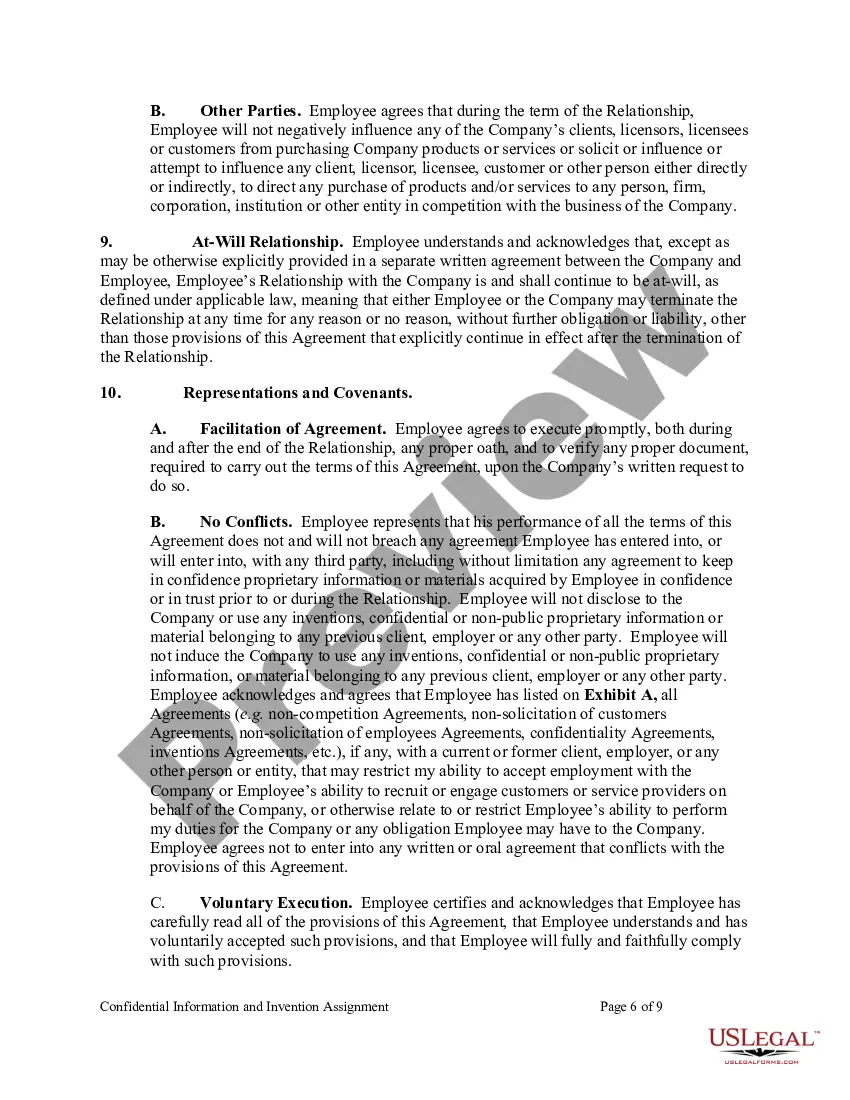
- Employee's obligations to protect the company's confidential information.
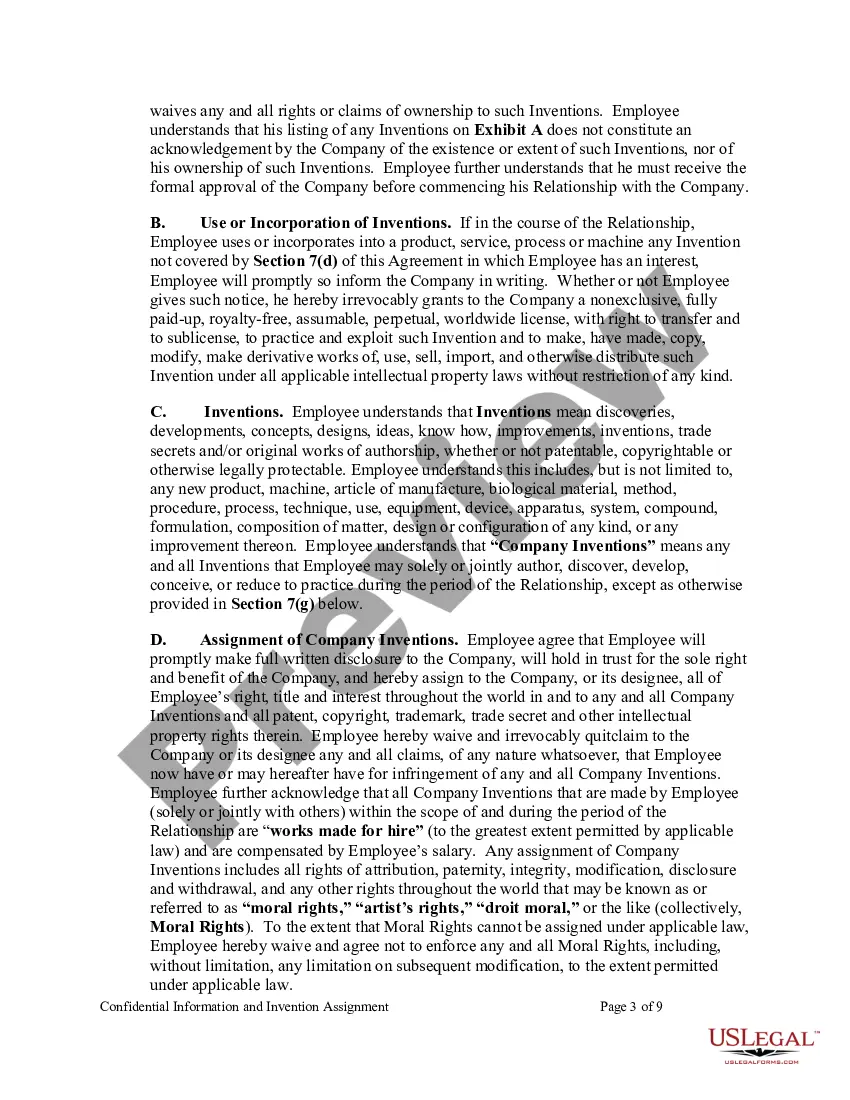
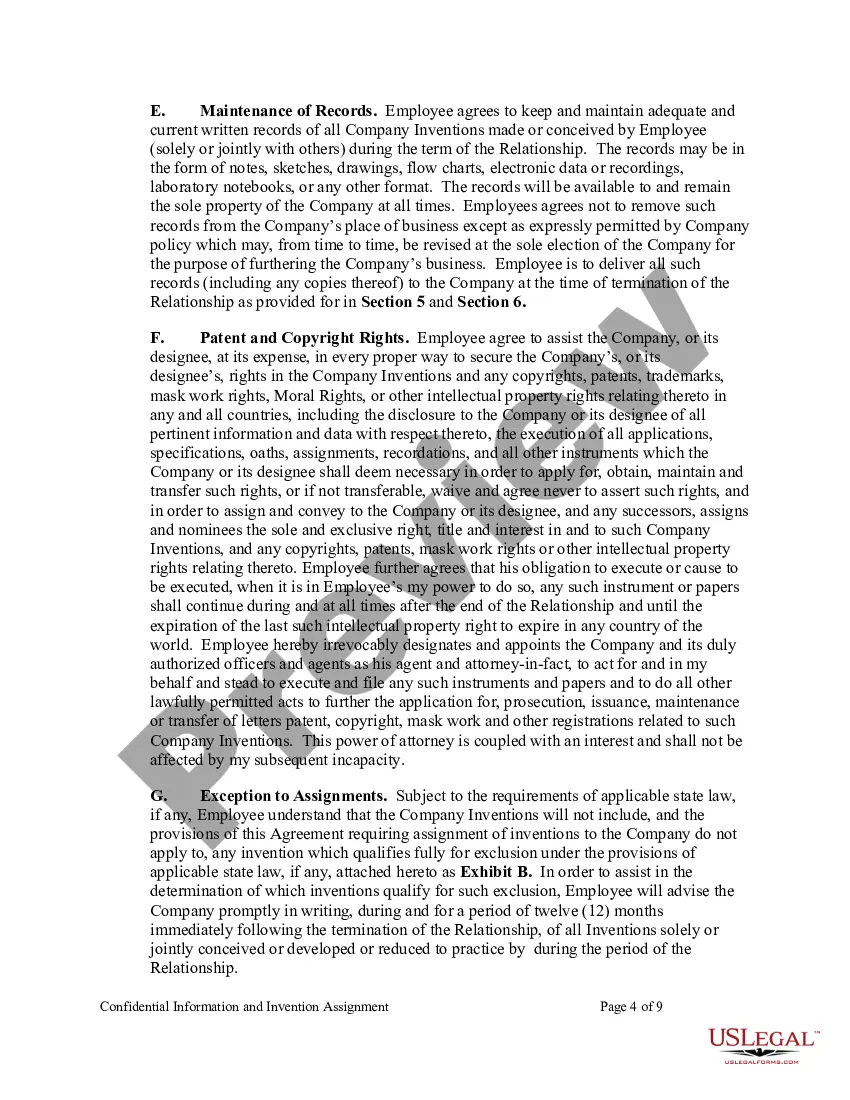
- Assignment of ownership rights to inventions created during employment.
- Notification requirements for any inventions not covered in the form.
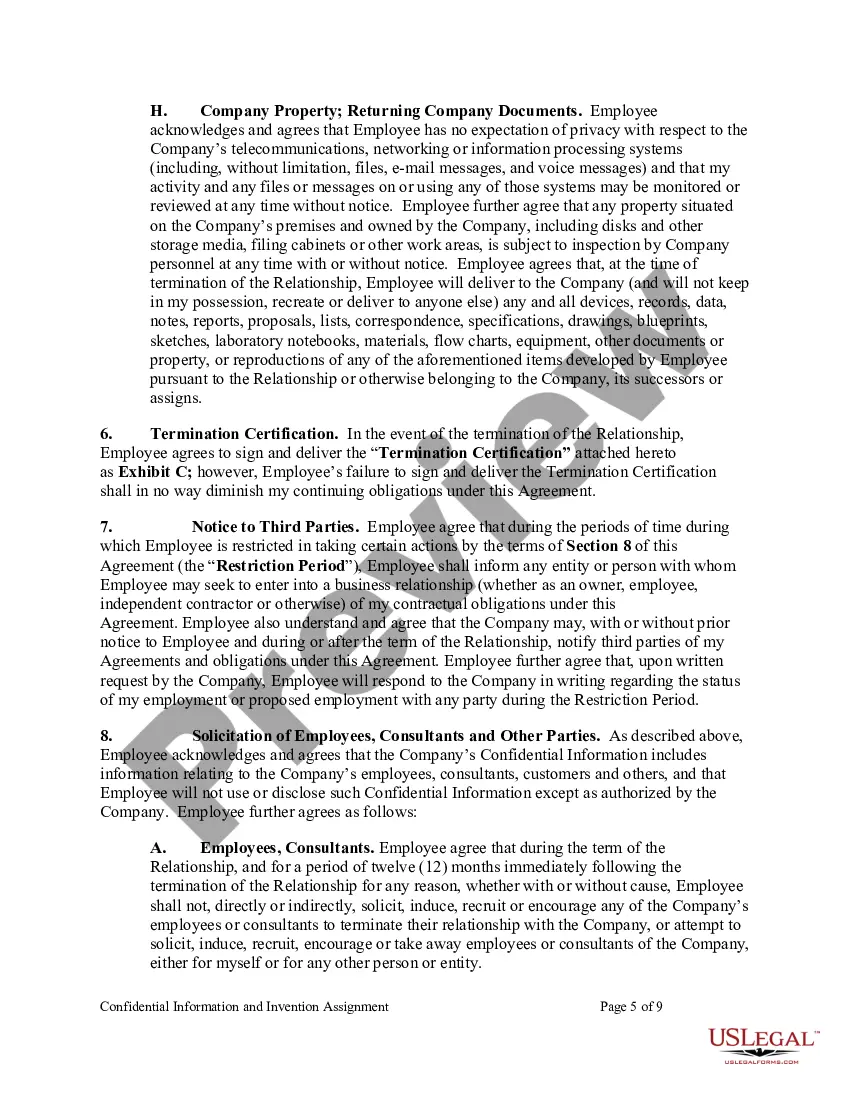
- Employee's rights and obligations upon termination of their relationship with the company.
When this form is needed
This form is used when an employee will have access to sensitive information or will be engaged in creating inventions during their employment. It is essential for technology companies and businesses that prioritize the protection of their intellectual property and confidential data. Employers should include this form in the hiring process, particularly for roles in research, development, and product innovation.
Who this form is for
This form is intended for:
- Employers who want to protect their proprietary information and inventions.
- Employees working in roles that involve innovation or access to confidential company data.
- Companies in technology, engineering, or research sectors where invention creation is key to business success.
How to prepare this document
- Identify the parties involved: the employee and the company.
- Outline the definitions of confidential information and inventions as specified in the form.
- State the employee's obligations concerning the protection and use of confidential information.
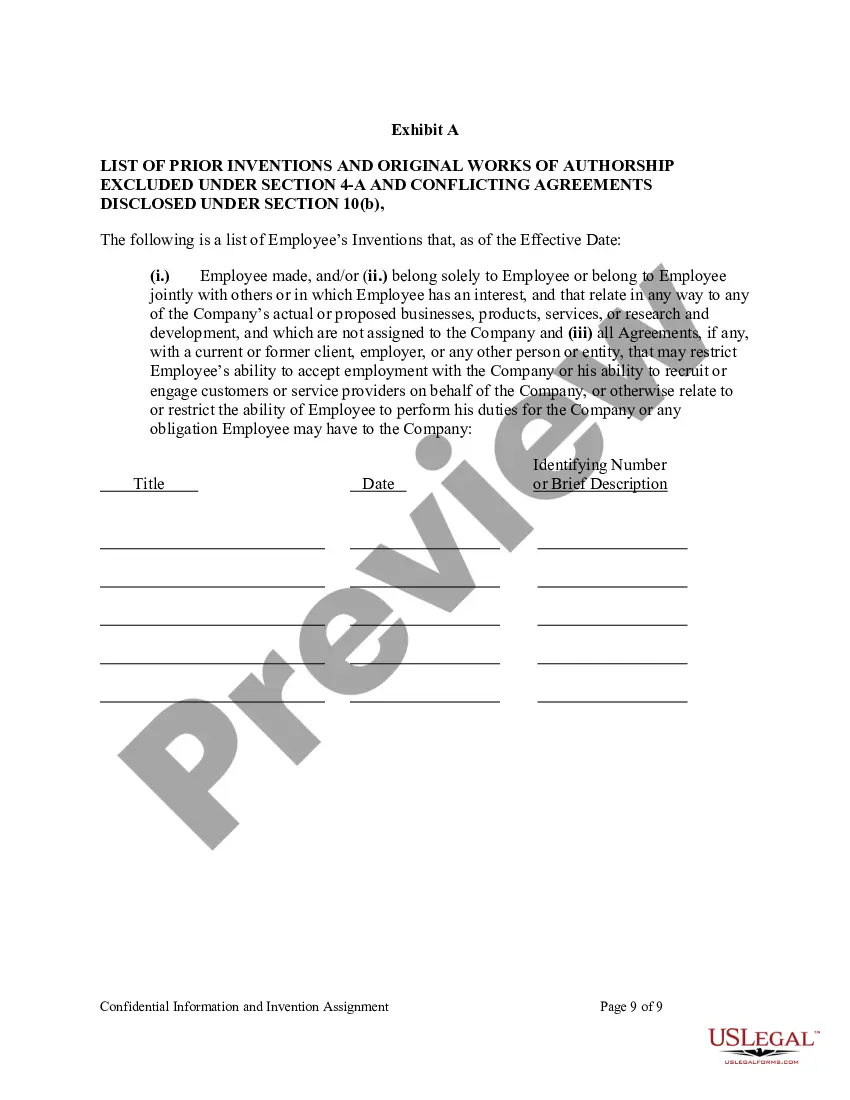
- Describe the process for disclosing any inventions not initially covered in the form.
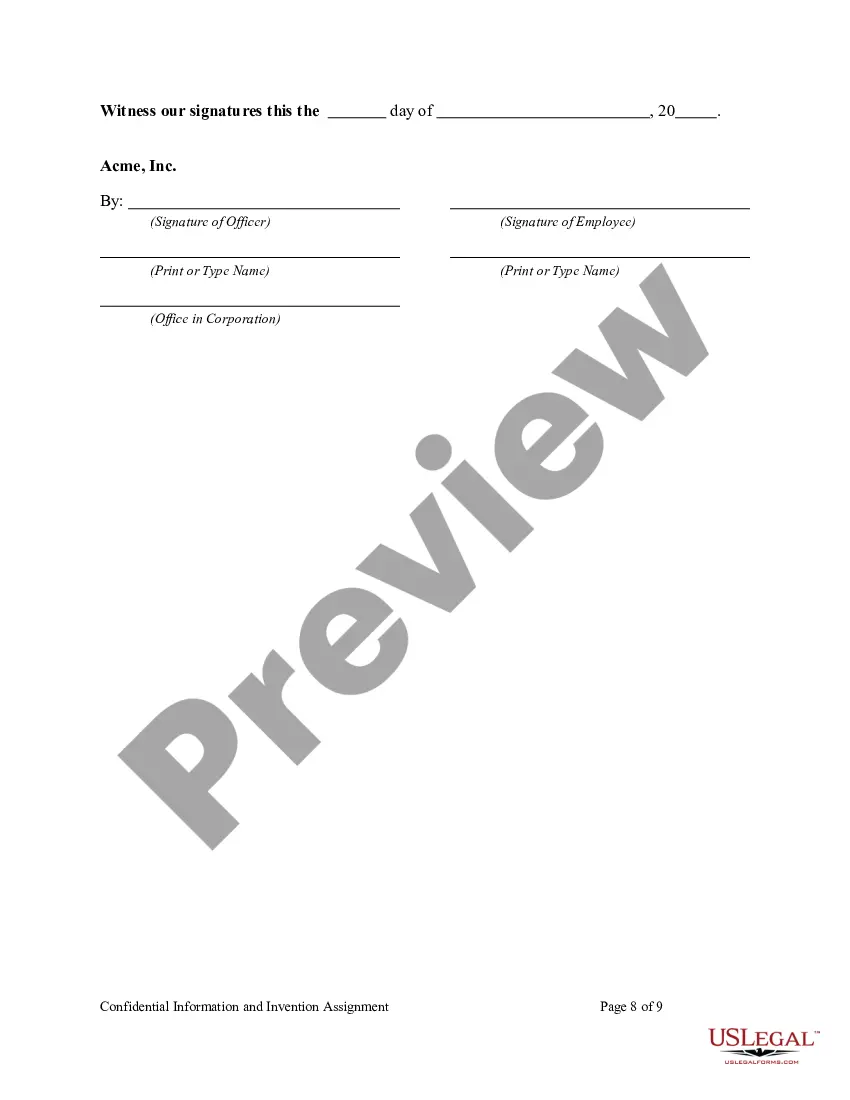
- Provide signatures and dates to formalize the agreement.
Does this document require notarization?
In most cases, this form does not require notarization. However, some jurisdictions or signing circumstances might. US Legal Forms offers online notarization powered by Notarize, accessible 24/7 for a quick, remote process.
Get your form ready online
Our built-in tools help you complete, sign, share, and store your documents in one place.
Make edits, fill in missing information, and update formatting in US Legal Forms—just like you would in MS Word.
Download a copy, print it, send it by email, or mail it via USPS—whatever works best for your next step.
Sign and collect signatures with our SignNow integration. Send to multiple recipients, set reminders, and more. Go Premium to unlock E-Sign.
If this form requires notarization, complete it online through a secure video call—no need to meet a notary in person or wait for an appointment.
We protect your documents and personal data by following strict security and privacy standards.

Make edits, fill in missing information, and update formatting in US Legal Forms—just like you would in MS Word.

Download a copy, print it, send it by email, or mail it via USPS—whatever works best for your next step.

Sign and collect signatures with our SignNow integration. Send to multiple recipients, set reminders, and more. Go Premium to unlock E-Sign.

If this form requires notarization, complete it online through a secure video call—no need to meet a notary in person or wait for an appointment.

We protect your documents and personal data by following strict security and privacy standards.
Avoid these common issues
- Failing to read the entire agreement thoroughly.
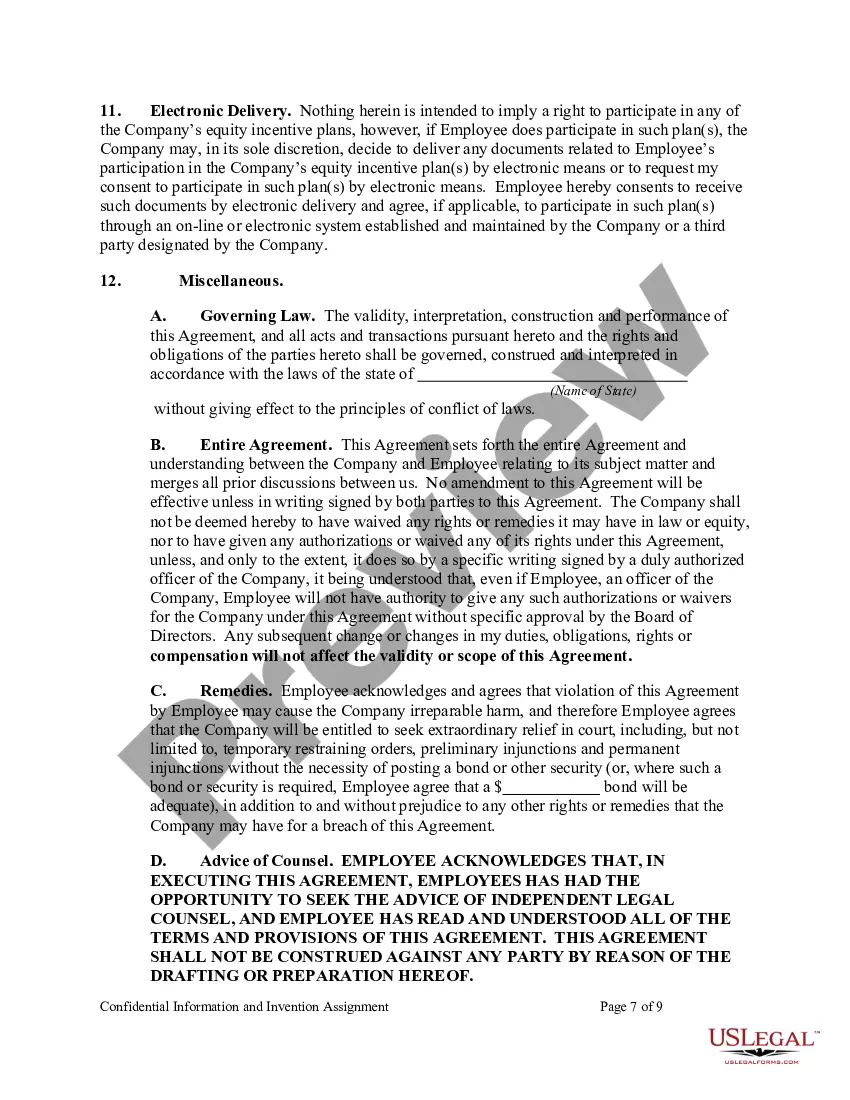
- Not listing inventions in Exhibit A, if applicable.
- Overlooking the obligation to notify the company of any inventions created during employment.
Why use this form online
- Access to professionally drafted forms ensuring legal compliance.
- The ability to download and customize the form to suit specific needs.
- Convenience of completing the form at your own pace and from any location.
Legal use & context
- This form is essential for protecting trade secrets and inventions in a legal context.
- Establishes clear ownership of intellectual property created during employment.
- Supports enforceability of confidentiality breaches if improperly disclosed.
Summary of main points
- Understand the importance of confidentiality concerning company information.
- Know that inventions created during employment typically belong to the employer.
- Complete the form thoroughly to avoid any issues relating to intellectual property rights.
Looking for another form?

Form popularity
FAQ
Also known as Proprietary Information and Inventions Assignment Agreements (or PIIAAs), Confidential Information and Inventions Assignment Agreements ensure that intellectual property and other proprietary rights created by employees during the course of their employment are assigned to the employer.
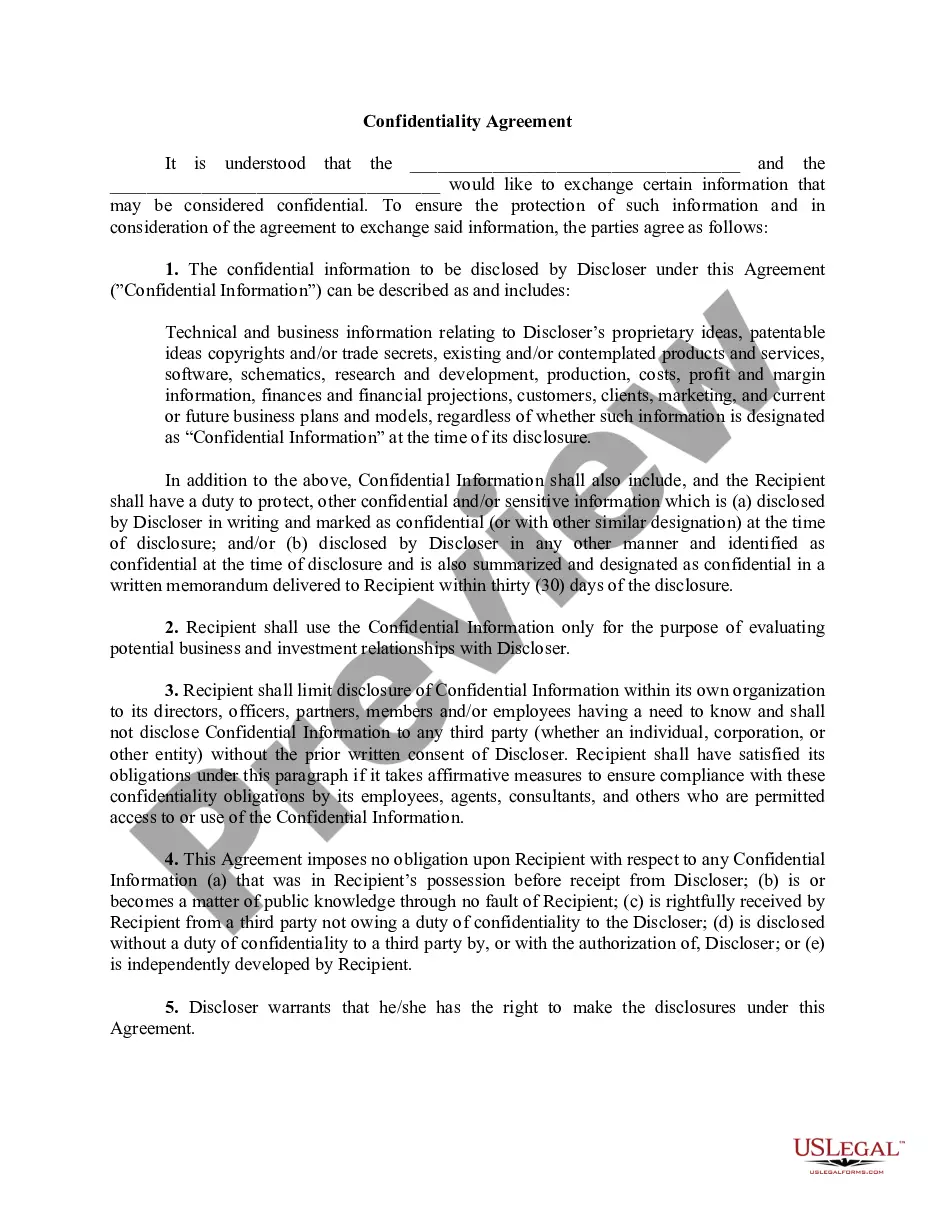
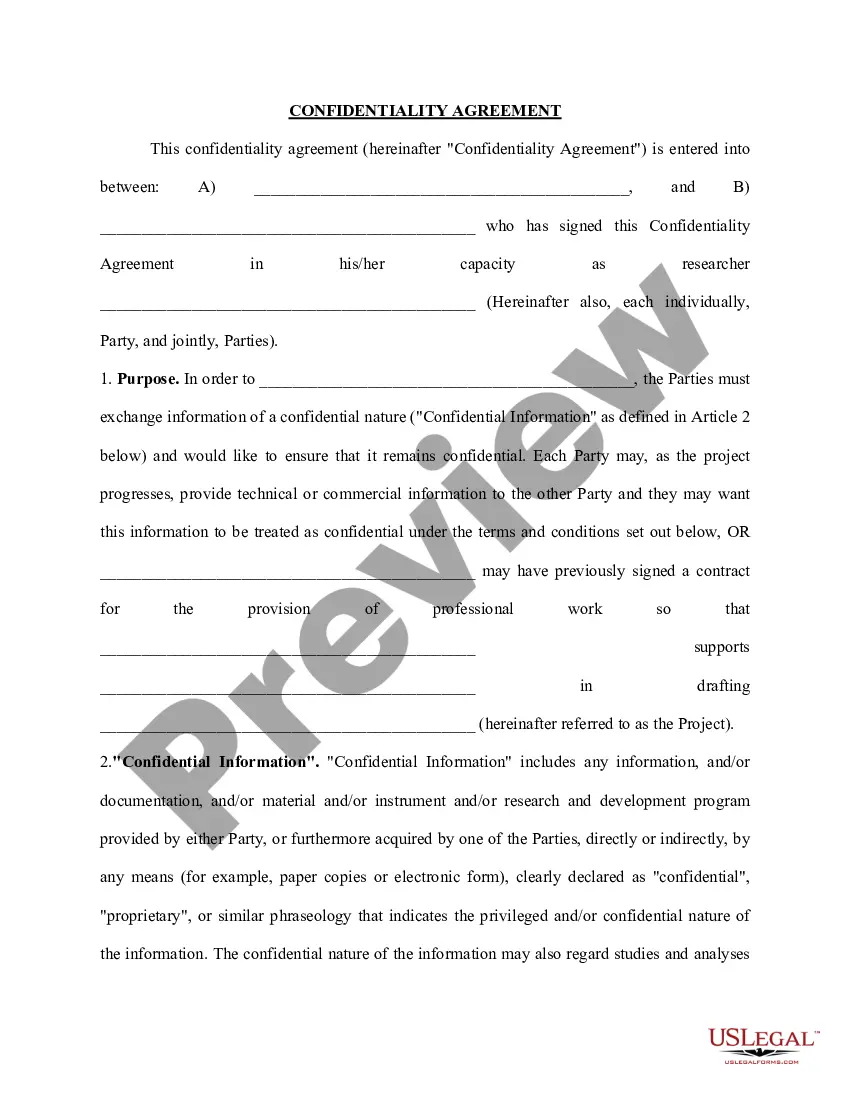
A confidentiality agreement is a written legal contract between an employer and an employee. The confidentiality agreement lays out binding terms and conditions that prohibit the employee from disclosing company confidential and proprietary information.
PIIA is the acronym for the most common name for these agreements, ''proprietary information and invention assignment'' agreements.The agreement also requires that the employee agree that whatever the employee creates, discovers, develops or invents while employed with the company is owned by the company.
Company Confidential Information means information known to the Executive to constitute trade secrets or proprietary information belonging to the Company or other Company confidential financial information, operating budgets, strategic plans or research methods, personnel data, projects or plans, or non-public
An invention assignment agreement is a contract that gives the employer certain rights to inventions created or conceptualized by the employee during the employment relationship.
First, if you're in California, Labor Code § 2870 puts significant limits on what your employer can claim, regardless of the contract. Basically, they can't claim anything you developed before you arrived or anything that's unrelated to their business (unless you used their facilities to develop it).
Examples of confidential information include, but are not limited to: Information about the Company's operations, results, earnings projections, strategies, clients or client relationships, proprietary products or employee records.