Mississippi Merger Agreement
What is this form?
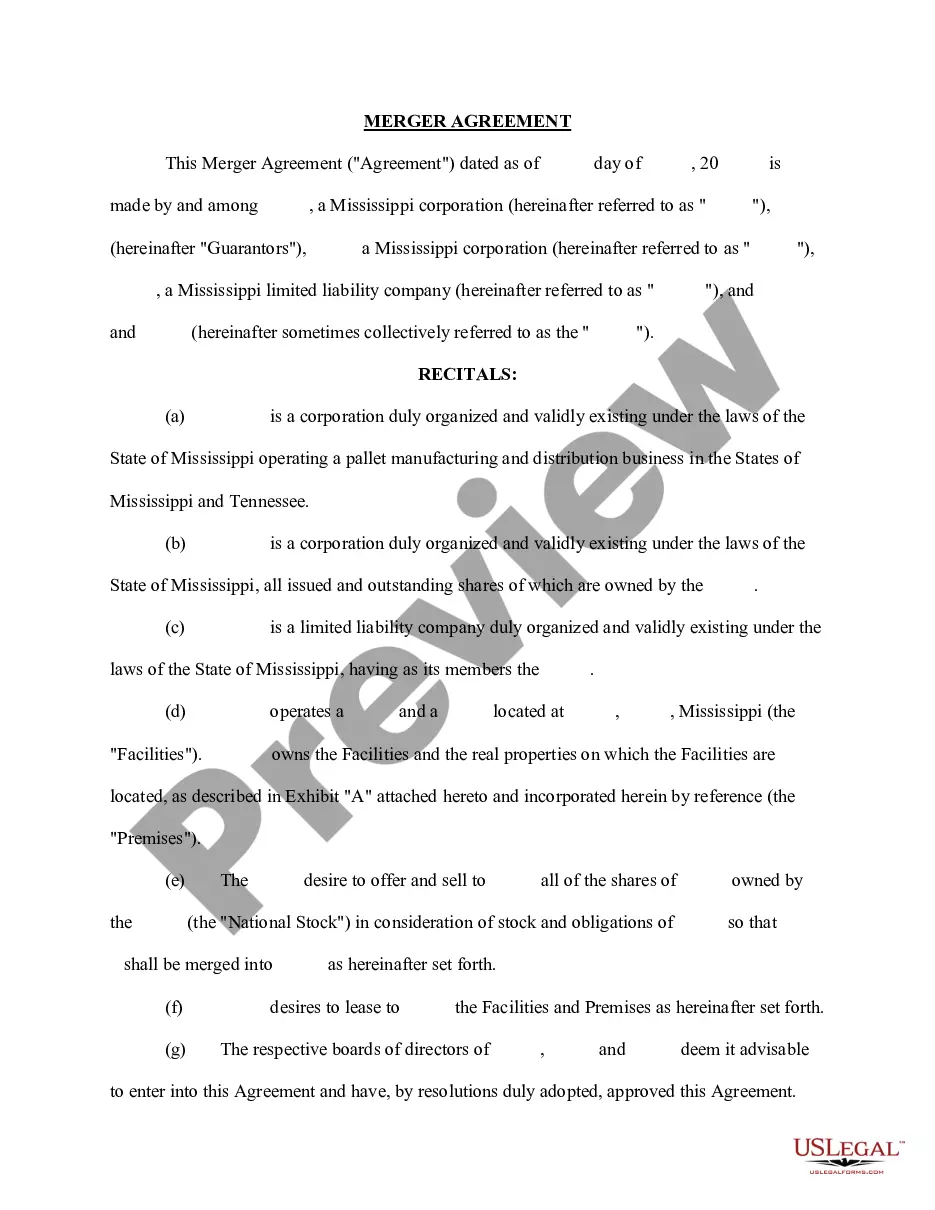
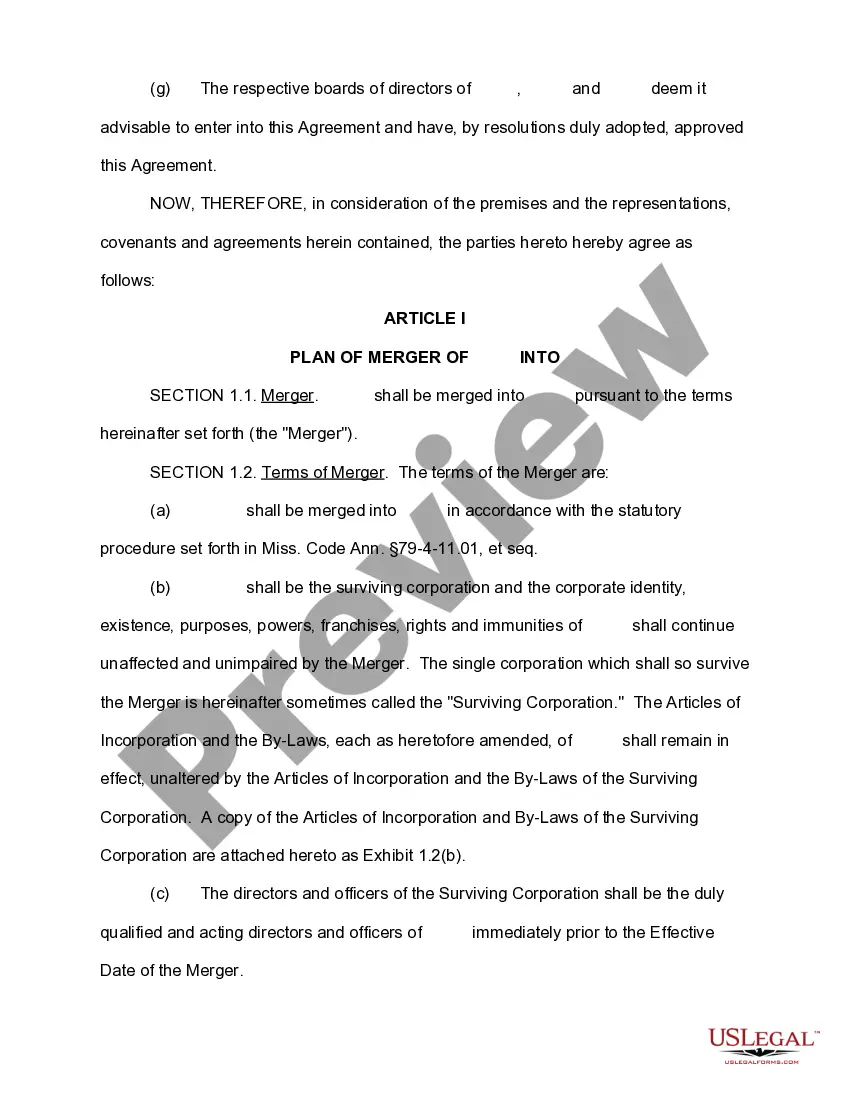
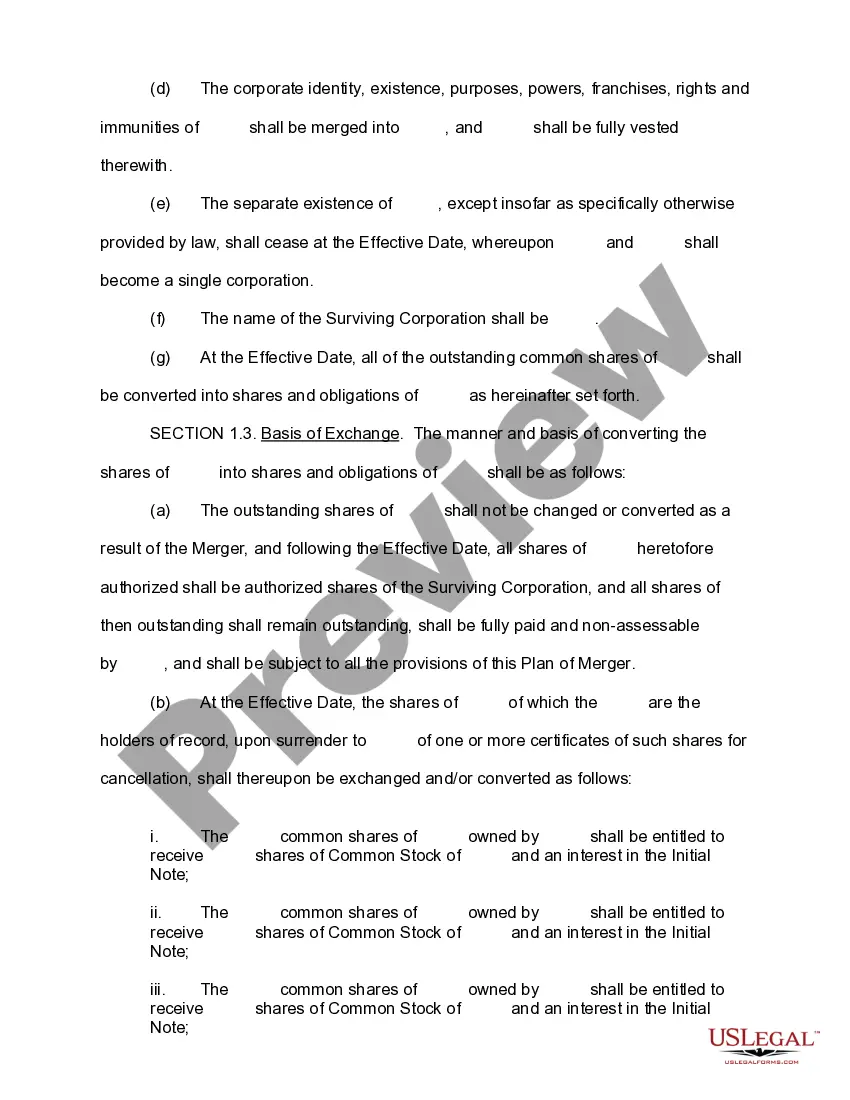
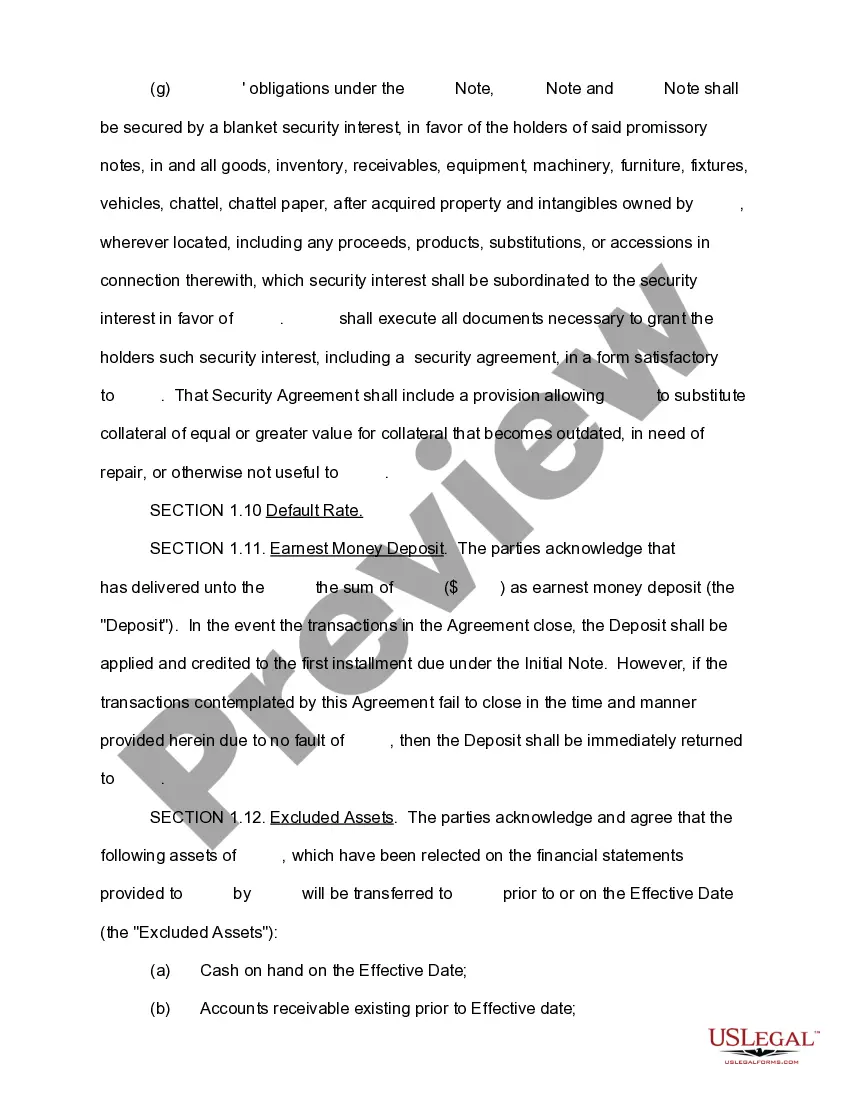
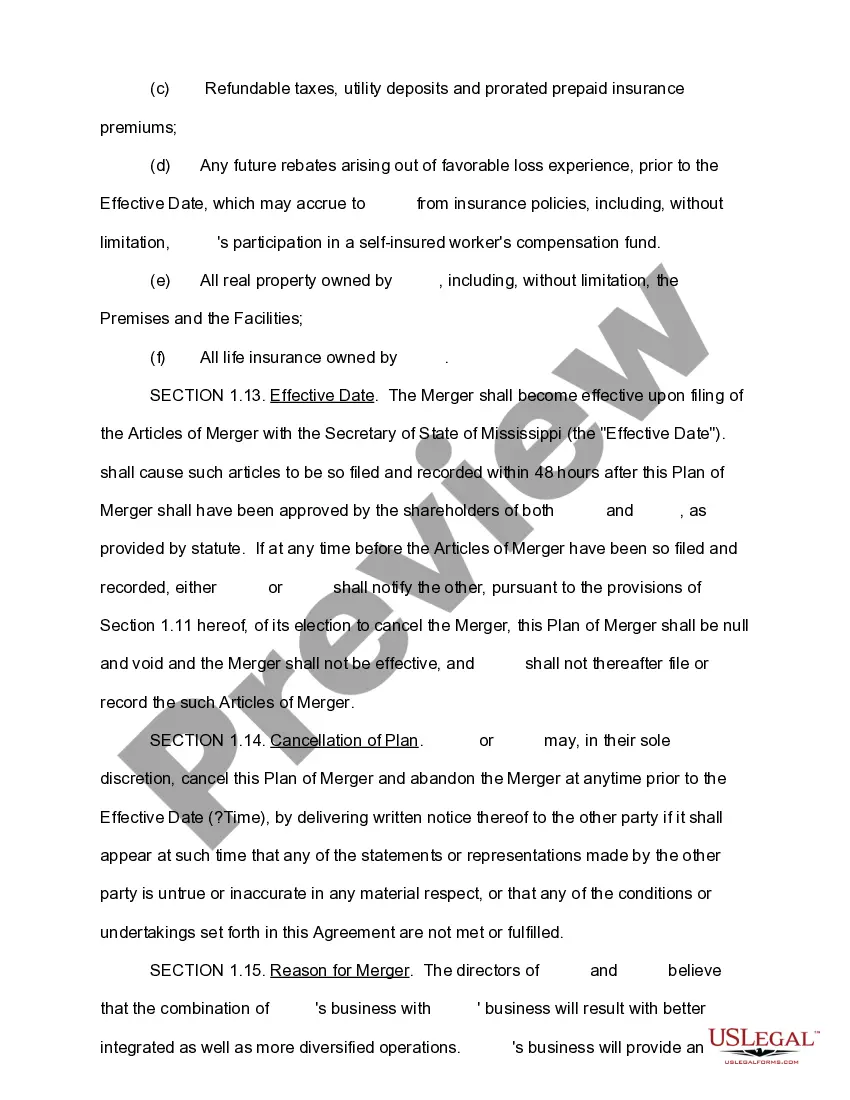
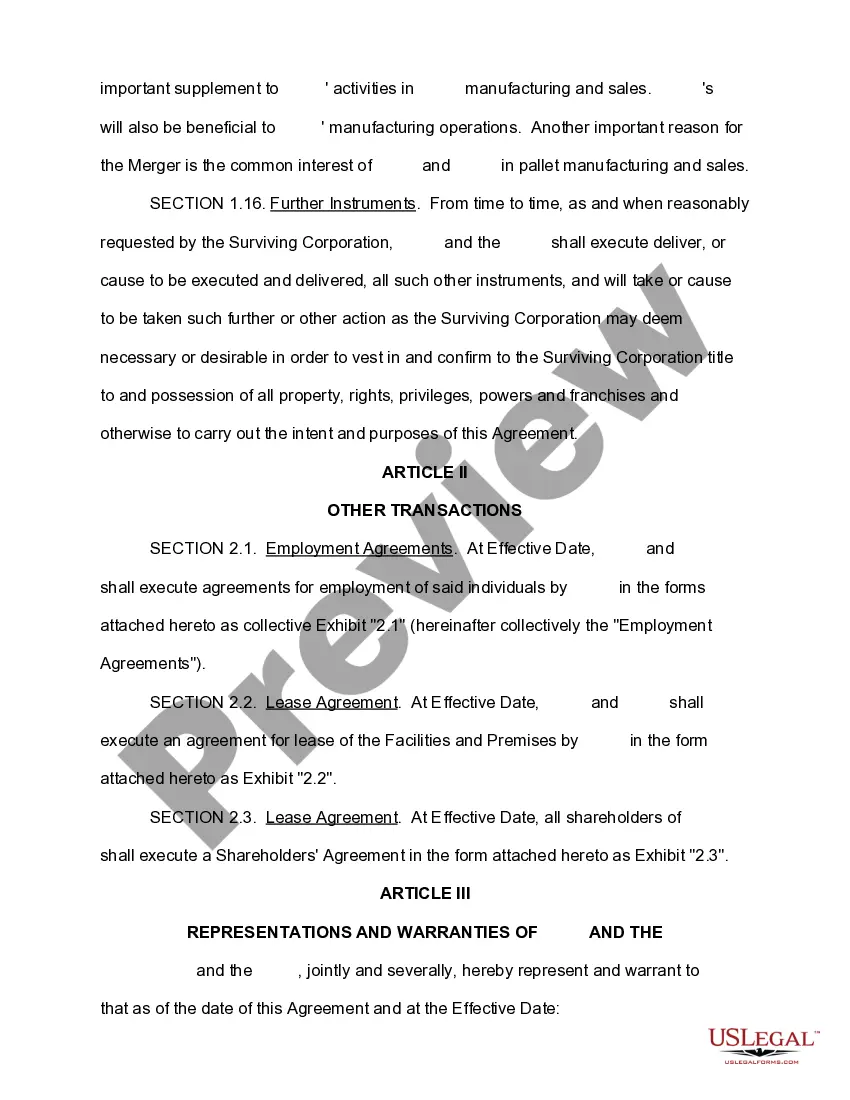
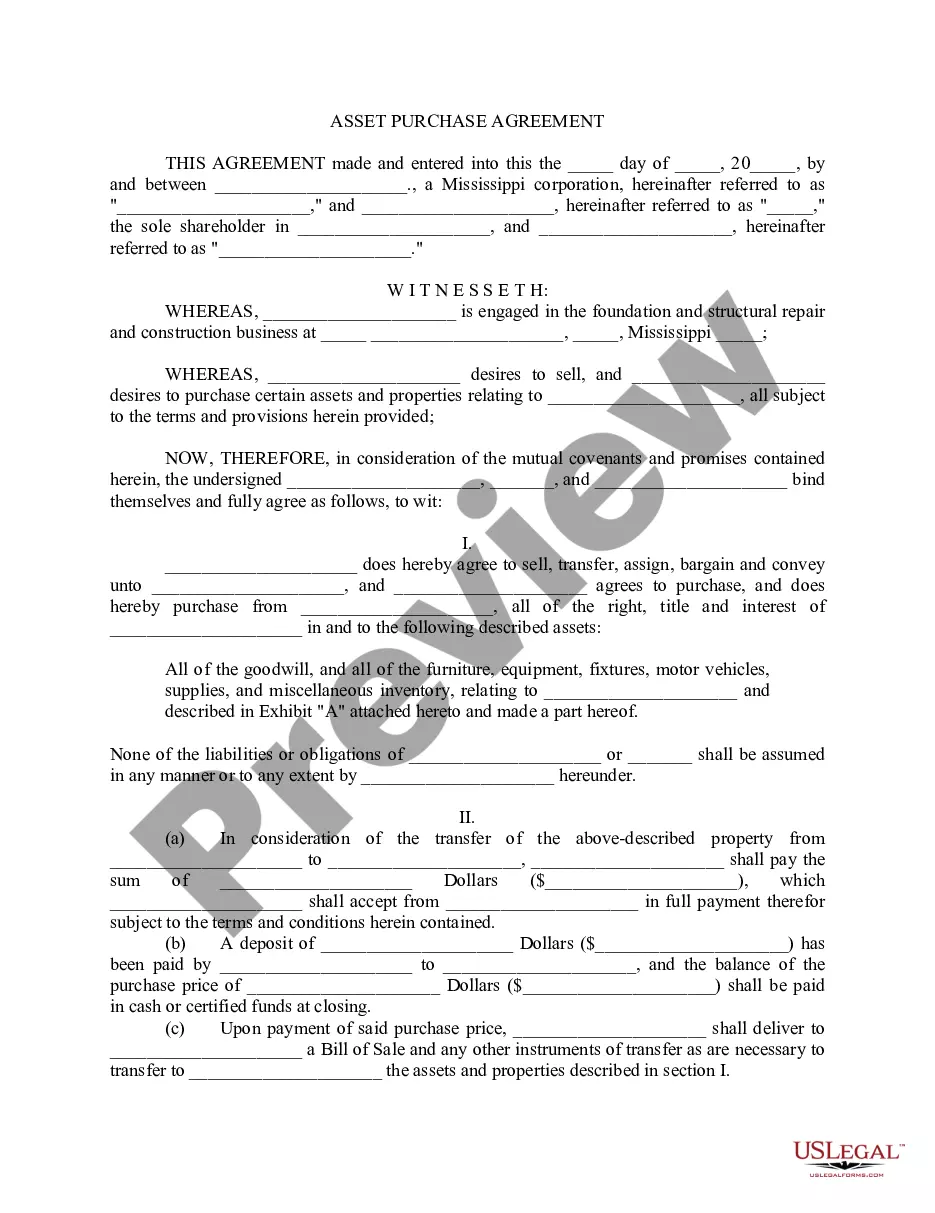
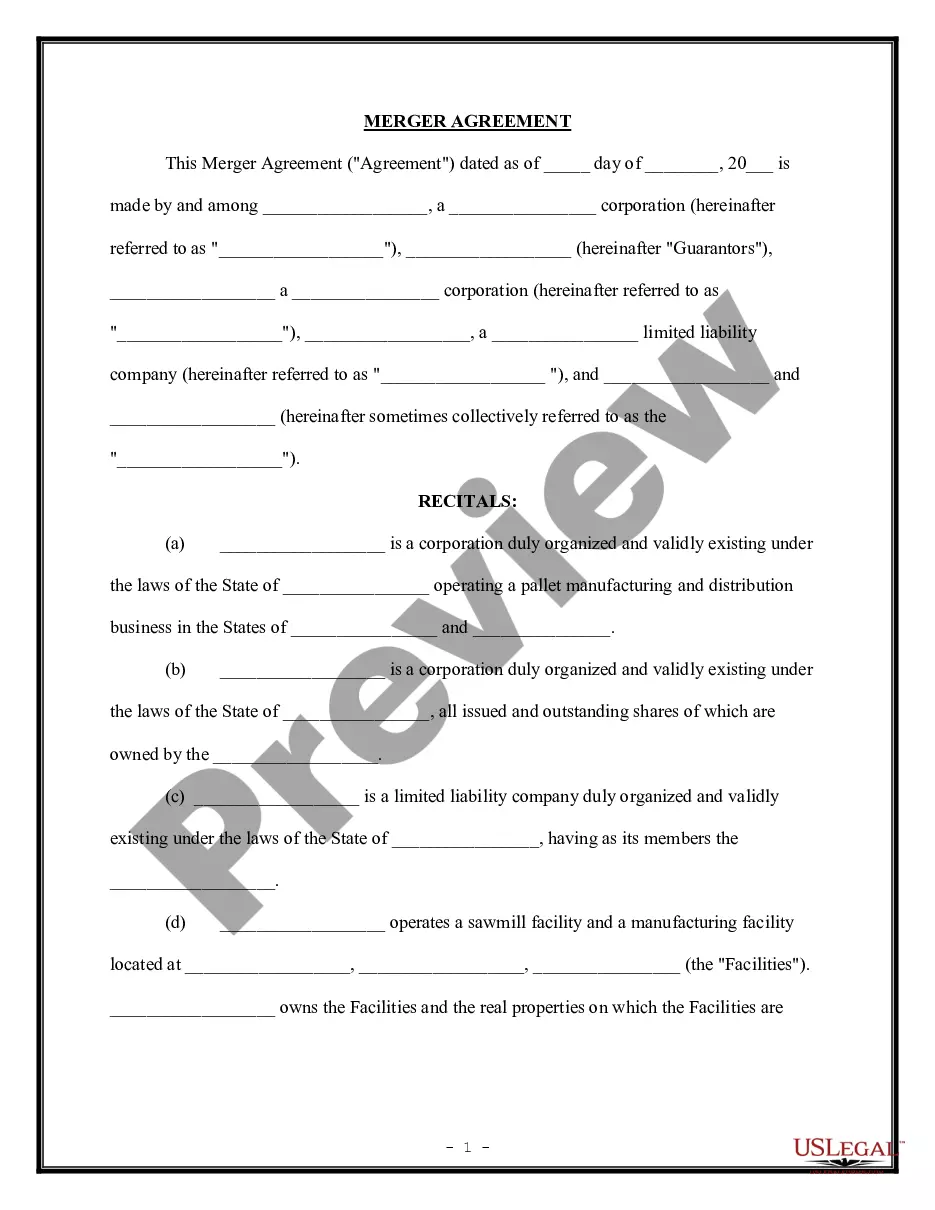
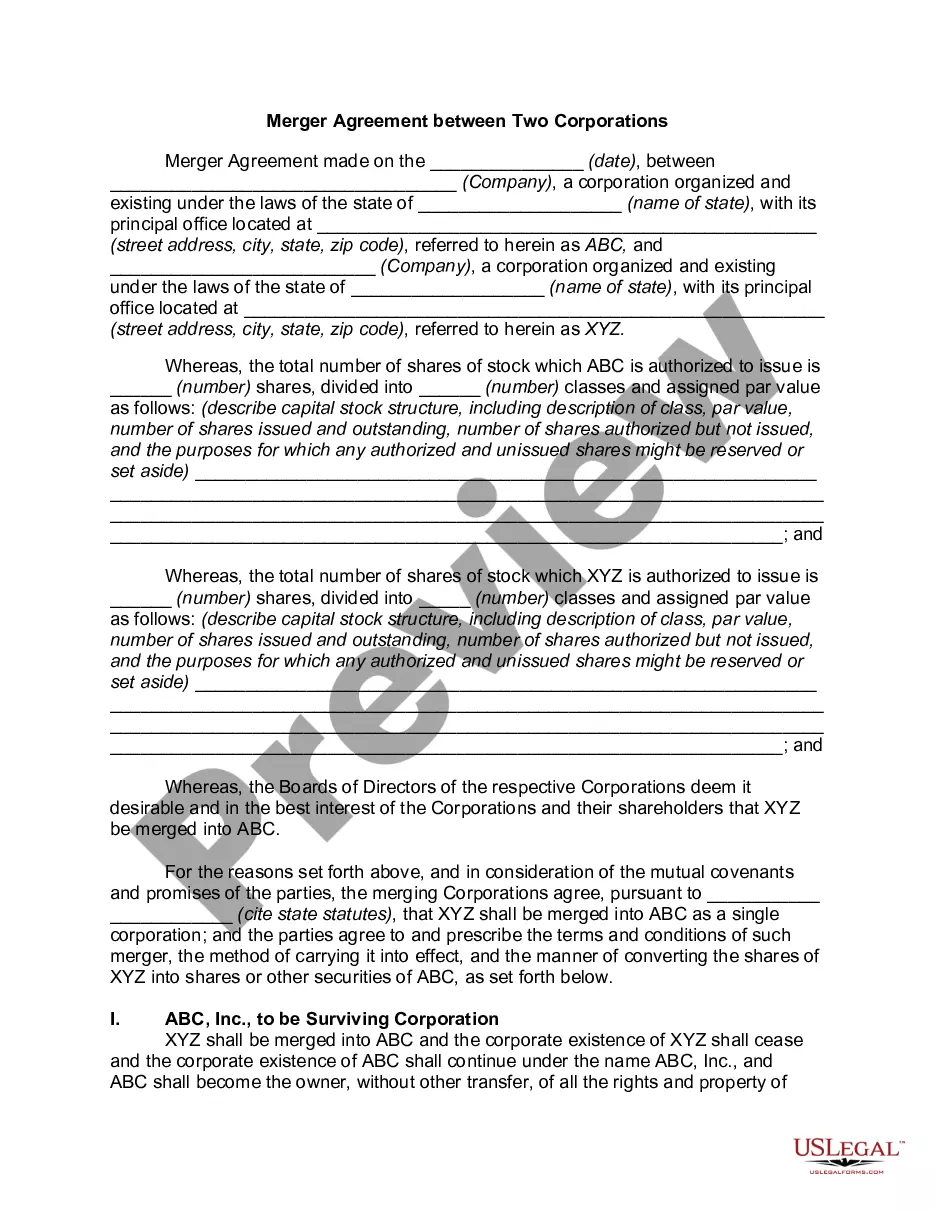
A Merger Agreement is a legal contract between two companies intending to combine into a single entity. This document outlines the responsibilities, obligations, and liabilities of each company involved in the merger, ensuring clarity and legal compliance throughout the process. It's different from other business contracts as it specifically addresses the complexities of merging operations, assets, and cultures of the participating companies.
Key parts of this document
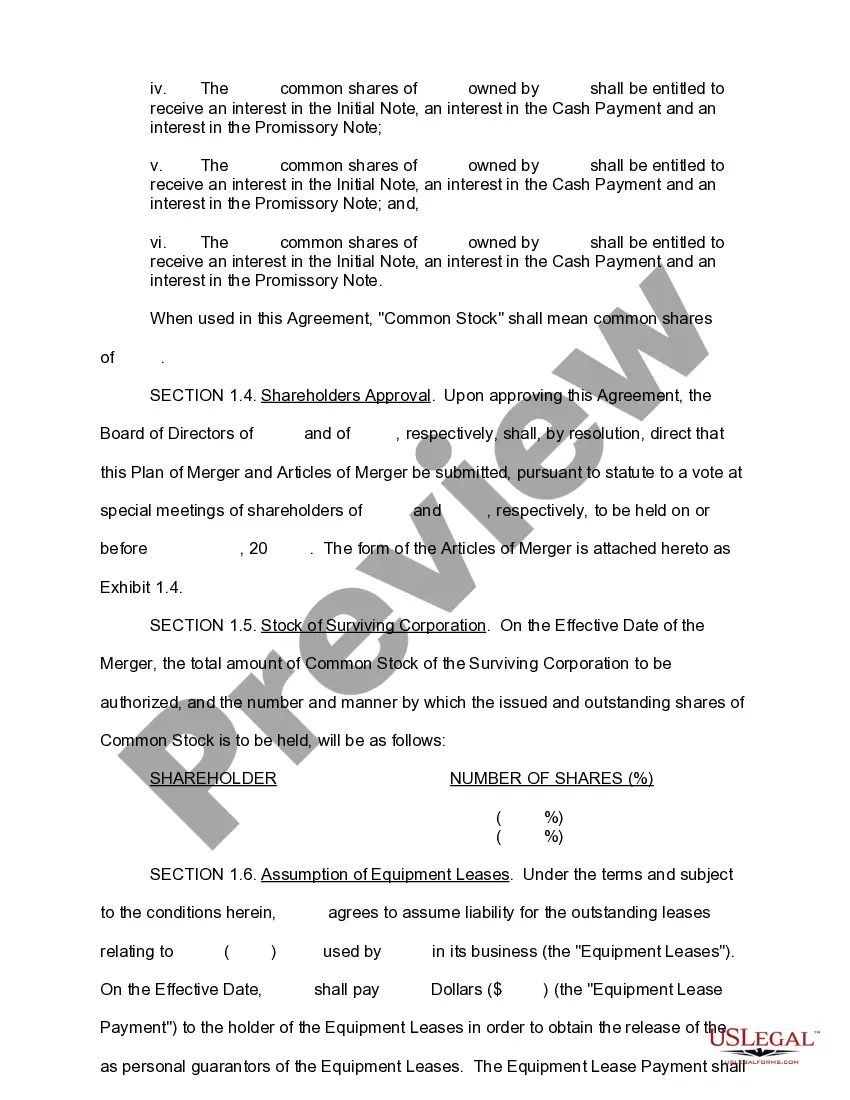
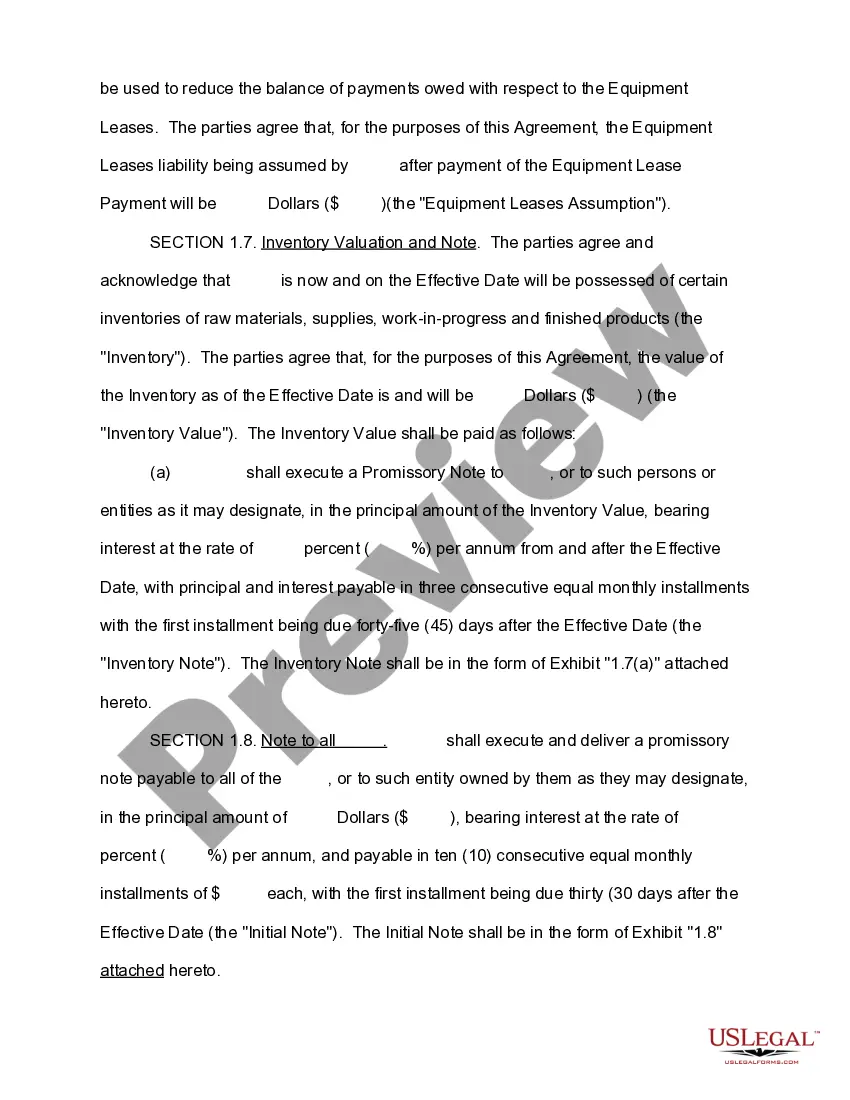
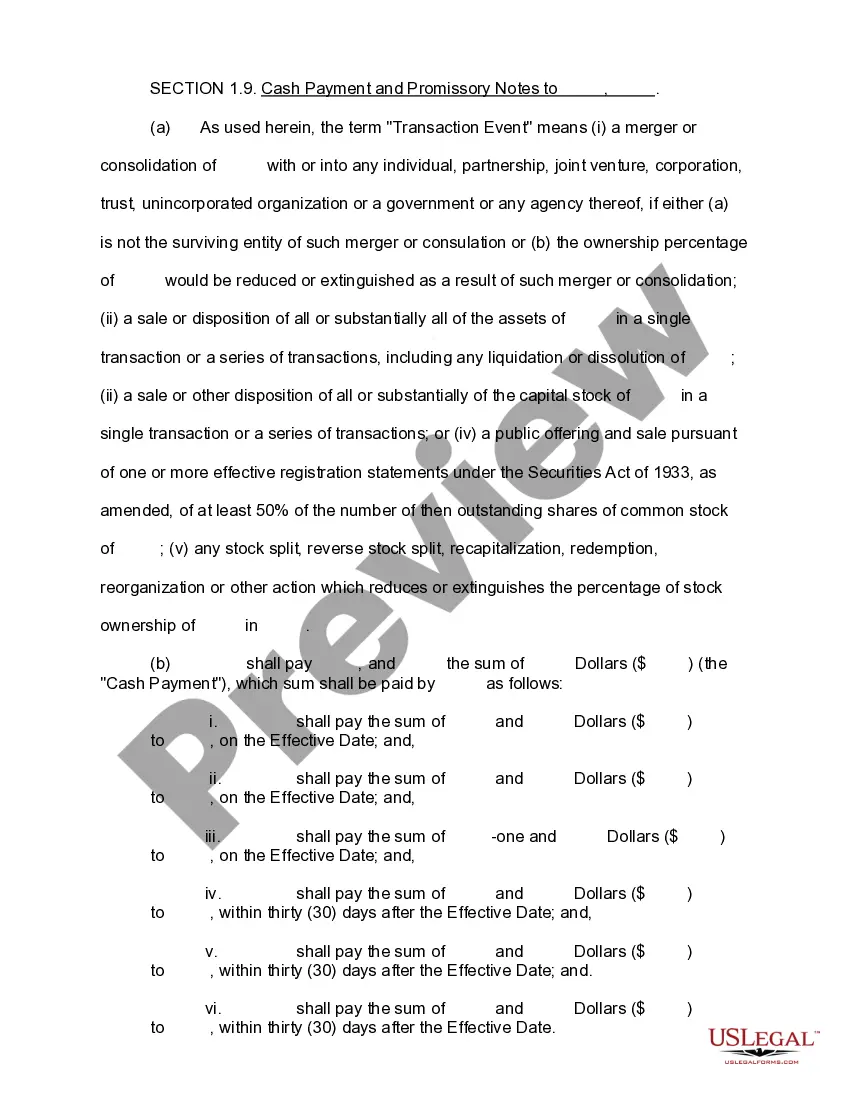
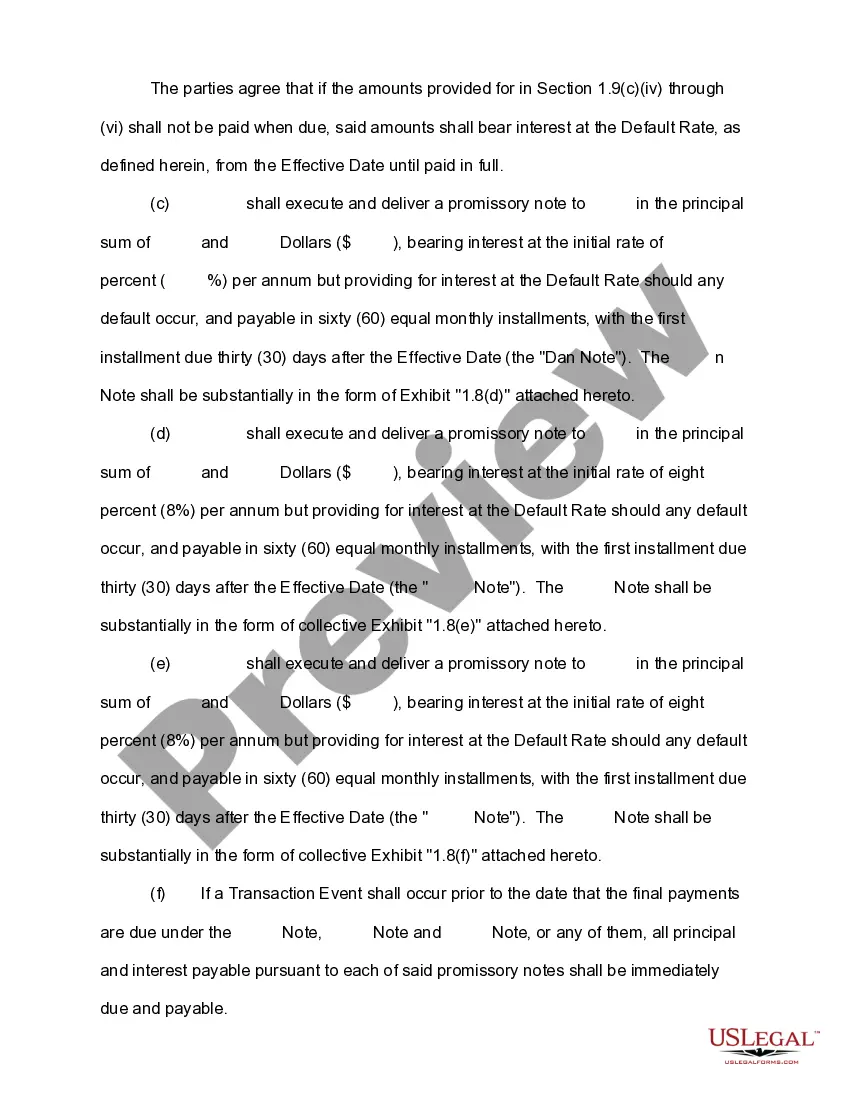
- Shareholder details: Specifies the number of shares each shareholder possesses.
- Amendment provisions: Outlines how the agreement can be amended, requiring written consent from both parties.
- Guarantor covenants: Details on guarantees made by stakeholders and obligations prior to merger execution.
- Finder fees: Clarifies that no party has engaged a broker or finder for compensation related to the merger.
- Notices: Stipulates how formal communications should be delivered between parties.
- Governing law: States that the agreement will be governed by the laws of Mississippi.

Common use cases
This form is essential when two or more companies decide to merge their businesses into one unified entity. It should be used whenever both parties agree on the merger terms, including the responsibilities and obligations that arise from the merger, ensuring a legally binding and enforceable agreement that protects the interests of both companies and their stakeholders.
Who this form is for
- Business owners looking to merge with another company.
- Corporate attorneys drafting merger agreements for their clients.
- Shareholders involved in the merger negotiations.
- Executives in charge of corporate strategy and mergers.
How to prepare this document
- Identify the merger parties: Clearly state the names and details of the companies involved.
- List shareholders: Include the names and number of shares for each shareholder impacted by the merger.
- Specify obligations: Detail the responsibilities and liabilities of each party as per the agreement.
- Include exhibits: Attach necessary documents such as Articles of Merger and Shareholder Agreements.
- Execution of agreement: Ensure appropriate signatures from authorized representatives of both companies.
Is notarization required?
This form does not typically require notarization unless specified by local law. It's advisable to check the relevant laws to determine if notarization is necessary for the agreement to be legally valid.
Get your form ready online
Our built-in tools help you complete, sign, share, and store your documents in one place.
Make edits, fill in missing information, and update formatting in US Legal Forms—just like you would in MS Word.
Download a copy, print it, send it by email, or mail it via USPS—whatever works best for your next step.
Sign and collect signatures with our SignNow integration. Send to multiple recipients, set reminders, and more. Go Premium to unlock E-Sign.
If this form requires notarization, complete it online through a secure video call—no need to meet a notary in person or wait for an appointment.
We protect your documents and personal data by following strict security and privacy standards.

Make edits, fill in missing information, and update formatting in US Legal Forms—just like you would in MS Word.

Download a copy, print it, send it by email, or mail it via USPS—whatever works best for your next step.

Sign and collect signatures with our SignNow integration. Send to multiple recipients, set reminders, and more. Go Premium to unlock E-Sign.

If this form requires notarization, complete it online through a secure video call—no need to meet a notary in person or wait for an appointment.

We protect your documents and personal data by following strict security and privacy standards.
Mistakes to watch out for
- Failing to include all relevant shareholders in the agreement.
- Overlooking necessary amendments to the agreement before signing.
- Not consulting legal counsel for tailored advice regarding specific terms.
- Neglecting to specify the governing law if the parties are located in different states.
Benefits of using this form online
- Convenience: Easily download and complete the form from anywhere.
- Editability: Modify the document to suit your specific merger circumstances.
- Reliability: Access professionally drafted templates that are legally sound and up-to-date.
Legal use & context
- The merger agreement is legally binding and enforceable in a court of law.
- Failure to comply with its terms may result in legal disputes and potential damages.
- Specific performance can be required if any party fails to fulfill their obligations under the agreement.
Quick recap
- A Merger Agreement details the terms under which two companies will combine.
- It is crucial for protecting the interests of both parties and should be drafted carefully.
- Always consider consulting with a qualified attorney to ensure compliance with state laws and regulations.
Looking for another form?

Form popularity
FAQ
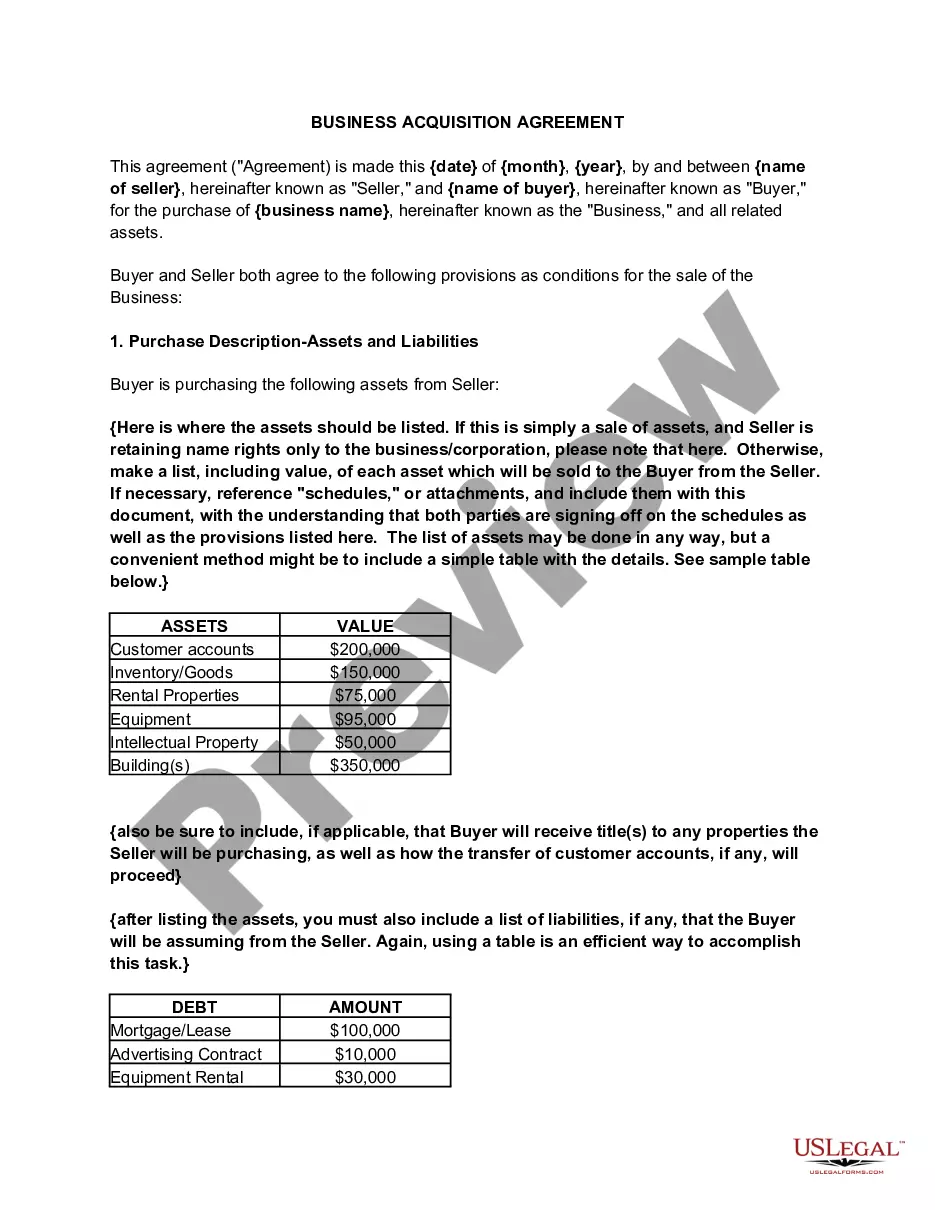
Decision to acquire companies as inorganic growth. Criteria for acquiring a company. Company search and selection. Planning. Evaluation. Negotiation. Due Diligence. Contract of acquisition.
Mergers are transactions involving the combination of generally two or more companies into a single entity. These documents will include information about the target company, the acquiring company and the terms of the merger, including the consideration you will be entitled to receive if the merger is approved.
A merger agreement (or definitive merger agreement) is the legal contract that is drawn up and signed by both parties when two companies merge. Its terms and conditions can be quite detailed, and it usually spells out several parameters regarding staffing actions to be implemented.
What Is a Merger and Acquisition Process?The merger and acquisition process includes all the steps involved in merging or acquiring a company, from start to finish. This includes all planning, research, due diligence, closing, and implementation activities, which we will discuss in depth in this article.
A merger is an agreement that unites two existing companies into one new company. There are several types of mergers and also several reasons why companies complete mergers.
The merger and acquisition process includes all the steps involved in merging or acquiring a company, from start to finish. This includes all planning, research, due diligence, closing, and implementation activities, which we will discuss in depth in this article.
If the company changes owners in whole or in part, it is still the same company and this will not terminate any contracts. If, instead, the company sells its business (which is an asset of the company that it can sell like a car or a building), then the contracts are transferred as part of that sale.
Types of Mergers. The three main types of mergers are horizontal, vertical, and conglomerate. In a horizontal merger, companies at the same stage in the same industry merge to reduce costs, expand product offerings, or reduce competition.