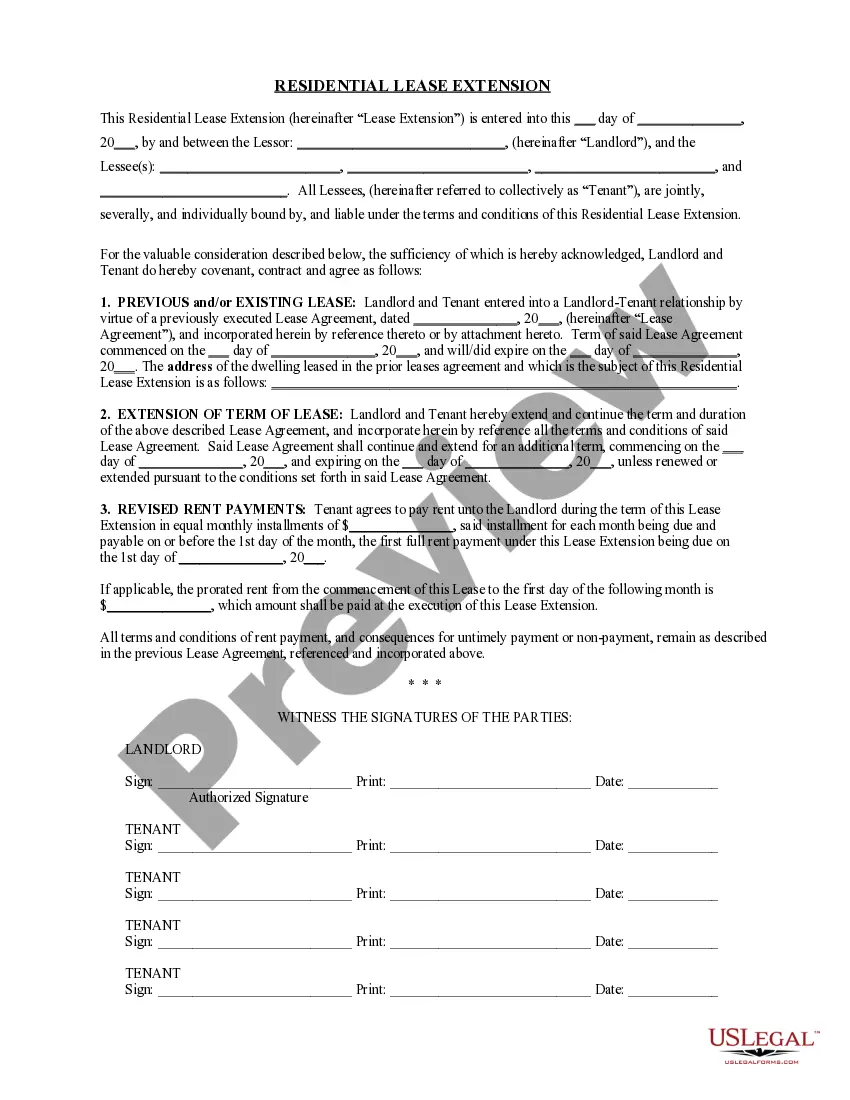
Mississippi Trust Certificate
What is this form?
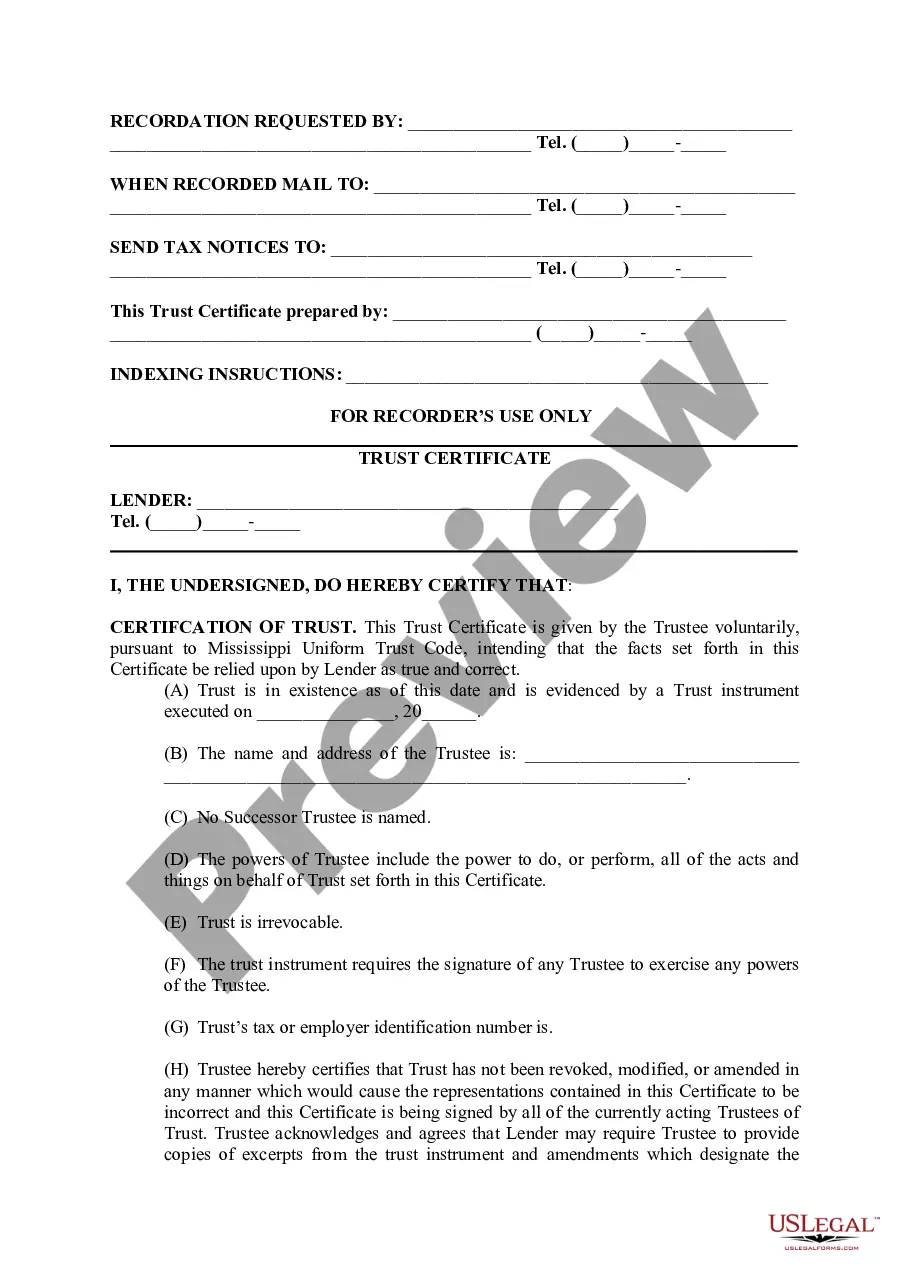
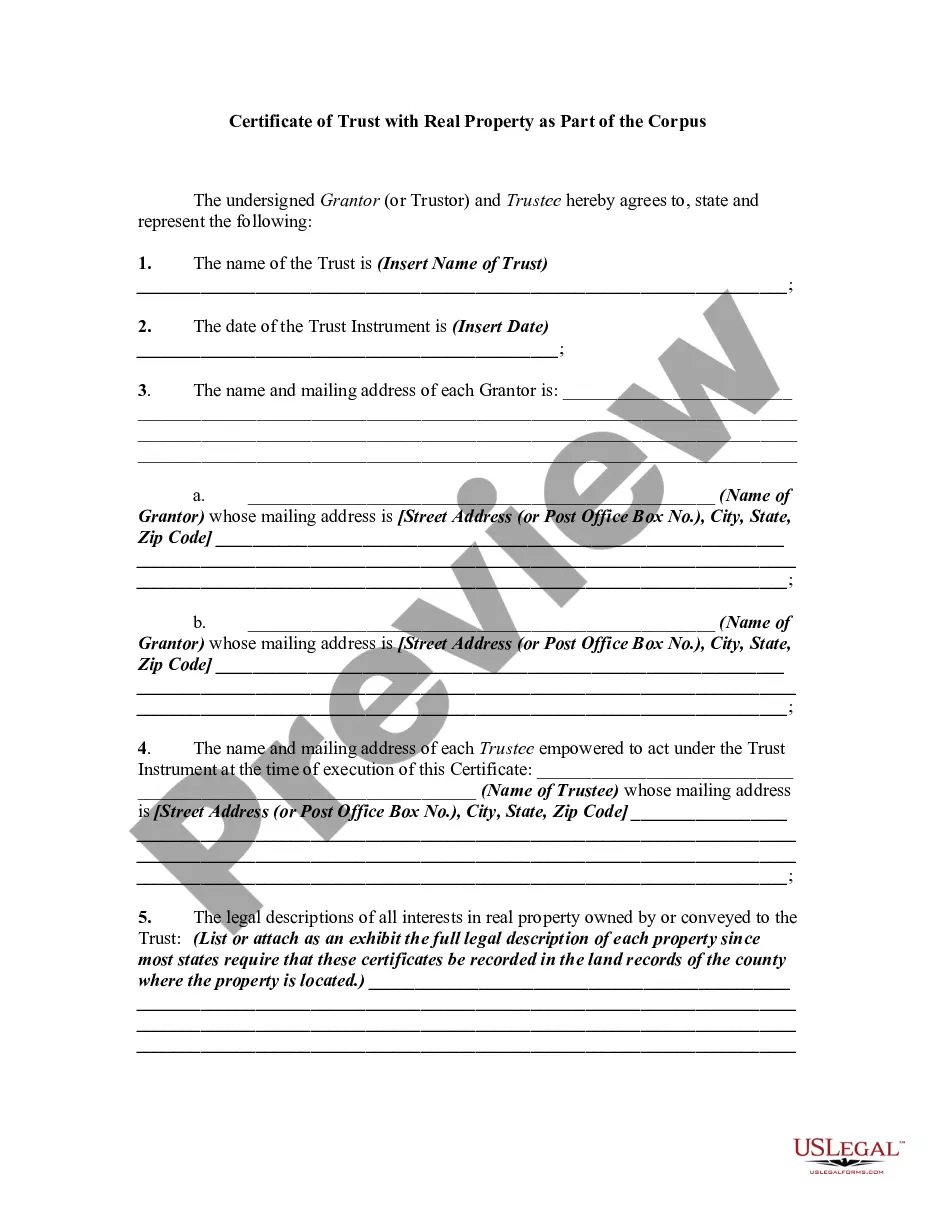
The Trust Certificate is a legal document that certifies the existence of a trust without requiring the entire trust document to be recorded. This certificate allows an individual trustee to provide evidence of the trust to third parties, such as lenders, in lieu of disclosing the complete trust agreement. This form is particularly useful for maintaining confidentiality while confirming the trustâs terms and powers, acting as a streamlined alternative to presenting the full trust document.
Key parts of this document
- Identification of the lender and trustee.
- Certification of trust existence and details including the trust's irrevocable status.
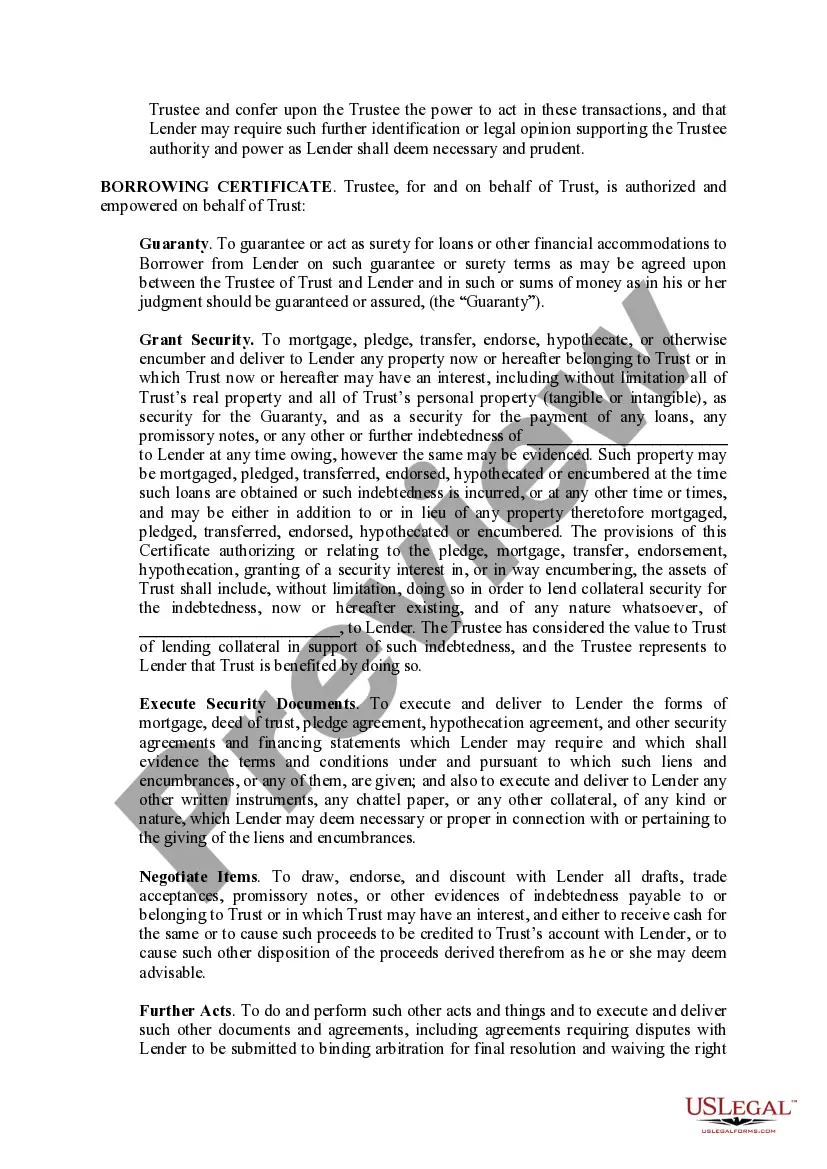
- Declaration of the trustee's powers regarding borrowing and securing loans.
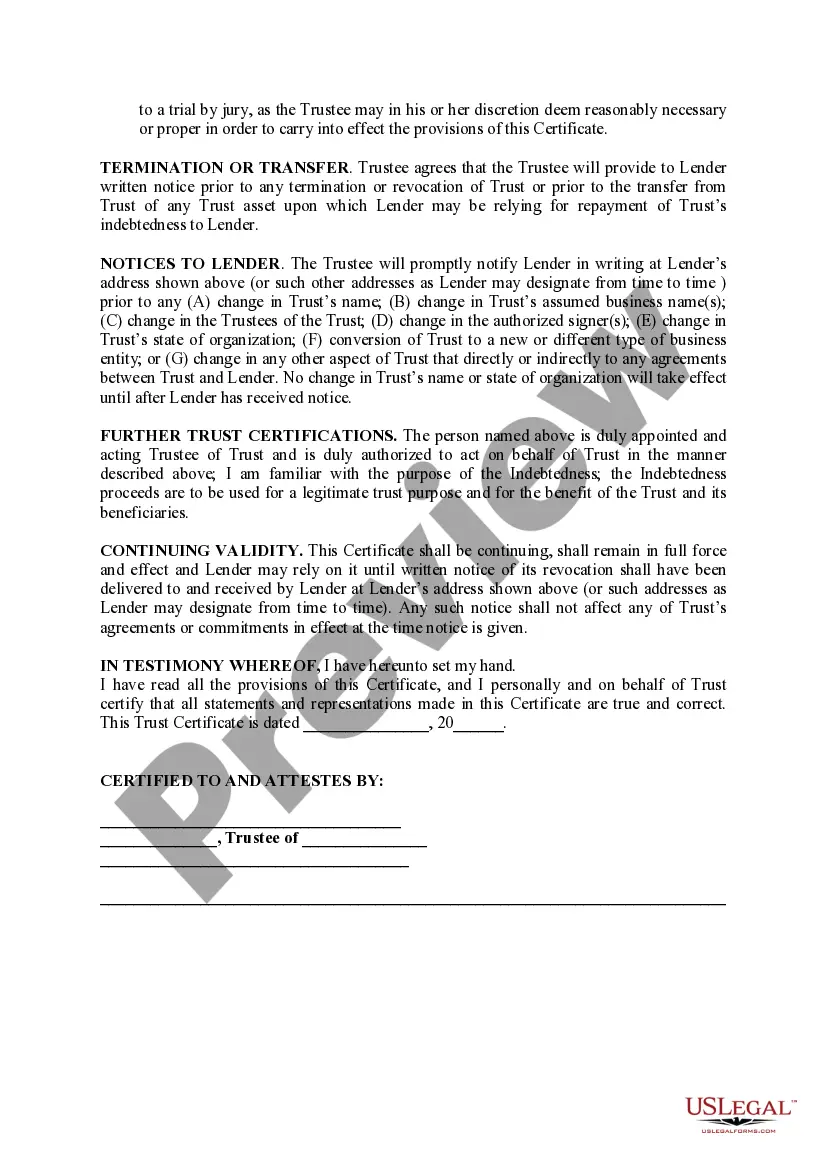
- Termination or transfer notification requirements.
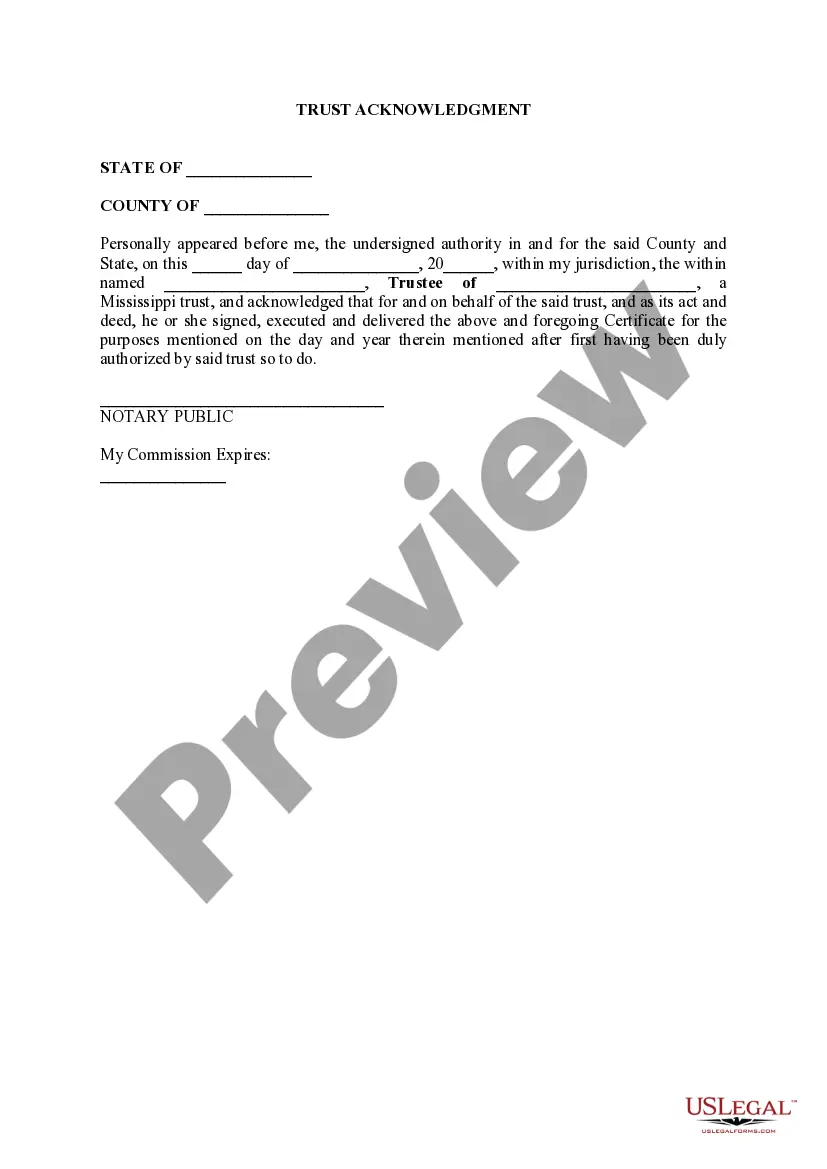
- Notary acknowledgment for legal validation.
When to use this form
This form is used when a trustee needs to demonstrate the existence of a trust to financial institutions or other parties without revealing the complete trust document. It is particularly beneficial when the trustee intends to engage in transactions involving loans or other financial agreements pertaining to trust assets.
Who should use this form
- Trustees looking to certify the existence of a trust.
- Lenders requiring assurance of a trustâs terms without access to the full document.
- Banks or financial institutions handling trust-related transactions.
How to prepare this document
- Identify the parties involved by entering the names and contact information of the lender and trustee.
- Provide the date the trust was established.
- Specify the powers granted to the trustee, ensuring they align with the trustâs terms.
- List any successor trustees if applicable.
- Sign and date the certificate in the presence of a notary public.
Is notarization required?
Yes, this form must be notarized to be legally valid. This process ensures that the signature of the trustee is confirmed by a notary public, providing an additional layer of authenticity and legal protection. US Legal Forms offers integrated online notarization options, making it easy to complete this requirement securely and conveniently.
Get your form ready online
Our built-in tools help you complete, sign, share, and store your documents in one place.
Make edits, fill in missing information, and update formatting in US Legal Forms—just like you would in MS Word.
Download a copy, print it, send it by email, or mail it via USPS—whatever works best for your next step.
Sign and collect signatures with our SignNow integration. Send to multiple recipients, set reminders, and more. Go Premium to unlock E-Sign.
If this form requires notarization, complete it online through a secure video call—no need to meet a notary in person or wait for an appointment.
We protect your documents and personal data by following strict security and privacy standards.

Make edits, fill in missing information, and update formatting in US Legal Forms—just like you would in MS Word.

Download a copy, print it, send it by email, or mail it via USPS—whatever works best for your next step.

Sign and collect signatures with our SignNow integration. Send to multiple recipients, set reminders, and more. Go Premium to unlock E-Sign.

If this form requires notarization, complete it online through a secure video call—no need to meet a notary in person or wait for an appointment.

We protect your documents and personal data by following strict security and privacy standards.
Avoid these common issues
- Failing to provide accurate identification details for all parties involved.
- Omitting required signatures from all acting trustees.
- Not including the date when the trust was executed.
- Neglecting to have the form notarized when required by local law.
Why complete this form online
- Convenience of instant download and access.
- Editability to ensure all information is accurate and customized.
- Reliability with templates reviewed by licensed attorneys.
Legal use & context
- This form serves as a certification of trust, enhancing the trustee's ability to operate within legal parameters.
- It is legally binding and can be presented in financial transactions where trust details are required.
- Failure to complete the form correctly may lead to disputes regarding the trust's legitimacy or the trusteeâs authority.
What to keep in mind
- The Trust Certificate allows for trust verification without disclosing the full trust document.
- It is vital for trustees and lenders to understand the scope and limitations of this certificate.
- Proper completion and notarization of the form are essential for its legal validity.
Looking for another form?



Form popularity
FAQ
A trust document isn't required to be filed. If you are transferring real estate into a trust, a deed will need oo be filed at the county recorder's office.The declaration will detail the terms and conditions of the living trust, including who will serve as the Trustee.
The declaration of trust is your trust. The certificate of trust is not needed but can help keep things private and provide a easier way to open bank or stock accounts...
A: An affidavit of trust and a certificate of trust are essentially the same thing. At least they serve the same functions. Simply put, an affidavit of trust is an abbreviated version of the trust agreement that provides general information about the terms of the trust.
A certificate of trust is used by an acting trustee or trustees of a trust to prove to financial institutions or other third parties that he/she/they has/have the authority to act on behalf of the trust.The certificate also specifies how the trust will vest title to real property.
A certification of trust (or "trust certificate") is a short document signed by the trustee that simply states the trust's essential terms and certifies the trust's authority without revealing private details of the trust that aren't relevant to the pending transaction.
A Certificate of Trust is recorded in the Official Records of the county in which any trust real property is located. It aids in clearing title to the property. Generally, where the trust owns no real property, there is no need to record a Certificate...
California Trust Certificates Law. Delaware Trust Certificates Law. Idaho Trust Certificates Law. Iowa Trust Certificates Law. Minnesota Trust Certificates Law. Mississippi Trust Certificates Law. Nevada Trust Certificates Law. Ohio Trust Certificates Law.
A certification of trust (or "trust certificate") is a short document signed by the trustee that simply states the trust's essential terms and certifies the trust's authority without revealing private details of the trust that aren't relevant to the pending transaction.
If you have a trust in Michigan, state law provides that you can register the trust. Registering a Michigan trust is not required (except for certain charitable trusts, as discussed below). Even for non-charitable trusts, there are good reasons that a trust should be registered.