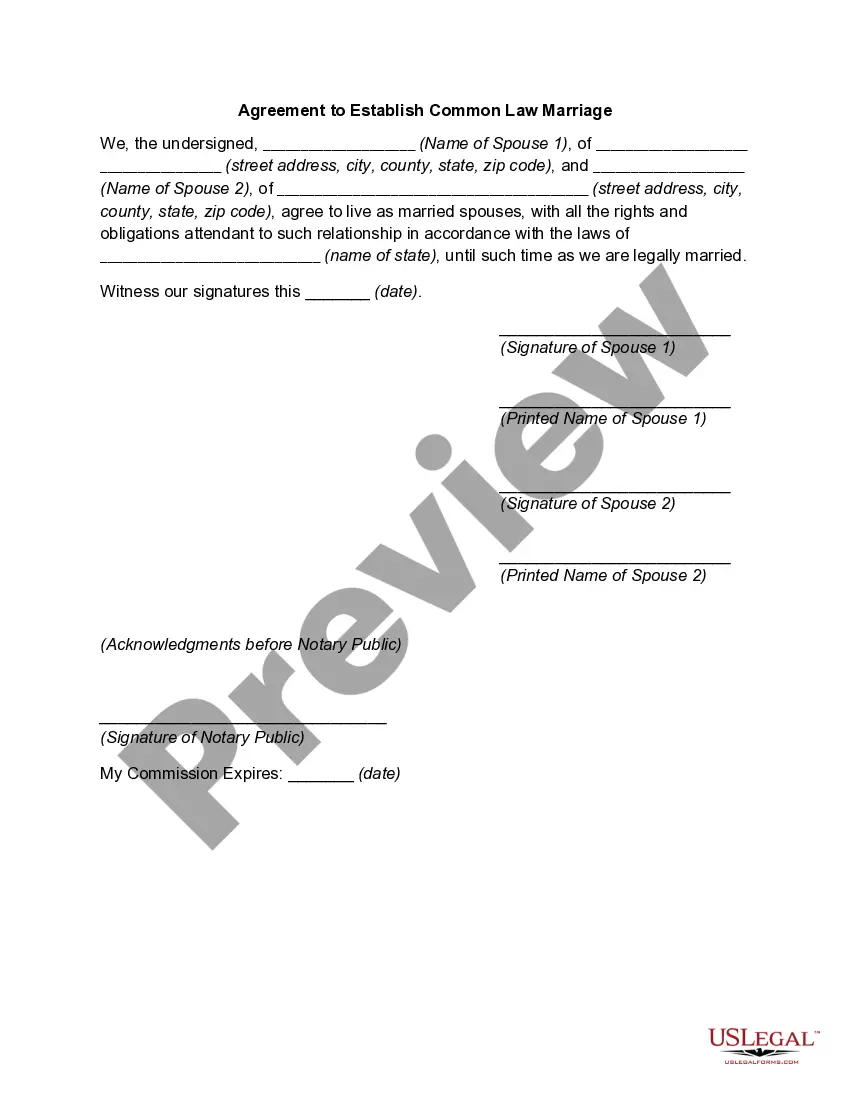
Missouri Occupancy Agreement Between Cooperative Housing Corporation and Member/Shareholder
Description
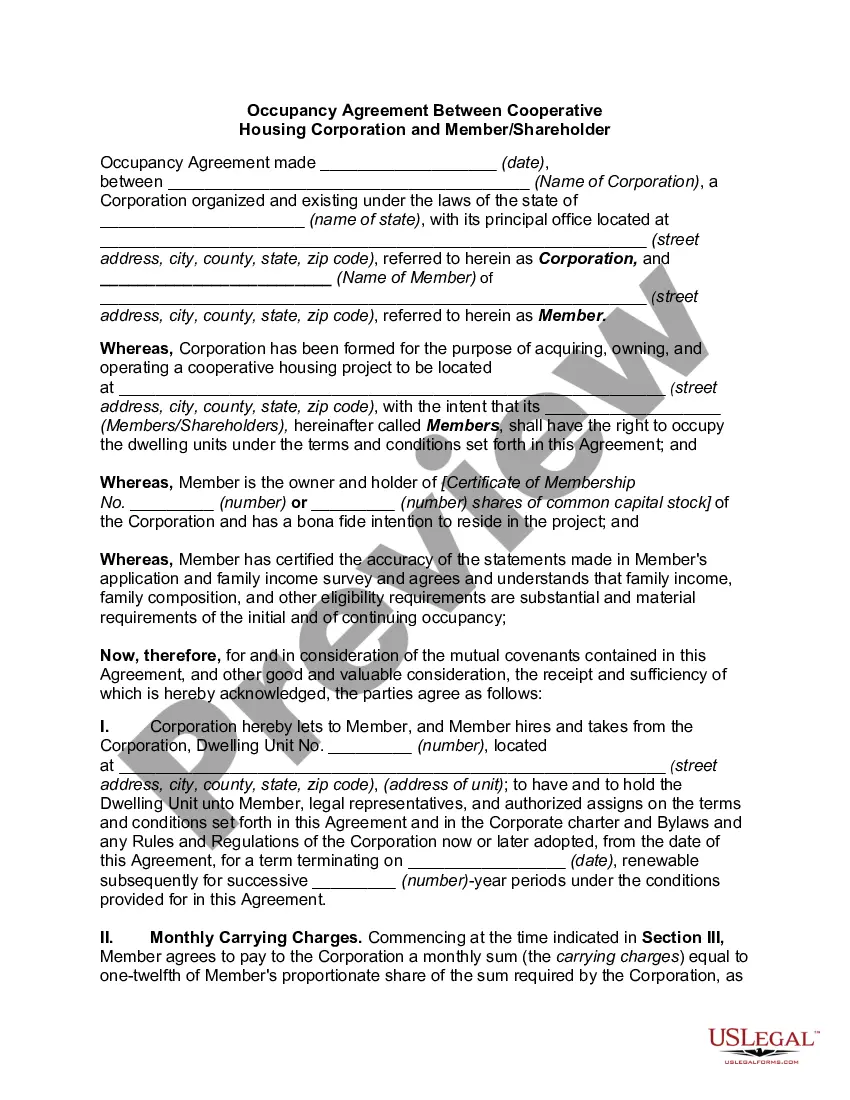
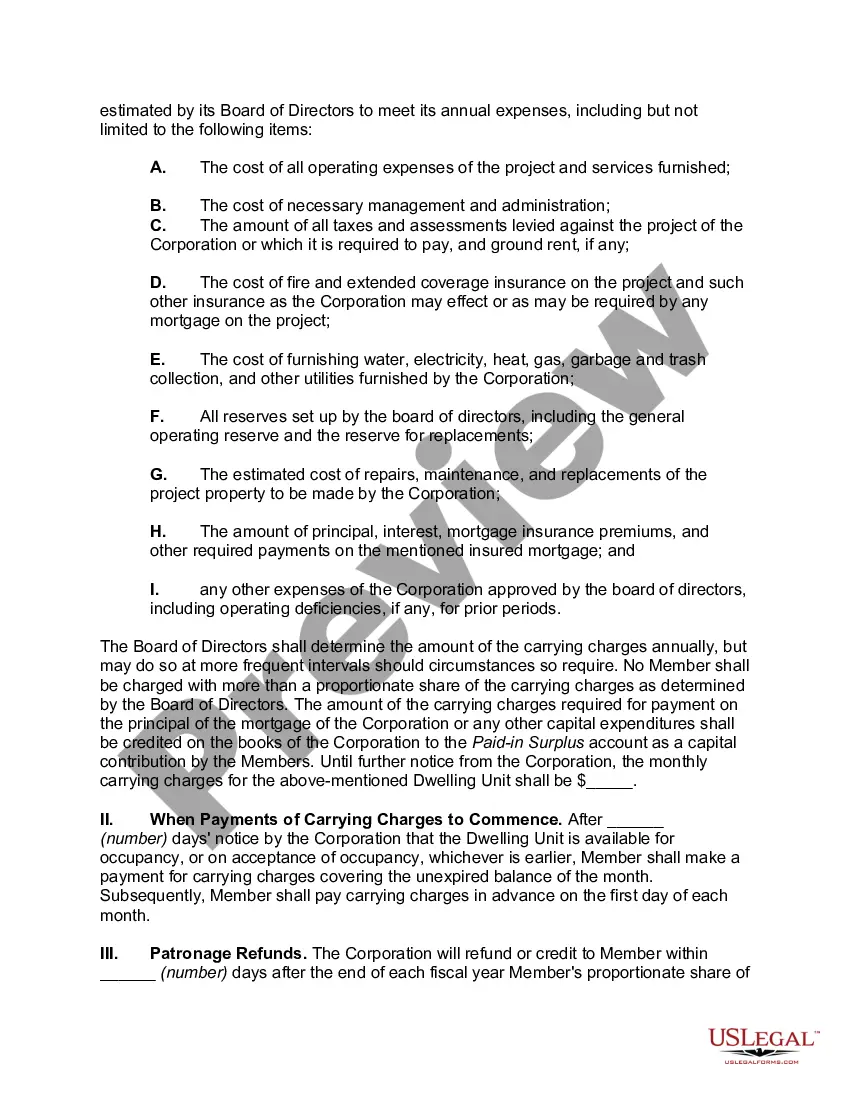
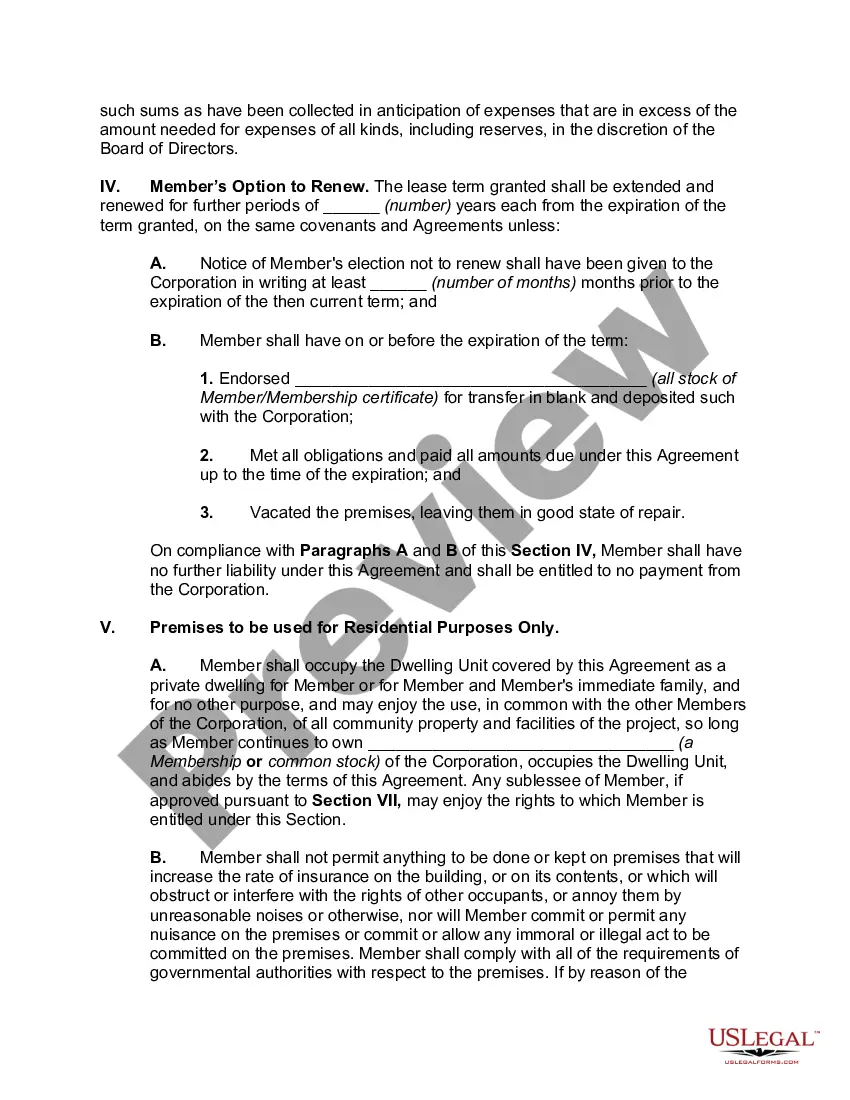
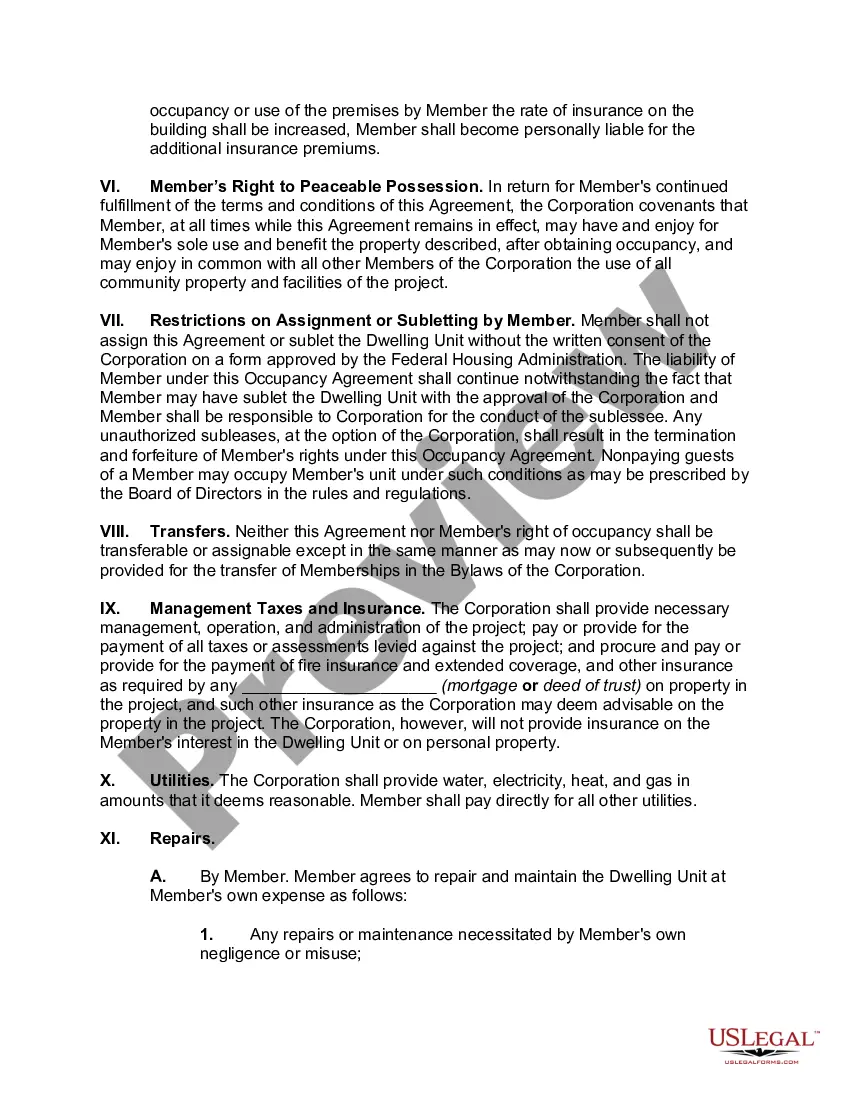
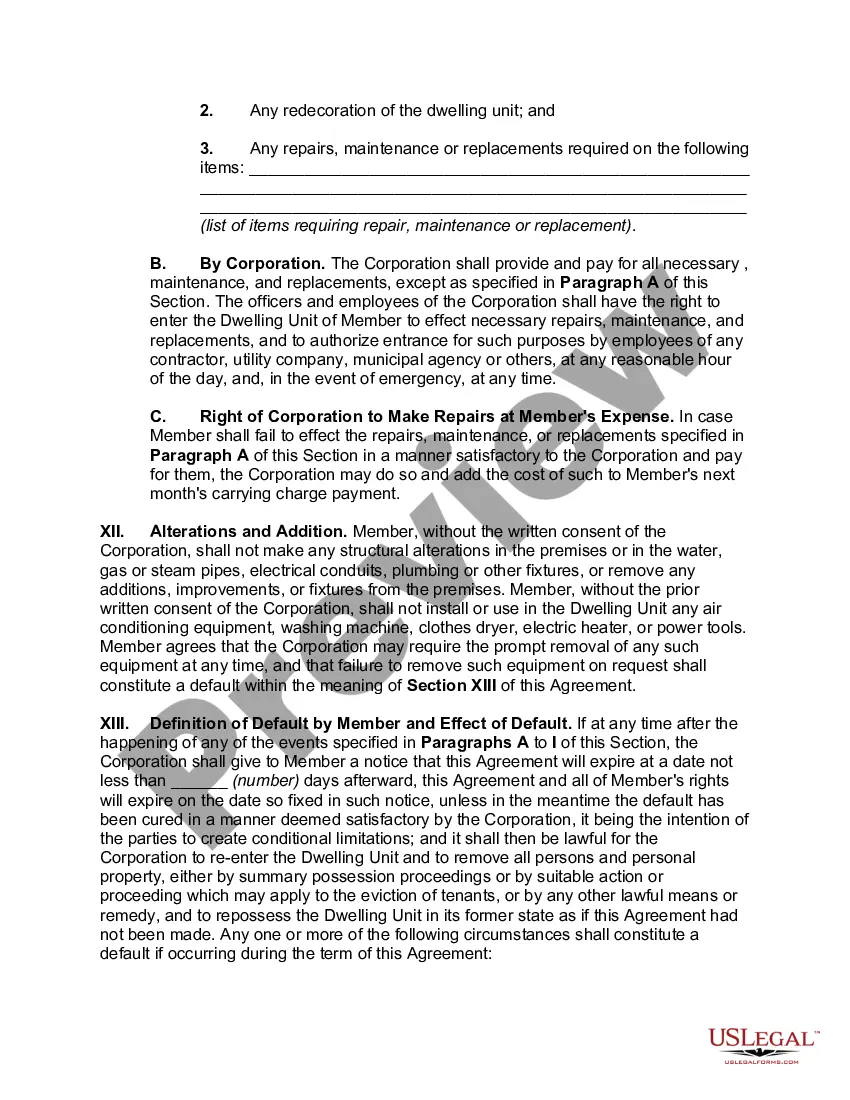
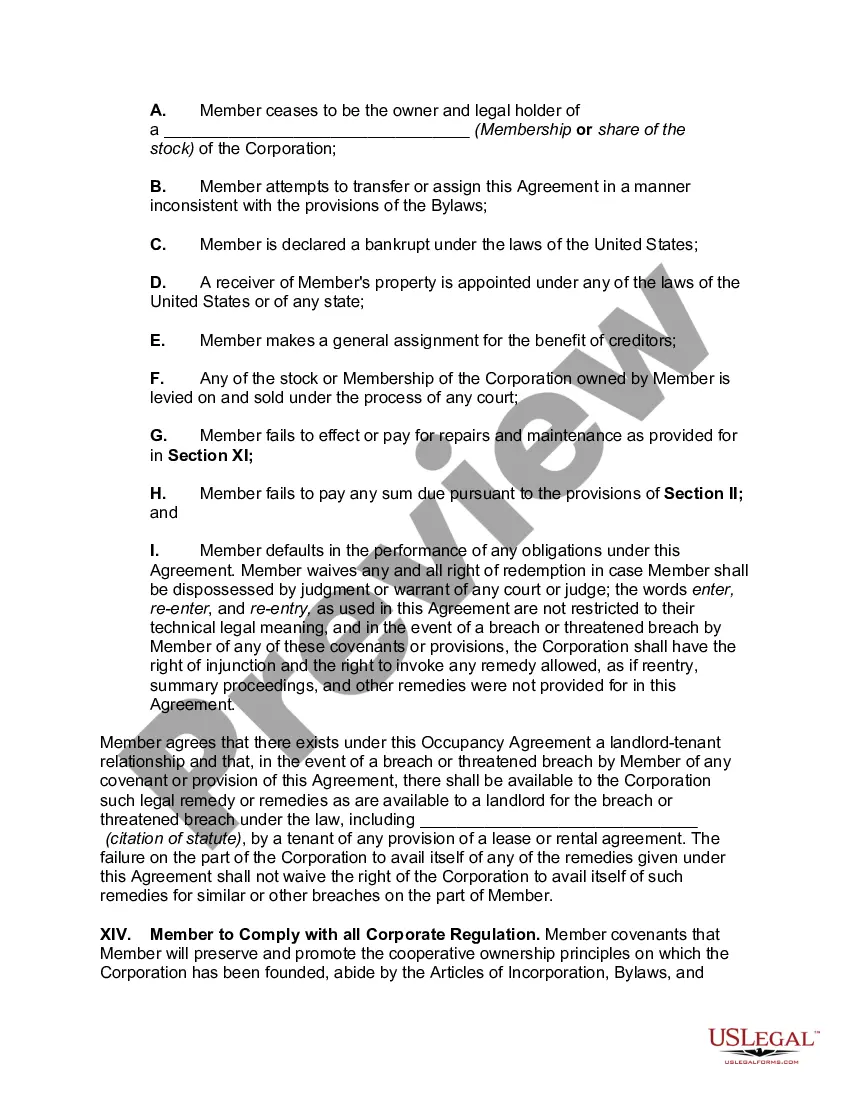
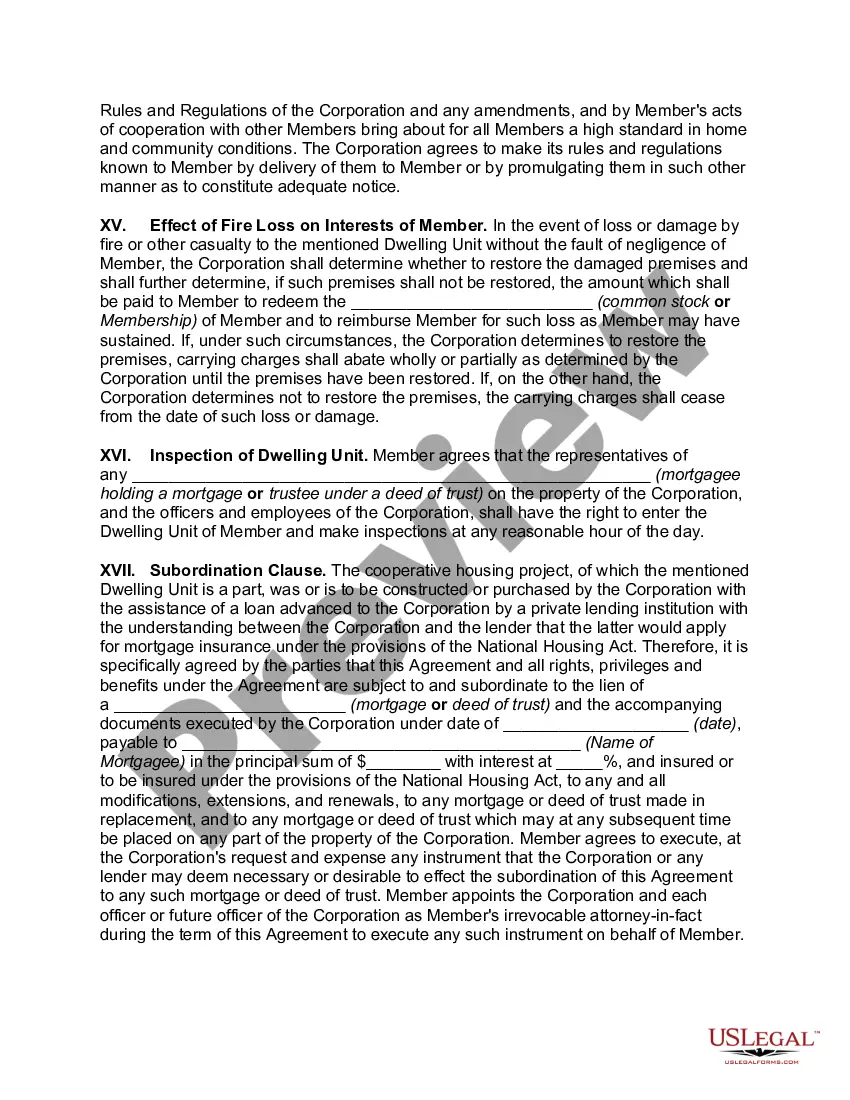
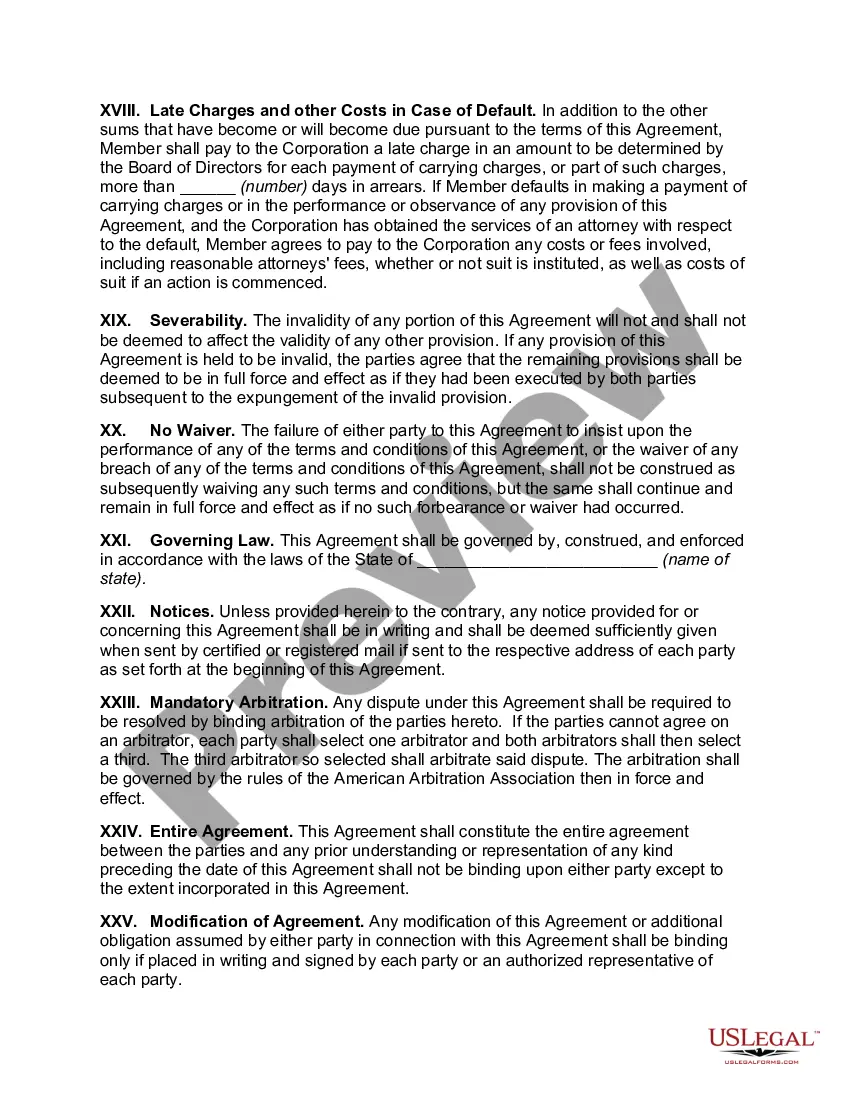
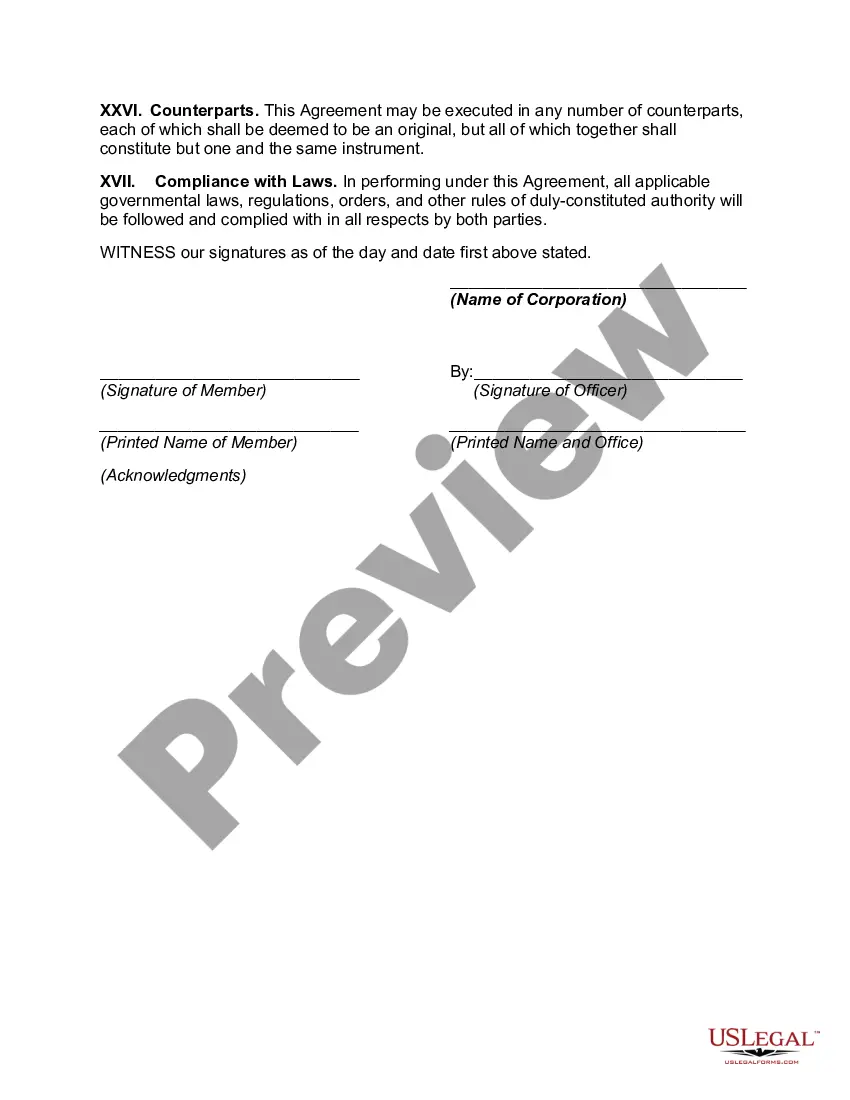
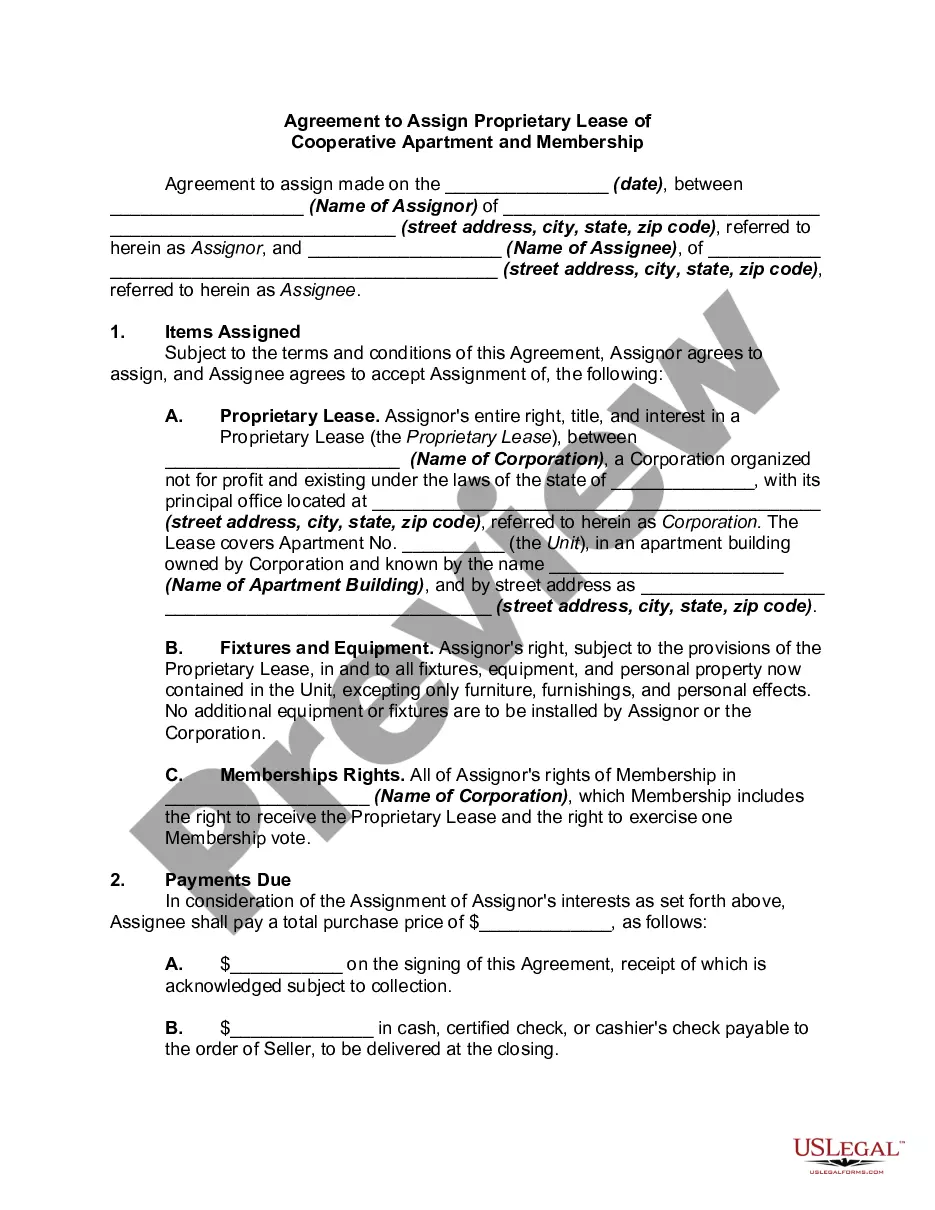
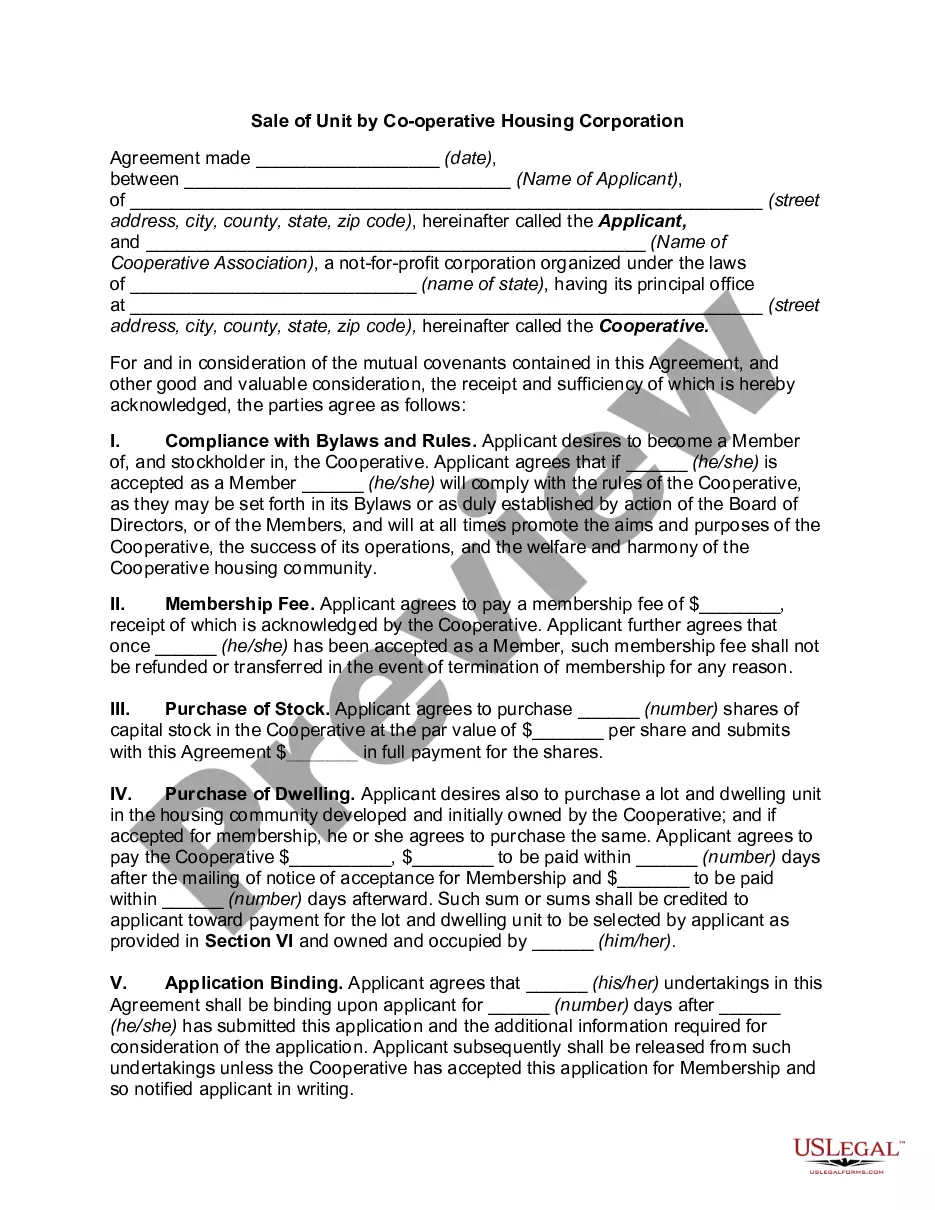
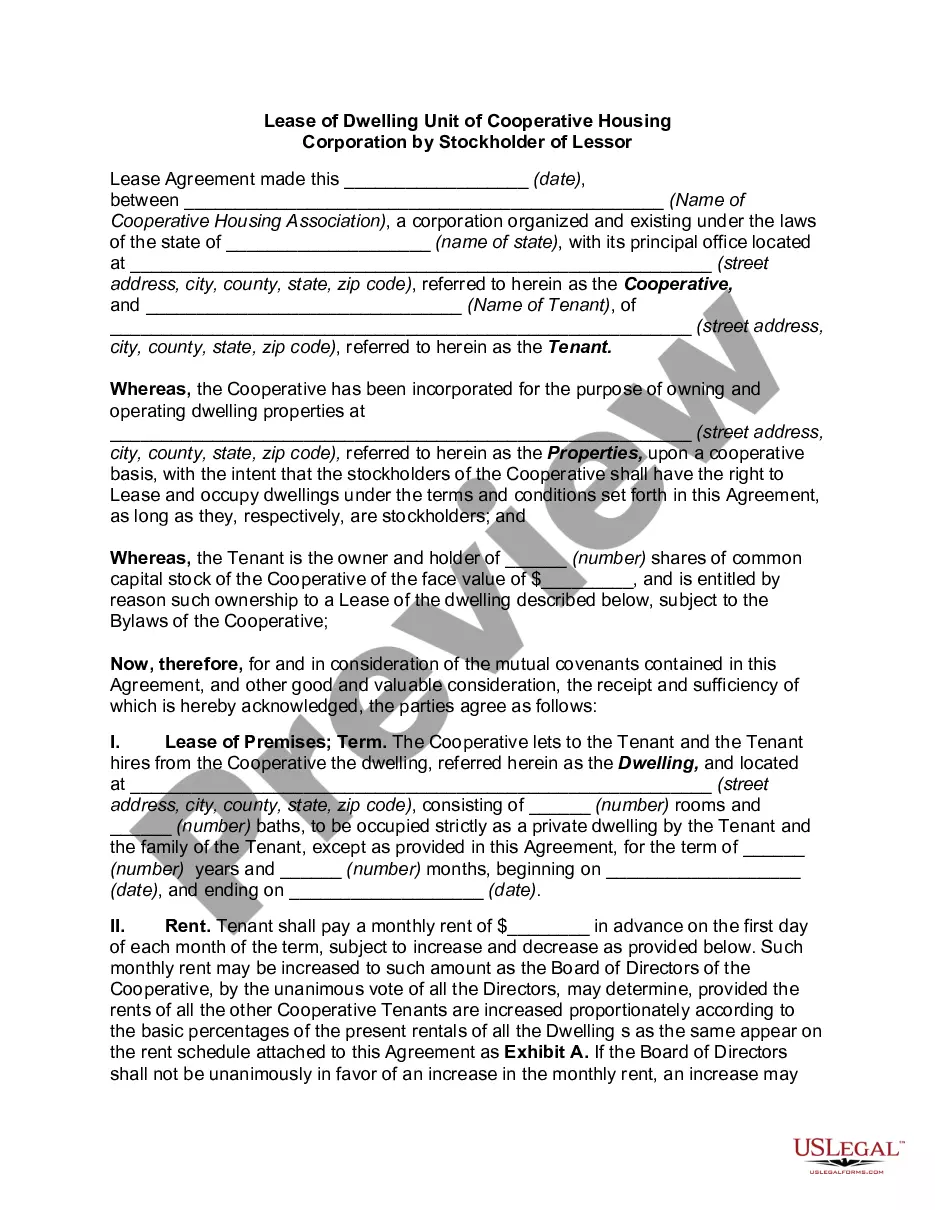
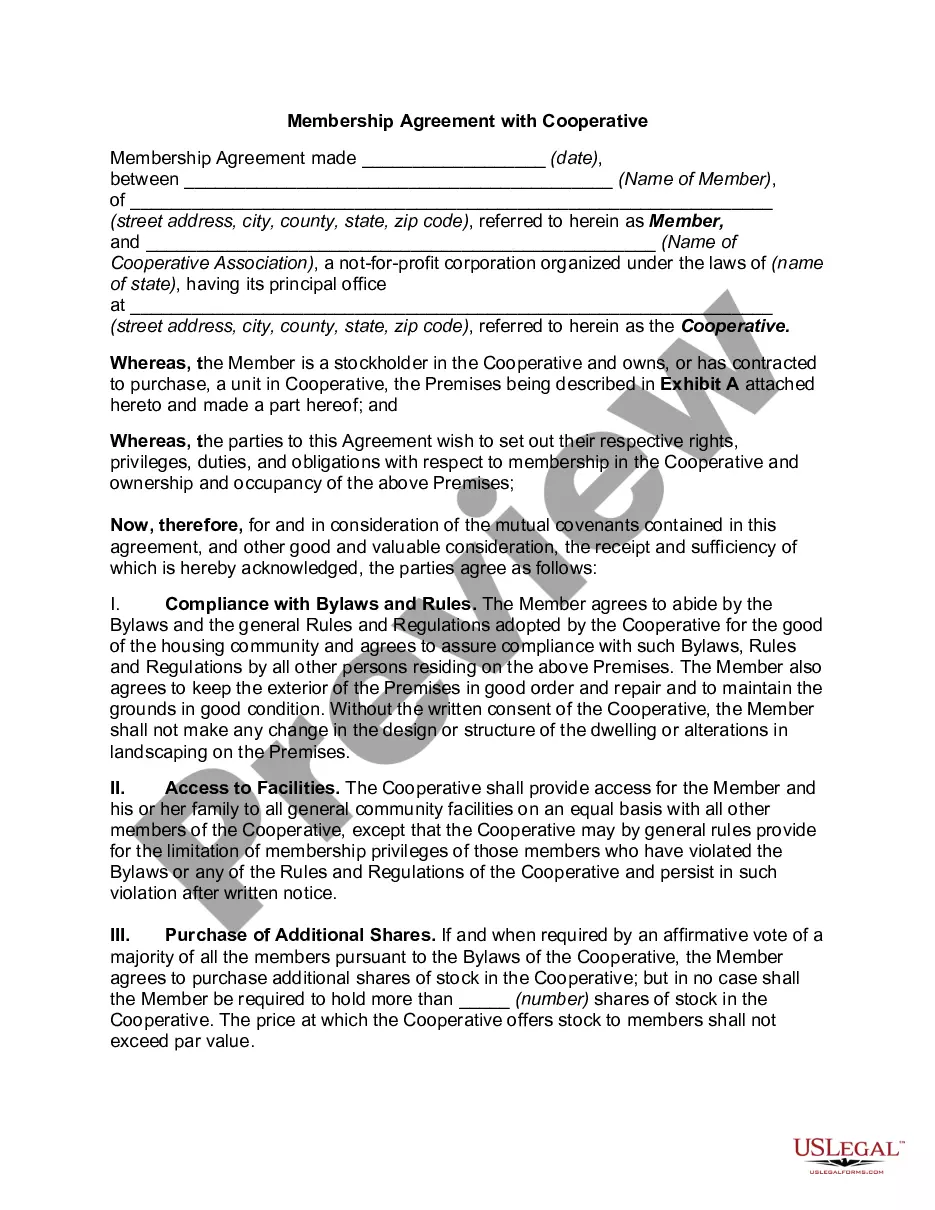
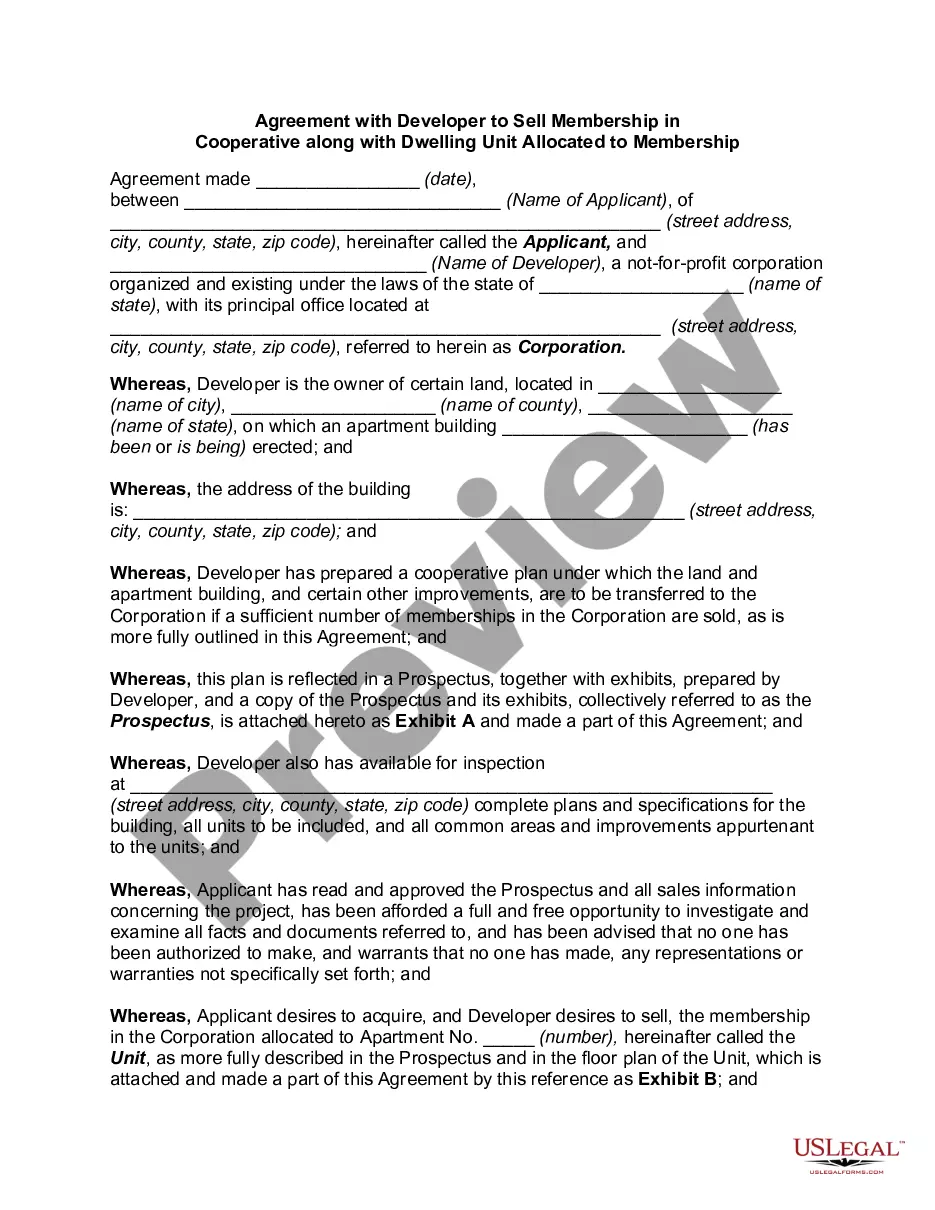

How to fill out Occupancy Agreement Between Cooperative Housing Corporation And Member/Shareholder?
You can spend multiple hours online searching for the legal document template that satisfies the state and federal criteria you require.
US Legal Forms offers thousands of legal templates that are reviewed by experts.
You can obtain or print the Missouri Occupancy Agreement Between Cooperative Housing Corporation and Member/Shareholder from my service.
- If you already have a US Legal Forms account, you can sign in and then click the Obtain button.
- After that, you can complete, modify, print, or sign the Missouri Occupancy Agreement Between Cooperative Housing Corporation and Member/Shareholder.
- Every legal document template you purchase is yours forever.
- To get an additional copy of any purchased form, go to the My documents tab and click the corresponding button.
- If you are using the US Legal Forms website for the first time, follow the simple instructions below.
- First, ensure you have selected the correct document template for your area/city of choice.
- Check the form description to confirm you have chosen the correct form.
Form popularity
FAQ
Pros & ConsThe main advantage of purchasing a co-op is that they are often cheaper to buy than a condo.Co-ops are typically more financially stable.The instance of foreclosure is rare.Co-ops are typically going to be a higher owner occupancy rate.You can typically get better square footage for your money.
A housing cooperative or "co-op" is a type of residential housing option that is actually a corporation whereby the owners do not own their units outright. Instead, each resident is a shareholder in the corporation based in part on the relative size of the unit that they live in.
op owner has an interest or share in the entire building and a contract or lease that allows the owner to occupy a unit. While a condo owner owns a unit, a coop owner does not own the unit. Coops are collectively owned and managed by their residents, who own shares in a nonprofit corporation.
A housing cooperative, is a legal entity, usually a cooperative or a corporation, which owns real estate, consisting of one or more residential buildings. It operates under the cooperative legal framework that usually exists at the regional or national level.
The people who benefit from the products or services of a cooperative business own the cooperative business. In the case of a grocery co-op, the people who shop at the store are owner-members.
The major difference between a condominium and a cooperative is that in a cooperative, each owner does not have outright ownership of any specific, identifiable unit. Rather, title to the entire property is held by the cooperative (usually a corporation), and the residents own stock in the corporation.
The key difference between a condo and a co-op is the ownership structure. When you buy a condo, you own the unit and a percentage of the common areas. When you buy a co-op, you actually purchase a share of the property, and your lease enables you to live in a unit.
A housing cooperative or "co-op" is a type of residential housing option that is actually a corporation whereby the owners do not own their units outright. Instead, each resident is a shareholder in the corporation based in part on the relative size of the unit that they live in.
The owner of a co-op does not own his or her unit. The co-op is generally a corporation, with a corporate board of directors, and each resident is a "shareholder." Co-op buyers do not sign a deed. Instead, they purchase shares of the corporation, shares that include a lease granting use of a specific unit.
A cooperative housing society is owned by the members of the society, who control the entire financial framework of the society. With minimal down payments, lower closing cost and longer mortgage term, cooperative housing societies are affordable than any other independent ownership.