Missouri Loan Modification Agreement
What this document covers
A Loan Modification Agreement is a legal document that modifies the original loan agreement between a borrower and a lender. This form is necessary when parties wish to change the terms of a loan, such as the interest rate or repayment period, while still maintaining the same underlying loan relationship. It is distinct from a new loan agreement as it keeps the original loan intact while making specific adjustments agreed upon by both parties.
What’s included in this form
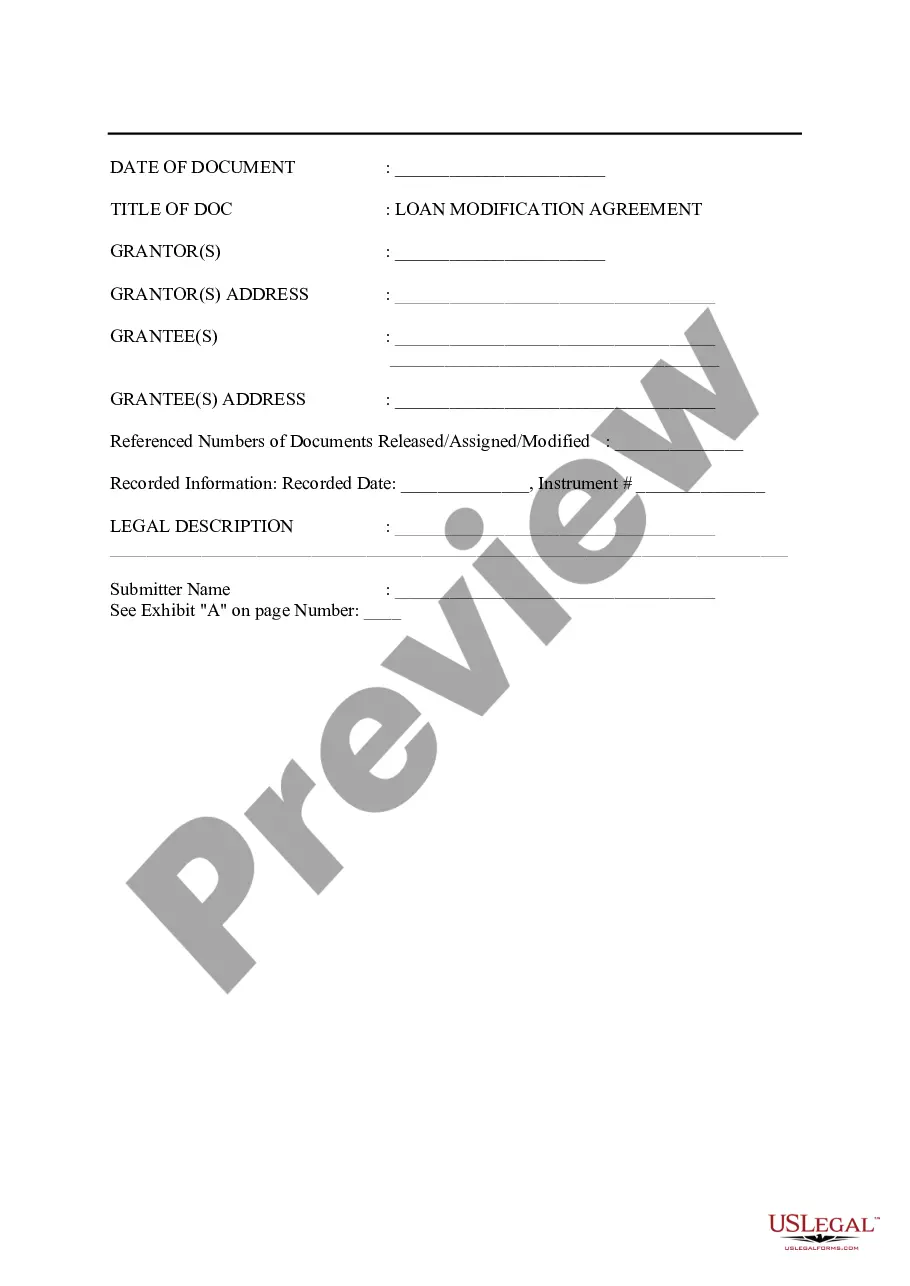
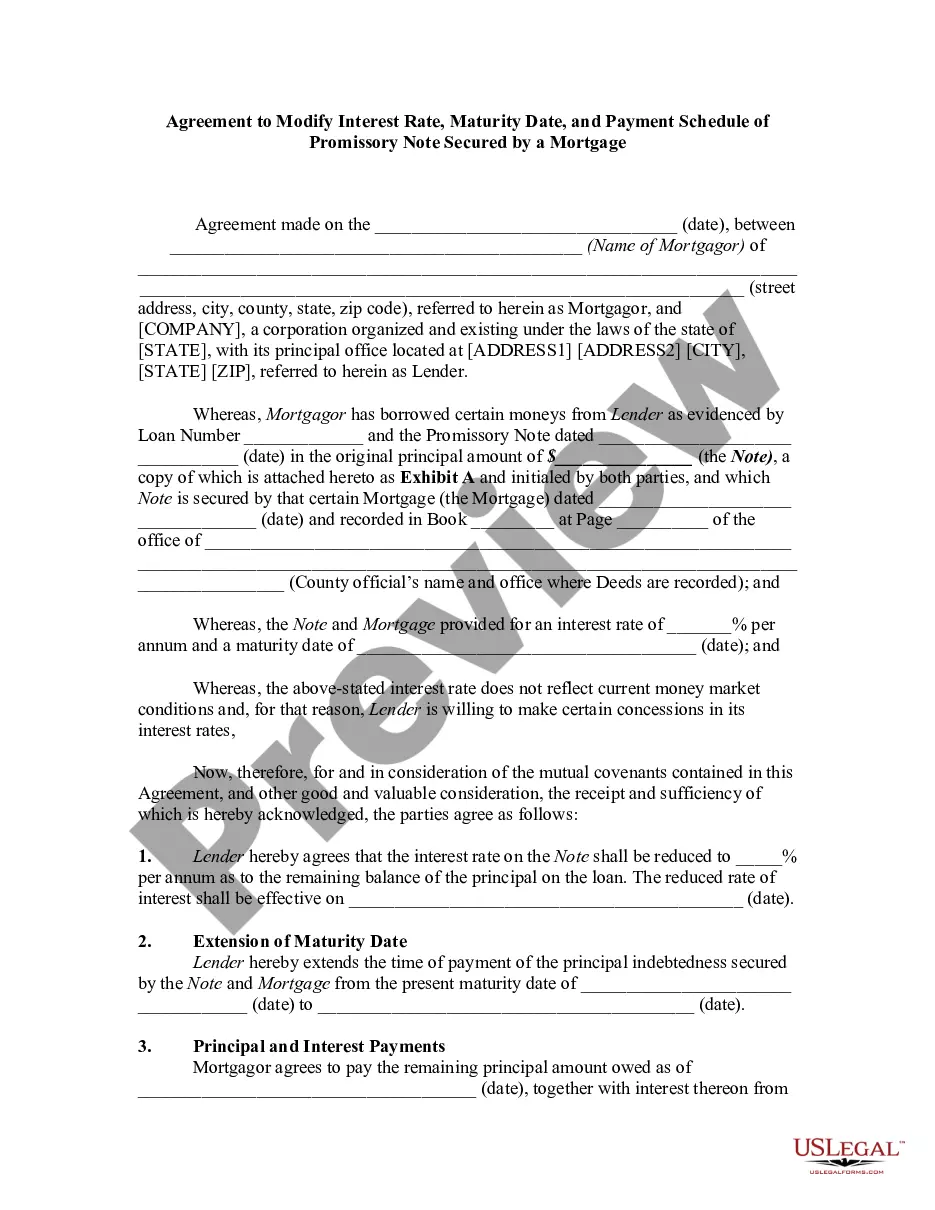
- Date of document and original loan details
- Information about the borrower and lender
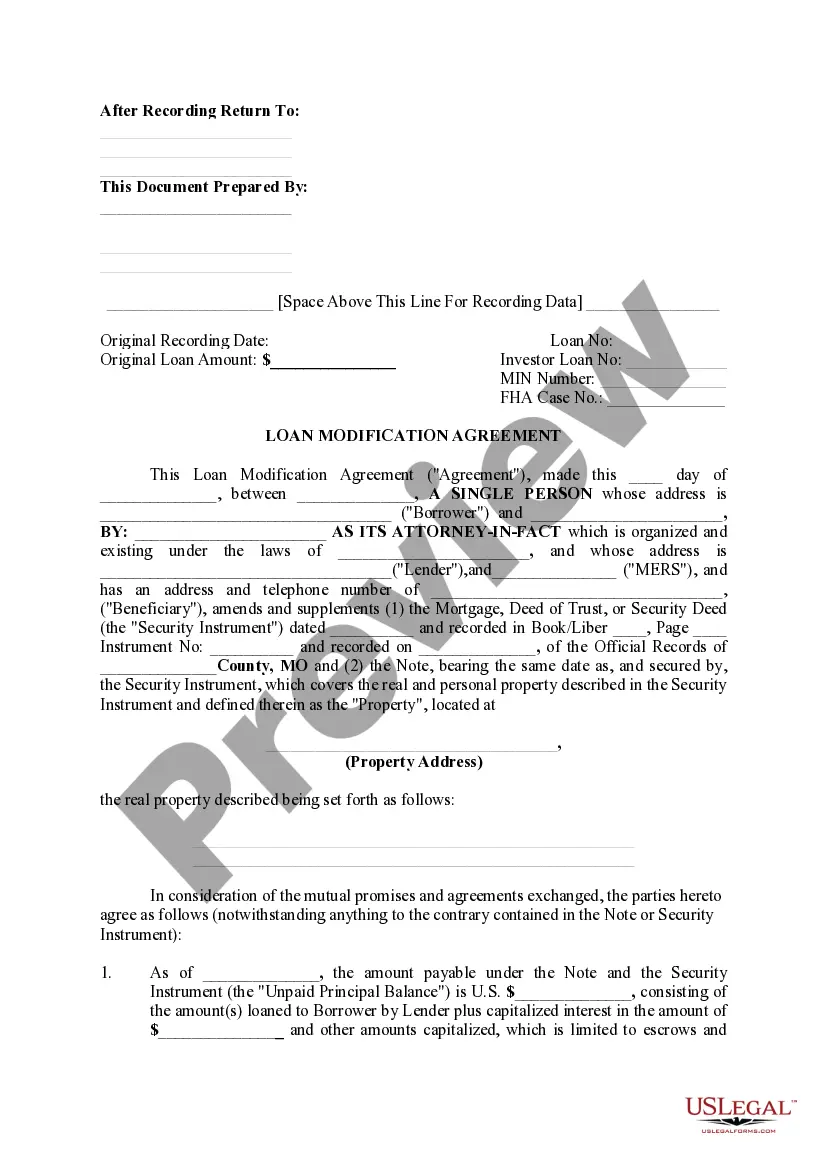
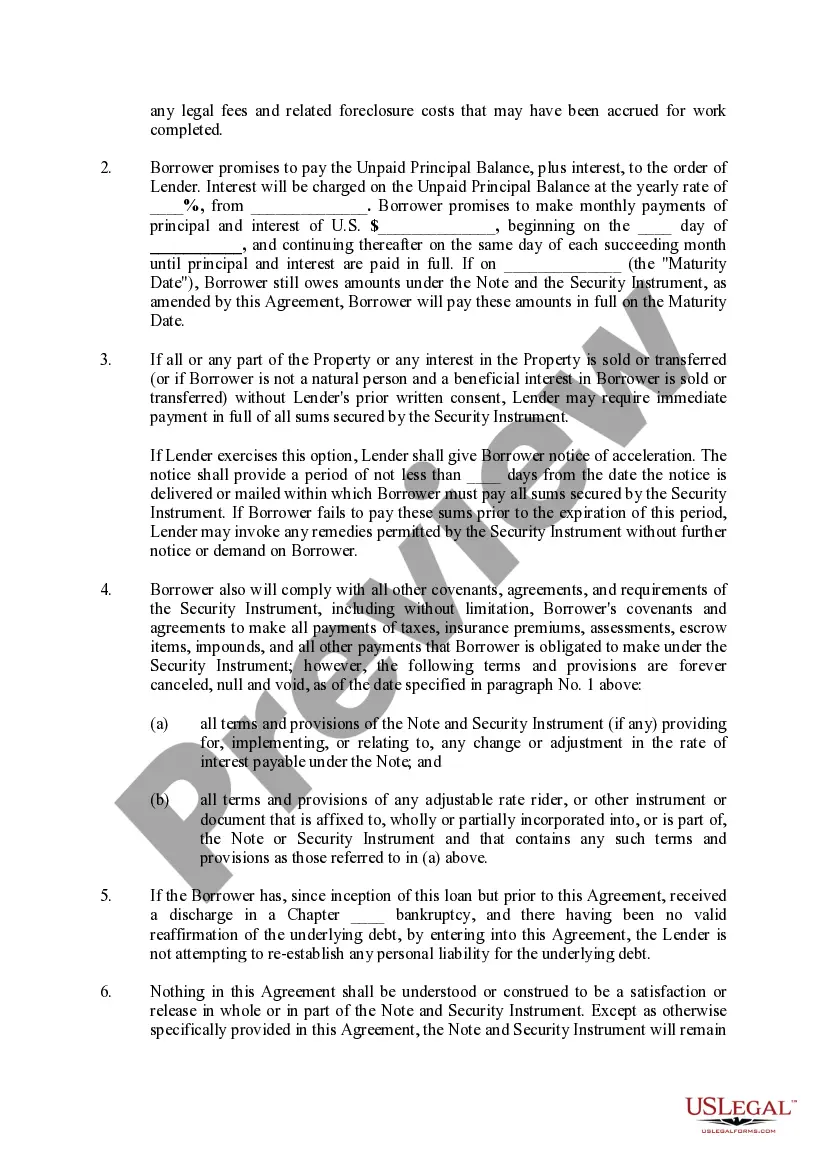
- Unpaid principal balance and new interest rates
- Additional clauses covering property sale and conditions
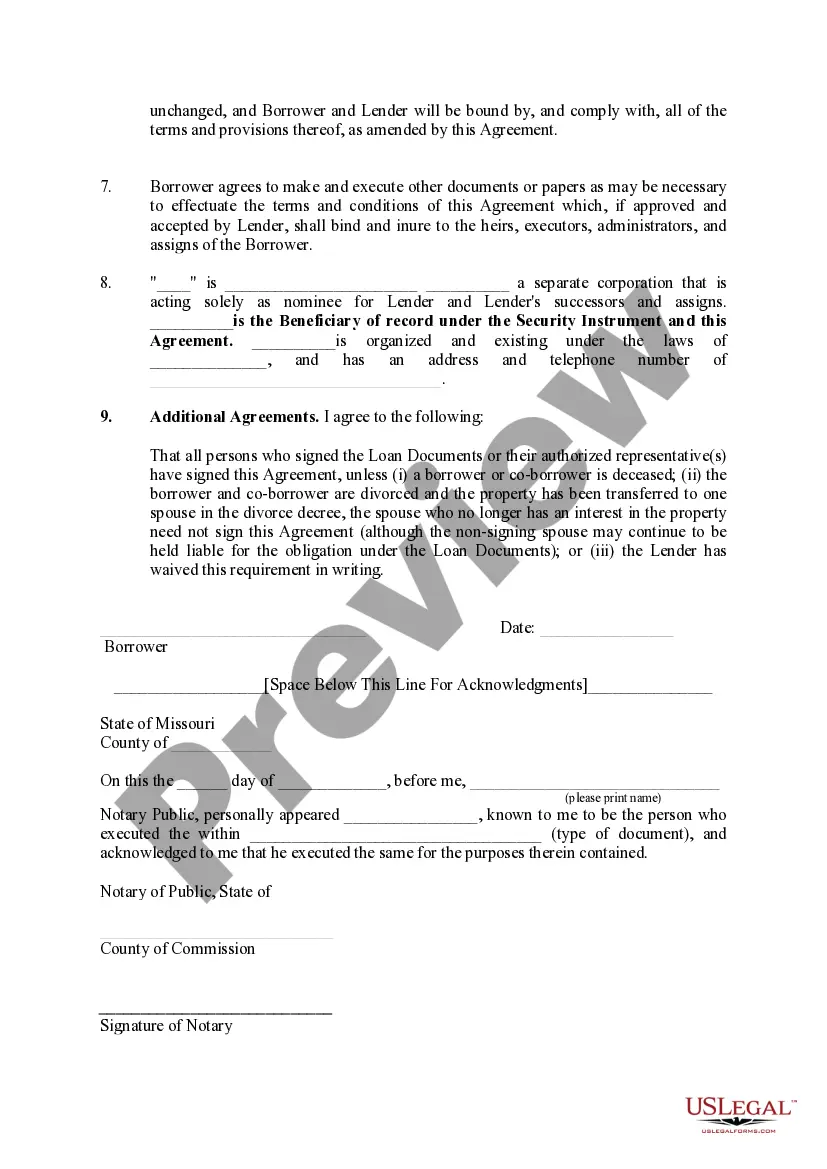
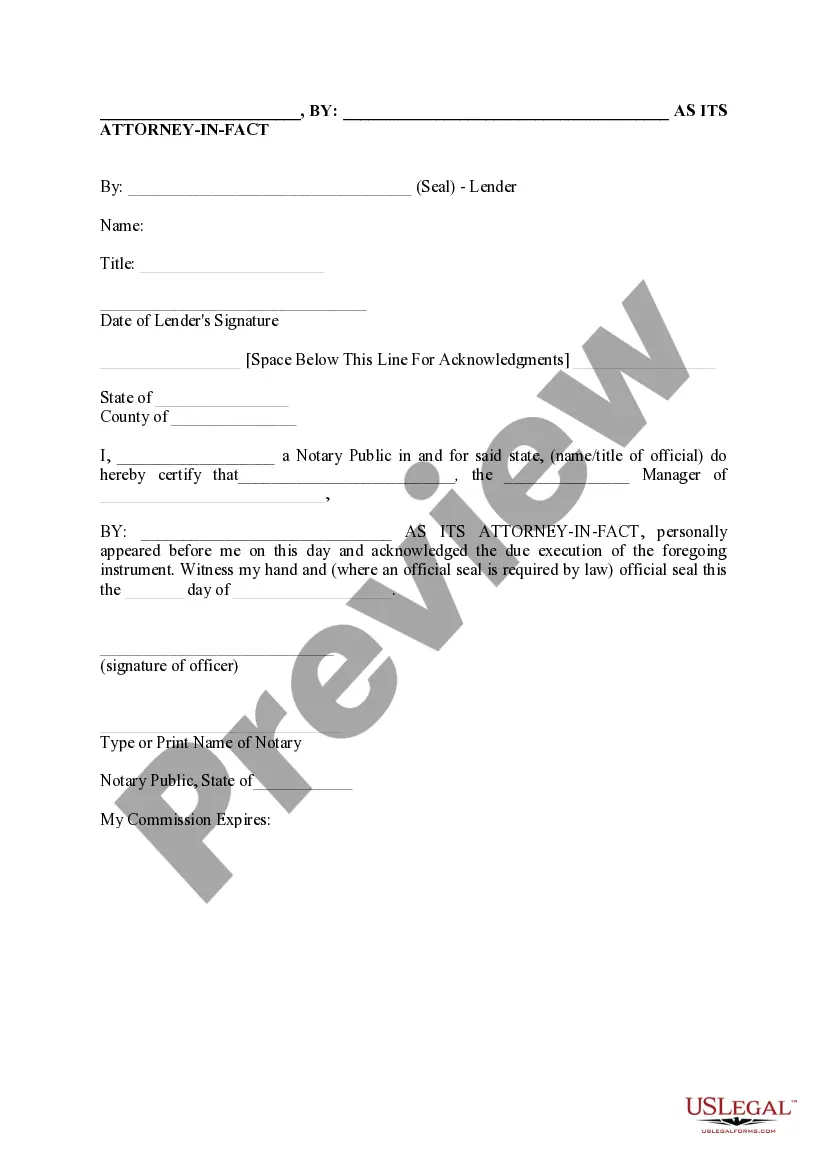
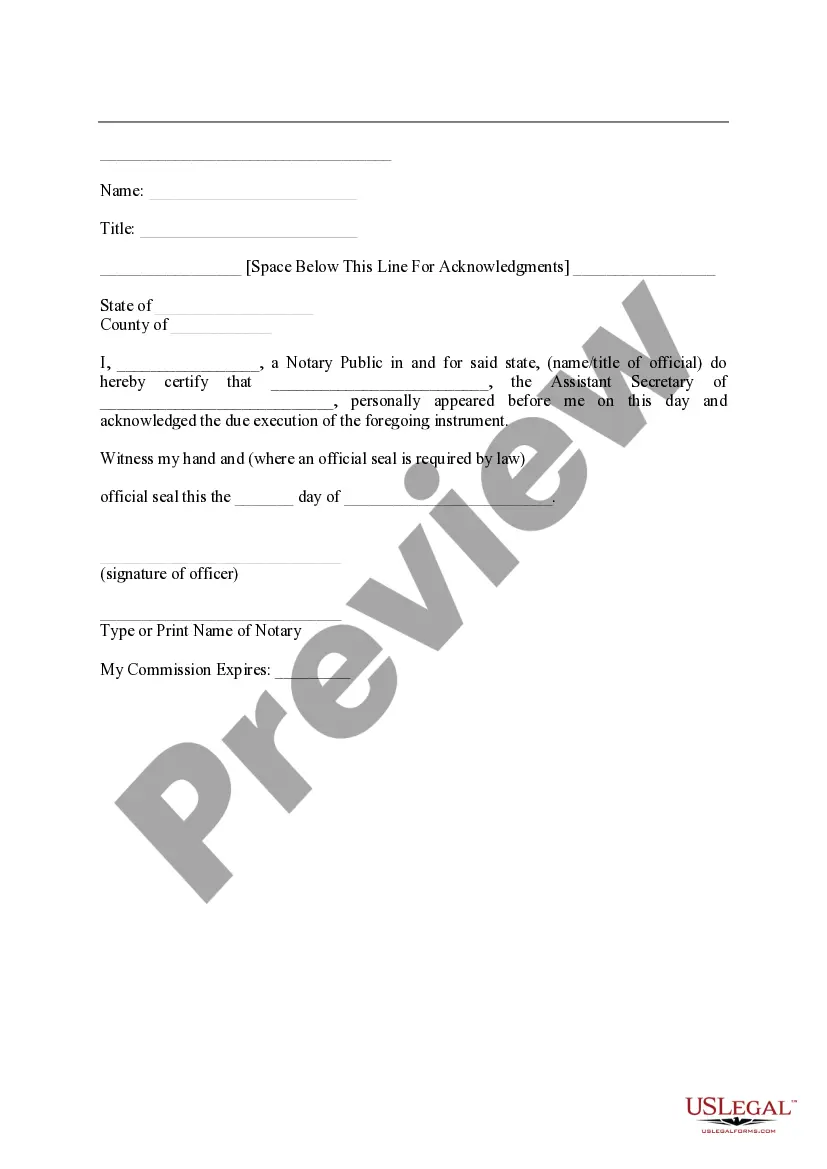
- Signatures and notarization section


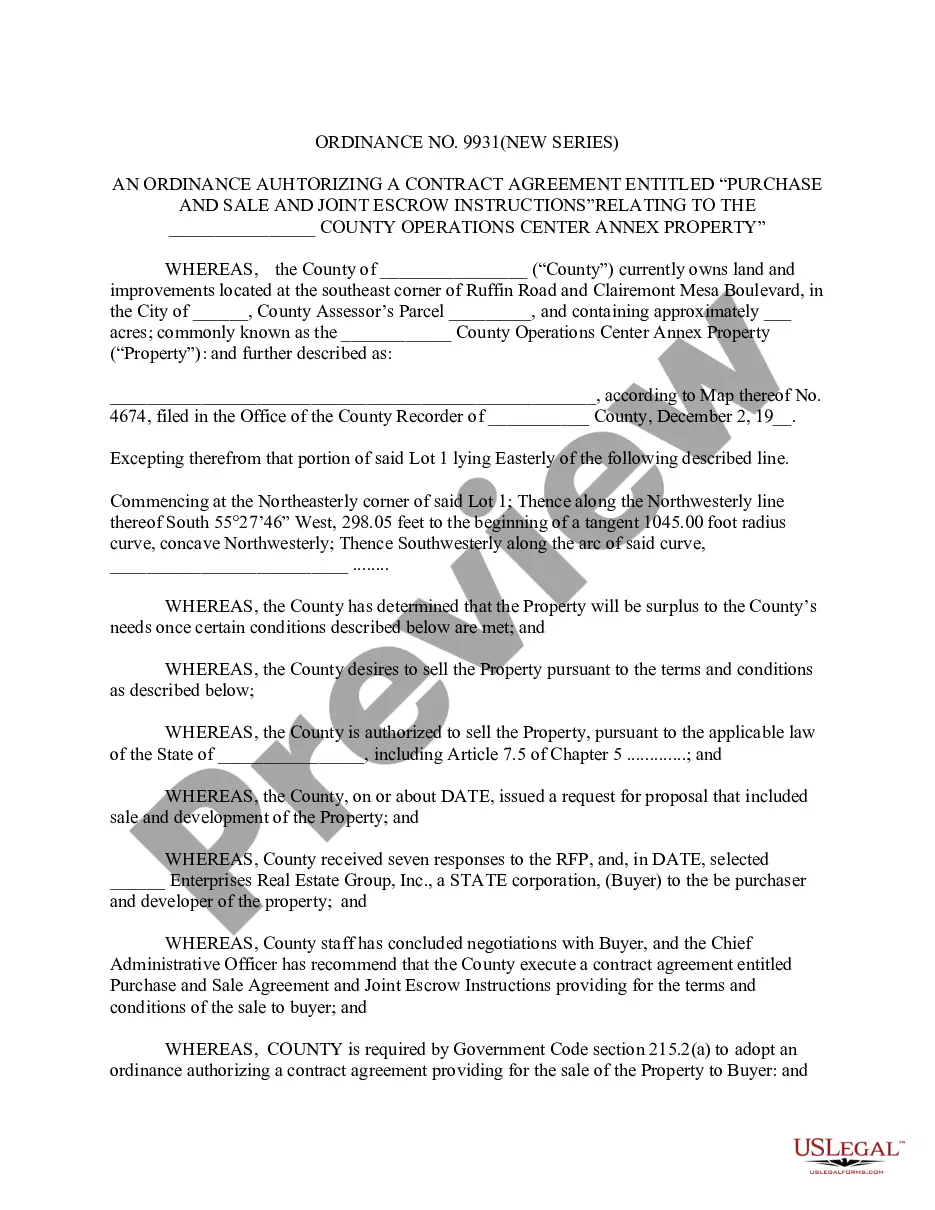
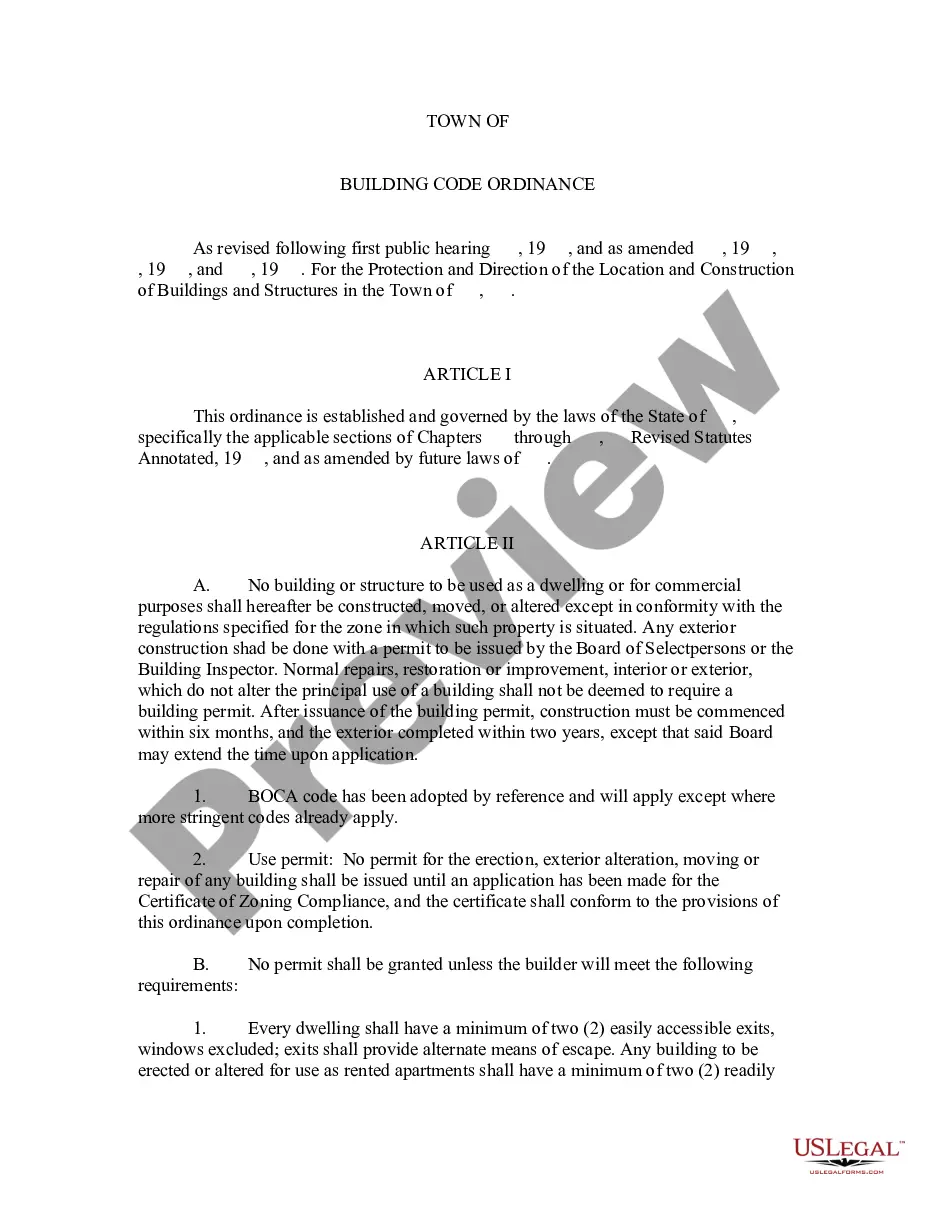
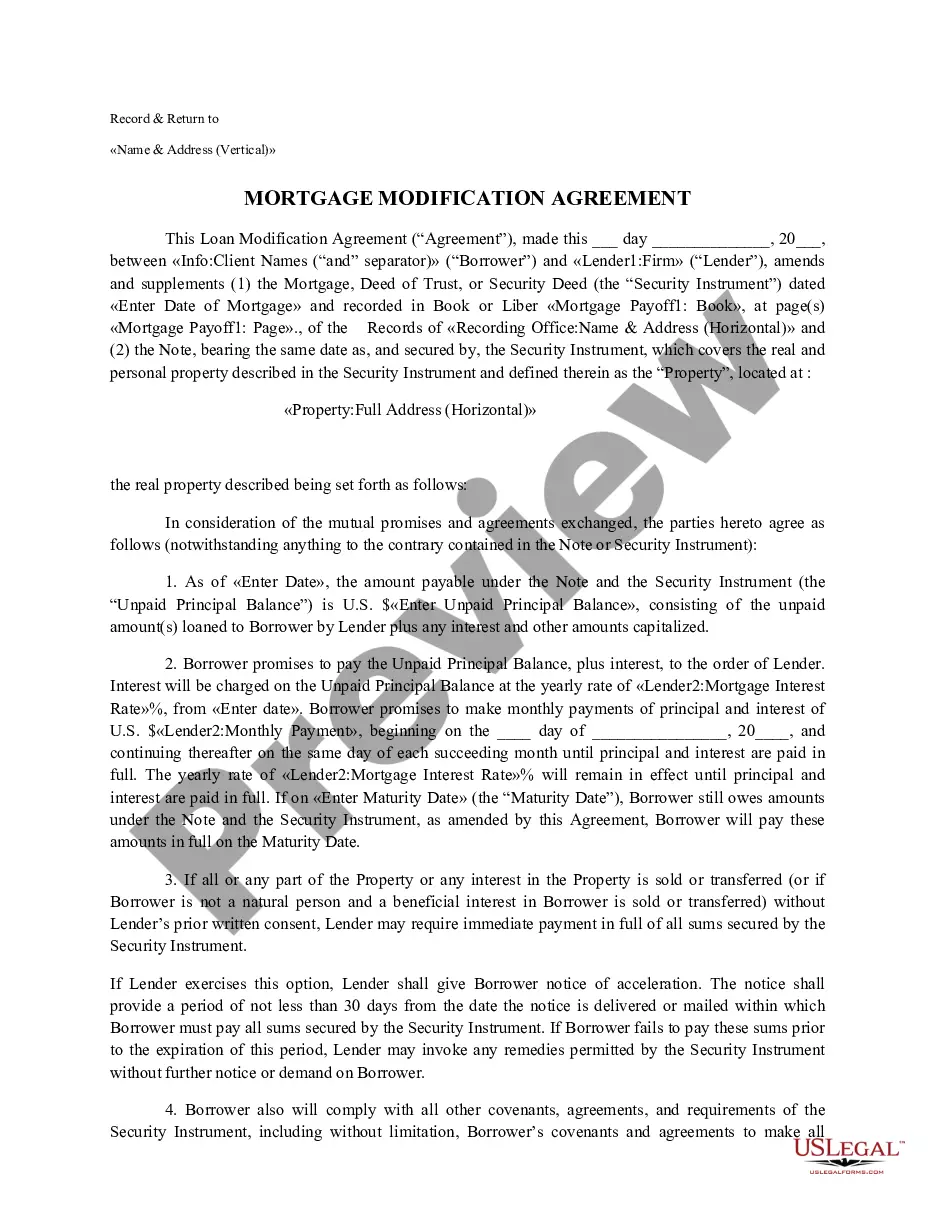
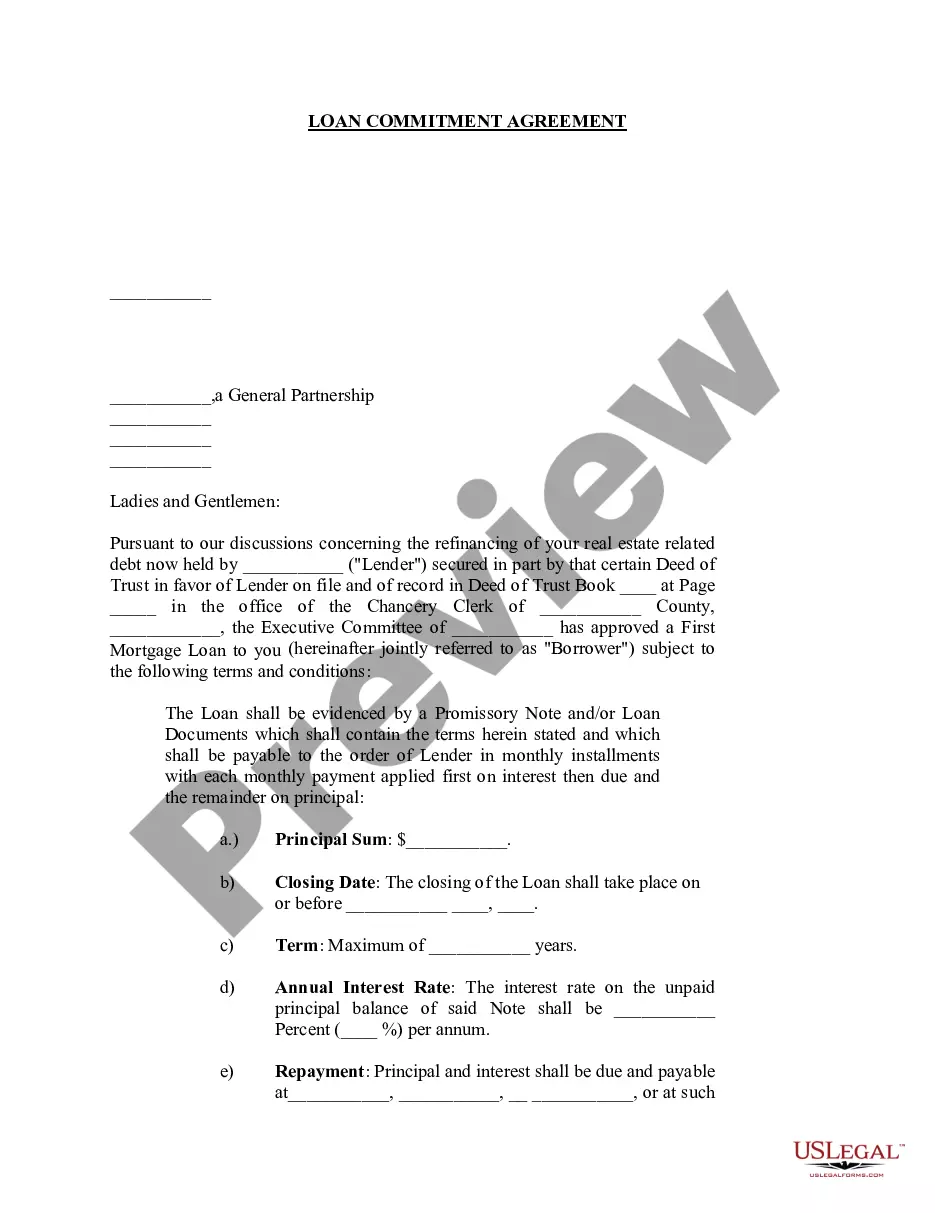
When this form is needed
This form should be used when a borrower and lender agree to change the terms of an existing loan. Common situations include financial hardship where the borrower seeks more manageable payment terms, changes in interest rates, or altering the loan duration. The agreement is a formal way to document mutual consent to these changes.
Who should use this form
- Homeowners with existing mortgages seeking modifications
- Borrowers facing financial difficulties wanting to adjust loan terms
- Lenders needing to formalize changes to a loan agreement
- Individuals or entities involved in a real estate transaction where modifications are required
Completing this form step by step
- Identify the parties involved, including the borrower and lender, and specify their addresses.
- Enter the original loan details and the unpaid principal balance that needs modification.
- Specify new interest rates and monthly payment amounts as agreed by both parties.
- Include clauses regarding property transfer and compliance with mortgage requirements.
- Have all parties sign the agreement and ensure it is notarized if necessary.
Notarization guidance
Yes, this form must be notarized to be legally valid. Notarization serves as a safeguard against any potential disputes regarding the agreementâs authenticity. US Legal Forms offers integrated online notarization services, allowing you to complete this process securely and conveniently.
Get your form ready online
Our built-in tools help you complete, sign, share, and store your documents in one place.
Make edits, fill in missing information, and update formatting in US Legal Forms—just like you would in MS Word.
Download a copy, print it, send it by email, or mail it via USPS—whatever works best for your next step.
Sign and collect signatures with our SignNow integration. Send to multiple recipients, set reminders, and more. Go Premium to unlock E-Sign.
If this form requires notarization, complete it online through a secure video call—no need to meet a notary in person or wait for an appointment.
We protect your documents and personal data by following strict security and privacy standards.

Make edits, fill in missing information, and update formatting in US Legal Forms—just like you would in MS Word.

Download a copy, print it, send it by email, or mail it via USPS—whatever works best for your next step.

Sign and collect signatures with our SignNow integration. Send to multiple recipients, set reminders, and more. Go Premium to unlock E-Sign.

If this form requires notarization, complete it online through a secure video call—no need to meet a notary in person or wait for an appointment.

We protect your documents and personal data by following strict security and privacy standards.
Typical mistakes to avoid
- Failing to include all necessary partiesâ signatures.
- Not providing accurate details regarding the unpaid principal balance.
- Omitting property descriptions or addresses.
- Neglecting to have the document notarized when required.
Benefits of completing this form online
- Quick and easy access to a customizable legal form.
- Convenient editing options to ensure the agreement meets specific needs.
- Reliability of professionally drafted templates ensuring legal compliance.
Looking for another form?
Form popularity
FAQ
Filling out a loan agreement involves several key steps. First, you need to enter your personal information and loan details, including the amounts and terms. When drafting a Missouri Loan Modification Agreement, be sure to read each section carefully and provide accurate information. Utilizing resources from USLegalForms can guide you through the process, ensuring that your agreement meets all legal requirements.
To initiate a loan modification, you'll typically need to provide several documents, including your current mortgage statement, proof of income, and a hardship letter. A complete Missouri Loan Modification Agreement will also require information about your financial situation and any supporting documentation. Gathering these documents can streamline the process and improve your chances of approval. Platforms like USLegalForms offer templates to help you compile these documents correctly.
An example of a loan modification is when a borrower reduces their monthly payment due to financial hardship. In a Missouri Loan Modification Agreement, the lender may agree to lower the interest rate or extend the loan term, making the payments more manageable. This process helps borrowers avoid default while ensuring lenders maintain their investment. Understanding such modifications can be easier with resources available on USLegalForms.
The loan modification is documented through a formal agreement between the borrower and the lender. This Missouri Loan Modification Agreement outlines the new terms of the loan, including changes to interest rates, payment schedules, and loan balances. It's crucial to ensure that both parties sign this document to make the modification legally binding. Using a reliable platform like USLegalForms can help you generate the necessary paperwork efficiently.
Some of the most common types of hardship are: job loss, pay reduction, underemployment, declining business revenue, death of a coborrower, illness, injury, and divorce.
Generally, the simplest way to calculate a debt to income ratio for loan modification is simply to take total monthly debt obligations and divide it by total monthly gross household income. Anything over about 60-70% is pretty good for loan modification purposes.
Be at least one regular mortgage payment behind or show that missing a payment is imminent. Provide evidence of significant financial hardship, for reasons such as:
The loan modification underwriter will analyze and review the particular circumstances which justify a loan modification. The underwriter will evaluate and assess the borrower's financial status, current income and asset situation and ability to pay.
Yes, probably. In California, a law called the Homeowner Bill of Rights (HBOR) generally gives borrowers the right to appeal a modification denial. Under HBOR, in most cases, if the servicer denies a borrower's application to modify a first lien loan, the borrower can appeal.
When you've successfully completed your trial modification payments, your mortgage loan servicer will send you a loan modification agreement. That agreement needs to be signed by you, stamped and signed by a notary, and sent back to your servicer.Some banks even offer a notary who will come to your home.