Missouri Consent and Subordination Agreement
Understanding this form
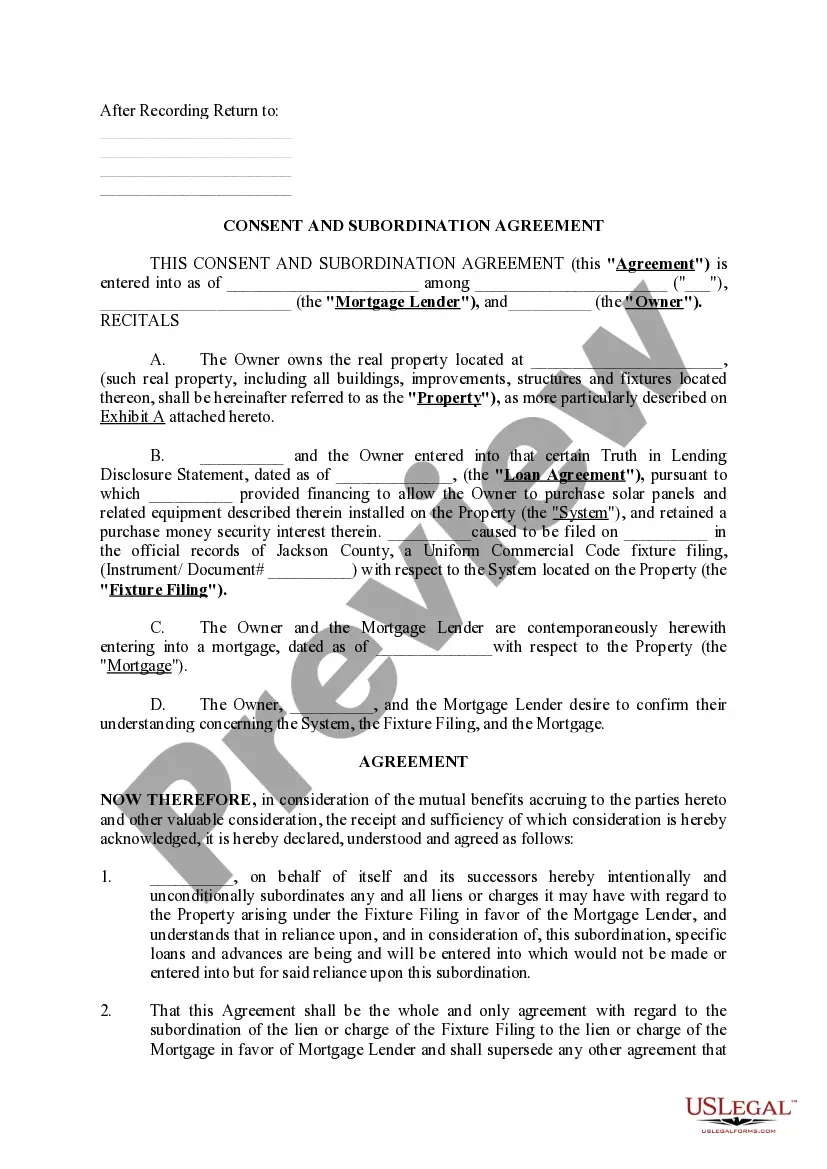
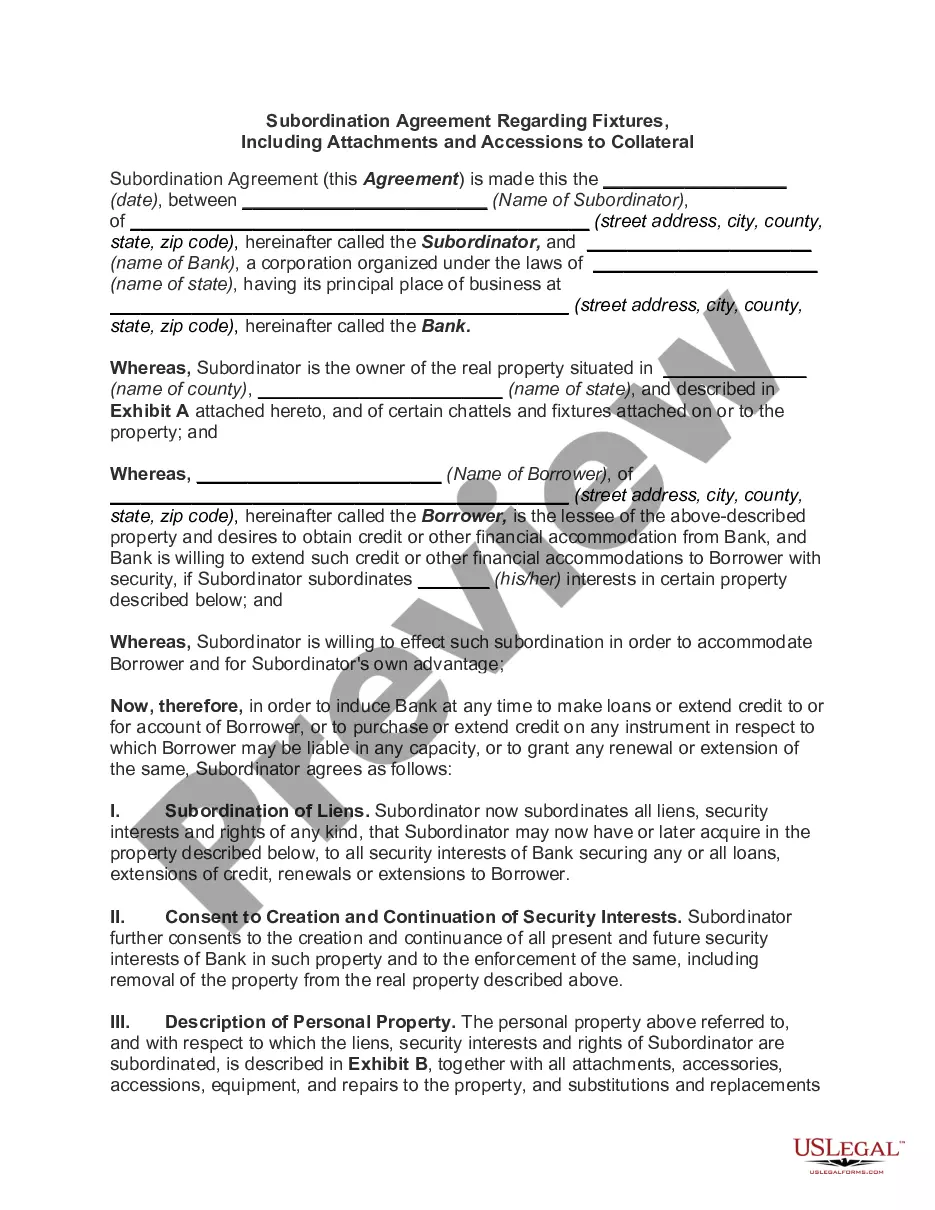
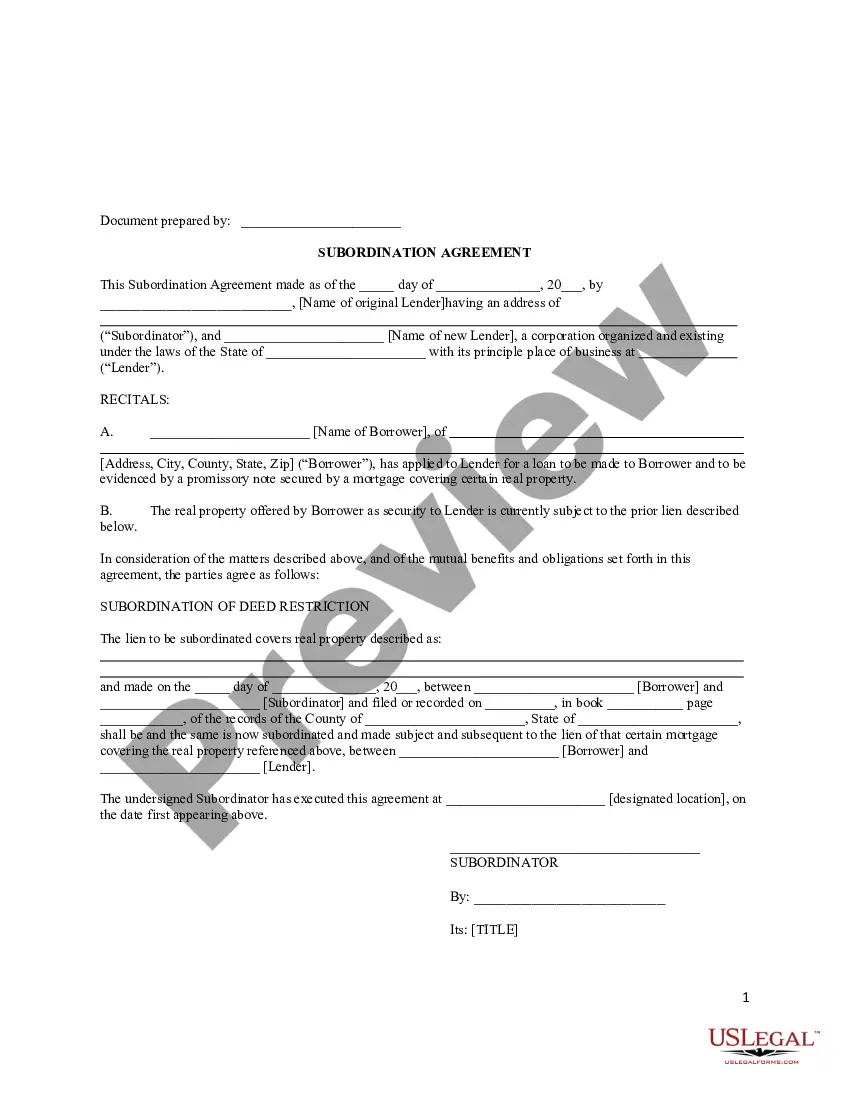
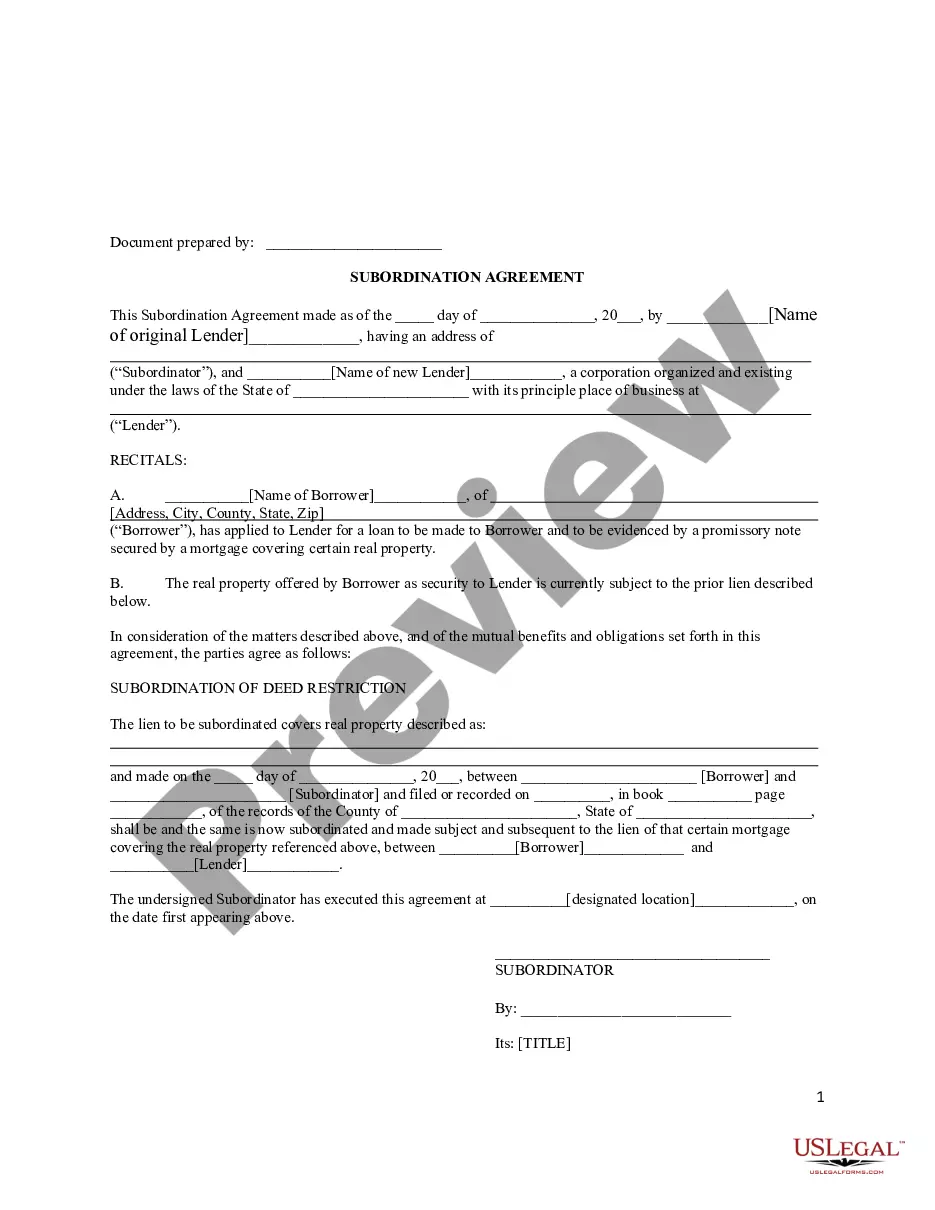
The Consent and Subordination Agreement is a legal document that establishes the rights and order of priority concerning financial interests in a property. This form allows an owner to secure financing for solar panels and related equipment while clarifying the relationship between the property owner, the mortgage lender, and the entity financing the solar installation. Unlike a standard loan agreement, this document specifically addresses the subordination of liens, establishing the hierarchy of claims on the property.
Key components of this form
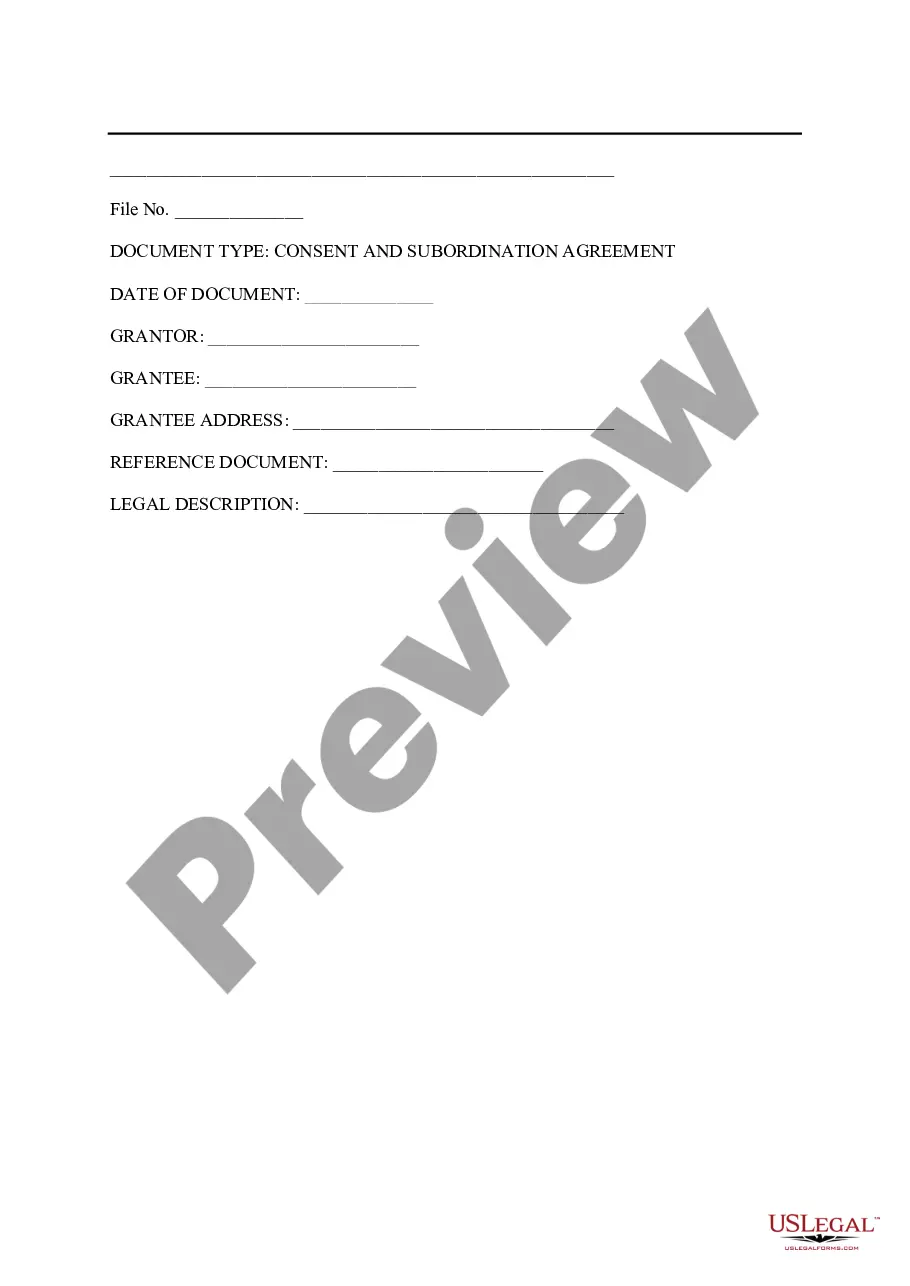
- Document type and relevant parties, including grantor, grantee, and mortgage lender.
- Recitals outlining the ownership and financing of the solar energy system.
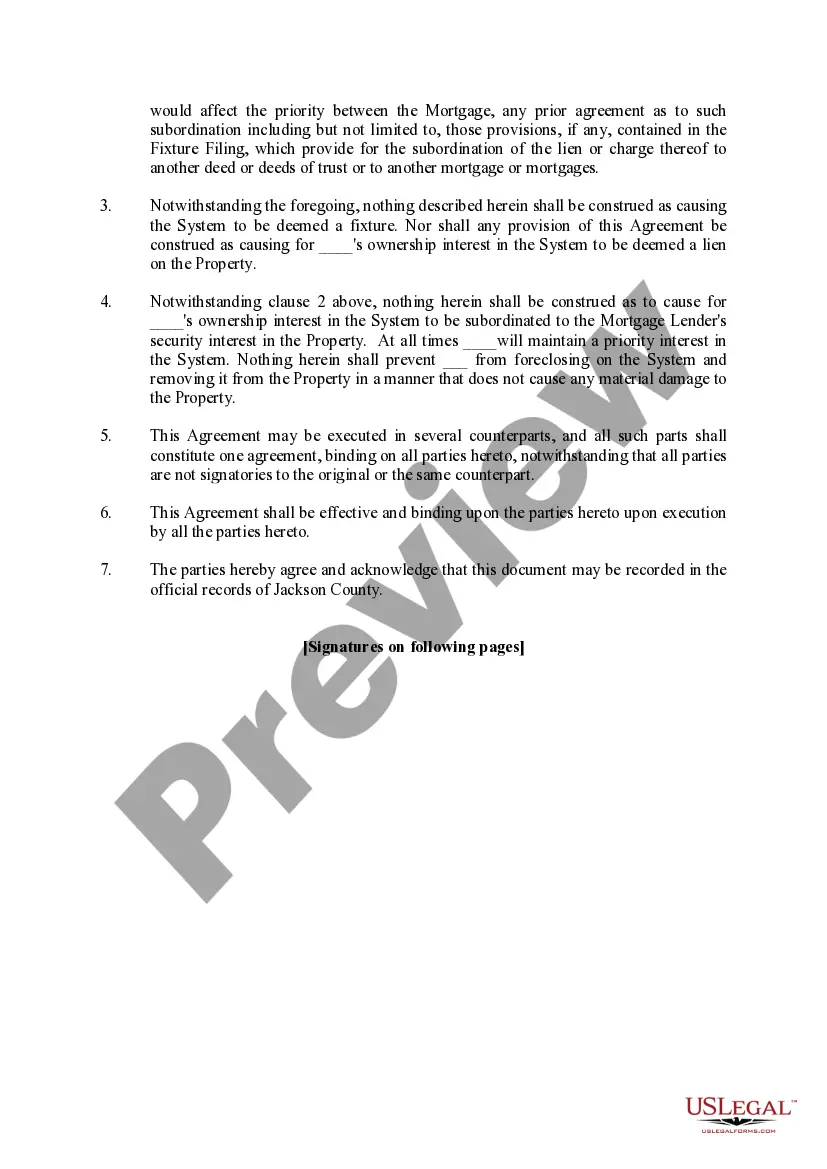
- Subordination clause that confirms the priority of mortgage lender's interests over those of the financing entity.
- Conditions regarding the rights to remove the solar system without significant damage to the property.
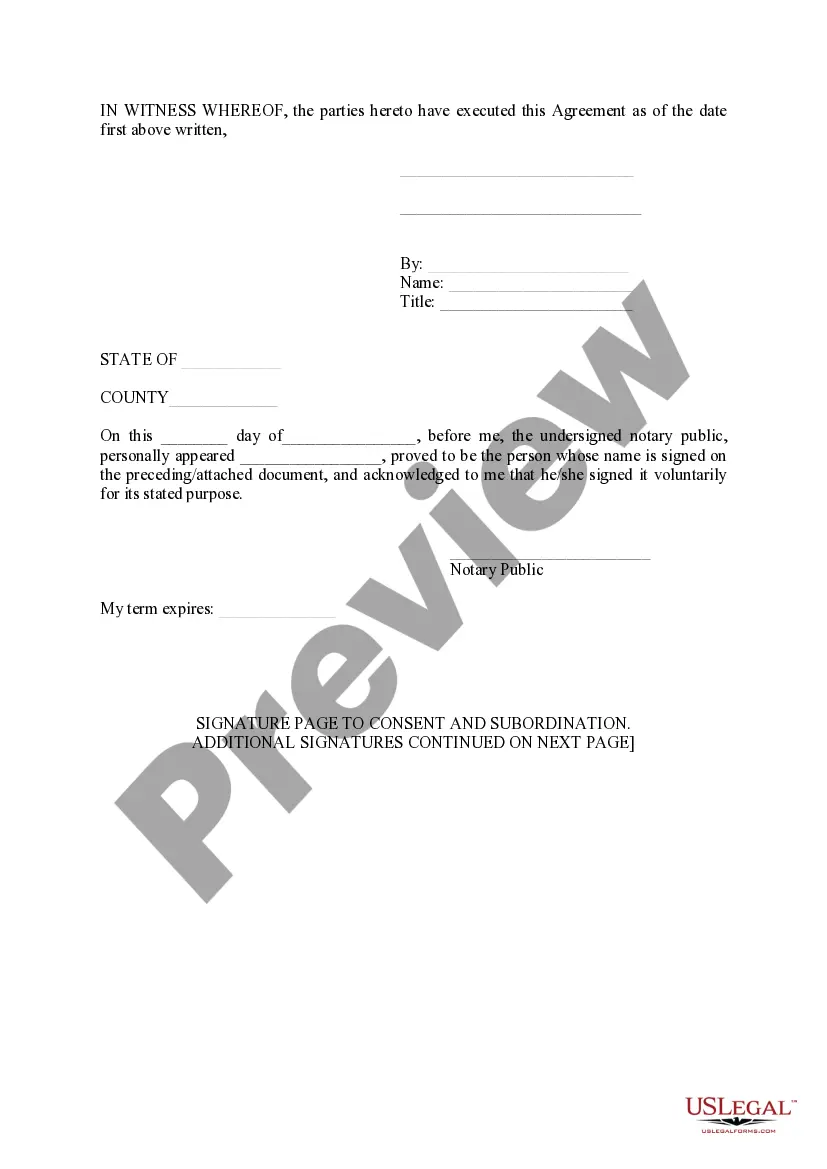
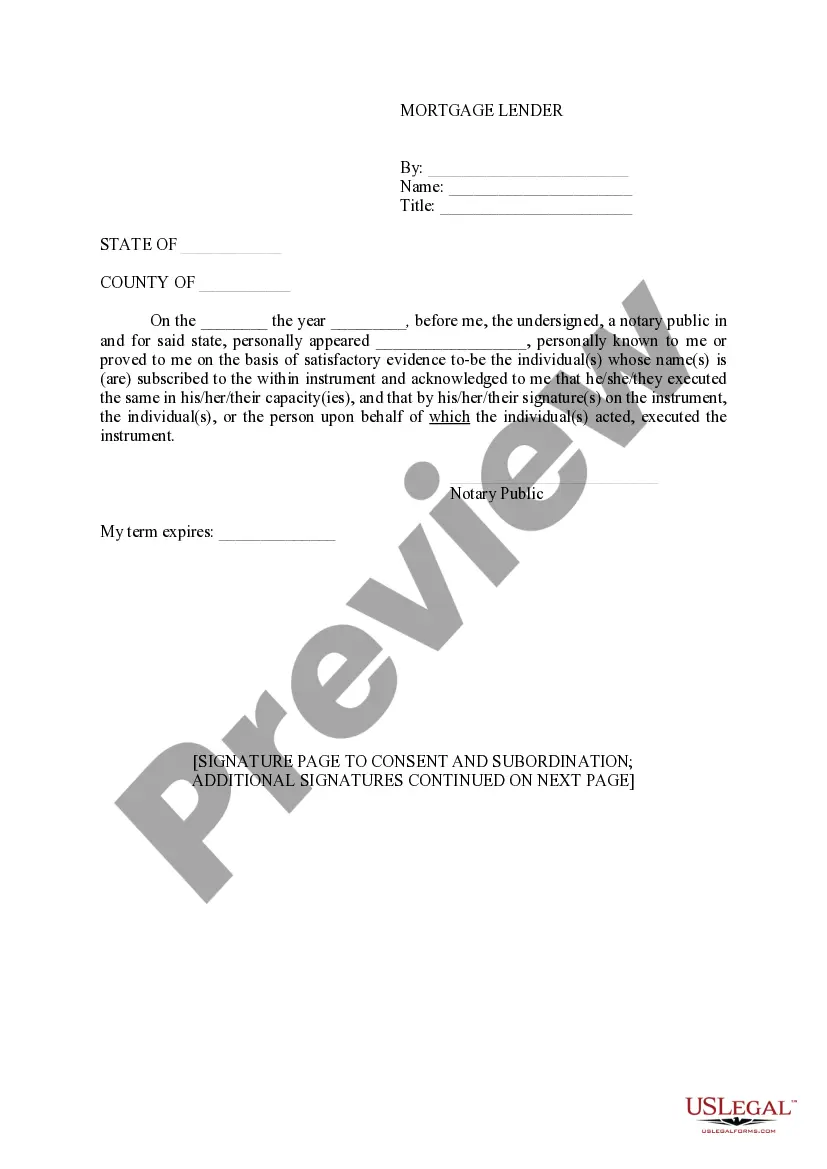
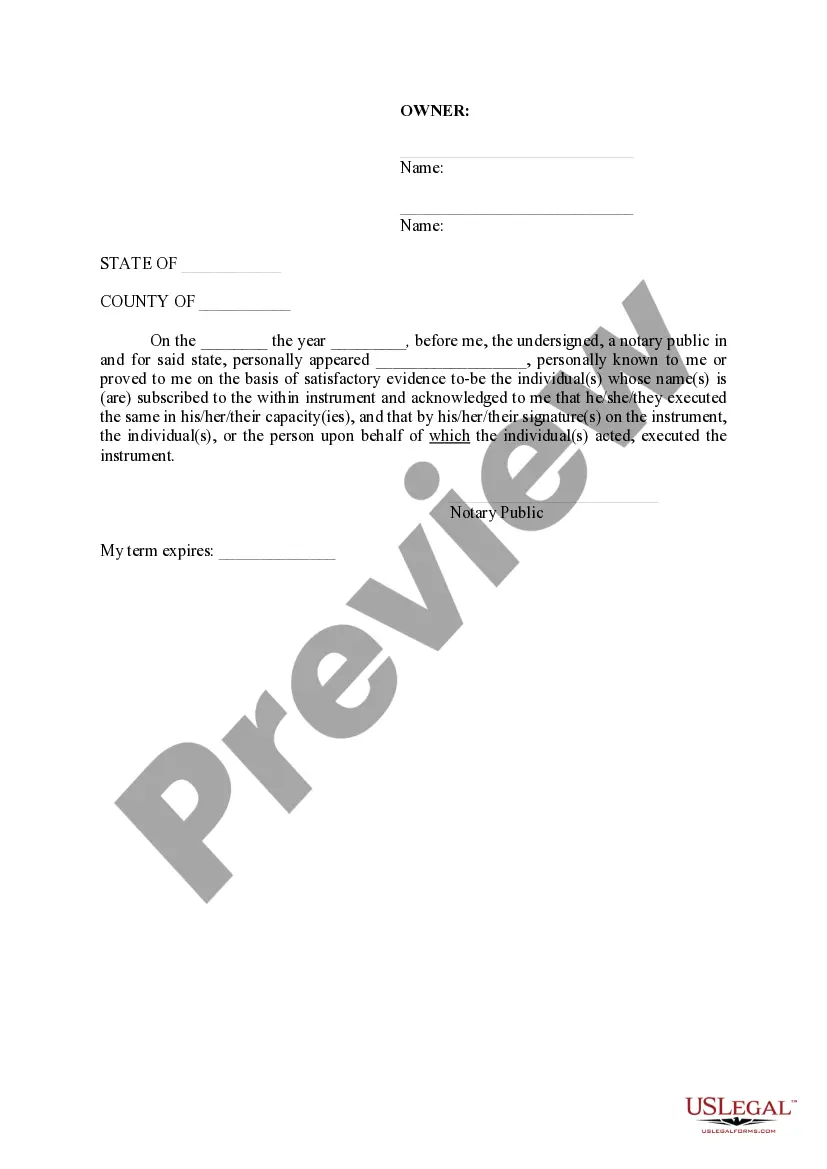
- Signature and notarization sections for all involved parties.
Situations where this form applies
This form is useful when a property owner intends to finance the installation of solar panels while simultaneously obtaining a mortgage. It clarifies the security interests of different parties involved in the financing arrangement and ensures that the mortgage lender has priority over any existing financial claims related to the solar panels.
Who should use this form
- Property owners seeking to install solar panels and finance their purchase.
- Mortgage lenders requesting confirmation of their priority over existing liens related to solar installations.
- Financing entities providing loans for solar panel purchases that require subordination to a mortgage lender.
Instructions for completing this form
- Identify all parties involved, including the grantor (owner), grantee (financing entity), and mortgage lender.
- Provide the property address and legal description of the property being financed.
- Record the date of the document and ensure all parties sign in the designated spaces.
- Have the document notarized to confirm the identity of the signatories.
- File the completed agreement with the appropriate county records office as required.
Does this document require notarization?
Yes, this form must be notarized to be legally valid. US Legal Forms offers integrated online notarization services, providing 24/7 availability through secure video calls, ensuring compliance with legal standards without requiring travel.
Get your form ready online
Our built-in tools help you complete, sign, share, and store your documents in one place.
Make edits, fill in missing information, and update formatting in US Legal Forms—just like you would in MS Word.
Download a copy, print it, send it by email, or mail it via USPS—whatever works best for your next step.
Sign and collect signatures with our SignNow integration. Send to multiple recipients, set reminders, and more. Go Premium to unlock E-Sign.
If this form requires notarization, complete it online through a secure video call—no need to meet a notary in person or wait for an appointment.
We protect your documents and personal data by following strict security and privacy standards.

Make edits, fill in missing information, and update formatting in US Legal Forms—just like you would in MS Word.

Download a copy, print it, send it by email, or mail it via USPS—whatever works best for your next step.

Sign and collect signatures with our SignNow integration. Send to multiple recipients, set reminders, and more. Go Premium to unlock E-Sign.

If this form requires notarization, complete it online through a secure video call—no need to meet a notary in person or wait for an appointment.

We protect your documents and personal data by following strict security and privacy standards.
Avoid these common issues
- Failing to include all necessary parties' signatures.
- Not providing an accurate legal description of the property.
- Omitting notary signatures or making errors in notarization.
- Incorrectly defining the terms of subordination, leading to misinterpretations.
Why use this form online
- Convenience of completing the form from anywhere without needing in-person visits.
- Ability to edit and customize the document to suit specific circumstances easily.
- Access to reliable templates drafted by licensed attorneys ensures legal validity.
Summary of main points
- The Consent and Subordination Agreement clarifies the priority of financial interests related to solar panels on a property.
- Proper completion and notarization of this form are essential for legal enforceability.
- This form is suitable for property owners, mortgage lenders, and financing entities involved in solar installations.
Looking for another form?


Form popularity
FAQ
Subordination agreements are prepared by your lender. The process occurs internally if you only have one lender. When your mortgage and home equity line or loan have different lenders, both financial institutions work together to draft the necessary paperwork.
But as property values are going up and the demand for refinance isn't as much, it seems that the subordination process has gotten a little easier. Typically, it takes two to three weeks to get the resubordination paperwork through, and it is likely to set you back $200 to $300.
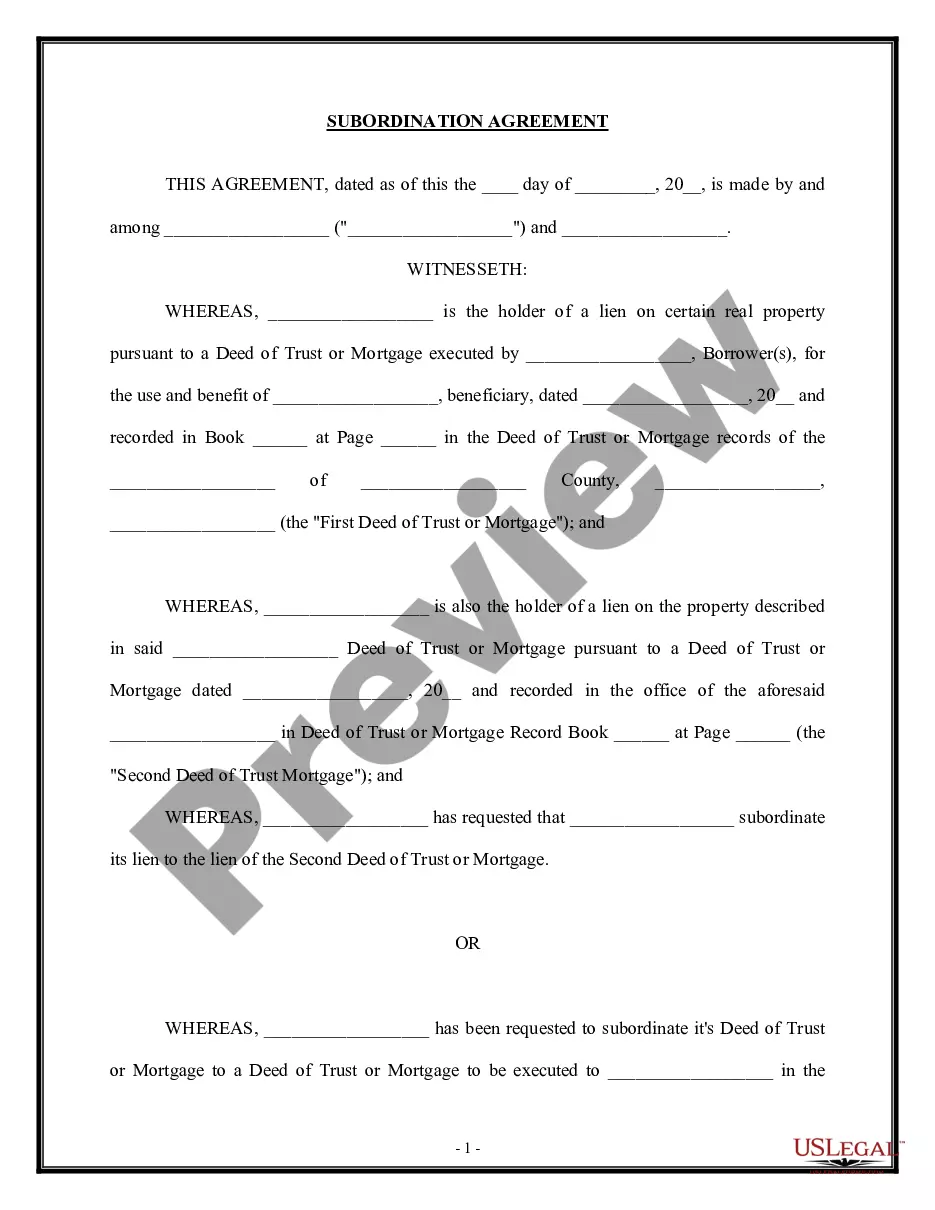
A subordination agreement is a legal document that establishes one debt as ranking behind another in priority for collecting repayment from a debtor. The priority of debts can become extremely important when a debtor defaults on payments or declares bankruptcy.
A subordination agreement is an instrument that allows a first lien or interest to be paid off and allows another first mortgage company to come in and be the first priority lien holder. It is very common for the borrower to pay subordination fees.
Despite its technical-sounding name, the subordination agreement has one simple purpose. It assigns your new mortgage to first lien position, making it possible to refinance with a home equity loan or line of credit. Signing your agreement is a positive step forward in your refinancing journey.
A subordination agreement often comes up when a home has a first and a second mortgage, and the borrower wants to refinance the first mortgage. If you have two mortgages on your home and refinance the first loan, the refinancing lender might require a subordination agreement.
What is a Subordinate Mortgage? Subordinate mortgages are loans that have a lower priority status than any other recorded liens (or debts) against a property. When you get the loan you need to purchase your home, this loan is typically recorded as the first repayment priority on your deed after closing.
Subordination clauses in mortgages refer to the portion of your agreement with the mortgage company that says their lien takes precedence over any other liens you may have on your property.The primary lien on a house is usually a mortgage. However, it's also possible to have other liens.
A subordination agreement acknowledges that one party's claim or interest is superior to that of another party in the event that the borrower's assets must be liquidated to repay the debts.