A Minnesota Written Statement of Claim is a legal document that is used to initiate a civil lawsuit in the state of Minnesota. It is a formal document that outlines the facts of the dispute, the legal basis for the claim, and the type of relief sought by the plaintiff. The Minnesota Written Statement of Claim must be in accordance with Minnesota Rules of Civil Procedure, and it must be filed with the court in order to start the lawsuit. There are two types of Minnesota Written Statements of Claim: a Summons and Complaint, and an Original Notice. The Summons and Complaint is used when the plaintiff is suing the defendant for a specific amount of money or other relief. It must be served to the defendant in order to start the lawsuit. An Original Notice is used when the plaintiff is suing for a non-monetary relief, such as an injunction or declaratory judgment. This type of claim does not require the defendant to be served in order to start the lawsuit.
Minnesota Written Statment of Claim
Description
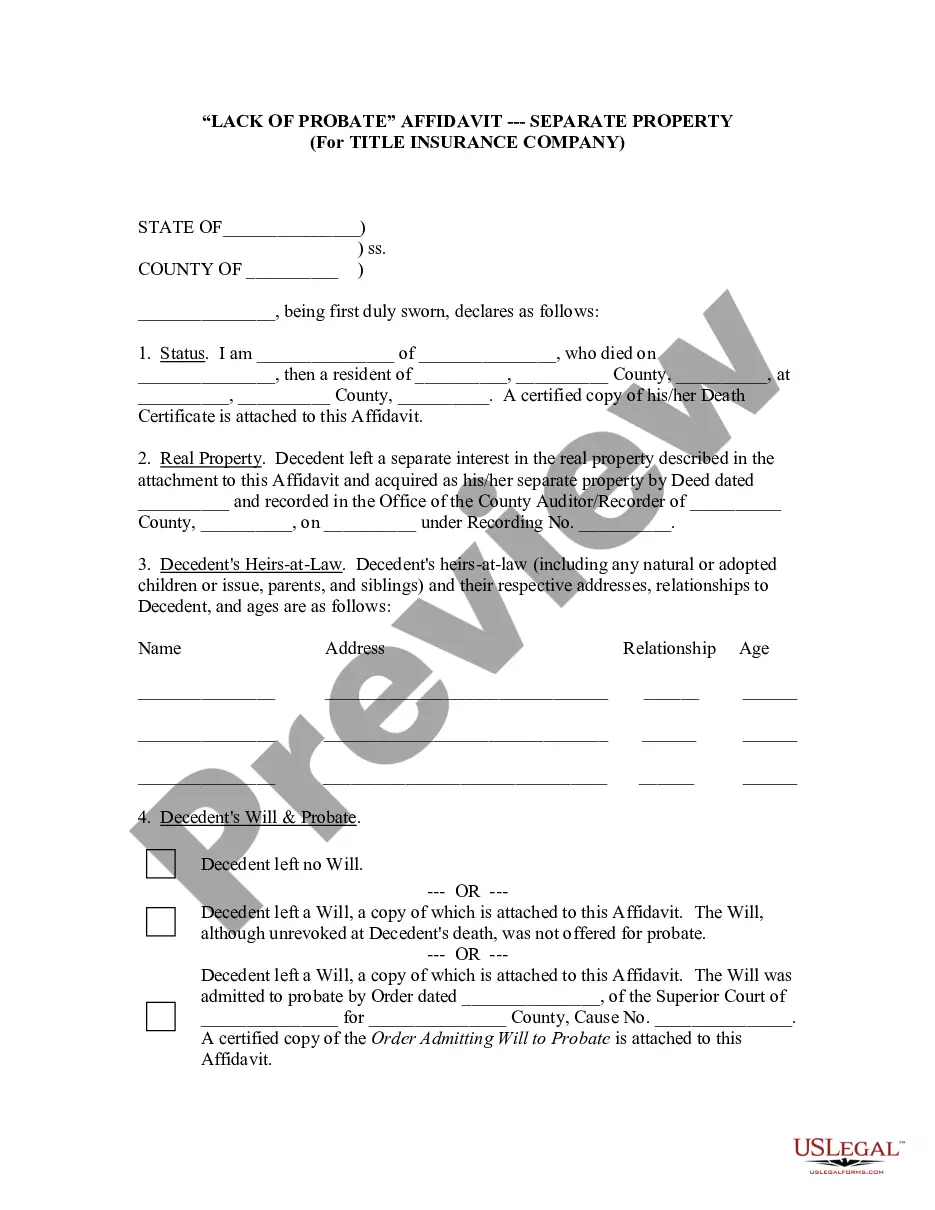
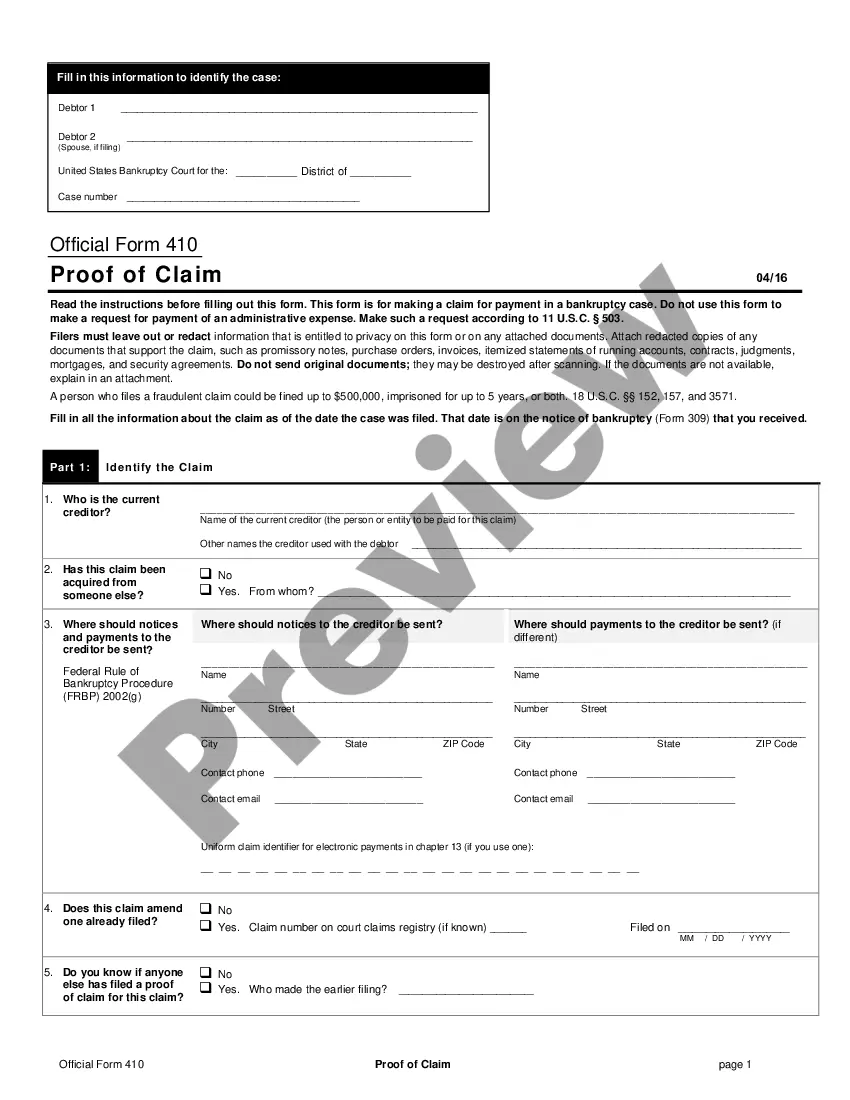
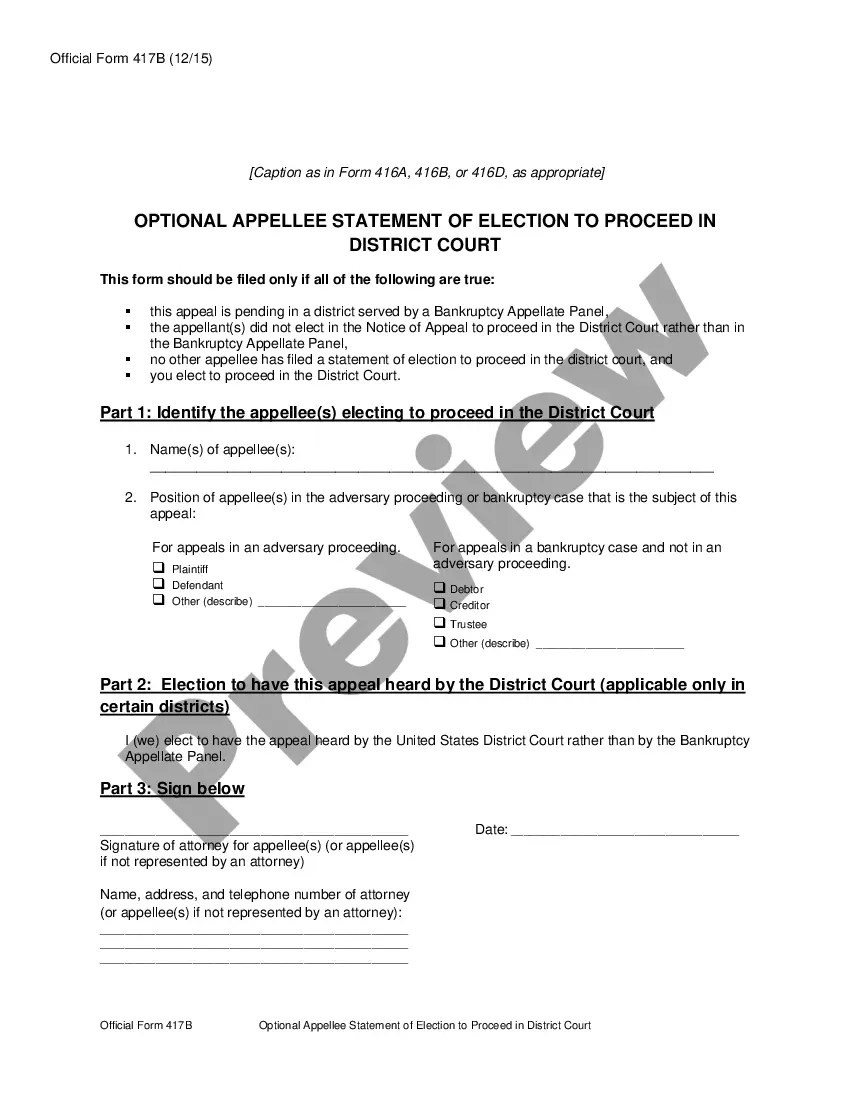

How to fill out Minnesota Written Statment Of Claim?
If you’re looking for a method to correctly finalize the Minnesota Written Statement of Claim without employing an attorney, then you’re exactly in the right place.
US Legal Forms has established itself as the most comprehensive and trustworthy collection of formal templates for every personal and business circumstance. Every document you discover on our web platform is crafted in accordance with federal and state laws, so you can be assured that your paperwork is in proper order.
Upload your template to an online editor to fill out and sign it quickly or print it out to prepare your physical copy manually. Another excellent aspect of US Legal Forms is that you will never lose the documents you obtained - you can locate any of your downloaded templates in the My documents tab of your profile whenever you require it.
- Follow these simple instructions on how to obtain the ready-to-use Minnesota Written Statement of Claim.
- Verify that the document you see on the page corresponds to your legal situation and state laws by reviewing its text description or browsing through the Preview mode.
- Type the document title in the Search tab at the top of the page and select your state from the list to find an alternative template if there are any discrepancies.
- Repeat the content verification and click Buy now when you are confident that the paperwork complies with all the requirements.
- Log in to your account and click Download. Create an account with the service and choose the subscription plan if you don’t already have one.
- Utilize your credit card or the PayPal option to pay for your US Legal Forms subscription. The document will be available for download immediately after.
- Select the format in which you want to receive your Minnesota Written Statement of Claim and download it by clicking the appropriate button.
Form popularity
FAQ
Yes, you can sue for pain and suffering in Minnesota. When you file a lawsuit, including your Minnesota Written Statement of Claim, you may seek compensation for emotional distress and physical pain resulting from an injury. It's important to provide sufficient evidence to support your claim, such as medical records and witness testimonies. Consider using legal resources to help structure your case effectively and enhance your chances of success.
Requesting a writ of execution in Minnesota involves filing the appropriate forms with the court. You'll need to complete a request that often includes information related to your Minnesota Written Statement of Claim. The court will review your request, and if approved, they will issue the writ, allowing you to collect the judgment. It's advisable to consult with a legal professional or use resources like USLegalForms to navigate this process smoothly.
To look up court records in Minnesota, you can visit the Minnesota Judicial Branch website. This platform provides access to various court documents, including cases related to the Minnesota Written Statement of Claim. You can search by name, case number, or other criteria to find the information you need. Additionally, local courthouses can assist you with obtaining physical copies of records.
524.3-803 LIMITATIONS ON PRESENTATION OF CLAIMS. (3) within one year after the decedent's death, whether or not notice to creditors has been published or served under section 524.3-801. Claims authorized by section 246.53, 256B. 15, or 256D. 16 must not be barred after one year as provided in this clause.
Who Gets What in Minnesota? If you die with:here's what happens:spouse and descendants from you and someone other than that spousespouse inherits the first $225,000 of your intestate property, plus 1/2 of the balance descendants inherit everything elseparents but no spouse or descendantsparents inherit everything5 more rows
Conciliation Court is also known as "small claims" court. General claims of $15,000 or less can be filed in Conciliation Court.
A beneficiary has a right to have a trustee who keeps adequate records and keeps trust property separate. See Minnesota Statutes section 501C. 0810. Unless the trust provides otherwise, a beneficiary has a right to ask the court to order the trustee to provide the beneficiaries with an accounting.
In Minnesota, creditors have 1 year from the decedent's death to file a claim against the estate, or 4 months from the initial publication of the creditor notice, whichever comes earlier (this 4 month period changes to 28 days from date of individual notification in the case where the creditor was entitled to
In Minnesota, probate can take on average 12-18 months and can cost as much as an average of 2 to 3 percent of the estate value. In Minnesota, if a decedent has less than $75,000 of assets and no real estate, they may bypass the probate process. If a trust is involved, there will be a trustee or trustees.
Your personal representative starts a probate proceeding by filing an application or petition with the probate court in the county where you lived at the time of your death. Probate proceedings in Minnesota may be either formal or informal and generally must be initiated within three years after the decedent's death.