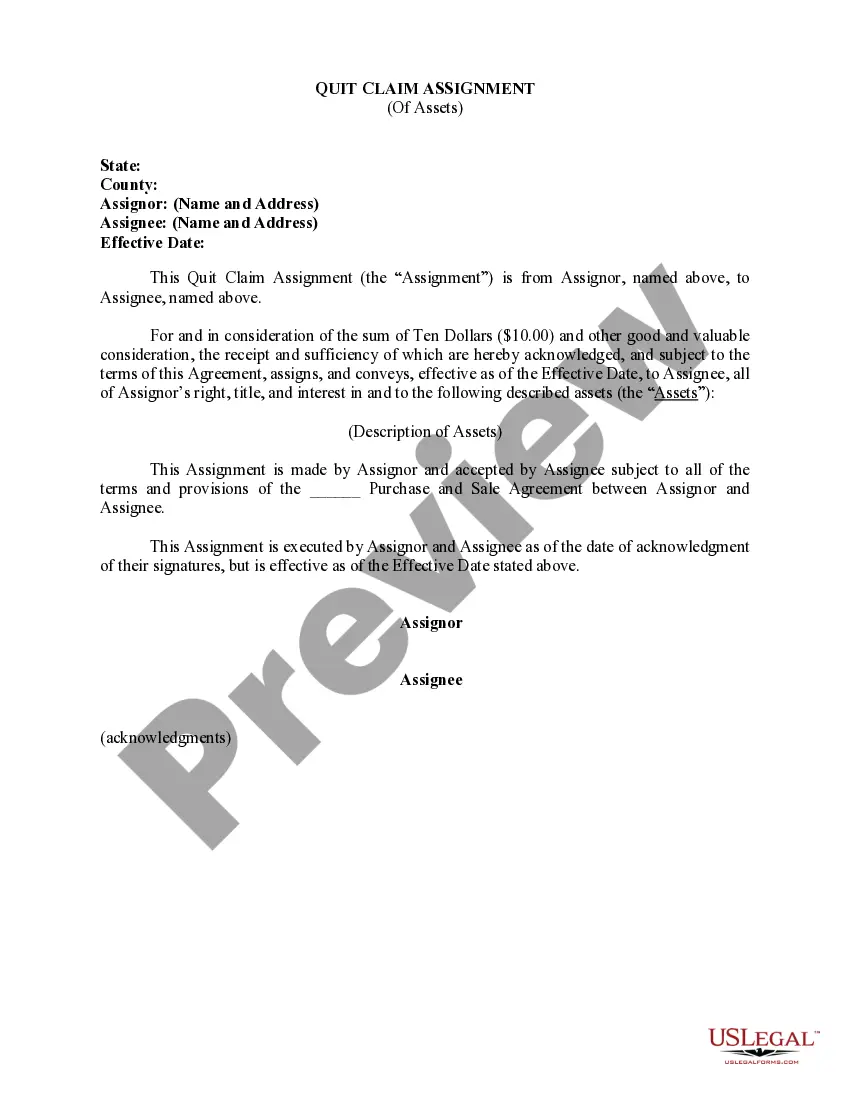
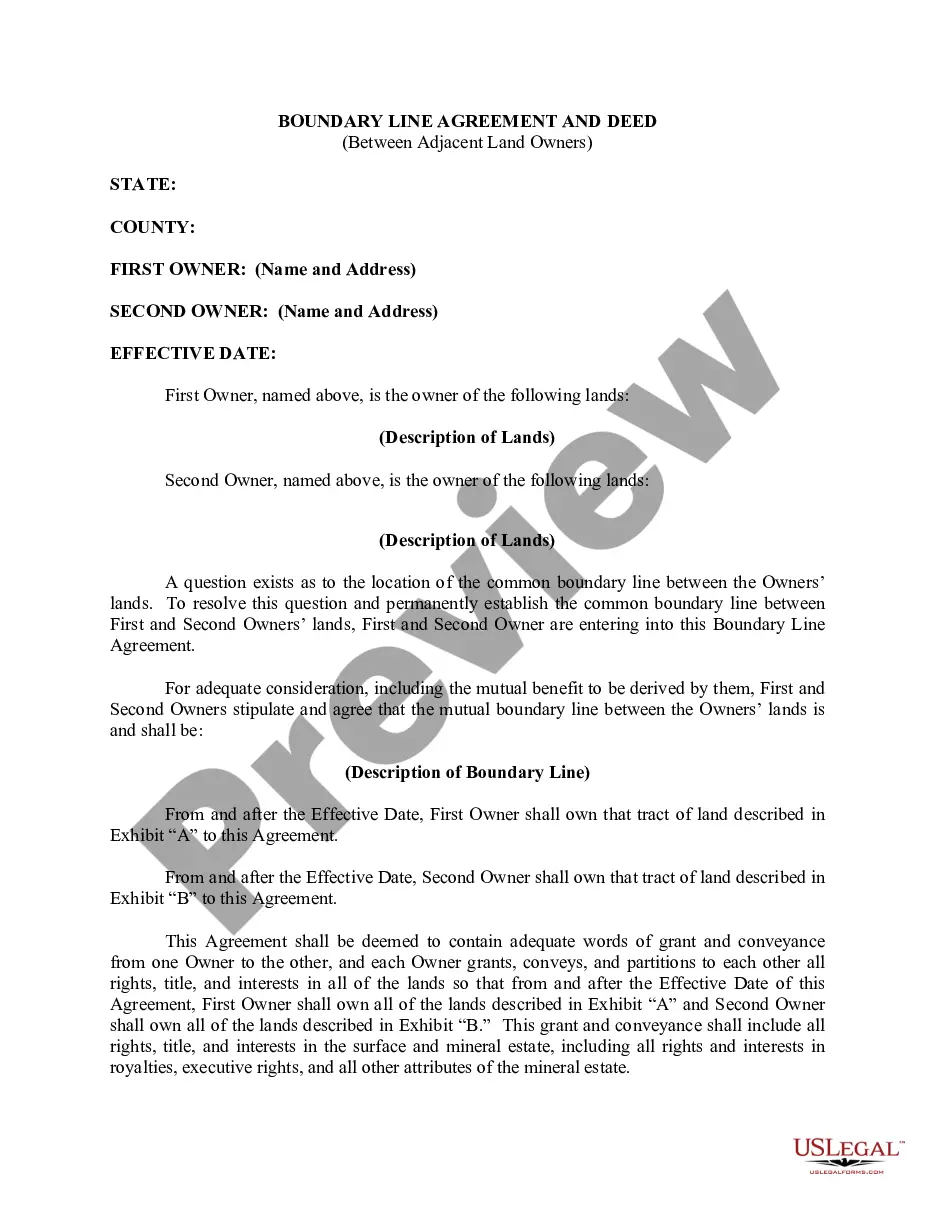
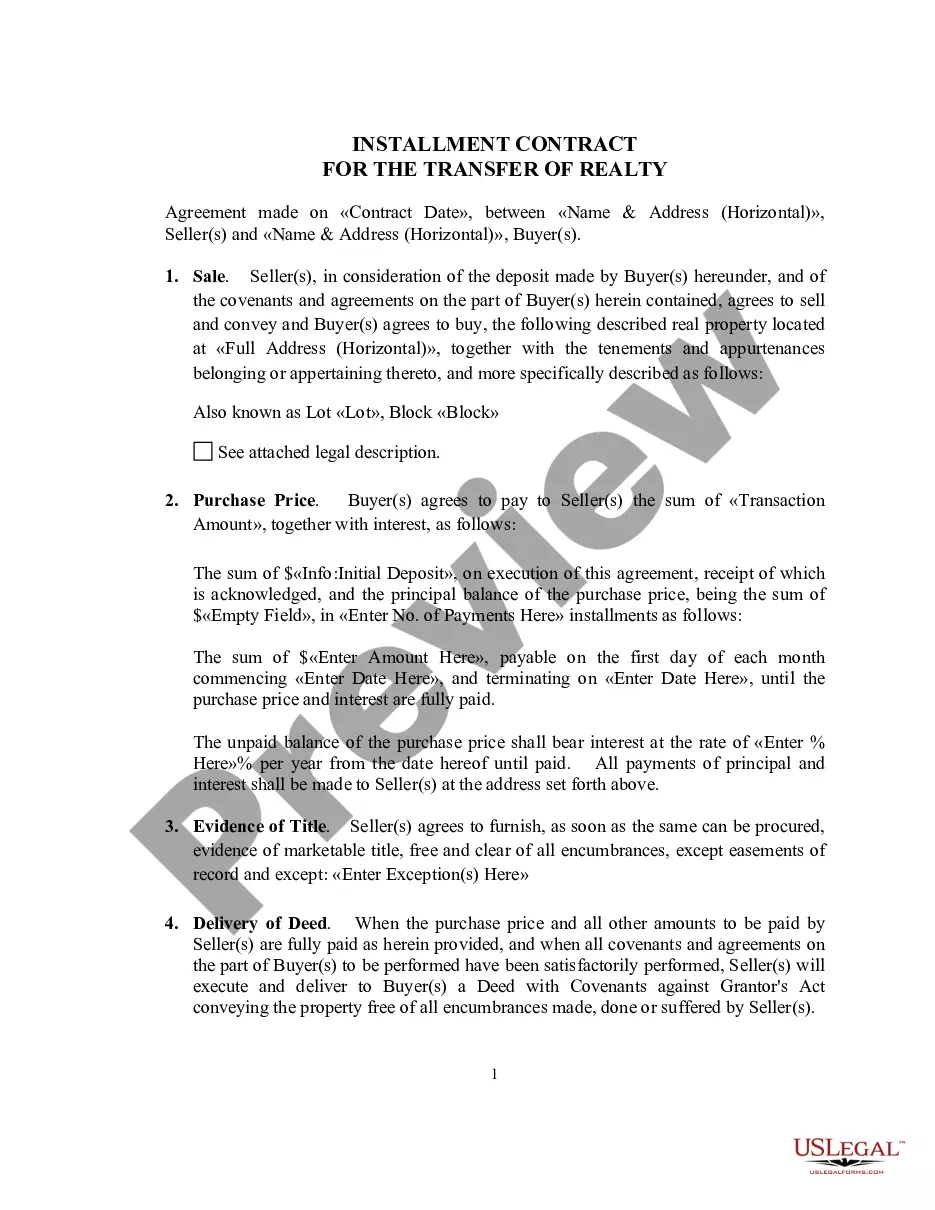
The Minnesota Instrument of Transfer of Real Property (Sample and Form) is a legal document used in Minnesota to transfer ownership of a piece of real estate from one party to another. This document is typically used when the buyer and seller of a property are not able to complete the transaction without the help of a third party. The Minnesota Instrument of Transfer of Real Property (Sample and Form) must be completed accurately and signed by all parties involved in the transaction. It also must be notarized and filed with the county recorder’s office. There are two types of Minnesota Instruments of Transfer of Real Property (Sample and Form): a Warranty Deed and a Quitclaim Deed. The Warranty Deed is more commonly used as it provides more protection to the buyer by including a warranty of title. The Quitclaim Deed is generally used when the buyer does not require a warranty of title, or when the parties involved are related.
Minnesota Instrument of Transfer of Real Property (Sample and Form)
Description
How to fill out Minnesota Instrument Of Transfer Of Real Property (Sample And Form)?
Engaging with legal documents demands focus, accuracy, and utilizing well-prepared templates. US Legal Forms has been assisting individuals nationwide in achieving this for 25 years, so when you select your Minnesota Instrument of Transfer of Real Property (Sample and Form) template from our collection, you can be assured it adheres to federal and state regulations.
Interacting with our service is straightforward and swift. To acquire the required documents, all you’ll need is an account with an active subscription. Here’s a brief guide for you to locate your Minnesota Instrument of Transfer of Real Property (Sample and Form) in just a few minutes.
All documents are designed for multiple usages, like the Minnesota Instrument of Transfer of Real Property (Sample and Form) you see on this page. If you require them again, you can complete them without additional payment - simply access the My documents tab in your profile and finalize your document whenever necessary. Try US Legal Forms and prepare your business and personal documents swiftly and in full legal compliance!
- Ensure to thoroughly review the form content and its alignment with general and legal standards by previewing it or reading its description.
- Seek an alternative formal template if the one you previously accessed does not meet your circumstances or state requirements (the option for that is located on the top page corner).
- Log in to your account and save the Minnesota Instrument of Transfer of Real Property (Sample and Form) in the format you prefer. If this is your first experience with our site, click Buy now to continue.
- Register for an account, select your subscription plan, and complete payment using your credit card or PayPal.
- Choose the format you wish to receive your form in and click Download. Print the document or add it to a professional PDF editor to prepare it digitally.
Form popularity
FAQ
A written instrument that transfers ownership of real property is commonly referred to as a deed, such as a quitclaim deed or a warranty deed. This document outlines the specifics of the transfer and must be executed properly to be valid. For a clear and effective transfer, consider utilizing a Minnesota Instrument of Transfer of Real Property (Sample and Form) available through US Legal Forms, which helps you create a legally binding document.
Filling out a transfer on a death deed involves specifying the property details and the beneficiaries who will inherit the property. You must also ensure that you sign the deed in front of a notary. Using a Minnesota Instrument of Transfer of Real Property (Sample and Form) from US Legal Forms can help you navigate this process and ensure that your intentions are clearly documented.
To transfer ownership of a property in Minnesota, you typically need to complete a deed that clearly states the transfer. You can use a Minnesota Instrument of Transfer of Real Property (Sample and Form) to simplify this process. After filling out the deed, you must sign it in front of a notary and file it with the county recorder's office to make the transfer official.
Common mistakes when using a quitclaim deed include failing to properly identify the property, neglecting to include all necessary parties, and not having the document notarized. These errors can lead to complications in the transfer process. To avoid these pitfalls, consider using a Minnesota Instrument of Transfer of Real Property (Sample and Form) from US Legal Forms, which provides guidance and ensures accuracy.
TOD/POD disadvantages: these accounts pass directly to the beneficiary and do not go through probate, if the executor does not have enough probate assets to pay the debts of the estate, creditors are entitled to claim some non- probate assets, including TOD accounts.
A. To do this, the beneficiary, or the beneficiary's attorney or agent, must complete and send to the county a Transfer on Death Deed Application for a Medical Assistance Clearance Certificate (DHS-5893).
You must sign the deed and get your signature notarized, and then record (file) the deed with the county recorder's office or county registrar of titles (see "Recording Your Deed" below to determine which) before your death. Otherwise, it won't be valid. You can make a Minnesota transfer on death deed with WillMaker.
A TOD deed can designate a beneficiary to inherit your real estate when you pass away, whereas a living trust can designate beneficiaries for many other kinds of property too (such as financial institution accounts and tangible belongings).
A beneficiary form states who will directly inherit the asset at your death. Under a TOD arrangement, you keep full control of the asset during your lifetime and pay taxes on any income the asset generates as you own it outright. TOD arrangements require minimal paperwork to establish.
Cons To Using Beneficiary Deed Estate taxes. Property transferred may be taxed. No asset protection. The beneficiary receives the property without protection from creditors, divorces, and lawsuits. Medicaid eligibility.No automatic transfer.Incapacity not addressed.Problems with beneficiaries.