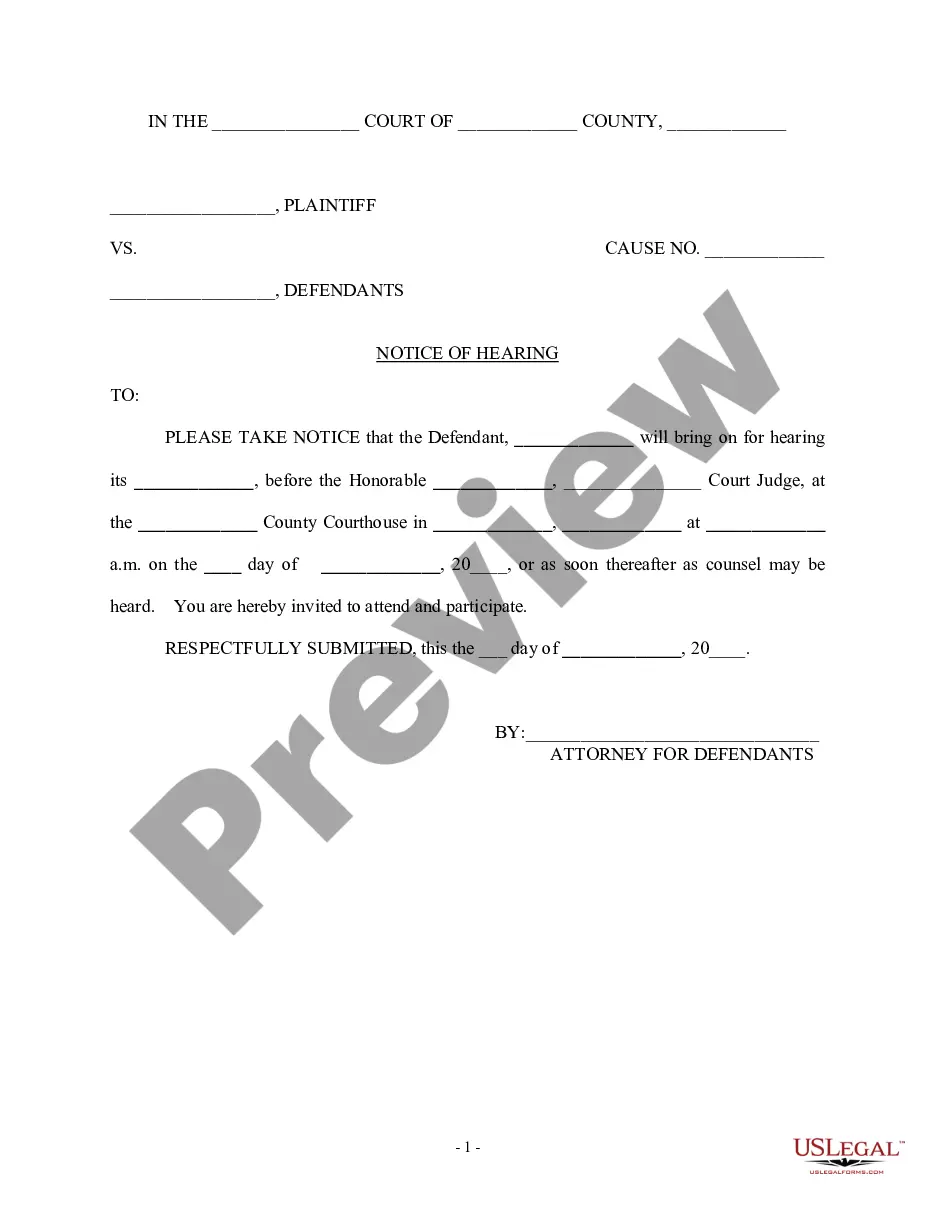
This is an official Minnesota court form for use in an expungment case, a Notice of Hearing and Petition for Expungement. USLF amends and updates these forms as is required by Minnesota Statutes and Law.
Minnesota Notice of Hearing and Petition for Expungement
Instant download
This website is not affiliated with any governmental entity
Public form
Description
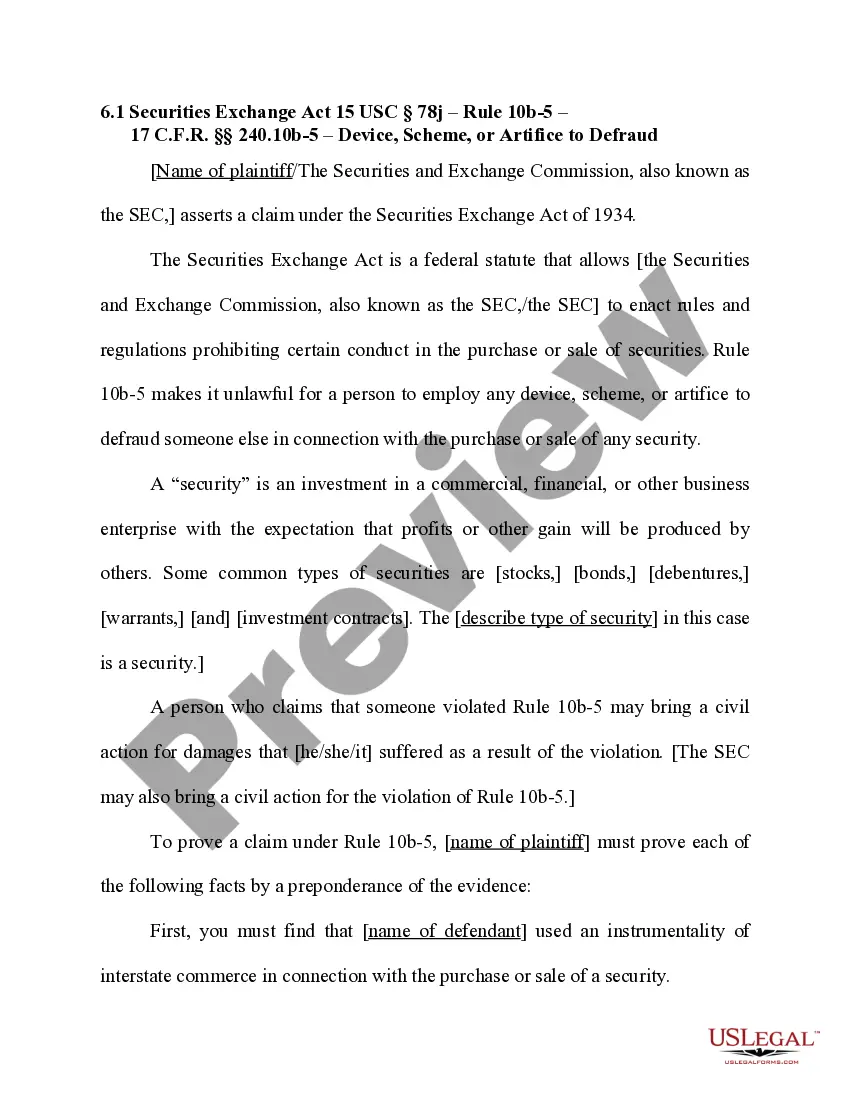
How to fill out Minnesota Notice Of Hearing And Petition For Expungement?
Obtain any version from 85,000 legal records such as Minnesota Notice of Hearing and Petition for Expungement online with US Legal Forms. Each template is crafted and refreshed by state-certified lawyers.
If you already possess a membership, Log In. When you are on the document’s page, click on the Download button and navigate to My documents to retrieve it.
If you have not yet subscribed, follow the instructions below.
With US Legal Forms, you will always have immediate access to the suitable downloadable template. The platform provides access to documents and categorizes them to facilitate your search. Utilize US Legal Forms to acquire your Minnesota Notice of Hearing and Petition for Expungement swiftly and effortlessly.
- Review the state-specific criteria for the Minnesota Notice of Hearing and Petition for Expungement you wish to utilize.
- Browse through the description and preview the sample.
- When you’re certain the template meets your requirements, click on Buy Now.
- Select a subscription plan that aligns well with your budget.
- Establish a personal account.
- Complete payment in one of two convenient methods: by card or via PayPal.
- Choose a format to download the document in; two formats are available (PDF or Word).
- Download the file to the My documents section.
- Once your reusable template is prepared, print it out or save it to your device.
Form popularity
FAQ
Writing a petition for expungement requires careful attention to detail. You will need to include a Minnesota Notice of Hearing and Petition for Expungement, outlining your case specifics and the reasons you believe your record should be expunged. Make sure to clearly state how the expungement serves the interest of justice. Utilizing resources like US Legal Forms can simplify this process by providing templates and guidance tailored to your needs.
Starting the expungement process in Minnesota involves submitting a Minnesota Notice of Hearing and Petition for Expungement. First, ensure you meet the eligibility requirements for expungement based on your criminal history. Next, prepare your petition, detailing your case and the reasons for expungement. Finally, file the petition in the appropriate court and await a hearing date.
How much does an expungement cost in Minnesota? The court filing fee for an expungement application in Minnesota is $325, but this can vary by county, so your MN expungement attorney can double check the fees wherever you need to file.
An expungement can be denied for statutory reasons, such as not meeting the required timeframe for a class B misdemeanor DUI, which is 10 years, or for a class B misdemeanor theft offense, which would be three years.Another reason to be denied an expungement would be the judge, who may not want to grant the petition.
Always begin the letter with a formal greeting, such as "Dear Judge...", before composing the rest of the letter. Then, write the first paragraph of your letter by explaining why you are writing, what charge you wish to have expunged, and a short description of why you feel it should be expunged.
After the petition is filed, the state's attorney, the state police, and all other notified parties have 60 days to object. If the judge grants the petition, an order is entered, and all state agencies are given 60 days to expunge or seal the record. The total process typically takes about six months.
Online expungement is only available through Maryland expungement.com and not offered by a State or government website. This legal expungement service is particularly convenient for individuals who don't want to have to travel to the courthouse, obtain all the paperwork, drive home.
The criminal expungement process takes at least 4-6 months. By law, the court hearing to consider your request has to be held at least 63 days after your forms are served to the government agencies. The judge then has up to 90 days from the date of the hearing to make a decision on your case.
The letter must state the case and explain the changes that the person made in their life to correct their actions. Examples of life changes are helping others and not getting arrested again.
I would like to expunge my ex-husband from my memory. Because the court has decided to expunge my criminal record, there will be no evidence of my past misdeeds. The president has the power to expunge any person's criminal history in order to give that individual a fresh start in life.