Minnesota Garnishment Earnings Disclosure Instructions
What this document covers
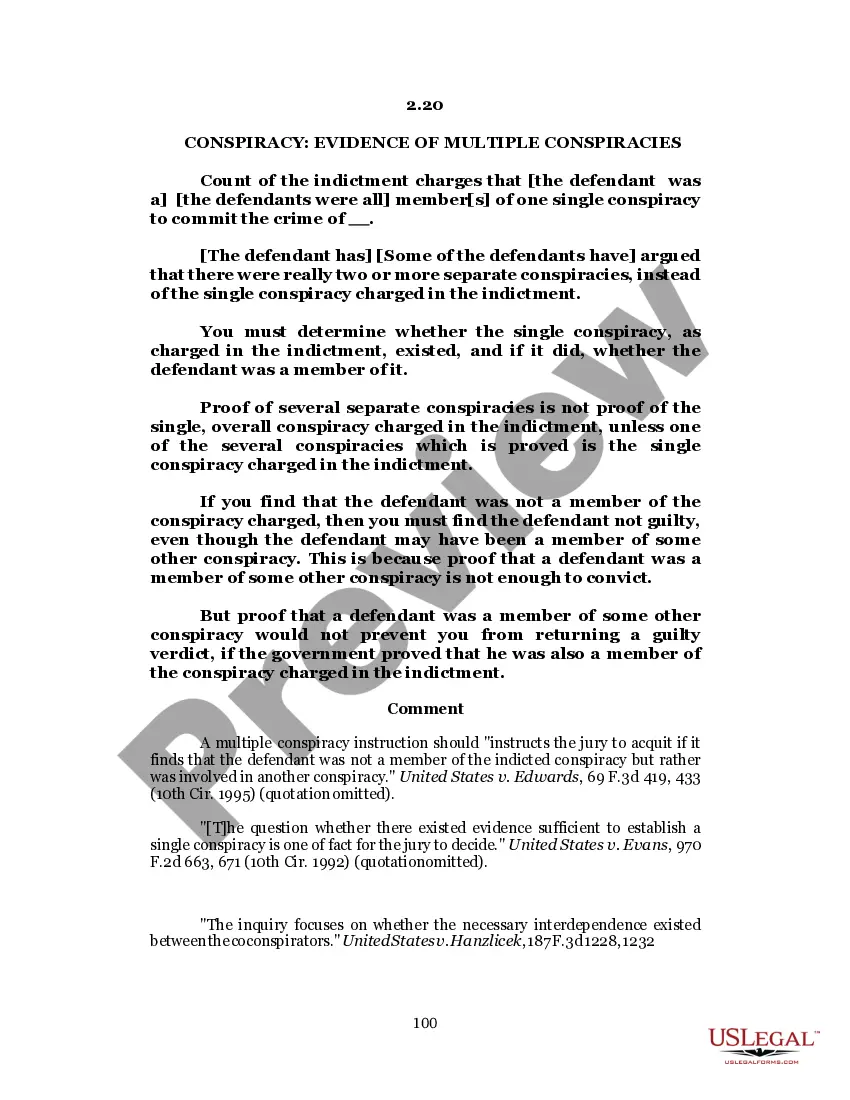
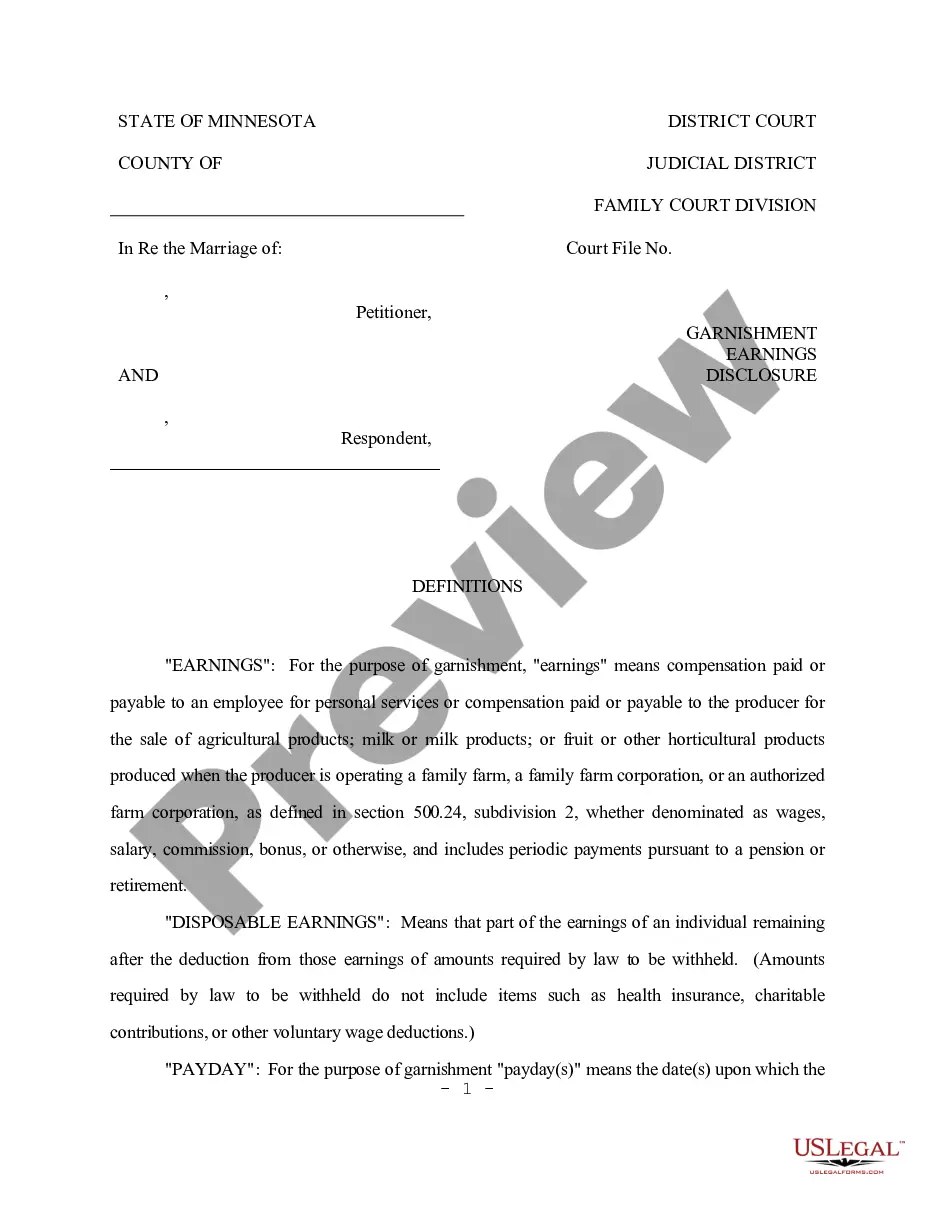
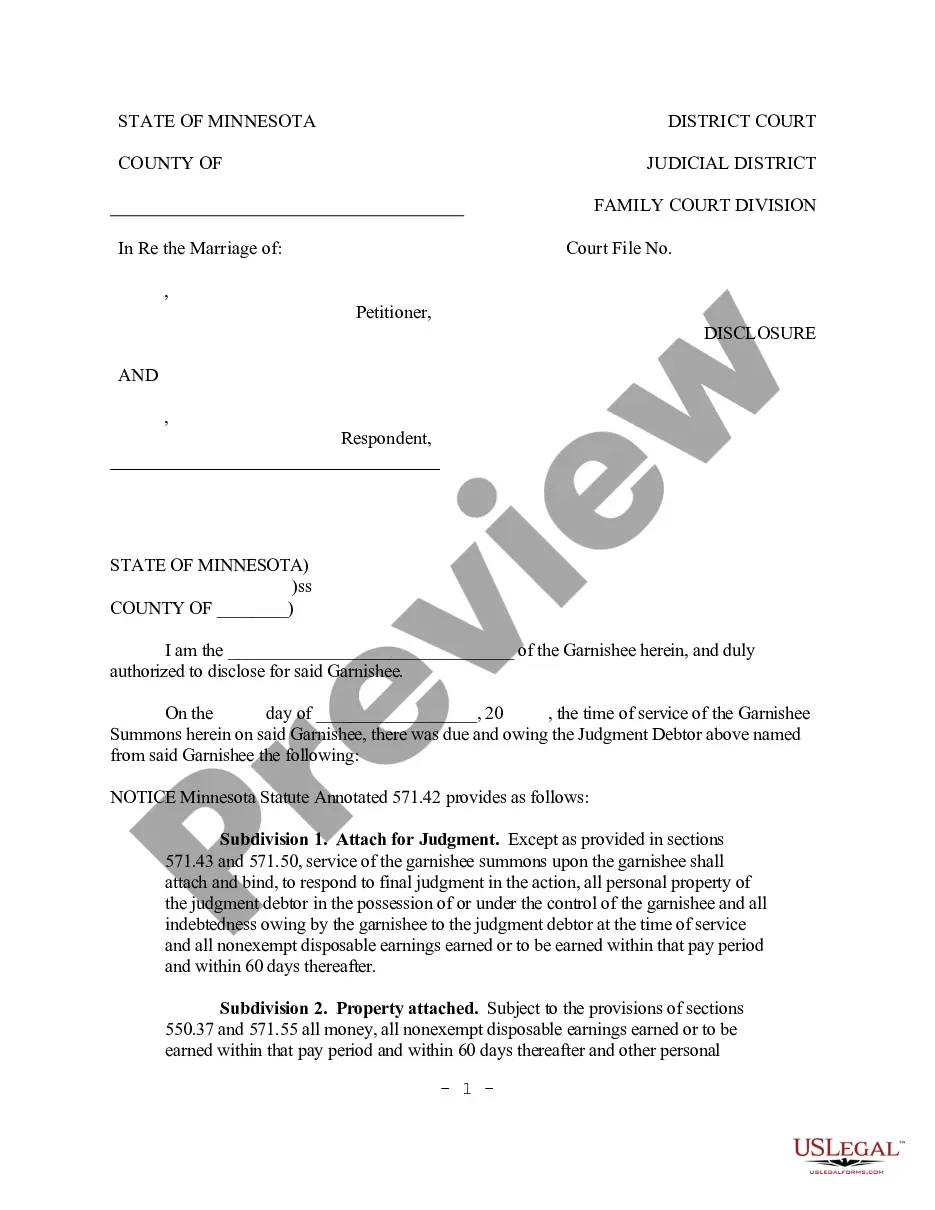
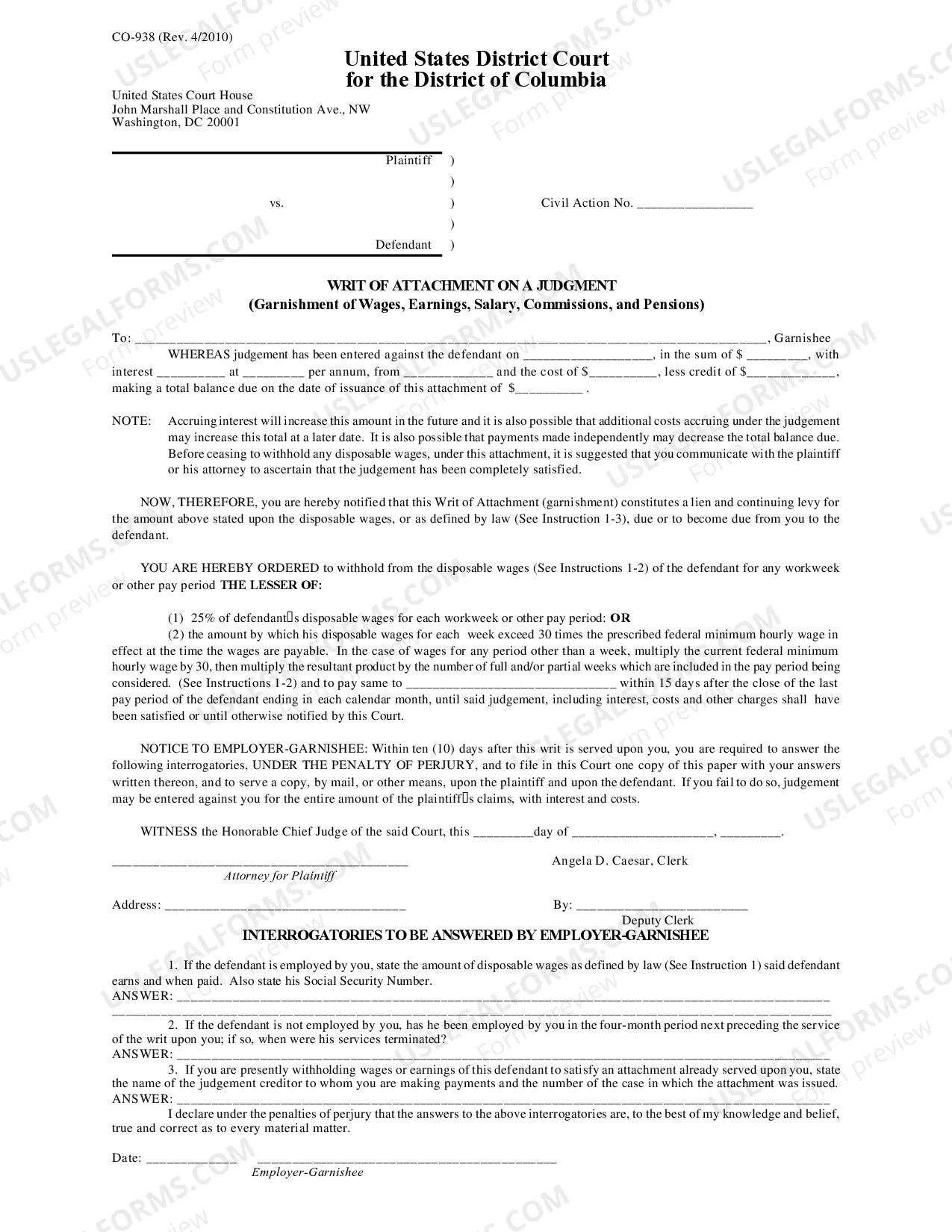
The Garnishment Earnings Disclosure Instructions form is used to disclose the disposable earnings of a debtor in response to a garnishment summons. This form differentiates itself by providing a comprehensive worksheet that breaks down the calculations that determine how much of the debtor's earnings can be withheld. It ensures that employers follow legal requirements and accurately report earnings subject to garnishment.
Form components explained
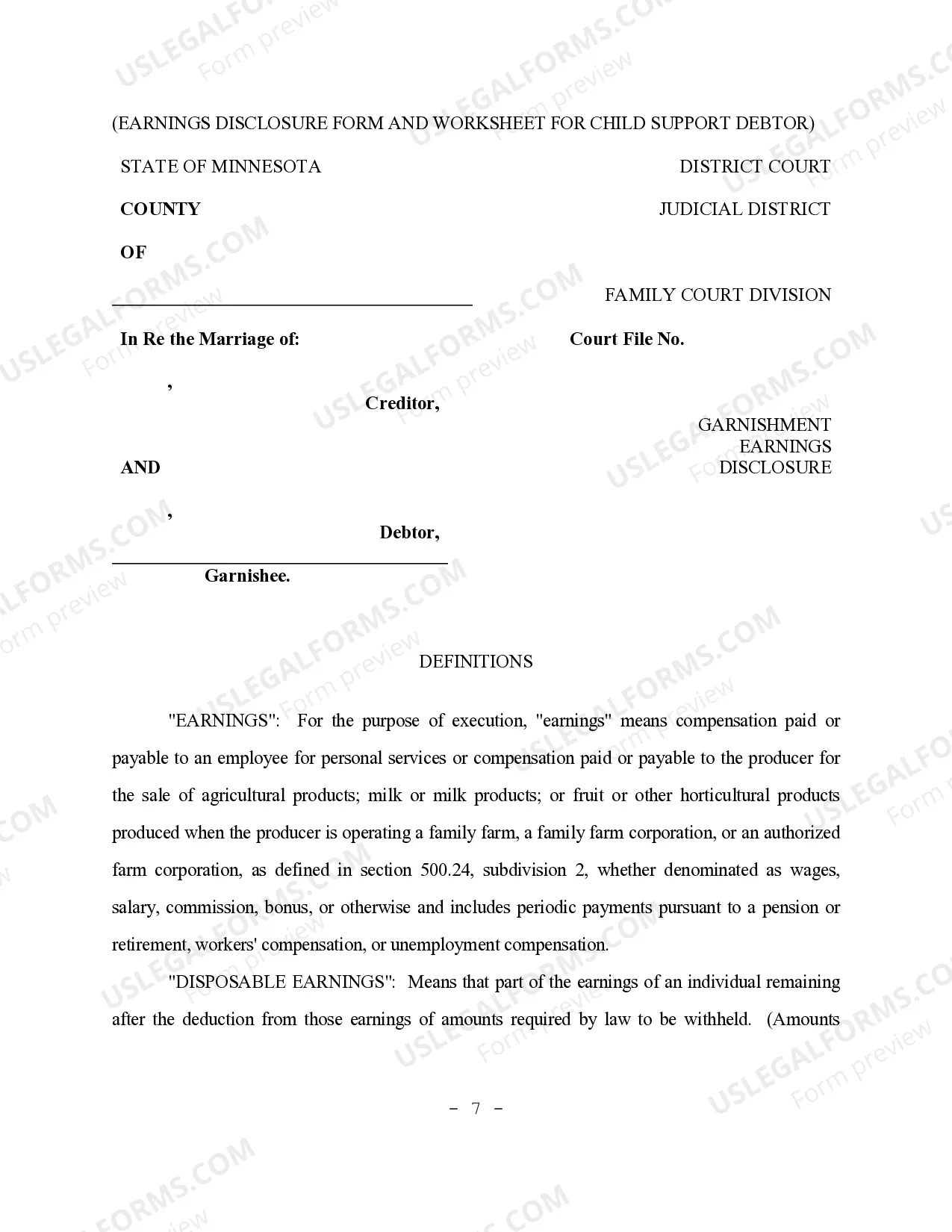
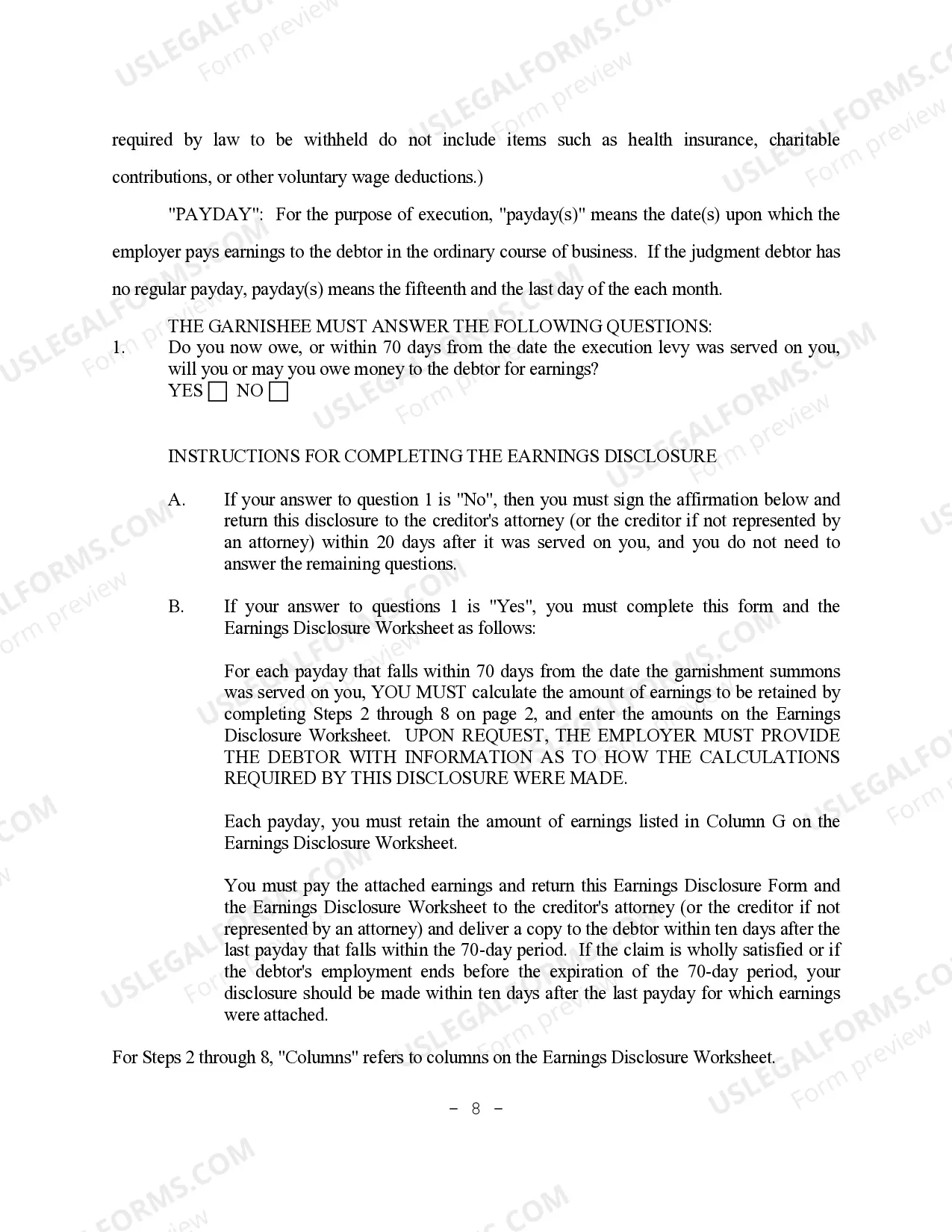
- Definitions of key terms such as "disposable earnings" and "payday".
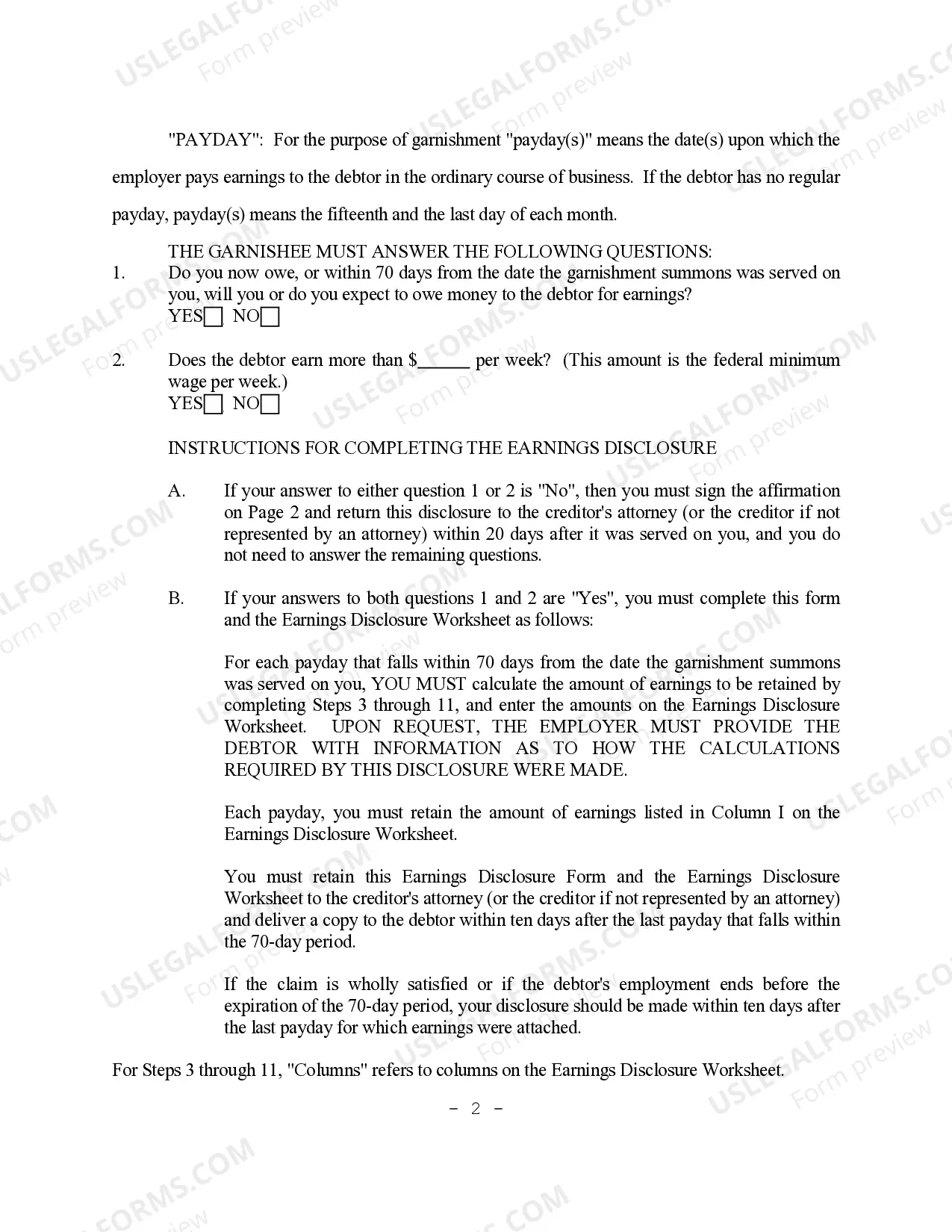
- Questions that the garnishee must answer regarding any debts owed to the debtor.
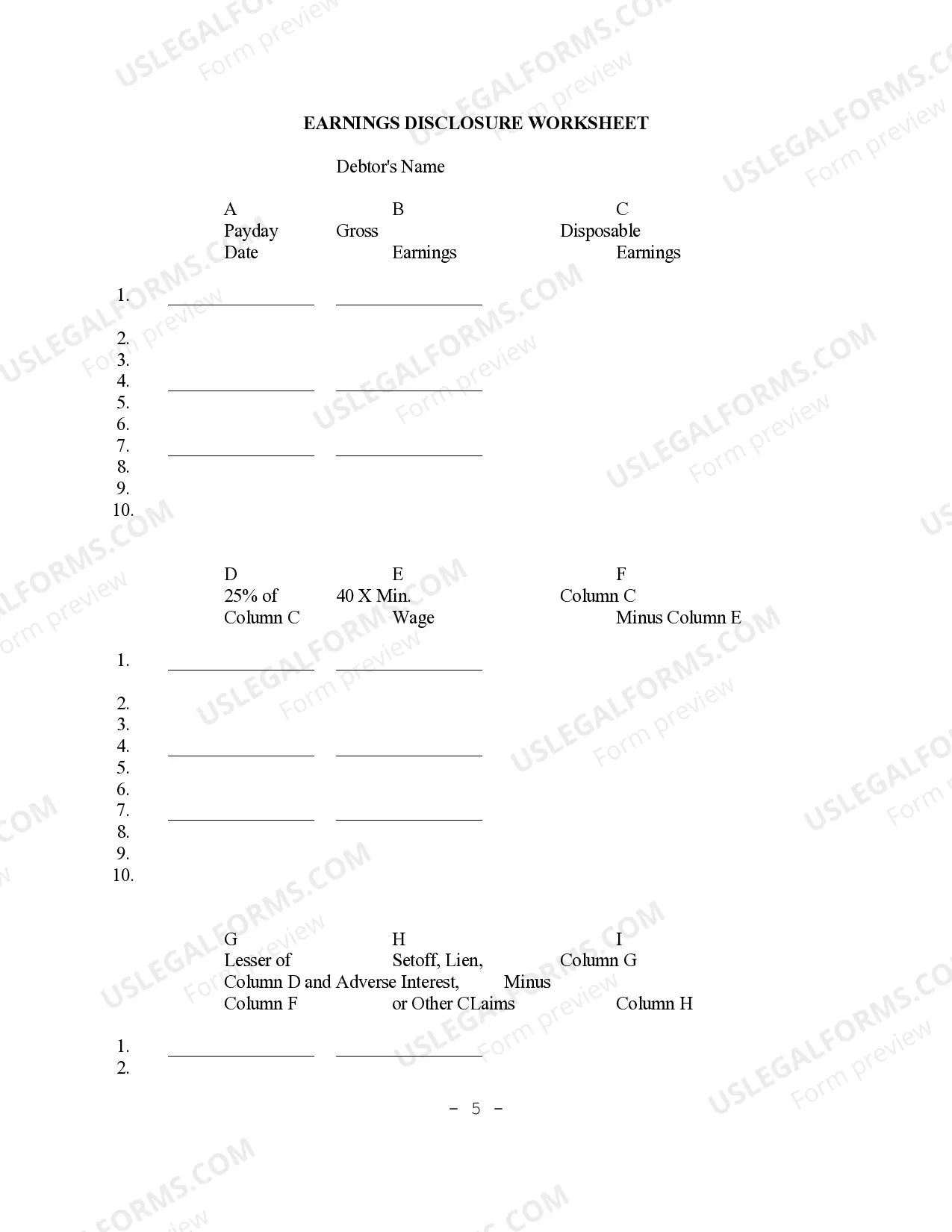
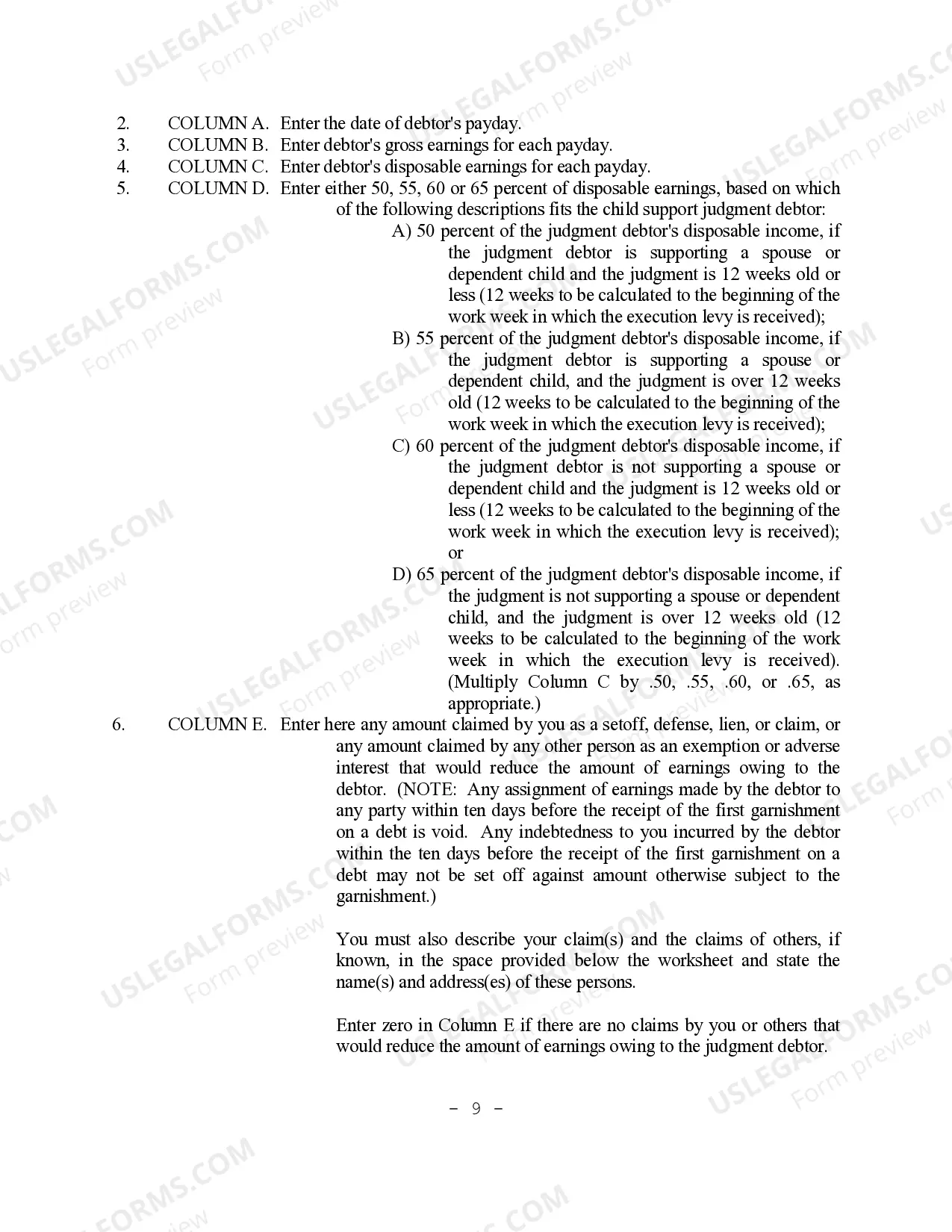
- A detailed worksheet for calculating disposable earnings and amounts to be withheld.
- Instructions on how to submit the completed form and worksheet to the appropriate parties.
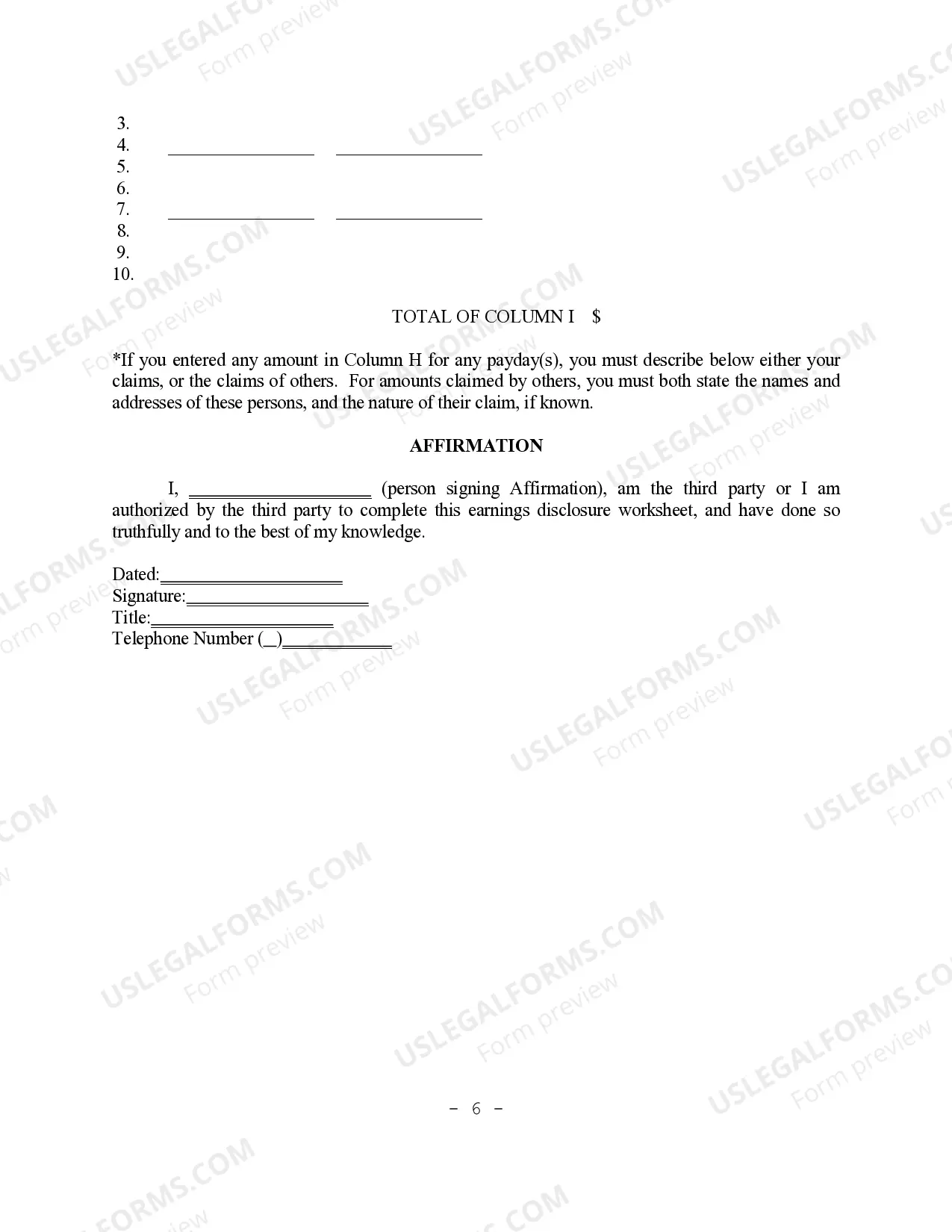
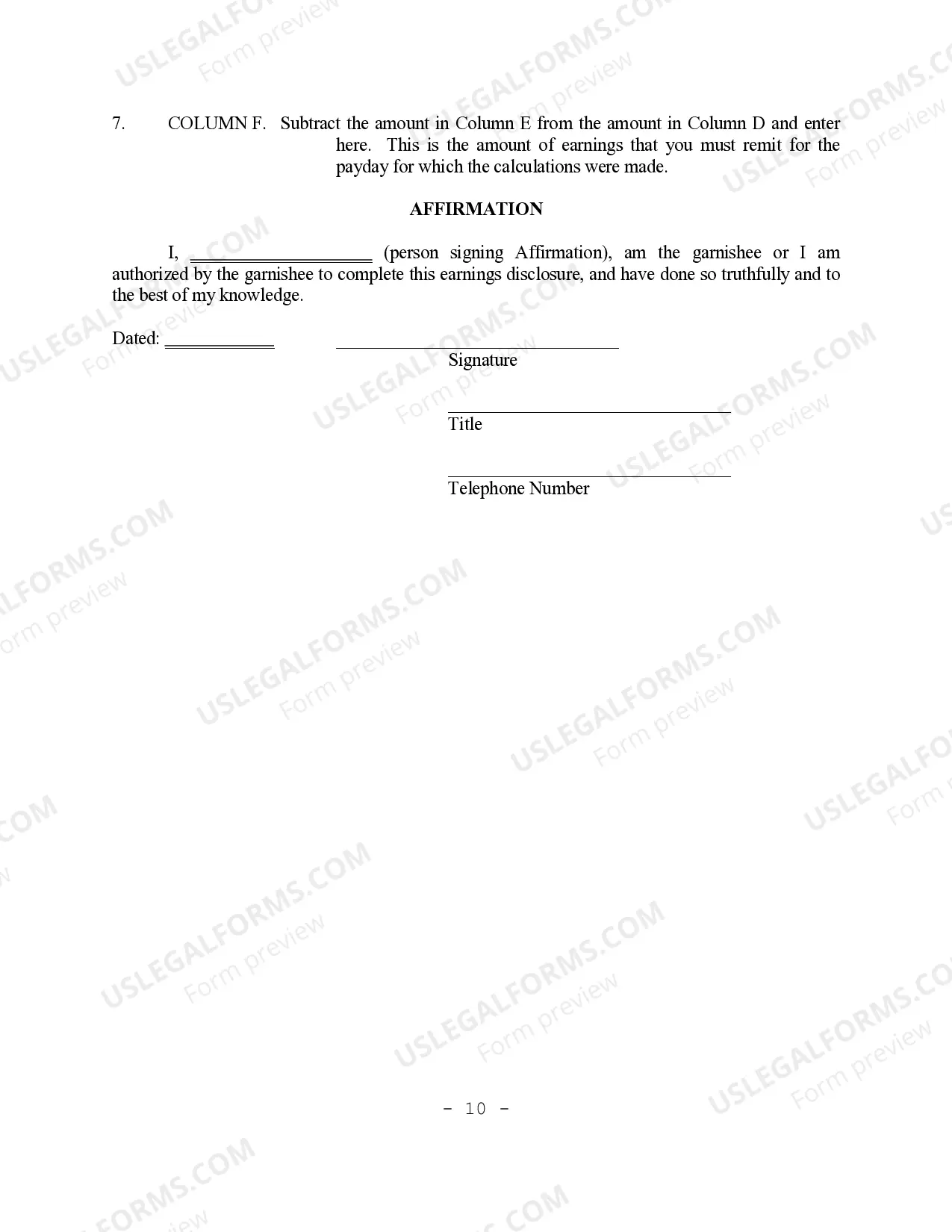
- A section for the garnishee to affirm that the information provided is accurate.


Situations where this form applies
This form is necessary when an employer has received a garnishment summons for an employee's wages. It is required to establish the amount of earnings that can legally be withheld to satisfy a debt. You should use this form whenever you are processing a wage garnishment for an employee to ensure compliance with legal requirements.
Who should use this form
- Employers who receive a garnishment summons regarding an employee's wages.
- Payroll departments responsible for calculating and disbursing employee earnings.
- Individuals dealing with wage garnishments as part of debt collection processes.
How to prepare this document
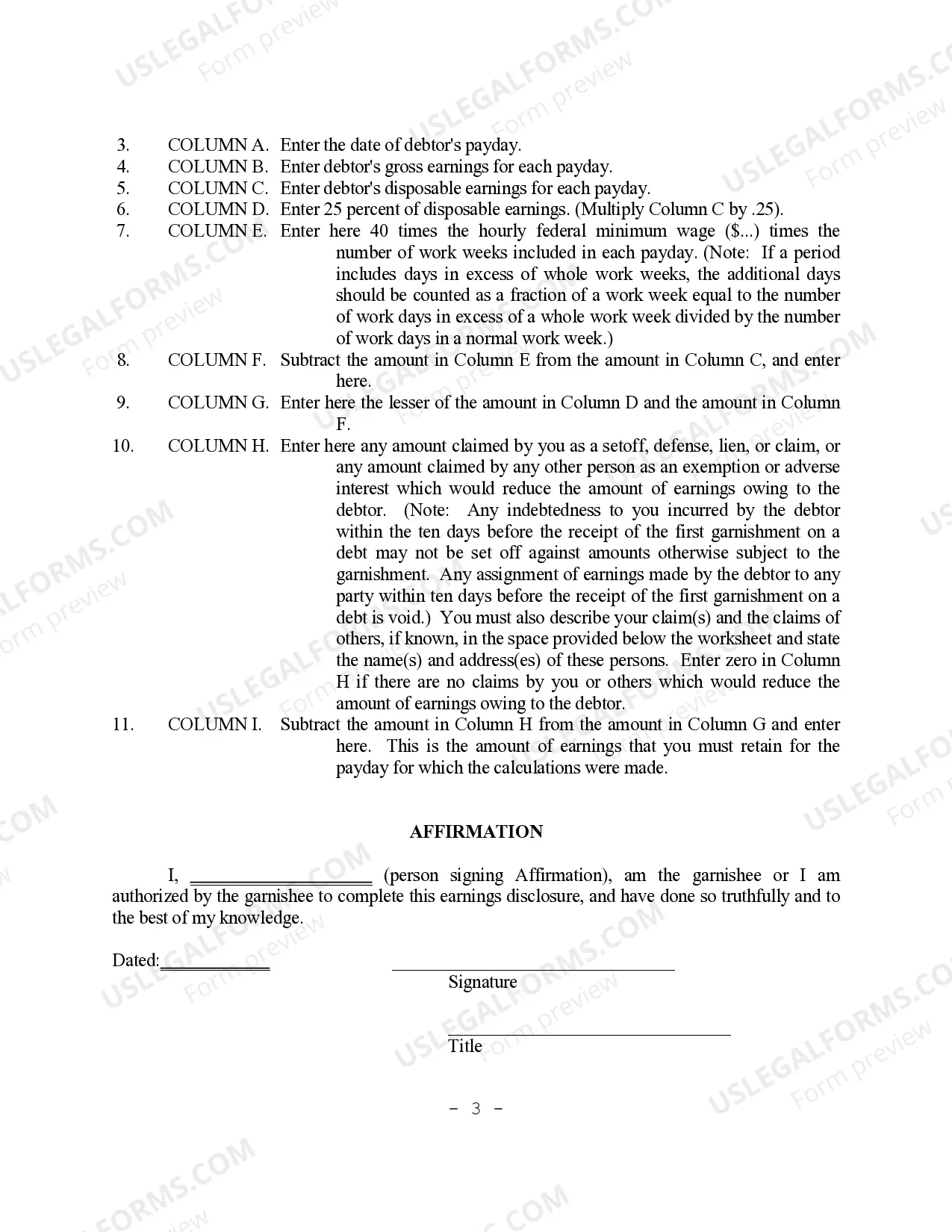
- Identify the debtor and enter their name and payday dates on the earnings disclosure worksheet.
- Calculate the gross earnings and disposable earnings for each payday based on provided definitions.
- Complete the calculations in the earnings disclosure worksheet, entering the specified amounts in each column.
- Submit the completed form along with the worksheet to the creditorâs attorney and deliver a copy to the debtor within the required time frame.
- Sign the affirmation section to verify the accuracy of the disclosed information.
Does this document require notarization?
This form does not typically require notarization unless specified by local law. Ensure you check your jurisdiction's specific requirements to confirm.
Get your form ready online
Our built-in tools help you complete, sign, share, and store your documents in one place.
Make edits, fill in missing information, and update formatting in US Legal Forms—just like you would in MS Word.
Download a copy, print it, send it by email, or mail it via USPS—whatever works best for your next step.
Sign and collect signatures with our SignNow integration. Send to multiple recipients, set reminders, and more. Go Premium to unlock E-Sign.
If this form requires notarization, complete it online through a secure video call—no need to meet a notary in person or wait for an appointment.
We protect your documents and personal data by following strict security and privacy standards.

Make edits, fill in missing information, and update formatting in US Legal Forms—just like you would in MS Word.

Download a copy, print it, send it by email, or mail it via USPS—whatever works best for your next step.

Sign and collect signatures with our SignNow integration. Send to multiple recipients, set reminders, and more. Go Premium to unlock E-Sign.

If this form requires notarization, complete it online through a secure video call—no need to meet a notary in person or wait for an appointment.

We protect your documents and personal data by following strict security and privacy standards.
Avoid these common issues
- Failing to accurately define disposable earnings, which can lead to legal complications.
- Missing deadlines for submitting the completed form and worksheet.
- Not providing copies to the debtor, which is a legal requirement.
- Incorrectly calculating the amounts to be withheld due to misunderstanding the guidelines.
Advantages of online completion
- Convenience of immediate access to legally drafted forms.
- Easy editing capabilities for customization to specific situations.
- Reliable source of information ensuring compliance with current legal standards.
Looking for another form?



Form popularity
FAQ
To garnish someone's wages in Minnesota, you need a court judgment that confirms the amount owed. After securing the judgment, you must complete the appropriate garnishment forms as outlined in the Minnesota Garnishment Earnings Disclosure Instructions. Additionally, you should provide the employer with the garnishment order, which includes details about the debtor's earnings and the amount to be withheld. US Legal Forms offers resources to help you gather the required documentation efficiently.
To garnish wages in Minnesota, you must follow the procedures set forth in the Minnesota Garnishment Earnings Disclosure Instructions. Start by obtaining a court judgment against the debtor. Once you have the judgment, you can issue a garnishment order to the debtor's employer, who must then withhold a portion of the debtor's wages until the debt is satisfied. Using a platform like US Legal Forms can simplify this process, providing necessary templates and guidance.
In Minnesota, the order for disclosure follows specific steps outlined in the Minnesota Garnishment Earnings Disclosure Instructions. First, the creditor must provide a written request for garnishment to the employer. Next, the employer must disclose the employee's earnings and any exemptions that apply. This process ensures transparency and compliance with state regulations.
To calculate disposable earnings for garnishment, first determine your total earnings. From this amount, subtract mandatory deductions such as federal and state taxes, Social Security, and health insurance. The remaining amount is your disposable earnings, which is subject to garnishment. For comprehensive guidance, refer to the Minnesota Garnishment Earnings Disclosure Instructions provided by US Legal Forms.
The garnishment rules in Minnesota are designed to protect debtors while allowing creditors to collect. Creditors must file a court action and obtain a judgment before garnishment can begin. The Minnesota Garnishment Earnings Disclosure Instructions outline the steps involved, including the notice requirement and exemptions that may apply to your earnings. Utilizing a platform like USLegalForms can simplify the process and ensure you have the right forms and information to proceed correctly.
In Minnesota, the maximum amount that can be garnished from your paycheck is 25% of your disposable earnings or the amount by which your disposable earnings exceed 40 times the federal minimum wage, whichever is less. This ensures that you retain some income for your living expenses. To navigate these rules smoothly, Minnesota Garnishment Earnings Disclosure Instructions can provide clarity on your specific situation. Always check with a legal expert to understand how these rules apply to you.
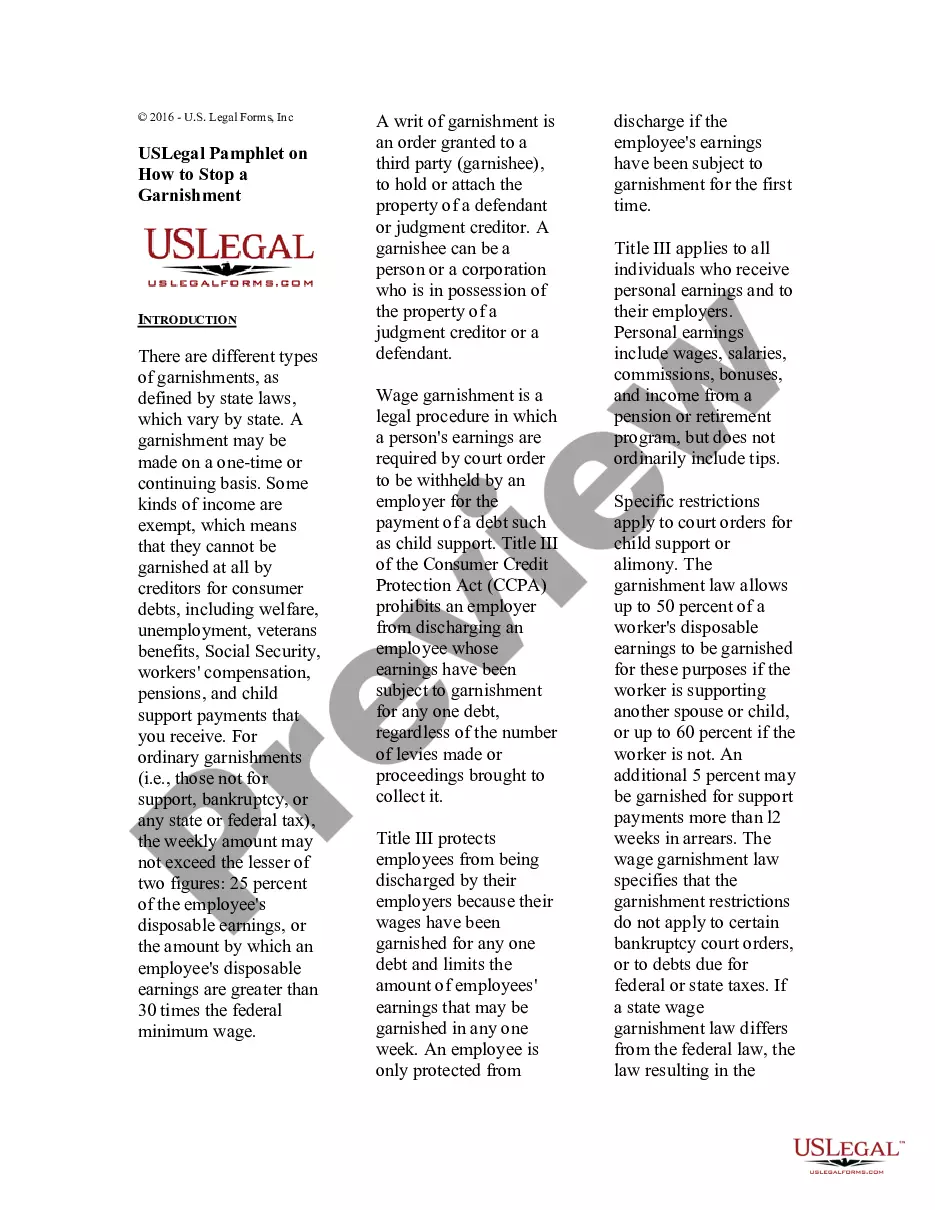
2)What Happens When the Wage Garnishment is Paid? The wage garnishment continues until the debt is paid in full. Once the debt is paid, the creditor should notify the employer to stop deductions for the debt. It is difficult to stop a wage garnishment after it begins.
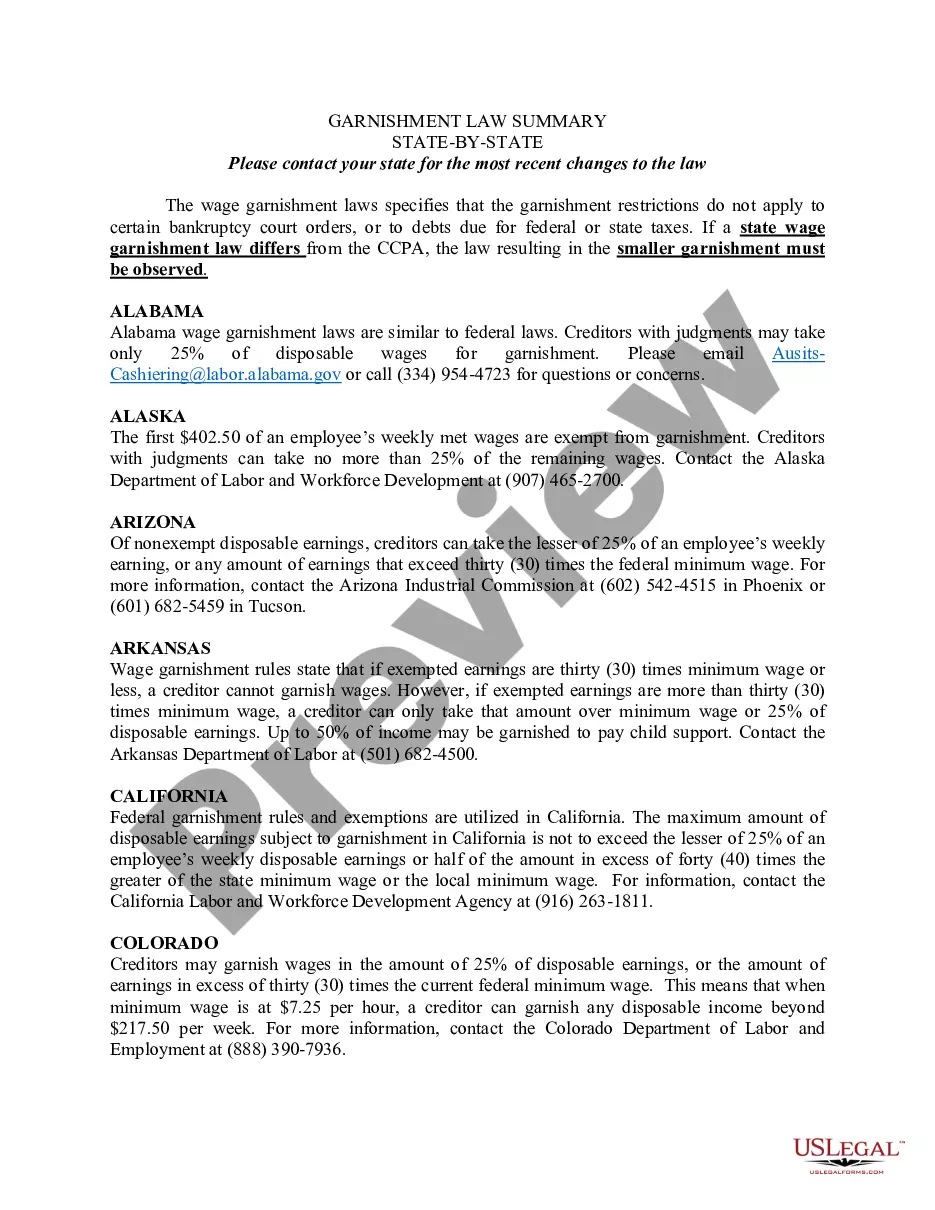
In Minnesota, the most that can be garnished from your wages is the lesser of: 25% of your disposable earnings, or. the amount by which your weekly disposable earnings exceed the greater of 40 times the federal or state hourly minimum wage.
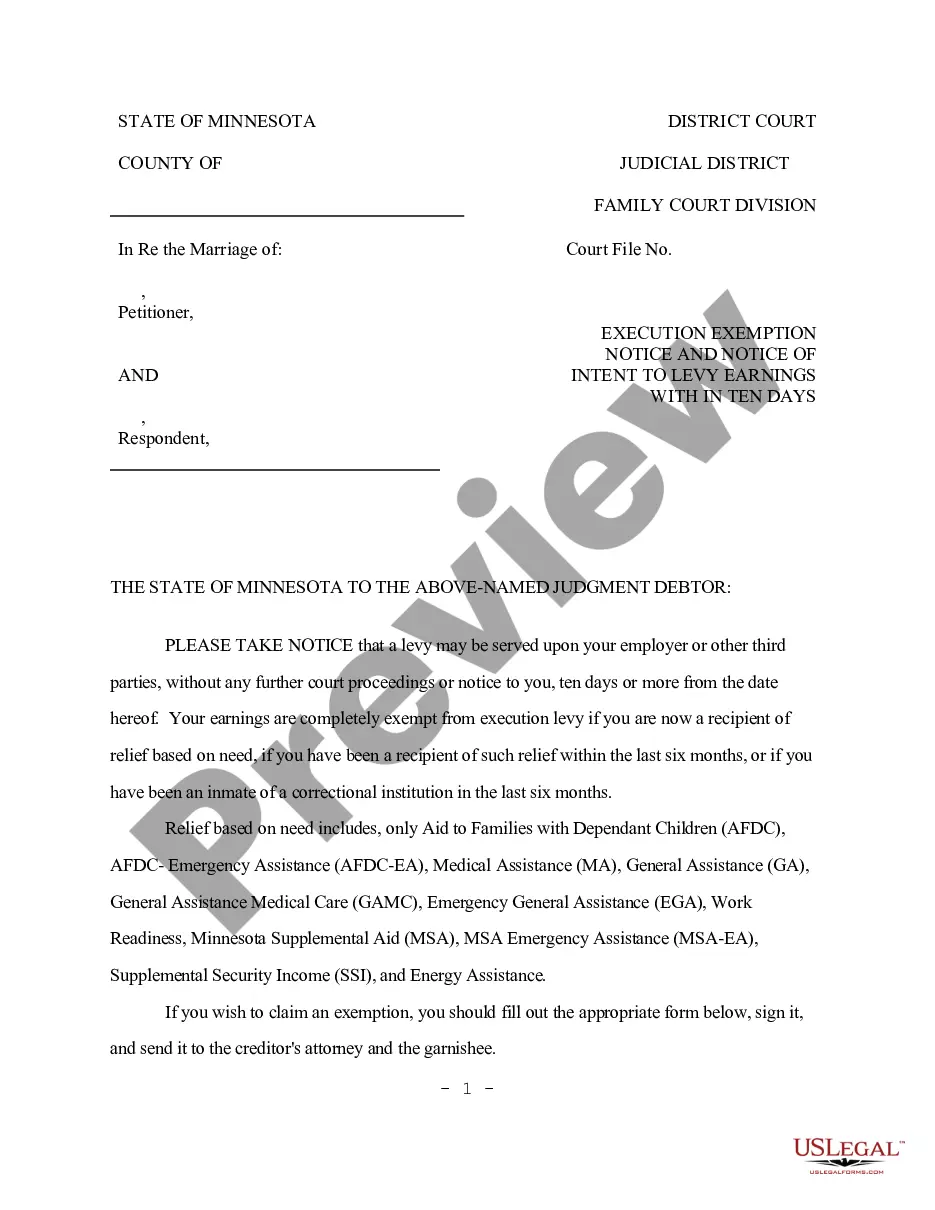
Step 1: Serve Notice of Garnishment. You must serve the debtor with a Garnishment Exemption Notice and Notice of Intent to Garnish Earnings Within 10 Days upon the debtor at least 10 days before attempting to garnish wages. Step 2: Garnishment Summons and Disclosure Form. Step 3: More Notice of Garnishment to the Debtor.
Once a garnishment is approved in court, the creditor will notify you before contacting your bank to begin the actual garnishment. However, the bank itself has no legal obligation to inform you when money is withdrawn due to an account garnishment.