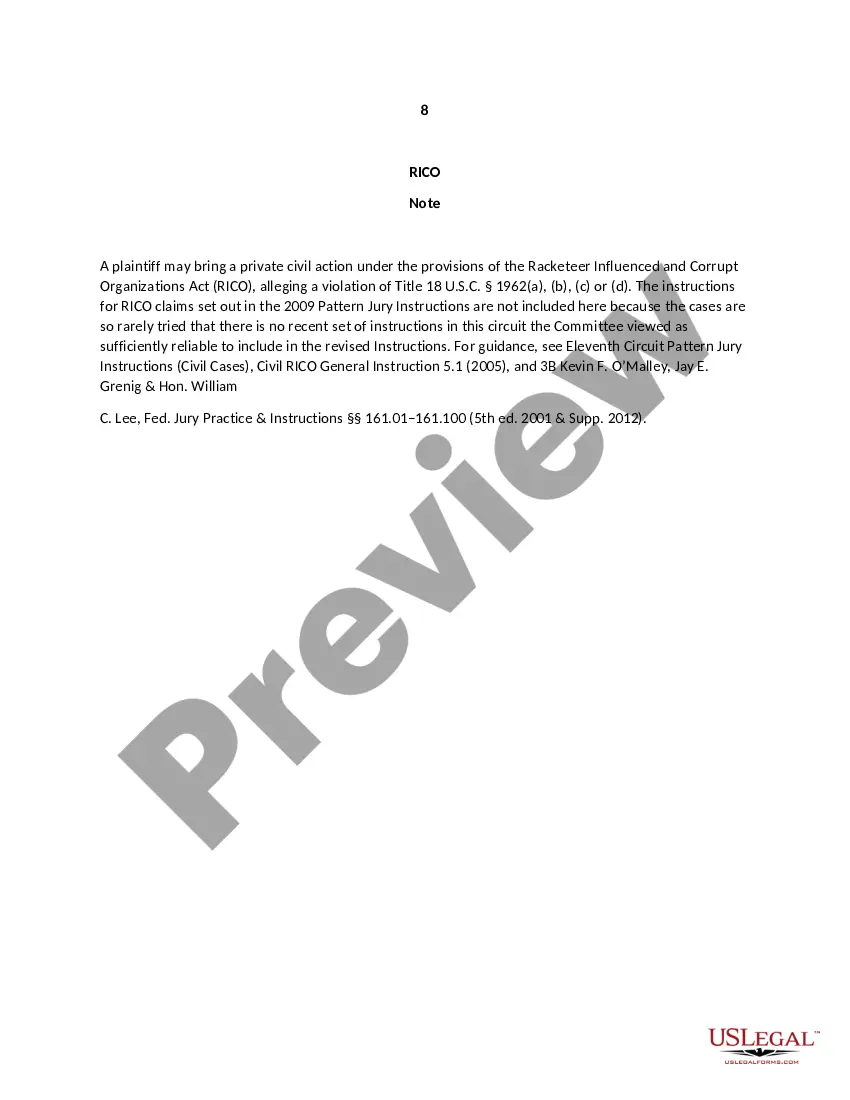
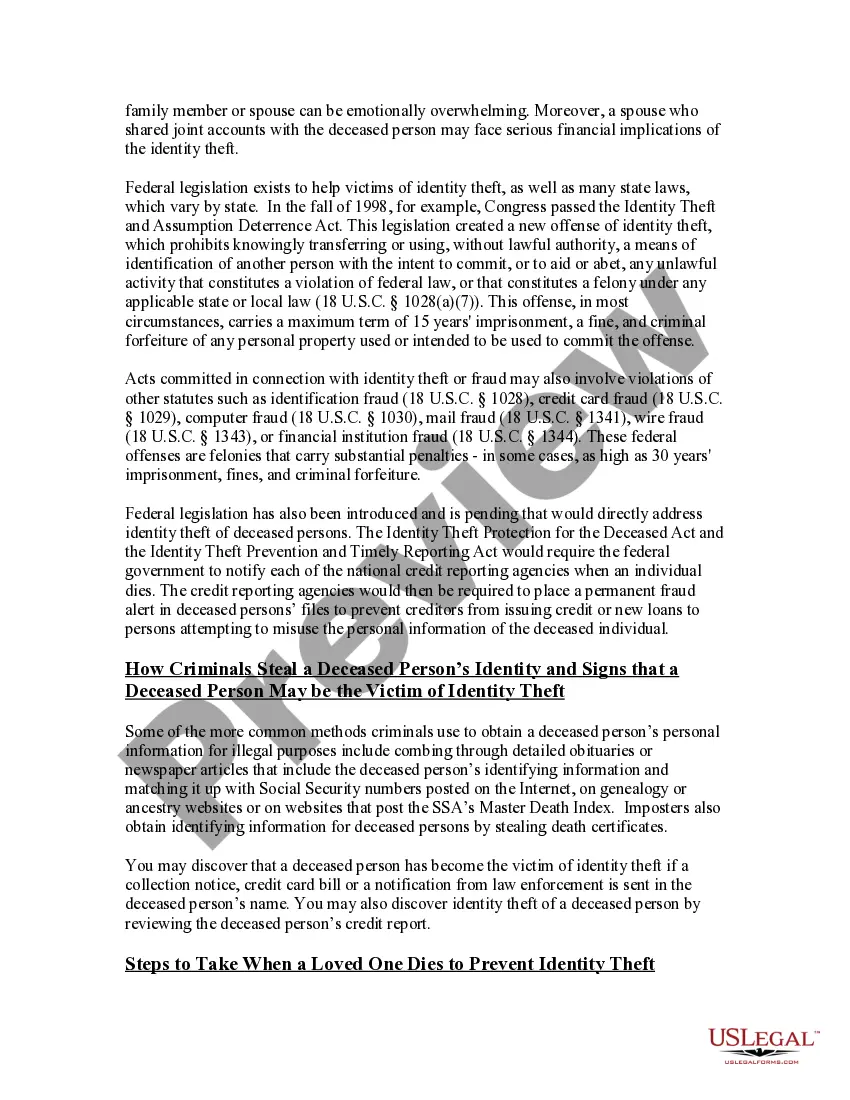
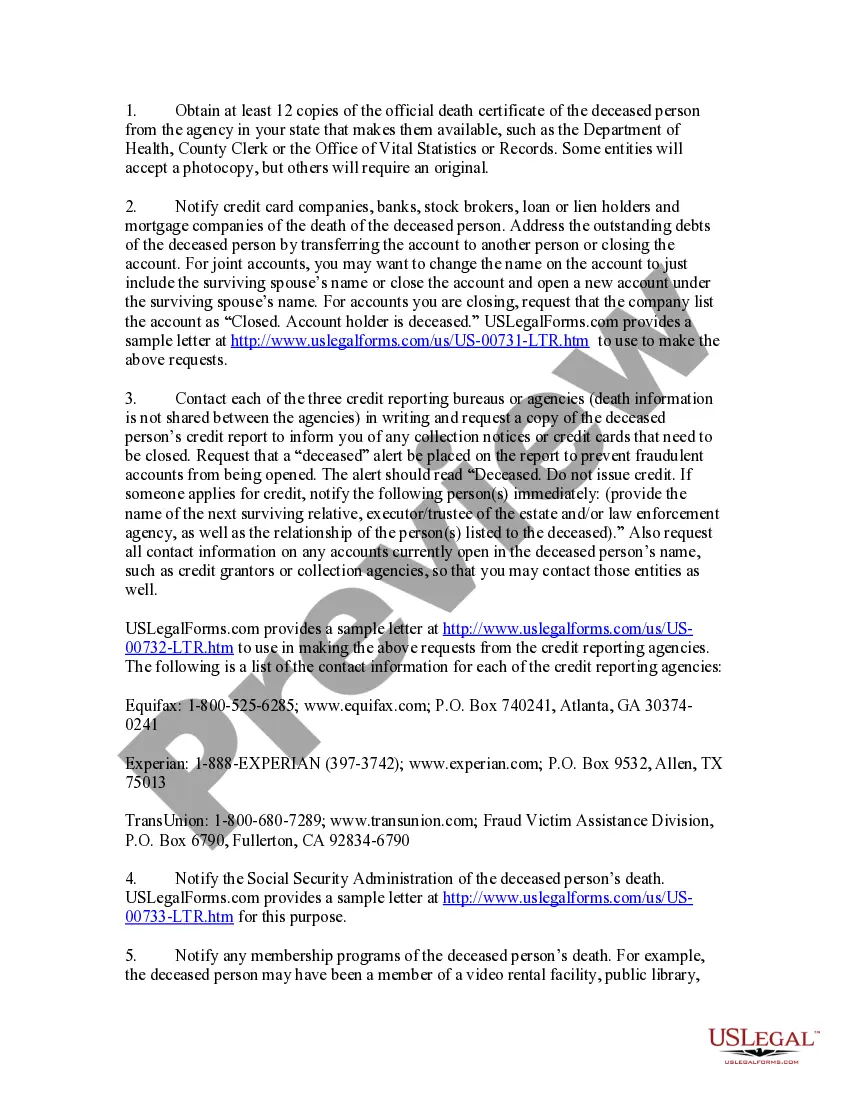
Michigan Guide for Protecting Deceased Persons from Identity Theft
Description
Get your form ready online
Our built-in tools help you complete, sign, share, and store your documents in one place.
Make edits, fill in missing information, and update formatting in US Legal Forms—just like you would in MS Word.
Download a copy, print it, send it by email, or mail it via USPS—whatever works best for your next step.
Sign and collect signatures with our SignNow integration. Send to multiple recipients, set reminders, and more. Go Premium to unlock E-Sign.
If this form requires notarization, complete it online through a secure video call—no need to meet a notary in person or wait for an appointment.
We protect your documents and personal data by following strict security and privacy standards.

Make edits, fill in missing information, and update formatting in US Legal Forms—just like you would in MS Word.

Download a copy, print it, send it by email, or mail it via USPS—whatever works best for your next step.

Sign and collect signatures with our SignNow integration. Send to multiple recipients, set reminders, and more. Go Premium to unlock E-Sign.

If this form requires notarization, complete it online through a secure video call—no need to meet a notary in person or wait for an appointment.

We protect your documents and personal data by following strict security and privacy standards.
Looking for another form?


How to fill out Guide For Protecting Deceased Persons From Identity Theft?
Selecting the appropriate legal document format can be a challenge. Clearly, there are numerous templates accessible online, but how will you locate the legal form you need? Utilize the US Legal Forms website. The service offers thousands of templates, including the Michigan Guide for Safeguarding Deceased Individuals from Identity Theft, which can be utilized for business and personal purposes. All of the forms are reviewed by professionals and adhere to federal and state regulations.
If you are currently registered, Log In to your account and click the Download button to obtain the Michigan Guide for Safeguarding Deceased Individuals from Identity Theft. Use your account to review the legal forms you may have purchased in the past. Navigate to the My documents section of your account and get an additional copy of the document you need.
If you are a new user of US Legal Forms, here are straightforward instructions for you to follow: First, ensure you have selected the correct form for your local area. You can preview the form using the Review button and examine the form details to confirm it is indeed the right one for you. If the form does not meet your needs, utilize the Search field to find the appropriate form. Once you are certain that the form is suitable, click the Buy now button to acquire the form. Choose the pricing plan you prefer and input the required information. Create your account and complete your purchase using your PayPal account or credit card. Select the document format and download the legal document format to your device. Complete, edit, print, and sign the purchased Michigan Guide for Safeguarding Deceased Individuals from Identity Theft.
Make the most of the US Legal Forms service to ensure you have the right legal documents tailored to your needs.
- US Legal Forms is the largest collection of legal forms where you can find a variety of document templates.
- Take advantage of the service to download properly-designed files that comply with state regulations.
- The templates available can address both personal and business needs.
- Each form is scrutinized by experts to ensure compliance.
- Online access allows you to manage your purchased documents easily.
- Instructions are provided for new users to navigate the platform.
Form popularity
FAQ
A defendant's sentence depends on the circumstances of the case, but penalties for identity theft include the following: First offense: Up to five years in prison and a $25,000 fine, or both; Second offense: Up to ten years in prison and a $50,000 fine, or both; and.
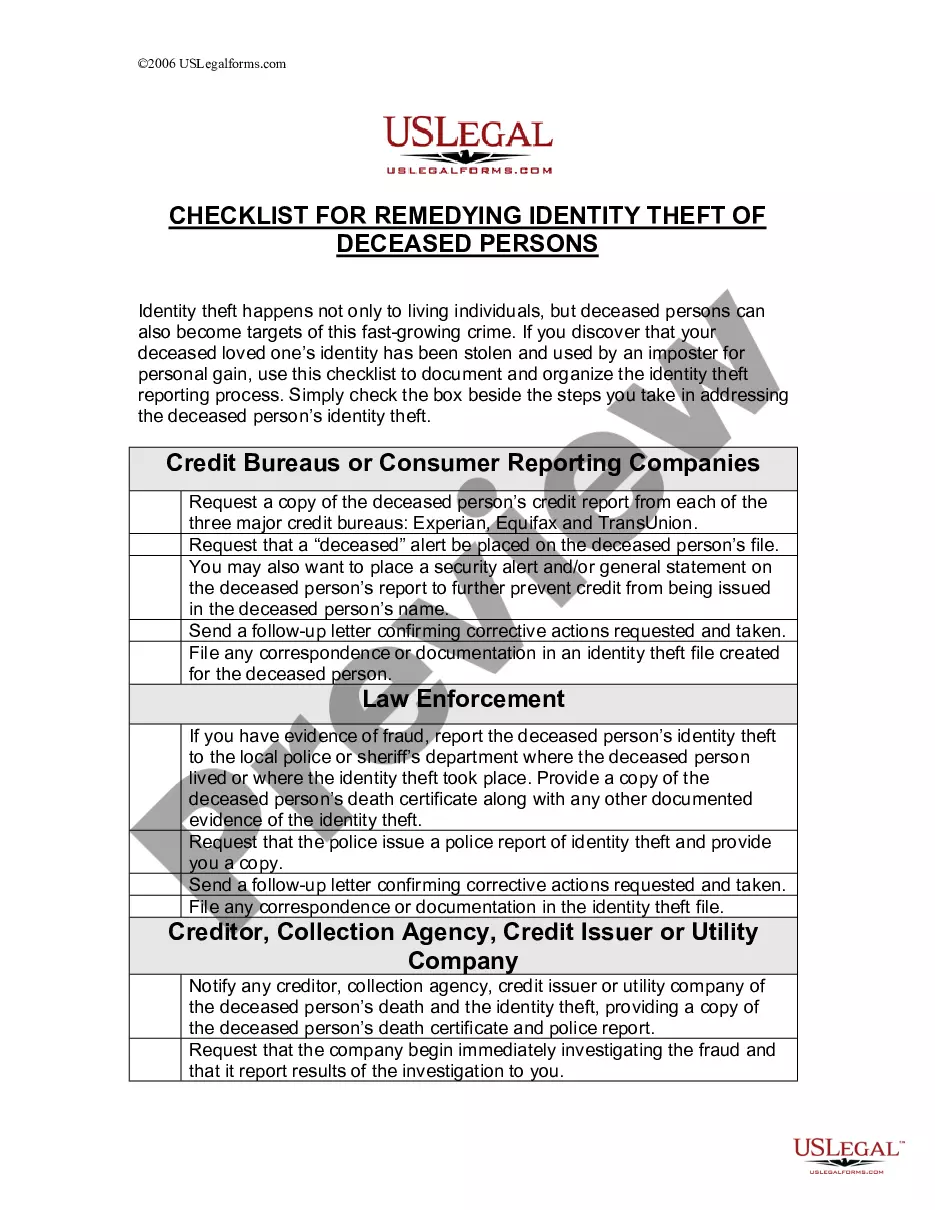
Contact banks, credit unions, credit card companies, and other financial institutions that hold accounts in your loved one's name, and notify those companies of your family member's death. This way, the system can flag any attempts to use the deceased person's identity via their financial accounts.
Avoid listing birth date, maiden name, or other personal identifiers in obituaries as they could be useful to ID thieves. Report the death to the Social Security Administration by calling 800-772-1213. Order multiple certified copies of the death certificate with and without cause of death.
Highlights: Identity theft insurance is a type of insurance policy that provides financial protection for victims of identity theft. Coverage varies between insurers, but identity theft insurance generally aims to cover costs associated with the recovery process after you have become a victim of ID theft.
(1) A person shall not do any of the following: (a) With intent to defraud or violate the law, use or attempt to use the personal identifying information of another person to do either of the following: (i) Obtain credit, goods, services, money, property, a vital record, a confidential telephone record, medical records ...
A ?security breach? is defined as the unauthorized access or acquisition of unencrypted or unredacted records or data containing personal information where illegal use of the personal information has occurred or is reasonably likely to occur or that creates a material risk of harm .
11 ways to prevent identity theft Freeze your credit. ... Safeguard your Social Security number. ... Be alert to phishing and spoofing. ... Use strong passwords and add an authentication step. ... Use alerts. ... Watch your mailbox. ... Shred, shred, shred. ... Use a digital wallet.
The Michigan Personal Data Privacy Act, if enacted as Law, will impact businesses by obligating them to do all of the following: Post a compliant privacy notice for consumers. Establish, track, and honor consumers' opt-out and opt-in consent choices. Perform data protection impact assessments.