Michigan Motion for Default Judgment of Filiations and Support
Description

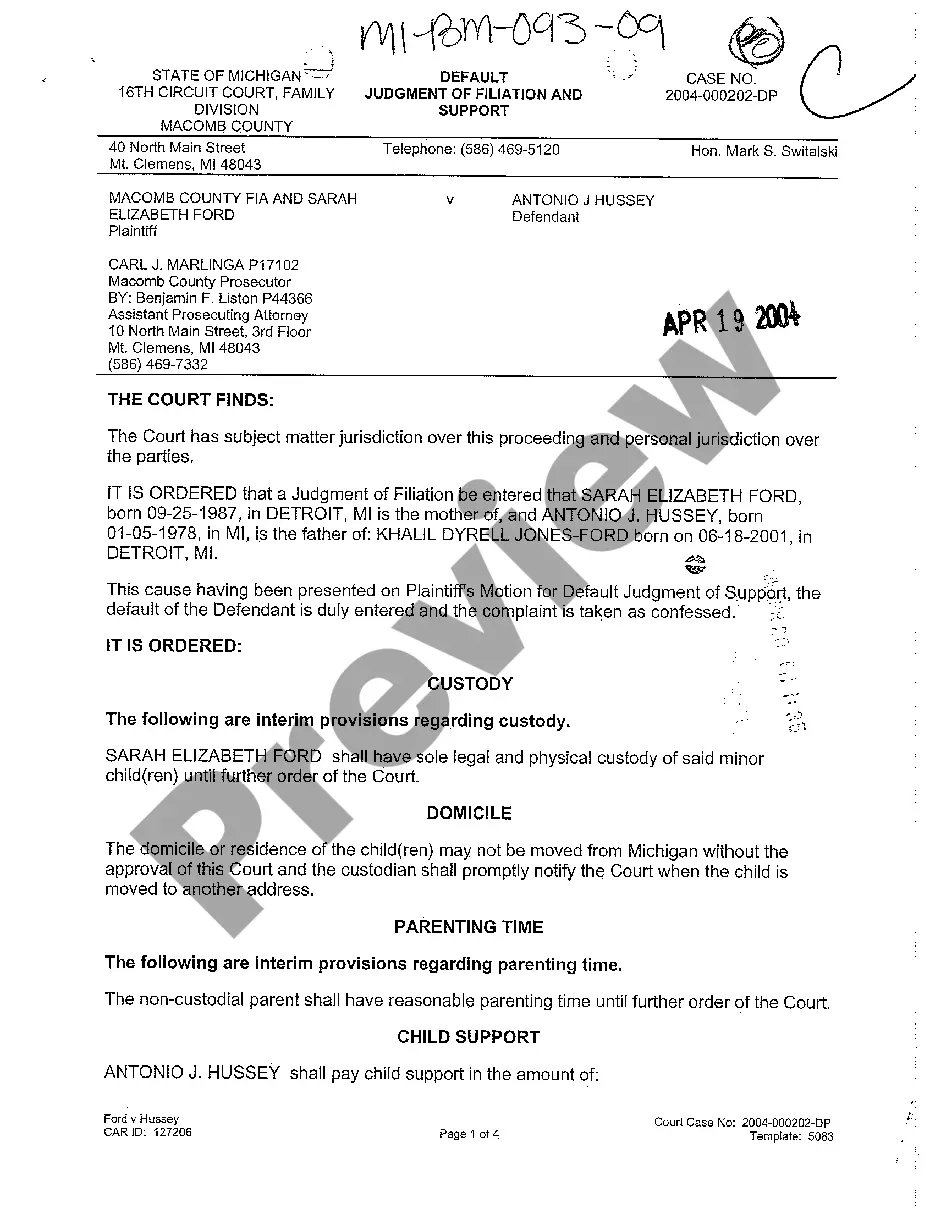
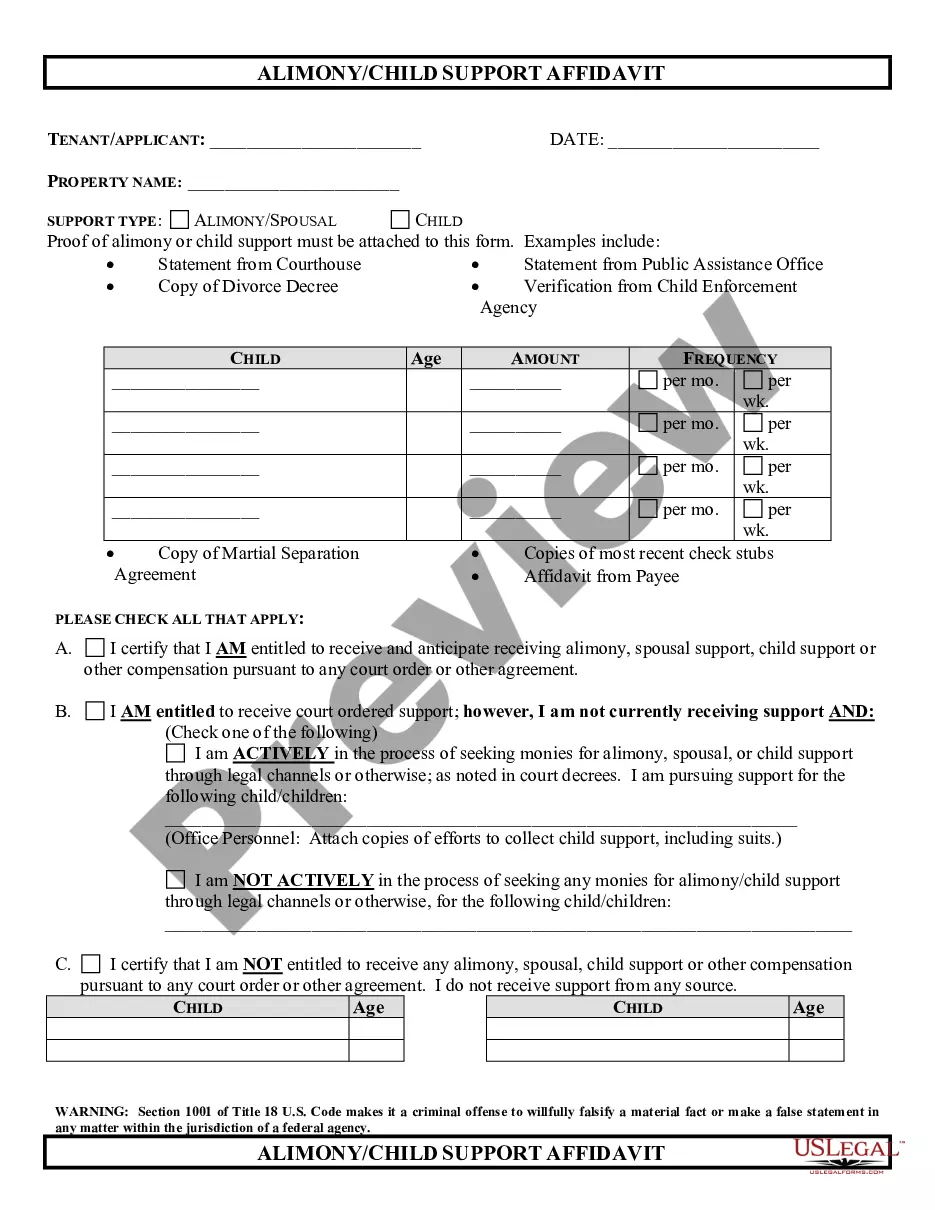
How to fill out Michigan Motion For Default Judgment Of Filiations And Support?
Obtain any template from 85,000 legal documents including Michigan Motion for Default Judgment of Filiations and Support online with US Legal Forms. All templates are crafted and refreshed by state-licensed legal professionals.
If you possess a subscription, Log In. When you arrive at the form’s page, click the Download button and navigate to My documents to retrieve it.
If you haven't subscribed yet, follow the instructions outlined below.
With US Legal Forms, you will consistently have immediate access to the suitable downloadable sample. The platform provides access to documents and organizes them into categories to make your search easier. Utilize US Legal Forms to obtain your Michigan Motion for Default Judgment of Filiations and Support quickly and efficiently.
- Verify the state-specific prerequisites for the Michigan Motion for Default Judgment of Filiations and Support you wish to utilize.
- Examine the description and preview the template.
- Once you are confident the sample meets your requirements, simply click Buy Now.
- Select a subscription plan that genuinely accommodates your budget.
- Establish a personal account.
- Remit payment in one of two suitable methods: by credit card or through PayPal.
- Choose a format to download the document in; two options are available (PDF or Word).
- Download the document to the My documents section.
- Once your reusable template is prepared, print it out or save it to your device.
Form popularity
FAQ
Yes, there are options available after a default judgment is issued. The losing party can file a motion to set aside the default judgment under specific circumstances. Additionally, the winning party can pursue enforcement of the judgment to ensure compliance. By understanding the implications of the Michigan Motion for Default Judgment of Filiations and Support, you can effectively determine the best course of action following a judgment.
Once the court grants a default judgment, the winning party can enforce the judgment through various legal means. This may include wage garnishment, property liens, or other enforcement actions to secure support or fulfill obligations. It’s important to note that the default judgment provides a legal framework, ensuring the losing party complies with the court's order. Being informed about the Michigan Motion for Default Judgment of Filiations and Support can help you navigate these next steps.
A default judgment in Michigan occurs when a court decides in favor of one party due to the other party's lack of response. This can happen in various legal situations, especially in cases involving support and filiations. The judgment holds legal weight, meaning the winning party can pursue enforcement actions. Consequently, understanding the Michigan Motion for Default Judgment of Filiations and Support is vital for anyone navigating this process.
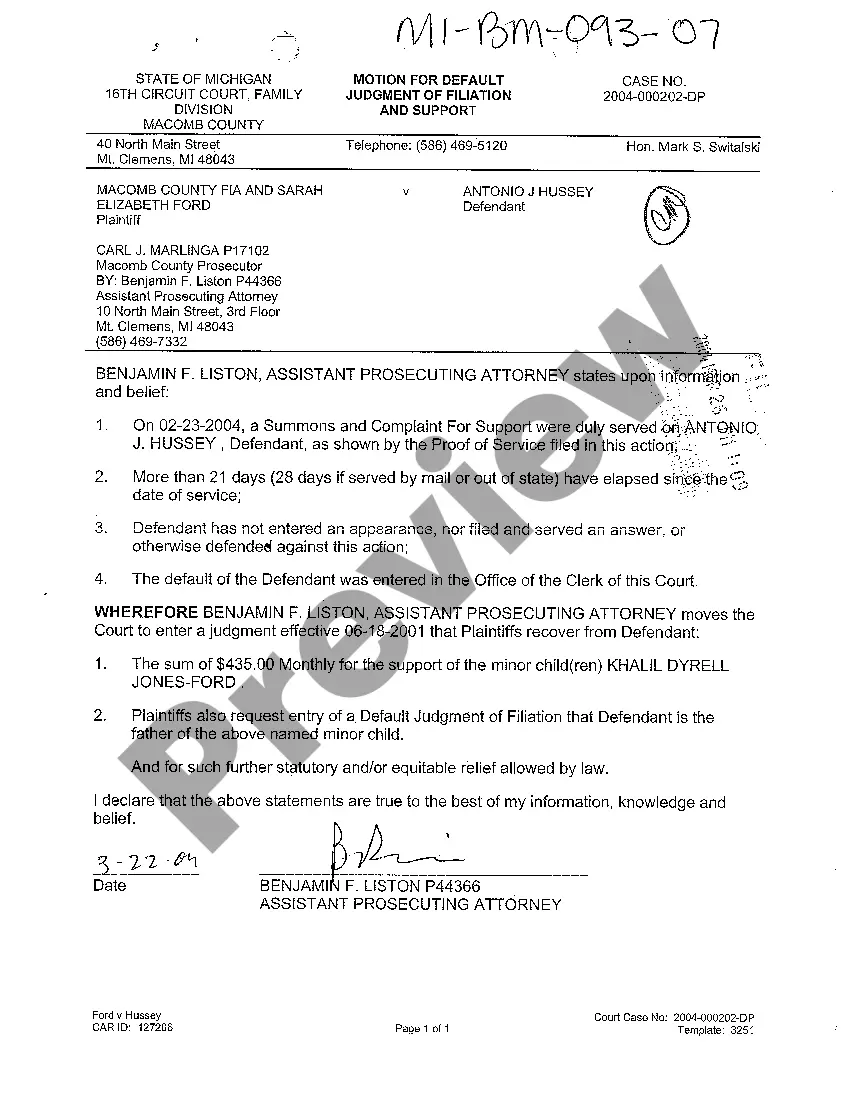
The Michigan Motion for Default Judgment of Filiations and Support allows a party to seek a judgment when the other party fails to respond or appear in court. This motion is essential for progressing cases, particularly in family law. When the court finds sufficient grounds, it can enter a default judgment without further proceedings. Utilizing a streamlined process, you can effectively move your case forward with this motion.
A 6500 motion in Michigan refers to a specific type of motion to modify a support order or dispute an existing one, often relating to the child support or spousal support. This motion allows parties to request changes based on new facts or circumstances. If you are dealing with issues involving the Michigan Motion for Default Judgment of Filiations and Support, understanding a 6500 motion can be beneficial in navigating support modifications and enforcement.
The motion for entry of default judgment in Michigan is a legal action taken after a default has been entered against a non-responding party. This motion asks the court to award a judgment based on the claims made because the other party did not appear or answer. Utilizing the Michigan Motion for Default Judgment of Filiations and Support can help secure the necessary relief you need in support situations.
A motion for entry of default in Michigan is a request to the court indicating that a party has failed to respond within the required timeframe. This is often the first step toward seeking a default judgment. Understanding this process is crucial for those looking to leverage the Michigan Motion for Default Judgment of Filiations and Support effectively.
A motion for default judgment is a formal request to the court for a judgment in favor of one party because the other party failed to respond to the legal complaint. In the context of the Michigan Motion for Default Judgment of Filiations and Support, this means you can obtain a ruling without the other party's participation if they do not contest your case. This process helps expedite legal actions related to support and other family law matters.
Yes, you can file a motion online in Michigan using the state's e-filing system. This system streamlines the process, making it easier to submit documents, including the Michigan Motion for Default Judgment of Filiations and Support. By using this convenient option, you can save time and ensure your documents are submitted correctly.
After a default judgment is issued in Michigan, the court formally recognizes that the other party did not respond to a legal complaint. This result allows the person who filed the motion to proceed with enforcing the judgment, which may include actions like garnishing wages or seizing property. The judgment serves as a legal basis for seeking support, such as child support, linked to the Michigan Motion for Default Judgment of Filiations and Support.