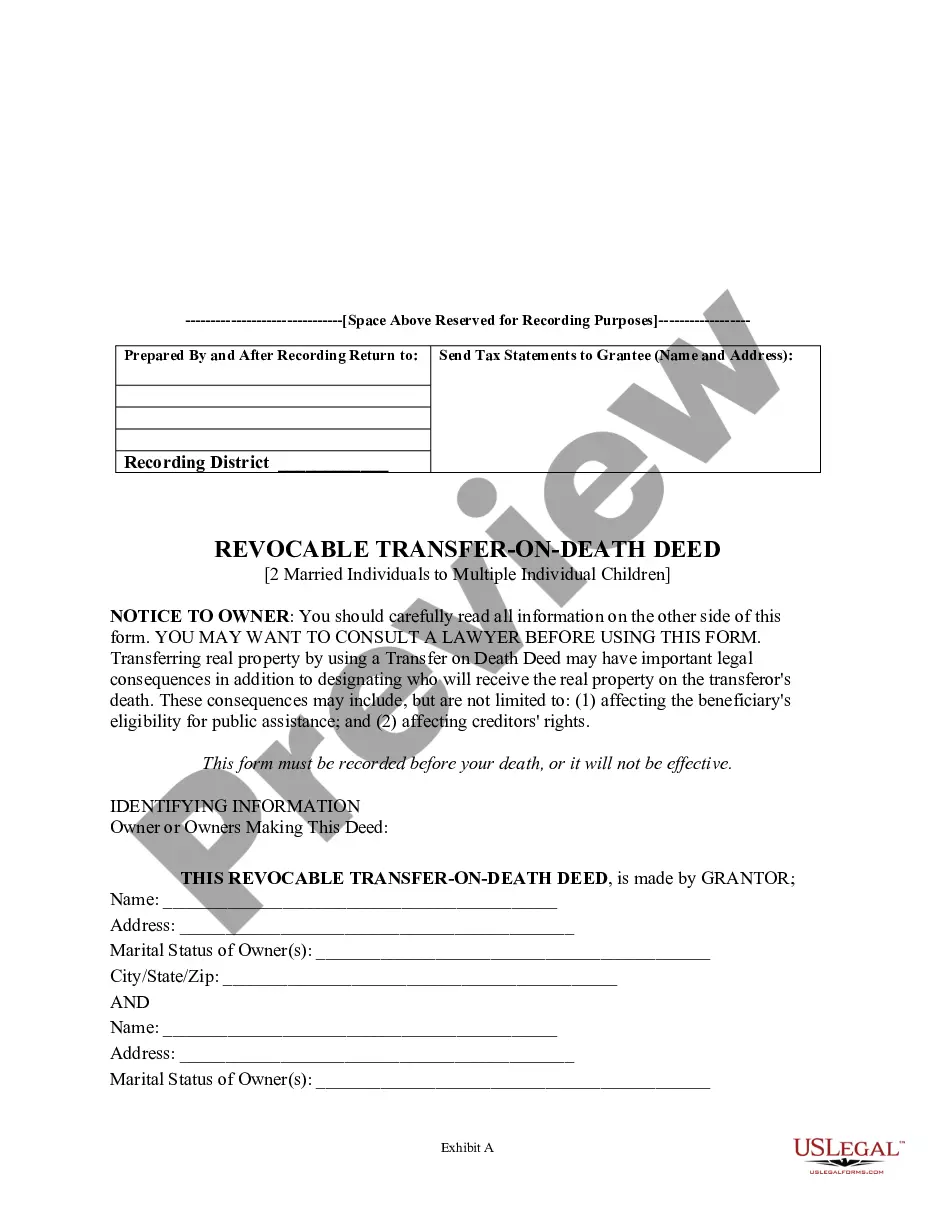
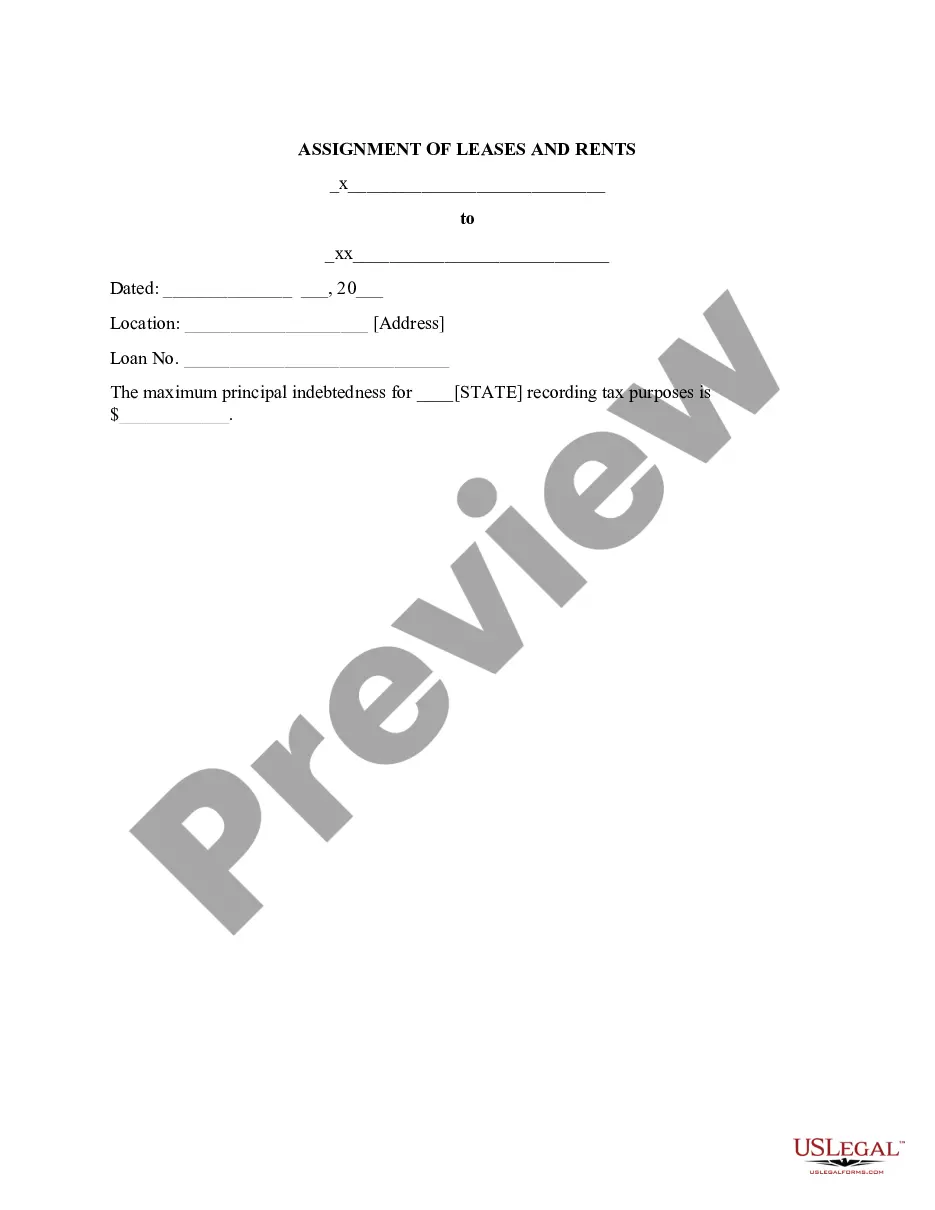
Alaska Assignment of Lease and Rent from Borrower to Lender
What is this form?
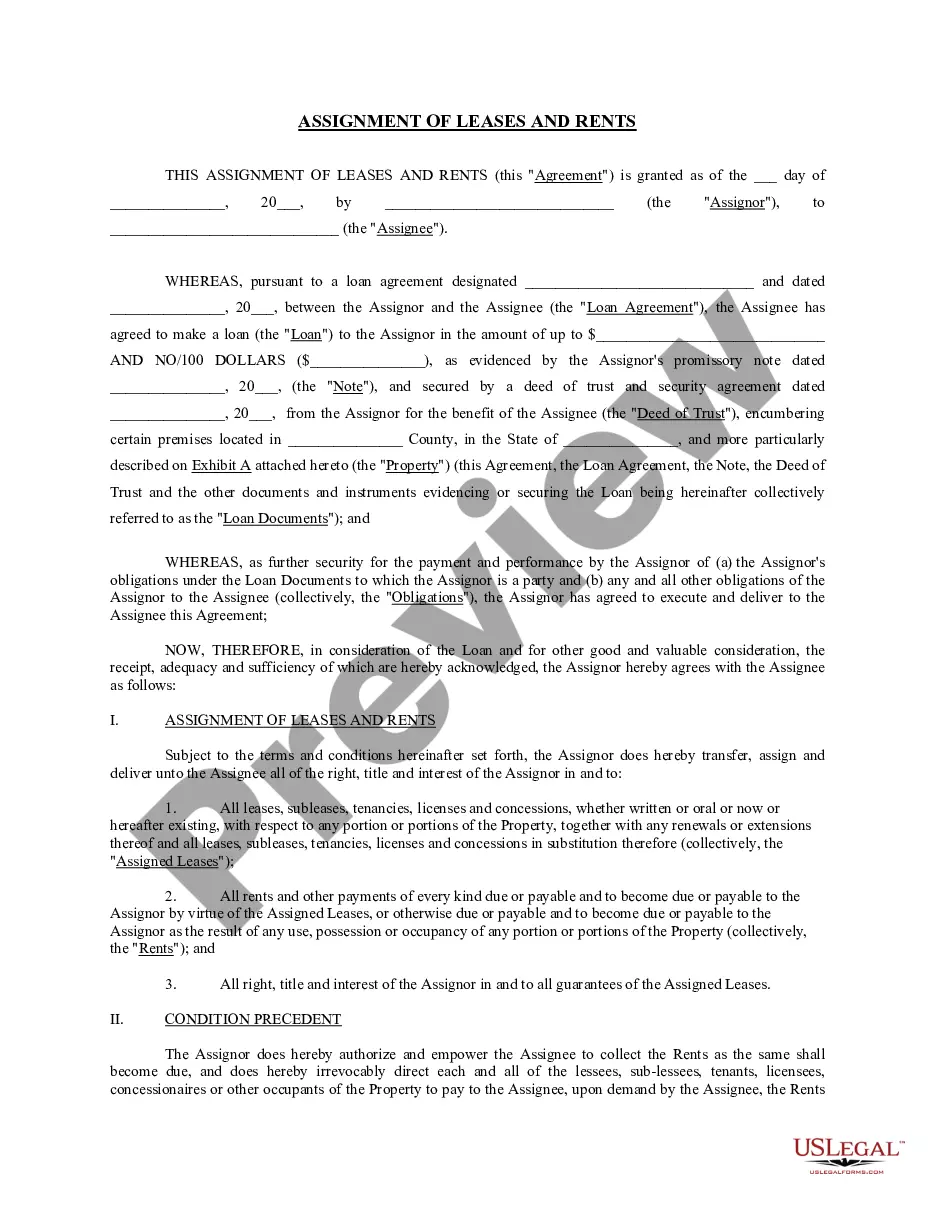
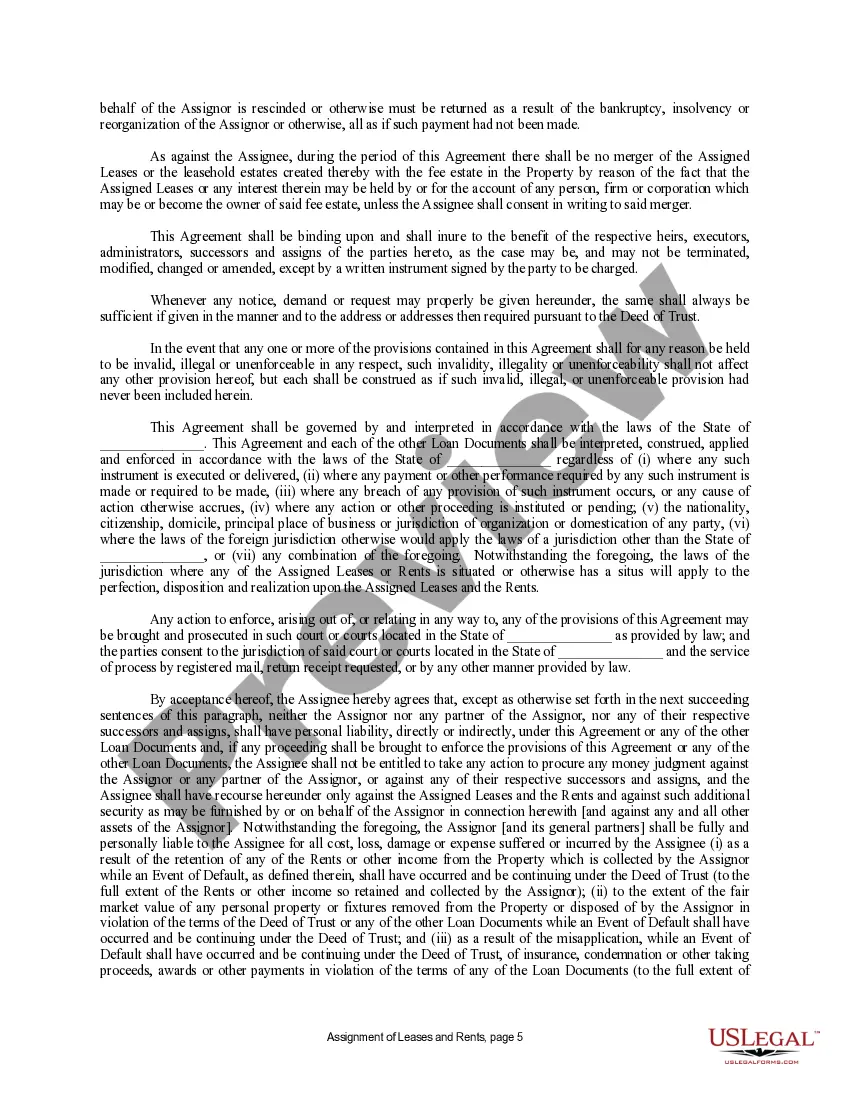
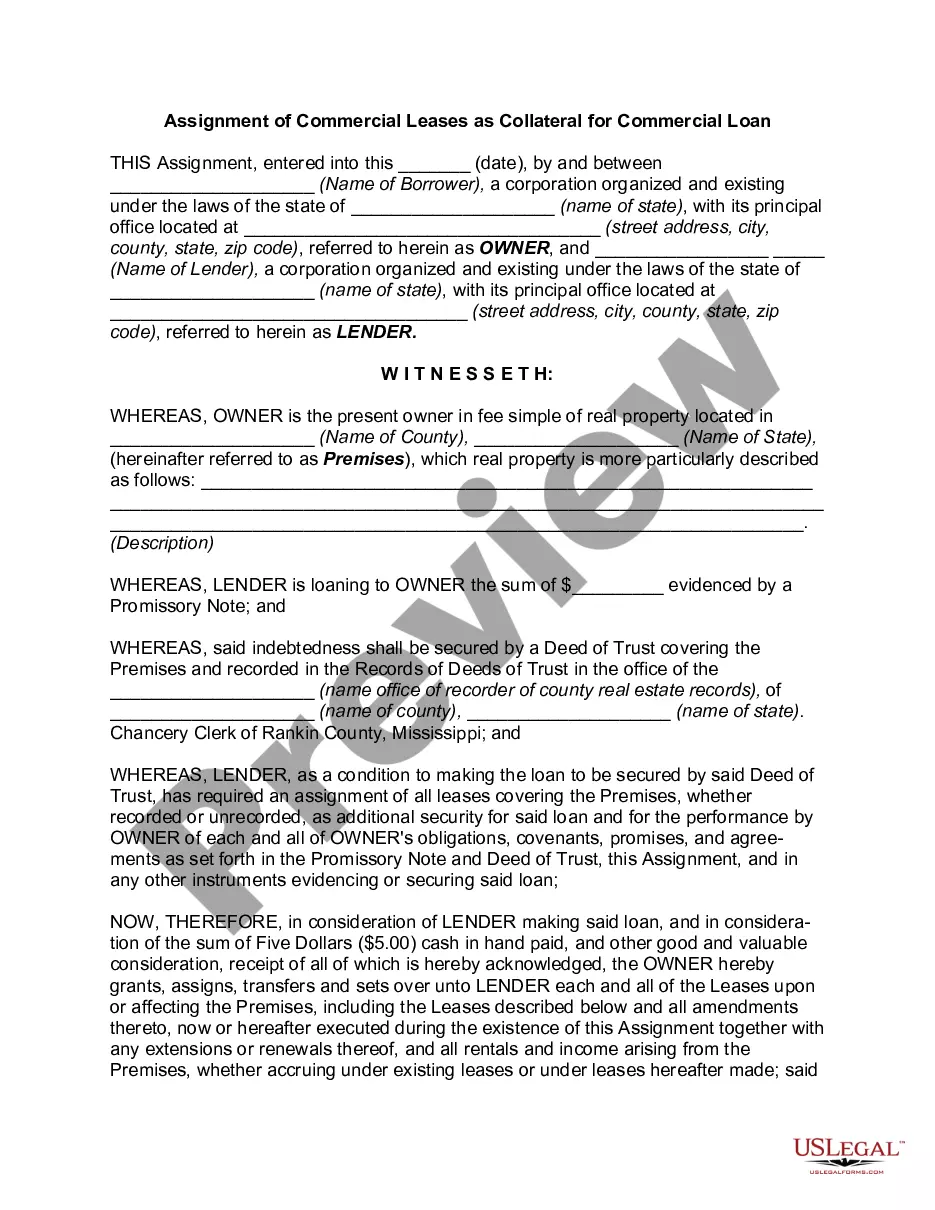
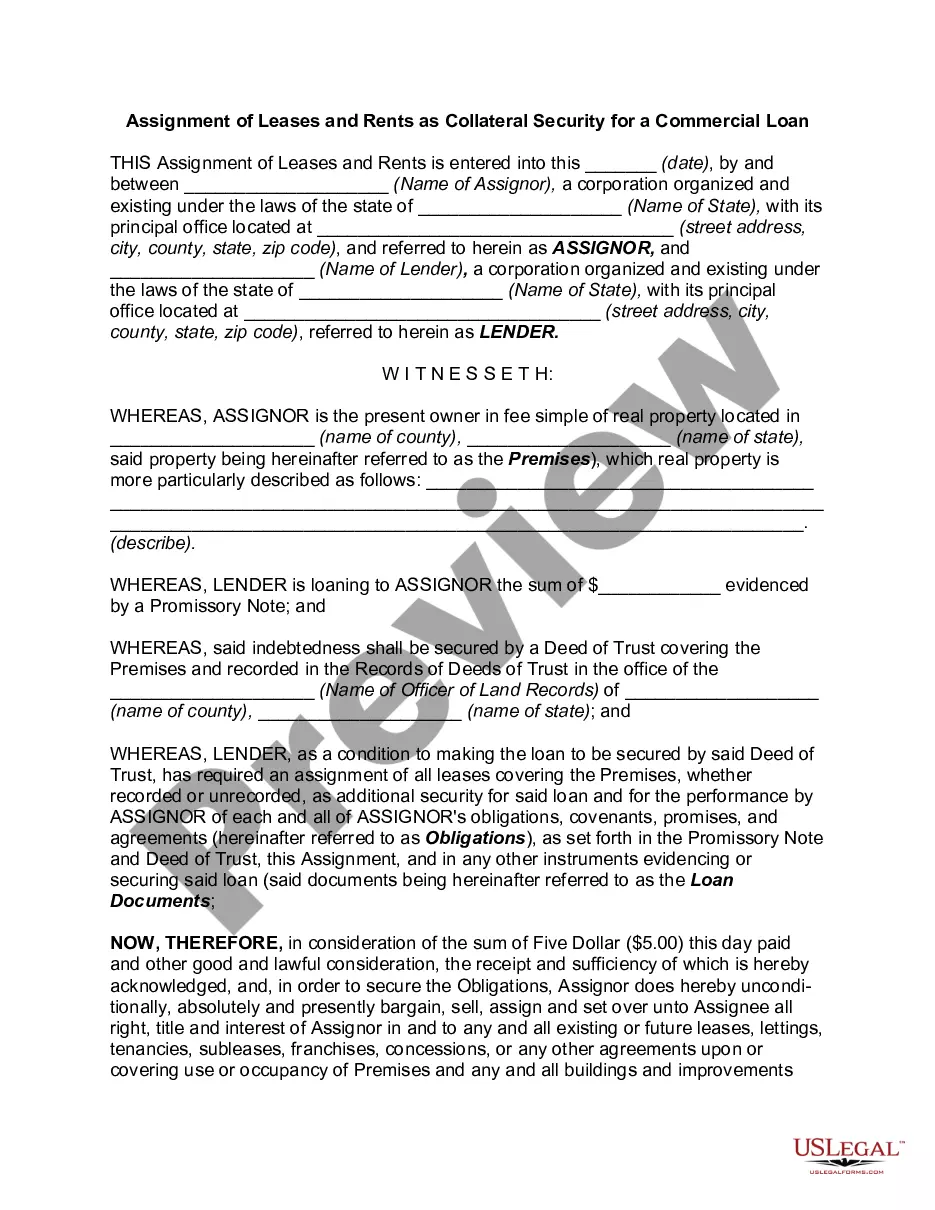
The Assignment of Lease and Rent from Borrower to Lender is a legal document that facilitates the transfer of leases and rental income from a borrower (the Assignor) to a lender (the Assignee) as security for a loan. This agreement is essential in situations where the borrower needs to provide additional assurance to the lender regarding the repayment of the loan. Unlike a traditional loan agreement, which primarily focuses on the repayment terms, this assignment specifically addresses the rights associated with collecting rent and leases related to a specified property.
Key parts of this document
- Parties Involved: Identifies the Assignor (borrower) and Assignee (lender) along with their roles.
- Loan Details: Describes the loan amount, loan agreement, and associated promissory note.
- Assignment of Rights: Transfers rights to collect rents and manage leases regarding a designated property.
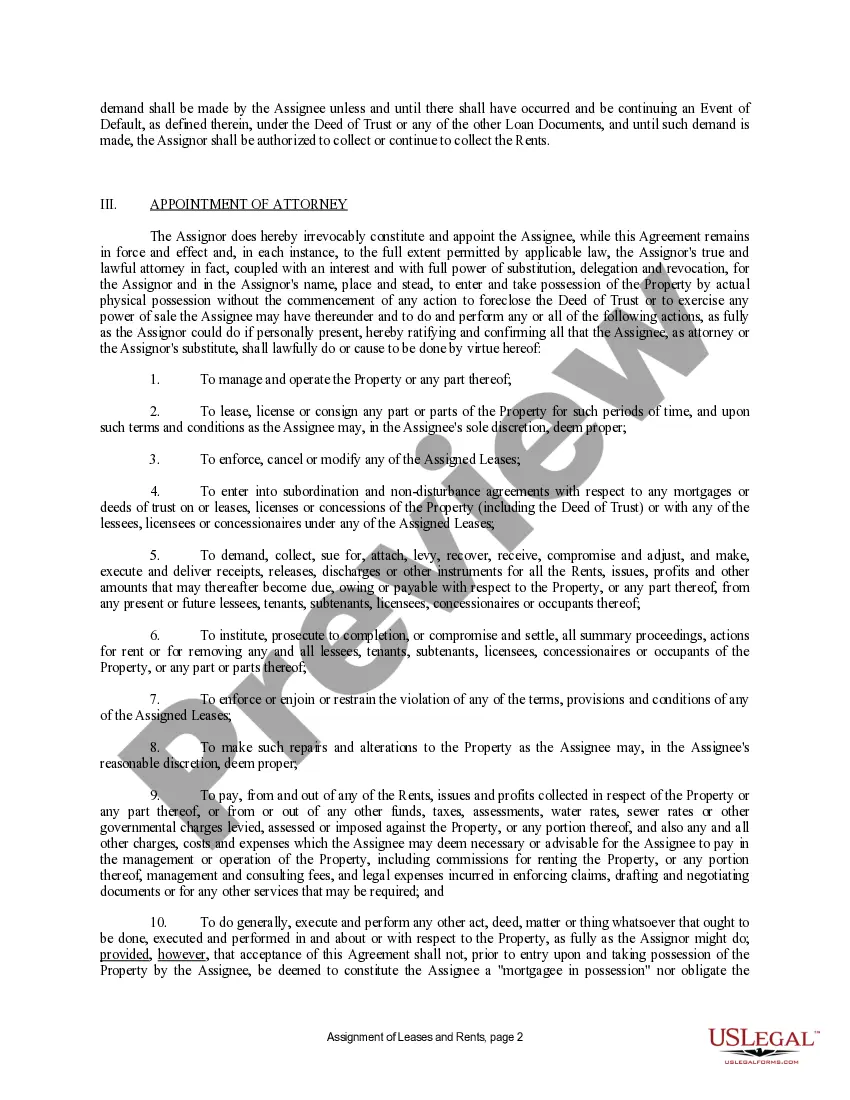
- Legal Authority: Grants the Assignee the power to take possession of the property under certain conditions.
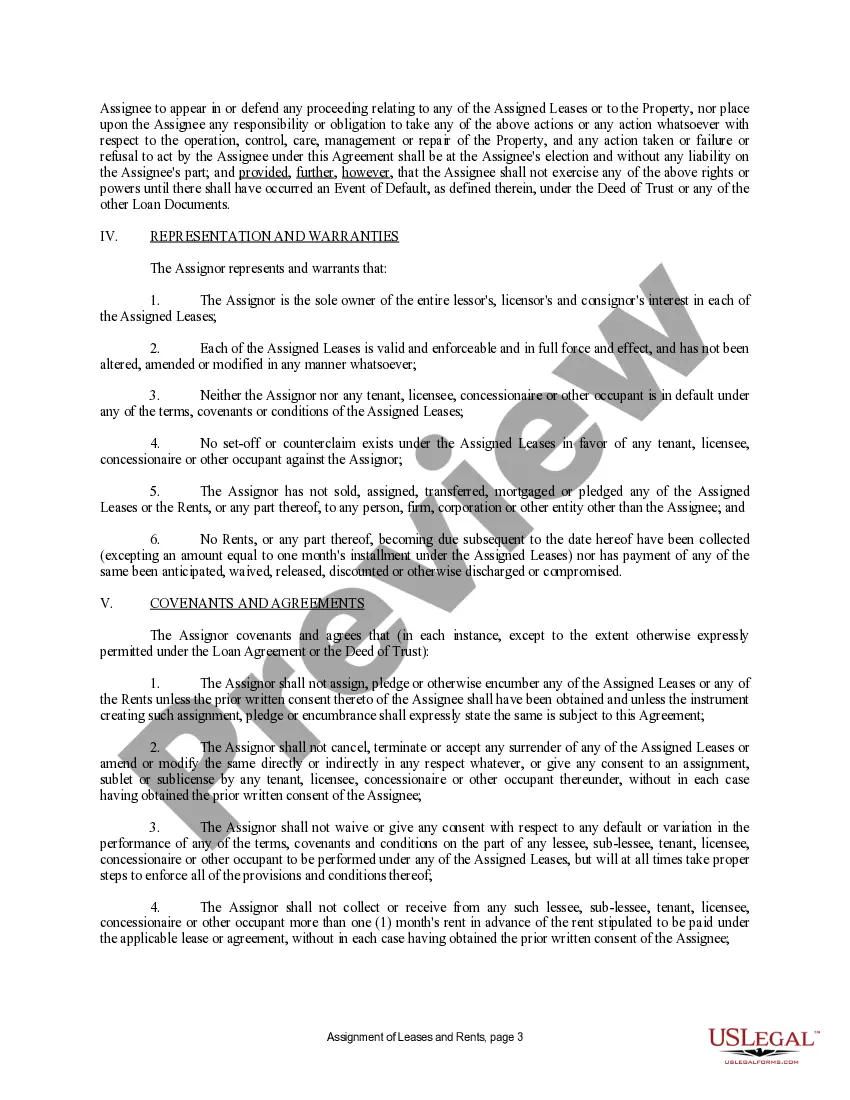
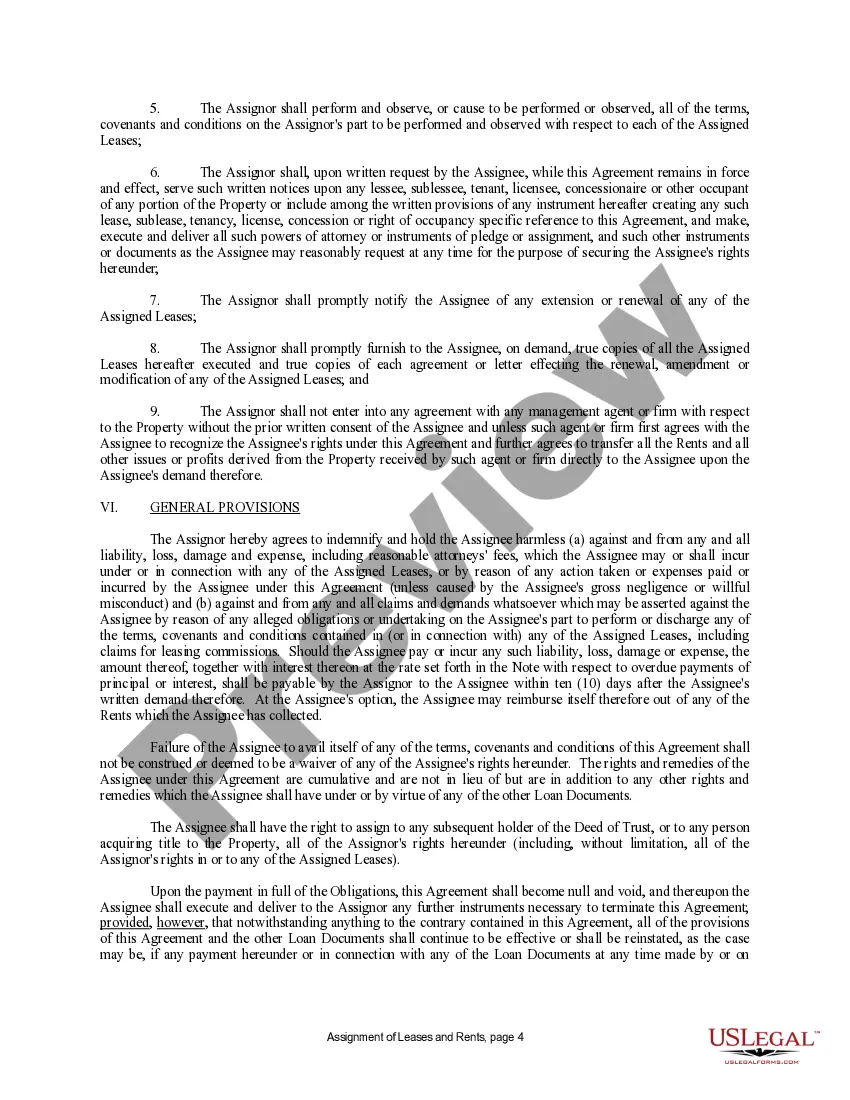
- Warranties and Covenants: Sets forth responsibilities and guarantees provided by the Assignor.
- Indemnification Clauses: Protects the Assignee against potential liabilities related to the leases and rents.

When this form is needed
This form should be used when a borrower wants to secure a loan by assigning their rights to future lease payments and rental income to a lender. Common scenarios include real estate investment situations where the rental income is critical to meeting loan obligations, or when a borrower is seeking short-term financing against existing rental properties. It is particularly useful in commercial real estate transactions where properties are leased to tenants who generate revenue.
Who can use this document
- Real estate owners or investors needing a loan secured by rental income.
- Lenders looking for additional security in the form of lease assignments.
- Borrowers with existing rental properties wishing to further secure their loan obligations.
- Property management companies involved in managing properties that will be assigned.
How to complete this form
- Identify the parties by filling in the names and addresses of both the Assignor and Assignee.
- Specify the loan details, including the loan amount and relevant agreement dates.
- Fill in the legal description of the property being assigned, ensuring it accurately reflects the property location.
- Provide any necessary details regarding the leases and rents being assigned, including terms and conditions.
- Ensure all parties sign and date the document, and obtain notarization if required by state law.
Is notarization required?
This form does not typically require notarization unless specified by local law. However, obtaining notarization can enhance the legal validity and enforceability of the document, especially in real estate transactions.
Get your form ready online
Our built-in tools help you complete, sign, share, and store your documents in one place.
Make edits, fill in missing information, and update formatting in US Legal Forms—just like you would in MS Word.
Download a copy, print it, send it by email, or mail it via USPS—whatever works best for your next step.
Sign and collect signatures with our SignNow integration. Send to multiple recipients, set reminders, and more. Go Premium to unlock E-Sign.
If this form requires notarization, complete it online through a secure video call—no need to meet a notary in person or wait for an appointment.
We protect your documents and personal data by following strict security and privacy standards.

Make edits, fill in missing information, and update formatting in US Legal Forms—just like you would in MS Word.

Download a copy, print it, send it by email, or mail it via USPS—whatever works best for your next step.

Sign and collect signatures with our SignNow integration. Send to multiple recipients, set reminders, and more. Go Premium to unlock E-Sign.

If this form requires notarization, complete it online through a secure video call—no need to meet a notary in person or wait for an appointment.

We protect your documents and personal data by following strict security and privacy standards.
Typical mistakes to avoid
- Failing to accurately identify all parties involved in the transaction.
- Omitting essential property details or legal descriptions.
- Not including all necessary signatures or dates on the form.
- Neglecting to check state-specific requirements for lease assignments.
Benefits of using this form online
- Convenience of downloading and completing the form at your own pace.
- Access to professionally drafted templates that meet legal standards.
- Ability to easily edit and customize the form for specific transaction needs.
- Quick retrieval of forms as needed, without the delays of traditional legal services.
Looking for another form?
Form popularity
FAQ
Once rent is past due, the landlord must provide tenants with a 7-Day Notice to Pay if the landlord wants to file an eviction action with the court. Alaska landlords must provide tenants with a 10-Day Notice to Comply, giving tenants 10 days to correct the issue in order to avoid eviction.
Your Landlord is legally obligated to return your deposit within 10 days of you both agreeing how much you'll get back (after the tenancy has ended, of course).
Notice to terminate a week-to-week lease. 14 days written notice from either the landlord or the tenant is required (AS 34.03. Notice to terminate a month-to-month lease.
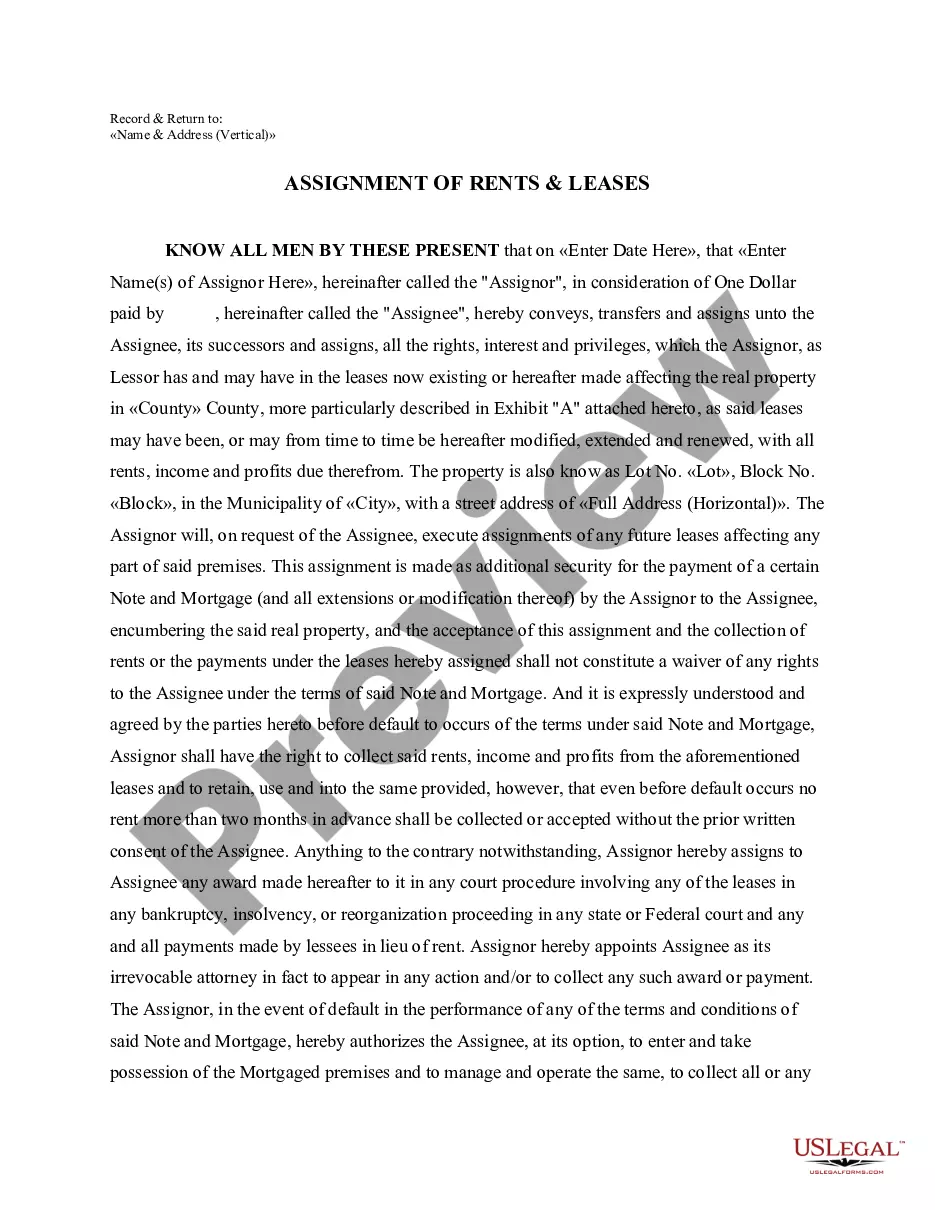
Sometimes called Assignment of Leases, Rents and Profits or simply Assignment of Rents, this is a document attached to a mortgage loan agreement which entitles the lender to any income (from leases, rents, etc.) derived from the property once the owner defaults on the loan.
Definition of "Assignment of Rent" An Assignment of Rent is a document needed when a mortgaged property is being rented. It enables the lender to collect the rent if the mortgage is defaulted upon.
An assignment of mortgage gives the loan seller's rights under the mortgage, including the right to foreclose if the borrower doesn't make payments, to the new owner of the loan.
For commercial lending purposes, an assignment of leases assigns the debtor's rights, as landlord under a lease or leases, to the creditor for the collection of rent as additional security for a debt or other obligation.
Alaska state law limits how much a landlord can charge for a security deposit (two months' rent, unless the monthly rent exceeds $2,000), when it must be returned (within 14 days after a tenant moves if the tenant has given proper notice to end the tenancy or 30 days if the tenant has not), and sets other restrictions
If your deposit didn't need to be protected and your landlord refuses to give it back, you might have to take them to court.You'll need to take your landlord to the small claims court to get your money back.