Michigan Objection to Ex-Parte Interim For Status Quo Regarding Child Custody, Support and Parenting Time
Understanding this form
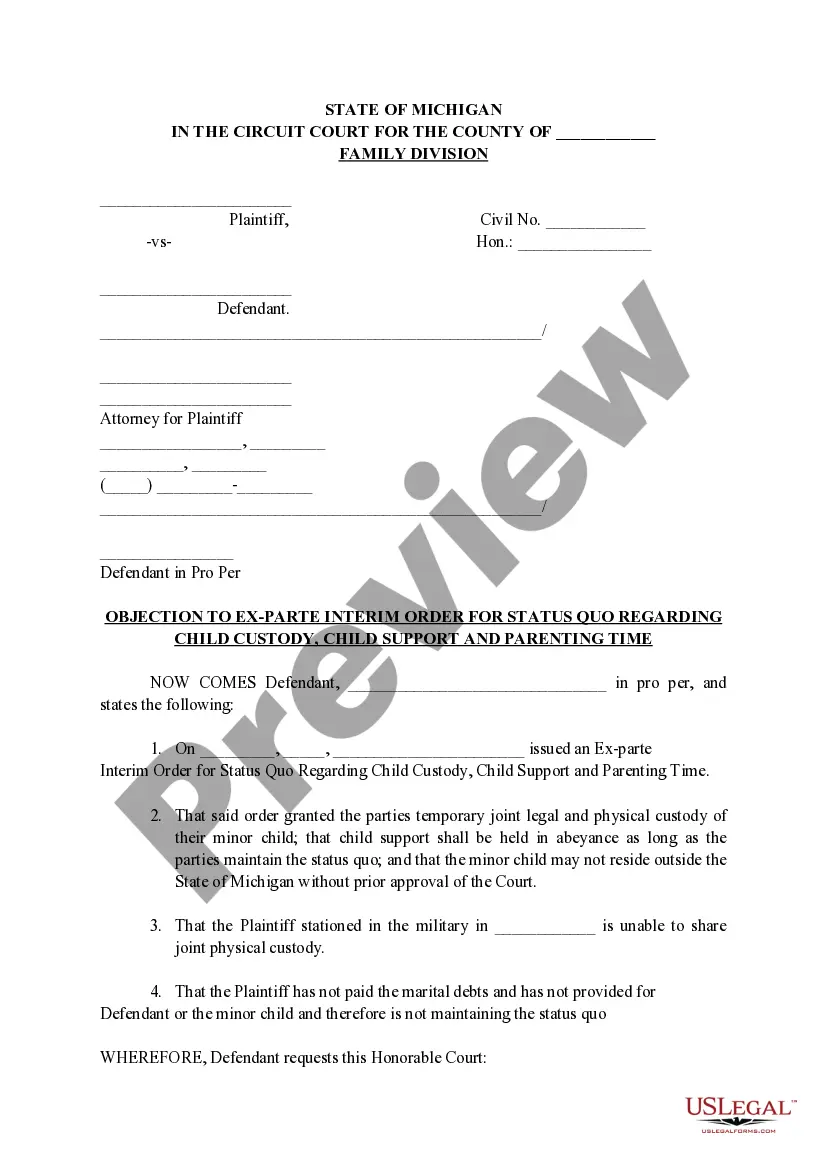
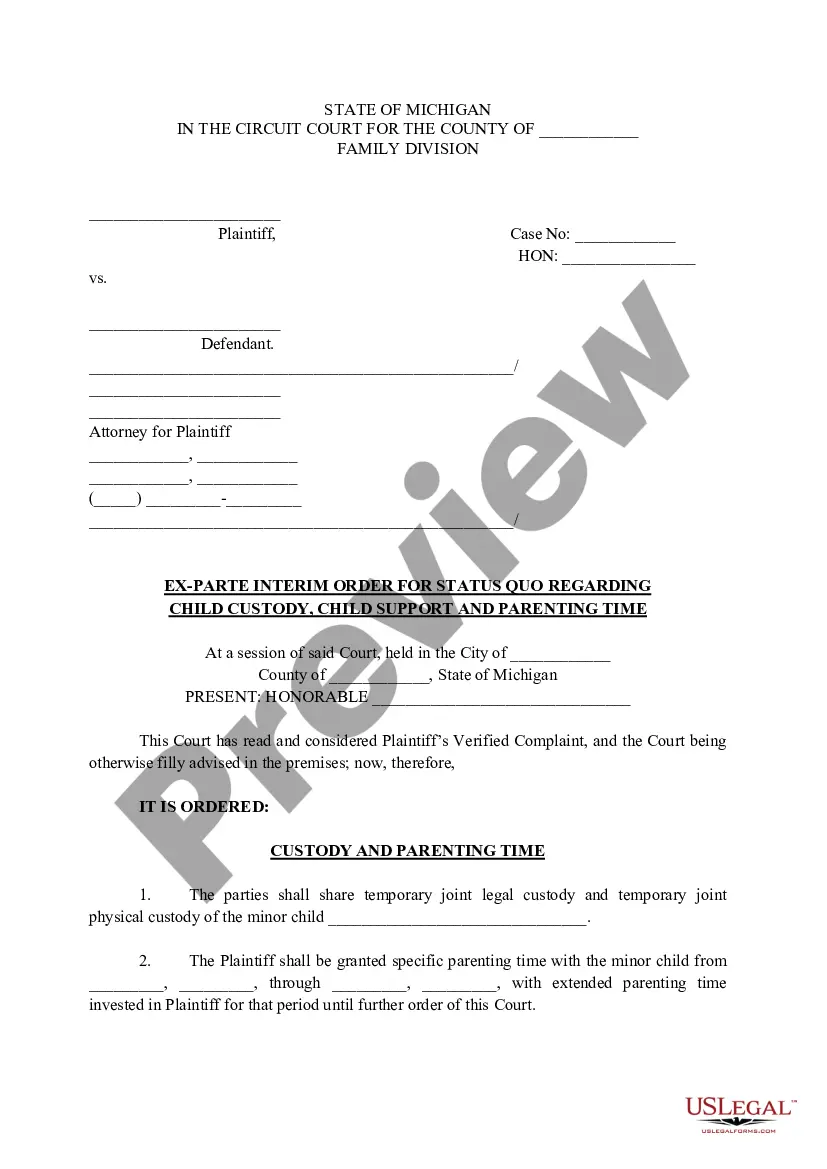
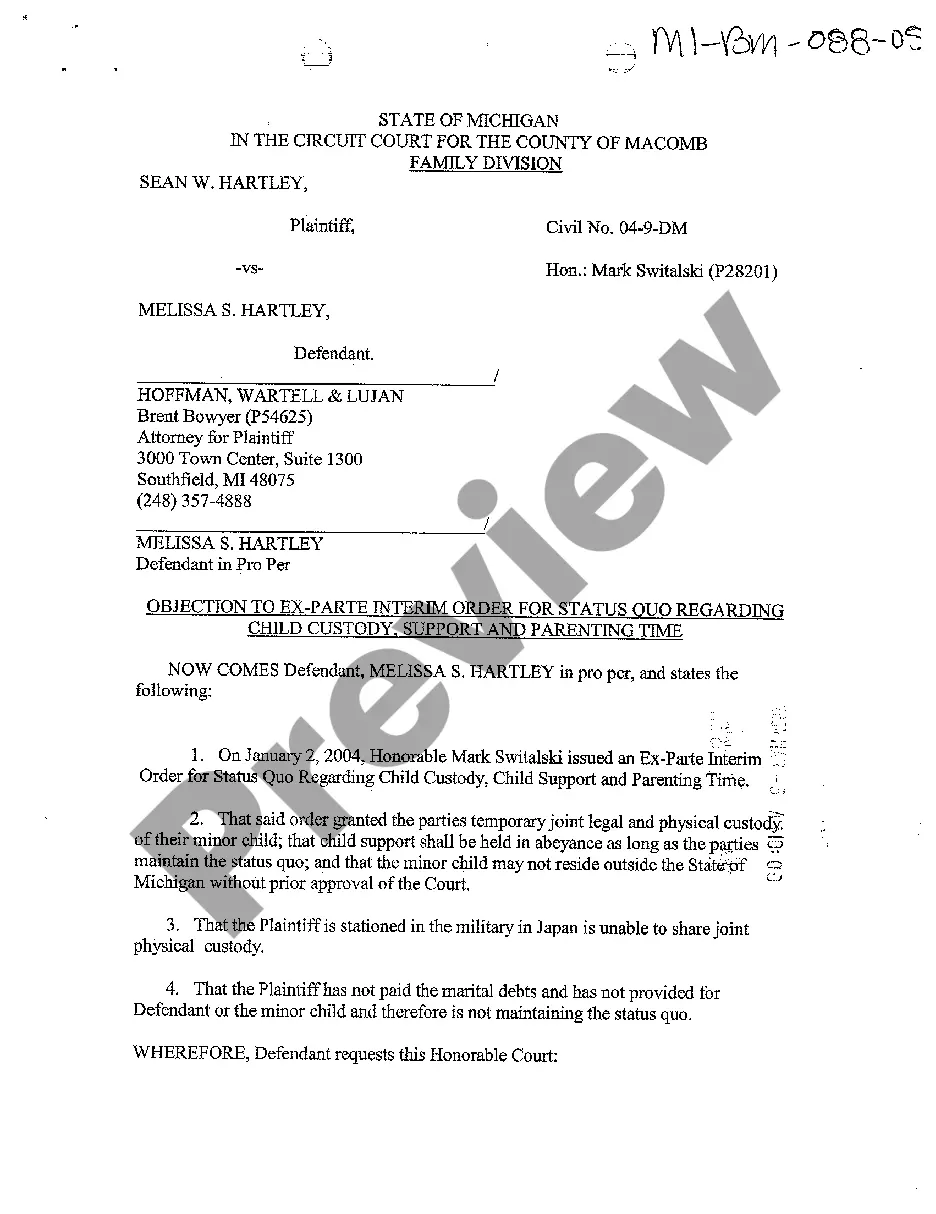
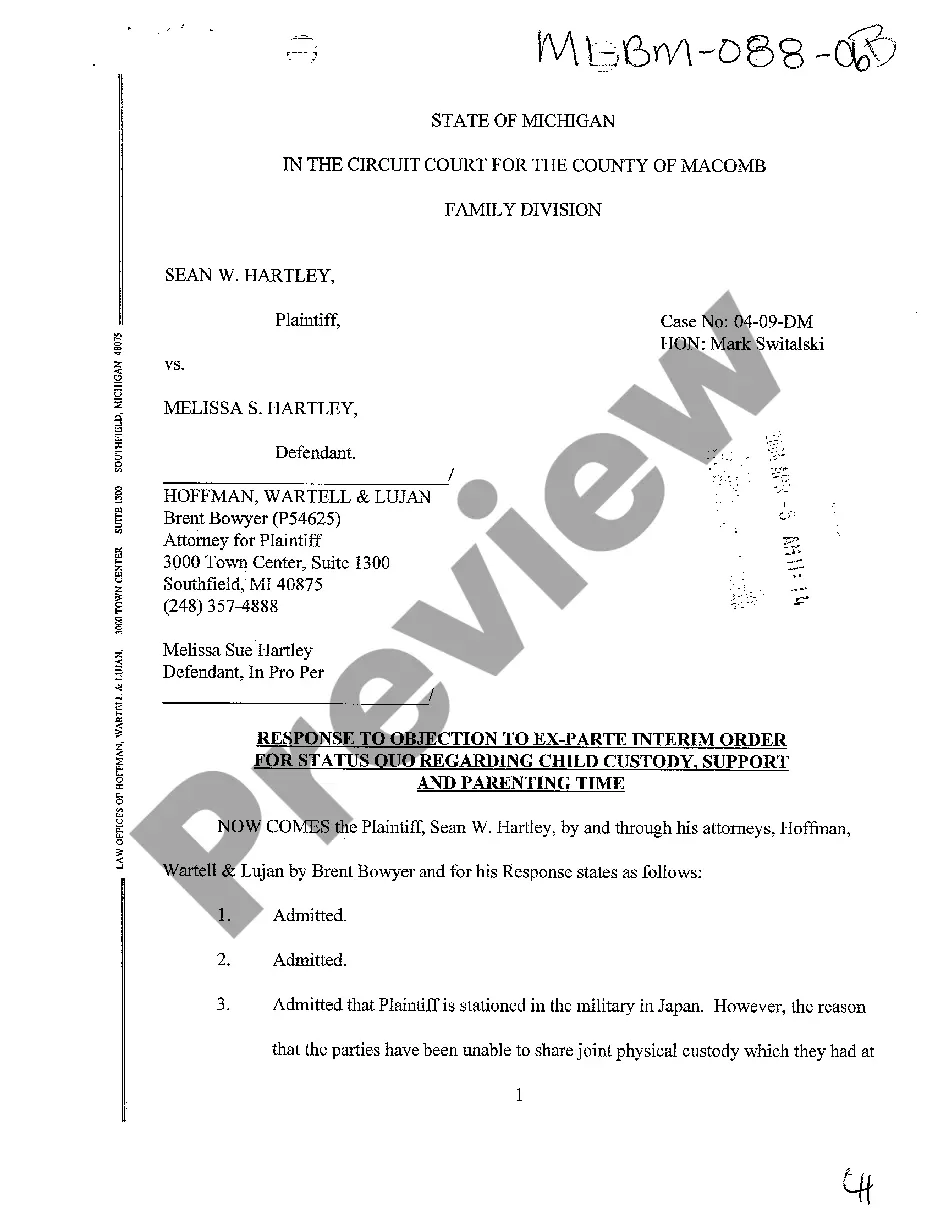
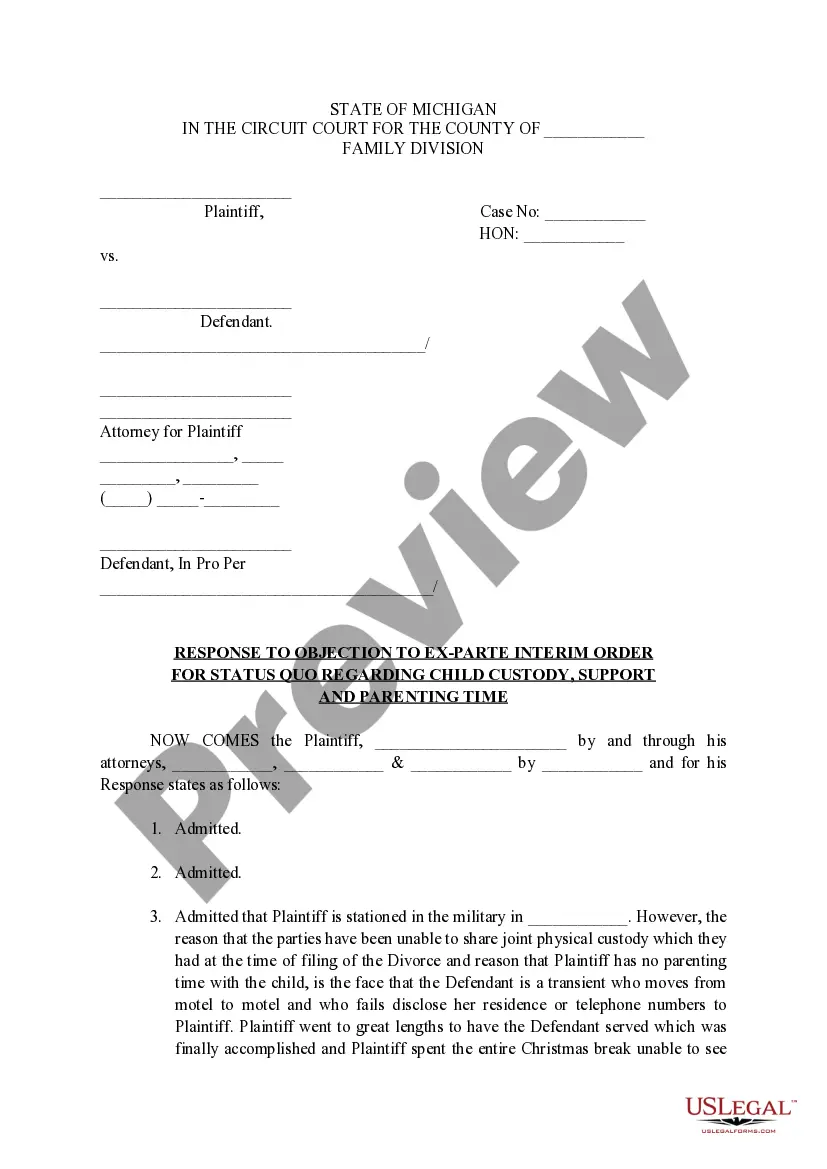
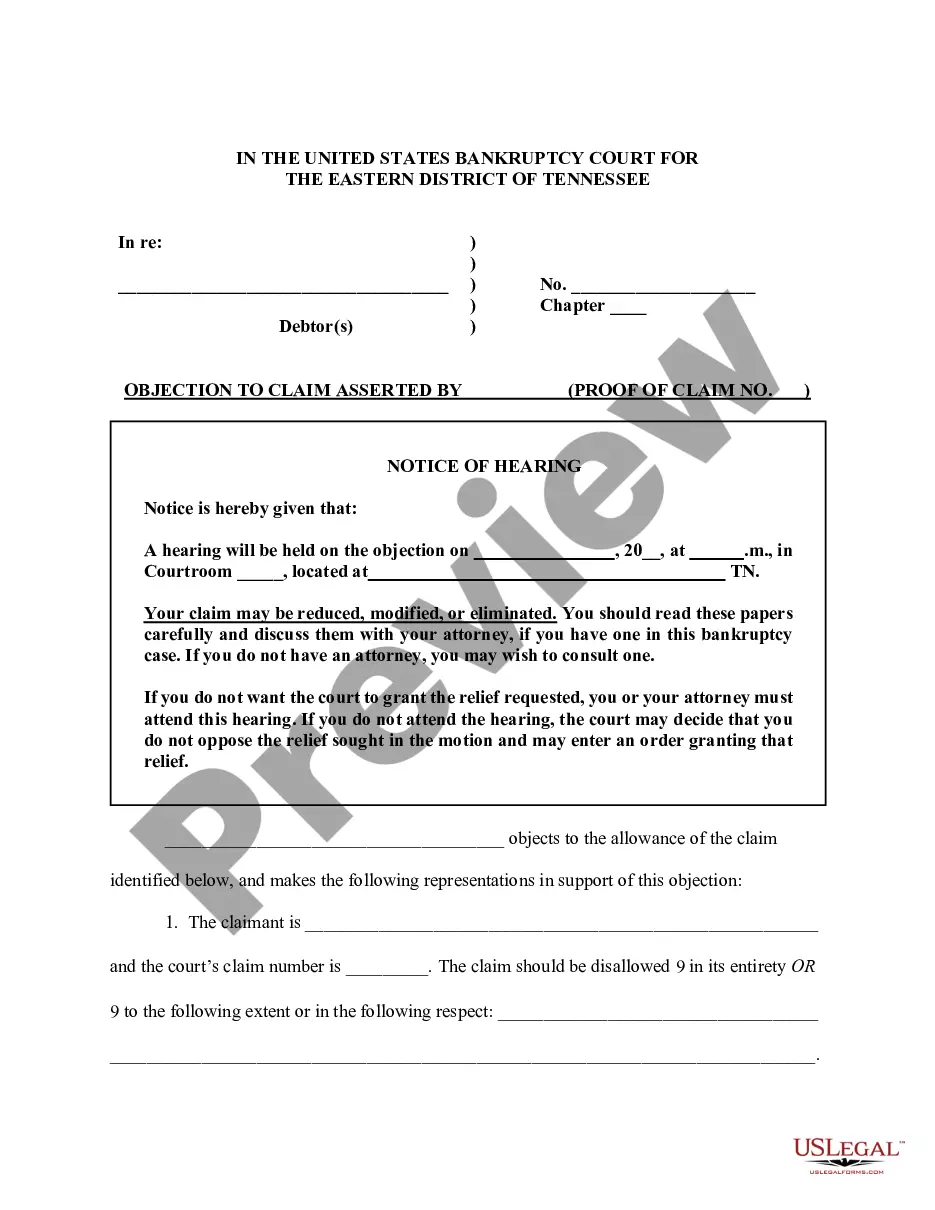
The Objection to Ex-Parte Interim For Status Quo Regarding Child Custody, Support and Parenting Time is a legal document that allows a party to formally disagree with an ex parte order issued in family court. This form is essential for maintaining oneâs legal rights when temporary orders are put in place regarding child custody, financial support, and parenting arrangements. By filing this objection, the party can request changes to the order that they believe are necessary for the child's best interest.
Main sections of this form
- Case caption: Includes the names of the parties involved and court details.
- Statement of objection: Explanation of the disagreement with the ex parte order.
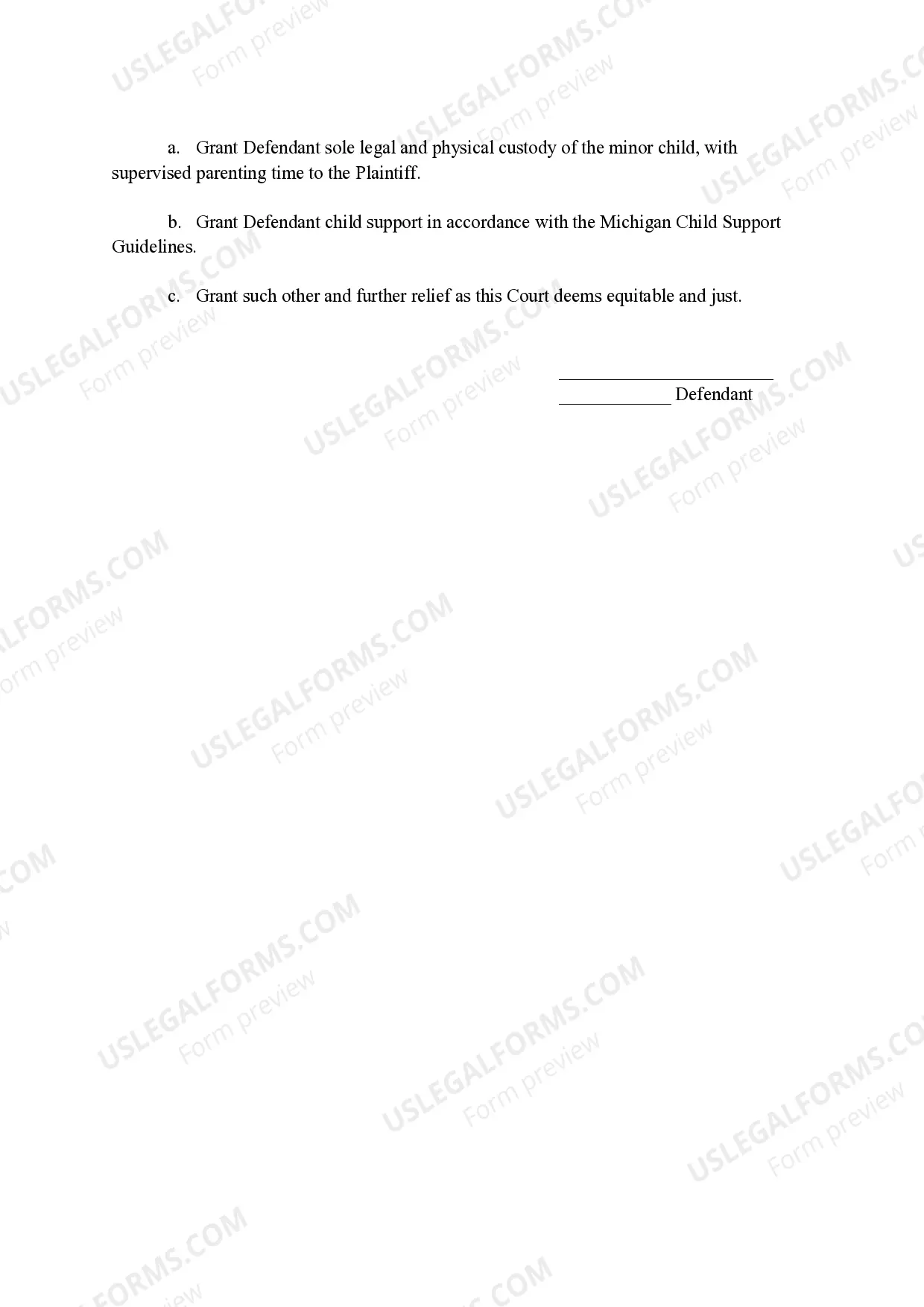
- Request for relief: Specific requests outlining what changes the objection party wants the court to make, including custody and support modifications.
- Signature line: Space for the objecting party's signature and date.
When to use this document
This form is typically used when a party disagrees with an ex parte interim order related to child custody, child support, or parenting time. Situations may include when one parent is unable to maintain joint custody due to other obligations, or when there are concerns about the child's wellbeing due to the current order.
Who this form is for
- Parents or guardians involved in a custody dispute.
- Individuals who have received an ex parte interim order affecting child custody or support.
- Any party who wishes to formally challenge the temporary custody arrangements set by the court.
How to complete this form
- Fill in the case caption with the relevant county and court details.
- Complete the statement of objection, clearly outlining your disagreement with the ex parte order.
- Detail the specific requests you are making regarding custody and support.
- Sign and date the form at the end to confirm your submission.
- Make copies for your records and any parties involved as needed.
Notarization guidance
This form does not typically require notarization unless specified by local law. Always check local regulations or consult with an attorney if unsure.
Get your form ready online
Our built-in tools help you complete, sign, share, and store your documents in one place.
Make edits, fill in missing information, and update formatting in US Legal Forms—just like you would in MS Word.
Download a copy, print it, send it by email, or mail it via USPS—whatever works best for your next step.
Sign and collect signatures with our SignNow integration. Send to multiple recipients, set reminders, and more. Go Premium to unlock E-Sign.
If this form requires notarization, complete it online through a secure video call—no need to meet a notary in person or wait for an appointment.
We protect your documents and personal data by following strict security and privacy standards.

Make edits, fill in missing information, and update formatting in US Legal Forms—just like you would in MS Word.

Download a copy, print it, send it by email, or mail it via USPS—whatever works best for your next step.

Sign and collect signatures with our SignNow integration. Send to multiple recipients, set reminders, and more. Go Premium to unlock E-Sign.

If this form requires notarization, complete it online through a secure video call—no need to meet a notary in person or wait for an appointment.

We protect your documents and personal data by following strict security and privacy standards.
Avoid these common issues
- Failing to clearly state the reasons for objection, leading to confusion or lack of clarity.
- Omitting important details about the childâs current living situation or parental involvement.
- Not signing and dating the form before submission.
Why complete this form online
- Convenient access: Download and complete the form from anywhere at any time.
- Editability: Easily make changes to your information as needed.
- Reliability: Access forms created by licensed attorneys to ensure legal compliance.
Looking for another form?
Form popularity
FAQ
Winning an ex parte hearing involves thorough preparation and presenting a strong case. You should gather relevant evidence and witnesses that can support your position. Moreover, it's crucial to communicate the potential impact on children succinctly, ensuring the judge understands the implications of your request in relation to Michigan Objection to Ex-Parte Interim For Status Quo Regarding Child Custody, Support and Parenting Time.
Several factors can negatively impact a custody case in Michigan. For instance, demonstrating a lack of stability, engaging in substance abuse, or failing to remain involved in your child's life can create concerns. Courts look for evidence of a positive and stable environment when considering the implications of Michigan Objection to Ex-Parte Interim For Status Quo Regarding Child Custody, Support and Parenting Time.
Ex parte orders can be granted without both parties present, which may lead to unfair decisions. Furthermore, such orders can cause misunderstandings and create animosity between parents. These factors can complicate custody proceedings when addressing issues like Michigan Objection to Ex-Parte Interim For Status Quo Regarding Child Custody, Support and Parenting Time, as they may diminish mutual trust and cooperation.
To challenge an ex parte order in Michigan, you must file a motion to modify or dissolve the order. You can gather evidence that supports your case and attend the hearing to present your arguments. Engaging a knowledgeable attorney can help you navigate through the complexities regarding Michigan Objection to Ex-Parte Interim For Status Quo Regarding Child Custody, Support and Parenting Time, ensuring your rights are protected.
In Michigan, there isn't a specific age when a child can outright refuse to see a parent. Instead, the court considers the child's maturity and their ability to express a reasoned choice. If the child expresses a clear wish regarding visitation, the court evaluates this during custody hearings, especially in cases involving Michigan Objection to Ex-Parte Interim For Status Quo Regarding Child Custody, Support and Parenting Time.
To disagree with a motion, you need to draft and file an objection that outlines your specific disagreements and factual counterarguments. It's important to ensure that your disagreement is based on valid legal grounds, offering a clear explanation of how the motion may negatively affect your situation. Properly articulating your stance is crucial for a successful Michigan objection to ex-parte interim for status quo.
You can object in court for reasons like a lack of evidence, improper notice, or claims that the proposed actions could harm children. Other grounds may include violations of your rights or procedural errors in how the motion was presented. By clearly identifying these factors, you can strengthen your Michigan objection to ex-parte interim for status quo regarding child custody, support, and parenting time.
The remedy against an ex parte order often involves filing a motion to challenge its validity, seeking modifications that align with your parenting rights. Courts may allow for hearing arguments against such orders, especially if due process was not observed. Utilizing resources like USLegalForms can help you structure your challenge effectively in relation to your Michigan objection to ex-parte interim for status quo.
To overturn an ex parte order, you typically need to file a motion to set aside the order, along with supporting evidence that justifies this action. Be prepared to demonstrate how the order negatively impacts your rights regarding custody, support, or parenting time. Legal assistance is highly recommended when navigating these procedures in your Michigan objection to ex-parte interim for status quo.
An ex parte request may be denied for several reasons, such as lack of immediate necessity or insufficient evidence to justify urgent action. The court must find that delaying a ruling could cause irreparable harm to the requesting party or the child involved. When preparing your Michigan objection to ex-parte interim for status quo, it's essential to address these points clearly.