Michigan Letter from Tenant to Landlord for Failure of Landlord to return all prepaid and unearned rent and security recoverable by Tenant
About this form
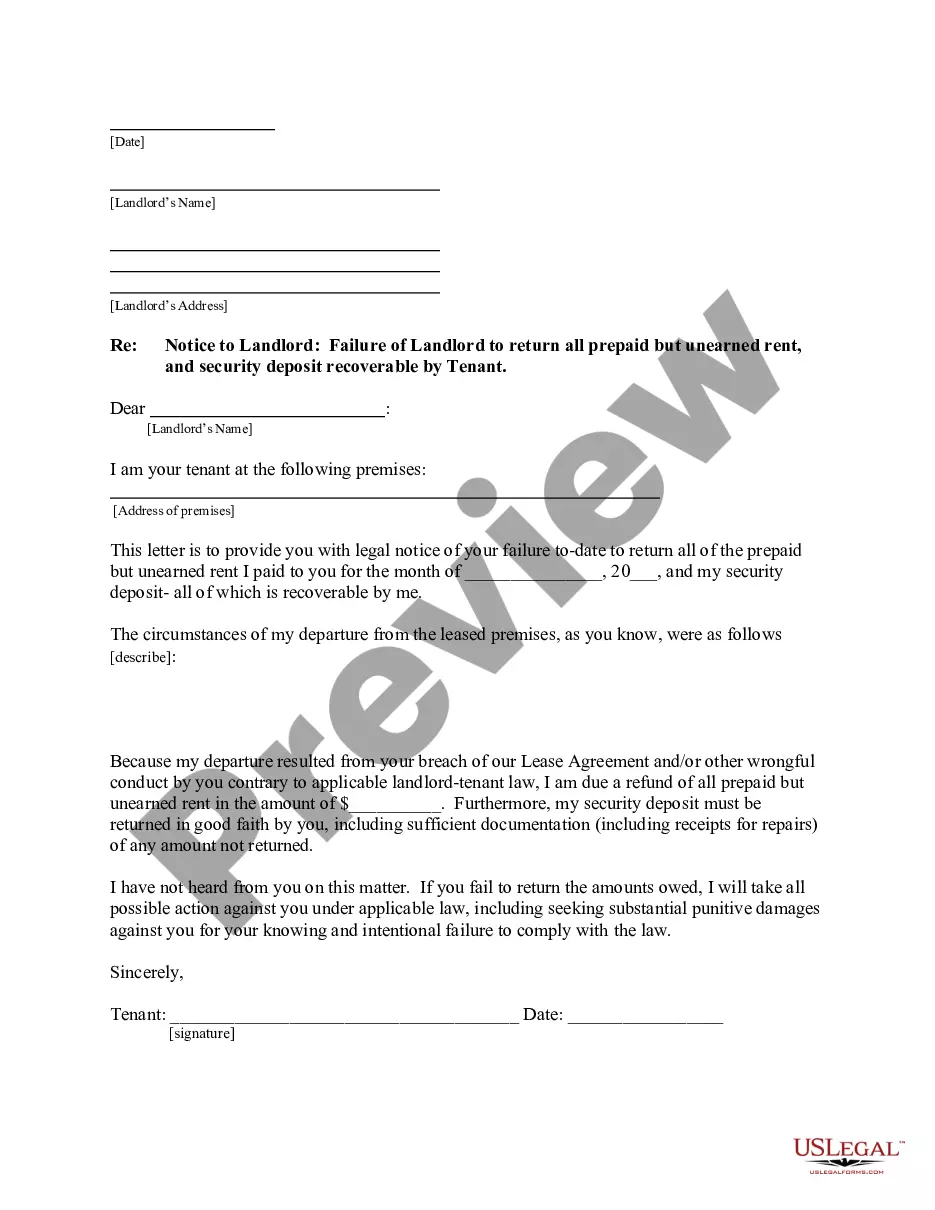
This form is a Letter from Tenant to Landlord for Failure of Landlord to return all prepaid and unearned rent and security recoverable by Tenant. It serves as a formal notice to the landlord about their obligation under the lease agreement to return prepaid rent after a tenant has vacated the property. This letter highlights the landlordâs failure to comply with relevant landlord-tenant laws, setting the stage for the tenant to demand repayment of unearned rent and security deposits.
What’s included in this form
- Tenant's narrative detailing circumstances surrounding their departure from the rented premises.
- Notification of the landlord's failure to return funds owed.
- Statement of potential legal action if the landlord does not comply.
- Space for tenant to sign and date the letter.
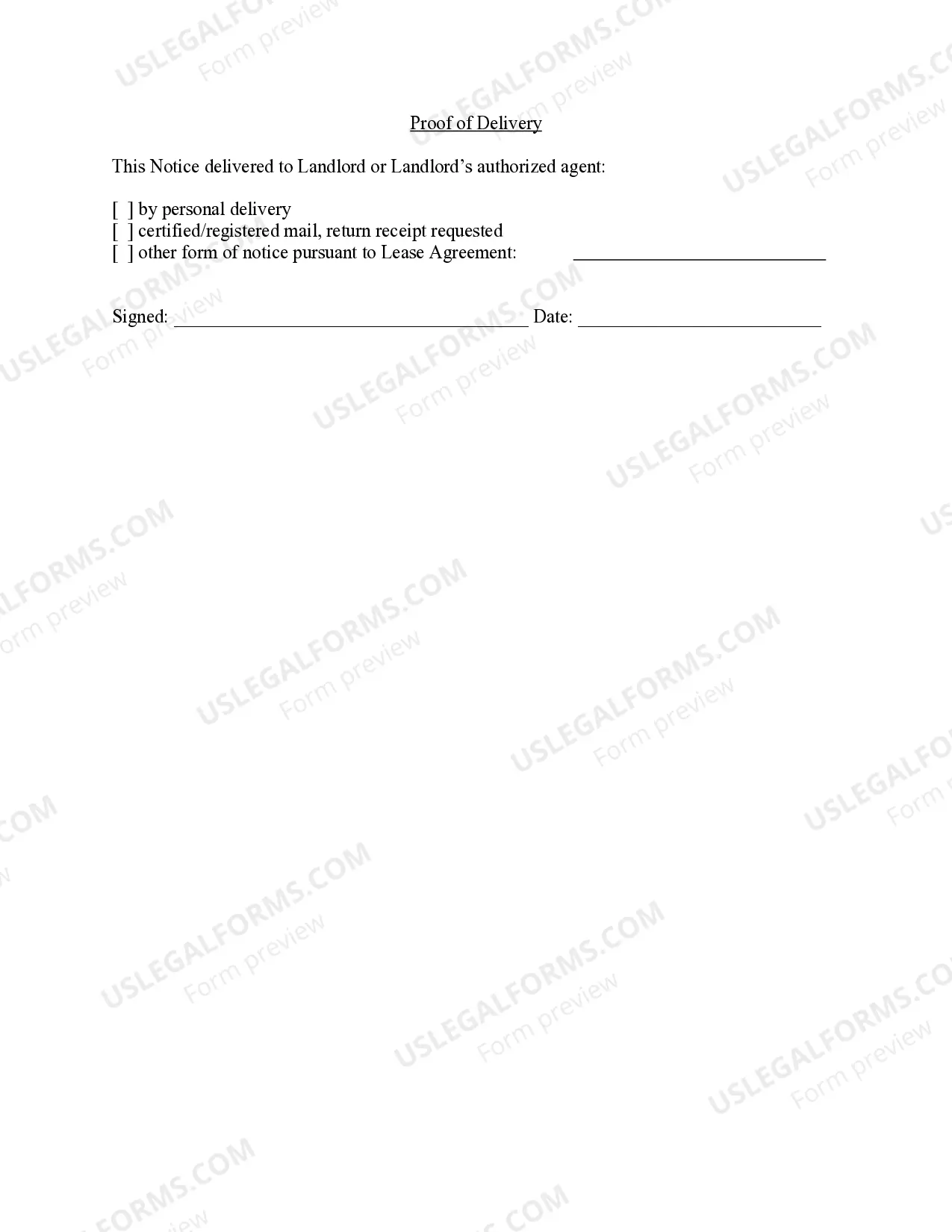
- Proof of delivery methods to document that the notice was sent to the landlord.



Situations where this form applies
This form should be used when a tenant has vacated a rental property and has not received a refund for any prepaid rent or security deposit that is deemed unearned. Common scenarios include when a tenant leaves due to a breach of lease agreement by the landlord or when the landlord fails to address necessary repairs that make the property uninhabitable. This form acts as a formal request for the owed funds and notifies the landlord of their obligations under the law.
Who can use this document
- Tenants who have moved out of a rental property.
- Individuals who believe they are entitled to a refund of prepaid rent or security deposit.
- Tenants who have experienced issues with their landlord regarding the return of their funds.
Completing this form step by step
- Identify the parties involved, specifically the tenant and landlord.
- Provide a detailed account of the circumstances leading to your departure from the property.
- Clearly state the amount of prepaid rent and security deposit being requested for return.
- Sign and date the letter, providing a signature to validate your claim.
- Choose a method of delivery for the notice and ensure you keep proof of it.
Notarization requirements for this form
This form does not typically require notarization unless specified by local law. However, having it notarized can add an extra layer of legitimacy to your claim, especially if you are pursuing legal action.
Get your form ready online
Our built-in tools help you complete, sign, share, and store your documents in one place.
Make edits, fill in missing information, and update formatting in US Legal Forms—just like you would in MS Word.
Download a copy, print it, send it by email, or mail it via USPS—whatever works best for your next step.
Sign and collect signatures with our SignNow integration. Send to multiple recipients, set reminders, and more. Go Premium to unlock E-Sign.
If this form requires notarization, complete it online through a secure video call—no need to meet a notary in person or wait for an appointment.
We protect your documents and personal data by following strict security and privacy standards.

Make edits, fill in missing information, and update formatting in US Legal Forms—just like you would in MS Word.

Download a copy, print it, send it by email, or mail it via USPS—whatever works best for your next step.

Sign and collect signatures with our SignNow integration. Send to multiple recipients, set reminders, and more. Go Premium to unlock E-Sign.

If this form requires notarization, complete it online through a secure video call—no need to meet a notary in person or wait for an appointment.

We protect your documents and personal data by following strict security and privacy standards.
Typical mistakes to avoid
- Failing to provide accurate details regarding the tenancy period.
- Not specifying the exact amounts owed for prepaid rent and deposits.
- Ignoring to sign and date the letter, which can weaken its validity.
- Not documenting the delivery of the form, which is necessary for legal purposes.
Benefits of completing this form online
- Convenience of accessing and downloading the form from anywhere.
- Editability allows you to customize the letter to fit your situation.
- Reliability of having a legally drafted document reviewed by attorneys.
Legal use & context
- This form legitimizes your claim for the return of unearned rent.
- It can be used as evidence in legal disputes if necessary.
- Sending the letter documents your attempt to resolve the matter amicably.
Main things to remember
- This letter is a formal demand for the return of unearned rent and security deposits.
- It should be used when your landlord has failed to fulfill their legal obligations.
- Clear documentation and proper delivery of this notice are essential for legal recourse.
Looking for another form?

Form popularity
FAQ
Alerting state or local health and building inspectors. Suing your landlord in small claims court.
Persons who have complaints against landlords/property owners can file a complaint with the Michigan Attorney General's Consumer Protection Division at 517-373-1140.
Under Michigan law, a landlord must return the tenant's security deposit, with an itemized statement of deductions, within 30 days after the tenant has moved out.
The landlord verification form is a document used by a landlord when verifying the previous rental information of an applicant for tenancy. The requesting landlord must send the form to the applicant's current or past landlord in order to obtain all details related to the tenancy of the individual.
If your deposit didn't need to be protected and your landlord refuses to give it back, you might have to take them to court. Going to court can be expensive and stressful. You'll have to pay court costs upfront but you might get them back if you win your case.
Review Your Lease Before You Sign. Research Local Laws. Keep Records. Pay Your Rent. Maintain Respectful Communication. Seek an Agreeable Solution. Request Repairs in Writing. What Do You Think?
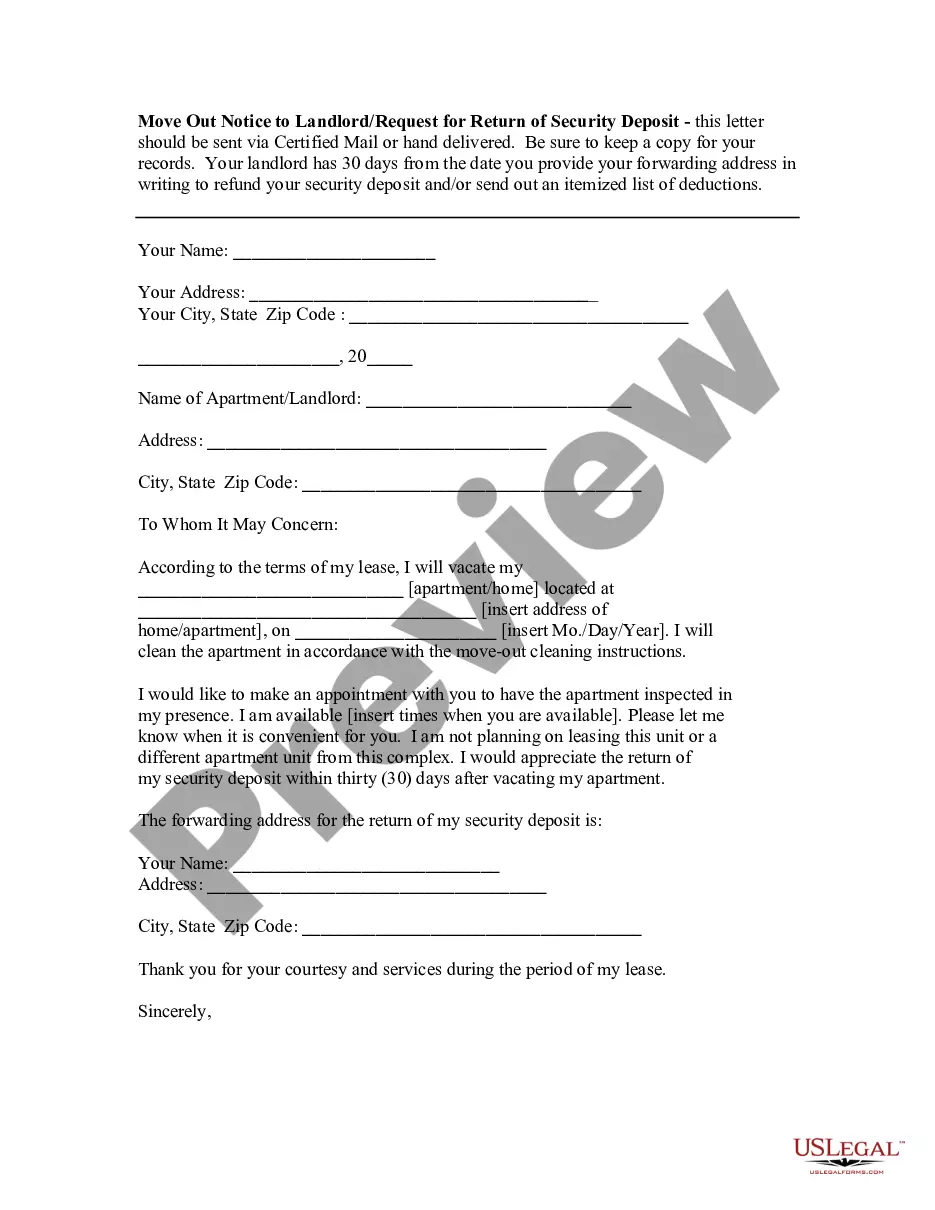
Fill out the Request for Return of Security Deposit form (not interactive; you must print, then fill out the form). Send the form to your former landlord. Keep a photo-copy of the form for yourself. Hold on to the Return Receipt when it comes back in the mail.
Introduce the problem clearly. Begin your letter by stating specifically why you are writing. Provide a brief description of the specific problem, then detail any efforts you have made prior to the letter to notify your landlord of the problem or to fix the problem yourself.
If you're seeking damages for emotional distress caused by a landlord's discrimination, or punitive damages for especially blatant and intentional discrimination, a lawsuit may well be your best bet. Understand what's involved in suing your landlord. You may file a lawsuit in either federal or state court.