This form is used by the plaintiff to respond to affirmative defenses raised by the defendant in a personal injury action.
Maryland General Response to Affirmative Matter
State:
Multi-State
Control #:
US-PI-0022
Format:
Word;
Rich Text
Instant download
Description
Free preview
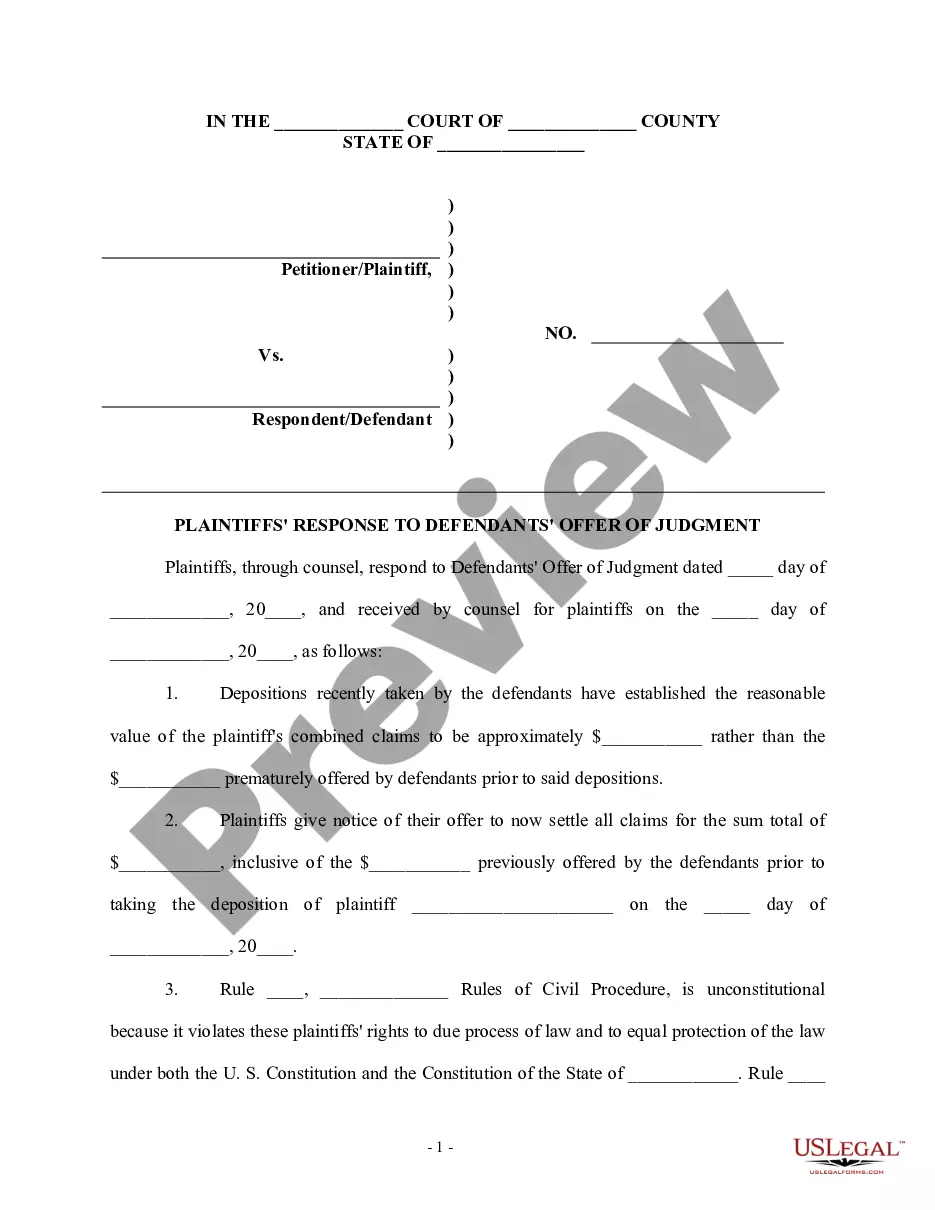
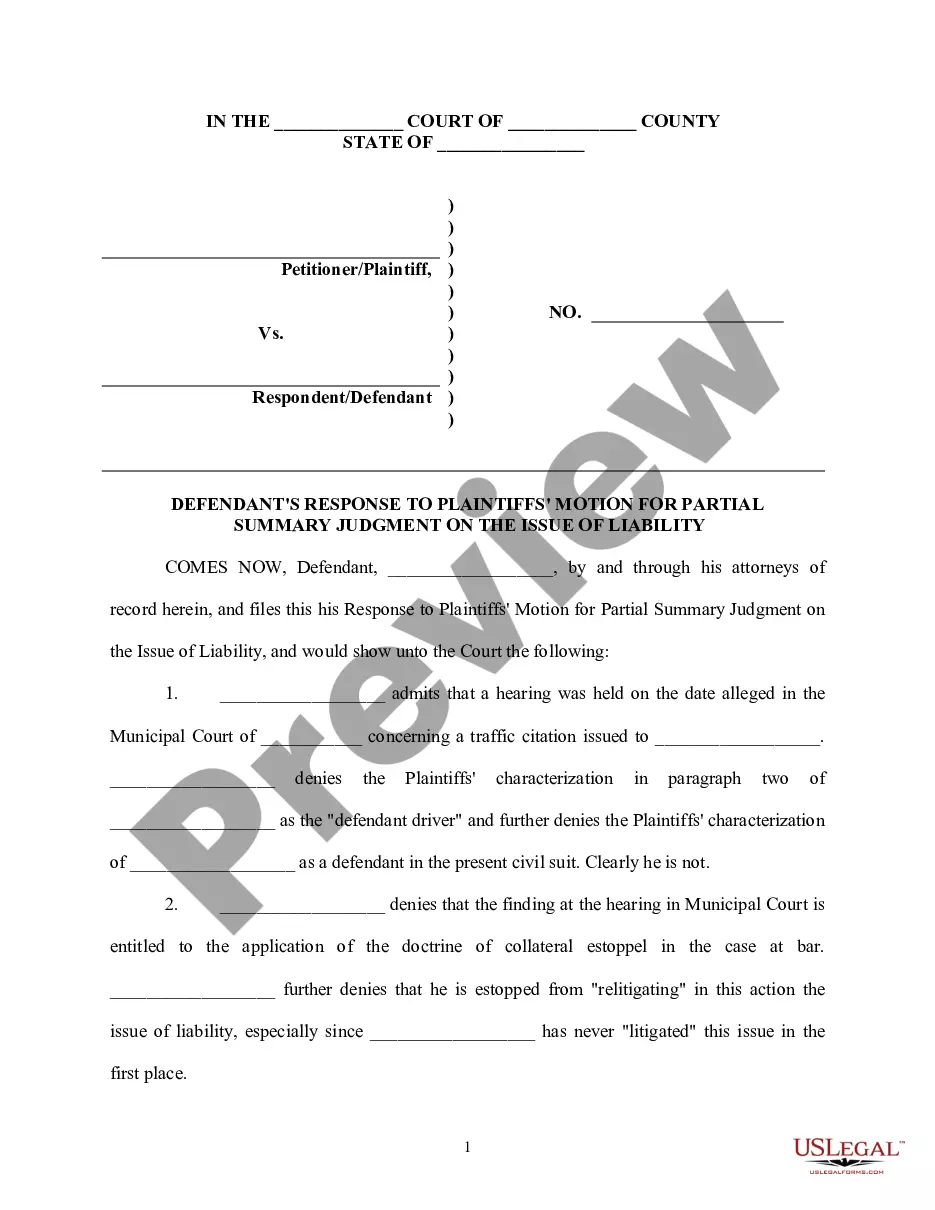
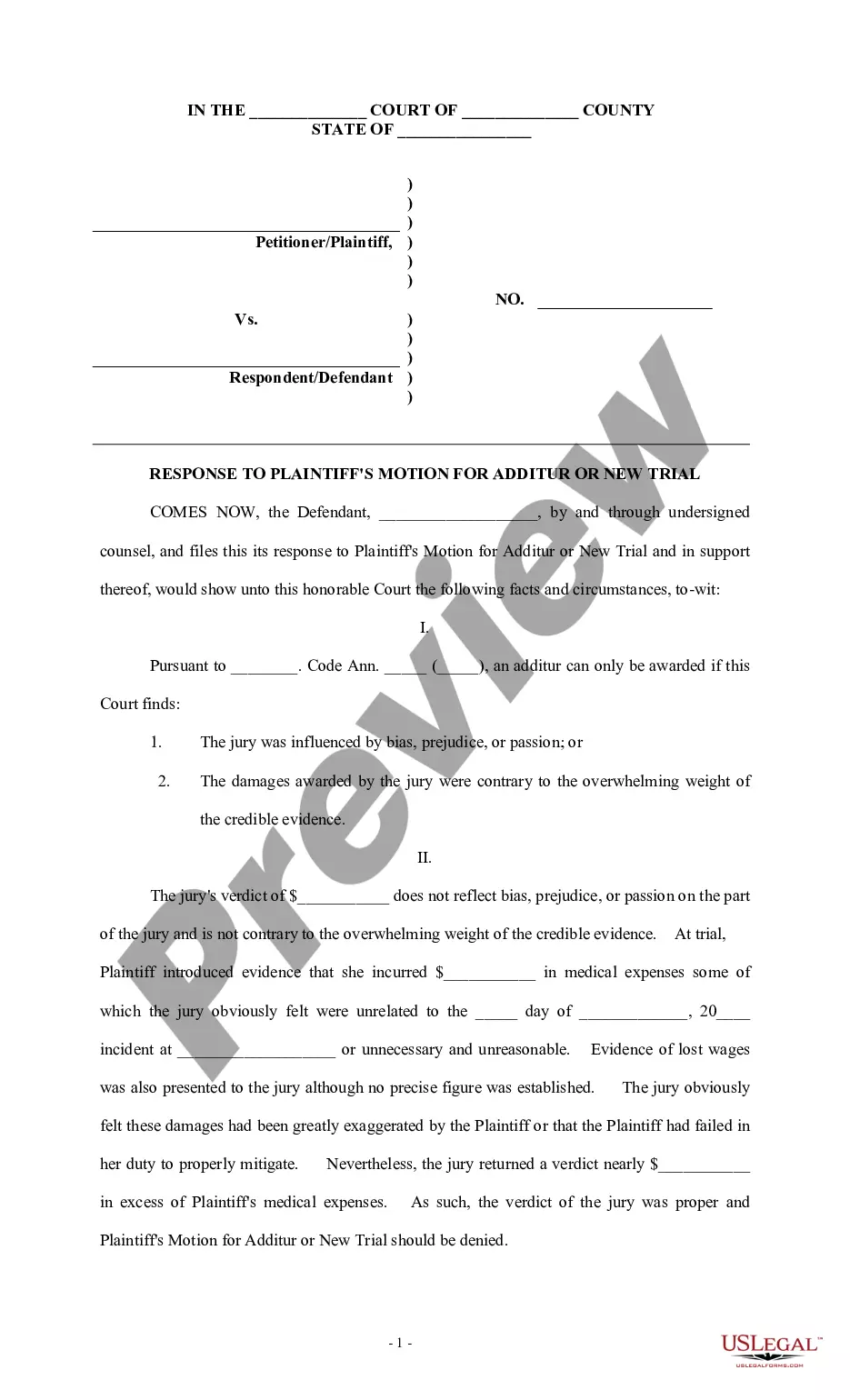
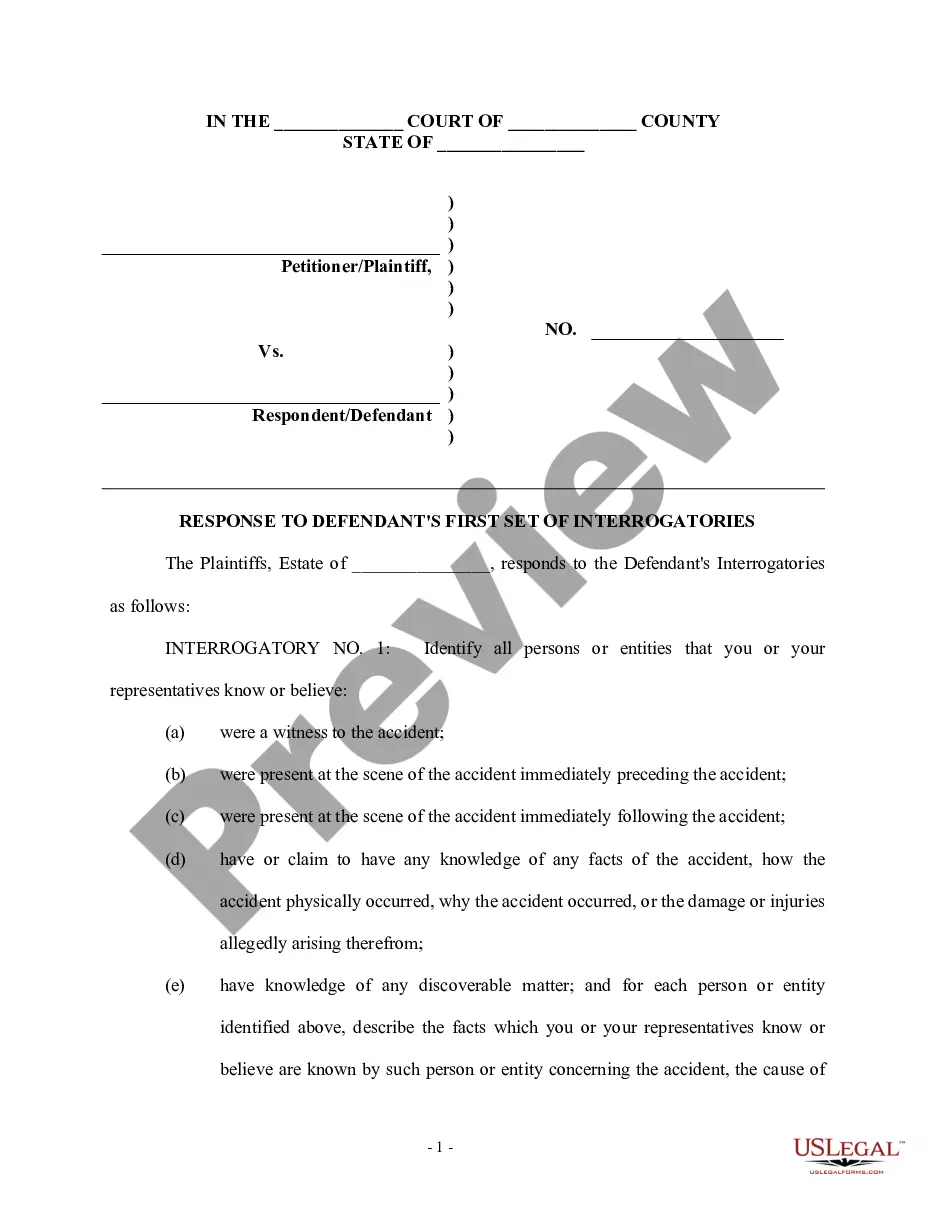
Get your form ready online
Our built-in tools help you complete, sign, share, and store your documents in one place.
Built-in online Word editor
Make edits, fill in missing information, and update formatting in US Legal Forms—just like you would in MS Word.
Export easily
Download a copy, print it, send it by email, or mail it via USPS—whatever works best for your next step.
E-sign your document
Sign and collect signatures with our SignNow integration. Send to multiple recipients, set reminders, and more. Go Premium to unlock E-Sign.
Notarize online 24/7
If this form requires notarization, complete it online through a secure video call—no need to meet a notary in person or wait for an appointment.
Store your document securely
We protect your documents and personal data by following strict security and privacy standards.

Make edits, fill in missing information, and update formatting in US Legal Forms—just like you would in MS Word.

Download a copy, print it, send it by email, or mail it via USPS—whatever works best for your next step.

Sign and collect signatures with our SignNow integration. Send to multiple recipients, set reminders, and more. Go Premium to unlock E-Sign.

If this form requires notarization, complete it online through a secure video call—no need to meet a notary in person or wait for an appointment.

We protect your documents and personal data by following strict security and privacy standards.
Looking for another form?





How to fill out General Response To Affirmative Matter?
You are able to invest hrs on the Internet attempting to find the legal document format that suits the federal and state specifications you need. US Legal Forms gives a huge number of legal varieties that happen to be reviewed by pros. It is simple to acquire or produce the Maryland General Response to Affirmative Matter from our assistance.
If you already possess a US Legal Forms account, you are able to log in and click on the Download key. Afterward, you are able to complete, revise, produce, or indication the Maryland General Response to Affirmative Matter. Every single legal document format you get is the one you have permanently. To acquire one more duplicate of any purchased kind, visit the My Forms tab and click on the corresponding key.
If you are using the US Legal Forms website for the first time, keep to the basic recommendations beneath:
- Very first, ensure that you have selected the proper document format to the region/area of your choosing. See the kind outline to make sure you have picked the proper kind. If accessible, utilize the Review key to search throughout the document format too.
- If you wish to locate one more edition of your kind, utilize the Look for area to find the format that fits your needs and specifications.
- After you have identified the format you desire, click Buy now to proceed.
- Select the prices prepare you desire, type your accreditations, and register for an account on US Legal Forms.
- Complete the transaction. You may use your charge card or PayPal account to pay for the legal kind.
- Select the file format of your document and acquire it to your system.
- Make alterations to your document if needed. You are able to complete, revise and indication and produce Maryland General Response to Affirmative Matter.
Download and produce a huge number of document templates utilizing the US Legal Forms website, that provides the greatest variety of legal varieties. Use professional and state-distinct templates to handle your business or personal needs.
Form popularity
FAQ
The clerk shall not accept for filing any pleading or other paper requiring service, other than an original pleading, unless it is accompanied by an admission or waiver of service or a signed certificate showing the date and manner of making service.
Rule 2-532 - Motion for Judgment Notwithstanding the Verdict (a) When Permitted. In a jury trial, a party may move for judgment notwithstanding the verdict only if that party made a motion for judgment at the close of all the evidence and only on the grounds advanced in support of the earlier motion.
(a) In this section, ?subpoena? means a subpoena, summons, warrant, or court order that appears on its face to have been issued on lawful authority. (2) Contains a certification that service has been waived by the court for good cause.
Self-defense, entrapment, insanity, necessity, and respondeat superior are some examples of affirmative defenses. Under the Federal Rules of Civil Procedure Rule 56, any party may make a motion for summary judgment on an affirmative defense.
App. 3d 950, 954.) Similarly, in federal court, Rule 11 requires that you have a good faith basis for believing an affirmative defense actually applies before pleading it, and in discovery you will likely need to respond to an interrogatory identifying all factual bases for every affirmative defense you plead.
Rather than filing an answer, a defendant may file a preliminary motion (Md. Rule 2-322). The filing of a preliminary motion under Maryland Rule 2-322 automatically extends the time for filing an answer to either: ? 15 days after the court's entry of the decision on the motion.
Maryland Affirmative Defenses Under Rule 2-323(g) Affirmative defenses in legal proceedings are assertions made by a defendant that, if proven, can mitigate or excuse their liability for the plaintiff's claims.
Rule 2-323(e).) A party may deny specific averments or paragraphs or may generally deny all the averments except averments or paragraphs that are specifically admitted (Md. Rule 2-323(c)). A defendant may generally deny liability for any count for breach of contract, debt, or tort that seeks solely money damages (Md.