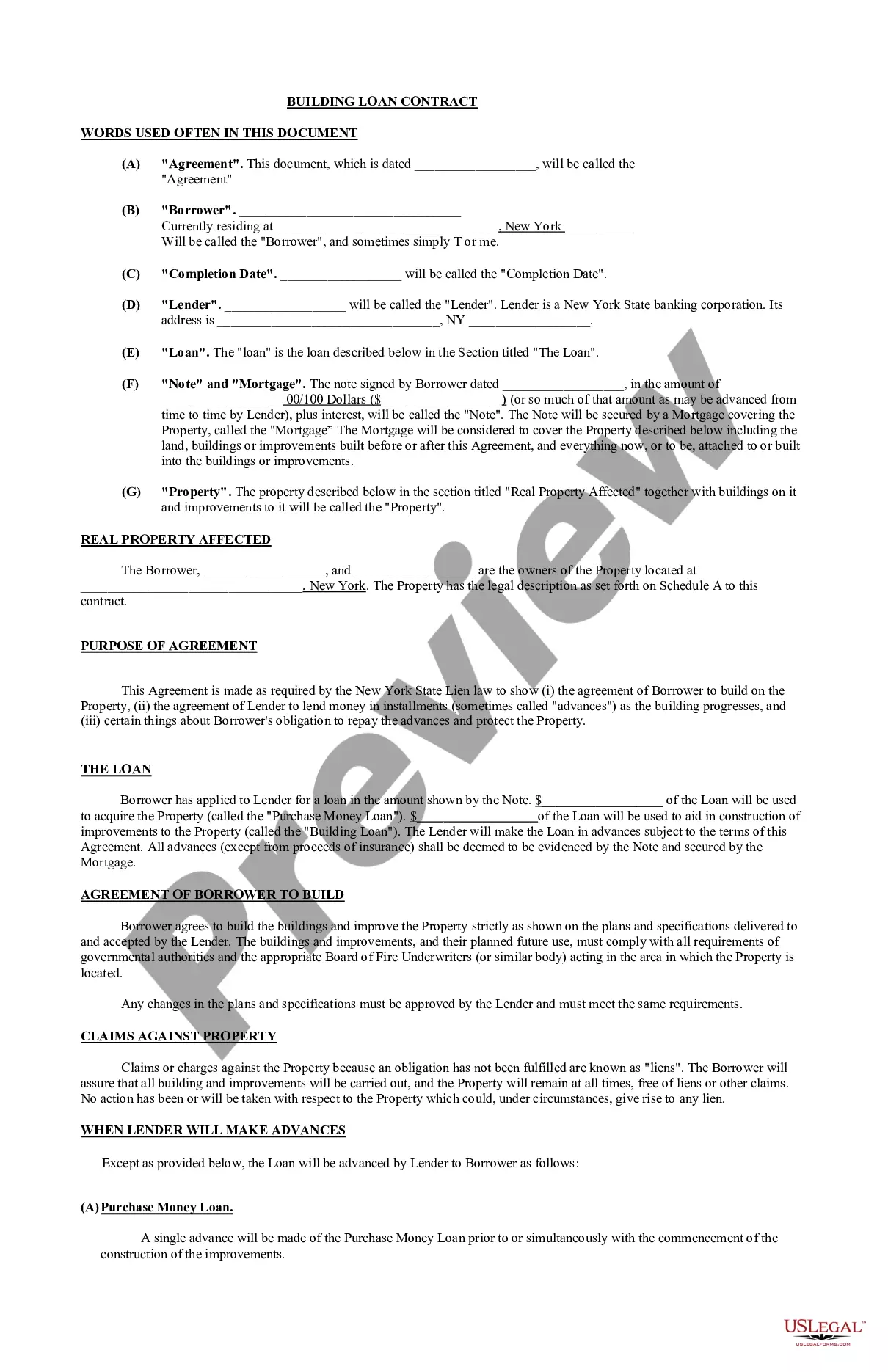
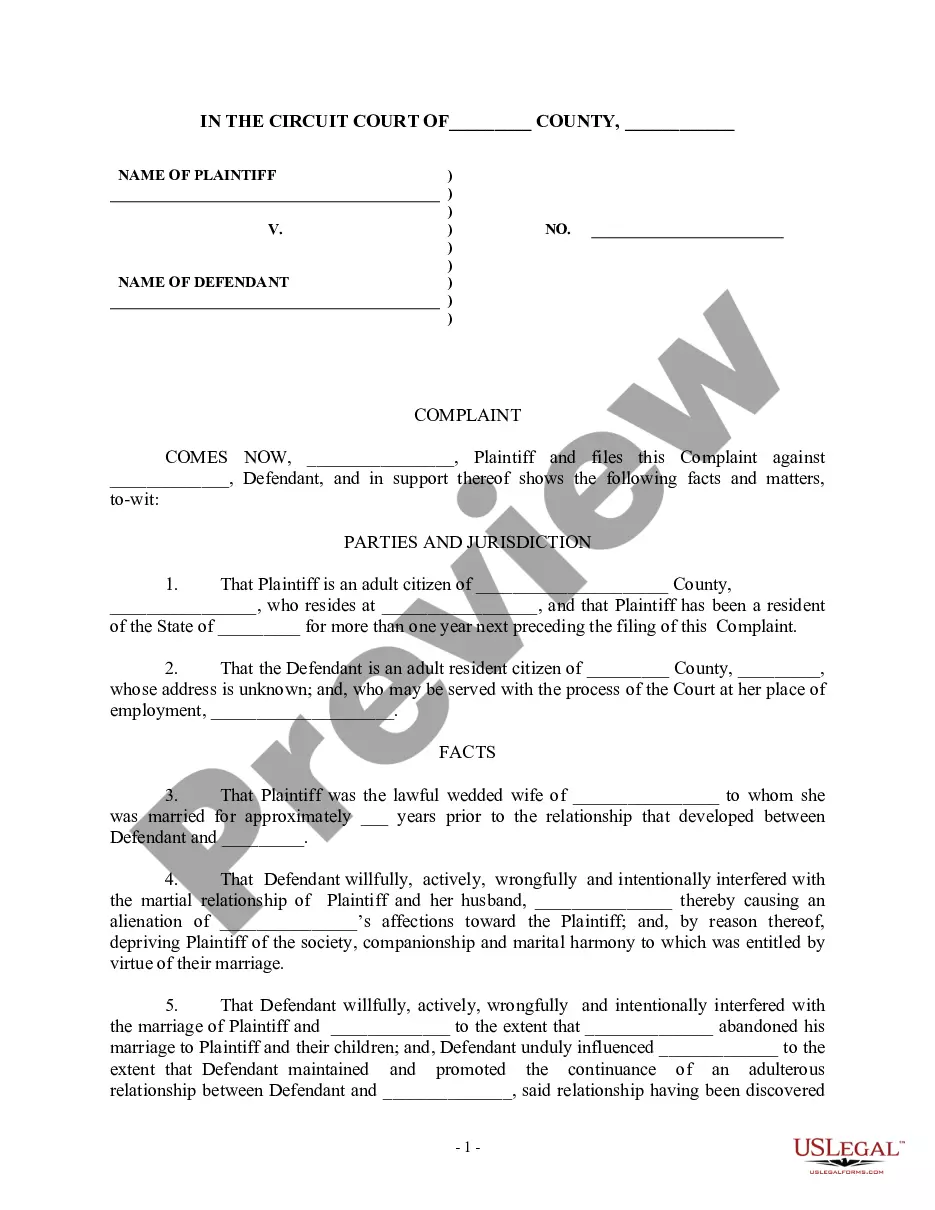
Maryland Complaint by Foster Parents Against Biological Father for Child Support and Health Insurance for Child 1
Description
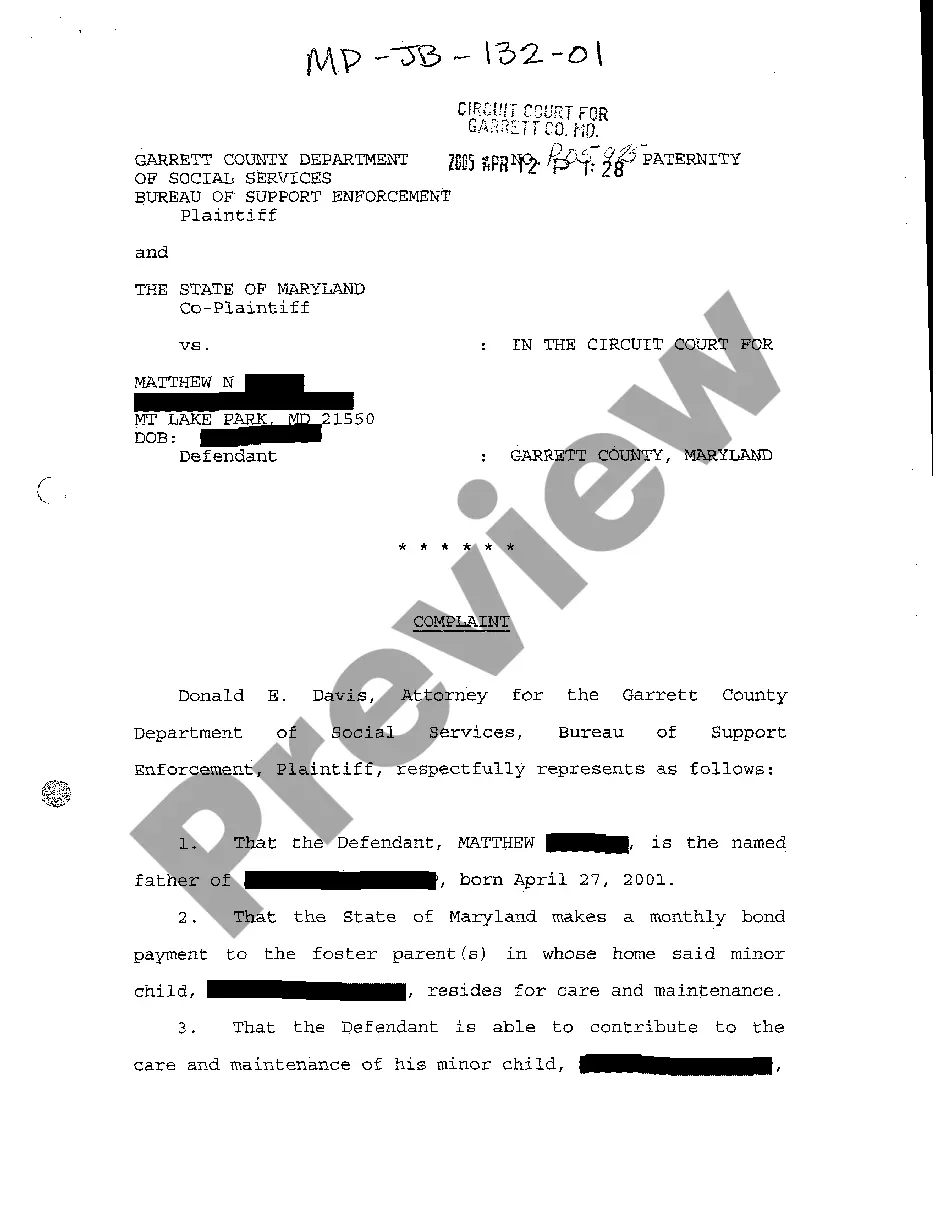
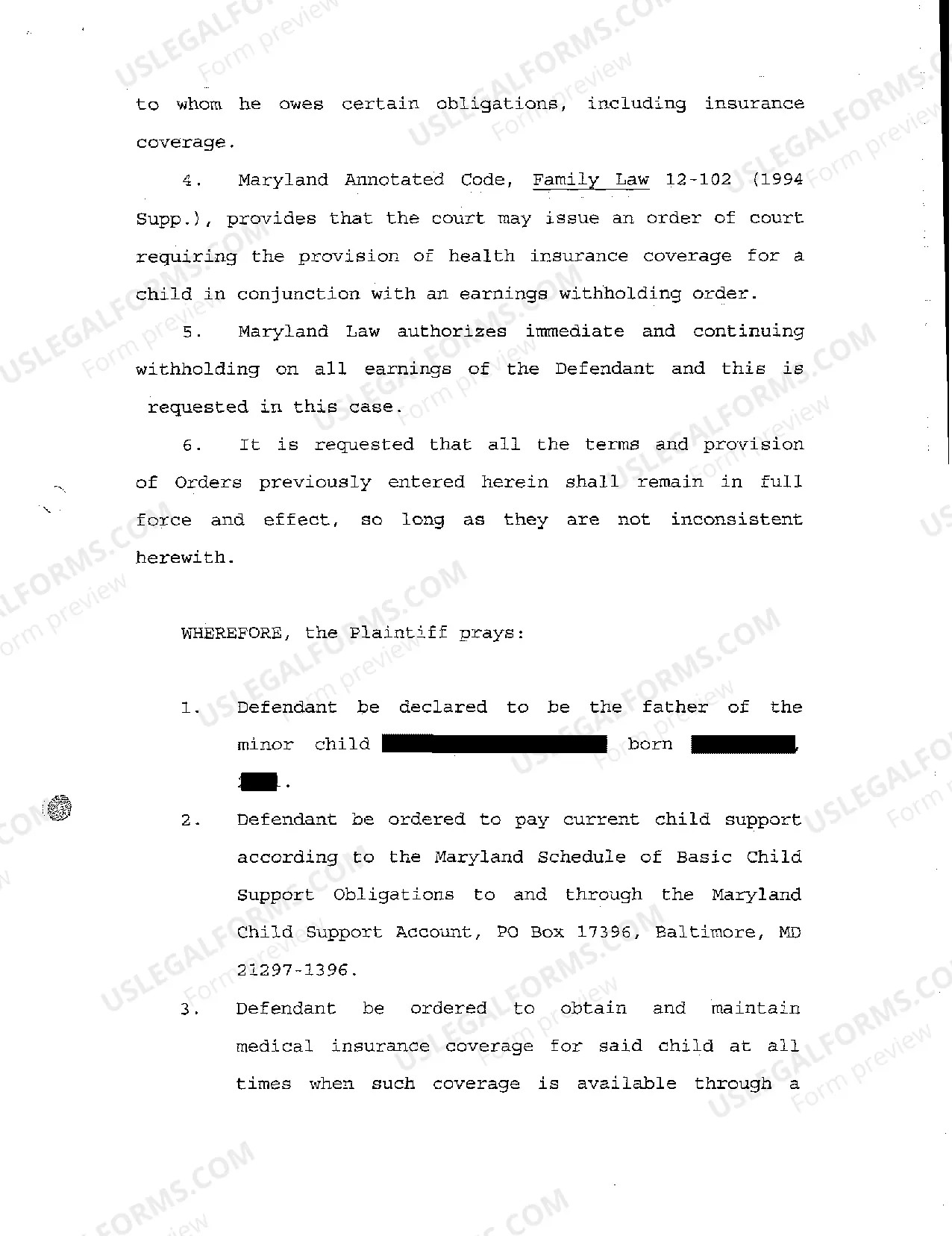
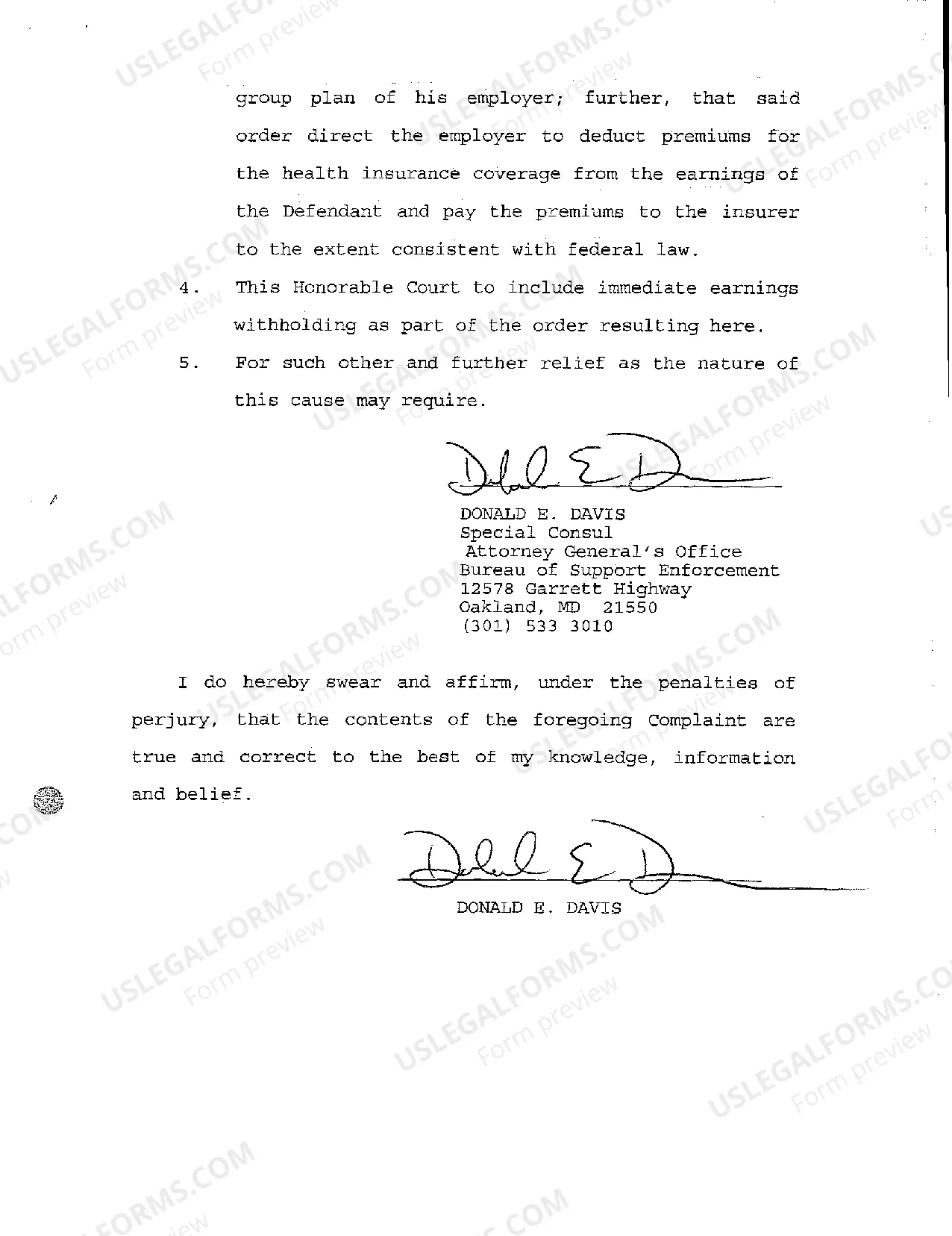
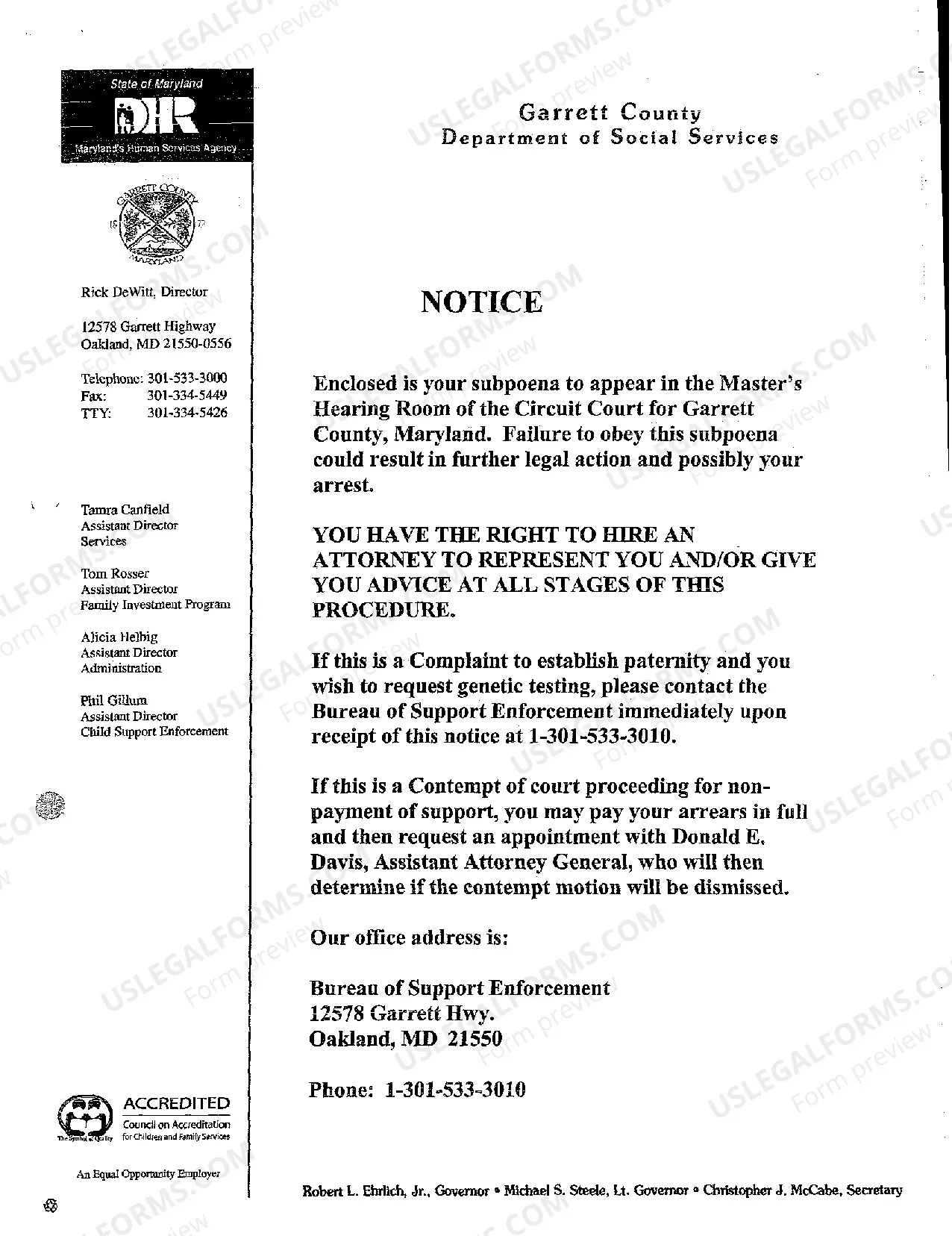
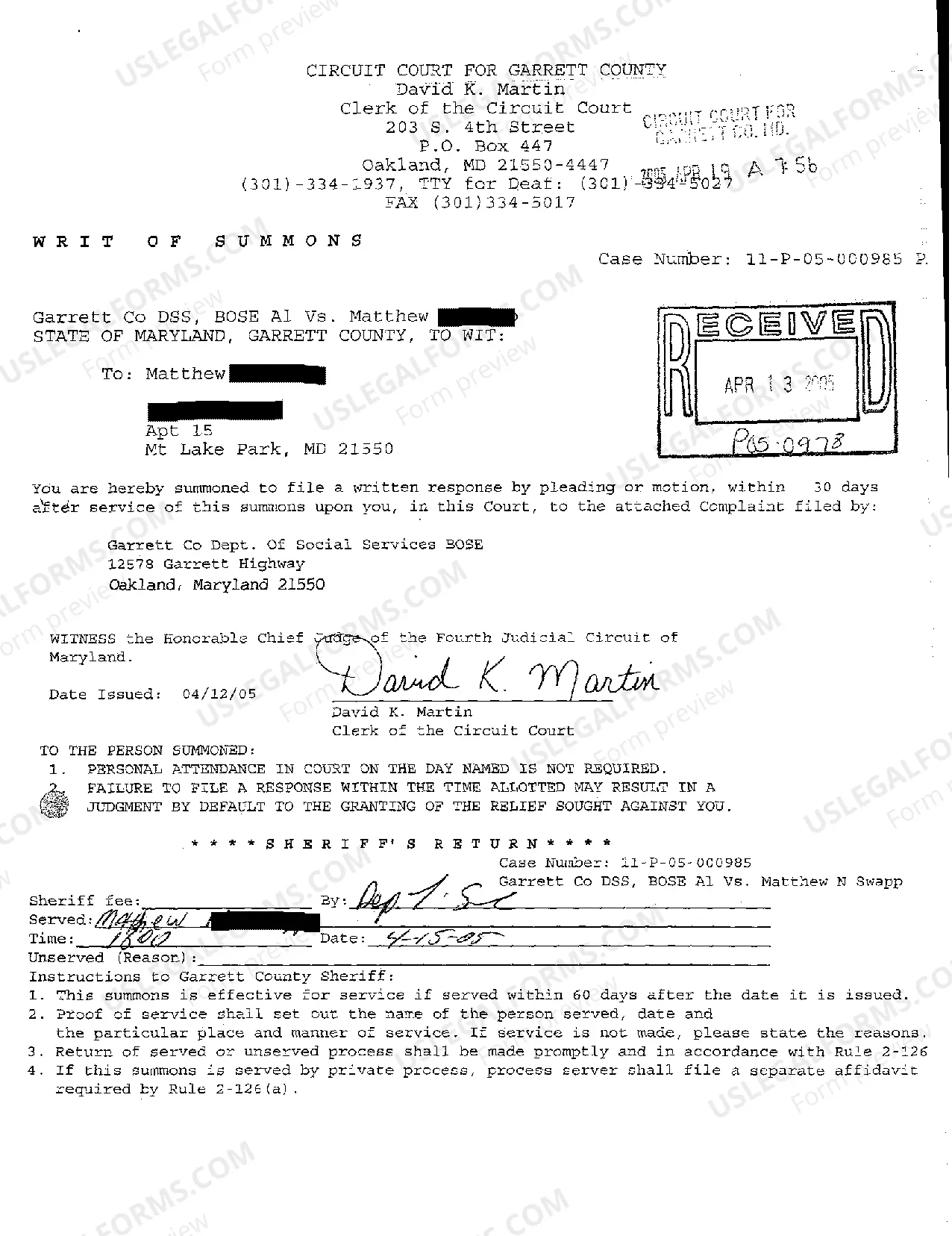
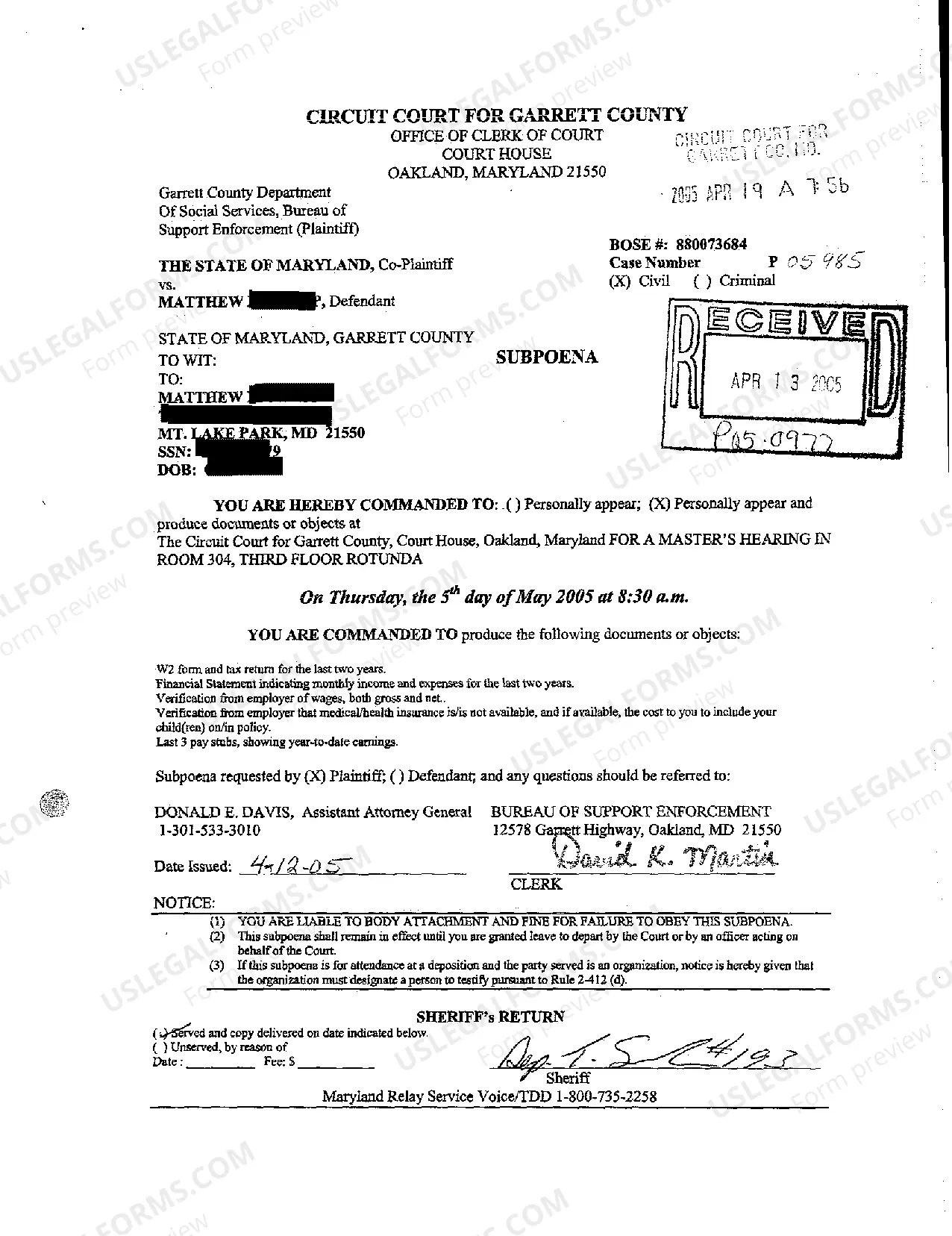
How to fill out Maryland Complaint By Foster Parents Against Biological Father For Child Support And Health Insurance For Child 1?
Greetings to the most extensive legal document repository, US Legal Forms. Here, you can discover any template including Maryland Complaint by Foster Parents Against Biological Father for Child Support and Health Insurance for Child 1 forms and download them (as many as you wish or require). Prepare formal documents in just a few hours, rather than days or weeks, without draining your wallet on a lawyer or attorney. Obtain your state-specific example in a handful of clicks and be assured knowing that it was composed by our state-certified attorneys.
If you’re already a subscribed customer, just Log In to your account and then click Download next to the Maryland Complaint by Foster Parents Against Biological Father for Child Support and Health Insurance for Child 1 you require. Because US Legal Forms operates online, you’ll always have access to your saved templates, regardless of which device you’re using. Locate them within the My documents section.
If you don’t possess an account yet, what are you waiting for? Review our instructions below to get started: If this is a state-specific sample, verify its validity in the state where you reside. Examine the description (if available) to determine if it’s the appropriate template. View more content through the Preview option. If the sample satisfies all of your requirements, click Buy Now. To establish your account, choose a pricing plan. Utilize a credit card or PayPal account to register. Download the file in the format you need (Word or PDF). Print out the file and complete it with your or your organization’s information. Once you’ve finalized the Maryland Complaint by Foster Parents Against Biological Father for Child Support and Health Insurance for Child 1, present it to your attorney for validation. It’s an extra step but a critical one for ensuring you’re thoroughly protected. Become a member of US Legal Forms today and gain access to a large selection of reusable samples.
Form popularity
FAQ
If you wish to challenge paternity, the process begins when the legal father files a Petition to Disestablish Paternity. In a court of law, disestablishment of paternity may be granted under these circumstances: If the child's mother, biological father and legal father voluntarily consent to change the status.
A bridge order shall only address matters of legal and physical custody and parenting time. All other matters, including child support, shall be resolved by filing a separate petition or motion or by action of the child support enforcement office and shall be subject to existing applicable statutory provisions.
What is a CINA Case? Most CINA cases involve abused or neglected children. The State files a petition alleging that the child is a child in need of assistance. The petition says the state's protection and Juvenile Court involvement is necessary to ensure the child's well-being.
Biological parents have a right to seek child visitation or child custody. This is true regardless of whether the child's parents were married when the child was born.
The bridging orders will be one of 11 preprinted sets of orders, containing only the basic orders needed for interim care and patient safety. The dedicated patient admission nurse receives the bridging orders, and then locates an available bed for the patient.
For example, in a paternity fraud case, the judge may hold a person in contempt for lying or falsifying information about the paternity test. When this occurs, the judge may issue a contempt order, which can result in criminal charges.
Under Maryland law, a person cannot agree with a spouse in order to avoid a court-ordered obligation to pay child support. Rather, there is a worksheet provided by the State of Maryland that allows you to input your own unique factors in order to estimate the amount the court will order you to pay.
A Child in Need of Assistance requires the Court's intervention because there is neglect, abuse or a developmental disability/ mental disorder AND the parents/ guardian/ custodian are unable or unwilling to provide proper care.
Overall, there are typically more than one permanency hearing in a CPS case, however. About four months after the first permanency hearing, the second permanency hearing is typically the occasion on which you can expect to hear from the judge on whether your child can be returned to your home on a permanent basis.