Maryland Residential Dwelling Lease
Understanding this form
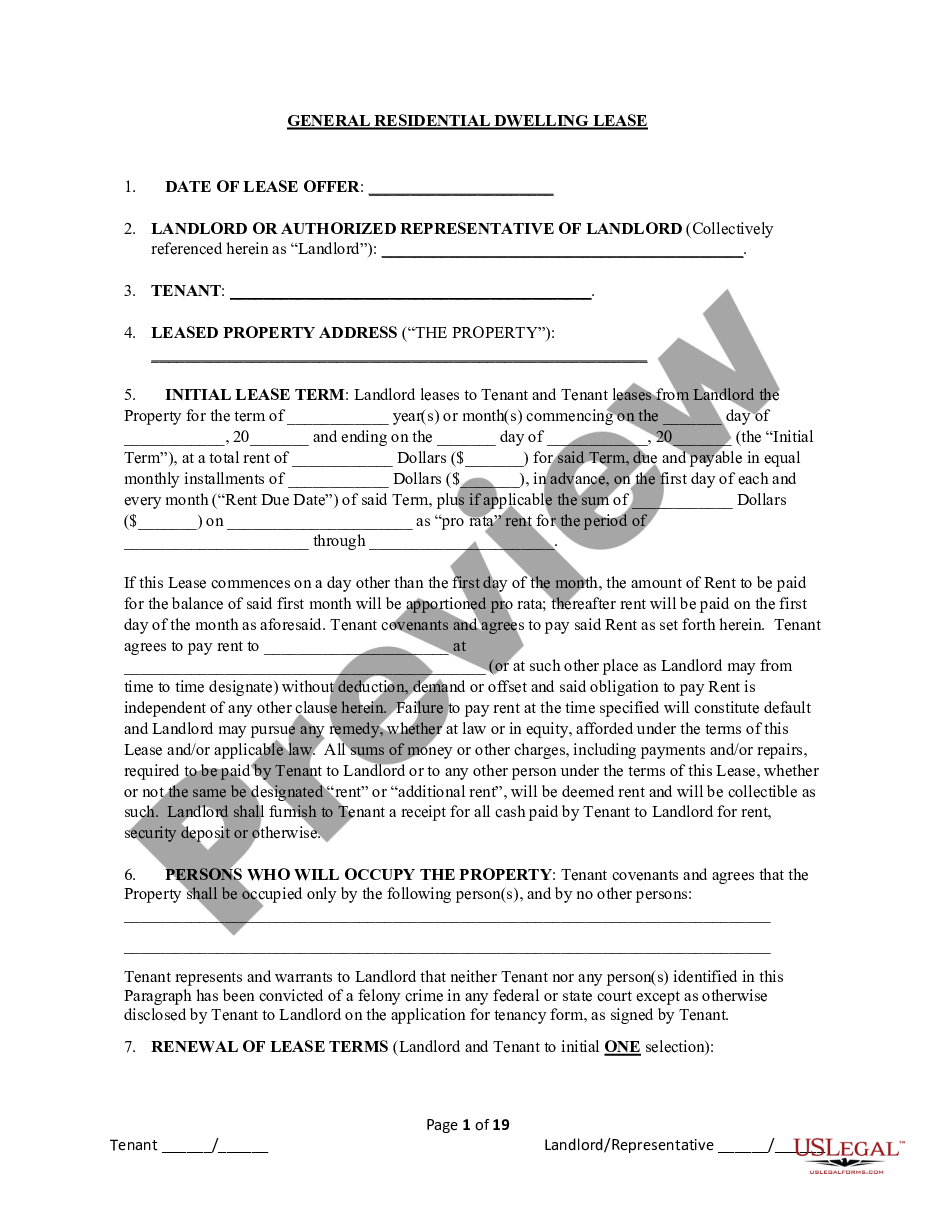
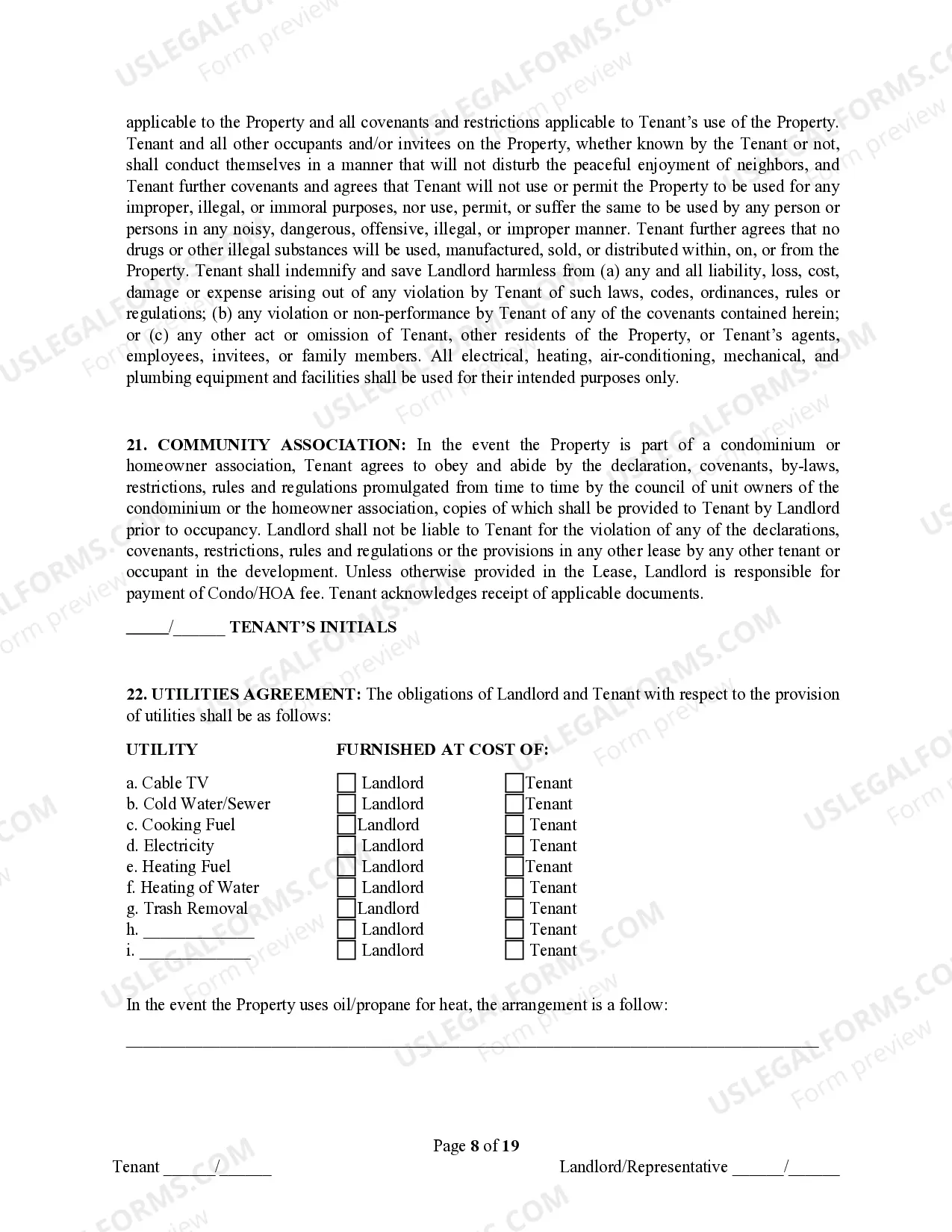
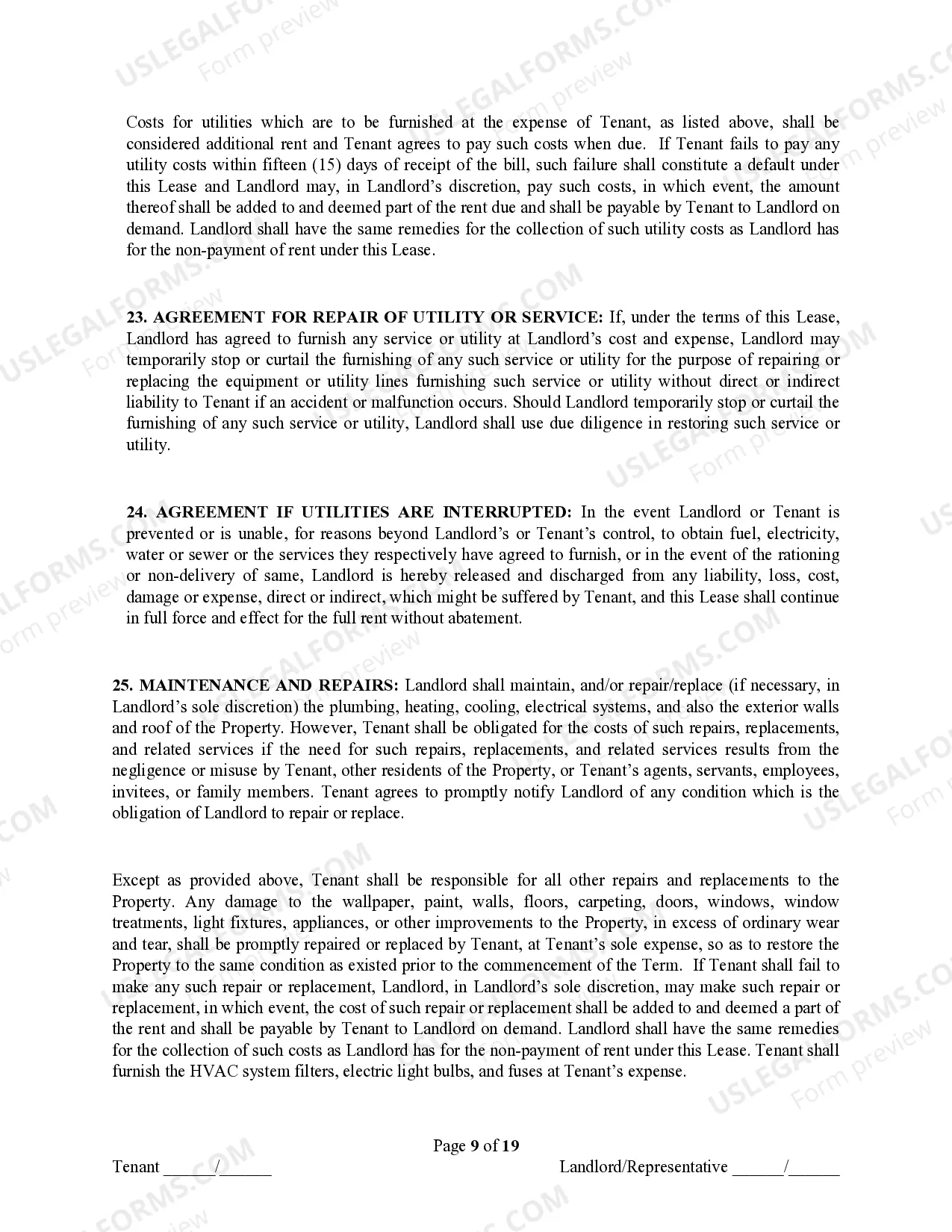
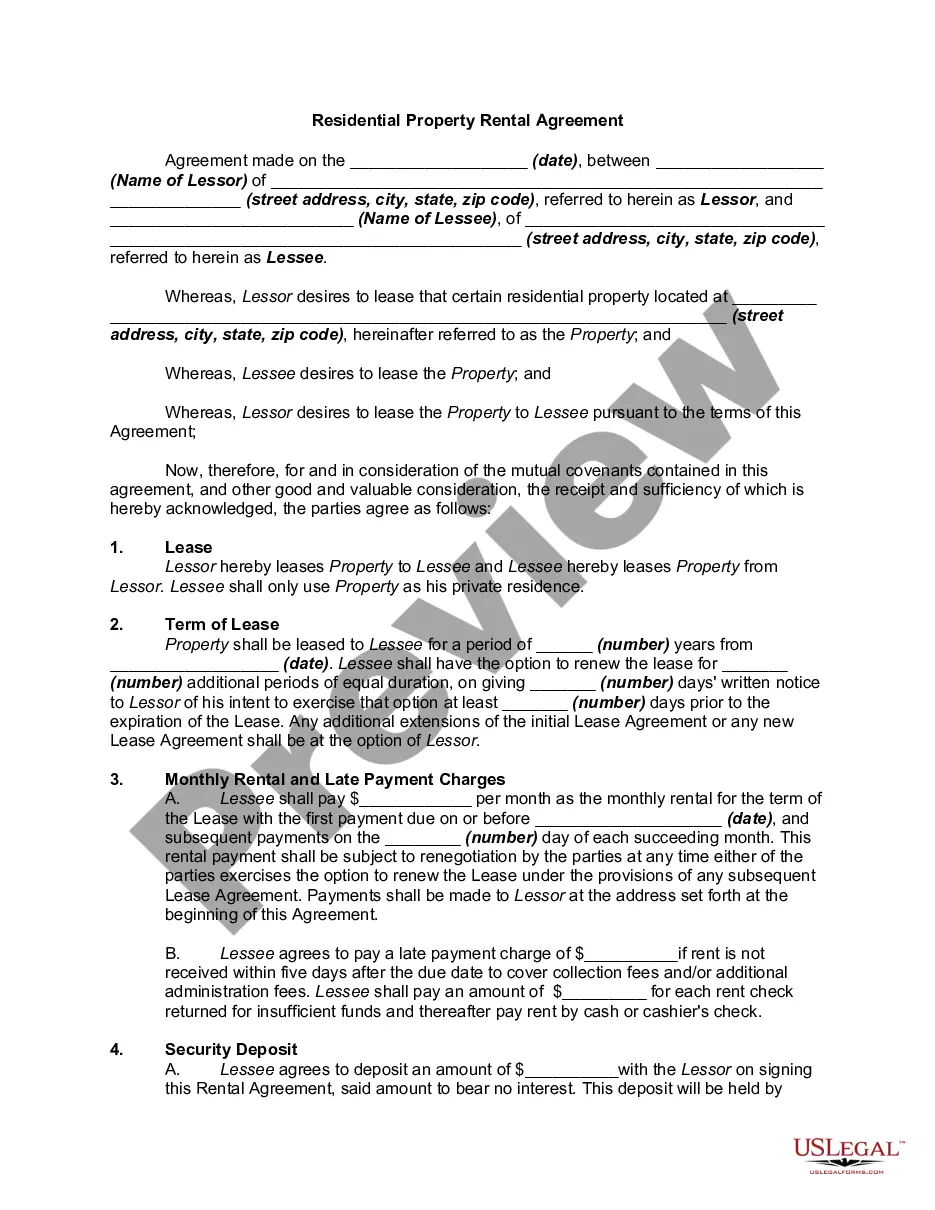
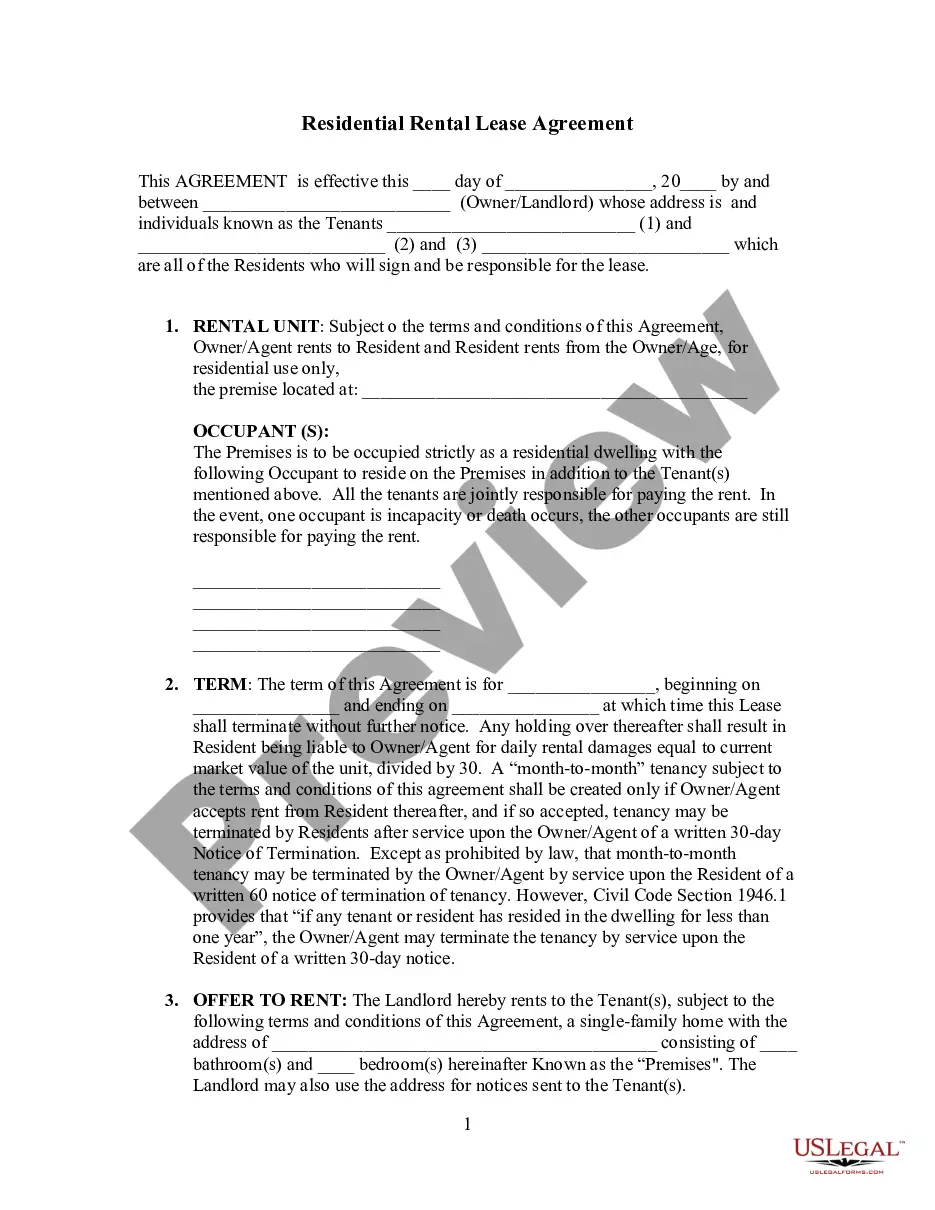
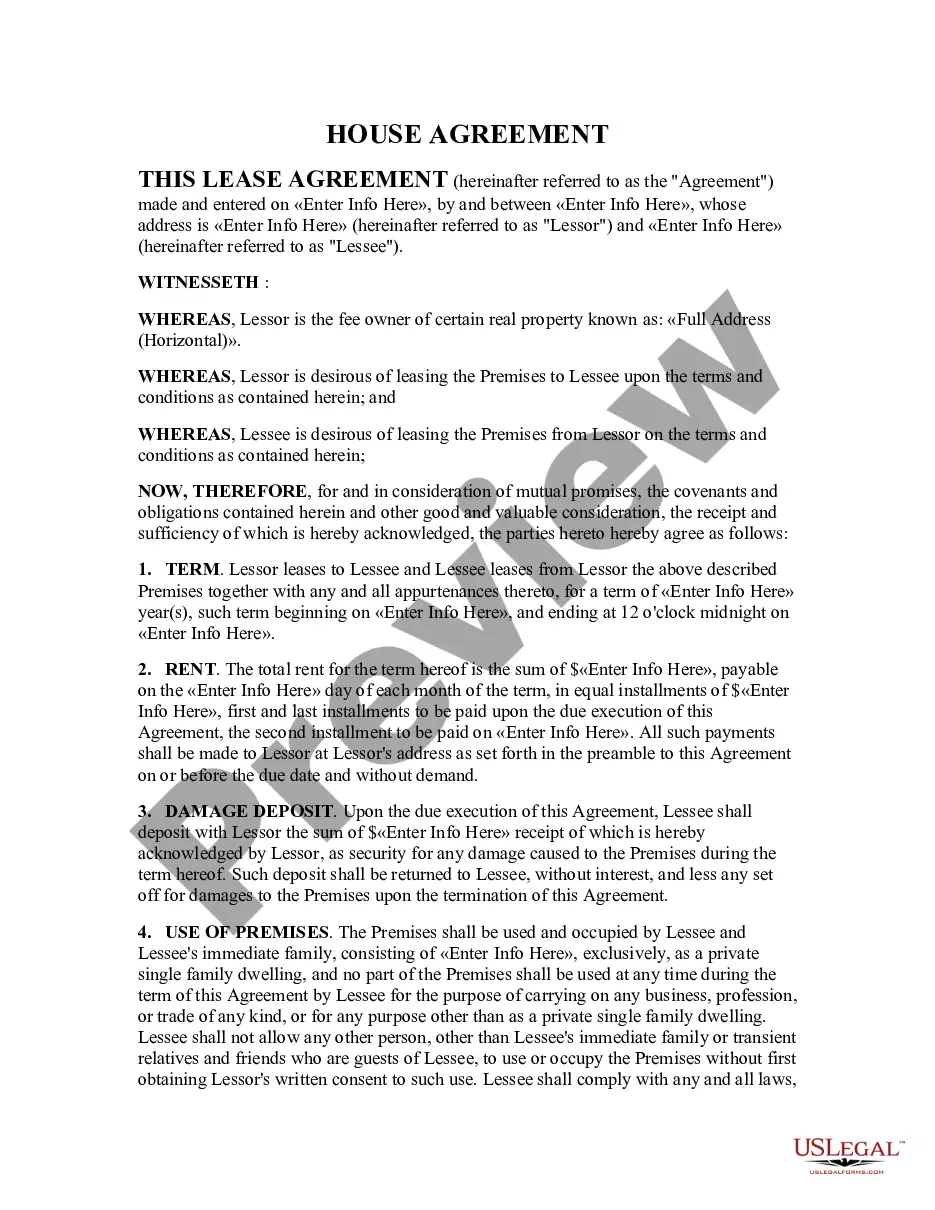
The Residential Dwelling Lease is a legally binding agreement between a landlord and tenant for renting a residential property. This lease outlines the terms and conditions for the tenancy, including the duration, payment details, and responsibilities of each party. Unlike other rental documents, this lease is designed for a specific term, such as yearly or month-to-month arrangements, and can be customized based on mutual agreement. It is important for both parties to understand its implications to ensure a smooth rental experience.
Main sections of this form
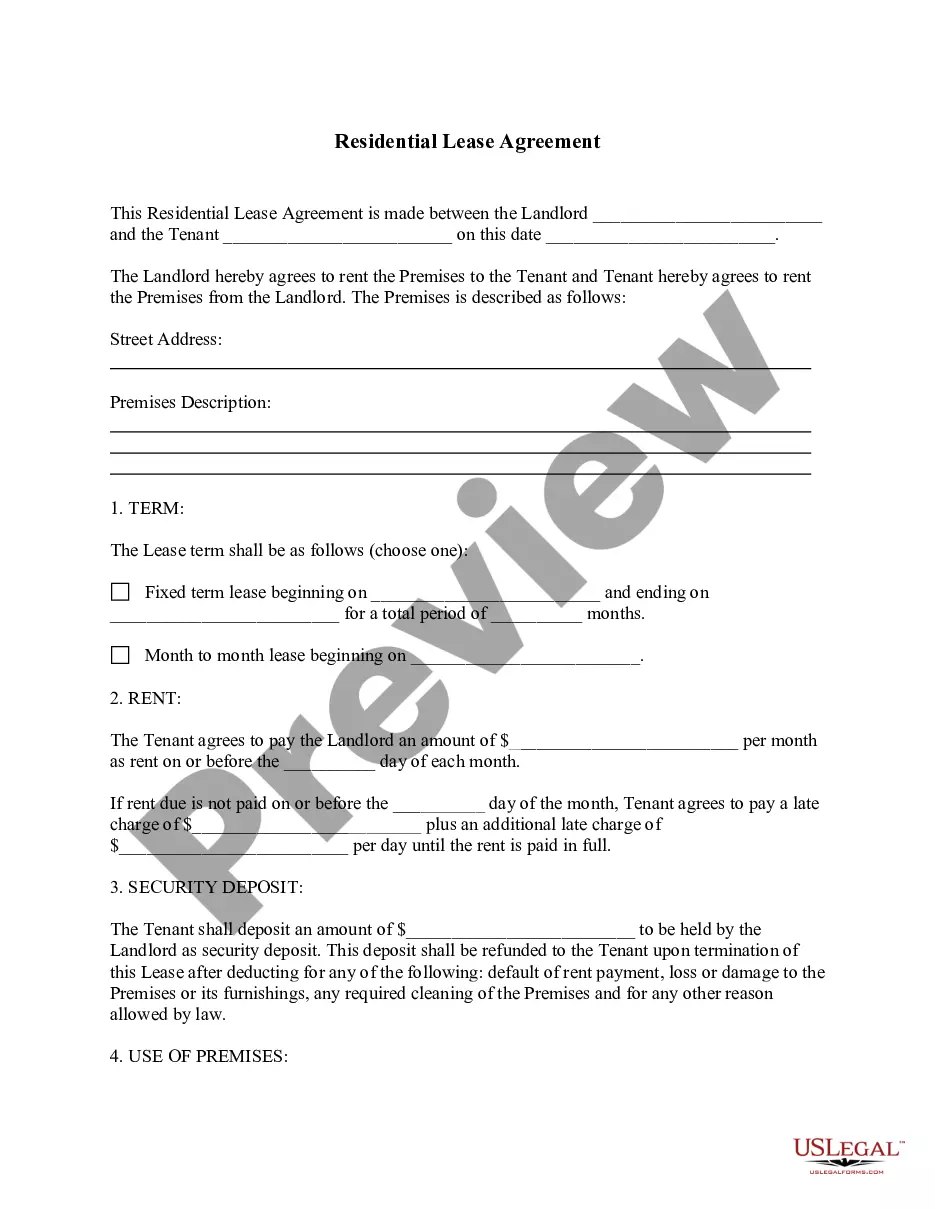
- Lease term, including start and end dates.
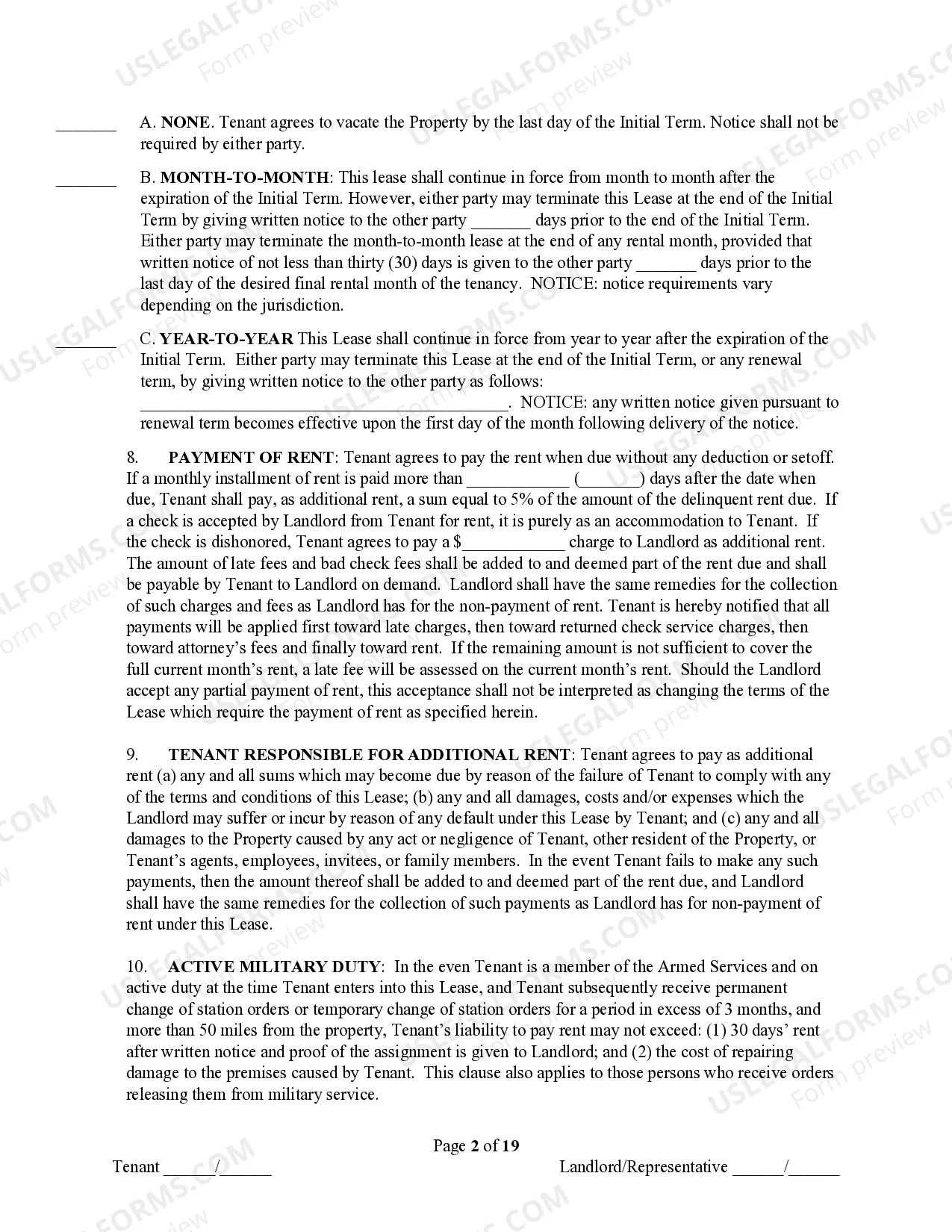
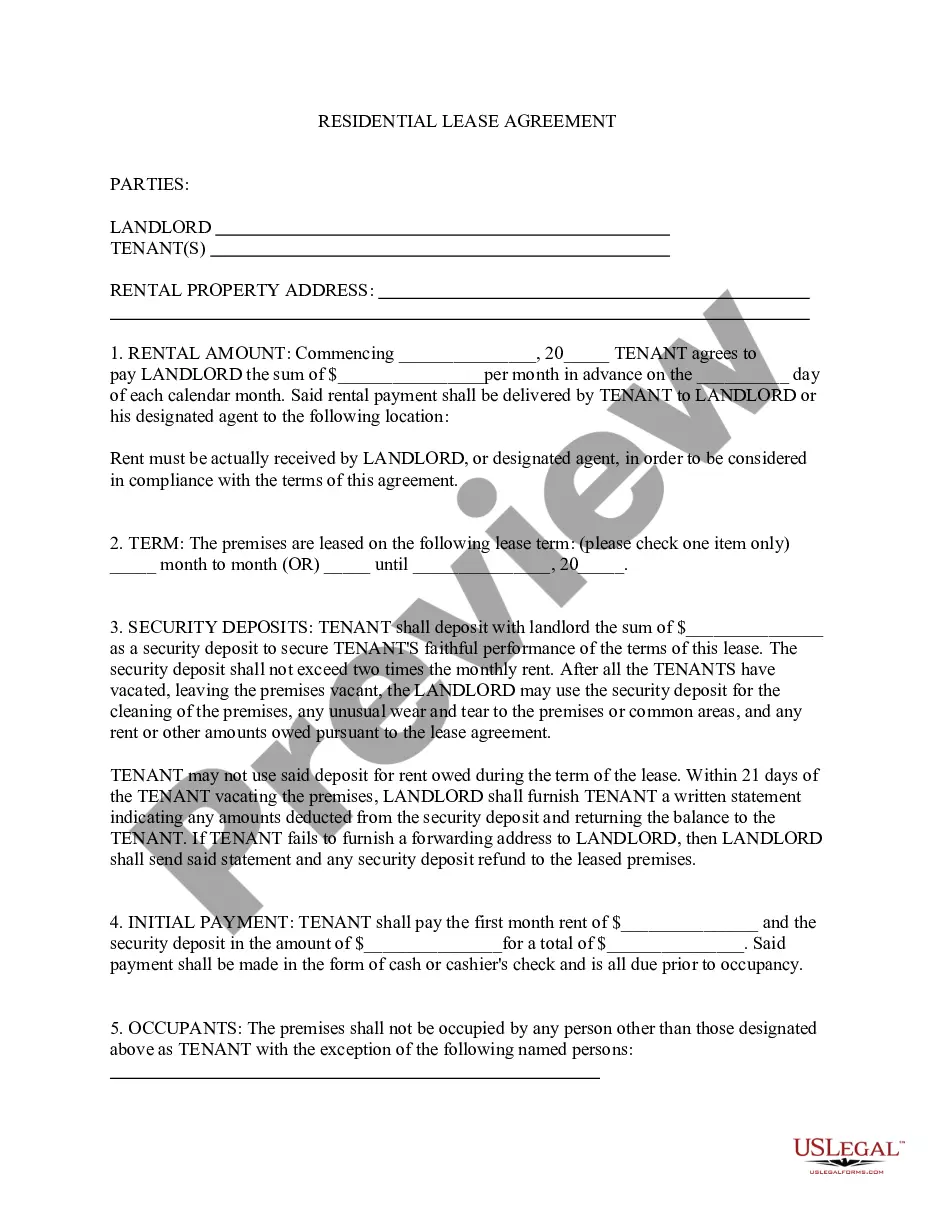
- Details regarding the payment of rent, including due dates and penalties for late payments.
- Occupancy restrictions specifying who can live in the leased property.
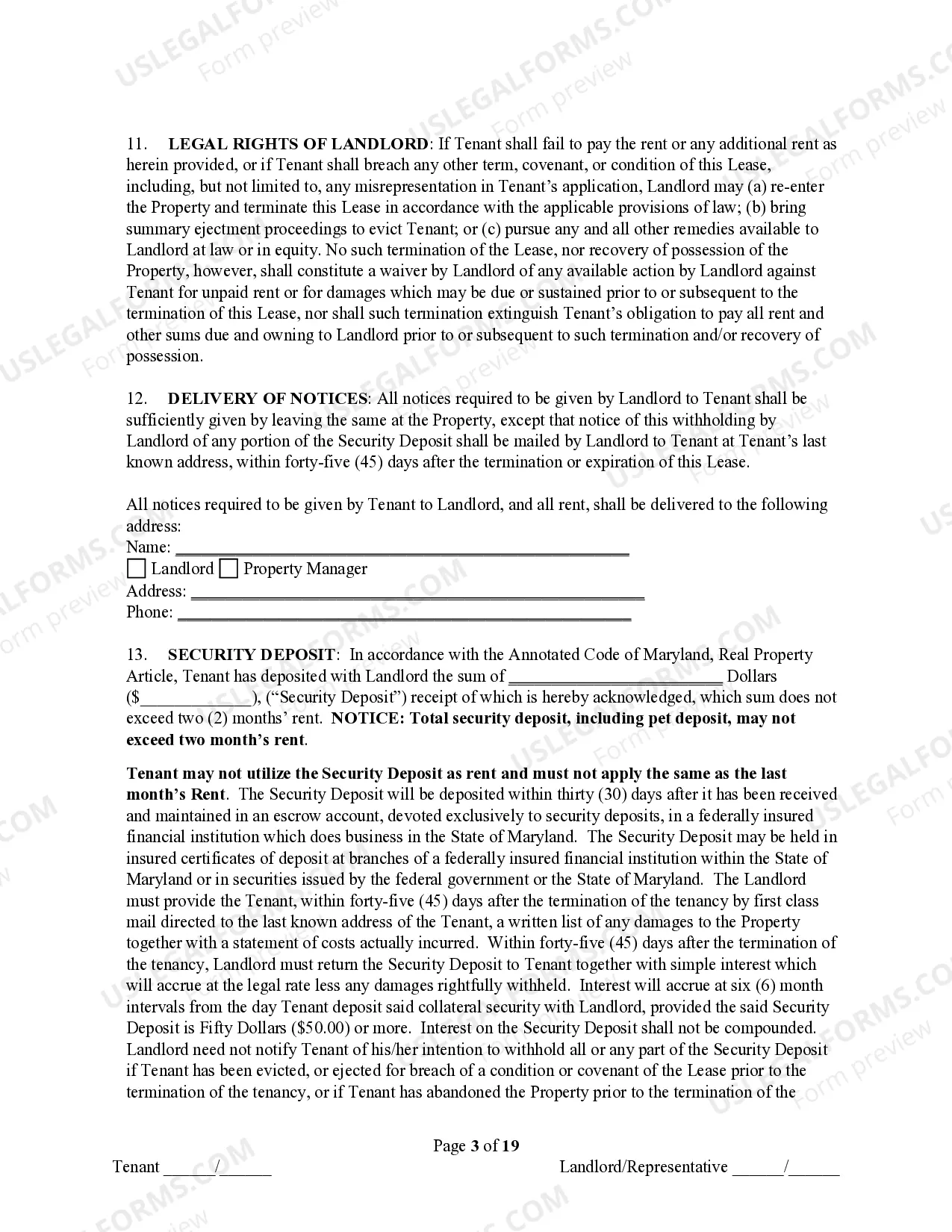
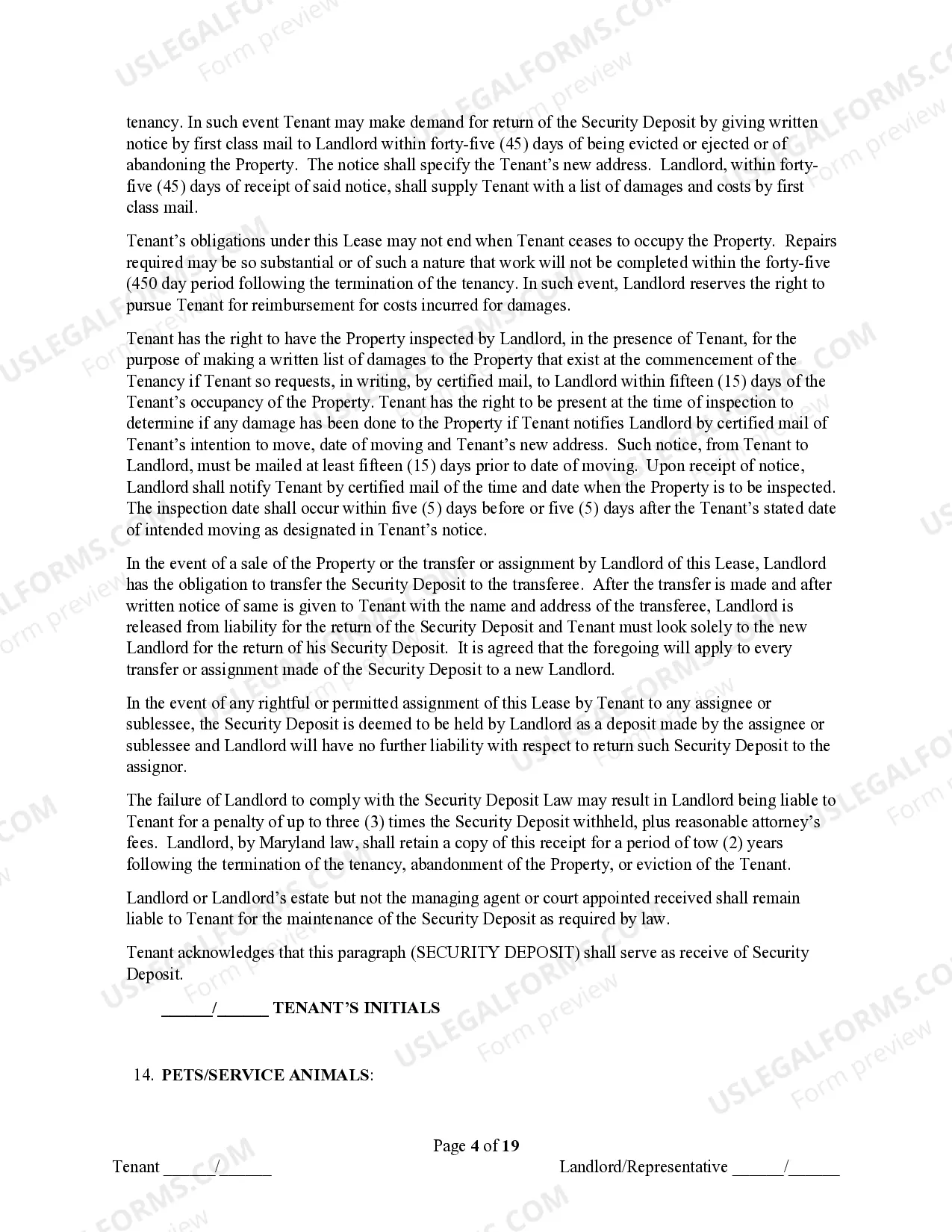
- Conditions regarding the security deposit and its return.
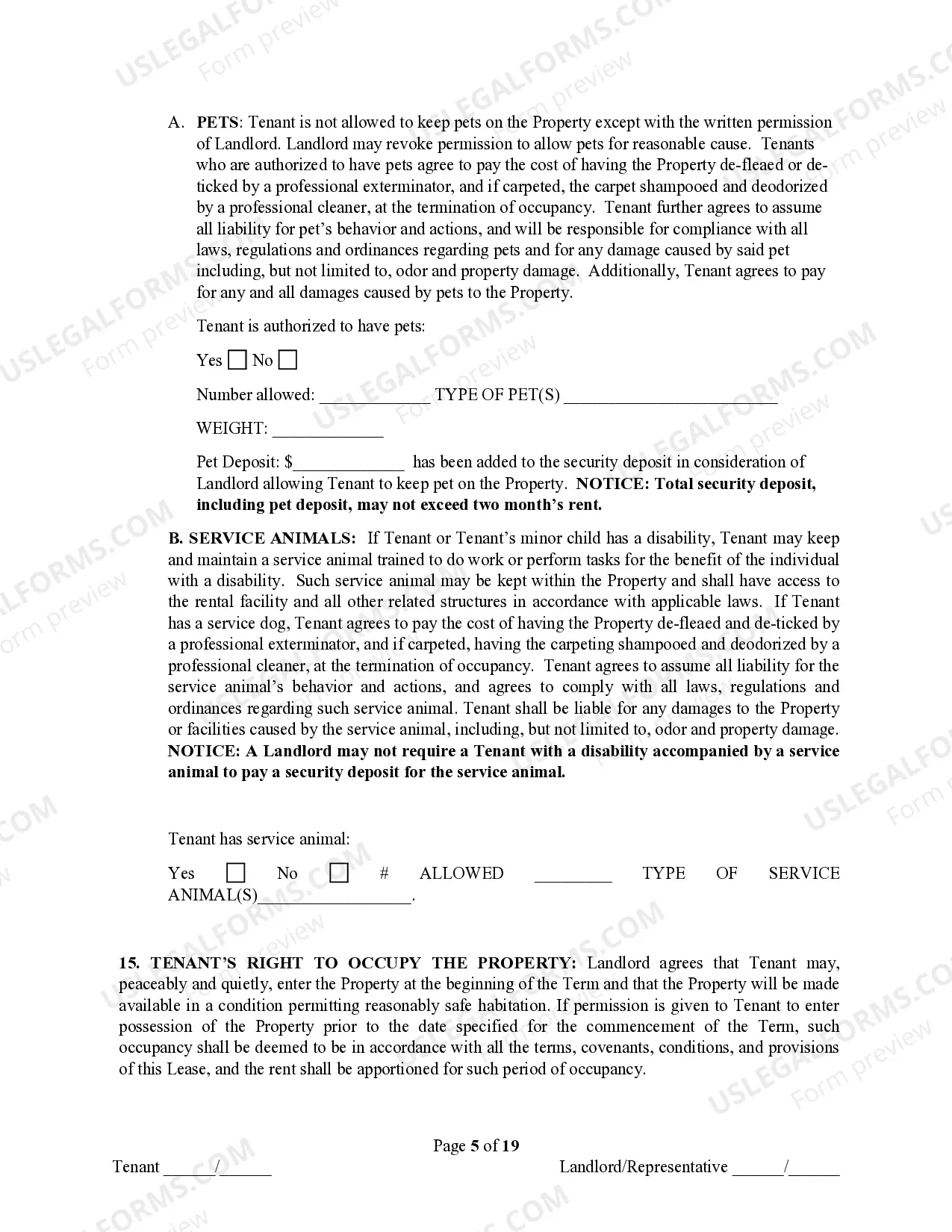
- Policies about pets and service animals.
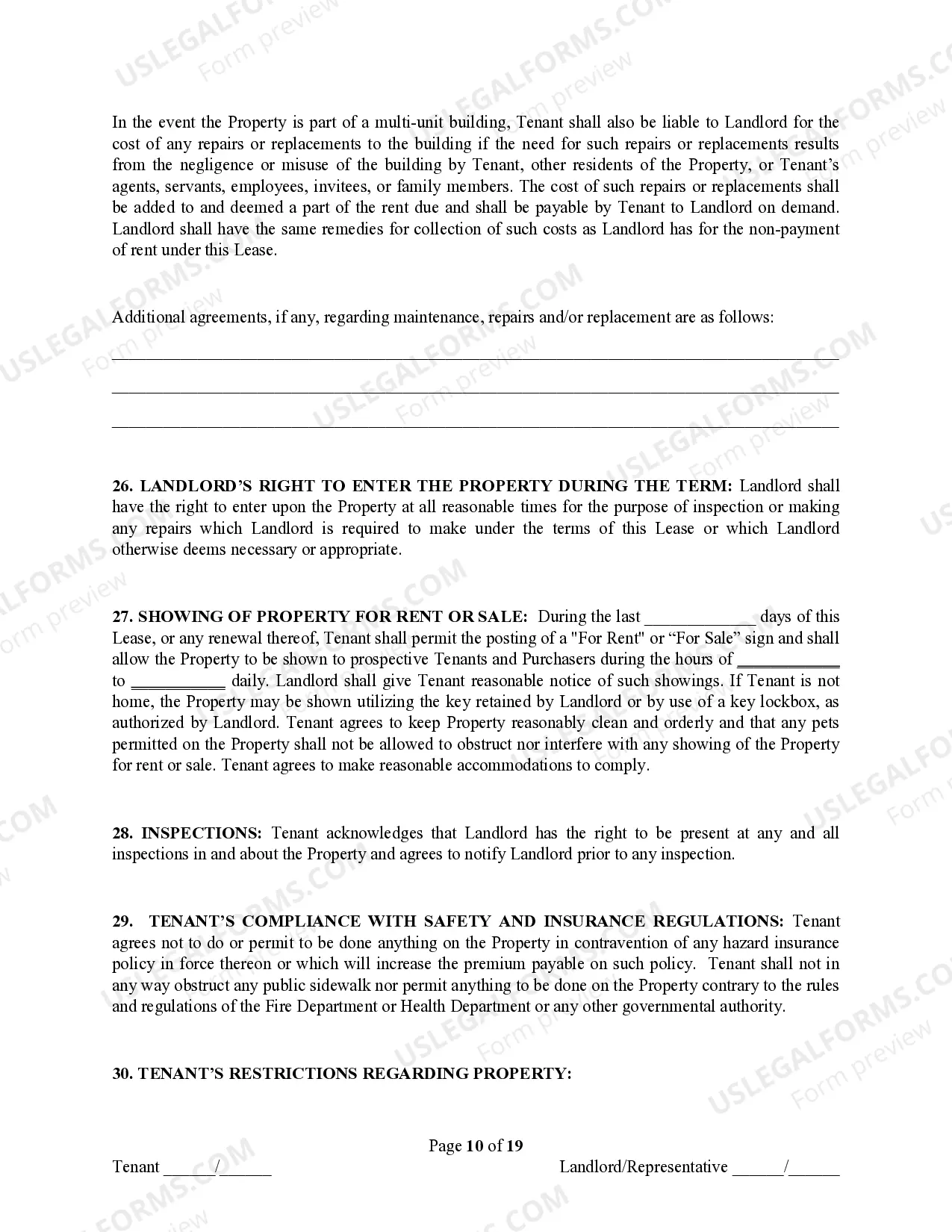
- Landlord's right to enter the property for inspections or repairs.

When to use this form
This form should be utilized when a property owner intends to rent out their residential property to a tenant. It is essential for establishing the terms of the rental agreement and defining the rights and responsibilities of both parties. Use this lease if you want to formalize a rental arrangement for a specified period, providing legal protection and clarity for both the landlord and tenant.
Who should use this form
This form is suitable for:
- Landlords looking to rent out their residential properties.
- Tenants seeking a clear, legally binding contract for tenancy.
- Real estate agents representing either landlords or tenants in the rental process.
How to complete this form
- Identify the parties involved: the landlord and the tenant.
- Specify the address of the property being rented.
- Enter the initial lease term, including the start and end dates.
- Define the rental amount and payment due dates.
- Indicate any restrictions on occupancy and specify any policies regarding pets or service animals.
Notarization guidance
This form does not typically require notarization unless specified by local law. However, having it notarized can add an extra layer of authenticity and security for both parties.
Get your form ready online
Our built-in tools help you complete, sign, share, and store your documents in one place.
Make edits, fill in missing information, and update formatting in US Legal Forms—just like you would in MS Word.
Download a copy, print it, send it by email, or mail it via USPS—whatever works best for your next step.
Sign and collect signatures with our SignNow integration. Send to multiple recipients, set reminders, and more. Go Premium to unlock E-Sign.
If this form requires notarization, complete it online through a secure video call—no need to meet a notary in person or wait for an appointment.
We protect your documents and personal data by following strict security and privacy standards.

Make edits, fill in missing information, and update formatting in US Legal Forms—just like you would in MS Word.

Download a copy, print it, send it by email, or mail it via USPS—whatever works best for your next step.

Sign and collect signatures with our SignNow integration. Send to multiple recipients, set reminders, and more. Go Premium to unlock E-Sign.

If this form requires notarization, complete it online through a secure video call—no need to meet a notary in person or wait for an appointment.

We protect your documents and personal data by following strict security and privacy standards.
Typical mistakes to avoid
- Failing to clearly specify the rental amount and payment terms.
- Not including the full names of all occupants.
- Overlooking state-specific legal requirements related to security deposits.
- Neglecting to define policies for pets or service animals adequately.
Why complete this form online
- Convenient access to a professionally drafted lease template.
- Edit and customize the form to meet specific needs easily.
- Reliable legal protection through an up-to-date lease agreement.
- Quick download options to facilitate rapid processing.
Looking for another form?
Form popularity
FAQ
The landlord must give written notice, at least two months for single-family and multi-family units, if there is no breach of lease.
Sale by Landlord If the landlord sells the property and the purchaser has actual or constructive notice that it is leased to a tenant, the purchaser must honor the provisions of the lease. Where the tenant is in possession of the premises, the purchaser is considered by law to have notice of the lease.
A landlord may give a written 30-day breach of lease and intent to terminate tenancy notice that states the alleged violation of the lease at any time during the tenancy. The landlord can give this written 30-day breach notice immediately upon discovery of the breach.
Maryland state law prohibits the landlord from taking possession of the premises or tenant's property without legal process. Should a lockout occur, the tenant has the right to hire a locksmith, change the locks, re-enter the premises, and hold the landlord responsible for the cost involved.
A ?notice to vacate? from your landlord is not a court order. This is the written notice that a landlord must give you at least one month before your lease ends if they want you to move out at the end of the lease. If you do not move out, your landlord must go to court to try to evict you.
?It's illegal in Maryland for a landlord to retaliate and evict a tenant primarily because the tenant or a housing inspector sends a notice to the landlord informing them that there are lead hazards in the property or that there is a child with an elevated blood lead level living in the property.
A landlord in Maryland has only a few, but very broad reasons for terminating a rental agreement early. The two reasons that a landlord can terminate early are: Tenant or tenant's guests or invitees fail to comply with any term of the rental agreement. Tenant misrepresents any material fact on their rental application.
Fixed-term lease This is probably the most common type of residential lease, and guarantees your tenancy (and your monthly rental cost) for a set period of time?for example, six months, a year, or two years.
Maryland is considered a landlord-friendly state since rental prices are usually high. Additionally, most Maryland areas don't enforce rent control policies, meaning that they may charge any amount of rent without any issues.