Maryland Plumbing Contract for Contractor
What is this form?
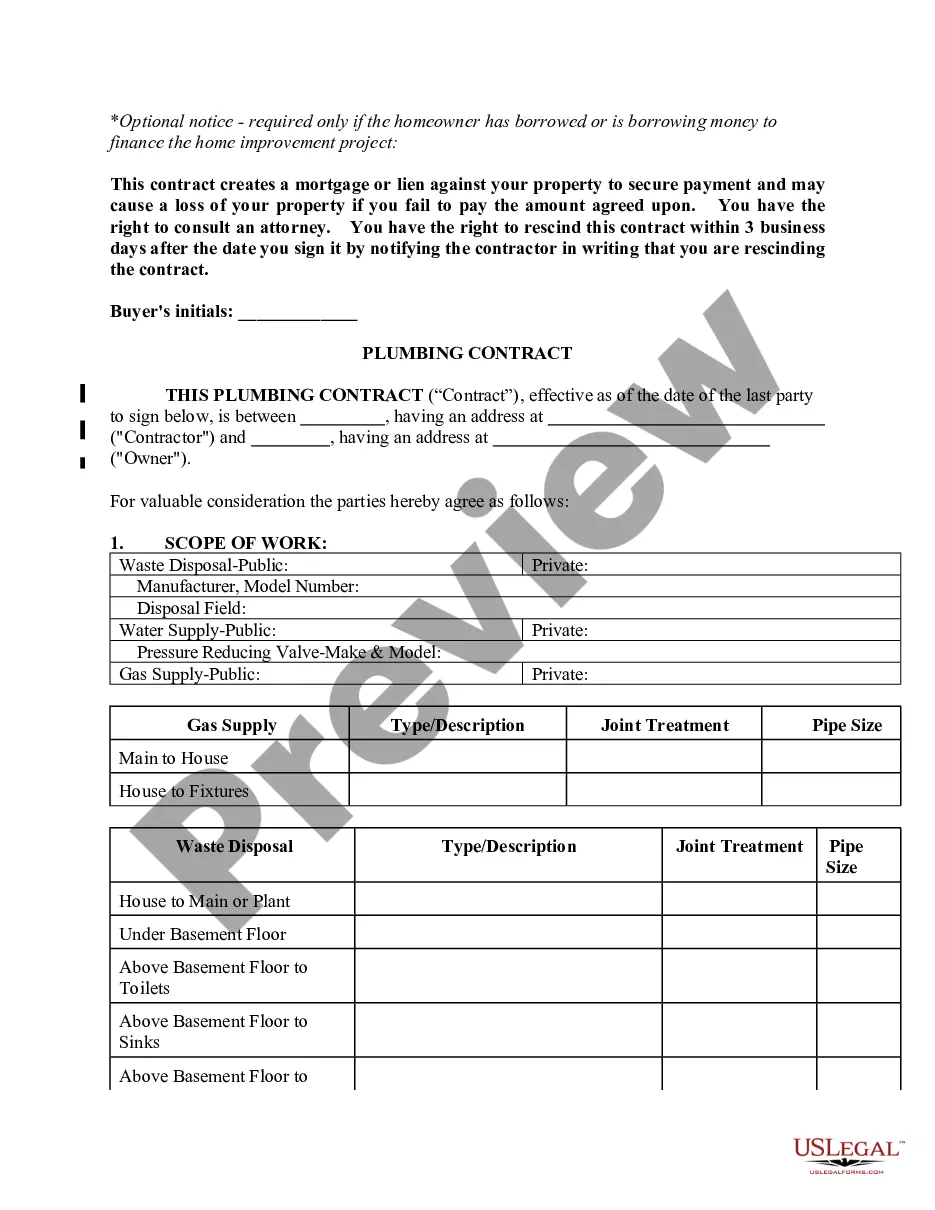
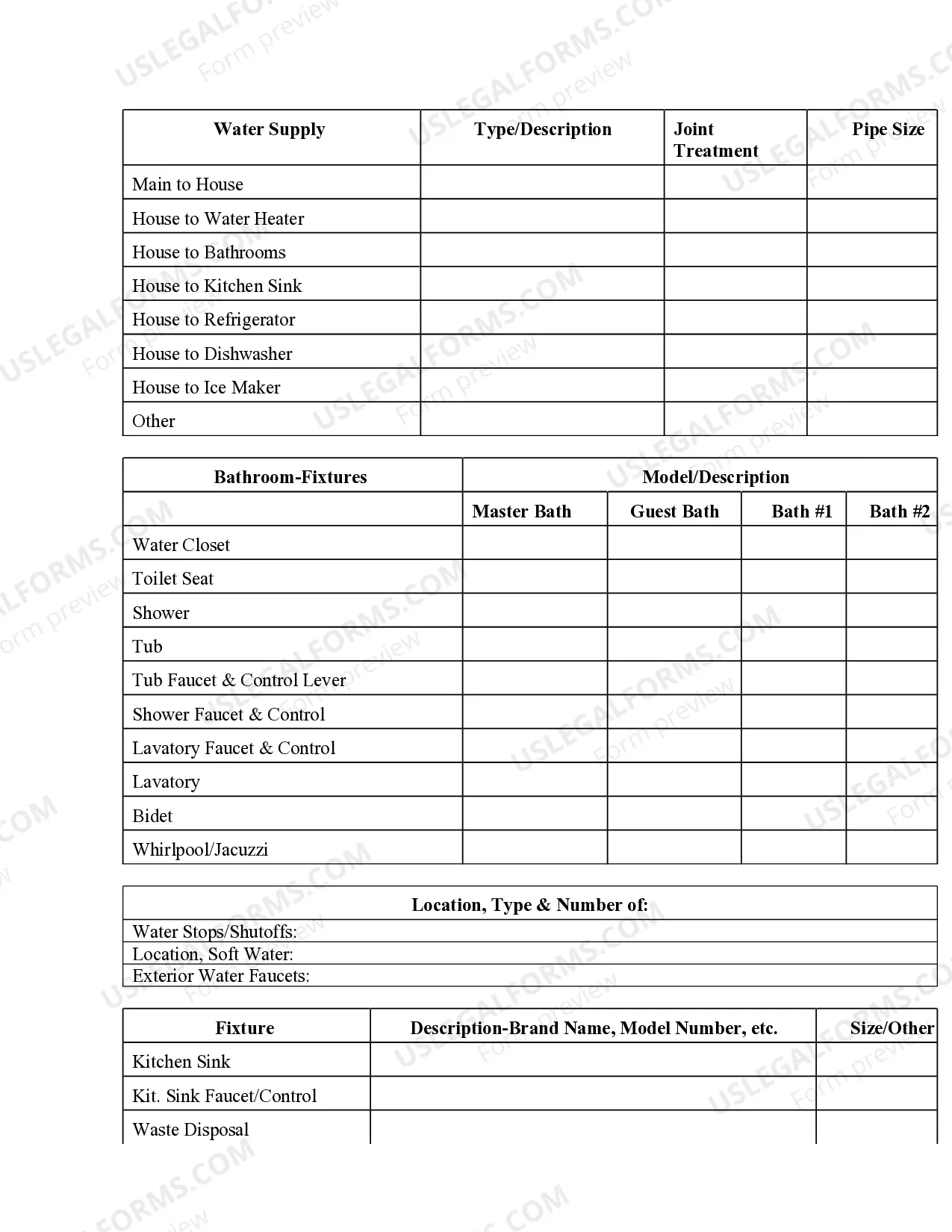
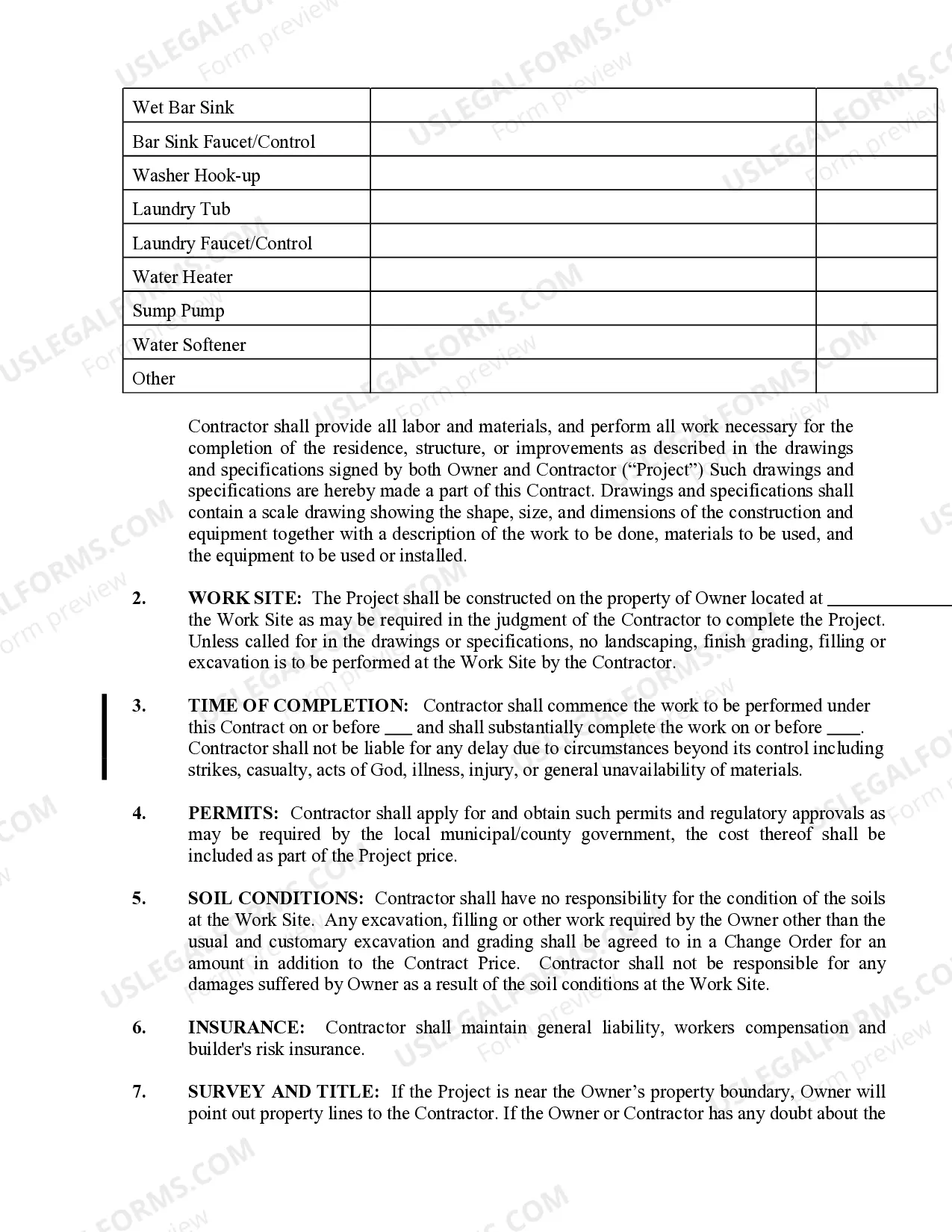
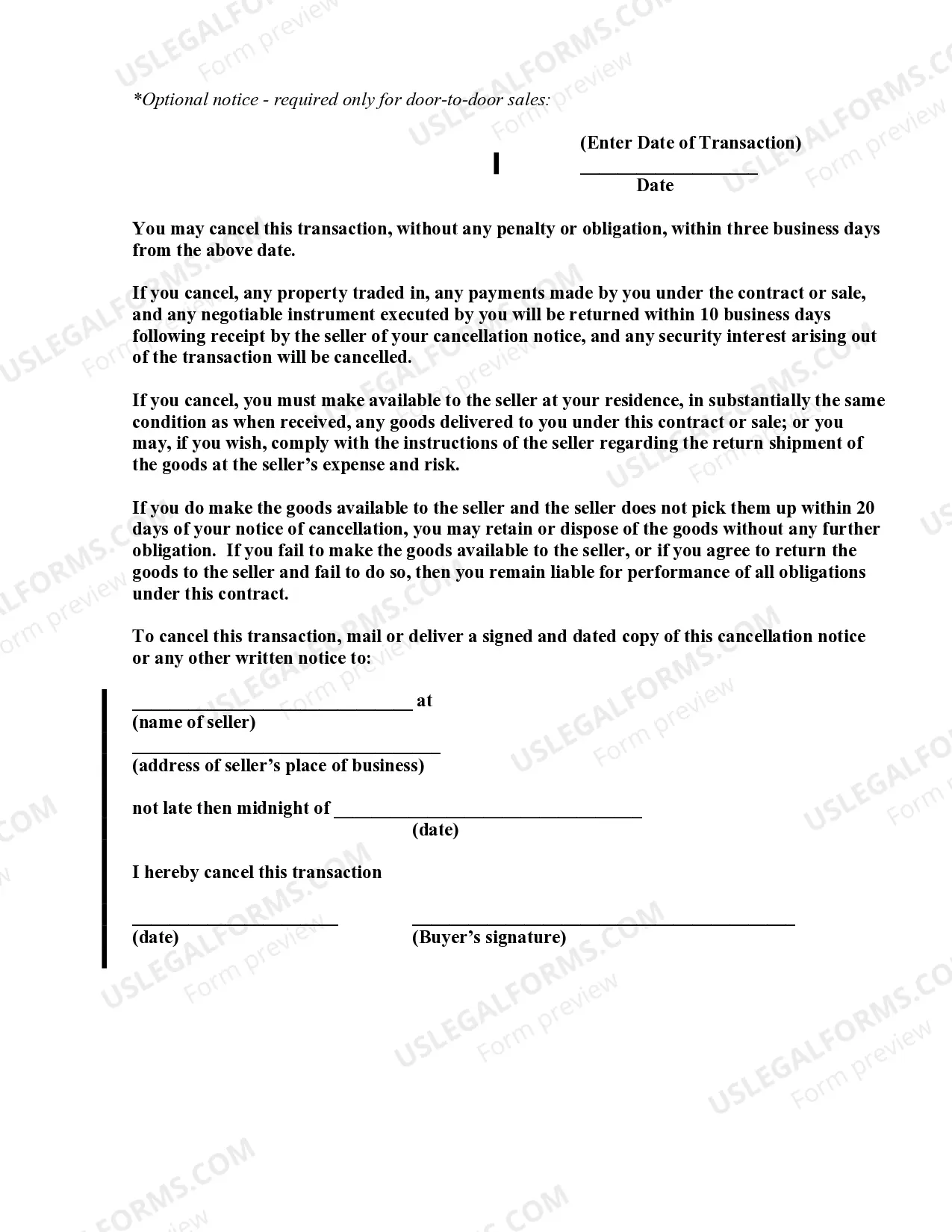
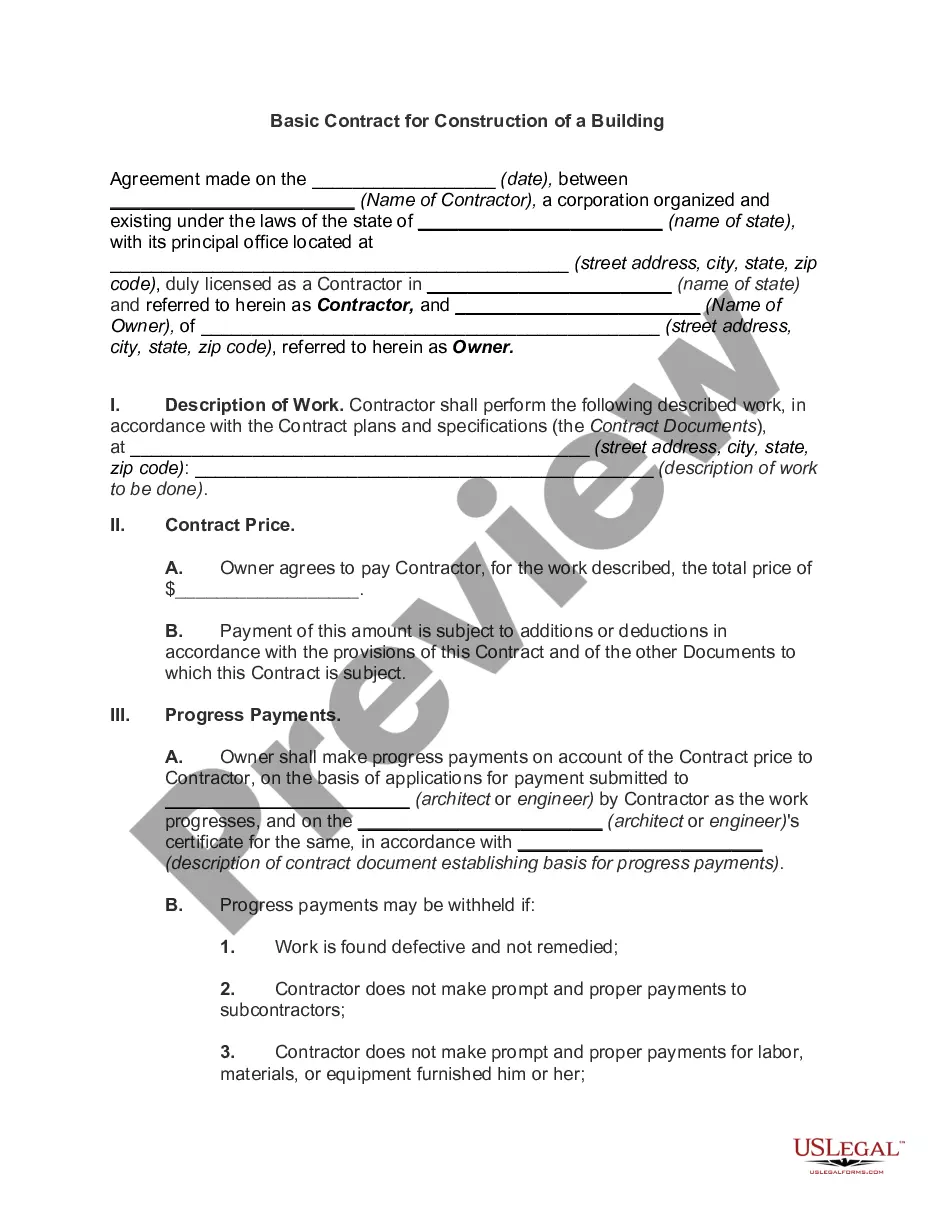
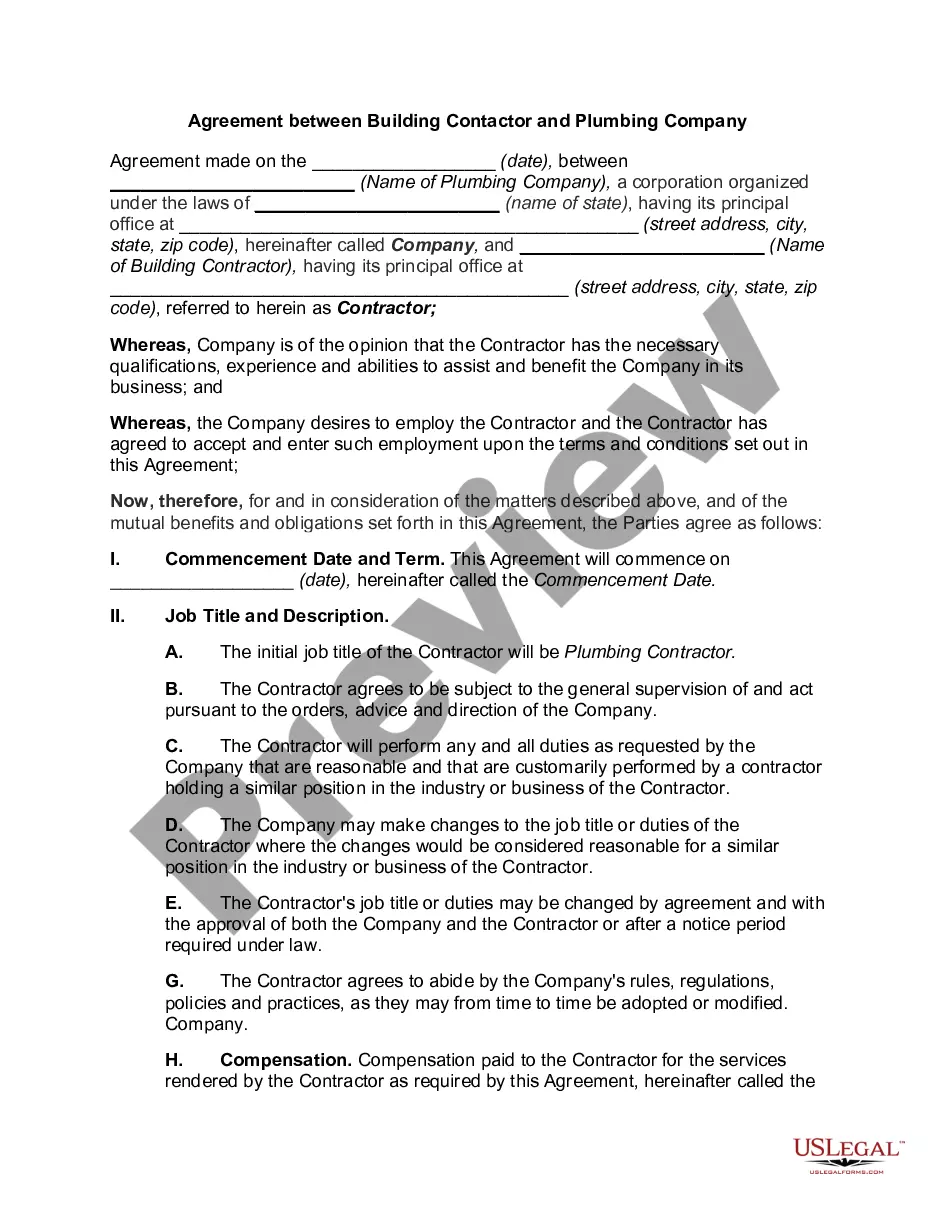
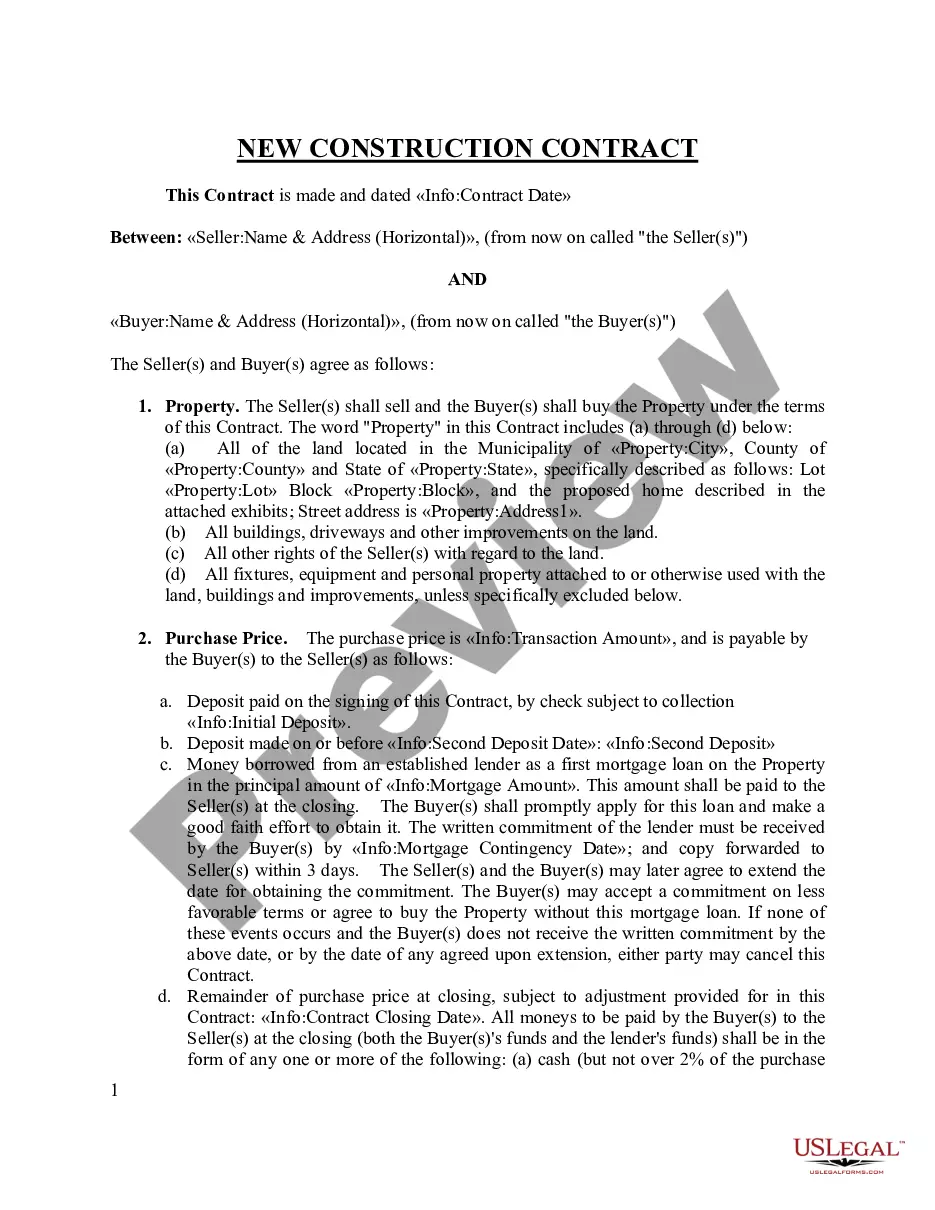
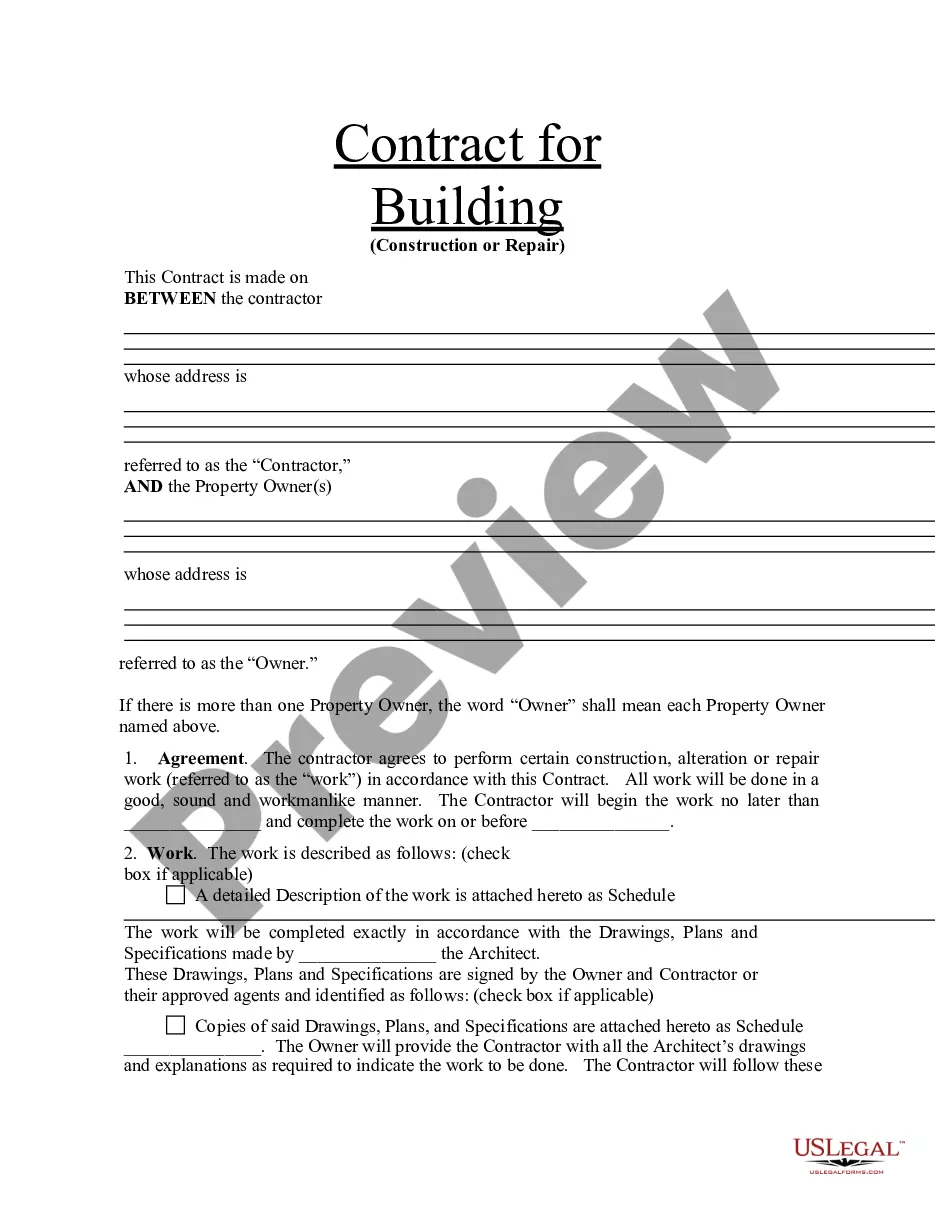
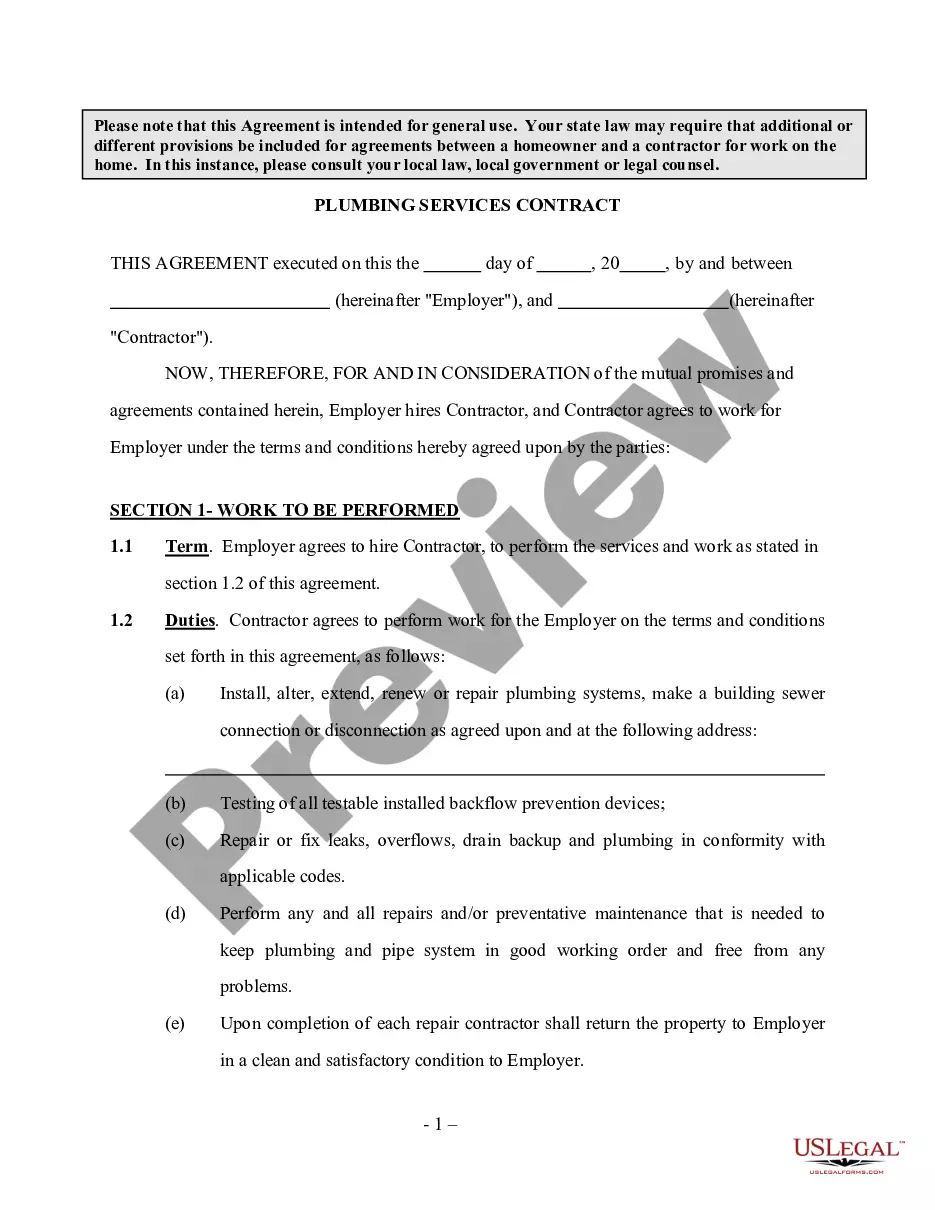
The Plumbing Contract for Contractor is a legal document used to outline the terms of a plumbing project between a plumbing contractor and a property owner. This contract can be executed under either a fixed fee or cost-plus payment arrangement. It covers critical topics such as change orders, warranties, insurance requirements, and site conditions. Unlike informal agreements, this document is specifically tailored to comply with Maryland's legal standards, providing formal protection for both parties involved in the contract.
Key parts of this document
- Payment structure options: fixed fee or cost-plus.
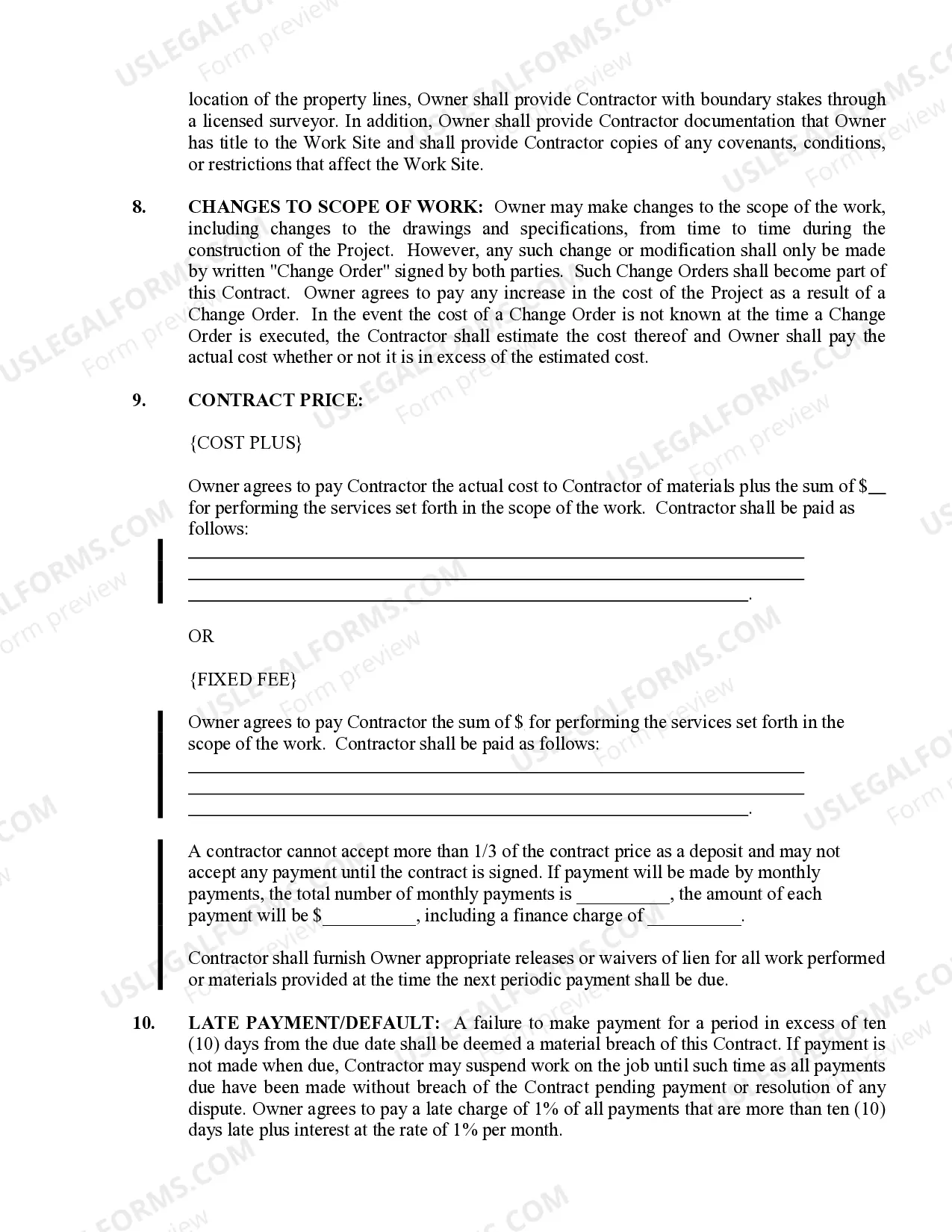
- Change order procedures for modifying the scope of work.
- Insurance requirements that the contractor must maintain.
- Soil conditions disclaimer protecting the contractor from liability.
- Permit application responsibilities of the contractor.
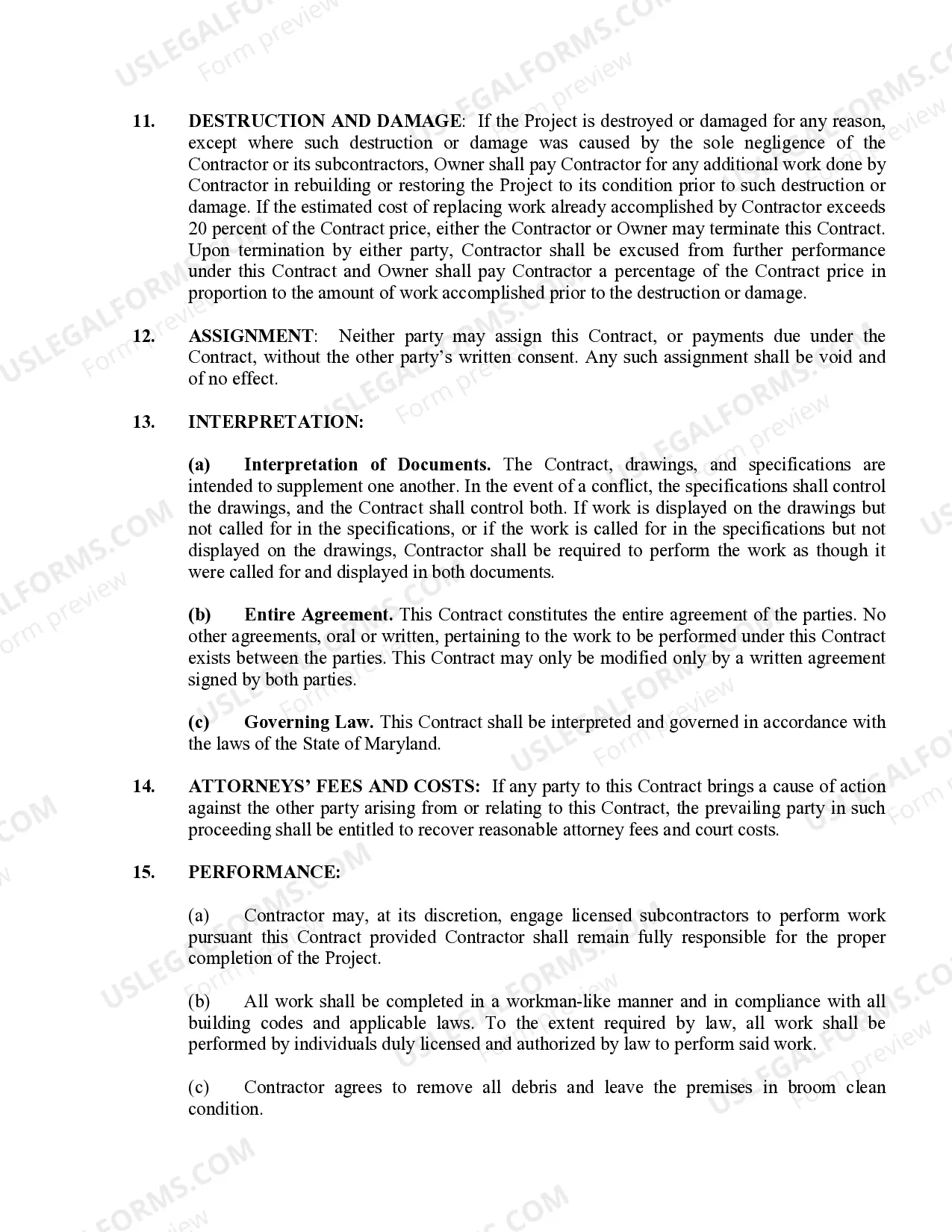
- Termination clauses in case of significant project damage.
Situations where this form applies
This Plumbing Contract for Contractor should be used when a property owner hires a plumbing contractor for any plumbing project. It is essential for clearly defining project expectations, timelines, payment arrangements, and legal rights. This form is particularly useful in cases where substantial work is anticipated, as it establishes detailed terms to manage any potential disputes or changes that may arise during the project.
Who can use this document
- Property owners looking to hire a plumbing contractor for renovations or installations.
- Plumbing contractors needing a formal contract to outline project terms.
- Parties in Maryland, as this contract complies with state-specific legal requirements.
How to complete this form
- Identify and enter the names of the property owner and the plumbing contractor at the beginning of the contract.
- Specify the scope of work to be undertaken, including detailed descriptions and any drawings relevant to the plumbing work.
- Choose a payment method (fixed fee or cost-plus) and outline the agreed payment schedule.
- Include clauses for change orders that provide for adjustments to the payment and work scope as necessary.
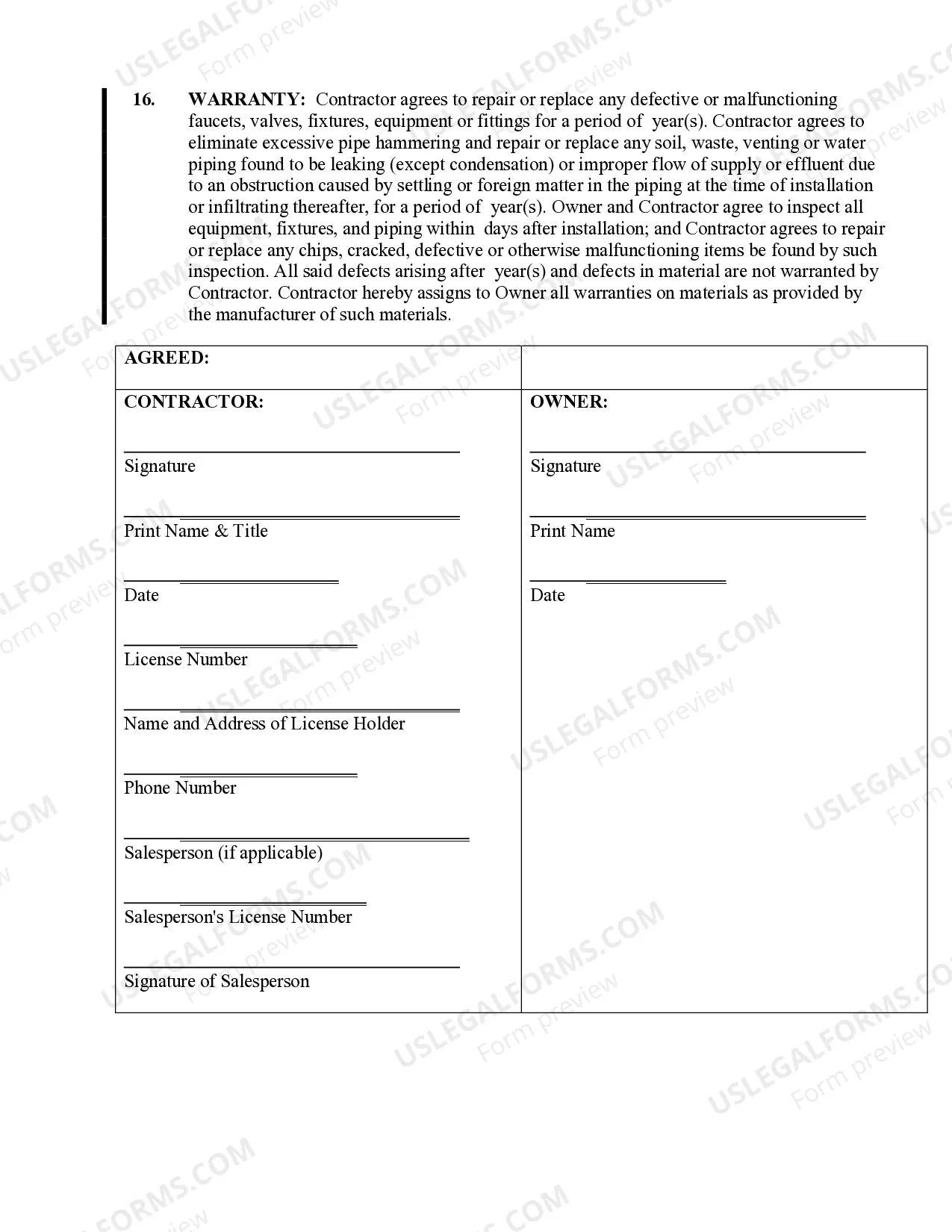
- Both parties should review, sign, and date the document to finalize the agreement.
Notarization requirements for this form
Notarization is not commonly needed for this form. However, certain documents or local rules may make it necessary. Our notarization service, powered by Notarize, allows you to finalize it securely online anytime, day or night.
Get your form ready online
Our built-in tools help you complete, sign, share, and store your documents in one place.
Make edits, fill in missing information, and update formatting in US Legal Forms—just like you would in MS Word.
Download a copy, print it, send it by email, or mail it via USPS—whatever works best for your next step.
Sign and collect signatures with our SignNow integration. Send to multiple recipients, set reminders, and more. Go Premium to unlock E-Sign.
If this form requires notarization, complete it online through a secure video call—no need to meet a notary in person or wait for an appointment.
We protect your documents and personal data by following strict security and privacy standards.

Make edits, fill in missing information, and update formatting in US Legal Forms—just like you would in MS Word.

Download a copy, print it, send it by email, or mail it via USPS—whatever works best for your next step.

Sign and collect signatures with our SignNow integration. Send to multiple recipients, set reminders, and more. Go Premium to unlock E-Sign.

If this form requires notarization, complete it online through a secure video call—no need to meet a notary in person or wait for an appointment.

We protect your documents and personal data by following strict security and privacy standards.
Common mistakes
- Failing to clearly define the scope of work, which can lead to confusion later.
- Not including a clause for change orders, potentially complicating modifications during the project.
- Omitting the payment terms, which can result in disputes over costs and payment schedules.
Why complete this form online
- Ease of access: Download the contract from anywhere, at any time.
- Editability: Customize the form to your specific project needs.
- Reliability: Form templates are drafted by licensed attorneys, ensuring legal compliance.
Legal use & context
- This contract is legally binding once signed by both parties, provided it meets the legal requirements of the State of Maryland.
- Failure to adhere to the contract terms can result in legal disputes and potential financial liabilities.
- Understanding your rights and obligations under this contract is essential for both property owners and contractors.
What to keep in mind
- The Plumbing Contract for Contractor is essential for defining the responsibilities of both parties.
- Clear communication regarding payment structures and project scope helps prevent disputes.
- Completing the form properly ensures legal protection and compliance with Maryland laws.
- Always consider consulting a legal professional before finalizing any contract.
Looking for another form?

Form popularity
FAQ
Call to have a Complaint Form mailed to you 1-800-321-CSLB (2752), OR. Use the On-line Complaint Form, OR. Download and Print a Complaint Form.
Generally speaking, a general contractor is someone who manages a team of subcontractors to help do various types of construction projects in your home. A custom home builder, however, is specialized in building custom homes and is able to complete this specific type of project start to finish on their own.
The amount you will pay to file a small claims lawsuit in California depends on how much you are suing the contractor for. You will pay between $30 to $75 to file the lawsuit. If you cannot afford to pay court fees, you can ask the court to waive the fees.
A handyman working in Maryland will need a Home Improvement license from the Department of Labor, Licensing and Regulation.You must show two years of experience in home improvement work and a certificate of insurance. You must also pass an exam that questions about business and law.
In Maryland, general contractors do not need a license to perform work in the state. A license is only required if you wish to work on home improvement projects or do electrical, plumbing or HVACR work. The licensing process is handled by the Department of Labor, Licensing and Regulation (DLLR).
License Requirements All applicants must take and pass the licensing exam before they can apply for a license. Contact PSI Examinations. Contractors: Applicants for a contractor's license must provide proof of at least two years of experience in home improvement work, construction and/or related education.
Choose a Business Idea. Decide on a Legal Structure. Choose a Business Name. Register Your Maryland Business Entity. Apply for Licenses and Permits. Pick a Business Location and Check Zoning Regulations. Review Your Tax Registration and Reporting Requirements. Obtain Insurance.
Two years of experience. Pass a licensing examination. Meet financial guidelines (have more assets than debt) or purchase a surety bond of at least $20,000. Pass a credit check. Have a Certificate of Good Standing (if you represent a corporation)