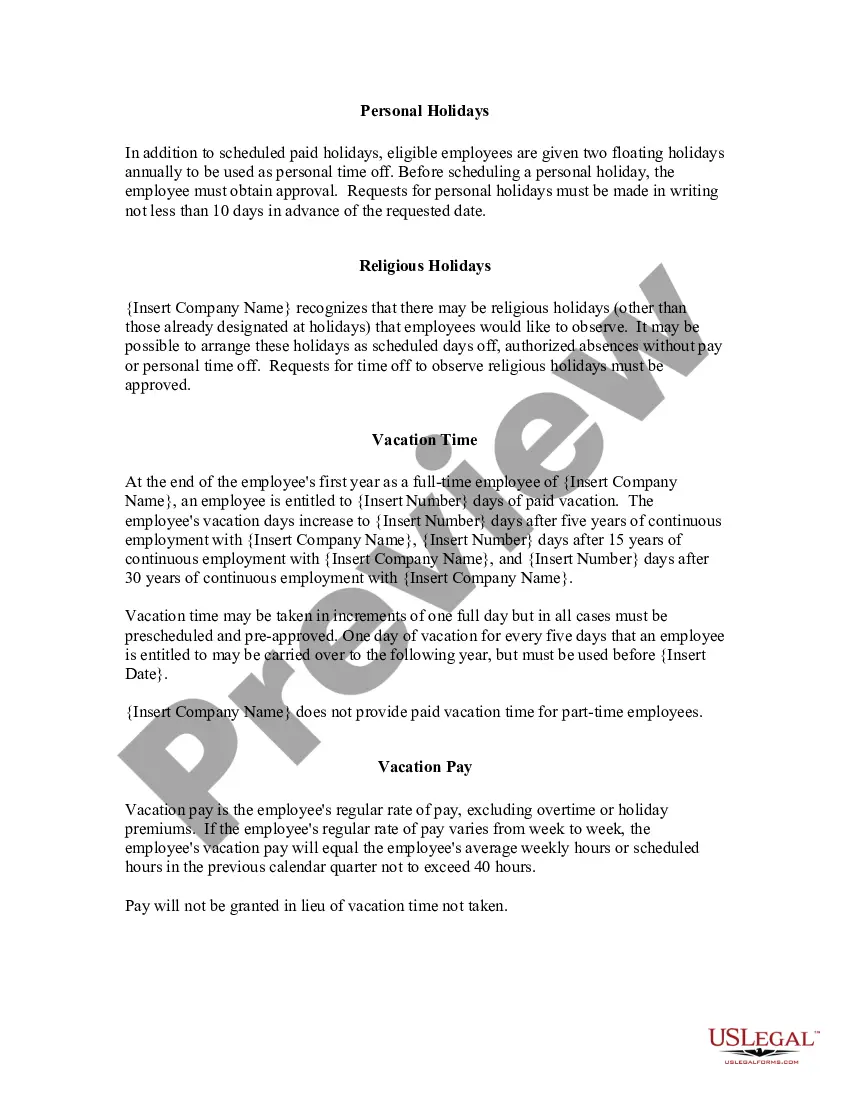
Massachusetts Holiday Vacation Policy
Description
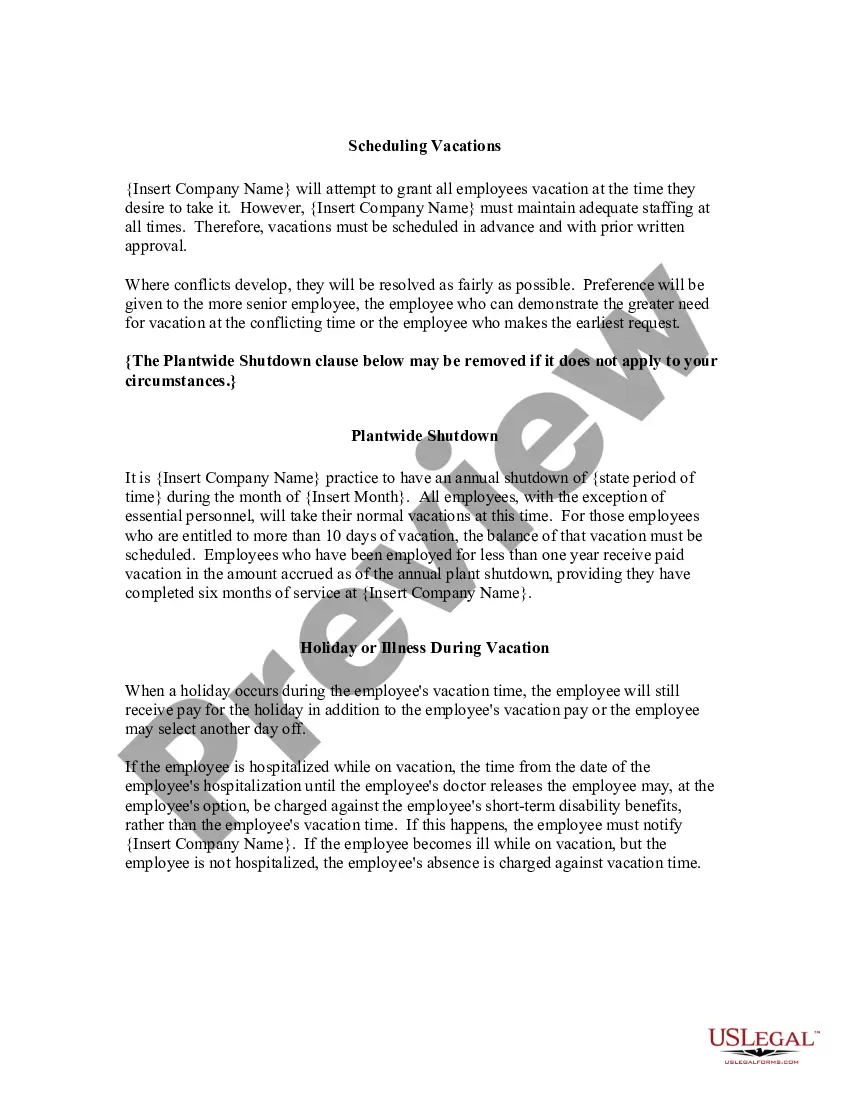
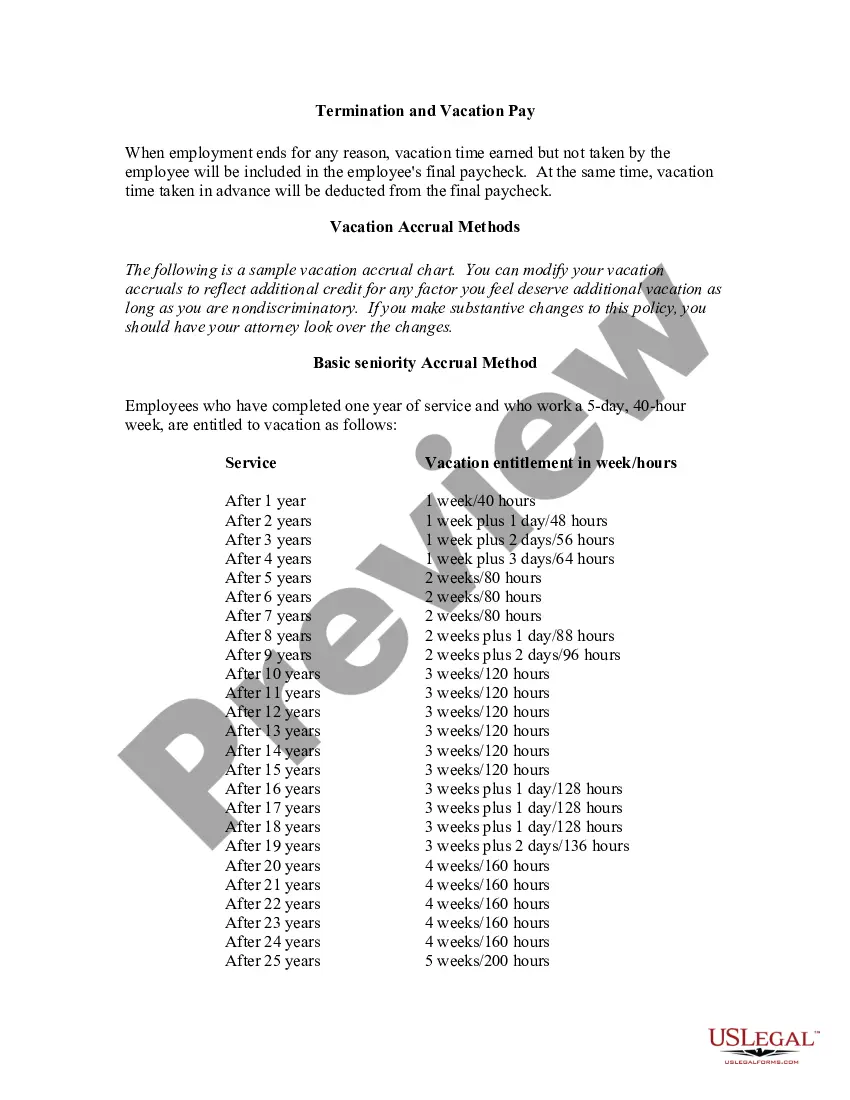
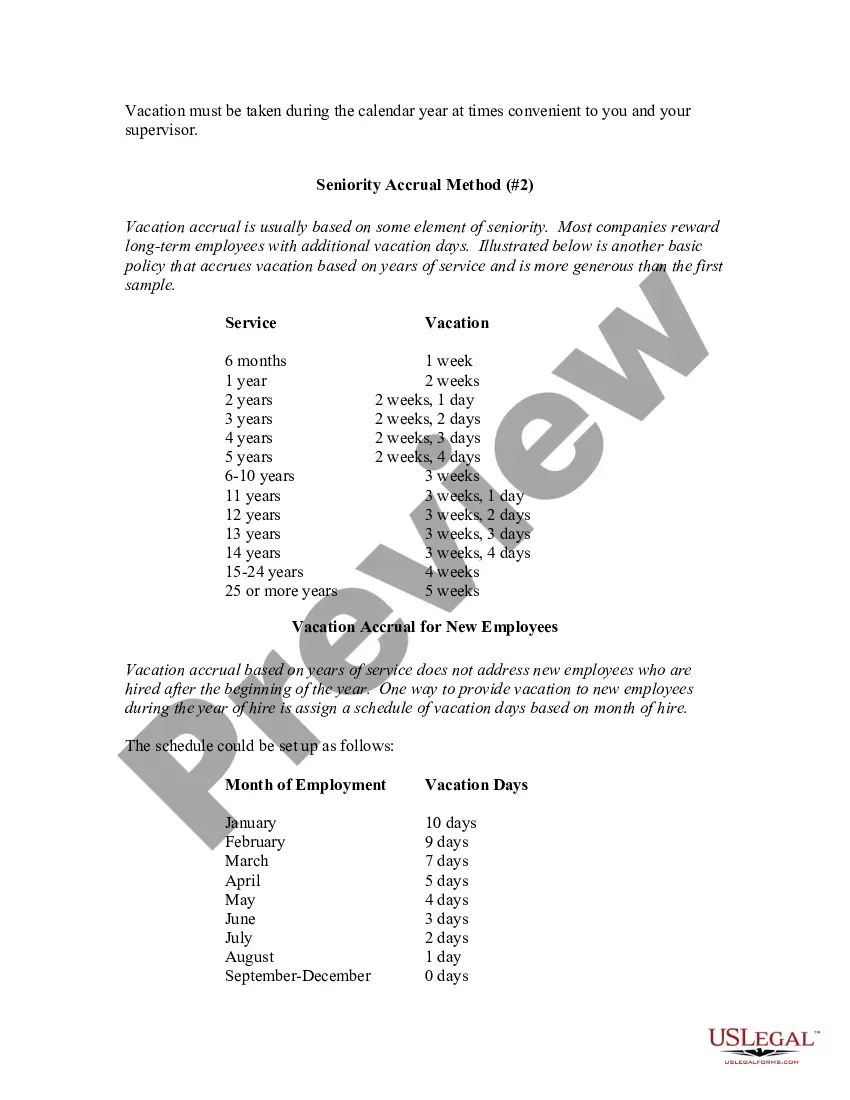
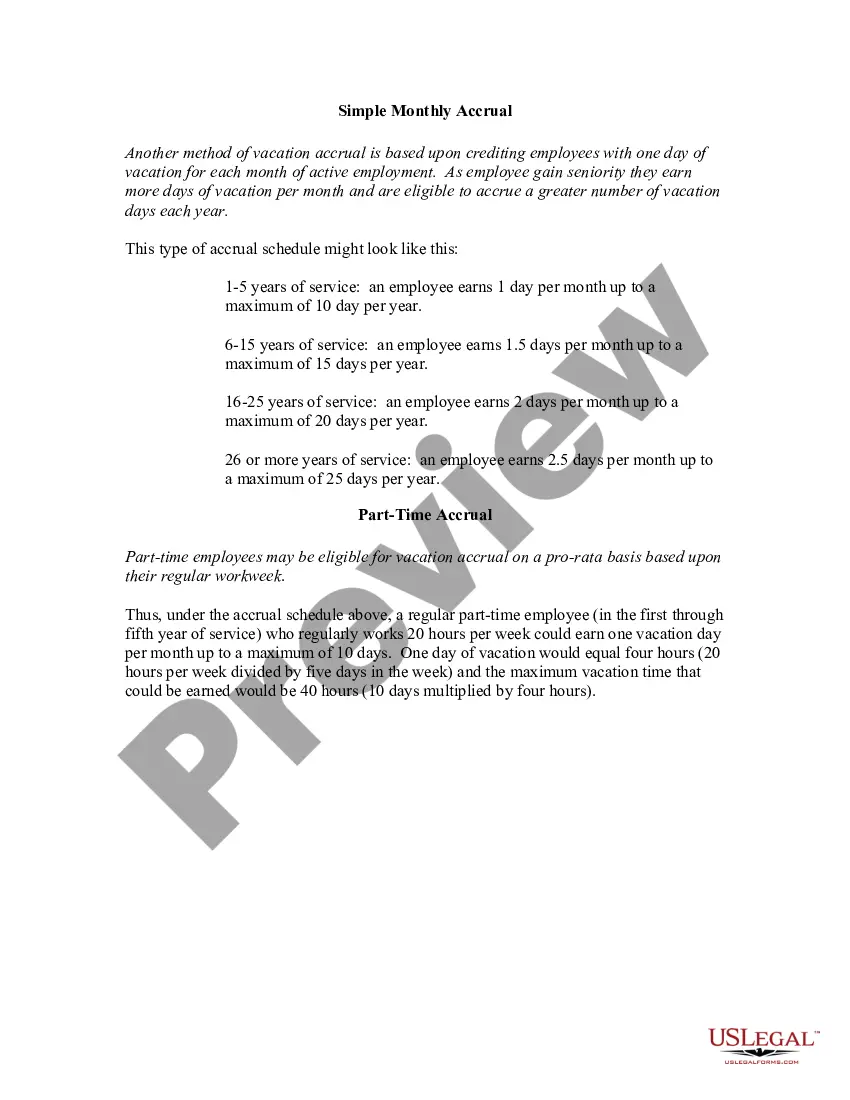
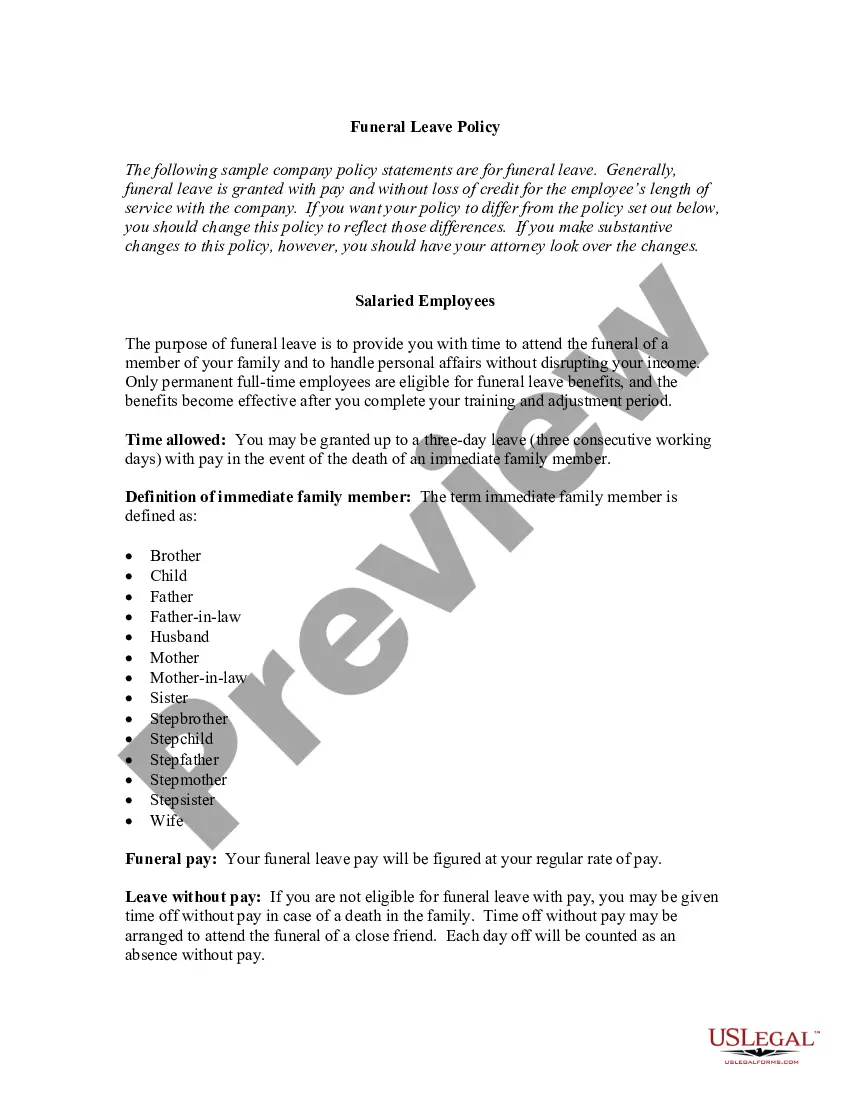
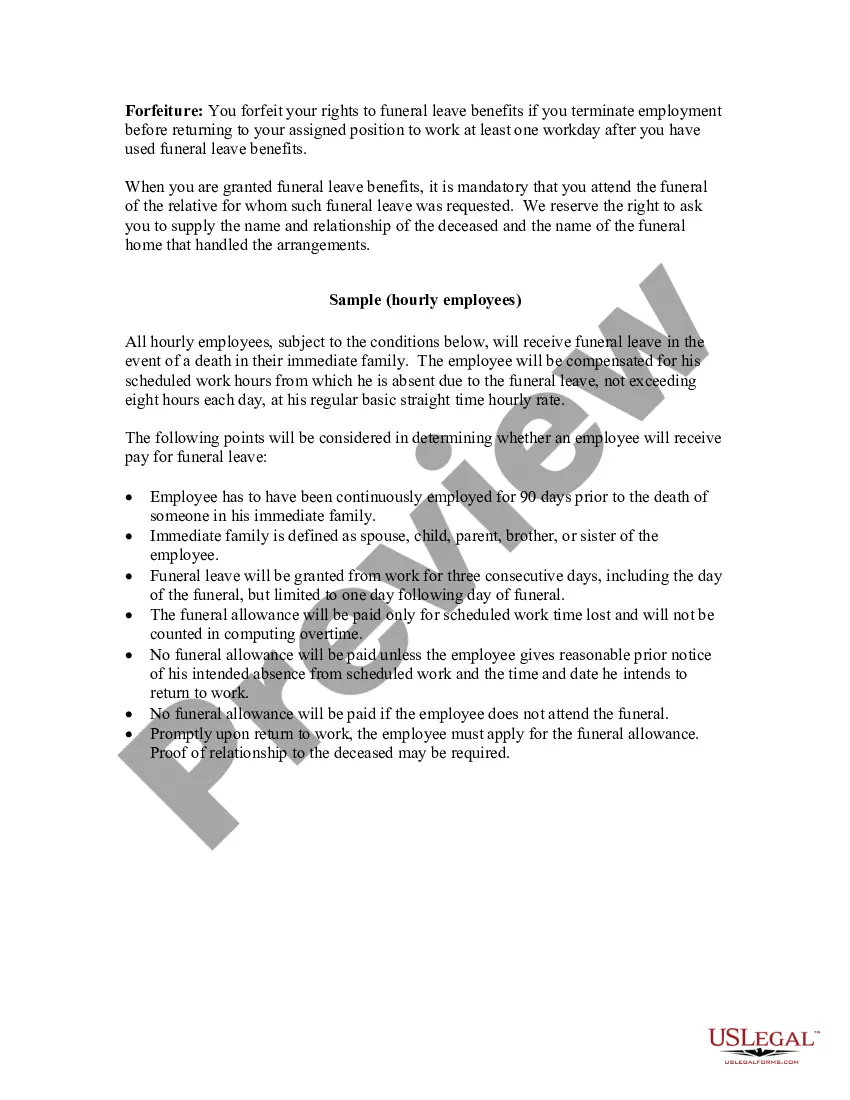
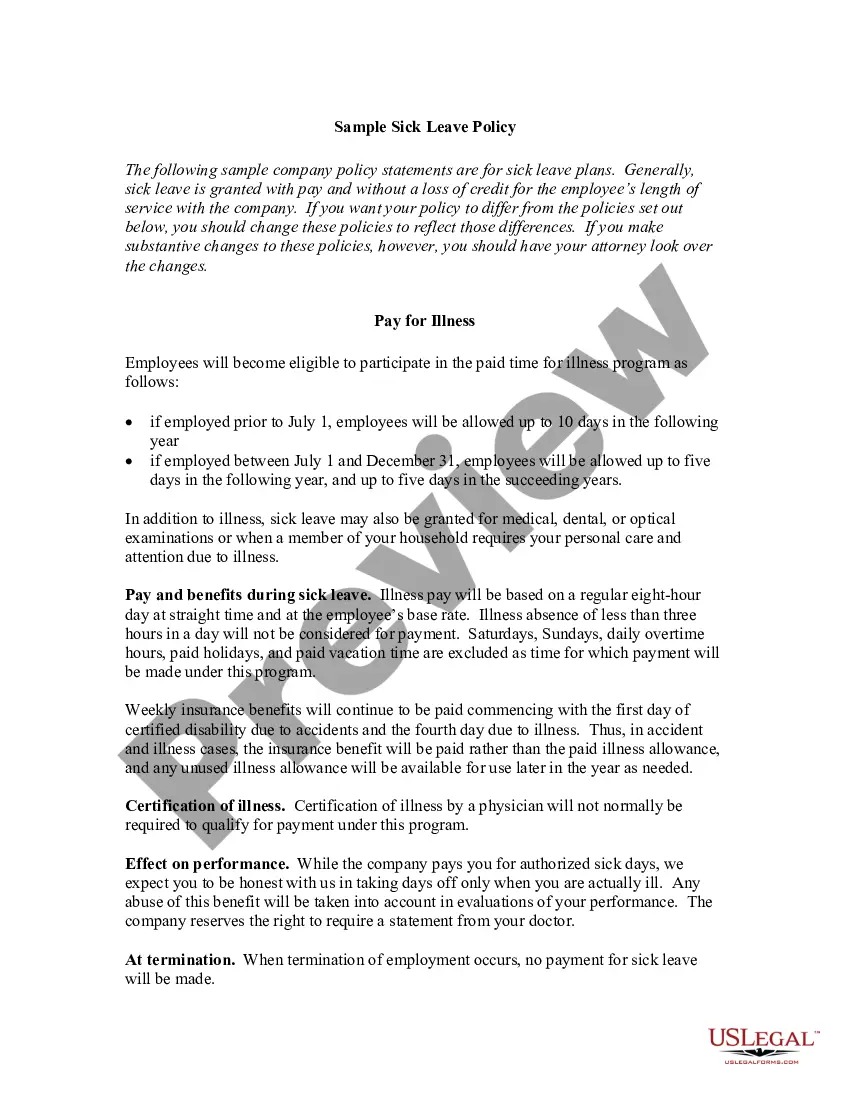

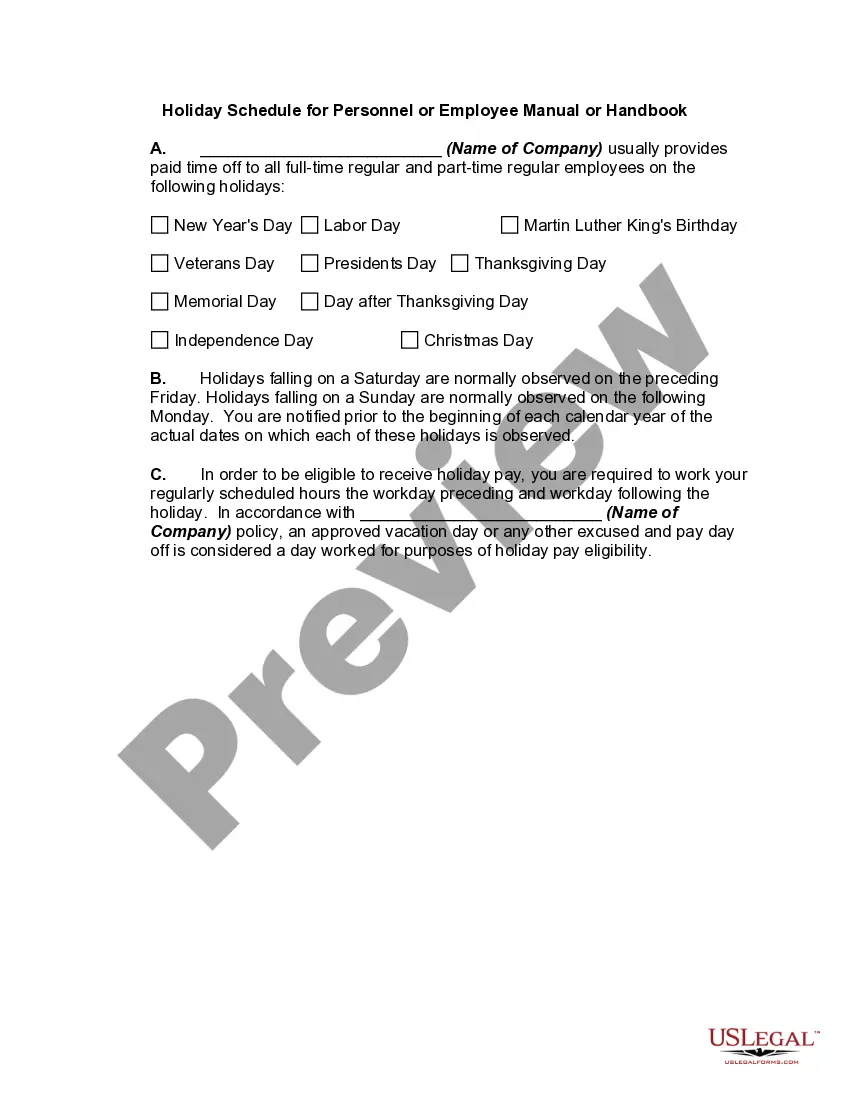

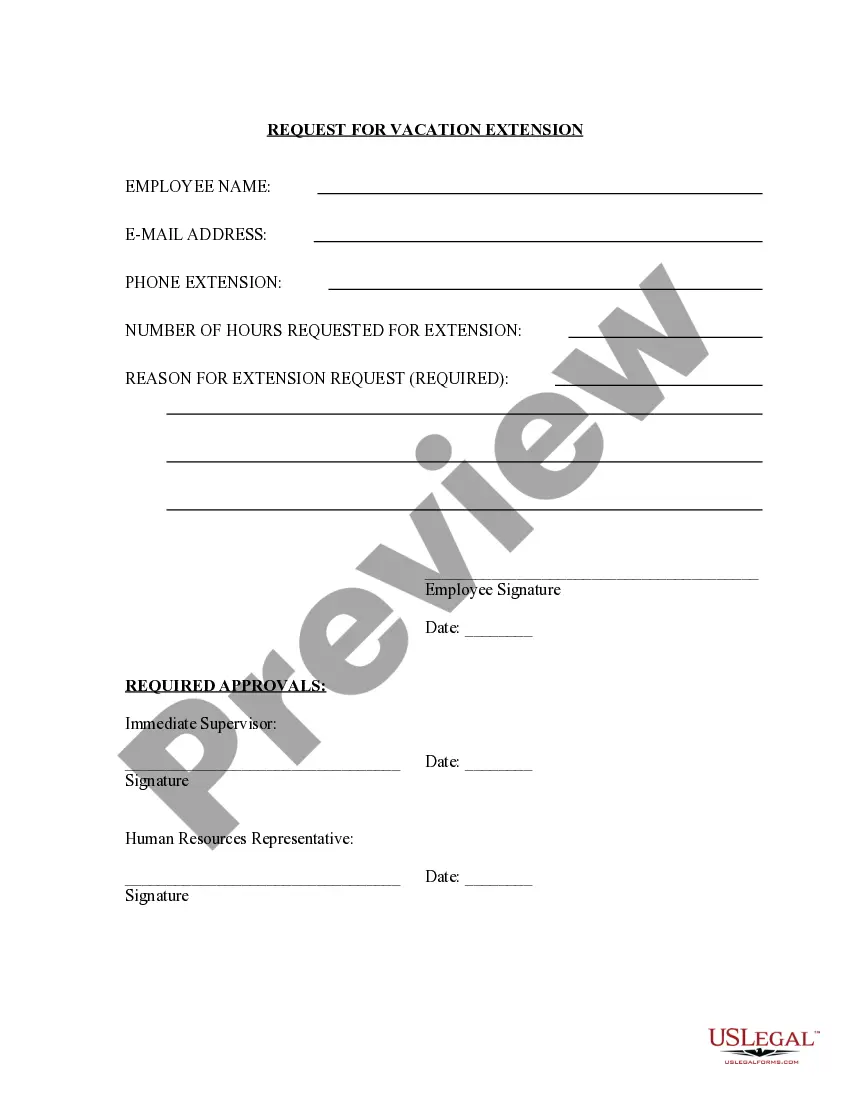
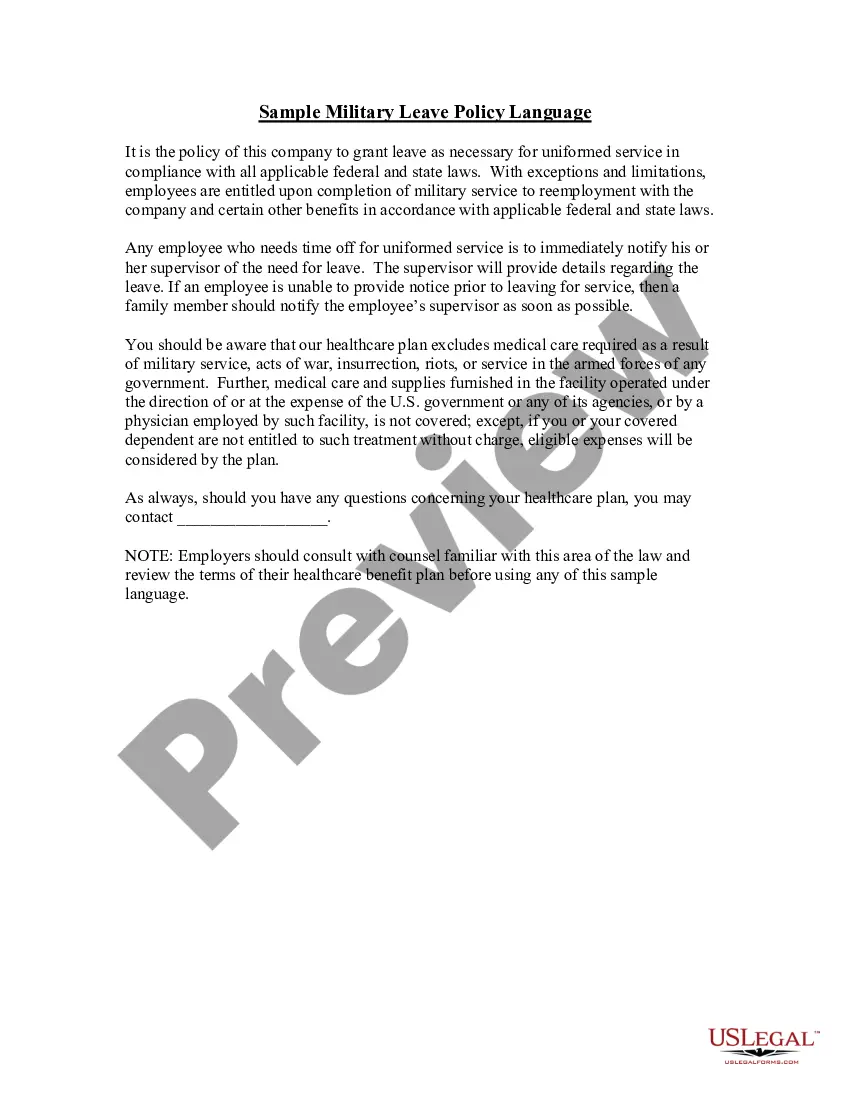
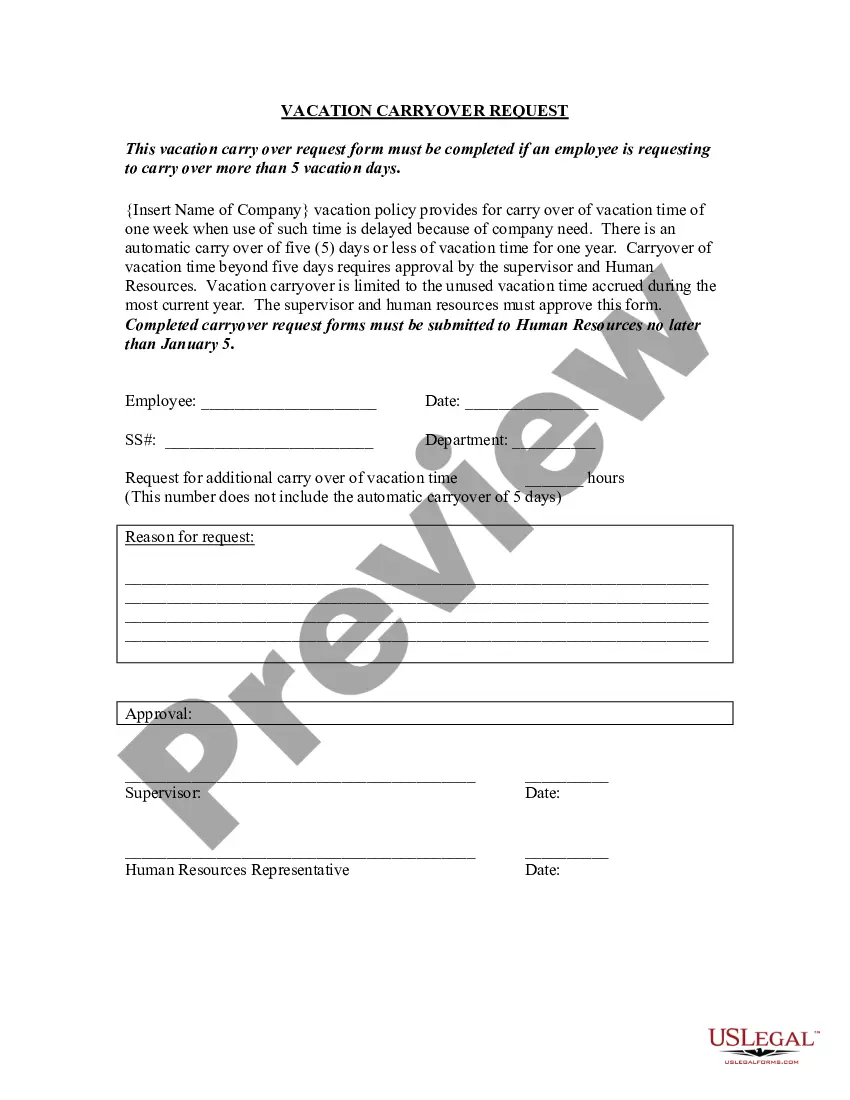
Get your form ready online
Our built-in tools help you complete, sign, share, and store your documents in one place.
Make edits, fill in missing information, and update formatting in US Legal Forms—just like you would in MS Word.
Download a copy, print it, send it by email, or mail it via USPS—whatever works best for your next step.
Sign and collect signatures with our SignNow integration. Send to multiple recipients, set reminders, and more. Go Premium to unlock E-Sign.
If this form requires notarization, complete it online through a secure video call—no need to meet a notary in person or wait for an appointment.
We protect your documents and personal data by following strict security and privacy standards.

Make edits, fill in missing information, and update formatting in US Legal Forms—just like you would in MS Word.

Download a copy, print it, send it by email, or mail it via USPS—whatever works best for your next step.

Sign and collect signatures with our SignNow integration. Send to multiple recipients, set reminders, and more. Go Premium to unlock E-Sign.

If this form requires notarization, complete it online through a secure video call—no need to meet a notary in person or wait for an appointment.

We protect your documents and personal data by following strict security and privacy standards.
Looking for another form?


How to fill out Holiday Vacation Policy?
Finding the correct legal document template can be challenging. There are numerous templates available online, but how do you locate the legal form you require.
Utilize the US Legal Forms website. The platform offers a vast collection of templates, including the Massachusetts Holiday Leave Policy, suitable for both business and personal purposes.
All the forms are reviewed by experts and comply with federal and state requirements.
If the form does not meet your needs, use the Search field to find the appropriate document. When you are confident that the form is correct, click the Purchase now button to acquire the form. Choose the pricing option you prefer and enter the required information. Create your account and pay for your order using your PayPal account or credit card. Select the file format and download the legal document template to your device. Complete, modify, print, and sign the obtained Massachusetts Holiday Leave Policy. US Legal Forms is the largest repository of legal documents, allowing you to access a variety of document templates. Utilize the service to download professionally crafted papers that adhere to state regulations.
- If you are currently registered, Log In to your account and click the Download button to obtain the Massachusetts Holiday Leave Policy.
- Use your account to browse the legal documents you may have purchased before.
- Visit the My documents section of your account and retrieve another copy of the document you need.
- If you are a new user of US Legal Forms, here are straightforward instructions to follow.
- First, ensure you have selected the right form for your city/state.
- You can preview the form using the Preview button and read the form description to ensure it is suitable for you.
Form popularity
FAQ
In Massachusetts, the leave laws provide protections for employees regarding vacation and holiday time under the Massachusetts Holiday Vacation Policy. Employers must adhere to these regulations, which dictate how vacation time is earned and utilized. Employees accumulate vacation time based on their employment duration and company policies. If you seek clarity on these complex regulations, consider utilizing platforms like US Legal Forms to access templates and guides.
'Use it or lose it' refers to a policy where employees forfeit their unused vacation days at the end of a specified period. This policy can affect the management of your PTO under the Massachusetts Holiday Vacation Policy. While some states encourage the accrual of unused time, Massachusetts allows employers to implement this approach. Be sure to review your company’s policy to understand your entitlements.
Employers in Massachusetts are not required to provide vacation time, but when they do, the cash value of accrued but unused vacation time must be paid out upon job separation. When an employee leaves work voluntarily, the cash value of his or her vacation time must be paid out in the next regular pay cycle.
Employees who have performed work and leave or are fired, whether for cause or not, are entitled to pay for all the time worked up to the termination of their employment, including any earned, unused vacation time payments.
2. There are no vacation time laws in Massachusetts. Employers are not required to let employees accrue vacation time (although it is a sought-after benefit for both recruiting and retaining employees).
Under California law, unless otherwise stipulated by a collective bargaining agreement, whenever the employment relationship ends, for any reason whatsoever, and the employee has not used all of his or her earned and accrued vacation, the employer must pay the employee at his or her final rate of pay for all of his or
Withholding Vacation Payments is Illegal Under Massachusetts law, employers who choose to offer their employees paid vacation must treat such payments as wages. Just as it is illegal to withhold wages, it is unlawful to withhold vacation time.
According to Massachusetts law, employers are not required to offer vacation time to their employees. Many of them do, of course, as employees have come to expect vacation time as a benefit and will likely look elsewhere for work if it is not offered.
Employers in Massachusetts are not required to provide vacation time, but when they do, the cash value of accrued but unused vacation time must be paid out upon job separation. When an employee leaves work voluntarily, the cash value of his or her vacation time must be paid out in the next regular pay cycle.
If you are requesting time off covered by FMLA or CFRA, the employer cannot legally deny your request for time off. However, if you request sick time, vacation time, or PTO, the employer can legally deny your request for time off.