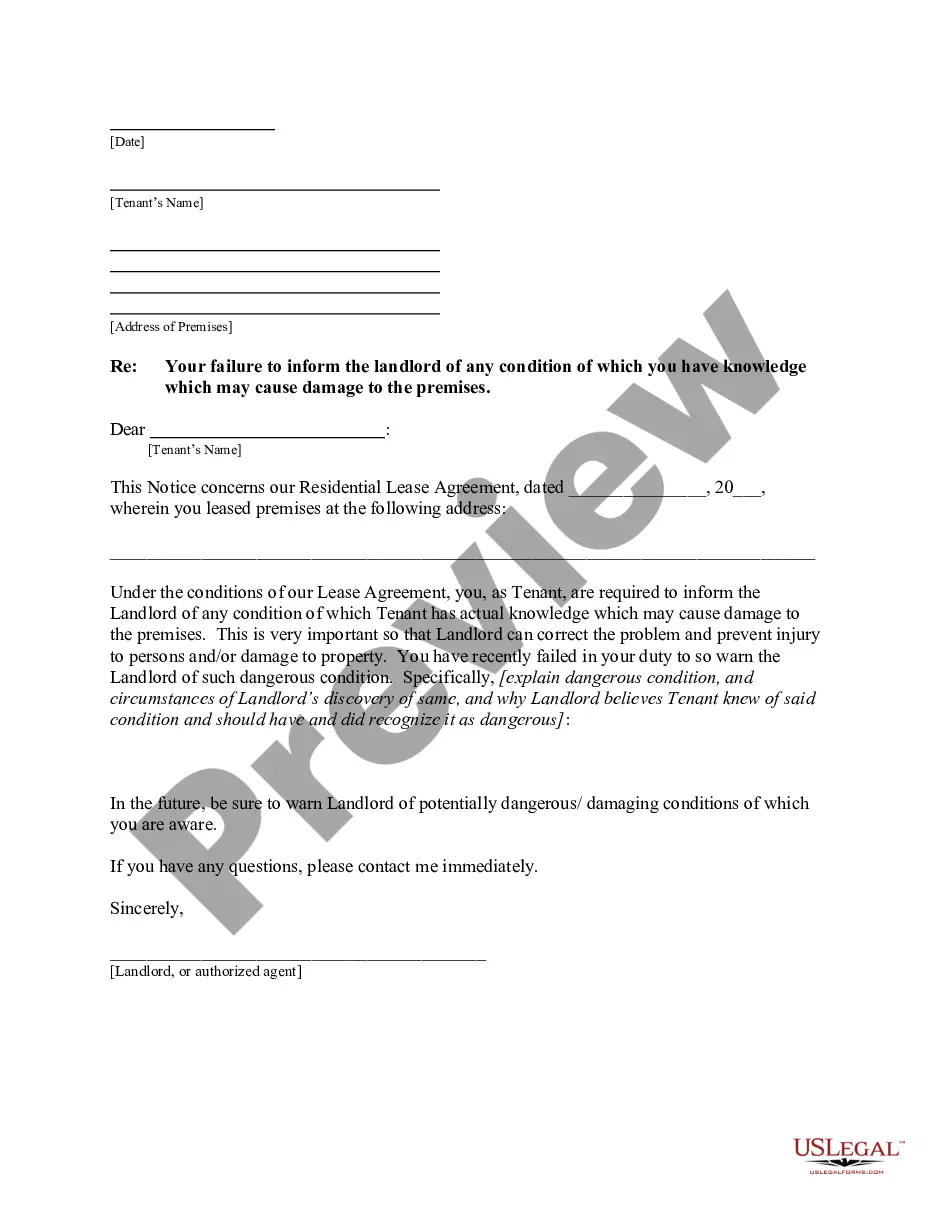
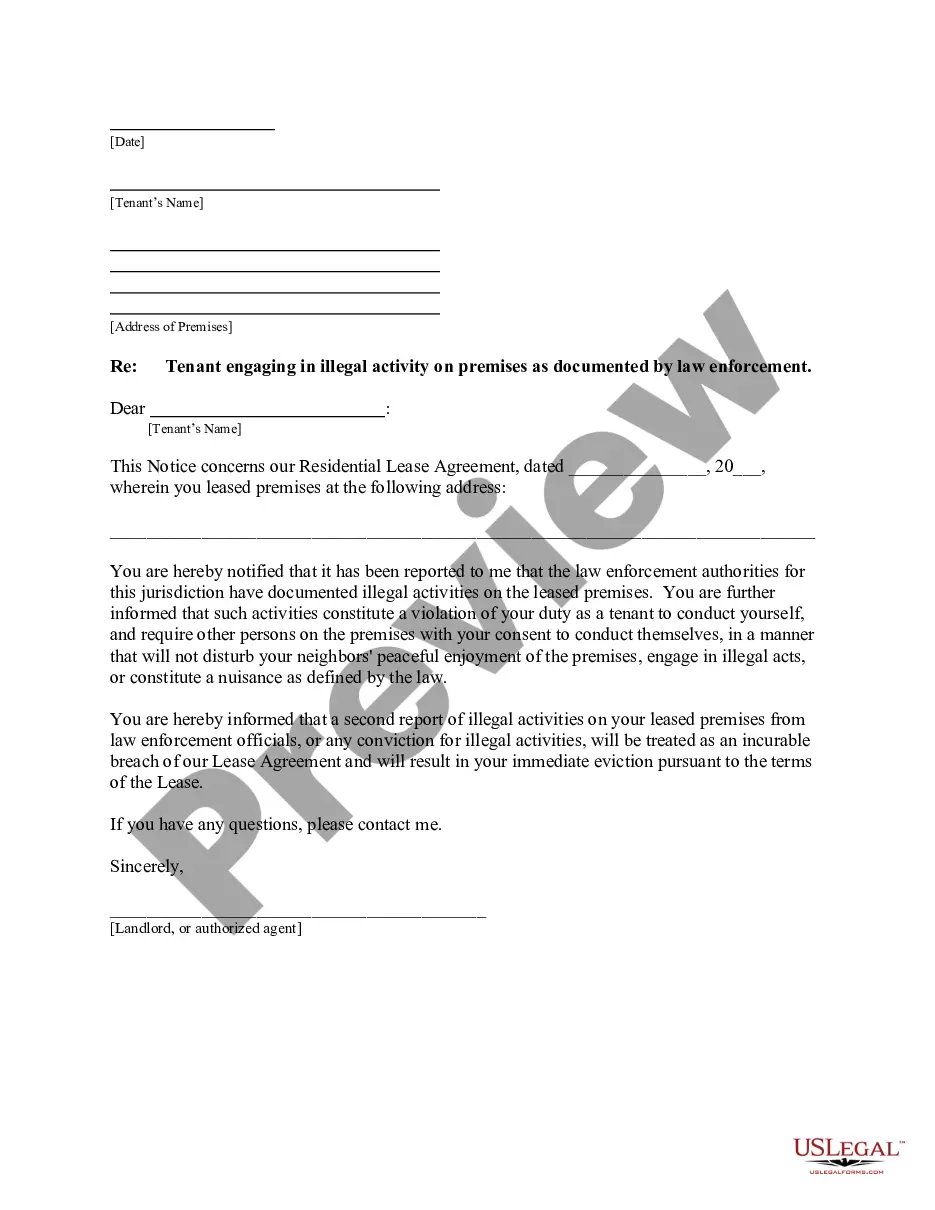
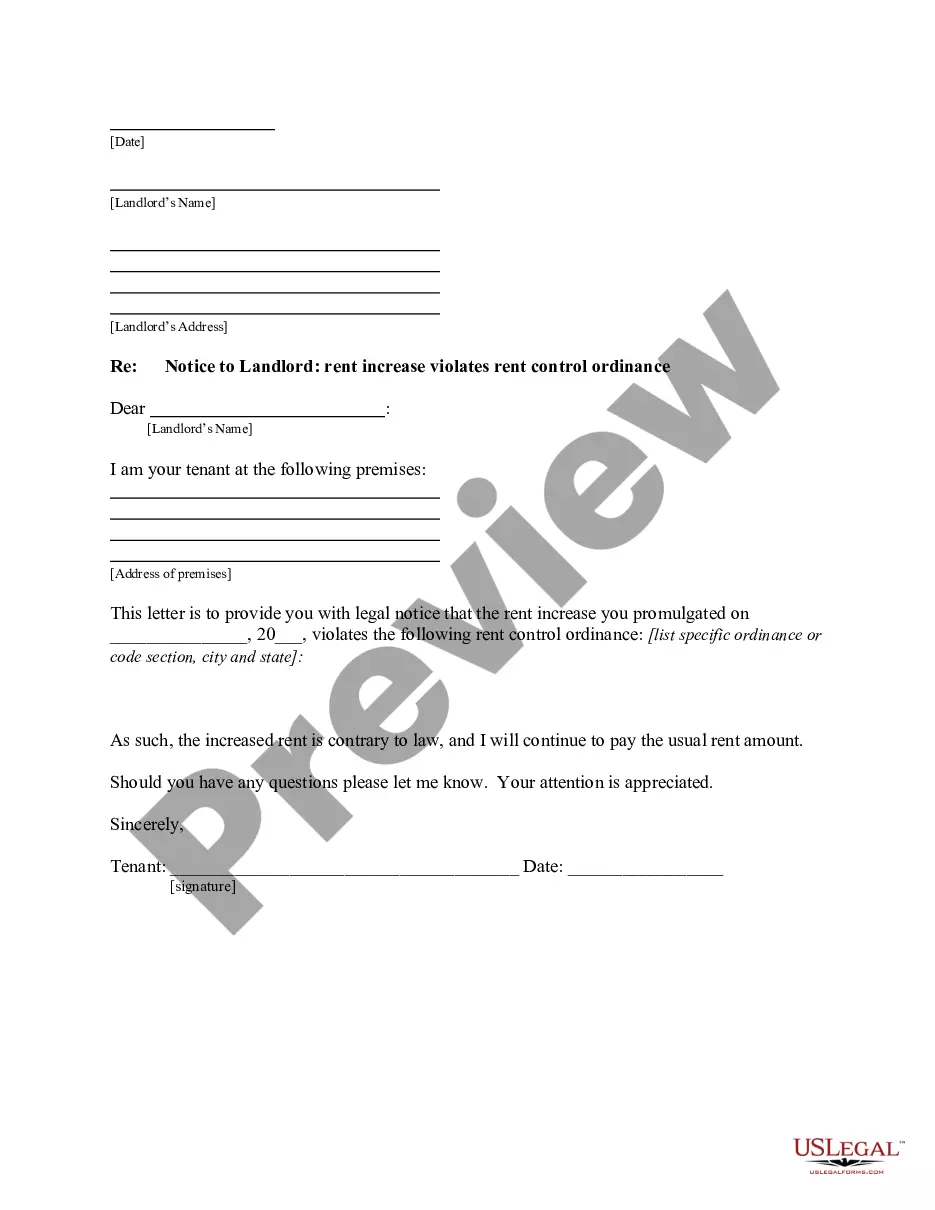
Profit Sharing Plan
What is this form?
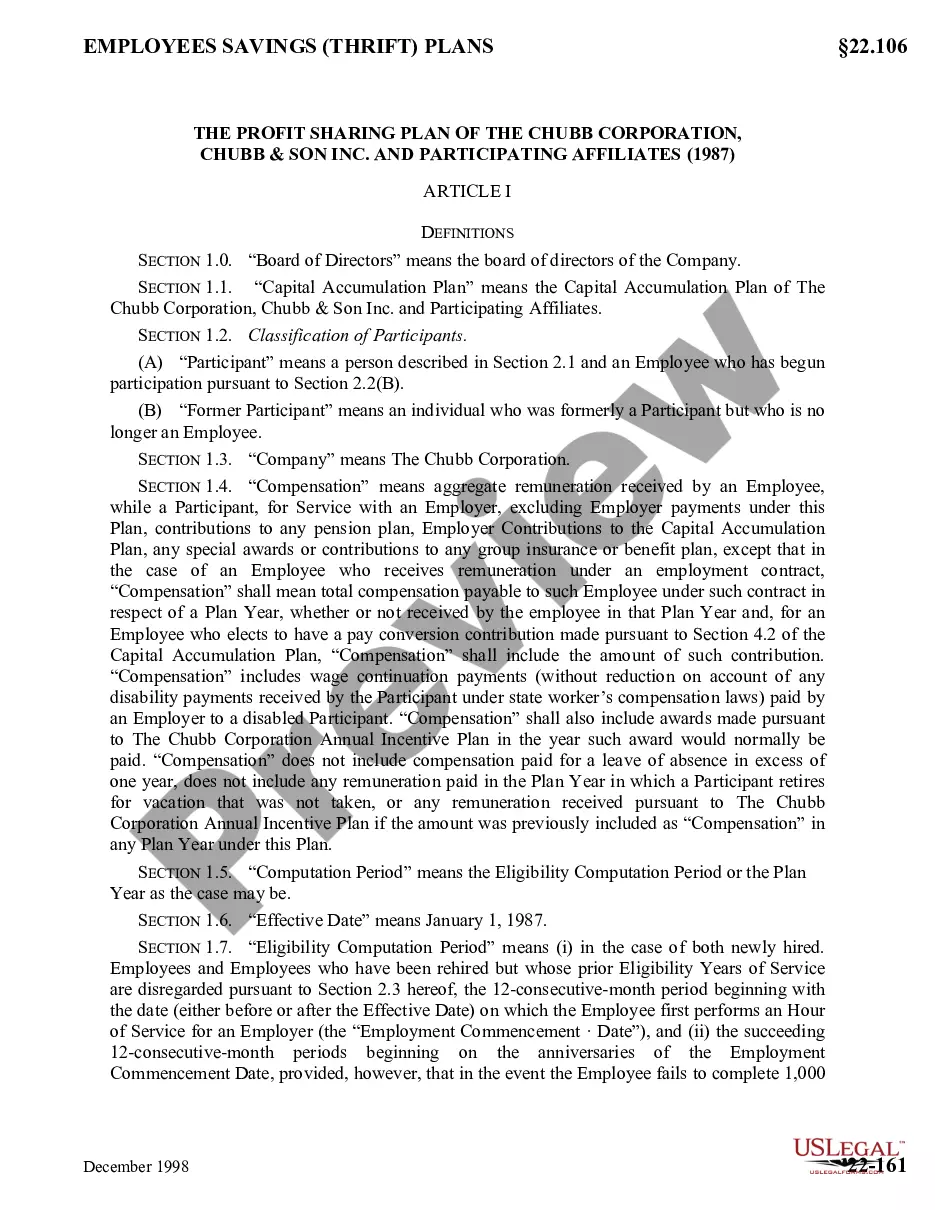
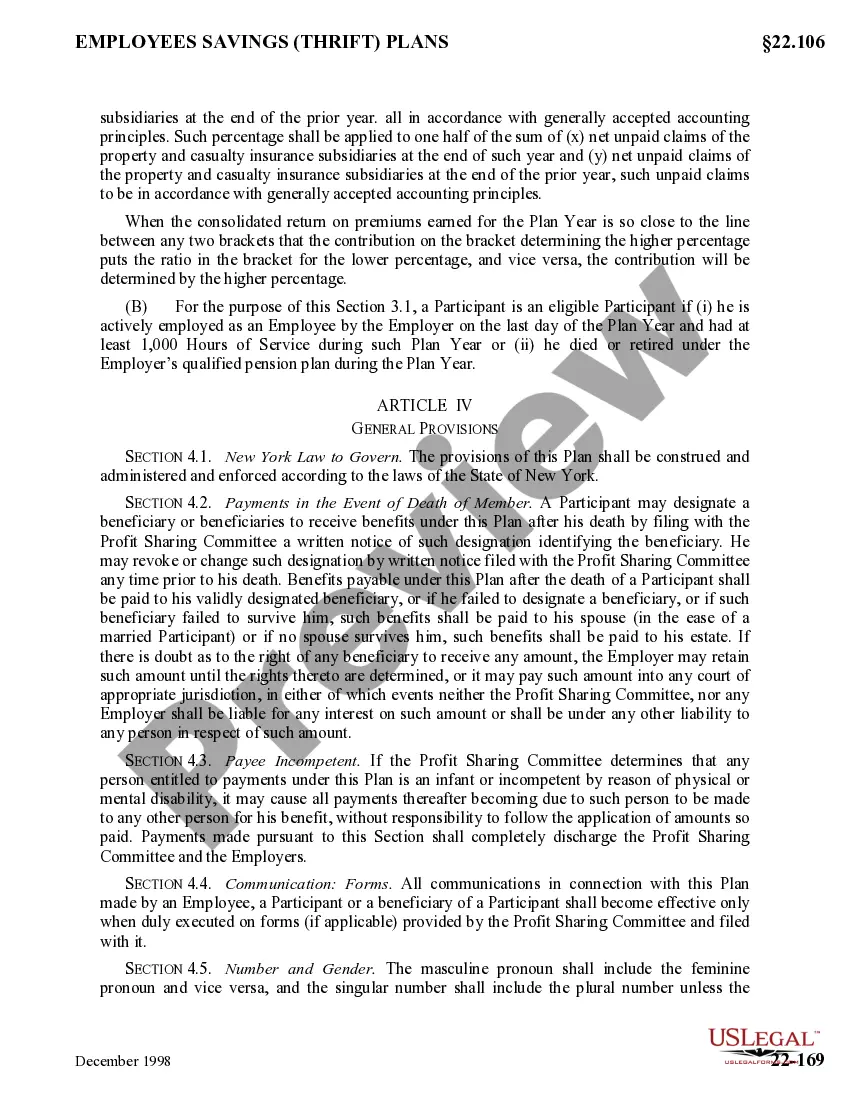
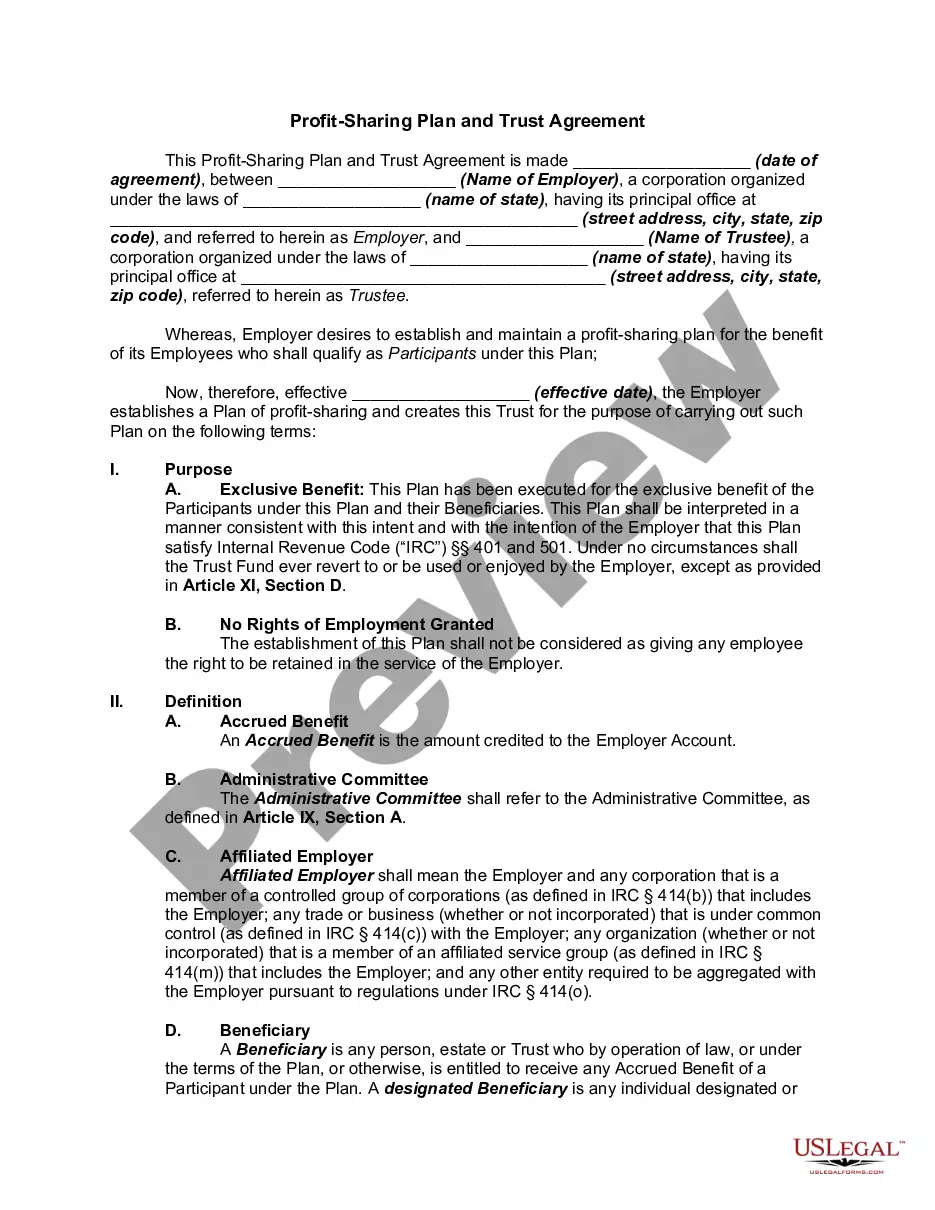
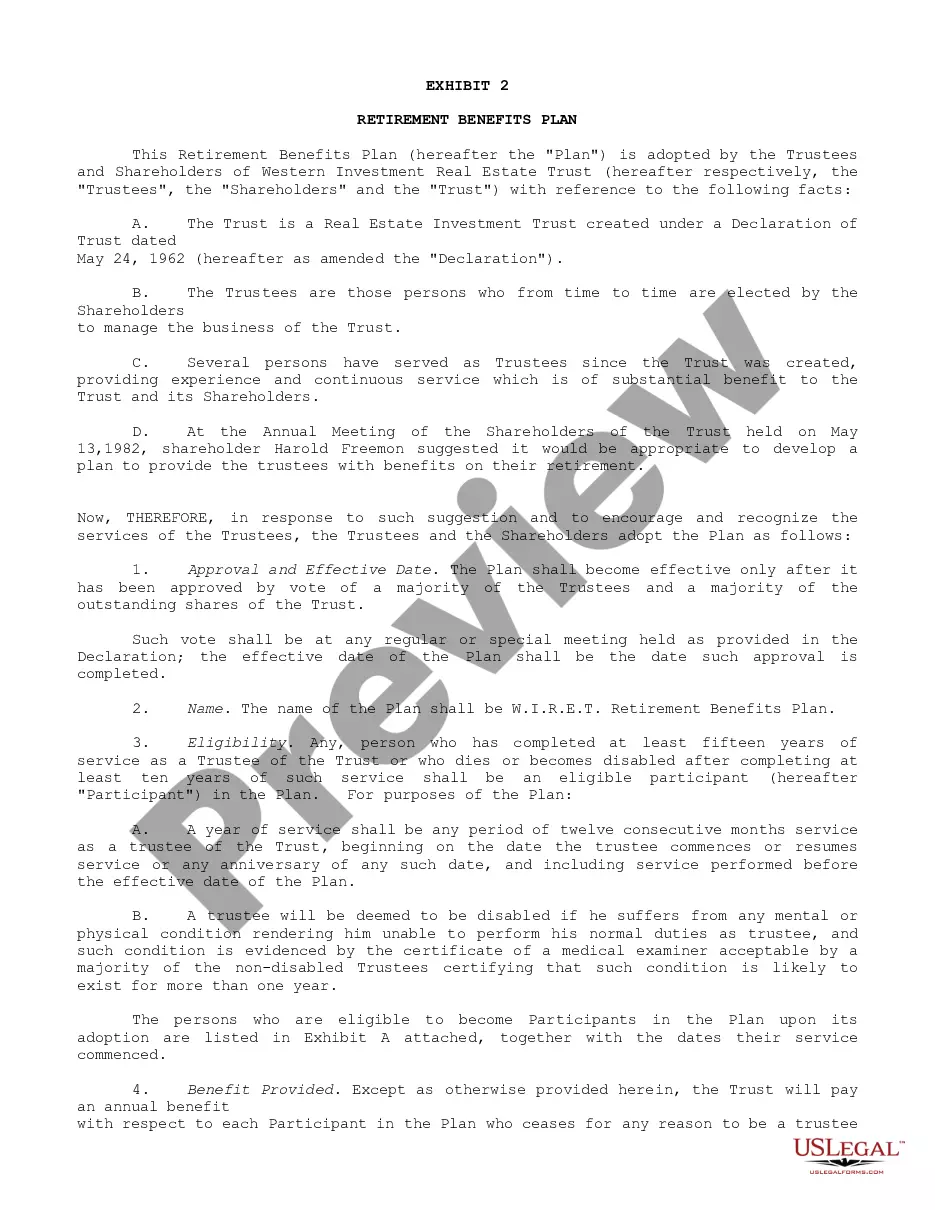
The Profit Sharing Plan is a contractual document used by employers to outline the mechanism for distributing a share of profits to employees. This plan specifies how eligibility is determined, how contributions are calculated, and the timing of payments. It differs from other retirement plans by its variable contributions based on company performance, providing potential bonuses to participants based on predefined criteria.
Main sections of this form
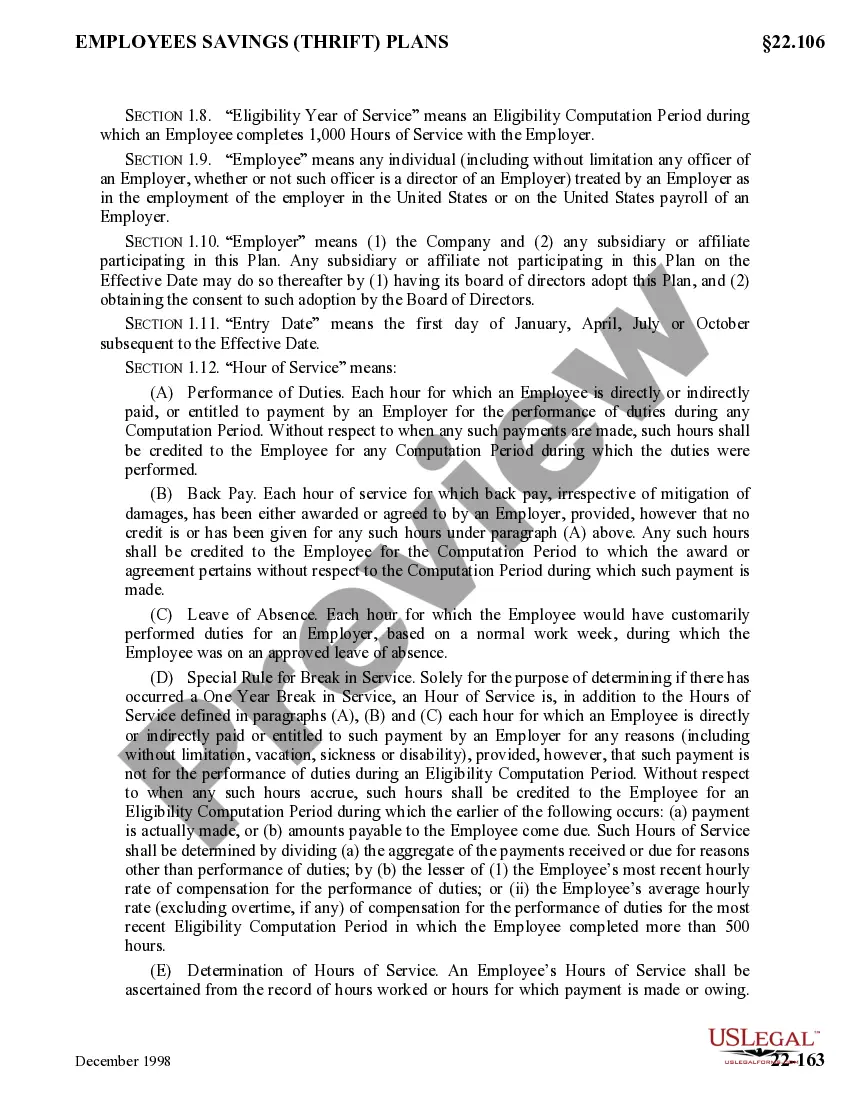
- Definitions: Clarifies key terms such as "Employee," "Employer," and "Compensation."
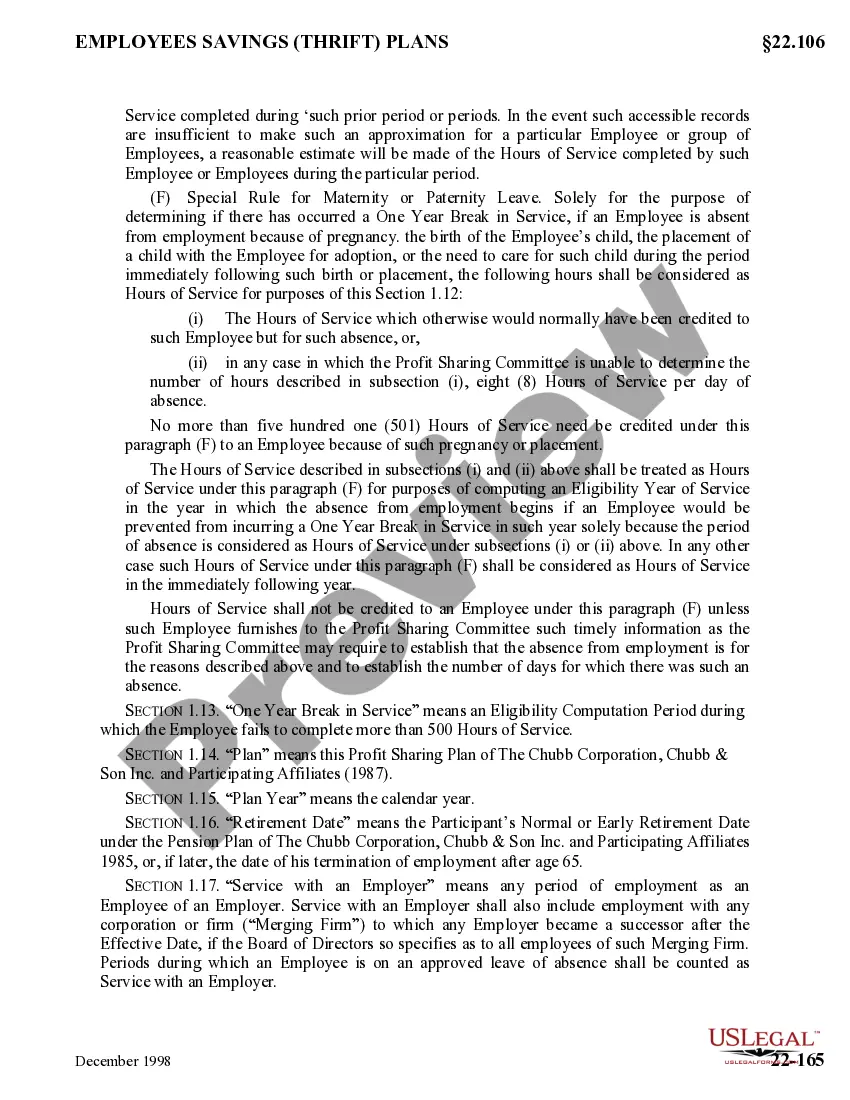
- Eligibility requirements: Specifies who can participate in the profit-sharing plan.
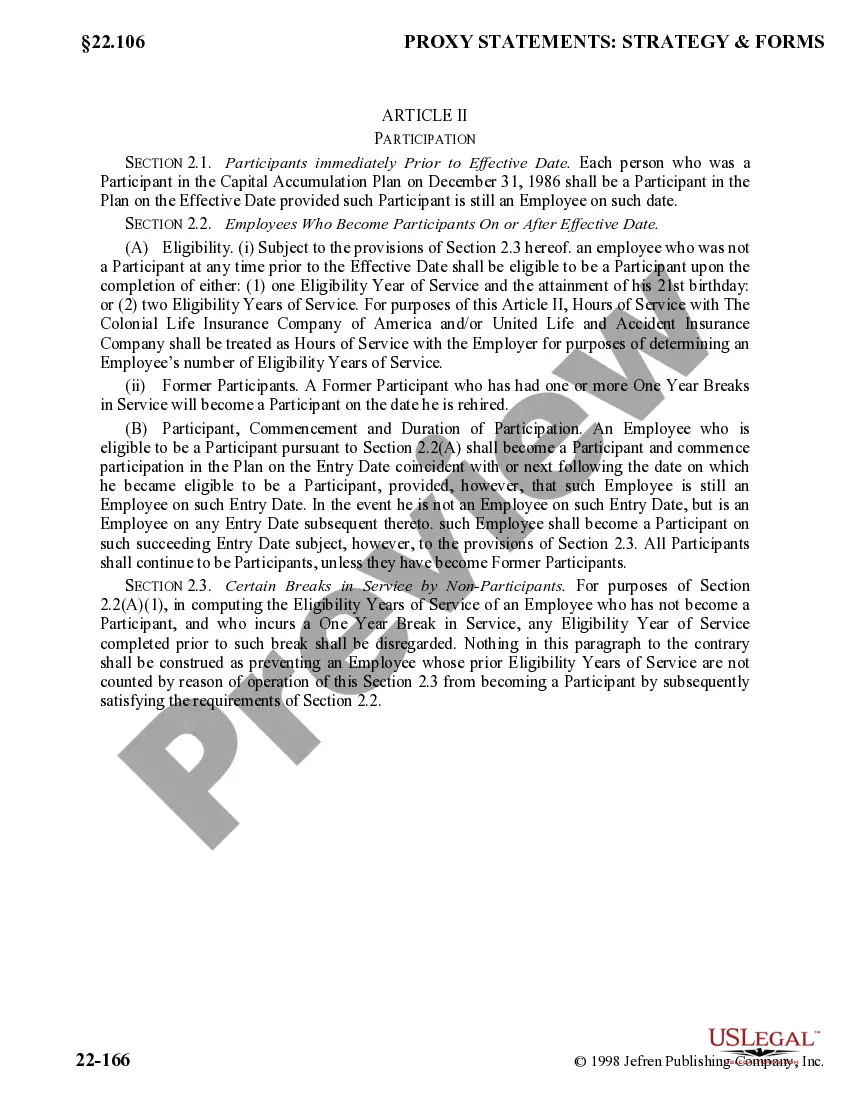
- Profit entitlements: Outlines the percentage of compensation that eligible participants may receive based on company performance.
- General provisions: Details the governing law and procedures for beneficiary designation and payment.
- Amendment and termination clause: States the conditions under which the plan may be modified or terminated.





When to use this form
This form should be used by companies looking to implement a profit-sharing plan as a means to incentivize employees and share the company's financial success. It is particularly beneficial for businesses that experience variability in profit and want to encourage employee retention and productivity through performance-based bonuses.
Intended users of this form
- Employers seeking to establish a profit-sharing plan for their employees.
- Business owners who want to incentivize productivity and align employee interests with company performance.
- HR professionals involved in employee compensation and benefits management.
How to complete this form
- Identify all parties involved, including the employer and qualifying employees.
- Specify the eligibility criteria for participation based on service years or age.
- Clearly outline the method for calculating bonus percentages based on company profits.
- Designate the payment schedule and any conditions required for distribution.
- Provide instructions for participants to designate beneficiaries for their potential benefits.
Notarization guidance
Notarization is generally not required for this form. However, certain states or situations might demand it. You can complete notarization online through US Legal Forms, powered by Notarize, using a verified video call available anytime.
Get your form ready online
Our built-in tools help you complete, sign, share, and store your documents in one place.
Make edits, fill in missing information, and update formatting in US Legal Forms—just like you would in MS Word.
Download a copy, print it, send it by email, or mail it via USPS—whatever works best for your next step.
Sign and collect signatures with our SignNow integration. Send to multiple recipients, set reminders, and more. Go Premium to unlock E-Sign.
If this form requires notarization, complete it online through a secure video call—no need to meet a notary in person or wait for an appointment.
We protect your documents and personal data by following strict security and privacy standards.

Make edits, fill in missing information, and update formatting in US Legal Forms—just like you would in MS Word.

Download a copy, print it, send it by email, or mail it via USPS—whatever works best for your next step.

Sign and collect signatures with our SignNow integration. Send to multiple recipients, set reminders, and more. Go Premium to unlock E-Sign.

If this form requires notarization, complete it online through a secure video call—no need to meet a notary in person or wait for an appointment.

We protect your documents and personal data by following strict security and privacy standards.
Typical mistakes to avoid
- Failing to clearly define eligibility criteria, which can lead to confusion among employees.
- Not updating the profit-sharing plan to reflect changes in corporate structure or regulations.
- Overlooking the need for clear communication regarding plan terms to all potential participants.
Why complete this form online
- Convenience of accessing and completing the form from anywhere at any time.
- Editability allows for easy updates to meet changing corporate policies.
- Reliability with a secure platform that maintains compliance with legal standards.
Legal use & context
- This form is a legally binding document once executed, outlining the terms for profit-sharing among employees.
- Compliance with applicable laws is essential to ensure enforceability and to avoid disputes.
- It should be reviewed periodically to ensure alignment with both federal and state regulations concerning employee benefits.
Looking for another form?


Form popularity
FAQ
Profit sharing example Divide each employee's individual compensation for the period by the total compensation for the period. Then, multiply your profit share percentage by your profits for the period. Finally, multiply the two totals together to determine each employee's payment amount.
Profit-sharing plans can be a great way to improve and keep employee morale, loyalty, and retention up. They are also a good way to motivate employees in participating in earning and protecting company profits because as part of the plan they have a vested interest in doing so.
Contribution limits The lesser of 25% of compensation or $58,000 (for 2021; $57,000 for 2020, subject to cost-of-living adjustments for later years).
Defined-Contribution Plan Most-profit sharing plans are set up as defined-contribution pension plans, similar to a 401(k) account.With these plans, an employer cannot withdraw money it has previously contributed. The tax-deferred type of profit-sharing plan also provides tax benefits to the employer.
401(k)s and profit-sharing plans are two types of retirement accounts that are offered to employees from their employer. 401(k) plans are typically funded by deferring employee wages into the account.A profit-sharing plan is funded entirely by the employer, with no employee contribution at all.
In a 401(k) that allows an employer match employees can receive employer contributions as well as make their own contributions.But in a profit-sharing plan, only employer contributions are permitted (i.e. an employee cannot make any contributions).
Example of a Profit-Sharing Plan If the business owner shares 10% of the annual profits and the business earns $100,000 in a fiscal year, the company would allocate profit share as follows: Employee A = ($100,000 X 0.10) X ($50,000 / $150,000), or $3,333.33.
Profit sharing is an incentivized compensation program that awards employees a percentage of the company's profits. The amount awarded is based on the company's earnings over a set period of time, usually once a year. Unlike employee bonuses, profit sharing is only applied when the company sees a profit.