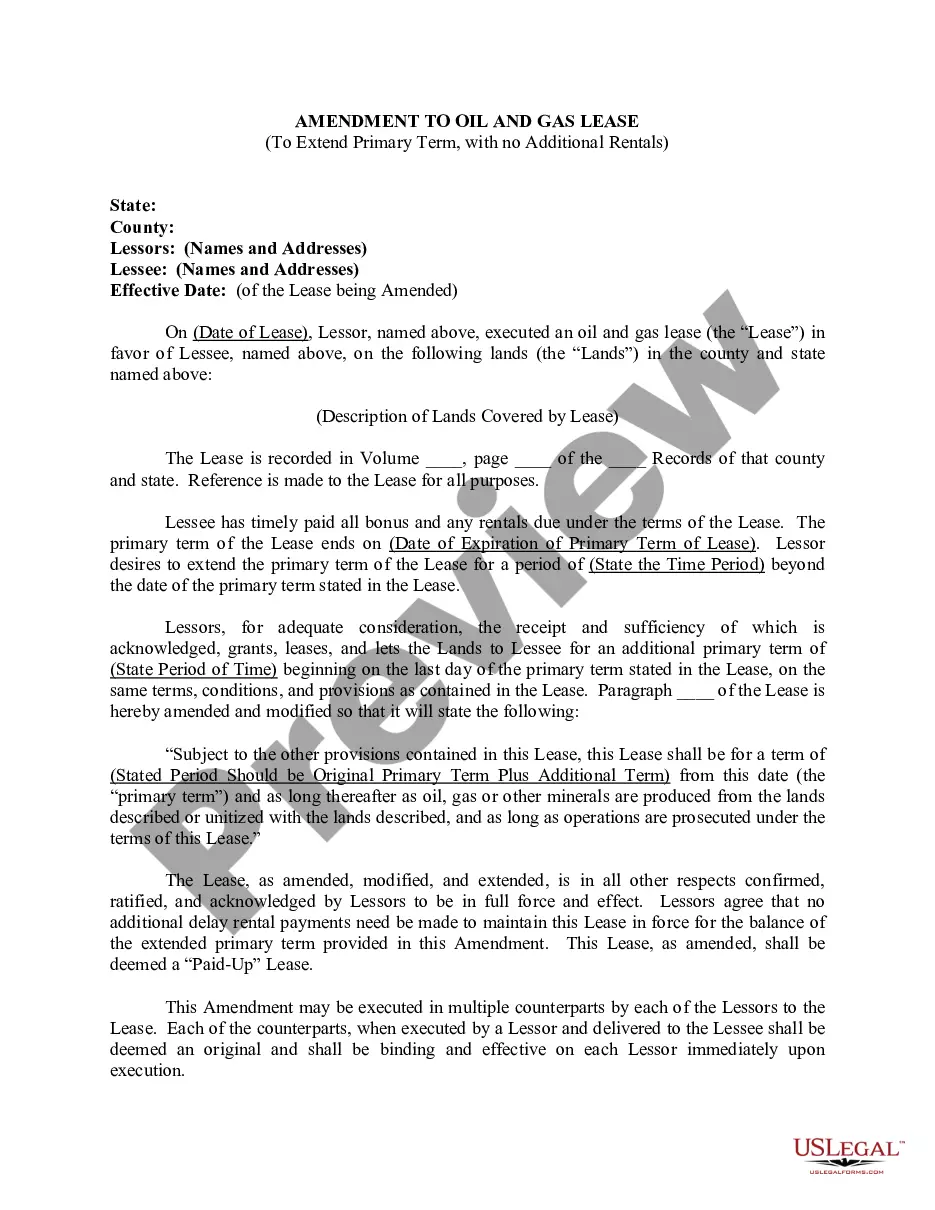
Massachusetts Construction Management Agreement
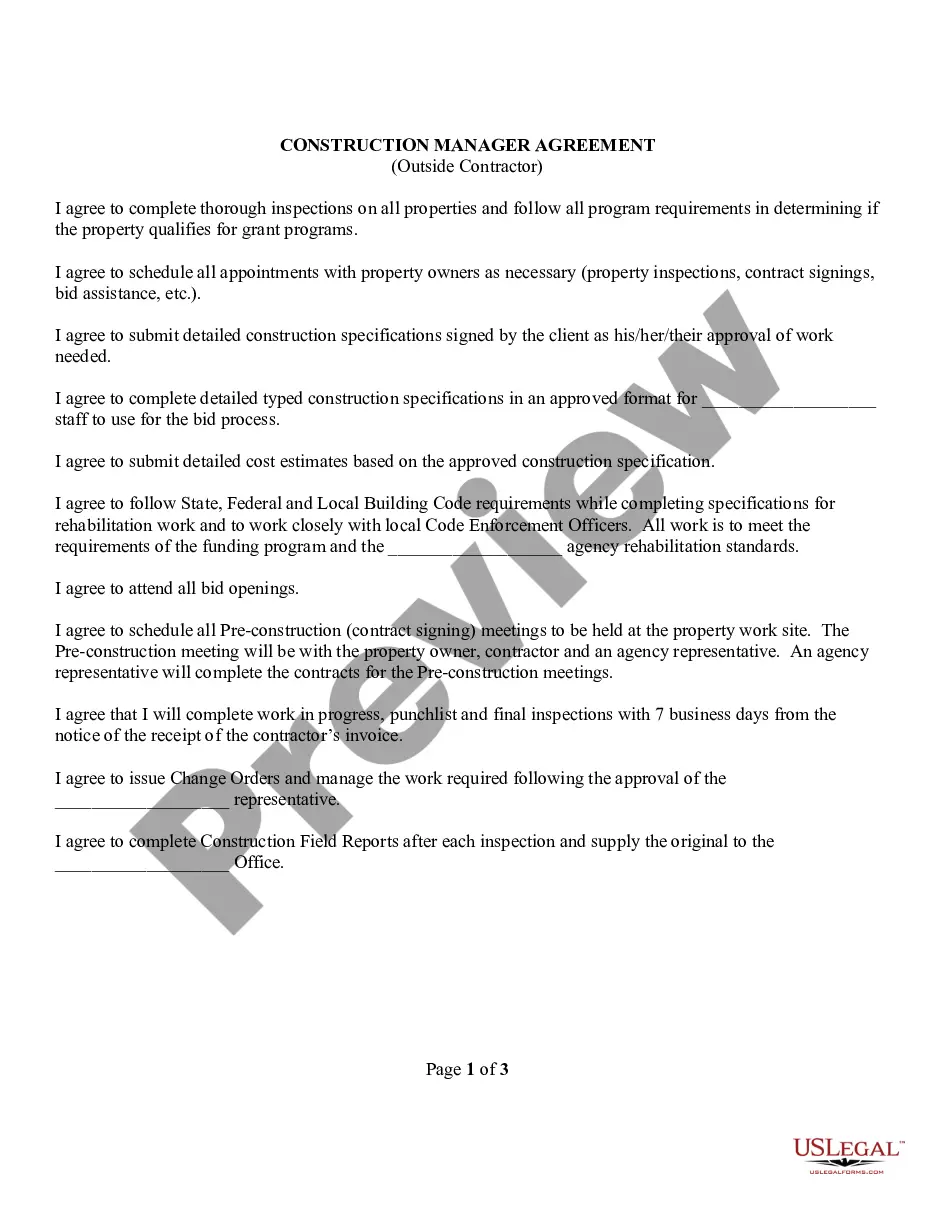
Description
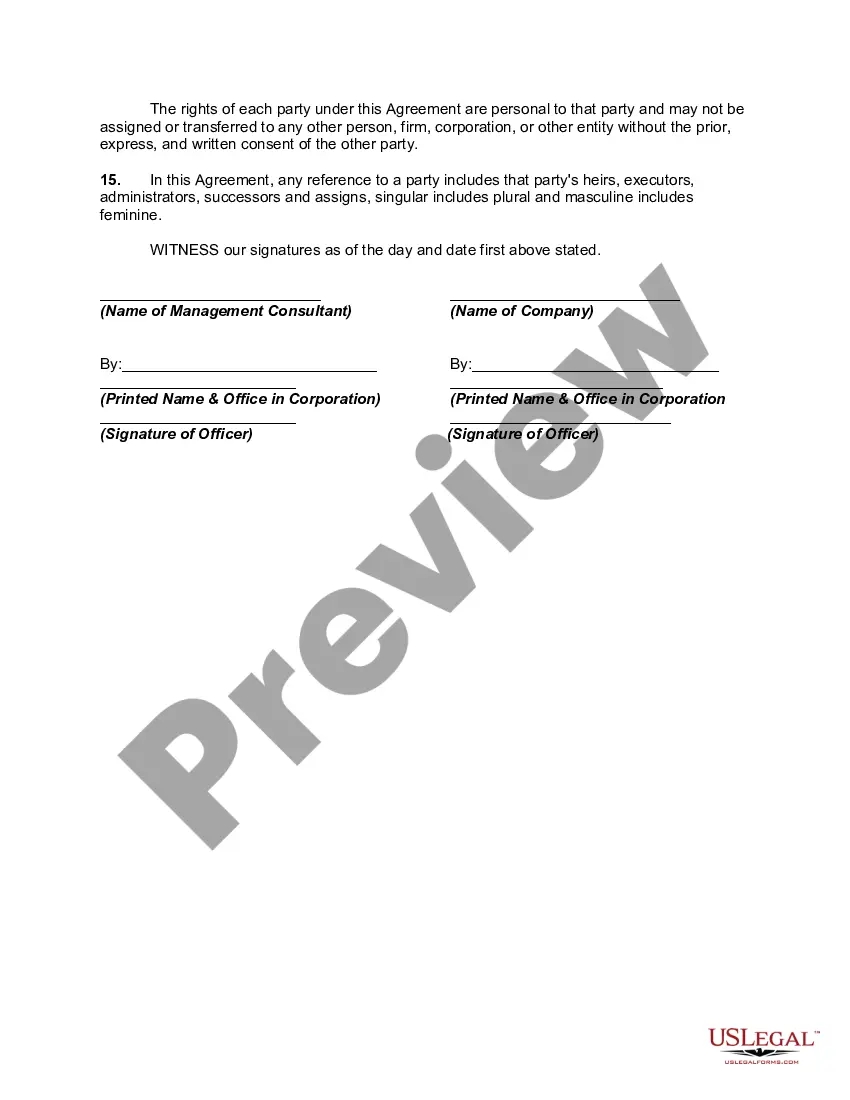
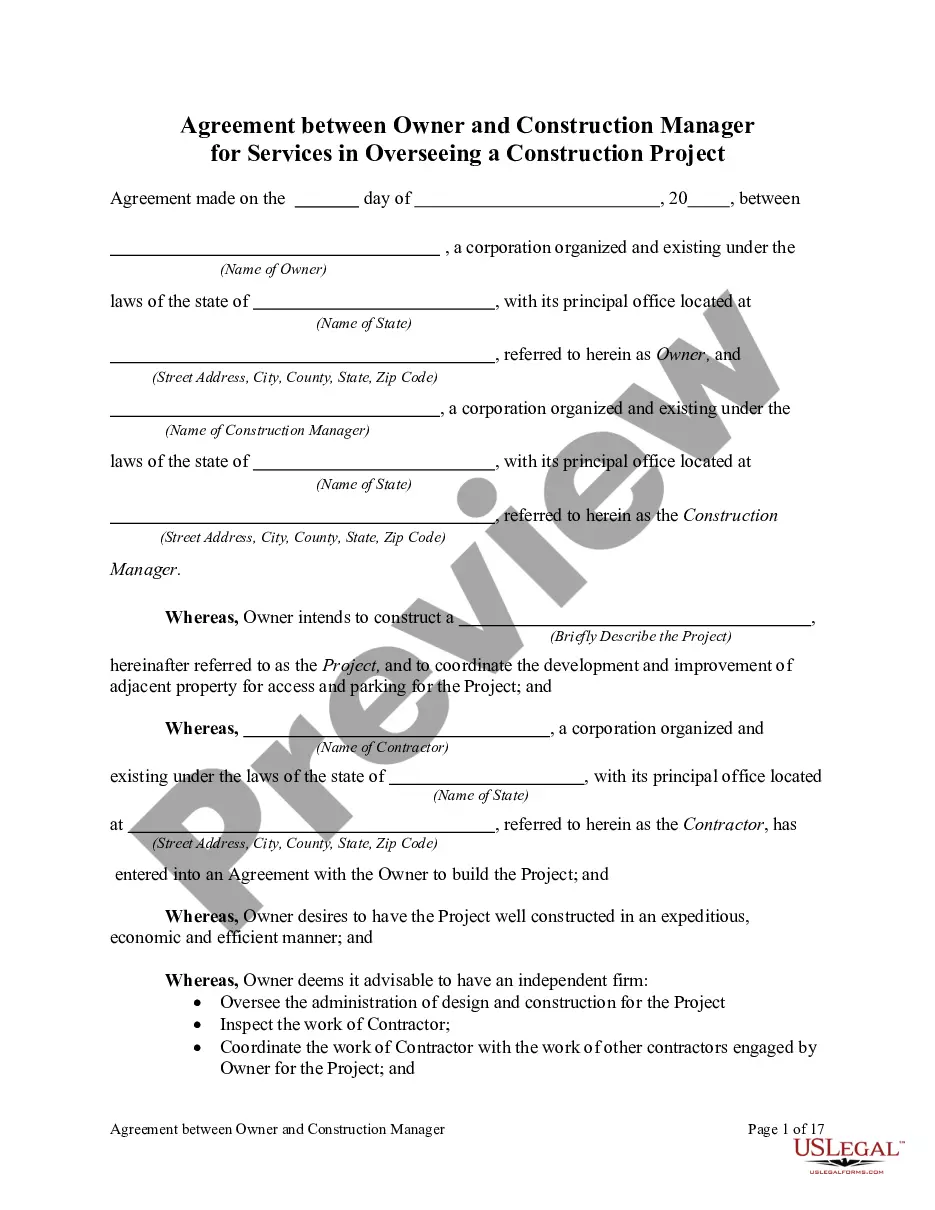
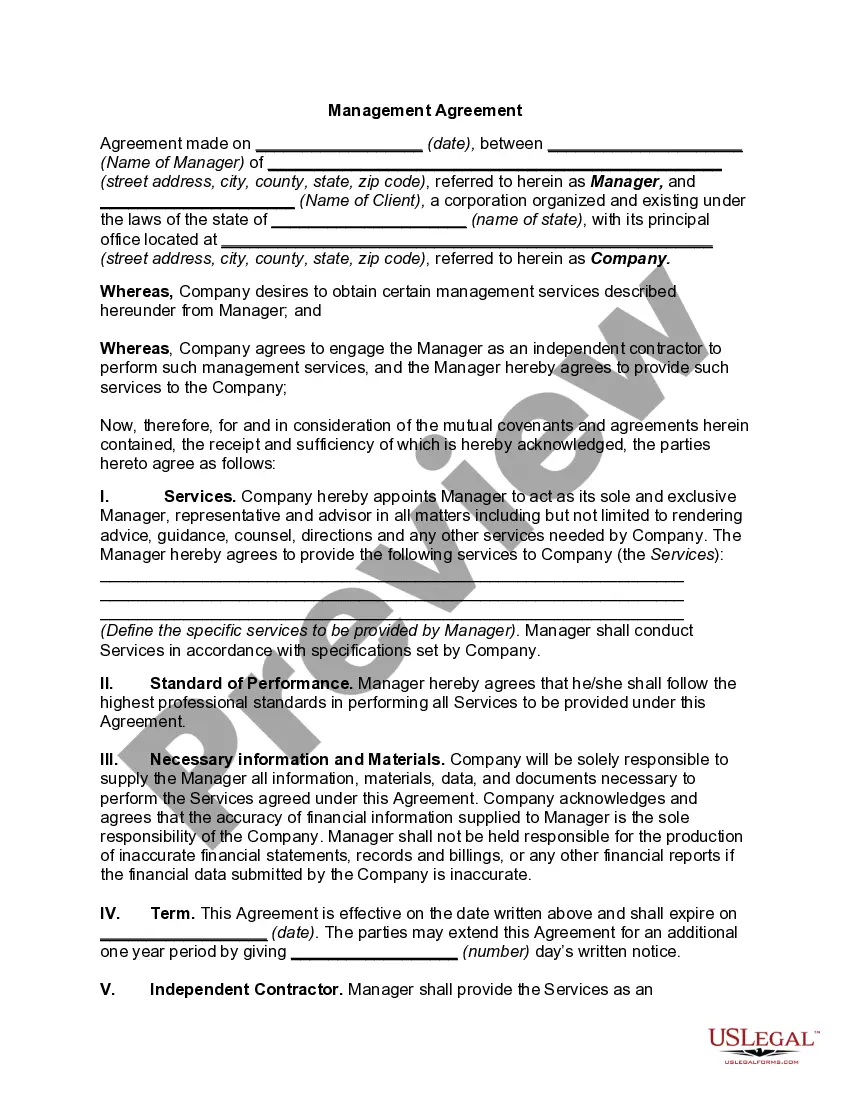
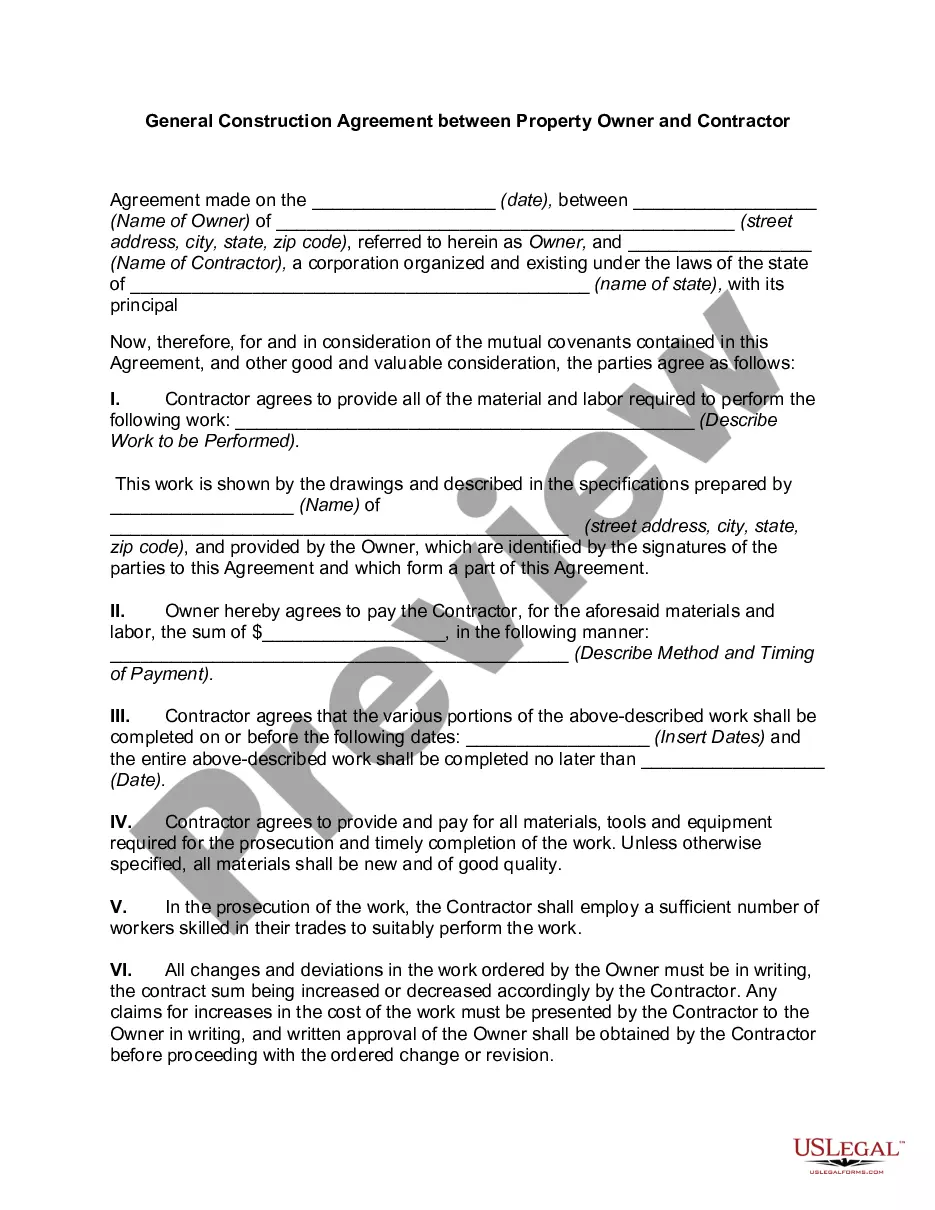
Get your form ready online
Our built-in tools help you complete, sign, share, and store your documents in one place.
Make edits, fill in missing information, and update formatting in US Legal Forms—just like you would in MS Word.
Download a copy, print it, send it by email, or mail it via USPS—whatever works best for your next step.
Sign and collect signatures with our SignNow integration. Send to multiple recipients, set reminders, and more. Go Premium to unlock E-Sign.
If this form requires notarization, complete it online through a secure video call—no need to meet a notary in person or wait for an appointment.
We protect your documents and personal data by following strict security and privacy standards.

Make edits, fill in missing information, and update formatting in US Legal Forms—just like you would in MS Word.

Download a copy, print it, send it by email, or mail it via USPS—whatever works best for your next step.

Sign and collect signatures with our SignNow integration. Send to multiple recipients, set reminders, and more. Go Premium to unlock E-Sign.

If this form requires notarization, complete it online through a secure video call—no need to meet a notary in person or wait for an appointment.

We protect your documents and personal data by following strict security and privacy standards.
Looking for another form?


How to fill out Construction Management Agreement?
You can spend several hours online trying to locate the valid file template that meets the state and federal criteria required by you.
US Legal Forms offers thousands of valid forms that are reviewed by professionals.
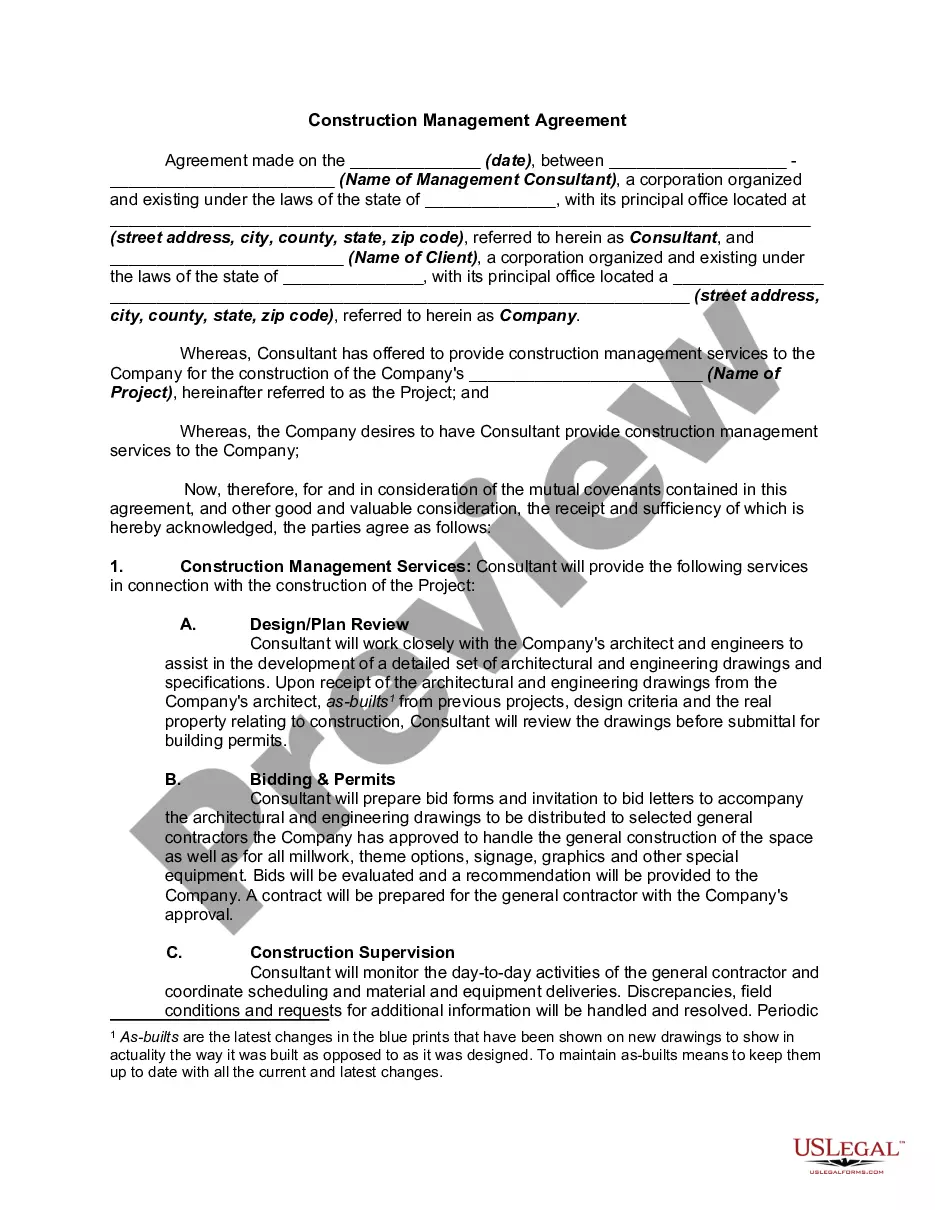
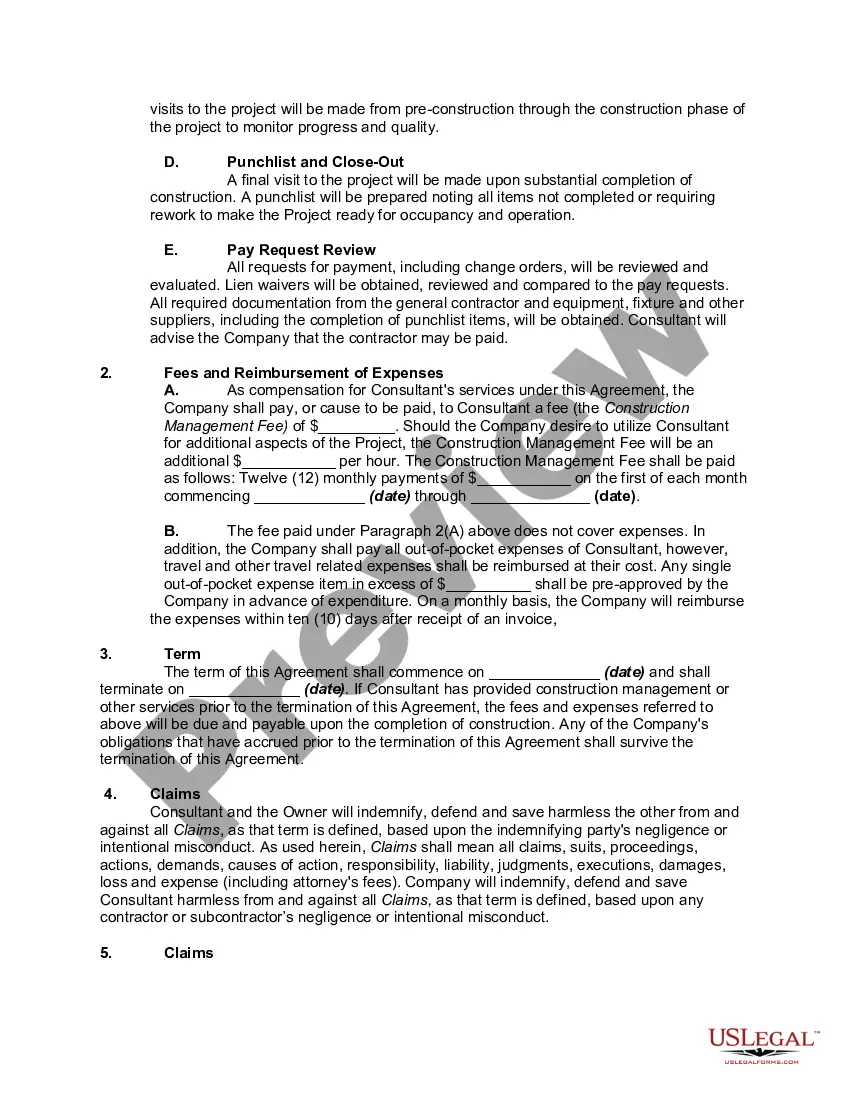
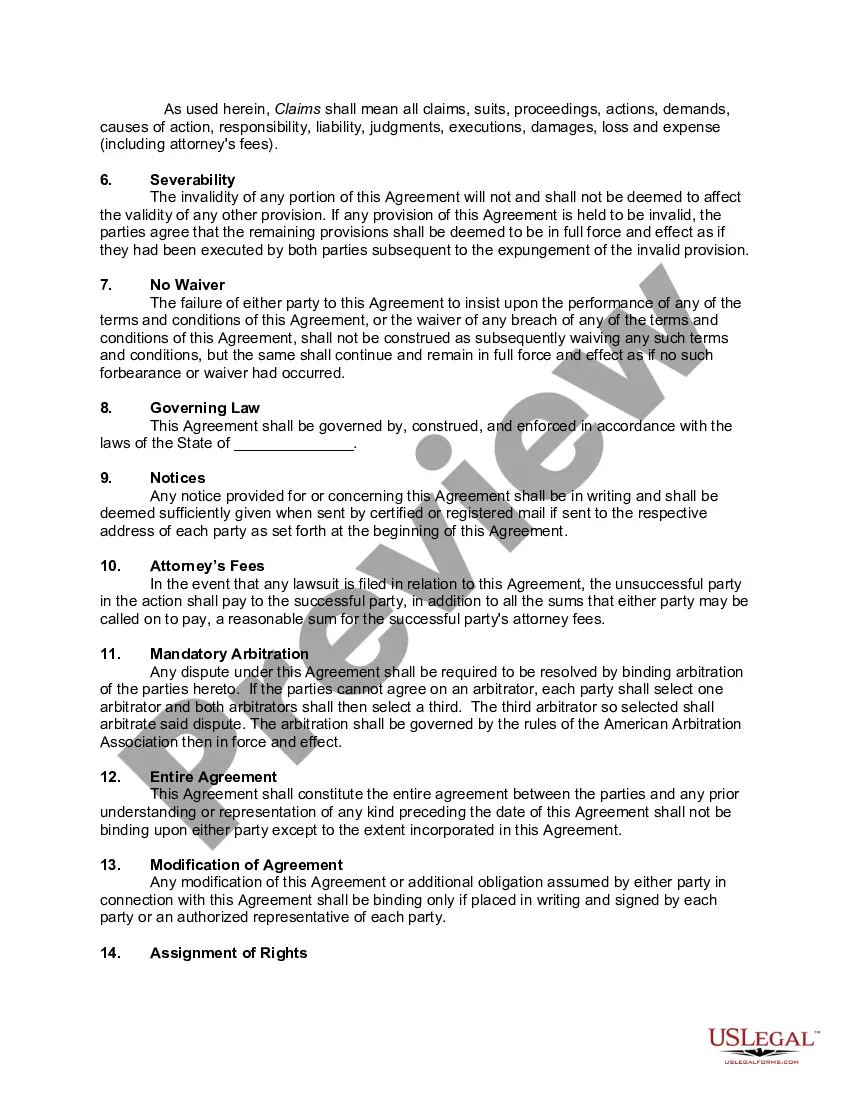
It is easy to download or print the Massachusetts Construction Management Agreement from the platform.
If available, utilize the Review button to examine the file template as well.
- If you have an account with US Legal Forms, you can sign in and click on the Download button.
- Then, you can fill out, modify, print, or sign the Massachusetts Construction Management Agreement.
- Every valid file template you obtain is yours indefinitely.
- To gain another copy of any purchased document, go to the My documents tab and click on the relevant button.
- If you are using the US Legal Forms website for the first time, follow the simple instructions below.
- First, ensure that you have selected the appropriate file template for the state/city of your choice.
- Read the form description to confirm you have chosen the correct form.
Form popularity
FAQ
The primary difference between CMc and CMa construction lies in the role of the construction manager. In CMc, the manager acts as both a consultant and the contractor, taking direct control of the construction process. Conversely, in CMa, the manager serves only as an advisor, guiding the owner but not executing construction. Utilizing a Massachusetts Construction Management Agreement can help clarify these distinctions and enhance the overall collaboration among project teams.
CMc stands for Construction Management as a Contractor, which is a different project delivery method compared to CMa. In this approach, the construction manager also assumes the role of the general contractor, taking on greater responsibility for project execution. Understanding these differences is critical, and a well-structured Massachusetts Construction Management Agreement can ensure all parties are aligned on their roles and responsibilities.
While CM as an Agent has its benefits, there are some disadvantages as well. One potential drawback is that the construction manager does not have full control over the project budget, which can lead to unexpected costs. Additionally, the responsibility for contractor selection falls on the owner, which may lead to challenges in finding the right fit. It is essential to clearly outline expectations in a Massachusetts Construction Management Agreement to mitigate risks.
CMa, or Construction Management as an Agent, refers to a project delivery method where the construction manager acts on behalf of the owner. This approach allows for collaboration between the owner and the construction team throughout each phase of the project. By using a Massachusetts Construction Management Agreement, stakeholders can ensure clear communication and effective decision-making, ultimately leading to a successful construction project.
Qualifying as a general contractor requires a combination of experience, knowledge, and documentation. Most places require a specific number of years in the construction field and proof of completed projects. It's beneficial to familiarize yourself with a Massachusetts Construction Management Agreement, as understanding contractual obligations will better equip you for your role and lend credibility to your qualifications.
To secure a general contractor license in Massachusetts, you need to complete the application process set by your local government. This includes presenting evidence of your construction experience and passing any required examinations. Additionally, understanding the ins and outs of a Massachusetts Construction Management Agreement can provide you with a competitive edge and ensure your projects run smoothly.
Getting a general contractor (GC) license in Massachusetts involves a few key steps. First, you need to decide which type of license is suitable for your work. After that, gather required documents, such as proof of experience and insurance, and submit your application to the appropriate local licensing board. Familiarity with a Massachusetts Construction Management Agreement can enhance your project management skills, which is beneficial when pursuing your license.
To obtain a gas fitter's license in Massachusetts, you must first complete a training program and gain relevant work experience. Afterward, you can apply for the exam through the state's licensing authority. Passing the exam demonstrates your knowledge of safety and regulations related to gas fitting. This process typically complements knowledge you could gain from understanding a Massachusetts Construction Management Agreement.
When writing construction contracts, avoid vague language and unclear terms that can lead to misunderstandings. Do not overlook essential details like payment schedules, deadlines, and dispute resolution methods. It’s also important to steer clear of overly complex jargon that could confuse the parties involved. A well-structured Massachusetts Construction Management Agreement can help eliminate these pitfalls.
To write a simple contract agreement, start with a clear title and date, followed by the parties involved. Describe the services provided or the work to be executed in straightforward language. Next, specify the payment terms and any conditions for modifications or termination. A Massachusetts Construction Management Agreement from US Legal Forms can be a valuable resource to guide you through this process.